• Link to X
  • Link to Facebook
  • Link to Instagram
  • Link to TikTok
  • Link to Youtube
  • About
    • About Us
      • President
      • Board of Directors
      • Board of Advisors
      • Financials
      • Our Methodology
      • Success Tracker
      • Contact
  • Act Now
    • 30 Ways to Help
      • Email Congress
      • Call Congress
      • Volunteer
      • Courses & Certificates
      • Be a Donor
    • Internships
      • In-Office Internships
      • Remote Internships
    • Legislation
      • Politics 101
  • The Blog
  • The Podcast
  • Magazine
  • Donate
  • Click to open the search input field Click to open the search input field Search
  • Menu Menu

Archive for category: COVID-19

COVID-19, Global Poverty, Women and Children

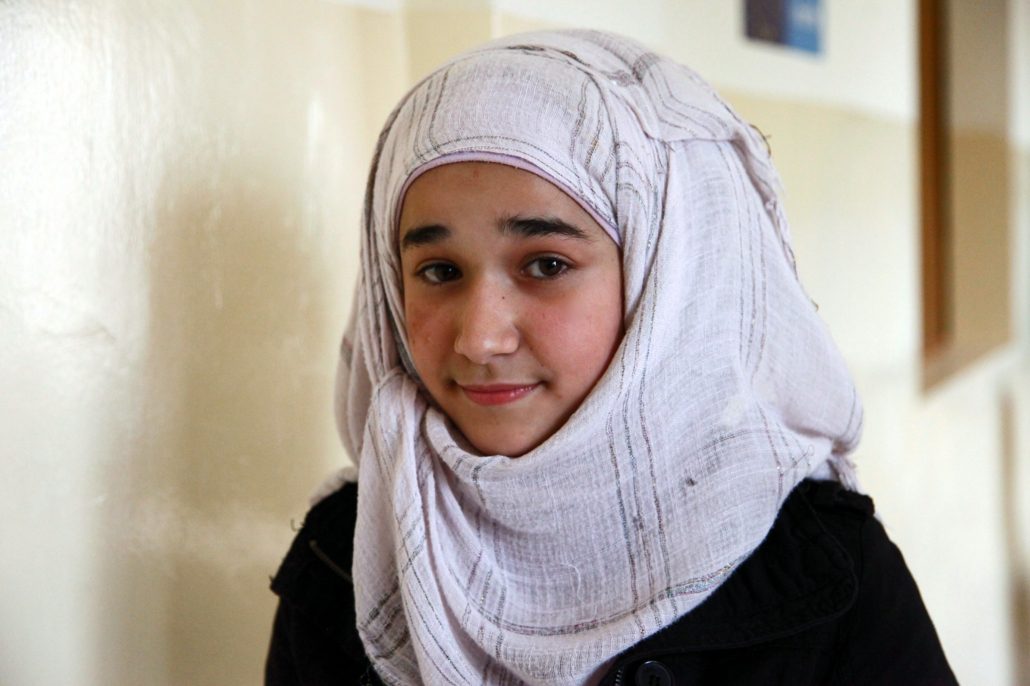
Women Fight COVID-19 in Rohingya Refugee Camps

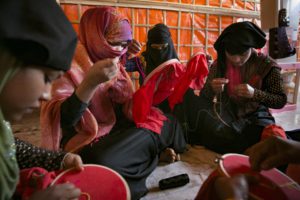
Rohingya refugee campsLow-income areas with a high population density are at the highest risk of contracting the coronavirus. This threat is very prevalent in the Rohingya refugee camps, especially for women and girls.

The Issue

Currently in Bangladesh, there are over 860,000 Rohingya refugees living in camps. The Rohingya people, a minority ethnic group from Myanmar, are fleeing from genocidal violence, persecution, discrimination and human rights violations. The Rohingya face violence because they mainly practice Islam while the majority of Myanmar is Buddhist. The large mass of people fleeing into Bangladesh has caused the refugee camps to become immensely populated. The result is overcrowding, only temporary shelter, communal bathrooms and water facilities and limited food space.

Overcrowding and limited space in refugee camps result in the Rohingya having an especially high risk of contracting COVID-19. Currently, the best way to prevent the spread of this disease is to social distance, wear masks and increase testing. However, the Rohingya refugees do not have the space or resources to do this. As of June 2020, there were four deaths and 45 confirmed cases within the Rohingya refugee population. However, because there is a huge lack of testing, these numbers are most likely not accurate. The hospitals in city centers no longer have resources themselves to treat any more people. As such, many infected Rohingya aren’t being accepted.

How Women are Fighting Back

Oxfam, an NGO fighting poverty, traveled to the Rohingya refugee camps to help build better water, sanitation and hygiene stations. This includes systems like water taps and hand washing stations, which could be potential risk areas for disease spreading. When designing the new water and sanitation facilities, Oxfam interviewed many girls and women to hear their thoughts. The women and girls contributed to design aspects like how the stations should stand, where hooks should go, and even suggested a mirror. All of the expertise given by those Rohingya women and girls has spread to other camps. Now 300 hand-washing and water stations are implemented in three different refugee camps.

Women also have taken on the important role of spreading information and discounting myths surrounding COVID-19 in the refugee camps. One woman, Ashmida Begum, walks around the camp dispelling myths. Begum explained that she uses the Quran to help explain the virus and disease prevention. She mainly helps other women and children who are a large majority of Rohingya refugee camps. Misinformation has led Bangladesh to lift internet restrictions on the Rohingya refugees. The barriers were originally in place to quell panic and stop rumors. Instead, rumors and myths spread and local women like Begum worked to stop them.

Why Women

Women have been so effective in helping the refugee camps because the local people trust them. They have special access in reaching other women, who normally do not leave their homes often and do not have internet.

Women are traditionally the primary caregiver of the family, so they especially need to be healthy and informed to keep the rest of the family safe. This is also why women’s input is needed in the sanitation and water stations; women will be using them the most.

Impacts of this Work

The work that the women and girls of Rohingya refugee camps have impacts beyond fighting COVID-19. Oxfam reports that the design process helped girls take a more active role in their own lives. They were able to think and speak for themselves.

The rise in panic and social tensions in the camps resulted in a rise in domestic violence and violence against women. Rohingya women stepped into leadership roles and formed networks to help combat that panic around the virus to counter the gender-based attacks.

The work done by the women in Rohingya refugee camps to fight COVID-19 is helping to increase cleanliness and knowledge about the virus. They are slowing the spread of the virus and giving women and girls a way to be leaders in their communities.

– Claire Brady
Photo: Flickr
November 13, 2020
https://borgenproject.org/wp-content/uploads/borgen-project-logo.svg 0 0 Kim Thelwell https://borgenproject.org/wp-content/uploads/borgen-project-logo.svg Kim Thelwell2020-11-13 12:30:442020-11-10 10:25:06Women Fight COVID-19 in Rohingya Refugee Camps
COVID-19, Global Poverty

US Sanctions on Iran Amid the Novel Coronavirus

US Sanctions on Iran
In a 2018 interview with Stephen Colbert, former president Jimmy Carter said that “sanctions exhaust rulers, and hurt the people.” More recently, the maximum pressure policy on Iran of former President Donald Trump marked a shift from Carter’s view on U.S. sanctions. The Carter Administration did coincide with the collapse of U.S.-Iranian relations. At the time, however, both countries had reasons to be hopeful. Here is some information about U.S. sanctions on Iran amid the novel coronavirus.

The Fall of the Shah and Jimmy Carter

The U.S. was pressuring Tehran to demolish despotism, and the Shah was compliant. The Nixon doctrine, a doctrine that stressed military support for authoritarian proxies as an impediment to the spread of communism, was eroding.

Despite these transformations, shows like “60 Minutes” were exposing the Shah’s human rights abuses. The most salient of these abuses was the SAVAK, a clandestine police and intelligence service devoted to the torture and murder of suspected communists, which the U.S. funded.

Additionally, the shah had more focus on military strength than social and economic reforms. In hindsight, the Iranian revolution and the collapse of U.S.-Iranian relations may seem inevitable. Critics of Carter argue that his failure to save the hostages signaled the death knell of his Administration.

The Obama Sanctions and the JCPOA

Since that time, the chasm between both countries has grown wider. Washington and Tehran have been rapidly heading toward collision; disaster feels imminent. During the Obama Administration, the U.S. imposed sanctions on the sale of oil and the funding of Iran’s nuclear program. The intent was to bring Iranian officials to the negotiating table.

In 2012, Obama deemed the “grinding” of the Iranian economy a success. During this time, the value of Iran’s currency plummeted. From 2011-2012, the rial lost 38% of its value, deterring many corporations from doing business with Tehran and plunging the economy into economic isolation.

In 2015, the P5+1—the U.S., Germany, China, Russia, France and the U.K.—reached an agreement that would ease U.S. sanctions on Iran in return for restrictions on its nuclear program. This agreement became known as the Joint Comprehensive Plan of Action (JCPOA) or colloquially as the nuclear deal. The International Atomic Energy Agency praised the deal. CIA director, John Brennan, and former national security advisor, Zbigniew Brzezinski, voiced their support for it.

Trump’s Withdrawal from the JCPOA

In 2018, President Trump withdrew from the JCPOA, famously calling it the “worst deal ever.” Critics of the deal argue that in spite of the deal Iran continues to provide support to various terrorist proxies, such as Hezbollah, the Houthis and the Badr Corps, in addition to the Assad government. As Iran’s sphere of influence burgeons in the Arab world, Tehran draws nearer to the Saudi Kingdom’s sphere of influence. Saudi Arabia has been an ally of the U.S. since World War II. Critics of the deal also contend that a sunset clause will leave open the possibility of Iran continuing its nuclear program in the future.

Now, after pressuring the U.N. to multilaterally reimpose sanctions, the Trump Administration has prolonged the arms embargo previously scheduled to end on Oct. 18, 2020. The administration has also reinstated U.S. sanctions on uranium enrichment and ballistic missile development.

The Impact of the Sanctions on Iran’s Coronavirus Response

As the value of the rial continues to dwindle and inflation continues to soar, the price of food and medicine is skyrocketing. In addition, U.S. sanctions have impaired Iran’s ability to afford humanitarian supplies amid the novel coronavirus. Relief International is providing tens of thousands of masks, coveralls and test kits to frontline workers, as well as giving thousands of hand sanitizer bottles to Afghan refugee camps in Iran to mitigate this dire situation. At the moment, the death count in Iran due to COVID-19 is over 60,000.

Conclusion

U.S. sanctions impinge on Iran’s response to the novel coronavirus. From the revolution until now, amicability between Iran and the U.S. has deteriorated. The Iranian people are the victims of this decay. Today, the Iranian economy is suffering from the novel coronavirus, while Iranian and U.S. officials continuously make accusations toward one another.

– Blake Dysinger
Photo: Flickr

November 5, 2020
https://borgenproject.org/wp-content/uploads/borgen-project-logo.svg 0 0 Jennifer Philipp https://borgenproject.org/wp-content/uploads/borgen-project-logo.svg Jennifer Philipp2020-11-05 11:55:182024-12-13 18:02:22US Sanctions on Iran Amid the Novel Coronavirus
COVID-19, Global Poverty, Politics

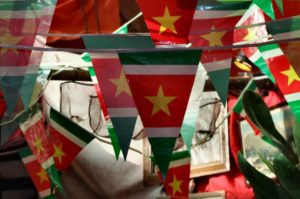
How Suriname is Changing Amidst the Pandemic

Suriname is Changing
Suriname is among the many countries that COVID-19 has affected, specifically in its health care and political systems. The pandemic revealed the underbelly of Suriname’s existing health system. The country has since been guiding officials toward a more adequate system and the political climate in Suriname is changing. The election on May 25, 2020, brought in Chan Santokhi as the new president succeeding the decade-long leader, Desi Bouterse.

Former President Desi Bouterse

Desi Bouterse tightly held the reins in Suriname for years as an influential political force. Bouterse was a prominent figure in overthrowing the first leader of Suriname, Henck Arron, after the country’s independence. He was chairman of the National Military Council for a majority of the 80s and became president in 2010.

Bouterse has a significant history of controversial actions. In November 2019, Surinamese judges decided that Bouterse was guilty of murder and found him responsible for the death of 15 of his opponents in December 1982 because he commanded his soldiers to kill them. This long-standing trial started in 2007 when he stated that he had “political responsibility” but took no personal responsibility for what had happened. Although he received a 20-year sentence, the police did not issue any arrest warrants for Bouterse. He also denied allegations of smuggling more cocaine into the Netherlands, which the Dutch court convicted him of doing in 1999.

President Chan Santokhi

In 2020, Desi Bouterse saw the end of his long career. Chan Santokhi was victorious over Bouterse in the elections in May 2020. Mr. Santokhi was a former police chief who investigated the past president for his alleged murders in 1982. Although he has won the seat as leader, there are still many obstacles he must overcome after inheriting Bouterse’s Suriname. Suriname is battling a horrible financial crisis, political corruption and the coronavirus.

The new president has much to accomplish, but there may be hope for Suriname. Chan Santokhi may be able to overturn the economic crisis in Suriname by utilizing its newly found offshore oil by 2026.

Health Care Deficiencies

COVID-19 is touching the lives of those in Suriname, and the virus is quickly exposing the deficiencies in its health care system. First, tropical rainforest covers most of the land and houses many Indigenous and marginalized populations. Those who live in these deeply remote areas are unable to receive essential health care.

Second, Suriname has an insufficient workforce in the health care sector at about eight physicians and 23 nurses per 10,000 people. It is also suffering from a lack of specialists who can work in ICUs.

Third, Suriname does not have a structured effective response plan in case of emergencies as the country is not susceptible to natural disasters except for the occasional flooding. With resources going toward COVID-19 treatment, Suriname is recognizing its lack of resources to provide other health services not pertaining to the virus.

Actions to Fight Against COVID-19

At the beginning of 2020, the country’s ministry of health took immediate action and gathered a public health response team to combat the virus. This team worked with the Pan American Health Organization (PAHO), World Health Organization (WHO) and Universal Health Coverage Partnership to bolster the health care system and provide effective plans for current and future disease outbreaks.

The organizations are also working to implement universal health coverage in Suriname. With the help of these organizations and international funding, Suriname is working to effectively save lives through a better health care system, a protected workforce, containment of COVID-19 and preparation for future epidemics. Suriname is changing and improving its current public health system for the present as well as the future.

Regardless of the brutalities many face due to COVID-19, it has also brought positive changes to the people of Suriname. The country was able to take down a controversial leader and new plans to improve its emergency response and public health system are in progress. Hopefully, with the turn of a new post-COVID-19 era, Suriname is changing for the better.

– San Sung Kim
Photo: Flickr

November 5, 2020
https://borgenproject.org/wp-content/uploads/borgen-project-logo.svg 0 0 Kim Thelwell https://borgenproject.org/wp-content/uploads/borgen-project-logo.svg Kim Thelwell2020-11-05 07:30:312020-11-03 09:17:56How Suriname is Changing Amidst the Pandemic
COVID-19, Global Health, Global Poverty

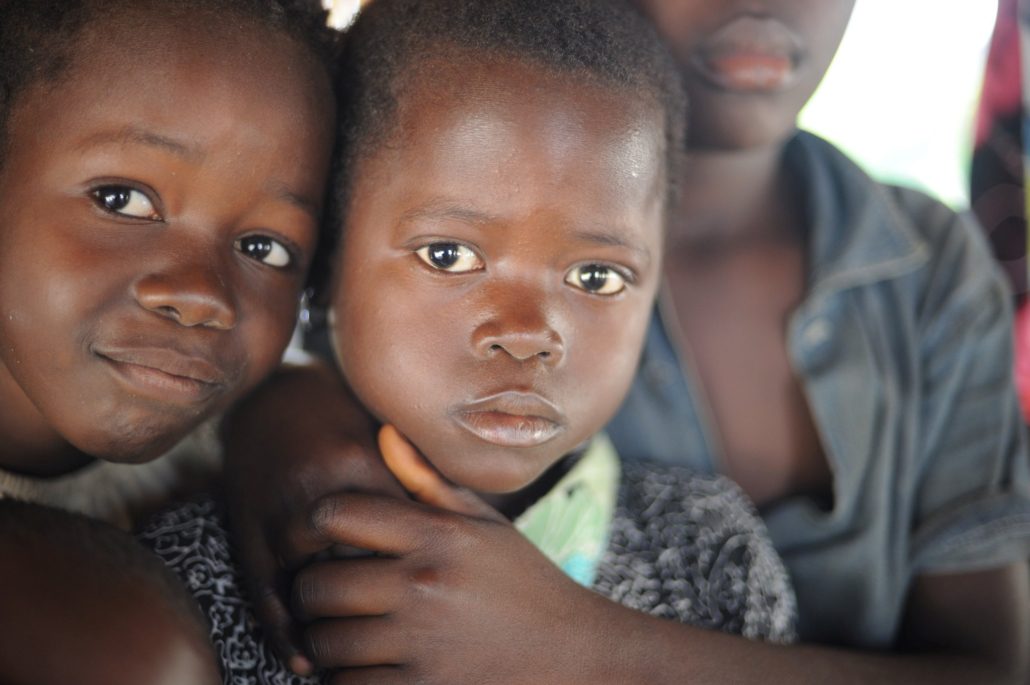
How Ebola Effects the Economy in the DRC

Economy in the DRC
On June 25, 2020, the Ministry of Health of the Democratic Republic of Congo declared that the 10th Ebola outbreak was over in three provinces. With the rise of COVID-19 cases in the country, Ebola cases have also increased significantly as social distancing became difficult in medical facilities. As of August 13, 2020, there have been 86 confirmed Ebola cases in the northwest Equateur province. As of July 3, 2020, there were a total of 3,481 cases in the entire country. With Ebola and COVID-19 cases rising, medical costs, personnel and resources will heavily affect the economy as government officials scramble to contain the outbreaks. Here is some information about how Ebola has affected the economy in the DRC.

Keeping Inflation in Check

The recent outbreaks in the Equateur province are in remote areas, regions that are difficult for medical supplies to reach. The lack of access to these areas requires an increase in medical cost support, however, the DRC currently cannot shoulder the financial burden due to the COVID-19 pandemic. The economy in the DRC has been stressed because of COVID-19 costs and has been adjusting rates in order to control inflation. During the week of August 10, the Central Bank of DRC increased the key interest rate from 7.5% to 18.5% in order to prevent inflation. Despite the pandemic, Central Bank experts are expecting an increase in the economic growth of 2.4% at the end of 2020. This would be a downward trend from expectations at the beginning of 2020.

Tracking COVID-19 and Ebola

The DRC will only be able to contain both viruses if it can properly document progression and transmission. However, the DRC has more than 500 regions of difficult terrain that do not have access to basic resources. These remote, populous areas are unable to receive medical resources or be properly tracked. They have less access to electricity, medical personnel and resources. The economy in the DRC has exacerbated most funds in order to contain the COVID-19 outbreak. However, the World Health Organization (WHO) has reported that almost 13,000 people have received vaccinations since the 11th Ebola outbreak that started near the end of July 2020.

International Aid

The U.S. Agency for International Development (USAID) is delivering an additional $7.5 million in humanitarian assistance to the DRC for Ebola. With these funds and WHO’s vaccine distribution procedures, testing facilities and medical personnel volunteers, the DRC will be able to more efficiently combat these pandemics.

Additionally, the DRC is receiving a $363 million loan from the International Monetary fund, $47 million from the World Bank and $40 million in emergency funds from the United Nations to strengthen the economy. These monetary aids will go toward the COVID-19 medical response, 11th Ebola outbreak vaccinations and necessary medical facilities.

Conclusion

Despite battling two pandemics at once, the DRC has maintained its composure and enacted the proper medical responses with the resources it has. The economy in the DRC has suffered because of the new Ebola outbreak. However, the DRC’s mission and determination to wipe out the last of the Ebola infections are unparalleled by previous responses. The DRC is on track to declaring another Ebola outbreak over.

– Aria Ma
Photo: Flickr

October 31, 2020
https://borgenproject.org/wp-content/uploads/borgen-project-logo.svg 0 0 Kim Thelwell https://borgenproject.org/wp-content/uploads/borgen-project-logo.svg Kim Thelwell2020-10-31 14:45:162024-05-29 23:14:59How Ebola Effects the Economy in the DRC
COVID-19, Global Poverty, Hunger

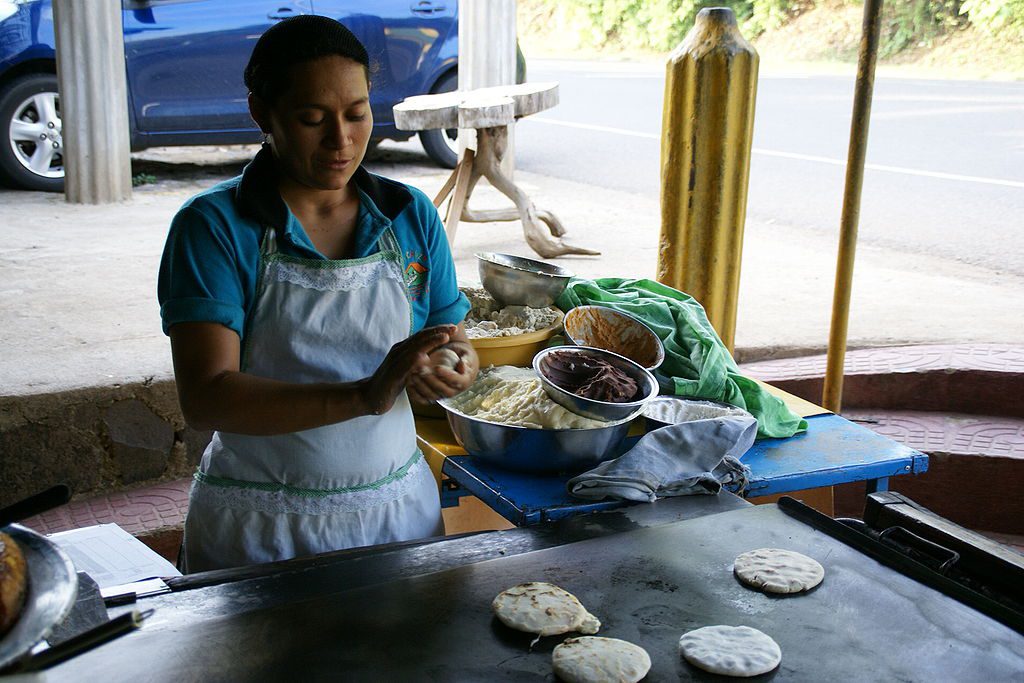
Fighting Hunger in El Salvador

Hunger in El Salvador

El Salvador, home to more than 6.3 million people, is a middle-income country located in Central America. Despite having made substantial progress in reducing poverty and food insecurity over the past decade, hunger remains an issue for many Salvadorans today. Fortunately, several organizations, including the World Food Programme (WFP) and Feed the Children, are stepping in to fight hunger in El Salvador.

Poverty, Hunger and Agriculture

Poverty in El Salvador has decreased significantly in recent years, dropping from 40.4% in 2016 to 27.5% in 2022. However, this rate remains higher than the Latin America and Caribbean (LAC) average of 24.1%. According to the World Bank, 1.8 million Salvadorans are currently living in poverty and 2.5 million are at high risk of becoming multidimensionally poor. 

As such, food security has remained a prevalent issue in El Salvador. Approximately 15.8% of the population was reported to have experienced severe food insecurity between 2021 and 2023. Although this rate is notably lower than it has been for prior years, nearly one million Salvadorans still grapple with acute food insecurity today. 

Climate-related vulnerabilities such as deforestation, soil erosion and water pollution are largely  responsible for disruptions to the Salvadoran food supply. Increasing temperatures have reduced agricultural production across the country, especially for staple crops and exports. By 2070, maize production is projected to decline by 10%. Climate trends are also likely to increase crop pests and diseases that contribute to post-harvest loss, such as coffee leaf rust, potato psyllid and fall army  worm. 

Limited progress has been made thus far to combat both poverty and food insecurity. Today, an estimated 2.1% of children under 5 years of age show signs of stunting while 32.1% of adult women and 21.7% of adult men are obese. No progress has been made towards reducing anemia among women of reproductive age, with 10.6% of women currently affected.

The World Food Programme (WFP)

The World Food Programme currently operates several initiatives to eliminate challenges to hunger and build long-term food security in El Salvador. In 2023, the WFP provided 420,000 children in over 5,000 schools with Biofortik, a drink produced with corn and sorghum. By relying on domestic products, Biofortik has been able to support local markets and agricultural production. Similarly, in 2024, the WFP launched a joint project with the Ministry of Education, Science and Technology to supply schools with temporary, solar-powered kitchens called Kitchen-in-a-Box (KIAB). As the majority of schools in the country do not have the infrastructure to safely prepare and store school meals, KIABs have granted schoolchildren the means to safely consume daily school meals and snacks. 

Additionally, the WFP has helped farmers in the El Melonal community diversify their yields by teaching them how to grow drought-resistant crops such as sorghum. With more options to sell, farmers are able to earn more income while supplying their communities with affordable produce, working towards a climate-resilient future.

Feed the Children

Since 1987, Feed the Children has had a significant impact on hunger in El Salvador.  One of their key programs for adults includes training household leaders in building tilapia farms to help their families become self-sustaining. By providing necessary materials such as nets and concrete, Feed the Children ensures that program participants are supported through the entire lifecycle. Another initiative focuses on empowering children by providing essential resources to help them succeed in school. This includes offering healthy meals, educational supplies and backpacks, ensuring that every child has the tools they need to thrive academically. By creating safe classroom environments, Feed the Children hopes to improve school enrollment and literacy rates throughout the country.

Moving Forward

Despite reported improvement throughout the years, poverty and hunger remain  persistent challenges for El Salvador. Climate-related change is one of the leading causes of food insecurity in the country. Moving forward, it is essential that organizations such as the WFP and Feed the Children continue to provide resources and funding towards combating hunger in El Salvador. With their continued support, there may be hope for long-term or permanent progress.

– Amanda Cruz, Moon Jung Kim
Photo: Wikimedia Commons

Updated: October 7, 2024

October 31, 2020
https://borgenproject.org/wp-content/uploads/borgen-project-logo.svg 0 0 Kim Thelwell https://borgenproject.org/wp-content/uploads/borgen-project-logo.svg Kim Thelwell2020-10-31 01:30:432024-10-07 11:33:02Fighting Hunger in El Salvador
Activism, COVID-19, Global Poverty, Hunger

Student Philanthropy Can Fight Global Poverty

Student Philanthropy

While strolling through a college campus, one can expect to see bake sales and advertisements for fun runs or raffles, all aimed at raising money for causes the students care about. Global poverty alleviation is one of the many worthwhile causes students often support. Campus chapters of organizations such as Amnesty International and UNICEF rank among the most popular student philanthropy groups in the country. Additionally, many non-philanthropic clubs and campus organizations, including most sororities and fraternities, involve an element of giving back, thus showing that student philanthropy can fight global poverty.

Consequences of the COVID-19 Pandemic on Student Philanthropy

With many U.S. universities making difficult decisions about how to proceed with learning in light of the coronavirus pandemic, many students’ fundraising and philanthropic efforts will have to adapt. Some colleges have decided to operate entirely online, while others are offering a mixture of online and in-person classes.

Regardless of how a university chooses to deliver classes to its students, campus life will not carry on as usual. Clubs will likely have to meet virtually, forcing those with a philanthropic focus to find new ways to conduct their service and fundraising online. This change presents a unique challenge, but a unique opportunity as well.

Student Organizations and Nonprofit Organizations

Ashlyn Stone, a psychology major at Wake Forest University, told The Borgen Project about her efforts to alleviate global poverty. In the fall of 2019, she served as vice president of service in her university’s chapter of Alpha Phi Omega. One of her responsibilities in this role was to coordinate an international hunger relief event with Rise Against Hunger. This organization aligns itself with the United Nations’ Sustainable Goal #2 of Zero Hunger, which is to end world hunger by 2030.

In 2019, Rise Against Hunger packaged more than 538 million meals, serving countries around the world. Much of its focus was on vulnerable regions like Central America, sub-Saharan Africa and Southeast Asia. The efforts of Stone and her chapter resulted in 20,000 meals delivered to Nicaragua. Stone attributed her success to implementing “larger and smaller fundraisers throughout the semester to pay for enough food to be packaged.”

Looking to the Future

Stone noted that wide-scale fundraisers like the one she organized will change if students are not on campus. She admitted, “It’s easier to plan these efforts in person. Communication will be harder. We won’t be able to have as many fundraisers. But I’m hoping there are ways that we can still raise money even if we can’t do the hands-on work.” A key component of continuing the fight against global poverty will be raising awareness and organizing fundraisers online.

In this regard, Stone expressed hope and optimism for the future of online student philanthropy: “Our generation is unique because we have the power of communication at our fingertips and we don’t have to go out of our way to make a statement. We don’t want to just sit back and watch the world change, we want to make a difference.”

– Addison Collins
Photo: Unsplash

October 27, 2020
https://borgenproject.org/wp-content/uploads/borgen-project-logo.svg 0 0 Kim Thelwell https://borgenproject.org/wp-content/uploads/borgen-project-logo.svg Kim Thelwell2020-10-27 01:30:242024-05-30 07:53:18Student Philanthropy Can Fight Global Poverty
COVID-19, Global Poverty, Hunger

3 Crises Affecting Hunger in Lebanon

Hunger in LebanonSeveral crises in Lebanon have crucially impacted its ability to feed its people. Three of these are the 2020 Beirut Explosion, ongoing conflict and internal displacement, in addition to ongoing conflict and the influx of refugees. All of this coincident with the long-term effect of COVID-19 and a severe economic crisis leading to inflation of over 221% in 2023 and over 98% devaluation of the Lebanese lira. 

The 2020 Beirut Explosion

On August 4, 2020, an explosion devastated the port of Beirut, Lebanon. Without a functioning port, this had a serious impact on the country, which imported 65% to 80% of its food. Such dependence on imports was a threat to food security before the disaster, and the impact was thus exacerbated by the destruction of the port.

Internal Displacement

The escalating regional conflict in fall 2024 has seen one million displaced civilians in southern Lebanon  (a fifth of the population) as of the end of September, with 900,000 fleeing in that last week. 

Refugees

UNHCR, the United Nations Refugee Agency, reports that the 1.5 million Syrian refugees in Lebanon, plus 11,238 refugees from other countries, make Lebanon host to “the largest number of refugees per capita and per square kilometer in the world.” Access to food and the practice of skipping meals are just two of the many challenges faced by both the Lebanese population and refugees. Over half of the Lebanese live below the poverty line, while 90% of Syrian refugees struggle to meet their basic needs.

Hunger Crisis

Another way to look at the situation is suggested by ANERA, American Near East Refugee Aid, a 56-year-old NGO providing humanitarian and development aid in the Middle East. ANERA sees the current food security crisis in Lebanon as being created by the perfect storm of economic collapse, political instability and continuing regional conflict, including the current war with Israel. 

The recent hostilities in southern Lebanon are reported to have impacted the earnings of 72% of farmers, with crop and livestock losses resulting from the extensive destruction of farmland. This, of course, severely restricts access to food. ANERA reports that 37% of the population in the south is experiencing severe food insecurity.

Northern Lebanon, typically less affected by these conflicts, is nevertheless also food insecure, especially as displaced southern families move north. ANERA notes that the World Food Programme reports up to a third of northern households facing food access challenges, and UNICEF suggests a quarter of Lebanese children are experiencing malnutrition and over 40% of children under five are at risk of malnutrition in some areas of the country. 

Humanitarian Crisis

In July 2024, The World Food Programme’s External Situation Report for Lebanon, indicated a tripling of poverty over the last decade, affecting 44% of Lebanon’s population. Also reported was a March 2024 IPC analysis projecting an increase in the number of food insecure in Lebanon to as many as 1.26 million people by September 2024.

IPC, the Integrated Food Security Phase Classification, is a global partnership to determine the severity and magnitude of acute malnutrition and chronic and acute food insecurity to assist decision-makers in improving food security. 

At the same time, humanitarian aid is needed. In October, OSCHA (U.N. Office for the Coordination of Humanitarian Affairs) issued a Flash Appeal for Lebanon for October – December 2024 for humanitarian assistance. This was described as “fully complementary to, and supportive of, the Lebanon Response Plan (LRP) 2024,” co-led with the Lebanese Government. (By mid-year, the LRP had received just 25% of its appeal for $2.72 billion.)  The U.N. and NGO partner responses include meal distribution; bread, water and food parcels; emergency nutrition rations and micronutrient supplements; and child malnutrition screening. 

Long-Term Impact

As IPC points out, current crises and their impact on food security and agricultural livelihoods, if not addressed, will eventually have a long-term effect on the health and education levels of “an entire generation” of vulnerable populations. This in turn may lead to an increased financial burden on the host countries and populations. So the “flash” and continuing appeals for external assistance are critical.

– Staff Reports
Photo: Flickr
Updated: October 26, 2024

October 19, 2020
https://borgenproject.org/wp-content/uploads/borgen-project-logo.svg 0 0 Jennifer Philipp https://borgenproject.org/wp-content/uploads/borgen-project-logo.svg Jennifer Philipp2020-10-19 06:41:582024-10-28 11:28:493 Crises Affecting Hunger in Lebanon
COVID-19, Global Poverty, United Nations

Lady Gaga’s Coronavirus Relief Concert: Fighting Global Poverty

Coronavirus Relief Concert
Lady Gaga’s coronavirus relief concert, “One World: Together at Home,” raised $127 million to provide the world’s poorest countries with personal protective equipment (PPE) and other essential supplies to fight the spread of COVID-19.

Performance for A Greater Good

In partnership with the World Health Organization and the United Nations, the organization Global Citizen released performances from artists including Lady Gaga, Beyonce, Alicia Keys and many more. The concert aimed to raise awareness of countries that could not afford the proper equipment needed for essential workers.

Global Citizen says that Lady Gaga’s coronavirus relief concert aimed to “celebrate and support healthcare workers and others on the frontlines, and the World Health Organization (WHO) as they lead the fight against the COVID-19 pandemic.” Around the world, poor countries disproportionately feel the effects of the COVID-19 pandemic — more so than countries like the U.S.

What Did “One World: Together at Home” Accomplish?

Lady Gaga’s coronavirus relief concert raised support and awareness for the COVID-19 crisis all around the world due to the high-profile guests and musicians featured in the program.

As a result of the large-scale, global support, Global Citizen raised $127 million for PPE and other supplies to provide to people around the world. Specifically, they were able to supply “[more than] 700,000 surgical masks, 51,000 N95 masks, 727,000 gloves, 85,000 gowns, nearly 14,000 goggles, and [more than] 20,000 face shields.” Funds went to 120 countries, including 39 countries in Africa, 20 in the eastern Mediterranean region and 29 in the Americas.

Global Citizen is an organization that aims to end extreme poverty by 2030. The organization’s methods include posting, tweeting, messaging, signing, calling and voting on issues that are pertinent to extreme poverty around the world.

COVID-19 & Global Poverty

But what does COVID-19 have to do with global poverty? Overall, productivity growth, a large contributing factor for lifting people out of poverty, is at a low due to the virus. From past illnesses and financial depressions, some speculate that this low rate of productivity growth will decrease further, the longer the pandemic lasts.

Without financial stability and the necessary protective equipment for essential workers, it is clear that those in poverty will suffer greatly as a result of the pandemic. Without access to important protections, those in poverty will continue to go on with life as they had before. Unfortunately, these activities come with an increased risk of illness as well.

Areas in which there is extreme poverty are often overcrowded. This, in turn, leads to more exposure to the coronavirus when no protections like masks or face shields are present. Additionally, the hospital space quickly becomes overwhelmed with rising numbers of cases. If patients do not receive proper care and if necessary protections are not used, cases will likely continue to rise.

Hospitals in impoverished areas are frequently unlikely to have the capacity to afford PPE and  other vital supplies. Patients will not be able to afford care, nor will the hospitals be able to supply the proper care needed in these situations. All of these factors combined, lead to more deaths as a result of COVID-19. For these reasons, any activities like Lady Gaga’s (and other artists’) performance that promote the global use of PPE and provide critical funding toward purchasing these supplies are beneficial.

– Natalie Belford
Photo: Wikimedia Commons

October 18, 2020
https://borgenproject.org/wp-content/uploads/borgen-project-logo.svg 0 0 Kim Thelwell https://borgenproject.org/wp-content/uploads/borgen-project-logo.svg Kim Thelwell2020-10-18 01:30:142020-10-14 07:42:19Lady Gaga’s Coronavirus Relief Concert: Fighting Global Poverty
COVID-19, Global Poverty, Hunger

Hunger Crisis in Latin America and the Caribbean

Hunger Crisis in Latin America
Latin American countries and the Caribbean are on the verge of confronting the deadly combination of the COVID-19 pandemic and a hunger crisis. The Economic Commission for Latin America and the Caribbean (ECLAC) and the Food and Agriculture Organization of the United Nations (FAO) report that an estimated 83.4 million people will live in extreme poverty in 2020, potentially leading to a hunger crisis in Latin America and the Caribbean. This number will be 16 million more people than in the previous year. Latin America and the Caribbean’s seven years of slow growth could experience a historic drop in regional GDP (-5.2%).

Ways to Prevent a Hunger Crisis in Latin American and the Caribbean

As part of an initiative, ECLAC and FAO suggest 10 measures to prevent a hunger crisis in both Latin America and the Caribbean. They are as follows:

  • Provide an anti-hunger grant which could take the form of cash transfers, food baskets or vouchers to the entire population living in extreme poverty for a six-month period. It would amount to an estimated cost of $23.5 billion.
  • Support school-based food programs for children and adolescents.
  • Support local and global humanitarian organizations like Action Against Hunger and World Food Program.
  • Financially support agricultural companies with credit and subsidies.
  • Enforce sanitary and health protocols for food production, transportation and food markets.
  • Expand and ensure the functioning of programs to support local production.
  • Support artisanal fishermen and family farmers who contribute a large portion of food in national markets with funding, technical assistance and access to inputs and labor.
  • Maintain and add agile mechanisms for consultation and public-private interaction within all aspects of the food system (production, supply, distribution and access to food).
  • Prevent wholesale and retail markets and agro-industries from closing or reducing their operations.
  • Continue with policies that until now have kept the world food trade open.

Food Prices and Imports

As food systems weaken and unemployment increases, domestic food prices rise and people resort to purchasing cheaper, less nutritional options. The most vulnerable populations are the Small Island Developing States (SIDS) of the Caribbean, the Dry Corridor in Central America, Haiti and Venezuela.

The Caribbean depends heavily on food imports from the United States and the United Kingdom. The area is also at high risk of supply chain disruption and impacts from hurricane season. The ports in the Dominican Republic did not reopen until a month after Hurricane Maria, a category 5 storm, devastated the island in 2017. Anticipating the season in 2020, organizations are subject to balancing the impacts of storms and maintaining measures against COVID-19.

Challenges in Tourism

The pandemic has also placed a strain on tourism in the Caribbean islands as travelers from all around the world had to cancel their trips due to government-issued orders. The Bahamas alone generates 75% to 80% of its GDP from tourism. These small island economies that often find themselves at odds against natural disasters face a decline in tourism by 60% to 70% between April and December.

The Situation with Remittances

Mexico and Central America face high extreme poverty, and undernourishment, especially among decreases in remittances. El Salvador, Guatemala and Honduras are small countries with economies that rely on remittances. In 2016, the remittances that Salvadoreans received amounted to about 17% of the country’s GDP. During the worst of the pandemic, those countries suffered the most as people lost jobs globally, especially the U.S. where people send most remittances from. These countries are also at risk of border closures during the pandemic which is an obstacle for imports and exports.

Poverty and Food Insecurity

South America has a high proportion of poor, indigenous farming families who are already at a disadvantage from COVID-19, lacking proper treatment and medical equipment. In Peru, the country with the fifth-highest number of coronavirus cases, millions are struggling with food security. About 20% of the population lived in poverty and survived through informal employment before the pandemic. Now struggling to find work and afford food, many are going days without food or relying on “community pots” for food.

The global pandemic and hunger crisis in Latin America and the Caribbean could have serious implications if ignored. With a widespread hunger crisis, the world could experience “increased social unrest and protests, a rise in migration, deepening conflict and widespread under-nutrition,” said the U.N. World Food Program’s executive director, David Beasley.

 Understanding the severity of this situation, it is imperative to pass legislation aimed at protecting the International Affairs Budget and increase international funding in the next emergency supplemental. With no end to the COVID-19 pandemic in the near future, the most vulnerable populations need guaranteed access to food.

The ECLAC and FAO’s initiative and their 10 measures are crucial points in preventing a hunger crisis in Latin America and the Caribbean. The pandemic may have set these nations back, but the fight is not over. In fact, 83.4 million people are at risk and their future depends on these measures.

– Johana Vazquez
Photo: Flickr

October 17, 2020
https://borgenproject.org/wp-content/uploads/borgen-project-logo.svg 0 0 Jennifer Philipp https://borgenproject.org/wp-content/uploads/borgen-project-logo.svg Jennifer Philipp2020-10-17 15:06:412020-10-17 15:06:41Hunger Crisis in Latin America and the Caribbean
COVID-19, Global Poverty

Healthcare in France During COVID-19

Healthcare in France
The COVID-19 pandemic has rocked the foundations of the world’s healthcare systems to an extreme level. Healthcare workers have traditionally had exhausting and demanding working conditions that often lead to burnout and PTSD long before the start of the pandemic. While several other countries’ hospitals are getting substantial pay cuts, France’s healthcare workers are finally getting the pay raise that they rightfully deserve.

Healthcare in France

Many have often referred to healthcare in France, or “La Sécurité Sociale,” as among the best in the world, stating that it is high quality, very accessible and affordable for the citizens of France. Its national insurance program receives most of its funding through employer payrolls and income taxes. When someone must go in for a checkup or procedure, “La Sécurité Sociale” provides funding for 70% of the medical bill. Private insurance, known as a mutuelle, subsidizes a large portion of the 30% that is leftover. The majority of the population has a mutuelle. However, no healthcare system is perfect and every one of them comes with its flaws.

Months before the COVID-19 pandemic started, protestors were discussing the issue of better wages for healthcare workers. According to a report from Aljazeera.com, these protests have reached a boiling point due to the stress and strain of the COVID-19 pandemic. Many of the workers who peacefully protested received fines or even went to jail for breaking social distancing and gathering rules. The root causes of these protests stem from the healthcare worker’s low pay and low staff that have been decreasing yearly. Ironically, while France’s healthcare system ranks among the best in the world, its healthcare workers are among the lowest-paid among established economies. As a result, doctors and nurses are in the tough position of having to accept employment through privately owned practices instead of hospitals.

Healthcare Reforms

On Monday, July 13, 2020, the French government finally heard the voices and outcries of healthcare workers. BBC News reported that the French government and several different labor unions were able to reach an agreement after seven long weeks of complex negotiations. One of the main overseers of how France has handled the coronavirus is its newly appointed prime minister, Jean Castex. He made the announcement that healthcare workers would receive an additional €8 billion ($9 billion), which will equal an additional €183 ($215) a month. While this additional funding may not have addressed all of the demands that healthcare workers requested, it is certainly a step in the right direction. Mr. Castex went on to say, “It’s also a way of catching up the delay for each and everyone – including perhaps myself – has their share of responsibility.” This monumental decision was passed just one day shy of Bastille Day, which is traditionally a national holiday in honor of the French Revolution. In 2020, however, the holiday will provide national recognition to the doctors and nurses that have been on the front lines since the start of COVID-19.

It is no secret that the devastation of this pandemic has pushed many of the world’s healthcare systems to a near breaking point. Healthcare in France has especially undergone trial and testing, but this pay raise is a step in the right direction during such uncertain times. It is a promising notion that the world’s healthcare workers are getting well-earned recognition as the heroes that the world desperately needs right now.

– Brandon Baham
Photo: Flickr

October 17, 2020
https://borgenproject.org/wp-content/uploads/borgen-project-logo.svg 0 0 Kim Thelwell https://borgenproject.org/wp-content/uploads/borgen-project-logo.svg Kim Thelwell2020-10-17 13:43:562024-05-30 07:52:46Healthcare in France During COVID-19
Page 22 of 30«‹2021222324›»

Get Smarter

  • Global Poverty 101
  • Global Poverty… The Good News
  • Global Poverty & U.S. Jobs
  • Global Poverty and National Security
  • Innovative Solutions to Poverty
  • Global Poverty & Aid FAQ’s
Search Search

Take Action

  • Call Congress
  • Email Congress
  • Donate
  • 30 Ways to Help
  • Volunteer Ops
  • Internships
  • Courses & Certificates
  • The Podcast
Borgen Project

“The Borgen Project is an incredible nonprofit organization that is addressing poverty and hunger and working towards ending them.”

-The Huffington Post

Inside The Borgen Project

  • Contact
  • About
  • Financials
  • President
  • Board of Directors
  • Board of Advisors

International Links

  • UK Email Parliament
  • UK Donate
  • Canada Email Parliament

Get Smarter

  • Global Poverty 101
  • Global Poverty… The Good News
  • Global Poverty & U.S. Jobs
  • Global Poverty and National Security
  • Innovative Solutions to Poverty
  • Global Poverty & Aid FAQ’s

Ways to Help

  • Call Congress
  • Email Congress
  • Donate
  • 30 Ways to Help
  • Volunteer Ops
  • Internships
  • Courses & Certificates
  • The Podcast
Scroll to top Scroll to top Scroll to top