.Project C.U.R.E.
Dr. James Jackson, an international economic consultant, went on a trip to Brazil. While there, he visited an empty, under-equipped clinic near Rio de Janeiro. Inspired to help under-resourced parts of the world, he came back to Colorado to create Project C.U.R.E (Commission on Urgent Relief and Equipment). With a $50,000 donation from his friend, Dr. James Jackson founded his nonprofit in 1987. In just 30 days, he collected $250,000 worth of medical supplies — all in his garage. Now, his son, Dr. Douglas Jackson, runs Project C.U.R.E. as CEO and President. This article will explore how Project C.U.R.E. helps clinics worldwide by providing them with the necessary equipment.

Company Accomplishments

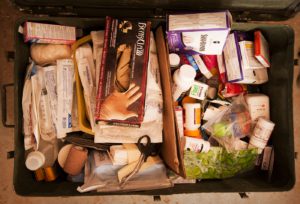
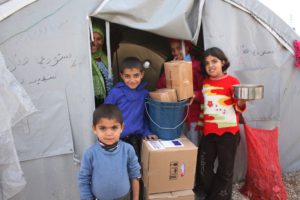
Project C.U.R.E. helps clinics and hospitals around the world by providing them with life-saving medical equipment and supplies. It has shipped 2,078 containers to 132 countries since June 2000. Since its inception over three decades ago, Project C.U.R.E. operations have expanded across the United States. Its distribution centers are located in Chicago, Denver, Houston, Kansas City, Philadelphia, Nashville and Phoenix. Additionally, small collection centers span multiple states. The organization has projects in countries such as Mexico, Nigeria, Uganda, Myanmar and the Dominican Republic.

In 2019, Project C.U.R.E. sent 145 containers to 42 countries with the help of nearly 30,000 volunteers. Forty-two global locations received 322 C.U.R.E. kits, and 12,624 patients received treatment at C.U.R.E. clinics in 2019 alone. From 2017 to 2018, the nonprofit trained 584 medical professionals in six different countries. In most of the countries that the nonprofit has worked in, people earn under $5 per day. People in these communities are often unable to afford basic health care and have a lower standard of living.

Methodology

Project C.U.R.E. does not go into these communities at random. It goes into areas that have suffered natural disasters or other desperate situations only after receiving an invite. Once someone identifies a “want,” someone from the organization personally visits the hospital and meets with the doctors for an 18-page need assessment. This need assessment ensures that Project C.U.R.E. can formulate a customized plan that specifically meets the needs of that hospital. After that, Project C.U.R.E. picks items out from the warehouses and ships them in containers from the distribution centers straight to the hospital.

The nonprofit delivers two to three cargo containers of medical supplies every week. With just $25, one can sponsor a delivery of a box of supplies with a $500 value to any country that Project C.U.R.E. does work in.

Partnership with AmerisourceBergen

Project C.U.R.E. works with the AmerisourceBergen Foundation, an American drug wholesale company that specializes in pharmaceutical sourcing and distribution services. Through this partnership, Project C.U.R.E. is able to make a positive impact on developing countries and their communities through improving access and quality of health care. Together, the partnership has gathered donations of medical equipment from medical facilities in the Chester County area. Distribution centers received the supplies for packaging and will eventually send them out to clinics all around the world.

Current Aid

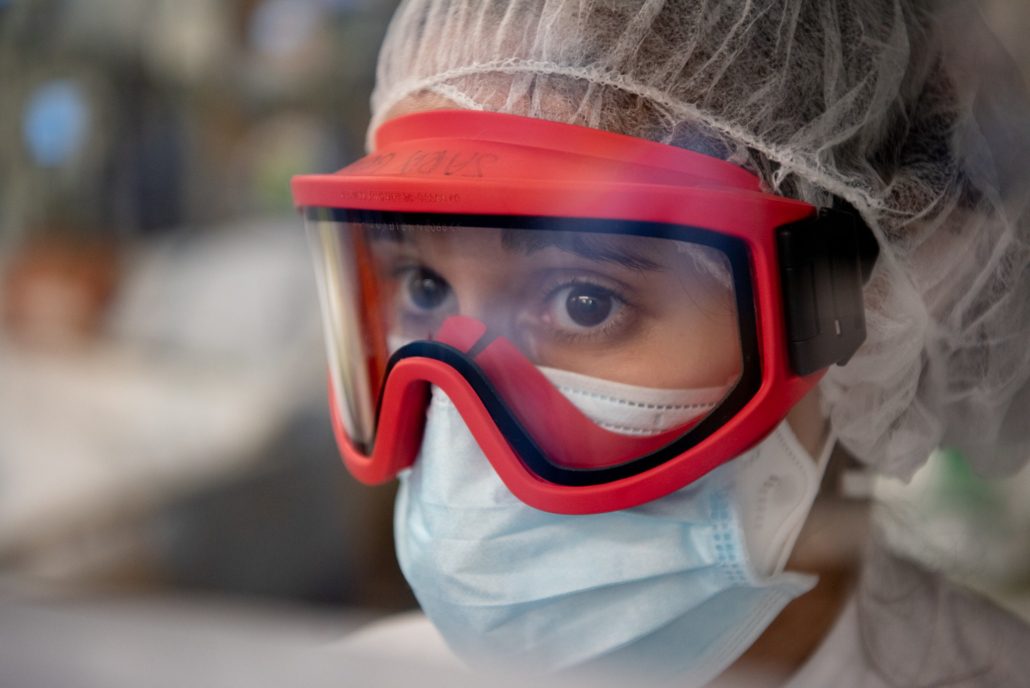
Due to the pandemic, Project C.U.R.E. has shifted its focus to local needs. It packs and delivers personal protective equipment and ventilators to hospitals.

Yet, its mission remains the same: providing medical equipment and supplies to offer relief and critical resources to under-resourced communities. Project C.U.R.E. helps clinics so that they are able to perform safe medical procedures and offer quality health care to those most vulnerable.

Mizuki Kai
Photo: Flickr

Child Hunger in IdlibThe Syrian conflict continues to rage through this pandemic. The locus of fighting has shifted to the provinces of Idlib and Aleppo. Since 2019, the Syrian government — with support from Russia — has engaged in various bombing campaigns in the region and sent ground forces as well. Idlib is clearly feeling the effects of this violence. The need for aid in the province grows alongside the increasing size of the humanitarian crisis. One particularly important but overlooked aspect of the devastation in Idlib is the rising cost of food. Child hunger in Idlib is a result of the rise in levels of food among the youth due to price increases.

The Issue

Child hunger in Idlib — for infants in particular — has become an area of concern as COVID-19 has become more prevalent throughout the country. One big factor is that food has generally become much less accessible. According to The New Humanitarian, “‘An infant needs one container of formula per week, but the price has risen to $12,’ up from $9 three months ago … For many parents, that sum is out of reach.” This increase in price manifests itself often in the form of Severe Acute Malnutrition (SAM). The disease primarily affects children under the age of 5, is highly dangerous and often turns life-threatening. Effects of SAM include a process known as “stunting,” which limits the physical growth in very young children. Stunting and other effects of SAM lead to other problems later in life for these children.

Another frequent issue is malnutrition in pregnant and breastfeeding women. It not only affects them personally but impacts the growth of their infants as well. The New Humanitarian also reports a rise in SAM hospital cases over the summer of 2020. The ratio jumped to 97 out of 1,692 people screened from the January status of 29 out of 2,199. This is likely a lower estimate given the number of people who cannot get screened or don’t have access to testing. Time is of the essence after receiving a SAM diagnosis. Once a child with this condition reaches 2 years of age, they will likely deal with the consequences of SAM for the rest of their life.

Fighting Worsens the Problem

Child hunger in Idlib — and in Syria more widely — is deeply concerning. The issue is compounded by the broader poverty levels and violence that plague the entire country. As a result of the fighting, the majority of  Syrians are internally displaced from their homes.

There is no clear end in sight to the fighting between rebel forces and the Syrian state military. Refugee camps are essentially at capacity and can’t withstand an influx of people if the civil war persists. Additionally, COVID-19 continues to ravage the country, which will likely increase the number of Syrian refugees and displaced persons.

In addition to the housing issue, food scarcity is prevalent in the country. Food options are usually unavailable or unaffordable. As such, many Syrians rely on foreign assistance and aid from NGOs as resources for food.

Aid

There are, however, numerous aid organizations and NGOs working to provide food security and address the growing refugee crisis. They are especially targeting the northwest, where Idlib is located. The Syrian American Medical Society (SAMS) is an organization working to expand health care access to those who need it. SAMS also provides meals to both children and adults at risk of food insecurity. Yet another part of their work focuses specifically on care for those with Severe Acute Malnutrition.

SAMS fights against child hunger in Idlib and throughout the rest of the country. They report that in 2019, the last year for which data is available, SAMS performed more than 2.5 million medical services for the Syrian population, at no or greatly reduced cost. Since 2011, they have provided more than $207 million worth of aid and medical resources as well.

SAMS and other similar organizations are vital to the survival of millions of Syrians. However, there is still more to be done. The international community must redouble their efforts to provide resources to those displaced and malnourished. Everyone must work to end the violence that has been a constant in the country for so long.

Leo Posel
Photo: Flickr

Oxygen Shortage in Peru
In light of the pandemic, there is an oxygen shortage in Peru. The South American country is in dire need of tanked or canister oxygen for citizens fighting COVID-19. When the outbreak first began, Peru was one of the first nations in Latin America to institute national restrictions, such as curfews, stay-at-home orders and border closures. However, the immense poverty undermined federal efforts. The poor had no choice but to continue leaving their homes for work in order to put food on the table. Despite the necessity, Peru struggles to provide vital healthcare to its infected citizens.

Why Oxygen?

COVID-19 attacks the body and makes breathing increasingly difficult for infected individuals. They simply cannot intake enough oxygen into their system to support their organs, especially those with compromised immune systems or lungs. This deprivation causes acute respiratory distress syndrome (ARSD) within five days of having the infection. The only treatment for ARSD is to replenish the patient’s lost oxygen. Clinical studies found oxygen respirators to be crucial for patient recovery from COVID-19.

Shortage Crisis

Peru’s national health care system was struggling even before the pandemic. After switching to a universal system, the program initially failed to provide for routine needs due to lack of funding. The current health crisis only amplified this inadequacy. Now, there is a full-blown oxygen shortage in the country. According to the nation’s Health Minister, Víctor Zamora, the country falls short of nearly 180 tons of oxygen every day.

The biggest issue, however, lies not in obtaining the gas. According to Gallardo, an oxygen distribution company, Peru’s oxygen shortage is not necessarily due to a lack of medically filtered oxygen. Instead, the problem occurs in the canisters transporting such oxygen. Recovering patients are hoarding the canisters instead of returning them for a refill because of their increase in value. Desperate family members of sick individuals are relying on the black market to obtain oxygen canisters.

The Response

Charities, as well as the government, are working to fight the unique oxygen shortage in Peru. In a press conference, President Martin Vizcarra revealed that $24.5 million will go toward the Health Ministry. These funds will help purchase a necessary oxygen supply for the country.

A few individuals, specifically in the religious community, have also been making a difference in the lives of the sick. In the city of Iquitos, Father Miguel Fuertes headed a fundraising campaign for poor families who cannot afford the oxygen tanks. Through these efforts, he was able to raise over $500,000 for the cause.

Another priest in northern Peru, Father José Manuel Zamora Romero, led the #ResisteLambayeque campaign. Through this effort, he was able to provide hundreds of biosafety equipment kits to struggling hospitals and medical centers. Despite the rising infection numbers and decreasing supplies, such work has positively affected hundreds and continues to instill hope for Peru.

Despite the oxygen shortage in Peru, measures to improve access to it should prove beneficial. In fact, the efforts of Father Miguel Fuertes and Father José Manuel Zamora Romero, among others, have already helped impoverished areas obtain access to oxygen tanks and medical care.

Amanda J. Godfrey
Photo: Flickr

SDG Goal 1 in Switzerland
Switzerland is a landlocked nation, directly intertwined within Europe’s great powers: it borders Italy to its south, France to the west, Germany to the north and Liechtenstein and Austria to the east. Switzerland is one of the wealthiest nations in the world, ranking consistently among the highest of all nations with regards to GDP per capita at roughly $82,000 in comparison to a global average of slightly under $11,500. It is also home to excellent infrastructure and a reputation for timeliness. Moreover, it can boast that it is one of the few nations that has actually managed to have eradicated poverty within its borders according to Sustainable Development Goal 1. Here is some information about SDG Goal 1 in Switzerland.

Sustainable Development Goal 1 and Income in Switzerland

Part of Sustainable Development Goal 1 prioritizes increasing incomes of people across the world, such that they may work to earn at least $1.90 per day. Switzerland has found massive success reaching SDG Goal 1 in Switzerland: according to the 2020 Sustainable Development report, less than 0.1% of all Swiss citizens fall into this category. Indeed, when expanding the scope of the Goal and its expectations to $3.20 per day, Switzerland still maintains a rate of less than 0.1% of its citizens living within this category. 

If anything, this is a testament to the Swiss tradition of higher education. Studies have demonstrated that higher education frequently leads to higher incomes, resulting in Swiss policymakers improving access to, and quality of, education throughout the nation. Indeed, Swiss schools are receiving recognition as among the best in the world at every level: elementary, secondary and post-secondary. Given the role of education in breaking the cycle of poverty, Swiss excellence in education has been remarkable in establishing the nation’s role as a major financial hub across the world.

The Veil of SDG Goal 1 in Switzerland

However, even if one thinks that poverty does not exist in Switzerland, it is extremely real and is largely a function of the country’s extremely high cost of living. In the canton of Geneva, a law passed requiring a $25 per hour minimum wage, the highest in the world. The push for Switzerland to implement this wage was largely as a result of exacerbated inequalities in light of the COVID-19 pandemic. 

Likewise, while the 2020 Sustainable Development report notes that the poverty rate after taxes and transfers has decreased over time — a sign that the welfare system, as well as the overall governance of Switzerland, is extremely strong — it still stood at 9.1% as of 2015, the last year data was available.

Swiss Solidarity

Non-governmental organizations have been present in Switzerland to help its most vulnerable citizens get out of poverty. Swiss Solidarity, an umbrella organization working to coordinate the efforts of 26 smaller groups, has donated more than 50 million Swiss francs to improving the lives of Swiss citizens throughout the COVID-19 pandemic. This money focused on buying more temporary housing for the homeless during the pandemic, as well as the elderly and those facing a precarious financial situation prior to the pandemic.

The scope of Sustainable Development Goal 1 is so narrow, only measuring nations by the number of people living under $1.90 per day, $3.20 per day and the post-taxes and transfers poverty rate. If one looks at poverty through the lens of Sustainable Development Goal 1, then,  it appears that Switzerland has completely eradicated every single form of inequality and poverty within the nation. However, that is simply untrue, as nearly 10% of Swiss people can attest to.

– Alexander Bloukos
Photo: Flickr

Mental Health in Turkey
Turkey is a country with a population of 82 million that is situated in both the continents of Europe and Asia. Turkey has held eight elections in the last five years, endured a failed coup attempt, transitioned to an executive presidential system and has a struggling economy. Inflation has risen as well as unemployment in recent years. Turkish psychologist Ahmet Özcan has said that people have suffered from social isolation and shown symptoms of post-traumatic stress disorder and anxiety due to political polarization and violence. Despite the need, mental health in Turkey has lacked resources and care options.

Statistics Regarding Mental Health Care in Turkey

The World Health Organization (WHO) stated that in 2011:

  • About 2.13 psychiatrists per 100,000 people were available.
  • About 1.62 psychologists per 100,000 people were available.
  • Approximately 0.76 social workers per 100,000 people were available.

To put these statistics in perspective, European countries have a significantly higher ratio of mental health care professionals.

  • Finland has 47 psychologists per 100,000 people.
  • The Netherlands has 30 psychologists per 100,000 people.
  • Greece has 14 psychologists per 100,000 people.
  • Denmark has 10 psychologists per 100,000 people.

Mental Health Services Decline Worldwide During COVID-19

Since the outbreak of COVID-19, the world has seen a decline in mental health. The effects of bereavement, isolation, rising poverty and fear are causing an increase in substance use, insomnia and anxiety as well as triggering mental health conditions. A World Health Organization survey from June to August 2020 evaluated how mental, neurological and substance use services have changed throughout COVID-19, which services the pandemic has disrupted and how countries are adapting to these adverse challenges. The results showed an overwhelmingly high disruption of mental health services in the 130 countries that participated in the survey including:

  • Reports of 67% disruptions to counseling services.
  • Reports determining 65% disruptions to critical harm reduction services.
  • Statements of 60% disruptions to mental health services for vulnerable people.
  • About 78% partial disruptions to school mental health services.

Fighting the Toll on Mental Health in Turkey with Hotlines and Online Counselling

A study determining depression and related factors in a society that COVID-19 affects found that in Turkey, the pandemic has caused mild-level depression across all socio-demographic groups. However, the results of the study also concluded that depression levels were significantly higher in the 18-29 year age group, women, single people and those living in poverty.

While many high-income countries have tried to mitigate the reduction in mental health services and increasing mental health problems with telemedicine or teletherapy, less than 50% of low-income countries have reported deploying these tactics.

Turkey is one low-income country that stands out in its effort to provide easy access to teletherapy from the increased anxiety, fear and negative feelings due to COVID-19. After March 2020, the government launched psycho-social support programs in every province. Turkey set up hotlines to address the various emotional impacts of COVID-19, as well as psychiatric guides for health care workers under risk of infection. There are more than 2,200 volunteers for the hotline, including psychiatry experts, social workers and health professionals from non-governmental organizations. The hotline has served more than 2,000 people according to professor Ejder Yıldırım, a director of the program. The system is set up so hotline workers make three calls to applicants at the first stage of therapy. In the second stage, hotline workers make around five calls over a period of five weeks to follow-up with patients.

The Coronavirus Online Mental Support Program

In Istanbul, Turkey’s most populated city, the local health authority has launched a Coronavirus Online Mental Support Program in addition to the hotline. As of August 2020, more than 1,100 people have used the online support system during the pandemic for issues related to COVID-19, natural disasters and crises.

While the world struggles to deal with the emotional and psychological impact of COVID-19, mental health in Turkey has highlighted the importance of having readily available resources in mental health care, especially in low-income countries.

– Charlotte Severns
Photo: Flickr

Mental Health in Indonesia
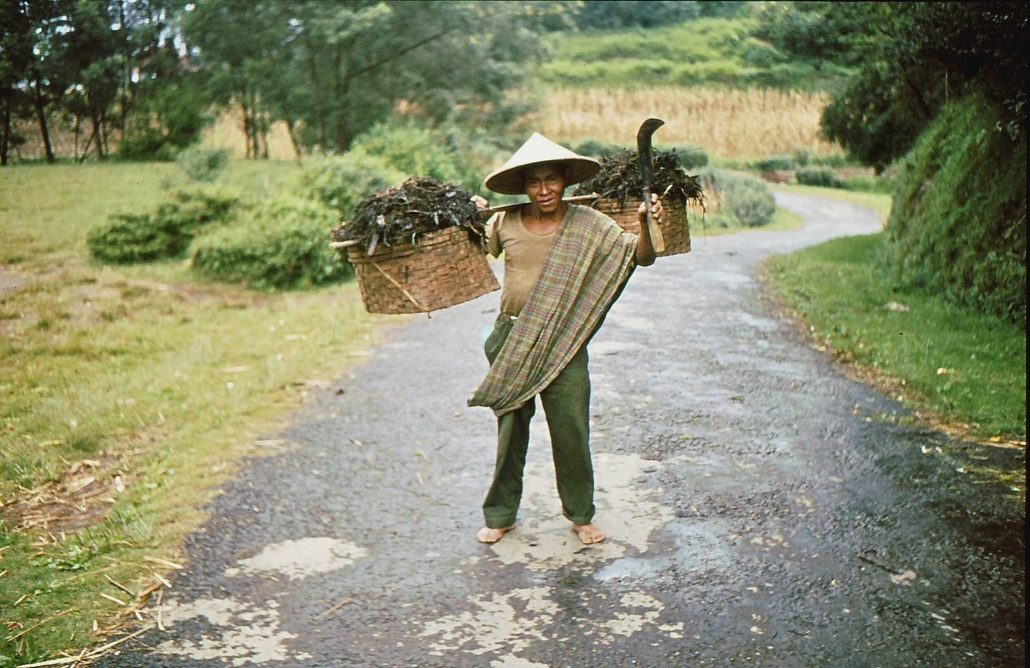
In Indonesia, institutions have shackled and chained as many as 57,000 mentally ill patients, according to a Human Rights Watch report. The underfunded and understaffed medical sector, as well as mental health stigma, have led to this inhumane practice known as “shackling” or pasung in Indonesia. Indonesia’s shackling problem is improving, but the country has not entirely eradicated it yet. Additionally, the country is progressing toward improving mental health in Indonesia through its mental health sector.

Here is some information about the initiatives contributing to the improvement of mental health services and the reduction of stigma in Indonesia. The ultimate goal of these initiatives is to prevent mental health patients from experiencing cruel and insufficient treatments.

Indonesia Free from Pasung

The Indonesian government officially banned shackling in 1977 but has been working to formally end the process to this day. In 2010, the Indonesia Ministry of Health started a program called Indonesia Free from Pasung. It asked the government to collaborate with communities to address shackling.

The program provided mental health medications and training to community centers, and made mental health a primary mental health service. It also created community health teams intended to directly release and identify people with mental illnesses.

These teams include Tim Penggerak Kesehatan Jiwa Masyarakat (TPKJM) and the PIS-PK program. TPKJM works to monitor and facilitate the release of people from shackles. The PIS-PK program sends representatives from community health centers to identify families’ mental health statuses through home visits. The program was necessary because people were not frequently visiting medical posts, so were not receiving treatment. The program helped to identify Indonesians with mental health issues and direct them to resources.

The frequency of shackling has improved in the 10 years since the implementation of the program. Additionally, people do not stigmatize mental illness as much in Indonesia anymore. Moreover, community centers are more equipped to identify and treat people with mental health disorders. More groups are arising to address mental health issues and end the practice of shackling as well. However, only 20 out of the 34 provinces in Indonesia have successfully implemented programs to free people from shackling. Without full implementation, these programs are unable to free as many people as they aim to.

The Center for Indonesia Medical Students’ Activities (CISMA)

UNICEF partnered with the Center for Indonesian Medical Students’ Activities (CISMA) to promote mental health support for young people through online sessions on health on Zoom and YouTube. The sessions cover a range of mental health topics such as “Coping with stress during the COVID-19 pandemic.” Their partnership’s aim is to provide awareness and information about mental health.

CISMA’s sessions are an amazing resource because they are accessible and provide psychological support for people who may not be able to see a therapist. CISMA’s initiative is also beneficial to Indonesia’s mental health sector because it raises awareness and tackles mental health stigma. The type of awareness it is spreading can keep people with mental illnesses out of shackles.

The WHO QualityRights Initiative

The WHO QualityRights initiative supports countries in implementing policies and services to improve the conditions of mental health services globally. It developed a toolkit of information to provide guidance on how to improve mental health services. This includes information on assessing mental health services and quality standard goals. It also provides e-training and other materials for mental health professionals, NGOs and people with mental illness and disabilities. This program is encouraging a human rights-based approach to mental health issues.

Indonesia has been improving in awareness and identification of mental health issues. The next steps are for the implementation of policies and programs to improve resources, as well as the quantity and quality of community centers.

International aid can assist in building community centers and medical schools. However, more is necessary, such as quality training and funds to hire nurses, therapists and psychiatrists. The country must also address the availability of medications and adequate facilities by providing more funding for mental health programs.

The country is moving in the right direction to improve its mental health in Indonesia. With increased development and a continued focus on the mental health sector, Indonesia may be able to eradicate the practice of shackling.

– Stephanie Jackson
Photo: Flickr

Geographical Information Systems
Technology is an important tool in every facet of society. It revolutionizes the idea of progress and allows the world to interconnect. The usage of technology to benefit humanitarian aid has been no exception, such as revolutionizing the ability to transport supplies to provide urban communities with the tools necessary to ensure clean water access. Technology, such as Geographical Information Systems (GIS), is a prominent tool in the fight against global poverty.

Unfortunately, COVID-19 has solidified itself as a major inhibitor to global health in 2020. Many countries do not have the supplies, technology or economic safety nets to ensure that their people receive what they need throughout the pandemic. Many organizations are doing what they can to provide countries with the tools they need to combat COVID-19 in their communities. One of the largest Geographical Information Systems technology companies is Esri. It has been utilizing GIS technology in the context of humanitarian work for decades. Jack and Laura Dangermond founded Esri in 1969 in a Harvard lab. Since then, Esri has expanded and utilized this technology in a variety of sectors. For example, Esri used GIS technology to map the spread of Ebola in 2013.

Geographical Information Systems Mapping and COVID-19

As it became apparent that COVID-19 would become a pandemic, Johns Hopkins University began creating a virtual dashboard to depict concentrations of the virus in an attempt to stifle its spread. Johns Hopkins researchers utilized technology from Esri in order to do this. Throughout the pandemic, Esri has prioritized the lives of those in our international communities over monetary gain. As a result, Esri made all of its software and training modules available to international organizations for free. Additionally, Esri’s Disaster Response Program helps its international partners utilize its technology.

Transparency in regard to information is crucial in order to prevent the continued spread of the current pandemic. In order to properly combat the virus, community leaders must consider all societal factors. It is impossible to do this without access to all of the information relating to various communities. One can utilize Esri’s geographic information system technology to visualize the spread of diseases. It can also map disease response centers and the availability of medical supplies. For example, some have used GIS technology to show both hospitals and the availability of medicine, as well as preventative resources such as testing locations and isolation areas.

The usage of this technology for humanitarian coronavirus assistance does not stop there. GIS technology has also been useful in determining which international communities are the most at risk of coronavirus-related illness and community degradation. For instance, the geographical information system can map which communities contain the highest concentration of those at risk of the disease. It can also map the communities that have the highest GDP allocation to economic assistance and communities that have access to affordable medical care.

Rwanda as an Example

Rwanda is one country that has been utilizing GIS technology to its advantage during the COVID-19 pandemic. The country uses geographic information system technology to effectively trace contact between people in their communities, enabling them to follow and contain the virus. This contact tracing has also helped allocate funds within Rwandan communities in efficient ways. With case and death numbers very low, it is possible that Rwanda’s use of GIS technology helped the country fight the virus.

While technology can bring about new problems, it can also bring about new answers. Knowledge is power, especially when combating an international pandemic. Additionally, geographic information system technology has been providing helpful information to international communities. The coronavirus pandemic threatens those in global poverty in many ways, both in terms of global health and economic prosperity. Accurate mapping of who is the most at risk is crucial to ensuring that nobody is forgotten throughout the pandemic.

Danielle Forrey
Photo: Flickr