Many U.S. citizens have misconceptions about the extent of global poverty and how the government is acting to remedy the issue. However, this may not be at the fault of the general public. Media coverage of global poverty largely contributes to the information gaps in the minds of many Americans.
A survey done by the Kaiser Family Foundation found that Americans assume more than 20% of the federal budget is spent on foreign aid. In reality, non-military assistance composes just about 0.2% of the federal budget. This assumption is especially pertinent, as it may give Americans the impression that global poverty is constantly decreasing. For the first time since 1998, that is no longer true. COVID-19 is pushing millions into extreme poverty, counteracting years of progress.
Limited Media Coverage
In 2014, another study found that three major network newscasts devoted just 0.2% of their programming to poverty in 14 months. Recently, with politics and public health consuming the majority of airtime, this number has fallen. Media coverage of global poverty is taking a back seat to other topics. Consequently, it is no surprise that many Americans have warped perceptions of poverty overseas.
General, mainstream media outlets tend to shy away from discussing global poverty in great depth. This is because the topic may not test well with viewers. As a result, when there are reports on these issues, they often take the form of stories or opinion pieces rather than formal news stories. While these pieces still spread awareness, they do not relay to Americans, the facts of what occurs overseas. In turn, this limits the opportunity for readers to develop sufficiently informed opinions of their own.
Mainstream Media Coverage?
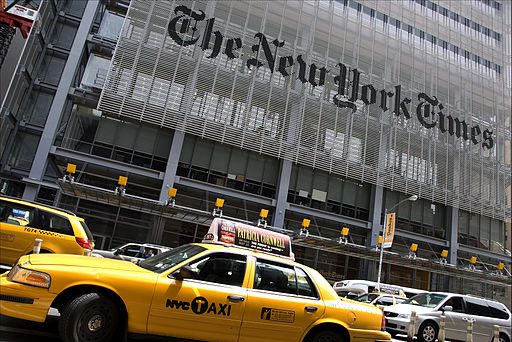
Even The New York Times, a reputable news outlet, is not immune to this phenomenon. A Google search for “global poverty New York Times” yields an opinion piece before any formal article on the subject. These results may deter readers from trusting information in the opinion article (first search result) as opinion pieces outwardly inform readers of bias. The second article, titled “Millions Have Risen Out of Poverty. Coronavirus is Pulling them Back” begins with a narrative of a woman in Bangladesh escaping poverty, then falling back into its grasp due to the side effects of COVID-19. Using devices like storytelling to convey facts can be effective, but it does not always present the most detailed information. Just three articles on the Google search results page are from 2020. This represents only 30% of the initial search results. Any other non-opinion pieces are from 2015 or earlier (at the time of this article’s publication).
However, it may not even be the news outlets that are at fault for the sporadic nature of their reports on poverty. Censorship proves to be its own problem. Many impoverished countries tend to withhold the information for which journalists may be looking. The extra steps or inability to access these kinds of facts may prove difficult for some news outlets.
Other Outlets
The irregular nature of the reports on poverty explains why the issue is not on the radar of many Americans. Yet, still, the information does exist. News outlets such as Borgen Magazine and Global Citizen consistently release articles in the interests of the world’s poor — simultaneously educating Americans on foreign affairs. However, this does not make up for mainstream news outlets’ lack of coverage.
There have been efforts to remedy the lack of media coverage of global poverty, including publications and initiatives dedicated to aiding the world’s poor. For instance, the Global Investigative Journalism Network released tips on covering poverty back in 2014. However, knowledge of poverty and how to combat it cannot spread unless two things occur. First, citizens must take the initiative to seek it out themselves. Alternatively (and arguably more beneficially), mainstream media outlets can find a way to integrate it into their news releases on a more regular basis.
– Ava Roberts
Photo: Wikimedia Commons
 For the past four decades, the Chinese government has viewed poverty alleviation as integral to its economic development. The
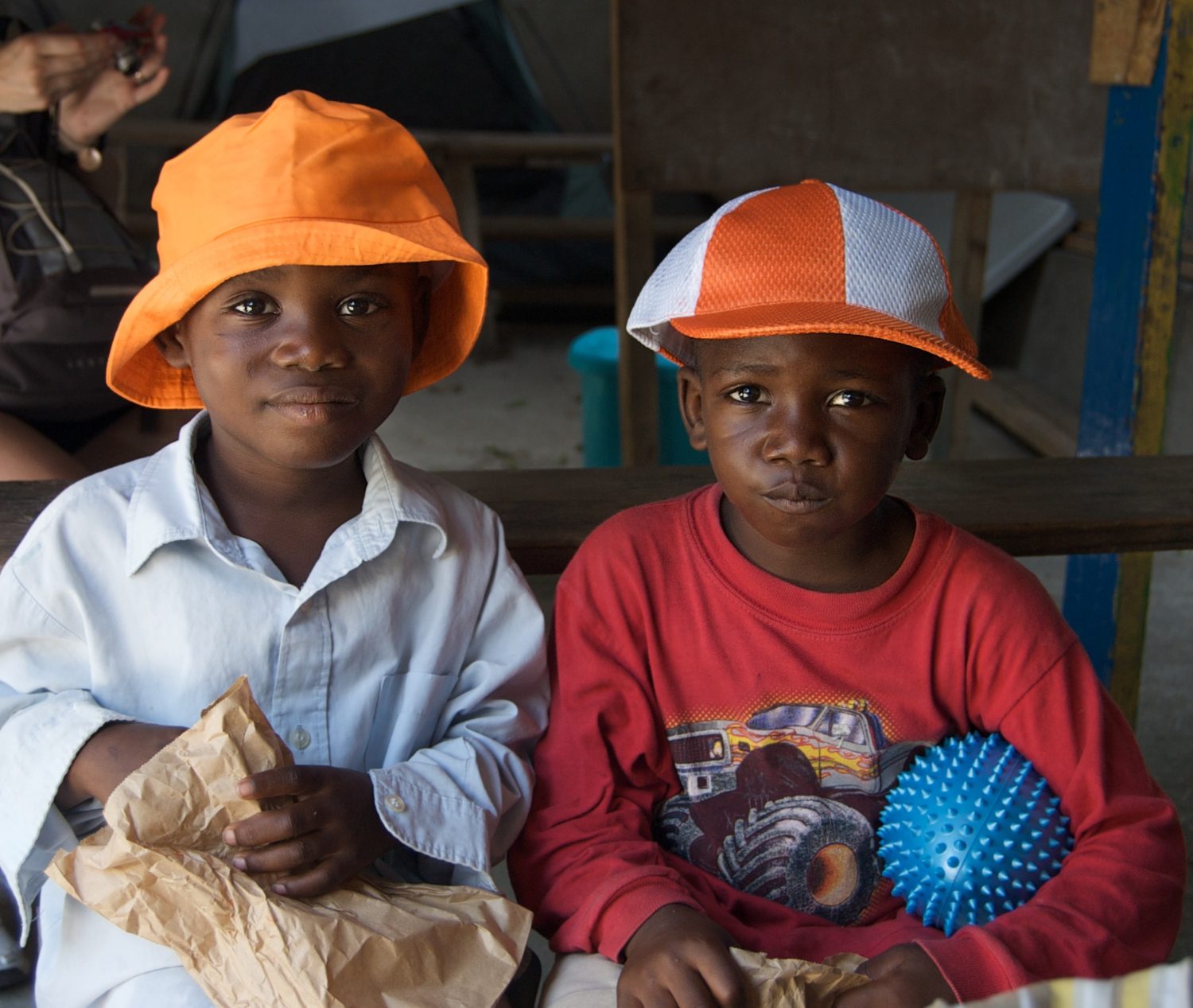 In March 2020, the world entered a time of pause. For some people, the earth seemed to echo a sigh of relief. But stomachs continued to grumble, rain steadily beat down upon roofs made of mud or junkyard scraps and pill bottles drained empty. Galette Chambon and Thoman, two Haitian communities, were no exception to the landslide caused by COVID-19. Thankfully, these two poverty-ridden places’ retaining wall halted the landslide. For nearly ten years,
 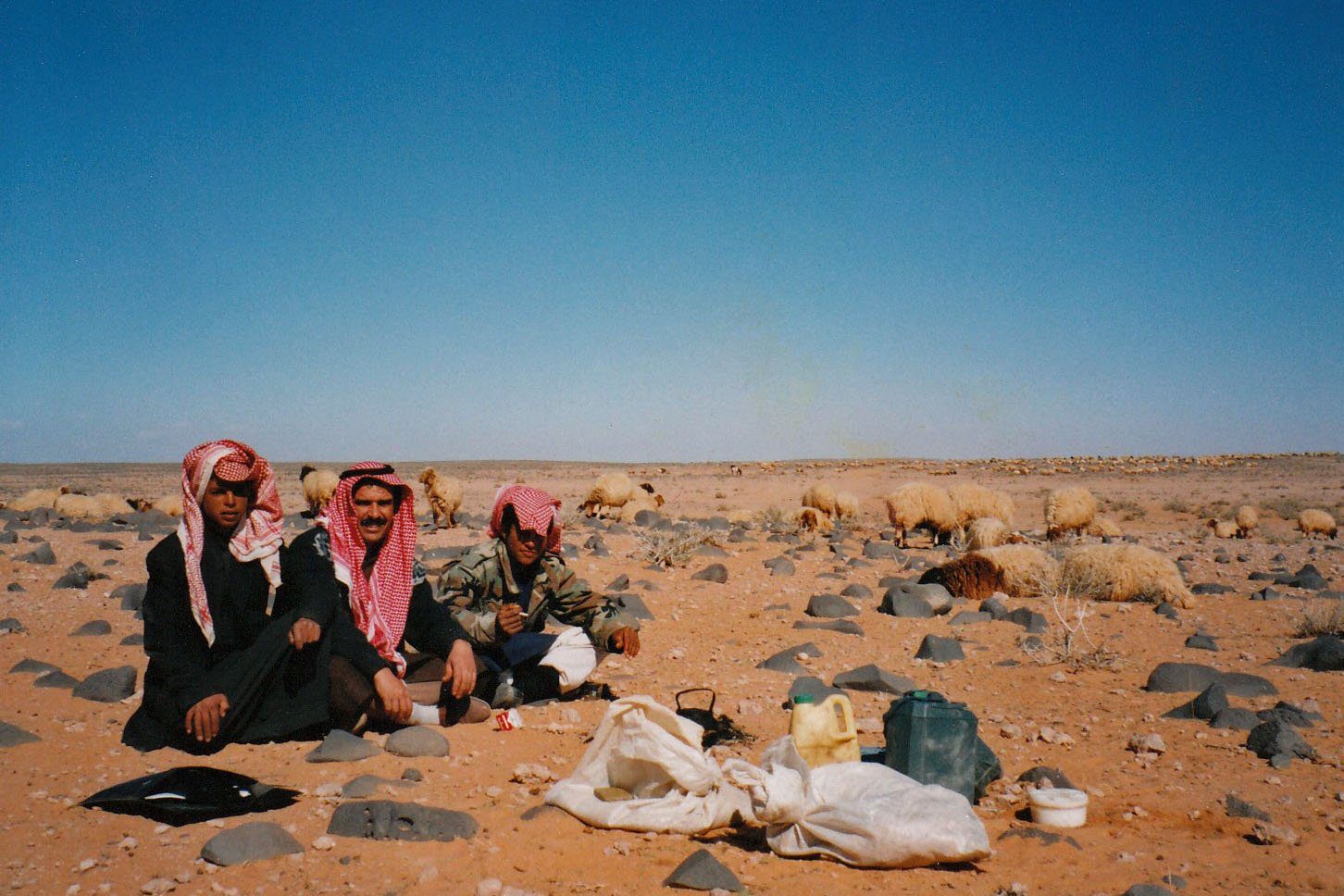 Jordan, bordered by Saudi Arabia, Iraq, Syria and Israel, is an Arab country in the Middle East. The country is on the East Bank of the Jordan River yet relatively landlocked. It has accordingly received a massive influx of Palestinian and Syrian refugees. Recently, the International Monetary Fund (IMF) in Jordan provided two different forms of economic relief to people in light of the ratio of debt to its gross domestic product (GDP) and the current pandemic. Read more about the IMF in Jordan below.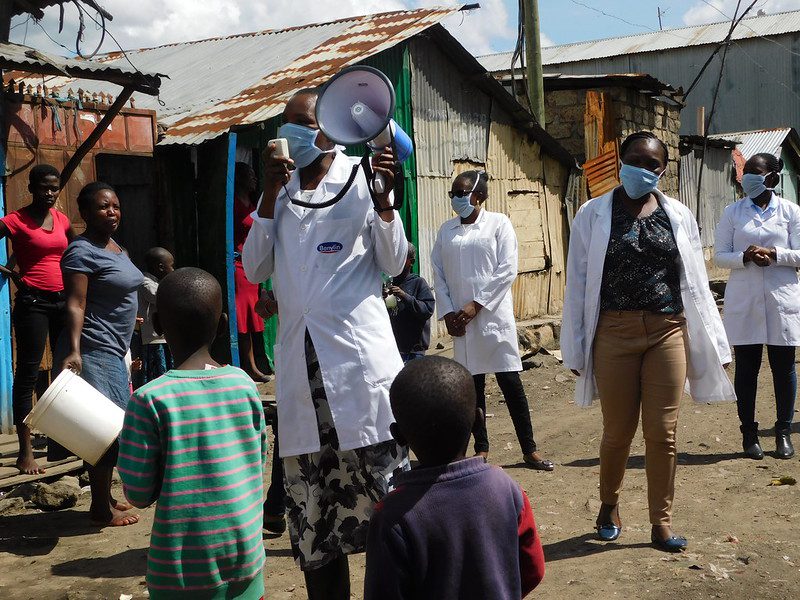
 The COVID-19 pandemic has undoubtedly changed the world. While many countries have been devastated, three countries have positive COVID-19 stories: New Zealand, Thailand and Vietnam. Here are their positive COVID-19 stories and the lessons they learned from their experiences.