• Link to X
  • Link to Facebook
  • Link to Instagram
  • Link to TikTok
  • Link to Youtube
  • About
    • About Us
      • President
      • Board of Directors
      • Board of Advisors
      • Financials
      • Our Methodology
      • Success Tracker
      • Contact
  • Act Now
    • 30 Ways to Help
      • Email Congress
      • Call Congress
      • Volunteer
      • Courses & Certificates
      • Be a Donor
    • Internships
      • In-Office Internships
      • Remote Internships
    • Legislation
      • Politics 101
  • The Blog
  • The Podcast
  • Magazine
  • Donate
  • Click to open the search input field Click to open the search input field Search
  • Menu Menu

Archive for category: Children

Information and stories addressing children.

Children

Philippines Acts to Combat Violence Against Children

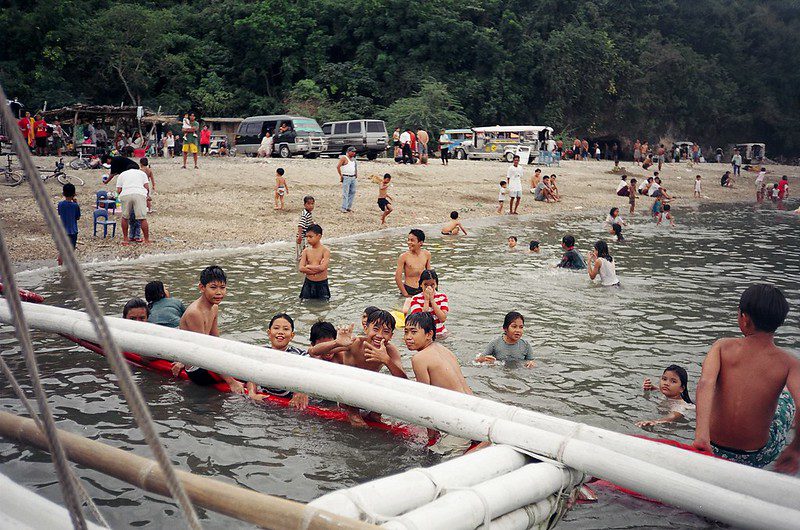
Philippines Acts to Combat Violence Against ChildrenA 2016 survey conducted by UNICEF and the Philippine government found that eight out of 10 children suffer some form of physical or psychological abuse. More than 60 percent of the cases of physical violence happen at home, with slightly more victims among boys than girls. Also during this time, UNICEF and the Philippine Council for the Welfare of Children found in their first nationwide survey of children and youth aged 13-24 that one in five respondents had been sexually violated. Less than one percent of victims of child abuse report these cases to authorities.
The Philippine Plan of Action to End Violence against Children

Since these findings, the Philippines have acted to combat violence against children and have made great strides. The Philippine Plan of Action to End Violence against Children (PPAEVAC) of the Republic of the Philippines (2017-2022), formulated by the government’s Council for the Welfare of Children and UNICEF, seeks to “break the cycle” of violence by guaranteeing access to services, building the capacity of children to protect themselves, improving legislation, and serving as a guide for policymakers and donors.

The PPAEVAC responds to Filipino children’s need for protection, care and development. The act is a multi-sectoral road map designed for the progressive reduction of violence against children and a part of the government’s general commitment to building an enabling environment that respects, protects and fulfills the rights of all children.

Furthermore, the effort also reflects the government’s recognition of children’s rights to survival, development, protection and participation, and their right to attain their full potential, as enshrined in the United Nations Convention on the Rights of the Child. It serves as an effective blueprint addressing the proliferation of various types of violence against children, including sexual abuse and exploitation.

Eight Key Strategies

As the Philippines acts to combat violence against children, eight key strategies in the PPAEVAC aim to address areas necessary to break the cycle of violence and achieve the vision of its complete termination. These strategies include:

  1. Promotion of evidence-based parenting program and life skills and personal safety lessons
  2. Capability building
  3. Comprehensive Communication for Behavior Change (C4BC) strategy
  4. Children and adolescent participation/mobilization
  5. Direct service delivery
  6. Monitoring, evaluation and research
  7. Policy advocacy
  8. Institution building

It’s already difficult to track abuses by relatives and acquaintances against children, but one of the biggest challenges ahead for the plan is the Duterte government itself. Its murderous “war on drugs” has brought untold misery to the families of mostly poor urban dwellers.

According to government data, the campaign against alleged drug dealers and users started in 2016, and has since contributed to the deaths of more than 12,000 people. Children have been among those killed by police and police-backed vigilantes. Many have been targeted, while others are what some government officials call “collateral damage,” or bystanders in police shootings.

Violence by state officials should not be a part of the large numbers on child violence. As the Philippines acts to combat violence against children, the PPAEVAC provides significant hope that violence against Filipino children has an end.

– Ashley Quigley
Photo: Flickr

May 24, 2018
https://borgenproject.org/wp-content/uploads/borgen-project-logo.svg 0 0 Borgen Project https://borgenproject.org/wp-content/uploads/borgen-project-logo.svg Borgen Project2018-05-24 01:30:202024-05-29 22:42:29Philippines Acts to Combat Violence Against Children
Advocacy, Children, Global Poverty

How the Youth Make a Difference in the Face of Poverty

Youth Make a Difference in the Face of PovertyPeople will often live up to the expectations set for them, and leaders of youth the world over understand this simple idea. Too frequently, these expectations do not reach beyond circumstances, and young people entangled in poverty can find little encouragement or direction. However, when given the right support and motivation, youth make a difference beyond the sum of their years or situations.
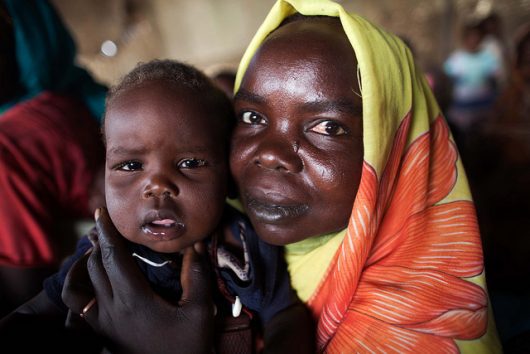
Mark McCord, former Director of the Young African Leaders Initiative Regional Leadership Center in Nairobi, Kenya, sees the possibilities for those not yet jaded by the world and states that “…Young people can be transformative in their communities and countries.”

Mohamed Arshad Ibrahim, Executive Director of the Youth Peer Education Network in Somalia (Y-PEER), understands this as well. Ibrahim, whose organization targets vulnerable youth who might otherwise join militant groups, says “by discussing issues that affect them, youth come up with solutions.”

Breaking Barriers

These solutions vary as much as the stories of the young people behind them. Youth make a difference in ways that speak to the strength that comes from struggle. For adolescents in Gaza, that struggle is 430,000 strong. With that many young people, initiative and opportunity are and become vital to the development of a region.

Sokaina Girls’ School in Deir al Balah City, in the middle of the Gaza Strip, now has a library because of the initiative of some 40 young women. With $300 in funding from the United Nations’ International Children’s Fund (UNICEF), the girls challenged the social attitudes surrounding them, went to the market (for the first time ever) and bought books. With some tables and chairs provided by the Education Ministry, they built shelves from wooden boxes and seats from old tires.

In addition, youth make a difference in the State of Palestine, where UNICEF helps 18,000 disadvantaged adolescents develop through life skills, civic engagement, sports and entrepreneurial initiatives. This library project was part of a larger program that the organization started in 11 schools, involving 1,200 high school students.

The Power of One

Though it has been said that there is strength in numbers, youth make a difference by simply seeing and responding to a need. For Toby Little, a nine-year-old English boy, that need started with a desire to learn more about the world. During his campaign to write to somebody in every country, Toby became empathetic to his new pen-pals.

Soon, Toby found himself working with ShelterBox, a charity focused on providing those in need with aid and essentials, such as:

  • Shelter
  • Tools
  • Stoves and cooking utensils
  • Water purification, and
  • Small gifts for children

A Portrait of Promise

Sometimes, youth need a guiding hand to help those in need. Teacher Amy Hall provided just that when she collaborated with Memory Project, an organization that invites students and art teachers to create portraits of abused or neglected children, in order to make them feel valued.

The students in her class chose to work with Syrian children and orphans, feeling that this population would benefit the most from their assistance. For the children in the refugee camps and orphanages, barely having anything, a portrait became a big deal and a reminder of their worth.

Goals for Peace

Youth make a difference in communities such as one in Brazil, where the country’s Goals for Peace project fights against gender inequality. This admirable group hopes to provide opportunities for the empowerment of young girls. For boys like Taniel (18), and Clibson (15), the chance to help is inspiring. Sometimes, just standing with those who challenge the impediments of progress is doing enough. With violence against women acting as an everyday occurrence, a change in the status quo provides hope for a new direction.

The desire to help cannot be quantified in years, and youth make a difference when given the freedom and reigns to do so.

– Daniel Staesser
Photo: Flickr

May 12, 2018
https://borgenproject.org/wp-content/uploads/borgen-project-logo.svg 0 0 Borgen Project https://borgenproject.org/wp-content/uploads/borgen-project-logo.svg Borgen Project2018-05-12 01:30:402024-05-29 22:42:19How the Youth Make a Difference in the Face of Poverty
Children, Global Poverty, United Nations

Reducing Chronic Malnutrition of Children in Rwanda

chronic malnutrition of children in RwandaRanked at 166 out of 187 countries on the United Nations Human Development Index, Rwanda remains one of the poorest countries in the world, struggling with household food insecurity and extreme undernutrition.
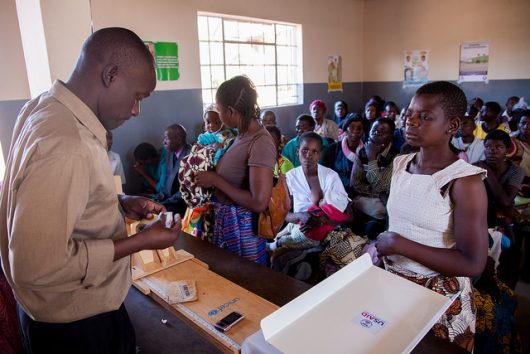
This undernutrition causes 21.9 percent of deaths in children, with only 20 percent of children in Rwanda having access to food rich in iron. Iron is especially important for children under five for growth and cognitive development.

Stunting is when a child is short for their age and is a result of chronic malnutrition, negatively affecting their brain development and health. This results in children being four times more likely to die before the age of five. Stunting is caused by chronic malnutrition, and in Rwanda, 47 percent of rural children are stunted, along with 27 percent of urban children.

These numbers have caught the world’s attention, resulting in programs working to reduce the chronic malnutrition of children in Rwanda. These programs involve the government of Rwanda and the World Bank, The Power of Nutrition and the Global Financing Facility.

These programs have recently pledged to create an integrated program to combat chronic malnutrition, focusing on high-stunting areas and vulnerable populations through their funds and supportive methods.

Here are some of the ways each program is supporting Rwanda through its chronic malnutrition crisis.

The Government of Rwanda and the World Bank

These two groups signed a $23 million additional financing agreement on April 18, 2018. Working with the Nutrition Sensitive Direct Support, these funds will provide cash transfers to vulnerable families who are at risk of malnutrition.

The World Bank Vice President, Makhtar Diop, voiced his concern about this issue, saying, “We must act with a sense of urgency because our children’s future is at stake.”

The World Bank has also added to its current portfolio of $600 million, and pledged to invest $1 billion over the next five years in order to support Rwanda’s journey to prosperity. With this help, improvements have already been seen in Rwanda, with poverty rates decreasing from 59 percent to 45 percent over the last 10 years.

The decrease in poverty will allow citizens to spend more money on necessary food items to reduce malnutrition. These statistics show the success of programs working to reduce chronic malnutrition of children in Rwanda.

The Power of Nutrition

The Power of Nutrition has also pledged to invest $35 million for the cause of reducing chronic malnutrition of children in Rwanda. Power of Nutrition lives by its motto: “Multiply Money, Maximize Children’s Lives, That’s the Power of Nutrition”. Its belief is that stopping undernutrition is one of the best ways to improve a child’s life and increase their chance of survival.

In Rwanda, 22 percent of all children’s deaths are correlated with undernutrition.

Because of ongoing health problems, children are unable to continue their education, leading to lower adult wages which impact Rwanda to the tune of 11.5 percent of GDP per year. Improving child malnutrition therefore will not only benefit children and their families, but also the government of Rwanda.

The Global Financing Facility

The Global Financing Facility studies the influence of the allocation of resources to different countries in need, finding the shocking results of an estimated $33 billion annual financing gap between countries.

Therefore, it has dedicated its work towards closing the funding gap, and providing struggling countries, such as Rwanda, with a more attainable goal of abolishing chronic malnutrition.

There are many programs working to reduce chronic malnutrition of children in Rwanda, many more than the four mentioned above. However, although chronic malnutrition has decreased in Rwanda, it is important to realize that the country still needs a great deal of assistance.

– Adrienne Tauscheck

Photo: Flickr

May 10, 2018
https://borgenproject.org/wp-content/uploads/borgen-project-logo.svg 0 0 Borgen Project https://borgenproject.org/wp-content/uploads/borgen-project-logo.svg Borgen Project2018-05-10 07:30:312024-05-29 22:42:16Reducing Chronic Malnutrition of Children in Rwanda
Children, Food & Hunger

The Dire Situation of Child Nutrition and Healthcare in Malawi

healthcare in Malawi
According to the U.K. Business Insider, Malawi was ranked one of the poorest countries in the world in 2017. Malawi is located between Zambia and Tanzania in Africa and approximately 74 percent of its population lives in poverty. This level of poverty has a great impact on the healthcare in Malawi. There are less than 300 registered doctors and 7,000 nurses in the entire country.

The number one cause of death in Malawi is HIV/AIDS, while neonatal disorders rank number four and nutritional deficiencies rank number eight. The healthcare in Malawi suffers greatly from the lack of provided funding which causes a lack of supplies. Also, there is a considerable lack of training for healthcare professionals, a factor that results in an infant mortality rate of approximately 90 deaths for every 1,000 births.

The healthcare in Malawi, or lack thereof, has a major impact on nutritional status. It is estimated that 50 percent of malnutrition is directly related to HIV infection. Only 19 percent of children between the ages of six months and 23 months of age receive a proper diet in Malawi. This lack of nutrition causes extreme anemia, vitamin A deficiencies and other micronutrient deficiencies. These deficiencies cause stunting of the child’s growth which has negative impacts on their overall development. Only one out of every three children receive proper healthcare in Malawi to treat malnutrition.

Fortunately, there are programs that are trying to improve the overall healthcare in Malawi. The Center for Disease Control (CDC) has been working with the healthcare system in Malawi since 2011. The CDC has provided scholarships for nurse-midwives and other professionals for training. The U.S. government has also partnered with the Malawi Ministry of Health (MOH) to incorporate training programs for healthcare professionals, improve surveillance systems, improve laboratories and implement prevention programs.

The World Food Programme (WFP) has acknowledged that half of Malawi’s children are stunted from malnutrition and that 23 percent of child deaths are associated with malnutrition. The WFP was organized to raise awareness all over the world for these children of Malawi. Also, in 2011, the Republic of Malawi launched SUN (Scaling Up Nutrition) which raises money for MOH to send to the local facilities. SUN is largely funded by the USAID and Irish Aid. The USAID has also funded the Food and Nutrition Technical Assistance III (FANTA III). This program provides nutrition assessment, counseling, support and HIV treatment programs.

The healthcare in Malawi is still struggling a great deal to provide proper care and improve the nutritional status of children. In 2003, Ripple Africa was created as a charity that focuses on improving healthcare in Malawi. Ripple Africa focuses on funding dispensaries and local clinics and hospitals. This charity relies on overseas volunteer doctors and nurses to provide much assistance. With these programs assisting the healthcare in Malawi, the system will hopefully continue to improve and save lives.

– Kristen Hibbett

Photo: Flickr

May 7, 2018
https://borgenproject.org/wp-content/uploads/borgen-project-logo.svg 0 0 Borgen Project https://borgenproject.org/wp-content/uploads/borgen-project-logo.svg Borgen Project2018-05-07 01:30:492024-05-29 22:42:17The Dire Situation of Child Nutrition and Healthcare in Malawi
Children, Global Poverty

The Merits of a Focus on Children in Extreme Poverty

The Merits of a Focus on Children in Extreme PovertyChildren are the world’s future. This phrase is often uttered, yet across the globe it is rarely enforced. Children in extreme poverty are affected differently than adults. Between inadequate nutrition, exposure to stress and a lack of early stimulation and learning, the disadvantages of growing up in poverty last a lifetime.

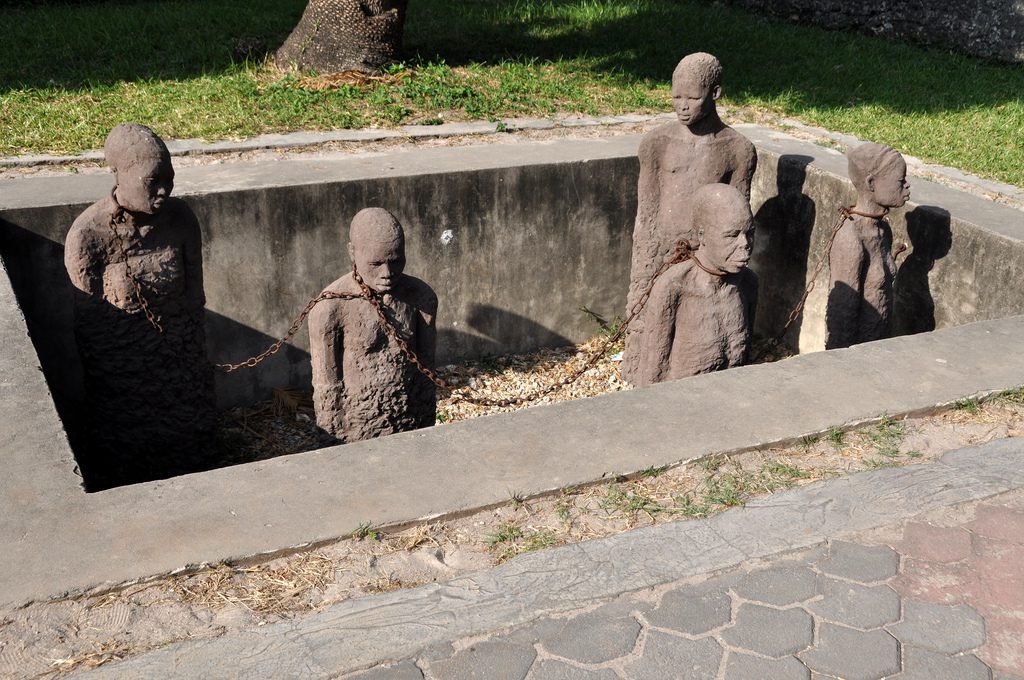
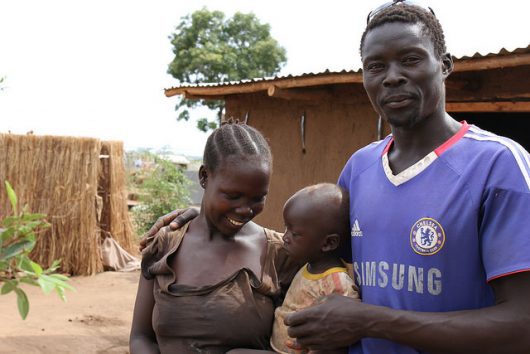
Consequences such as stunted development, low levels of skills needed for life and work, limited future productivity as adults and the generational cycle of poverty inhibit change in children living in poverty. These consequences are especially heinous because they debilitate the global human capital needed to grow and sustain economic prosperity.

Report Details Extent of Children in Extreme Poverty

Based on data from 89 countries representing 84 percent of the developing world’s population, UNICEF and The World Bank Group estimated that 385 million children were living in extremely poor households in 2013. Children are more than twice as likely to be living in households in extreme poverty. Roughly 19 percent of children in extreme poverty are estimated to be living on less than $1.90 a day, compared to an estimated 9 percent of adults.

The World Bank Group and UNICEF researchers conducted a comprehensive range of tests to check if changing these assumptions would affect their results. They tested their findings against realistic large and small economies of scale, as well as a range of realistic ratios comparing children’s consumption to adults’. In all cases, children still emerged with higher poverty rates across developing countries.

The World Bank Group is a vital source of financial and technical assistance to developing countries around the world as the world’s largest funder of education, the largest external financier of the fight against HIV/AIDS and the largest international financier of biodiversity projects, water supply and sanitation projects.

UNICEF promotes the rights and well-being of every child. With work in 190 countries and territories, UNICEF translates that commitment into practical action, focusing special effort on reaching the most vulnerable and excluded children to the benefit of all children in extreme poverty.

Recommendations for Governments to Help Children in Extreme Poverty

Together, UNICEF and The World Bank Group have established partnerships with governments across the globe to address child poverty and to promote a range of cross-sector investments in the early years of life. Their goal is to end extreme poverty by 2030. This vision is central to the work of the World Bank Group and UNICEF. The two organizations are calling on governments to focus on four main areas to combat extreme poverty:

  • Ensure that the number of children in extreme poverty is routinely measured and addressed at the national level as countries work towards both ending extreme poverty by 2030 and improving the well-being of their poorest citizens.
  • Make deliberate policy decisions that ensure a country’s economic growth benefits all of its citizens, including making sure children are fully considered in poverty reduction plans.
  • Strengthen child-sensitive social protection systems, including cash transfer programs that give direct payments to families to help lift children out of poverty and protect them from its impacts.
  • Prioritize investments in education, health, nutrition, clean water, sanitation and infrastructure that benefit the poorest children and prevent people from falling back into poverty after setbacks like droughts, disease or economic instability.

Addressing these multidimensional aspects of children in extreme poverty is crucial. In the face of a global economic slowdown, ending extreme child poverty by 2030 will not be easy. However, change is possible.

– Richard Zarrilli

Photo: Flickr

May 2, 2018
https://borgenproject.org/wp-content/uploads/borgen-project-logo.svg 0 0 Borgen Project https://borgenproject.org/wp-content/uploads/borgen-project-logo.svg Borgen Project2018-05-02 07:30:462024-05-29 22:42:14The Merits of a Focus on Children in Extreme Poverty
Children, Global Poverty

St. Jude Children’s Research Hospital Aids Children With Cancer Worldwide

children with cancer worldwide
Every year many families are confronted with the difficult diagnosis that their child has cancer. Researchers at St. Jude Children’s Research Hospital in Memphis, Tennessee are familiar with this harsh reality and are on a mission to bring needed resources to families of impoverished children with cancer worldwide.

According to pediatric oncology researchers, 80 percent of the 160,000 children that are diagnosed with cancer worldwide have limited access to quality care and thus have a lower chance of surviving the disease. St. Jude is leading the way people understand and treat childhood cancer and have established an initiative named St. Jude Global to help spread their valuable resources overseas to reach children with cancer worldwide.

About St. Jude Global

“St. Jude Global, a major expansion of the former St. Jude International Outreach Program, is a strategic initiative led by the St. Jude Department of Global Pediatric Medicine.”

The initiative is composed of researchers and healthcare providers who have brought together resources including quality facilities, treatment protocols and research programs to address the needs of children with cancer worldwide, especially those living in developing and third-world countries.

Collaborations have been established in Central and South America, the Caribbean, Africa, the Middle East, Asia and Oceania, as well as include over 28 countries as current beneficiaries.

Easing the Burden for Families

Over the years, St. Jude’s partnership with international organizations has helped reached vulnerable children in developing and third-world countries and brought progress to the sobering statistic of childhood cancer worldwide. Some of these programs include:

  • Pediatric Oncology East and Mediterranean Group: Formed in 2013, this is a collaboration between physicians, scientists and healthcare professionals from over 50 pediatric cancer centers across the Middle East and the Mediterranean. The initiative aims to “improve pediatric oncology research, training, patient care and advocacy by working in multidisciplinary teams across political and territorial boundaries.”
  • The Asociación de Hemato-Oncología Pediátrica de Centro América: Founded in 2000, “this network provides educational and training opportunities to local health care providers, as well as a framework for collaboration between participating institutions.”
  • National Childhood ALL Study Group in China: Founded in 2005, this study group established the first National Childhood ALL study group after physicians at Beijing Children’s Hospital and Shanghai Children’s Medical Center (SCMC), came together in a joint collaboration with St. Jude to “explore ways to optimize [Acute Lymphoblastic Leukemia (ALL)] treatment in China.”

Progress So Far

As a result of  St. Jude’s global partnerships with international organizations, thousands of children have benefitted from life-saving treatment.

In China, St. Jude’s collaboration with Beijing Children’s Hospital and Shanghai Children’s Medical Center increased the number of treated patients with ALL in mainland China from 10 percent before the year 2000, to over 90 percent as of 2014.

Furthermore, the Asociación de Hemato-Oncología Pediátrica de Centro América (AHOPCA) has been able to successfully fund treatment for thousands of cancer patients since the year 2000. Although there is still progress to be made with the fight against childhood cancer worldwide, St. Jude Children’s Research Hospital remains a strong force in the efforts to ensure that no child dies of cancer anywhere.

– Lois Charm

Photo: Flickr

April 22, 2018
https://borgenproject.org/wp-content/uploads/borgen-project-logo.svg 0 0 Borgen Project https://borgenproject.org/wp-content/uploads/borgen-project-logo.svg Borgen Project2018-04-22 10:36:322024-05-29 22:42:08St. Jude Children’s Research Hospital Aids Children With Cancer Worldwide
Children, Global Poverty, Slavery

How to End Slavery: Five Important Modern-Day Theories


Slavery has been practiced for centuries, and although many believe it is a practice of the past, modern-day slavery is very prevalent in today’s society. It’s estimated that about 40 million people are modern slaves, and this article will explore how to end such prominent slavery.

Modern-day slavery has been defined as “debt bondage, serfdom, forced marriage of a child for the exploitation of that child.” Out of the 40 million people trapped in the slave system, around 25 million people are in forced labor, 15 million are involved in forced marriage and five million people work as sex slaves. Statistics also show that 25 percent of slaves are children and 71 percent are women.

Parts of Asia and the Pacific hold the most substantial amount of slaves, while Europe, Africa, the Arab states and the Americas also suffer from the same crisis. It is essential to know what steps and measures can be taken to know how to end slavery.

Social Media

Social media is a key component on how to end slavery. Modern slavery is not a priority compared to other political agenda movements, so utilizing social media to bring awareness to the issue can be a significant first step.

In this age of technology, social media platforms such as Twitter, Facebook and Instagram started as a device used to spread and share news, as well as connect individuals; thus, a simple post can be the beginning of an entire movement.

Education

Another way to end slavery is to educate yourself on the topic. Be able to note the difference between slavery of the past compared to the new definition of slavery; learn which demographic is most affected by slavery; discover which organizations strive to end slavery; and finally, how you can make a difference.

Donating Money and Time

Becoming involved in organizations that solely work to end slavery such as the Anti-Slavery International or the CNN Freedom Project is another excellent action-item, as is joining campaigns or hosting fundraisers for the organizations.

Fundraising at schools, churches, after-school programs and around your local community can significantly help organizations fund campaigns and other events that will lead to the end of slavery. Another significant method of donating time is to write to local newspapers and magazines to spread concerns.

Pay Attention to Survivors

Fighting for freedom is an important step to ending slavery, but ensuring that survivors do not fall back into the system is just as essential. A way to help survivors is finding them jobs and helping them adjust to society.

Survivors can also be necessary tools for how to end slavery — people tend to sympathize with survivors when they hear their testimonies and experiences first-hand.

Contact Your Government

Possibly one of the most beneficial measures is to express your concerns with modern slavery to your local government; contacting your senator or representative can in fact lead to mass amounts of change. The United States government has an essential hand in international affairs, and one should use this privilege as a tool to fight against modern-day slavery.

Slavery has been a virus to this world for too long, and now it is finally time to put an end to this dehumanizing practice.

– Cassidy Dyce

Photo: Flickr

April 20, 2018
https://borgenproject.org/wp-content/uploads/borgen-project-logo.svg 0 0 Borgen Project https://borgenproject.org/wp-content/uploads/borgen-project-logo.svg Borgen Project2018-04-20 01:30:052019-11-08 13:39:45How to End Slavery: Five Important Modern-Day Theories
Children, Global Poverty, Women and Female Empowerment

The Effects of Child Brides on Poverty & the Benefits of Abolishment

The Crippling Effects on Poverty of Child Brides and the Benefits of Abolishment
The “Economic Impacts of Child Marriage” project (funded by the Bill & Melinda Gates Foundation), the Children’s Investment Fund Foundation, and the Global Partnership for Education are a few of many projects whose goals were to abolish child marriages. These movements were apart of a three-year research project led by the World Bank and the International Center for Research on Women.

A Global Research Project

The research project explored the impacts of child marriage in fertility and population growth, educational attainment and learning, labor force participation, decision-making and investments, health, nutrition and violence. Through this project’s research, the organization concluded that ending the practice of child marriage could save the global economy trillions of dollars between now and 2030.

Poverty-ridden families offering their daughters as child brides is a common means at eliminating certain living costs. Once a daughter is sent away for marriage, there is one less person to feed, clothe and educate; moreover, a dowry or “bride price” is often welcome income for these poor families. However, younger girls are often the chosen demographic for this practice since the older a girl gets, the more expensive the dowry becomes.

Issues with the Practice of Child Brides

One of the main problems with this practice is its invocation of an endless cycle of poverty. Younger girls married away for money often do not get the chance to continue their education; this occurrence severely limits the opportunities of economic growth for both her immediate and newly extended family.

Child brides also have to perform a great deal of unpaid work in the home, such as cleaning, cooking and caring for their husbands, in-laws and children. However, not marrying early and staying in school often leads to a girl becoming healthier and wealthier. In fact, an extra year of primary education for girls also can boost their future earnings by 15 percent.

Consequences of Premature Marriage for Child Brides

There are several severe consequences of child brides who are married off prematurely. Girls who get married early often have to break off previous relationships after marriage and cannot maintain connections with people outside of their families. Isolation can cause severe psychological consequences for both mothers and their babies.

There are also the strains the life of a wife can take on such a young girl’s body. Specifically, early child-bearing is a common incident that risks both young girls’ and their babies’ lives. According to the World Health Organization, the most frequent cause of death in young women aged 15 to 18 is complications during pregnancy and birth.

The non-governmental organization Girls Not Brides has also found “when a mother is under 20, her child is 50 percent more likely to be stillborn or die within its first weeks of life than a baby born to an older mother.”

The International Costs of Child Brides

The World Bank and the International Center for Research on Women has estimated that by 2030 child marriage will ironically cost developing countries trillions in dollars. These organizations push for an end of child brides as a means to alleviate immediate poverty and produce long-lasting economic growth.

The World Bank notes that ending child marriages would have a strong positive effect on the educational levels of girls and their children as well as increase women’s expected earnings. In addition, household welfare, substantial reductions in population growth over time and reduction in rates of under-five mortality and delayed physical development were found.

All in all, the marriage of child brides is a practice that should be abandoned for it numerous economic, personal and societal costs.

– Richard Zarrilli

Photo: Flickr

April 18, 2018
https://borgenproject.org/wp-content/uploads/borgen-project-logo.svg 0 0 Borgen Project https://borgenproject.org/wp-content/uploads/borgen-project-logo.svg Borgen Project2018-04-18 01:30:412019-11-05 10:58:36The Effects of Child Brides on Poverty & the Benefits of Abolishment
Children, Global Poverty, Health, Life Expectancy

The Effects of Poverty Are Widespread But Can Be Reduced

The Effects of Poverty

Poverty can have lasting impacts on both the people and communities in which it is present. The effects of poverty are often detrimental to both the health and education of people that are affected by it, and can lead to higher crime and mortality rates in neighborhoods and countries where the poverty level is high.

More than 10,000 children die every day because they live in poor housing. The effects of poverty on children are even more dangerous than for adults, because children are still developing. While in their developing stages, without access to healthy living conditions or secure access to food and water, children easily succumb to both disease and death. Living in a house that does not have adequate ventilation or proper heating can cause lasting damage to a child’s health, if they survive at all.

Poverty also affects education for people of all ages. Younger students will not be able to afford school supplies or clothes for school. As students get older, without a scholarship, secondary education and college are out of the question. Sometimes, even with a scholarship, they are not able to attend, because they have a family to support at home and need to work. Without adequate education, many people end up working for minimal pay, which keeps them impoverished for the duration of their lives and continues the cycle of poverty within the home.

The effects of poverty include high crime rates in affected communities. People without the proper resources to survive often resort to theft and violence in order to survive. Oftentimes, in high poverty areas there are also high unemployment rates, and because people are unable to obtain jobs, they resort to crime because they feel they have no other options.

The cycle of continued poverty also has a significant negative effect on the health of citizens. Substance abuse is often higher in areas with high poverty rates. This only continues to drive families deeper into poverty and continues the vicious cycle of poverty in the community. There are also more crippling accidents, because people in poverty tend to take jobs in unsafe working conditions to make money.

Poverty also has the power to divide society. The lower class is pitted against the higher class and vice-versa. This allows the gap between the two to become even larger without a chance to rectify the problem. In countries with large gaps between the two classes, the middle class is often small or nonexistent, which is an important stepping stone for people in a lower class to earn better wages. As that class disappears, the amount of impoverished citizens will continue to grow.

The effects of poverty are plentiful and widespread. The amount of crime, violence and death that run rampant in communities with high poverty rates are no coincidence, and are a direct result of the amount of poverty in that area. In order to diminish crime and violence in these areas, poverty has to be diminished first.

– Simone Williams

Photo: Flickr

April 17, 2018
https://borgenproject.org/wp-content/uploads/borgen-project-logo.svg 0 0 Borgen Project https://borgenproject.org/wp-content/uploads/borgen-project-logo.svg Borgen Project2018-04-17 07:30:322019-11-05 11:03:10The Effects of Poverty Are Widespread But Can Be Reduced
Children, Global Poverty

Child Prodigies in India

Child Prodigies in India
An estimated 5 to 6 million child prodigies in India have IQ levels of 135 or above. Only a few will have a shot at big moves in life; the rest will remain in urban slums. Gaining admission to a university is seen as a privilege for the social elites. Discovering the child prodigies is akin to mining for diamonds in the rough.

The Vidya school has members who survey for children by collecting details of each child’s socio-economic status and testing their logic in a standardized and timed packet of problems. It has been empowering underprivileged children via integrated methods of admission. This campus boasts over 11,000 students with a nearly even ratio of boys and girls. The children from poorer families are sponsored. The minimum requirements to keep their scholarships are tenuous; the children are expected to maintain high grades and partake in extracurricular activities.

Success for the Future

These programs can put the students on a track to success in academia and career opportunities. Child prodigies in India can be instilled with a sense of fulfillment and leave a positive impact on not just the Indian economy, but the global economy.

Aside from the pressure to maintain top grades, there is also pressure to be the sole breadwinner of their families. Often the parents of these geniuses are uneducated and see little value in academia. Instead, they pin the child’s future on working immediately from childhood in roles such as housemaids for girls or physical labor for boys. If the students can’t find support from their parents, then the next best option for the child prodigies in India is mentors.

Child Marriage

An unambiguous hindrance for millions of Indian girls is child marriage. The marriage of underage girls can have a negative impact on health, education and increase the likelihood of intergenerational poverty. The marriage of underage girls in India has nearly been cut in half. Of Indian girls younger than 18, the percent that get married is 27 – compared to 47 percent just a decade ago. Better access to education for girls and better public awareness of the negative impact of child marriage are credited for the decrease.

Formative Early Years

The early years of childhood can affect the outcome of adulthood. The gap between the rich and the poor can manifest as early as nine months of age; for example, underprivileged children are enrolled in primary school a year later than their privileged classmates. Quantitative research reveals the number of vocab words and mathematics skills a student possesses can determine academic accomplishments in secondary school.

The initiative of providing opportunities to the child prodigies in India will pay off in the long run. A healthy and educated population in any country is a positive indicator that a country is making positive strides and on course to great achievements. The achievements not only benefit the nation of India, but for humanity through their contribution in science, medicine and human rights. Investing in the child prodigies in India is synonymous with investing in the future of India.

– Awad Bin-Jawed

Photo: Flickr

April 9, 2018
https://borgenproject.org/wp-content/uploads/borgen-project-logo.svg 0 0 Borgen Project https://borgenproject.org/wp-content/uploads/borgen-project-logo.svg Borgen Project2018-04-09 18:01:542024-12-13 17:58:41Child Prodigies in India
Page 89 of 137«‹8788899091›»

Get Smarter

  • Global Poverty 101
  • Global Poverty… The Good News
  • Global Poverty & U.S. Jobs
  • Global Poverty and National Security
  • Innovative Solutions to Poverty
  • Global Poverty & Aid FAQ’s
Search Search

Take Action

  • Call Congress
  • Email Congress
  • Donate
  • 30 Ways to Help
  • Volunteer Ops
  • Internships
  • Courses & Certificates
  • The Podcast
Borgen Project

“The Borgen Project is an incredible nonprofit organization that is addressing poverty and hunger and working towards ending them.”

-The Huffington Post

Inside The Borgen Project

  • Contact
  • About
  • Financials
  • President
  • Board of Directors
  • Board of Advisors

International Links

  • UK Email Parliament
  • UK Donate
  • Canada Email Parliament

Get Smarter

  • Global Poverty 101
  • Global Poverty… The Good News
  • Global Poverty & U.S. Jobs
  • Global Poverty and National Security
  • Innovative Solutions to Poverty
  • Global Poverty & Aid FAQ’s

Ways to Help

  • Call Congress
  • Email Congress
  • Donate
  • 30 Ways to Help
  • Volunteer Ops
  • Internships
  • Courses & Certificates
  • The Podcast
Scroll to top Scroll to top Scroll to top