• Link to X
  • Link to Facebook
  • Link to Instagram
  • Link to TikTok
  • Link to Youtube
  • About
    • About Us
      • President
      • Board of Directors
      • Board of Advisors
      • Financials
      • Our Methodology
      • Success Tracker
      • Contact
  • Act Now
    • 30 Ways to Help
      • Email Congress
      • Call Congress
      • Volunteer
      • Courses & Certificates
      • Be a Donor
    • Internships
      • In-Office Internships
      • Remote Internships
    • Legislation
      • Politics 101
  • The Blog
  • The Podcast
  • Magazine
  • Donate
  • Click to open the search input field Click to open the search input field Search
  • Menu Menu

Archive for category: Advocacy

Information and news on advocacy.

Advocacy, Children, Global Poverty

Novak Djokovic Takes on New Role at UNICEF

Novak_Djokovic
Novak Djokovic, the number one men’s tennis player in the world, has added a new honor to his list of accomplishments: United Nations Children’s Fund Celebrity Goodwill Ambassador.

Djokovic championed children’s rights for years before his appointment in late August. He previously served as UNICEF’s Serbia Ambassador, and his own organization, the Novak Djokovic Foundation, works to improve children’s lives in Serbia by cooperating with Serbian schools, local organizations and non-governmental organizations.

The Foundation “has focused its activities towards the improvement of conditions in which children in Serbia get education, grow up and play.”

Djokovic’s foundation and UNICEF work to uphold the United Nations’ Convention on the Rights of the Child. These rights include the ability to have access to services such as education. Djokovic joined UNICEF in 2011 as the Serbian Ambassador and has since visited Serbian schools with UNICEF.

“The early years of life are crucial. When well nurtured and cared for in their earliest years, children are more likely to survive, to grow in a healthy way, to have fewer illnesses, to develop thinking, language, emotional and social skills and become productive and successful citizens of society,” he said about his commitment to children’s causes.

Djokovic joins a list of Goodwill Ambassadors famous for sports, film, theater and more. He and David Beckham are among the most notable athletes currently serving as Goodwill Ambassadors. With their fame, these ambassadors help to bring children’s issues to the forefront of public consciousness, and Djokovic has already shown his dedication to improving children’s lives.

– Rachelle Kredentser

Sources: UN, ESPN, UNICEF 1, UNICEF 2
Photo: UN

September 28, 2015
https://borgenproject.org/wp-content/uploads/borgen-project-logo.svg 0 0 Borgen Project https://borgenproject.org/wp-content/uploads/borgen-project-logo.svg Borgen Project2015-09-28 00:37:302024-12-13 17:50:25Novak Djokovic Takes on New Role at UNICEF
Advocacy, Development, Global Health, Global Poverty, Health

How a New Program Could Reconnect the Supply Chain

When Communication Really is Key; How a New Program Could Reconnect the Supply Chain and Keep Health Care Clinics Stocked
According to the World Health Organization (WHO), out of the close to the 1 million health centers in the developing world 40 percent of them are stocked out of essential supplies or medications.

In some countries, people walk three days to reach the nearest health clinic only to learn that they are out of stock of their medication. At the same time, health workers admit that they have life saving medications gathering dust and expiring on their shelves because their patients do not need them.

Reliefwatch is a platform for heath care organizations in the developing world to track the supplies in clinics and pharmacies. All clinics need to partake in Reliefwatch is a basic cellphone, which most clinic workers already own. The program involves no new hardware or installations and because all it requires is workers to punch in their inventory numbers into the cellphone, the training process is fast and simple.

Reliefwatch’s method is simple. An automatic call is sent to participating clinics whose staff enter their supply and medication inventories when prompted (Reliefwatch uses multilingual support systems). All the collected data is stored in their cloud system making it available in real-time anywhere in the world.

The information collected through Reliefwatch allows suppliers and NGOs to more accurately distribute medical supplies and medications. So instead of blindly shipping out supplies to clinics every three weeks, suppliers can effectively re-stock clinics based on their needs.

Daniel Yu, the founder of Reliefwatch, says his nonprofit has reduced stock-outs to 10 percent of current levels. Suppliers are more aware of which clinics need which drugs and facilities that have excess items can give them to clinics in need of them.

Reconnecting the supply-chain has a powerful effect. Suppliers can feel confident that their provisions are reaching places that need them, clinics and health care workers can adequately serve their patients and patients can depend on their medication being available when they need it.

– Brittney Dimond


Sources: Next City, Relief Watch
Photo: Flickr

September 27, 2015
https://borgenproject.org/wp-content/uploads/borgen-project-logo.svg 0 0 Borgen Project https://borgenproject.org/wp-content/uploads/borgen-project-logo.svg Borgen Project2015-09-27 14:50:372024-06-05 02:36:34How a New Program Could Reconnect the Supply Chain
Activism, Advocacy, Global Poverty

Team Africa Rising: The Opportunity For Unity

Team Africa Rising: The Opportunity For Unity
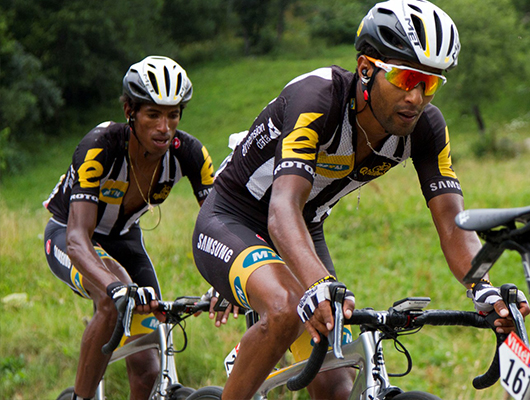
This month, five Rwandan cyclists from Team Africa Rising are set to compete in the UCI Road World Championships in Richmond, Virginia. The international competition is set to take place from Sept. 19 – 27.

Team Africa Rising, formally called Team Rwanda, is comprised of professional cyclists who often serve as the world’s informal ambassadors to Rwanda and other conflict-stricken nations. Team Rwanda was founded in 2006 by American cyclist Jock Boyer in order to spread the sport of cycling and unify countries under its name.

Team Africa Rising is now comprised of over 25 of the best cyclists from Rwanda, Ethiopia and Eritrea. For these athletes, cycling can serve as a form of therapy to deal with their difficult pasts.

The team has also given African athletes the chance to compete at an international level, therefore granting them additional opportunities for sponsorship, equipment and more. One of the cyclists, Nathan Byukusenge, has qualified to compete in the 2016 Rio Olympics.

The cyclists have captured attention from the international community, as the subjects of a documentary entitled “Rising From Ashes” and the book “Land of Second Chances.”

Cycling teams provide a common, positive cause for members of the host countries to support. Team Africa Rising’s participation in the world championship provides a collective source of pride and excitement, particularly for the citizens of Rwanda.

According to Kimberly Coats, director of logistics for Team Africa Rising, the team represents unity for the country.

“The team is made up of people from both sides [of the 1994 genocide,]” she was quoted in the Richmond Times Dispatch. “But today we’re all Rwandans and it’s really started to develop this national unity, this national pride. This team is a thing for the country to rally around.”

For the past 21 years, Rwanda has focused on healing itself from the historic genocide and growing together as one Rwandan society. One of the major struggles in developing in the wake of such a mass atrocity has been in providing the international community another way to look at the country.

“You say Rwanda, you think genocide. They want you to say Rwanda (and) think cycling,” Coats said. “It’s going to take time, but it’s definitely there. We do a lot of bike tours, a lot of people come visit the team and the team has been goodwill ambassadors to show the world that Rwanda is a safe place, that the country has reconciled and that there’s peace.”

– Arin Kerstein

Sources: The Guardian, Richmond Times Dispatch, Team Africa Rising, World Bicycle Relief
Photo: Google Images

September 26, 2015
https://borgenproject.org/wp-content/uploads/borgen-project-logo.svg 0 0 Borgen Project https://borgenproject.org/wp-content/uploads/borgen-project-logo.svg Borgen Project2015-09-26 01:30:512024-12-13 18:05:00Team Africa Rising: The Opportunity For Unity
Activism, Advocacy, Global Poverty

How Panera Bread Fights World Poverty

How Panera Bread Fights World Poverty
Panera Bread is known for its superb soups, salads and bakery items that might feed our appetites quite often. But Panera Bread has another, lesser-known side to their business. As one of the United States’ and Canada’s biggest food companies, Panera Bread also works to serve the less fortunate around the world.

The company previously enacted a ‘pay what you like’ method of paying to help those unable to pay the full price for food to have something to eat. The ‘pay what you like’ method allowed diners to pay more or less than $5.89 for their chili.

The purpose of this program was to encourage their customers to use what they were not paying to donate to charities and to provide food to those unable to pay. The method is still being used in locations such as Chicago, Illinois and Portland, Oregon. Other restaurants that have stopped using it are currently searching for new ways to support those suffering from hunger.

Another way Panera Bread gives back is through their Panera Cares Community Cafes. In the United States, 17 million homes are considered food insecure and 16 million children, meaning one in five children, do not have the means to receive proper nutrition every day. In these nonprofits locations, Panera Bread is willing to serve anyone for free. The aim of this project is to end hunger throughout the country.

In 2013, Panera Bread’s CEO demonstrated a style of living to promote hunger awareness. For one month, Ron Shaich collaborated with the Supplemental Nutrition Assistance Program to enact a lifestyle to live on $4.50 a day to create awareness for those in need, even though he normally makes roughly 3 million a year.

To put this into perspective, $4.50 is the average cost of a McDonald’s Mighty Kids Meal. Ron Shaich noted that although he was buying foods to keep him full, he continuously missed out on the healthy foods that matter, like meat, vegetables and fruits. He also stated how eye-opening of an experience it was for him and how impactful it will be on his efforts of putting an end to hunger.

Panera Bread continues to help fight poverty by continuing to give back to their communities through programs like the Day-End Dough-Nation and In-Kind Donations, which provide unsold bakery items to hunger relief agencies. Panera Cares operates in multiple cities throughout the US and is continuously creating innovative ideas to end world hunger.

– Julia Hettiger

Sources: Time, CNBC, Panera Bread
Photo: Google Images

September 26, 2015
https://borgenproject.org/wp-content/uploads/borgen-project-logo.svg 0 0 Borgen Project https://borgenproject.org/wp-content/uploads/borgen-project-logo.svg Borgen Project2015-09-26 01:30:332024-06-04 04:33:50How Panera Bread Fights World Poverty
Activism, Advocacy

What is Advocacy?

What is Advocacy?-TBP
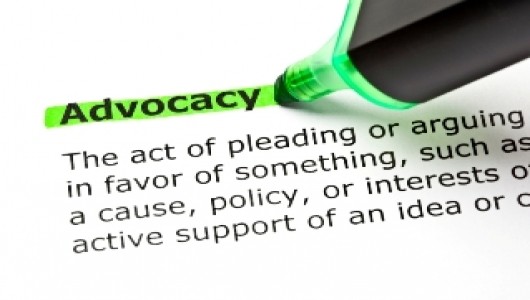
Advocacy is a concept with a short definition but an extensive explanation. In a very broad sense, advocacy is simply supporting a cause. The cause could be anything from human rights to animal rights and anything in between and beyond. An advocate works on behalf of another person or a group of people (or animals) who are voiceless or too vulnerable to promote their own causes and obtain help.

Advocates can work on the behalf of individuals, such as a parent for a child. Other examples include a teacher for a student, a doctor for a patient and a lawyer for a client. Relatives can also hire individual advocates who are trained and specialize in specific causes. Advocating for the disabled is one example.

Advocates can also work for groups that support individuals or larger numbers of people. Nonprofit organizations, such as charities or public arts organizations, are one type. An example is The Borgen Project. Another type are nongovernmental organizations that include Doctors Without Borders and Amnesty International.

Depending on the context of the situation, whether it be social, legal, medical or political, advocates use different skills and types of activities to benefit the people they support. Most advocacy involves at least researching, educating and organizing. The following list of activities, while not comprehensive, includes the most common advocacy activities.

  1. Research to gather the necessary information that reflects the reality as well as expose the myths of a cause or a person’s situation. Research also includes discovering relevant, beneficial resources.
  2. Educate legislators, school administrators, the public or other parties who change the laws, make the decisions or can in any other way provide what is necessary. The education may include composing fact sheets, writing letters or speaking at meetings or with individuals.
  3. Organize meetings, conferences and rallies in order to build a foundation of support and power within a community.
  4. Collaborate with other advocates or groups of the same philosophy to fortify resources and staff. You’ll be better prepared to campaign for shared goals.
  5. Attend conferences in order to network and share information with others of similar needs. This is one way to both research and collaborate.
  6. Act as a watchdog to ensure that government agencies comply with existing laws and regulations.
  7. Litigate to win in court for a person or cause.
  8. Lobby for or against specific legislation in order to benefit a person or cause.

These activities help form the backbone of advocacy. They enable advocates to support, defend and safeguard the children, families, communities and causes they represent. In these small and large ways, advocacy efforts effectively empower the vulnerable and give voice to the voiceless.

– Janet Quinn

Sources: Alliance for Justice, Citizens’ Committee for Children
Photo: NAGC

September 8, 2015
https://borgenproject.org/wp-content/uploads/borgen-project-logo.svg 0 0 Borgen Project https://borgenproject.org/wp-content/uploads/borgen-project-logo.svg Borgen Project2015-09-08 10:43:402024-12-13 17:51:37What is Advocacy?
Activism, Advocacy, Global Poverty

One Direction Releases Film to End Poverty


Celebrities are constantly in the public eye and every move they make, from where they ate breakfast to who they might be dating, is highlighted in the media. So, when celebrities use their voices to make a positive difference in the world, it does not go unnoticed and it has the power to bring on major change.

Earlier this summer, One Direction launched their action/1D campaign, as part of action/2015, a powerful movement that believes 2015 is the year of creating concrete plans to eradicate extreme poverty, promote justice and equality and fight climate change.

Action/1D encouraged the millions of One Direction fans around the world to submit videos of themselves describing the type of world they would like to live in, in alignment with these plans.

Two months and 80,000 submissions later, action/1D released “Dear World Leaders,” a unique and compelling film composed of young people from 172 countries explaining what they like about the world, but what needs to change.

Calling on international leaders to end extreme poverty, promote universal education, provide clean, safe water for all people and end world hunger, “Dear World Leaders” features today’s youth touching upon many of the Global Goals, a set of 17 initiatives that align with the action/2015 movement.

Action/1D and “Dear World Leaders” provided young people around the world with the opportunity to contribute to important global conversations and movements. The youth of today are the future of tomorrow, so it is inspiring to see how much they care about current events and improving the world.

Now, One Direction is promoting “Dear World Leaders” through social media and on their “On the Road Again” tour, while also encouraging the public to share the film and the hashtag #action1D on social media platforms. Already, #action1D has reached 2.5 billion hits and trended on Twitter for 11 hours after the initial launch of the project.

One Direction unites their harmonic voices to make an important change in the world and impose a lasting difference that will ultimately improve the quality of life for many people. In the public eye, they have the power to raise awareness and gain support in the fight against extreme global poverty.

– Sarah Sheppard

Sources: Global Citizen, Look to the Stars 1 , Look to the Stars 2
Photo: Flickr

September 8, 2015
https://borgenproject.org/wp-content/uploads/borgen-project-logo.svg 0 0 Borgen Project https://borgenproject.org/wp-content/uploads/borgen-project-logo.svg Borgen Project2015-09-08 01:30:352020-07-02 17:51:57One Direction Releases Film to End Poverty
Advocacy, Global Poverty

Hash-Tagging to Raise Awareness for The Global Goals

global_goals
Trending hashtags can sometimes be confusing and pointless. Usually, hashtags accompany a picture on Instagram or a tweet on Twitter and sometimes they are associated with different challenges. But, every once in a while, a hashtag will emerge and correlate with a worthy cause, and using it on social media will raise awareness for that cause.

The hashtag, #DizzyGoals, is raising awareness for The Global Goals one video at a time. #DizzyGoals requires a person to spin as quickly as possible around a soccer ball 13 times and then attempt a penalty shot. Many professional soccer players have accepted the challenge, including Gareth Bale of Real Madrid, whose video featured some of his friends and teammates.

Less than a month away, the Global Goals launch on September 25 in New York City with 193 world leaders in attendance, and the campaign is doing everything in its power to raise international awareness and support of the goals. The Global Goals are dedicated to ending global poverty, fighting injustice and correcting climate change through a set of 17 initiatives for the next 15 years.

Before world leaders commit themselves to the goals, however, citizens around the world must know about them. World leaders listen to citizens to understand what needs to be done; the more people that know about the goals, the more likely the world leaders are to support them.

Therefore, it is imperative that the Global Goals become famous amongst world citizens and #DizzyGoals is one entertaining way to do that.

Many of the videos that accompany the hashtag feature professional soccer players spinning rapidly around a soccer ball, and then stumbling to kick the next ball, where the inevitable dizziness usually results in an epic fall to the grass. Nonetheless, the stars of the challenge are sure to mention their support for the Global Goals and provide links to goals’ website.

The Global Goals have the power to positively change the world. Share a #DizzyGoals video to inform more people about the Global Goals, or grab a soccer ball and take the challenge!

– Sarah Sheppard

Sources: Global Citizen, Global Goals, Twitter,
Photo: Express

September 5, 2015
https://borgenproject.org/wp-content/uploads/borgen-project-logo.svg 0 0 Borgen Project https://borgenproject.org/wp-content/uploads/borgen-project-logo.svg Borgen Project2015-09-05 07:30:172024-12-13 17:54:08Hash-Tagging to Raise Awareness for The Global Goals
Advocacy, Aid, Global Poverty, Philanthropy

Hard Rock Philanthropy: Goals, Partnerships and Products

Hard Rock Philanthropy
Raising funds for philanthropic causes around the world has been a commitment that Hard Rock pursues through the use of mottos, which can be seen in all their locations and sales.

The recognized chain of theme restaurants contributes to various humanitarian and environmental causes through the sale of original and sometimes limited edition Hard Rock products.

With the motto “LOVE ALL – SERVE ALL,” Hard Rock has been using corporate philanthropy as a business strategy that allows the corporation to support global and local communities.

According to the Hard Rock website, the corporation has been advocating and supporting humanitarian and environmental causes since its first day in 1971. The company supports various philanthropic partners, each tied to different mottos based on the causes the partners focus on:

TAKE TIME TO BE KIND

These are Hard Rock’s philanthropic partners that focus on humanitarian and human rights causes:

American Indian Veterans Memorial, American Red Cross, Amnesty International, Bombay Teen Challenge, Breast Cancer Research Foundation, Caron Keating Foundation, St. Mary’s Healthcare System for Children, Children of Restaurant Employees (CORE), City of Joy, Crossroads Center, David Lynch Foundation, Fundacion Pies Descalzos, Global Angels, Habitat for Humanity, Holster Project, Hope North, Make A Wish Foundation, MPP HAITI, Music for Relief, Musicians on Call, Music Rising, Nordoff Robbins – UK, Pathfinder Academy, Pattanarak Foundation, Peace First, Roots & Shoots, The Mercury Phoenix Trust, The Nelson Mandela Children’s Hospital Trust, TJ Martell Foundation, Vicente Ferrer Foundation and WhyHunger.

SAVE THE PLANET

These partners focus on environmental causes such as habitat and animal protection:

Arbor Day Foundation, Farm Aid, Sustainable BioDiesel Alliance, Wildlife Conservation Society and Cotton Conservation Initiative (CCI).

ALL IS ONE

These are organizations in the entertainment industry that advocate for different causes:

GRAMMYs/National Academy of Recording Arts & Sciences, Grammy Museum, LATIN GRAMMYs/Latin Academy of Recording Arts & Sciences, Country Music Awards, MusicCares, Gibson Foundation, Rock & Roll Hall of Fame and Heard The World.

Hard Rock supports all of its partners by creating awareness, funding and by educating others about the different projects and causes for which their partners advocate.

Hard Rock also creates a variety of original products that are sold with a charitable purpose.

The company created the “Signature Series” t-shirt line as a way for artists to donate and do humanitarian labor by providing an original design to Hard Rock. These designs are printed on limited edition t-shirts and are sold in every Hard Rock location, as well as Hard Rock’s online shop.

Artists select charities from around the world and proceeds from their t-shirt sales are donated to those charities.

So far, Hard Rock has released 33 “Signature Series” t-shirts created by various artists including Imagine Dragons, Kiss, Linkin Park, U2, The Who, Bon Jovi, Shakira and Queen.

Current “Signature Series” t-shirts, as well as pins, bracelets and earbuds, are available in Hard Rock stores worldwide and online. The purchase of these items contributes to donations to different philanthropic causes.

Hard Rock Philanthropy is the humanitarian side of the Hard Rock company. With the use of mottos, products and partnerships with organizations and artists, Hard Rock is advocating to make the world a better place by loving and serving all.

– Diana Fernanda Leon

Sources: Hard Rock 1, Hard Rock 2, Hard Rock 3, Hard Rock 4, Hard Rock 5
Photo: La Republica Firenze

August 27, 2015
https://borgenproject.org/wp-content/uploads/borgen-project-logo.svg 0 0 Borgen Project https://borgenproject.org/wp-content/uploads/borgen-project-logo.svg Borgen Project2015-08-27 01:30:042020-04-22 15:00:52Hard Rock Philanthropy: Goals, Partnerships and Products
Advocacy, Global Poverty, Philanthropy, Women

Warren Buffett: Generosity May Save Generations

How Warren Buffett Generosity Can Save Generations
According to Forbes Magazine, Warren Buffett is one of the wealthiest men in the world, with a net worth of over $72 billion. Buffett amassed a great portion of his wealth through investment and involvement in his family’s business, Berkshire Hathaway. Since coming into his fortune, Buffett has created a non-profit called The Susan Thompson Buffett Foundation, which is a large family foundation third only to The Bill and Melinda Gates Foundation and The Ford Foundation.

After Buffett’s first wife, Susan Thompson, passed away at the age of 72, he decided to focus the foundation’s efforts on charitable causes. One of the most funded causes was creating an IUD, an intrauterine contraceptive device. All of the foundation’s donations to research, funding and supplying were made in confidence, but it is evident that without funding for research the world would be in a much different place.

When IUDs were first created, they had more negative side effects than positive outcomes. Since few women saw their use, research on this form of contraceptive slowed to a halt, but after ten years of minimal research, the Buffett Foundation decided to invest in better contraceptives for women who did not have access to medical facilities. According to Buffett, not allowing women to decide when they want to get pregnant is essentially failing to utilize half of the brainpower in the world, as these people are constantly worried or concerned about pregnancy and their children.

Since Buffett’s investment, three major IUDs have emerged: ParaGard, which is a copper IUD that can last 3 years; Mirena, which is a plastic IUD that secretes hormones and can last up to five years; and most recently, Liletta, which is very similar to Mirena and was developed by a non-profit funded by Buffett in order to offer a cheaper option to women who could not afford a standard IUD.

The longevity of IUDs, some lasting up to 10 years, has made them an ideal form of contraception for busy women who do not have a steady schedule and cannot take pills at the same time every day. IUDs are 99 percent effective and have proven to be safe and beneficial for women in underdeveloped countries. In some developing countries, women are still dying in childbirth due to far too many pregnancies and a lack of control over their fertility. However, as female reproductive rights become a more pressing issue, IUDs and their cheap — or maybe even free — existence could make a huge difference.

Many women who live in poverty feel as though they do not have control over their bodies, an issue that has been brought up with several women’s rights’ activist groups. In order to grant women more control, we must grant them access first to contraceptives and next to education. When women are given the option to decide whether or not to have a child, they are able to make better decisions for their families and for their futures. Childhood mortality rates will decrease, female life expectancy will increase and overall national GDP will also increase. This is one simple change funded by one outstanding man that could provide women in developing nations a chance to take control of their lives and make a difference.

– Sumita Tellakat

Sources: Bloomberg, Forbes
Photo: Forbes

August 24, 2015
https://borgenproject.org/wp-content/uploads/borgen-project-logo.svg 0 0 Borgen Project https://borgenproject.org/wp-content/uploads/borgen-project-logo.svg Borgen Project2015-08-24 01:30:012020-04-17 16:51:51Warren Buffett: Generosity May Save Generations
Advocacy, Global Poverty

5 Tips for Successful Fundraising

Five Tips for Successful Fundraising
When I began my internship at The Borgen Project, I was admittedly intimidated, especially with regards to the required fundraising goal. Although I had had experience with fundraising during high school, I had never single-handedly maintained a fundraiser. I was nervous but also determined to prove my worth to the members of The Borgen Project.

Currently, on week nine of my internship, I am proud to say that I have raised $1,207.06. To do this, I wrote letters to family and friends, I spoke and visited with local restaurants and I opened a booth twice at my community’s weekly market.

My success has made me feel like a fundraising fairy. I am one of 180 Borgen Project interns across the United States. Of these 180 interns, there are only three who have raised over $1000. I am satisfied to say that I am one of them.

After speaking for our monthly conference, I learned that fundraising is a rickety and shaky boat during a storm for many interns. Interns attempt to sail forward with their goal but are often anchored to the spot, deterred by unknown conditions and direction.

To these interns: I promise that you can succeed. Below is a list of helpful fundraising tips that have made a difference for me. Hopefully, they will benefit you during your fundraising endeavors.

1. Be courageous.
Do not be afraid to go out of your comfort zone. Although writing letters to family and friends can be simple and successful, it should not be the only method of fundraising. Try writing letters to places you visit often in your community or to companies who have a history of donating to charities and nonprofits.

2. Be persuasive and understand emotions.
When writing your letters, consider how your audience will react and understand. For example, consider: “The population of people in poverty is large.” Now consider: “The number of people suffering from hunger is larger than the population of the United States, Europe and Canada combined.” The latter offers more depth and perspective; the statement is more tangible because it offers size, location and familiarity to your readers. When I wrote letters to restaurants, I focused on hungry families and food waste, two aspects that are sure to connect with restaurant owners and cooks. Remember to be specific with what you write and remember to make it relatable to your readers. Ultimately, you need to prove to them why they should care about global poverty.

3. Be sensible.
Do not forget to draw on the connections you have with others, especially because they may have connections and advice that can further your fundraising success. For example, I asked a friend about our community farmers’ market and she provided me with the information I needed to obtain a booth. Had I not sought her advice, I would have neglected a great fundraising opportunity! It is also helpful to have friends who are willing to participate in any events that you organize.

4. Be tenacious.
I know that fundraising can seem like soliciting, but if you approach each situation carefully, you will appear to be dedicated rather than annoying. Personally, I follow a three-time rule. This means I will make a phone call to my donor, a personal visit to my donor (if this is possible) and a follow-up or thank-you phone call to my donor. It is important to wait a few days between each of these. In my experience, this three-time rule proved that I am committed to my cause and encouraged donations.

5. Be respectful and grateful.
When it comes to fundraising, it is important to remember that potential donors have other expenses and daily tasks. If you plan to visit a business or organization, be aware that they have other duties to perform. In this situation, leave your contact information and check back in a few days. Even if someone is unable to donate, be sure to say thank you. This highlights both your character and that of The Borgen Project. Remember to show your appreciation with thank-you letters or phone calls.

My fundraising quest has been a valuable learning experience. I was able to educate both others and myself about important world issues; I spread awareness about The Borgen Project and made powerful allies for the fight against global poverty. Knowing that my intensive efforts will benefit those in need and contribute to changing the face of poverty is rewarding.

I hope that my five simple tips will assist others with fundraising. Fellow interns: our fundraising experience does not need to feel like a sinking ship. If you are positive, determined and creative, you can breeze past $500 and sail on into the distance.

– Kelsey Parrotte

Photo: The Fund Raiser

August 23, 2015
https://borgenproject.org/wp-content/uploads/borgen-project-logo.svg 0 0 Borgen Project https://borgenproject.org/wp-content/uploads/borgen-project-logo.svg Borgen Project2015-08-23 01:30:442024-05-27 09:27:335 Tips for Successful Fundraising
Page 42 of 77«‹4041424344›»

Get Smarter

  • Global Poverty 101
  • Global Poverty… The Good News
  • Global Poverty & U.S. Jobs
  • Global Poverty and National Security
  • Innovative Solutions to Poverty
  • Global Poverty & Aid FAQ’s
Search Search

Take Action

  • Call Congress
  • Email Congress
  • Donate
  • 30 Ways to Help
  • Volunteer Ops
  • Internships
  • Courses & Certificates
  • The Podcast
Borgen Project

“The Borgen Project is an incredible nonprofit organization that is addressing poverty and hunger and working towards ending them.”

-The Huffington Post

Inside The Borgen Project

  • Contact
  • About
  • Financials
  • President
  • Board of Directors
  • Board of Advisors

International Links

  • UK Email Parliament
  • UK Donate
  • Canada Email Parliament

Get Smarter

  • Global Poverty 101
  • Global Poverty… The Good News
  • Global Poverty & U.S. Jobs
  • Global Poverty and National Security
  • Innovative Solutions to Poverty
  • Global Poverty & Aid FAQ’s

Ways to Help

  • Call Congress
  • Email Congress
  • Donate
  • 30 Ways to Help
  • Volunteer Ops
  • Internships
  • Courses & Certificates
  • The Podcast
Scroll to top Scroll to top Scroll to top