• Link to X
  • Link to Facebook
  • Link to Instagram
  • Link to TikTok
  • Link to Youtube
  • About
    • About Us
      • President
      • Board of Directors
      • Board of Advisors
      • Financials
      • Our Methodology
      • Success Tracker
      • Contact
  • Act Now
    • 30 Ways to Help
      • Email Congress
      • Call Congress
      • Volunteer
      • Courses & Certificates
      • Be a Donor
    • Internships
      • In-Office Internships
      • Remote Internships
    • Legislation
      • Politics 101
  • The Blog
  • The Podcast
  • Magazine
  • Donate
  • Click to open the search input field Click to open the search input field Search
  • Menu Menu

Archive for category: Advocacy

Information and news on advocacy.

Advocacy, Global Poverty

Helping the Poor in Latin America

Helping the Poor in Latin America: Saving with Reliable MeasuresThe definition of poverty in Latin America has multiple standards. Twenty years ago, foreign academic fields and institutions considered those with an individual monthly income of less than 60 dollars as poor and less than 30 dollars as extremely poor. In addition, economic development in Latin American nations vary, while their different standards on salary, labor productivity, and purchasing power indicate varied distributions on social wealth. There is no doubt that helping the poor in Latin America urges global attention. The current population of poverty rates in Latin American countries are unevenly proportioned, as it is as high as 50 percent in the Honduras and Guatemala, and as low as 5 to 10 percent in Chile, Uruguay and Argentina.

Poverty in Latin America stands for complex, chronic, chaotic events with cumulated difficulties to handle. Considering a representative nation with a significantly reduced poverty rate such as Chile, the successful experience is at least owing to two points. For one thing, continuous economic growth brings about more opportunities for employment, providing a solid foundation for helping people to overcome poverty. For the other, the government pays relatively high concerns on poverty issues and carries out certain measures to solve concrete problems related to the poor. Organizations guided by political leaders and officers of each level are dedicated to eliminating poverty and the national annual budget used for social welfare, takes a large proportion of their total expenditure. Looking at Chile as an example, it seems to be that a combination of both economic and social progress is needed in order to help the poor.

What are some other effective ways of helping the poor in Latin America? Besides the mutual efforts of individuals and governments helping the poor, other factors such as natural disasters, political unrest, and financial crises could easily aggravate the alleviated poverty reduction. As voices of experience, Latin American countries should regulate and execute social policies to help the poor with orientations on their actual needs and viabilities. Those individuals who are categorized as extremely poor must be prioritized, and the existing mechanism of economy also needs to balance assisting the poor and preventing reoccurrences of unemployment or poverty. Providing freedom of necessity on immigration, insurance, trade, and shelters require common agreement.

Poverty comes hand in hand with discrimination and inequality towards women in Latin America. It is a topic related to poverty treatment that cannot be emphasized enough. Distribution of wealth between genders is also uneven. Hence, governments must consider increasing the hiring of female labors, as well as leverage better welfare to single mothers and any family with multiple kids.

In sum, quite a few national and regional programs on helping the poor in Latin America have released poverty issues at certain degrees, with the root of poverty being originated from some kind of unfair distribution. The unique solution towards poverty is by means of fair distribution on social wealth. While justice of distribution requires a long way to go for helping and saving the poor in Latin America, decreasing instances of poverty is not impossible, involving important aspects of both national and social systems.

– Xin Gao

Photo: Flickr

November 20, 2017
https://borgenproject.org/wp-content/uploads/borgen-project-logo.svg 0 0 Borgen Project https://borgenproject.org/wp-content/uploads/borgen-project-logo.svg Borgen Project2017-11-20 01:30:422024-05-29 22:29:22Helping the Poor in Latin America
Advocacy, Global Poverty

George Clooney and the Clooney Foundation for Justice

Clooney Foundation for JusticeFounded in 2016, by George and Amal Clooney, the Clooney Foundation for Justice seeks to “advance justice in courtrooms, classrooms and communities around the world.” The organization believes that justice requires advocating, through the court system, for the rights of those who are targeted by oppressive governments.

The foundation aims to fight for justice by advancing the principles of equality in susceptible and marginalized societies that are often targeted by hate. The fight also includes advocating for children who lack opportunities to learn and for refugees who are looking to create new lives for themselves abroad.

The Clooney Foundation for Justice has partnered with the Southern Poverty Law Center to help combat hate here in the United States. The foundation provided the center with one million dollars to assist them in their efforts to combat violence. The Southern Poverty Law Center is regarded as the most prominent institution when it comes to monitoring the activities of hate groups and extremists in the U.S. The reason for the donation from the Clooney Foundation for Justice was the violence that occurred after a white nationalist gathering took place in Charlottesville, Virginia in August of this year.

“We are proud to support the Southern Poverty Law Center in its efforts to prevent violent extremism in the United States,” said George and Amal Clooney in a joint statement.

In an effort to provide education to Syrian refugee children, the Clooney Foundation for Justice partnered with UNICEF and donated $3.25 million to enroll thousands of children in school. The Clooneys stated that their donation stemmed from their belief in the fundamental importance of having a formal education. Without an education, Syrian refugee children would be unable to become a productive part of society. Approximately 200,000 Syrian refugee children are without access to education and learning opportunities as their lives have been centered around violence.

The Clooney Foundation for Justice has also developed a program known as TrialWatch, which is a program that monitors and reports on court trials around the world that pertain to human rights issues. A trial observer is placed in the courtroom to monitor the trial and share fairness reports with international lawyers. The program is working to advance equality and human rights for all. Amal Clooney is actually a world-renowned human rights attorney, making her an expert on human rights violations.

The Clooney Foundation for Justice is currently sponsoring the migration of Syrian and Yazidi refugees who have been approved to enter the United States through the Refugee Resettlement program. The organization plans to continue its efforts in providing support to these refugees.

– Blake Chambers

Photo: Google

November 14, 2017
https://borgenproject.org/wp-content/uploads/borgen-project-logo.svg 0 0 Borgen Project https://borgenproject.org/wp-content/uploads/borgen-project-logo.svg Borgen Project2017-11-14 01:30:302024-05-29 22:29:10George Clooney and the Clooney Foundation for Justice
Advocacy, Children, Developing Countries, Global Poverty, Human Rights

Ending Child Marriage Could Reduce Global Poverty

Global Partnership for EducationIn many developing countries it is common practice to marry off girls before the age of 18. Consequently, when girls are married at such a young age, they do not receive an education. This practice can cost countries billions of dollars, according to the World Bank. However, recent studies show that ending child marriage could reduce global poverty.

Child marriage, which primarily affects girls, has many consequences. It causes overpopulation, poor health for said child and it tends to lead to violence. Conversely, ending child marriage would have lasting social advantages and economic benefits, such as an increase in the girls’ earnings.

“Child marriage not only puts a stop to girls’ hopes and dreams. It also hampers efforts to end poverty and achieve economic growth and equity,” said Quentin Wodon, lead author of the World Bank’s report on the economic cost of child marriage. “Ending this practice is not only the morally right thing to do but also the economically smart thing to do.”

Ending child marriage would save countries a lot of money — by 2030, countries could save $327 million in education budgets alone. In Africa, seeing an end to child marriage could save up to $5 billion as a result of lower malnutrition, according to the Global Partnership for Education. It could also reduce fertility rates by 10 percent, which would reduce overpopulation and global poverty by extension.

So, what’s the best way to end child marriage? Simply keeping girls in school.

Education is the best way to end child marriage because it allows girls to be more independent and strong-minded. The longer a girl is in school, the less likely it is that she will be married young. Unfortunately, there are societies that deem education a luxury and a “waste of resources.” Such societies are also threatened by the independence a female would gain by being educated.

Failure to educate girls has its own negative implications. In the same manner that ending child marriage can increase a girl’s earnings in the future, so too can having an education. In fact, some countries lose out on an estimated $92 billion of economic growth for failing to properly educate their girls.

Pooja (not her real name), a girl from Nepal, knew education would have given her a better life. “If I had studied I would have been working. But my parents held my marriage and I couldn’t do anything after marriage. I now have children to look after,” she said.

Everything is connected. Seeing girls educated could potentially end child marriage which would potentially reduce global poverty.

– Dezanii Lewis

Photo: Flickr

November 14, 2017
https://borgenproject.org/wp-content/uploads/borgen-project-logo.svg 0 0 Borgen Project https://borgenproject.org/wp-content/uploads/borgen-project-logo.svg Borgen Project2017-11-14 01:30:202024-05-27 23:59:47Ending Child Marriage Could Reduce Global Poverty
Advocacy, Politics

The Nicaraguan Investment Conditionality Act Passes House

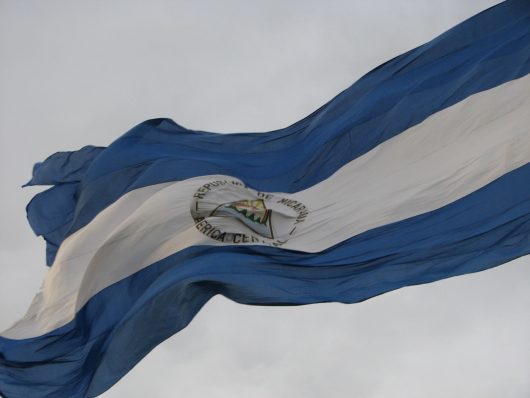
Nicaraguan Investment Conditionality ActThe House of Representatives passed the Nicaraguan Investment Conditionality Act on October 3, 2017. Authored by Rep. Ros-Lehtinen (R-FL), the bill was first introduced last year and passed the House then; however, its progress was impeded by the 2016 U.S. Presidential Election. With a new session underway, it was reintroduced and will now go on to the Senate for further deliberation.

The legislation opposes loans made by U.S. international financial institutions for the government of Nicaragua. This measure is in response to the alleged fraud and irregularities associated with the recent reelection of Daniel Ortega as president of Nicaragua. Former United States Ambassador to Nicaragua Robert Callahan testified that “Daniel Ortega’s candidacy was illegal, illegitimate and unconstitutional.” Callahan also went on to claim that the period leading up to the election as well as the elections themselves were “marred by serious fraud.”

After a brutal civil war that decimated the Nicaraguan economy in the 1970s, Daniel Ortega and his quasi-communist Sandinista party first took power in 1979. He was voted out in 1990, however, and lost later elections in 1996 and 2001. Having lost three prior elections, his victory in 2006 surprised the world and was reasonably met with skepticism. Ortega has since seized control over all four branches of the Nicaraguan government: the presidency, the judiciary, the National Assembly as well as the Supreme Electoral Council.

Since the 1990s, when Ortega was first ousted from office, the U.S. has sought to assist Nicaragua in establishing a fair democracy, a free-market economy as well as improving respect for basic human rights.

Consequently, until Nicaragua is prepared to make progress towards increased political transparency and fair elections, the U.S. Congress proposes to not allow any new loans to be given to Nicaragua unless they are proven to help improve democracy and address human rights. The Nicaraguan Investment Conditionality Act will put pressure on Ortega to insist upon free and fair elections by cutting off vital financing. Through this legislation, the U.S. will be prevented from encouraging the behavior of a budding dictator and hopefully pave the way for a liberated Nicaragua.

– Micaela Fischer

Photo: Flickr

October 24, 2017
https://borgenproject.org/wp-content/uploads/borgen-project-logo.svg 0 0 Borgen Project https://borgenproject.org/wp-content/uploads/borgen-project-logo.svg Borgen Project2017-10-24 07:30:112024-05-28 00:02:12The Nicaraguan Investment Conditionality Act Passes House
Advocacy, Nonprofit Organizations and NGOs

Advocacy Organizations Around the World

Advocacy Around the World

Solving global concerns, such as poverty and hunger, are impressive goals that can only be met by multiple forms of assistance. The Borgen Project is an advocacy organization that works with the United States government and population to support efforts to alleviate global poverty. Advocacy is one form of assistance that works behind the scenes of nonprofit initiatives. It does not require the mobilization of volunteers to build schools or send money to help communities develop better healthcare systems. Advocacy organizations, like The Borgen Project, “bring about change through public awareness and activism.”

The following five nonprofit advocacy organizations, based out of different countries around the world, campaign on behalf of certain global concerns. Each one illustrates the global importance of advocacy assistance programs and lends insight into various causes that are important to different communities. These advocacy organizations work with governments and populations to bring awareness to worldwide concerns such as human rights, poverty and education.

Take a look at the different faces of advocacy organizations and the ways advocacy is implemented in different countries.

Survival International

Survival International is a U.K.-based nonprofit that supports the rights of tribal communities around the world. According to the website, it is “the only organization that champions tribal peoples around the world.” This organization brings awareness to the genocidal violence, slavery and racism that affect tribal communities by “publishing information about (their) problems, supporting projects in their communities and lobbying for their rights in international forums like the U.N.” It has changed the way the world views the tribal population and brought awareness to the over 100 tribes around the world who refuse contact with the outside world.

One of the most recent articles published on the Survival International website examines the plight of the Indians of Brazil who are at risk of disease as a result of the invading deforestation workers. Additional publications assess the reality of forcing development on tribal communities and broadcast the respect these tribal communities receive from the communities around them. Although their land ownership rights are recognized in international law, it takes an organization like Survival International to encourage the world to respect these “off the grid” communities.

VENRO

VENRO is an umbrella organization, based in Germany, that is comprised of multiple development and humanitarian aid non-governmental organizations (NGO). Its members are comprised of NGOs which represent aims of “achieving justice in globalization, in particular, eradicating global poverty.” VENRO creates an environment for its members to meet and “work towards realizing human rights and conserving natural resources.” VENRO is an advocacy organization that advocates for its members’ interests in the political sphere and raises public awareness for its causes.

Its publications are comprised of agendas and reports on topics spanning from global development and sustainability to education and global justice. Along with advocating for the member NGOs, VENRO also has 14 working groups that monitor important developments in areas of disablement in developing countries, global learning and climate change. VENRO is an overlapping organization that functions as Germany’s own unifying NGO collaborator.

World Federation of the Deaf

A Finland-based nonprofit, the World Federation of the Deaf (WFD) supports the rights of the worldwide deaf population. This advocacy organization supports the human rights of the deaf population on a global scale because it believes that sign language is a gateway to their success. Its goal is to achieve “equality through sign language for 70 million deaf people worldwide.” Its three main focuses are in empowering its members, advocating for the deaf population worldwide and ensuring greater accessibility for the deaf.

The WFD believes that a “world that is more conscious of deaf people’s needs in a world where deaf people contribute as equals.” It works with organizations around the world like the Mongolian National Association of the Deaf to support equality and human rights for the deaf. The WFD collaborates with the U.N., international organizations and governments to promote the importance of sign language to equal treatment, opportunities and accessibility for deaf people.

VITA Animal Rights Center

In recognition of the animals around the world suffering from cruelty and maltreatment, the VITA Animal Rights Center (VITA) is an animal protection agency that advocates against animal abuse. This Russian-based nonprofit is currently encouraging countries around the world to ban the use of animals in circuses. It focuses on the global treatment of animals as well as “campaign against cruelties to animals by lobbying the responsible organizations, carrying out peaceful actions and spreading publications.”

VITA campaigns against intensive farming, fur production, tests on animals, atrocious entertainments and the problem of the growing stray population around the world. It also supports a vegan/vegetarian lifestyle. VITA partners with international organizations like the Fur Free Alliance, the World Society for the Protection of Animals, the Born Free Foundation and Cruelty-Free America. It is the “voices for the voiceless” and works with multiple member-based organizations as Russia’s own animal rights organizations in order to initiate change. VITA’s publications feature the efforts Russia has made to change animal treatment and highlight alternatives to animal cruelty. It also promotes events like the “Celebration of Ethnic Fashion ‘Animals are not to wear!'”

Canadian Lawyers Association for International Human Rights

Canadian Lawyers Association for International Human Rights (CLAIHR) is a Canadian-based organization that campaigns for international efforts that support human rights. It is an organization with a unique member base that includes international human rights lawyers, criminal lawyers, civil litigators, law professors, non-legal professionals and students. CLAIHR focuses on two main areas of advocacy: Friends of the Court and events that highlight particular areas of development and landmark days like International Human Rights Day. It partners with organizations like the International Law Students Association and the Child Soldiers Initiative. The event-based advocacy focuses on unifying a population with a common interest in supporting human rights internationally.

CLAIHR’s Friends of the Court is an initiative that allows members to intervene with the Canadian court as amicus curiae or “friend of the Court”. When a Canadian court considers an international human rights issue, CLAIHR “provides perspectives on international human rights issues triggered by the litigation.” In combination with its events that encourage discussion and collaboration among members and the community, CLAIHR works with Canadian courts to augment the impact on human rights.

Every one of these advocacy organizations has a website to help promote various causes. Learn more about the importance of advocacy by visiting the websites of these organizations and examining the advocacy organizations near you. Advocating for a cause can mean the difference between its success and failure. If there is a cause that you are passionate about, consider advocating for it by promoting it online and in your community. There is more to supporting a cause than just raising money: sometimes the most effective action can be spreading awareness.

– Eliza Gresh

Photo: Flickr

October 23, 2017
https://borgenproject.org/wp-content/uploads/borgen-project-logo.svg 0 0 Borgen Project https://borgenproject.org/wp-content/uploads/borgen-project-logo.svg Borgen Project2017-10-23 01:30:212024-05-29 22:27:44Advocacy Organizations Around the World
Advocacy

Coffee in the Congo: The Efficacy of Advocacy

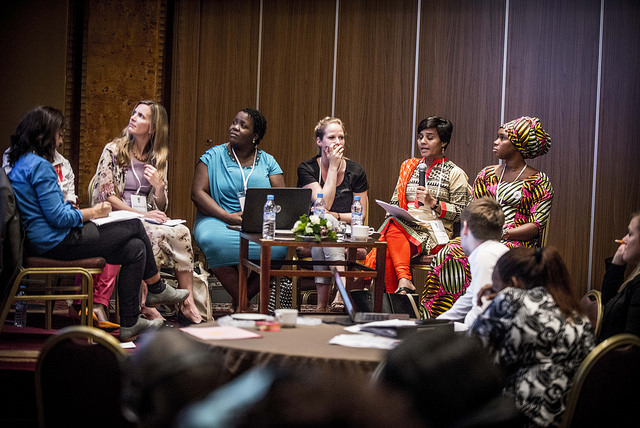
Efficacy of AdvocacyDescribed by a coffee specialist as “light and lively with a nice orange citrus acidity that comes in with a cocoa nuance in the mouthfeel and a little bit of a sweet spice note, ” last year’s Starbucks Reserve® Eastern Congo Lake Kivu coffee represents the remarkable – and delectable – success that the Eastern Congo Initiative (ECI) has achieved through advocacy efforts for coffee farmers in the Eastern Congo.
Founded in 2010 by Ben Affleck, the ECI works with and for the Congolese people towards rebuilding their lives and livelihoods in the aftermath of civil war, through advocacy and grant-making. ECI’s successes and partnerships illustrate the incredible efficacy of advocacy in the Congo. The initiative’s efforts to “raise public awareness about the tremendous need and opportunity in the region through highly targeted media and advocacy activities” caught the eye of the coffee industry giant Starbucks, which developed a partnership with ECI and began purchasing coffee from growers in the Eastern Congo in 2014.

Prior to the Rwandan Genocide and the subsequent Congolese Civil war, the Lake Kivu region in the Congo was a hotspot for the production of some of the highest quality coffees in the world. Decades of violence, however, decimated the industry. Unable to reach the international market upon which they had once thrived, it is estimated that about one 1,000 Congolese coffee farmers drowned per year while attempting to smuggle their crop across the rough waters of Lake Kivu and into Rwanda during the height of the violence.

The coffee purchased from the Congo by Starbucks has helped transform lives for more than 4,500 smallholder farmers and their families along Lake Kivu. These farmers’ incomes have more than tripled, which has enabled them to send their children to school and access healthcare.

Starbucks’ partnership with ECI has focused on helping Congolese coffee farmers develop sustainable agricultural production and restore the Congo as a key source of high-quality coffee, which is the key to the farmers’ improved profits. The mountainous topography and moist climate of the Lake Kivu region are ideal for growing high-quality coffee. The crop is almost entirely comprised of well-established local variants of the great heirloom Bourbon variety of Coffea arabica, which is known for its complex and engaging aromatics and flavor.

Starbucks provides Congolese farmers with the knowledge and resources to capitalize on these inherently excellent coffee-growing conditions. The endeavor has proven extremely successful, as is evidenced by Starbucks’ use of the crop as a Reserve roast and the wider coffee community’s increased interest in coffees originating from the Congo.

Starbucks has committed to continuing to purchase Congolese coffee, with the goal of working with the ECI to expand its reach to more than 10,000 coffee farmers and their communities in the coming few years. To the Congolese coffee farmers whose lives that this partnership has transformed, that had to be news with lively and sweet notes indeed.

– Savannah Bequeaith

Photo: Flickr

October 21, 2017
https://borgenproject.org/wp-content/uploads/borgen-project-logo.svg 0 0 Borgen Project https://borgenproject.org/wp-content/uploads/borgen-project-logo.svg Borgen Project2017-10-21 01:30:242020-04-04 08:34:57Coffee in the Congo: The Efficacy of Advocacy
Advocacy, Government

How to Help People in Saudi Arabia

How to Help People in Saudi ArabiaA long-standing ally of the United States, Saudi Arabia is famous–some may say infamous–for the vast oil reserves in the country and the wealth and geopolitical clout that oil grants the nation of 32 million. Despite its fortunes, much of Saudi Arabia’s citizens live in an outdated system that oppresses and threatens the rights of both other nations in the region and its own people. Though their own nation may do far too little, how to help people in Saudi Arabia is a question well worth asking.
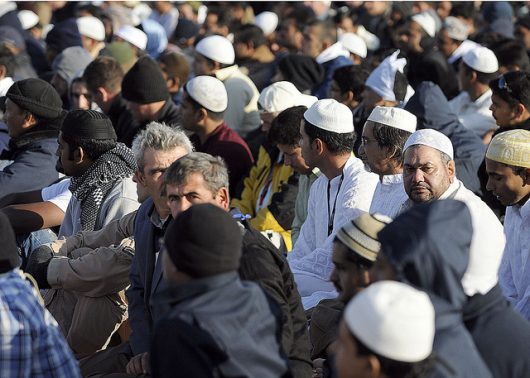
Domestically, Saudi Arabia still adheres to a system of male guardianship under which patriarchs control nearly all aspects of female family members’ lives, including who they marry, what opportunities for an education or career they can or cannot pursue, and even their ability to move about and interact in public. This guardianship system falls in line with the overarching sharia law that the nation as a whole is governed by, which is notorious for the abuses that can be carried out under its banner, such as vague and broad charges, lack of due process, censorship and corporal punishment, up to and including public execution.

Internationally, the Saudi government has used its influence to promote the spread of sharia law in the region, and funding for terrorist groups like ISIS and Al-Qaeda can be traced back to Saudi sources. Additionally, Saudi Arabia has been engaged in a conflict in Yemen in which they have conducted numerous unlawful airstrikes that have taken the lives of over 4,000 civilians.

The Saudi government and people have a lot of obstacles to overcome before their nation can enjoy the same freedom and rights of many Western nations. Here are some ways to get involved and how to help people in Saudi Arabia:

-Write to your representatives in Congress encouraging the U.S. to require more transparency from Saudi Arabia for it to receive U.S. aid. Currently, the country fails to meet the standards of financial transparency that are technically required, but continues to receive the money due to its importance as an ally in the region.
-Get involved with programs that advocate for women’s rights in nations like Saudi Arabia, such as the U.N. Women initiative and its subsidiary the Commission on the Status of Women, of which Saudi Arabia is a member. By backing the programs and campaigns of U.N. Women, the hope is to help the Saudi people and make their nation worthy of its seat on the Commission.
-Educate yourself on the issues affecting the Saudi people and the complex geopolitical situation the country is entangled in.
-Hold the U.S. accountable for continuing to support and sell billions of dollars in weaponry to a nation that treats people in the manner Saudi Arabia does.
-Spread information on social media about Saudi Arabia’s human rights abuses and support of terrorism.

The quandary of how to help people in Saudi Arabia has no easy solution, and each viable method will take a long time and a lot of effort to see tangible change. But there are still valuable steps that can be taken to helping those who are suffering in Saudi Arabia.

– Erik Halberg

Photo: Flickr

September 10, 2017
https://borgenproject.org/wp-content/uploads/borgen-project-logo.svg 0 0 Borgen Project https://borgenproject.org/wp-content/uploads/borgen-project-logo.svg Borgen Project2017-09-10 01:30:062017-12-12 10:12:39How to Help People in Saudi Arabia
Advocacy, Global Poverty

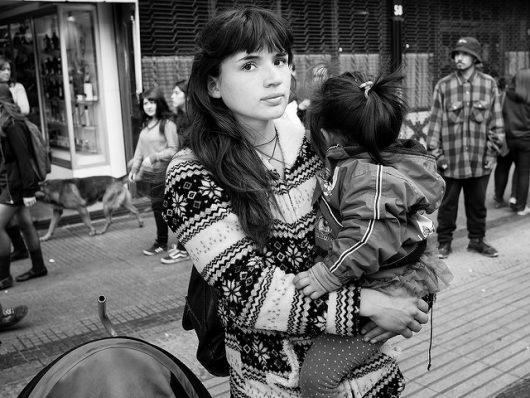
How to Help People in Chile

How to Help People in ChileChile is an elongated country in South America, located adjacent to the Pacific Ocean. According to the Central Intelligence Agency, as of June 2016 the population in Chile was 17,650,114, which is about 5.3 percent of the population of South America.
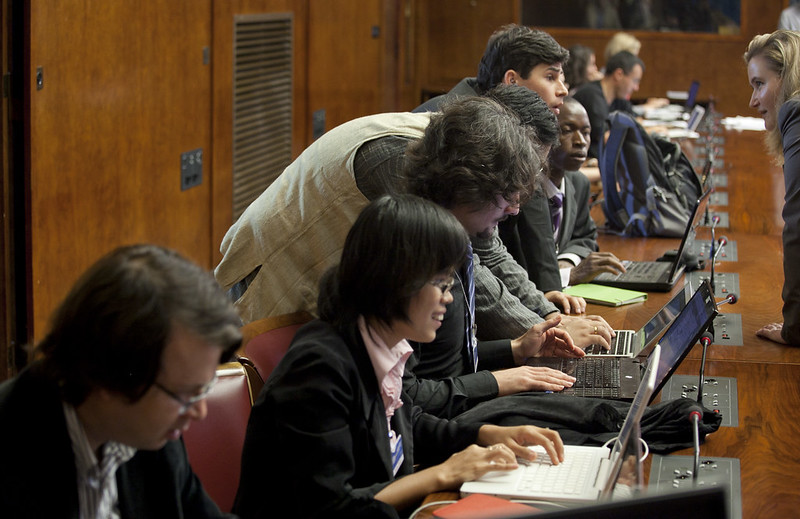
About 14 percent of this Spanish-speaking nation is below the poverty rate. Although the government has been working to improve conditions and livelihoods for Chile’s residents, the anti-poverty organizations currently in place have not been particularly helpful.

United Nations Special Rapporteur, Philip Alston, stated that Chile “continues to tolerate levels of poverty and inequality which are very high for a country belonging to the Organisation for Economic Co-operation and Development (OECD).”

Chile needs support in the areas of education, income equality and human rights in order to prosper in today’s society. Here are just a few ways to help people in Chile:

1. Educate

In Chile, 99.5 percent of the population speaks Spanish, whereas 10.2 percent speak English. In a changing global society, Chile has realized that it is important to educate children in the English language so that they can be more communicative and productive in their future endeavors.

The English Open Doors Program is an organization that is looking for English teachers to volunteer four months of their time in Chile. Literacy rates in Chile are already very high – 96 percent – and therefore just need a little extra help to become extremely successful.

2. Equality For All

Gender inequality in the workforce is a huge issue in Chile. Alston says, “Women’s participation in the workforce needs to be facilitated by a range of measures that include better community care facilities, and better economic rewards for currently unpaid female care workers.”

To help eliminate this discrimination in the workforce, labor laws and reform programs are needed. If you’re wondering how to help people in Chile with this issue even though you live thousands of miles away, there is a simple solution: advocating. Even though you may not be able to picket on Chilean streets, you can raise awareness by posting signs around town, for instance, and getting people to talk about this issue.

3. Human Rights

Aside from the inequality in the workplace in Chile, discrimination in regards to human rights has also been a pressing issue. According to Alston, “There is a deep need for an entity with the responsibility, authority, funds and resources to coordinate government-wide human rights policies.”

Whether this is in regard to sexual education for young women or protection rights for the poorest in Chile, “Mr. Alston called for a specific, integrated plan to tackle both poverty and extreme poverty and for more effective coordination mechanisms.”

Chile’s government and reform programs have been working hard to reduce inequalities and human rights issues, but have so far proven to be insufficient. Are you wondering how to help people in Chile with these issues? The simplest way to work toward equality and peace in Chile is to raise awareness of these problems. Post signs on the walls of your local coffee shop, talk to your co-workers or even contact your congressional leaders about supplying aid to the Chilean people who need it most.

– Sydney Missigman

Photo: Flickr

September 1, 2017
https://borgenproject.org/wp-content/uploads/borgen-project-logo.svg 0 0 Borgen Project https://borgenproject.org/wp-content/uploads/borgen-project-logo.svg Borgen Project2017-09-01 01:30:152024-05-28 00:16:22How to Help People in Chile
Activism, Advocacy, Aid, Global Poverty

Using Social Media Platforms for Advocacy

Social media is changing lives around the world, helping old friends reconnect and allowing people to share dancing cat videos with millions. People spend hours each day on social media platforms, using them to stay informed, share opinions, post photos, sign petitions, link articles and much more. There is potential to build incredible momentum for a movement and truly engage people by using social media platforms for advocacy efforts.
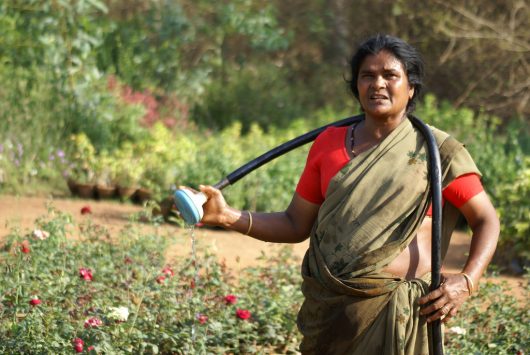
Your personal sharing, liking, retweeting and posting may seem like they aren’t creating enormous ripples of change, but research has found that content shared by individuals is shared 25 times more and receives eight times more engagement than content shared by organizations themselves. Social media has the ability to amplify a message, allowing great organizations to be introduced to new people and mobilizing communities to give to or advocate for a certain cause. So how can individuals focus social media attention on advocacy efforts and better the world through their news feeds?

Sharing is caring
The community of people you’re friends with or who follow you are those who care about you and are interested in what you have to say. If you show them that you care by sharing and posting about certain causes, they are more likely to engage with that content than if it was posted by an organization on their feed. Since people actually know who you are, things you share and post come off as more trustworthy and real. To this effect, find articles and organizations that matter to you and highlight their efforts. You are the most relatable person for people engaging with your social media, and that can powerfully increase mobilization.

#UseThatHashtag
While they may not always seem effective, intentionally using hashtags can really increase how many people interact with posts. Hashtags create networks of posts, linking them together into a common thread, and this is a great way to reach diverse groups on social media platforms for advocacy. Creating a specific hashtag that a person or organization always uses can help people learn about causes you’re passionate about, and adding information about an issue to a trending hashtag can help spread your message locally and globally.

Turn some heads
A visual appeal can really catch and keep people’s attention. One study found that seeing photos and infographics greatly influenced members of Congress, and others interacting with your postings and shares are equally as interested in nice visuals. By adding photos or cool graphics, your content will better capture people’s attention and enable you to use social media platforms for advocacy. Attaching images can create a 150 percent increase in retweets on Twitter and bring in an 87 percent engagement rate on Facebook, which is great news for mobilizing efforts!

Take that social media work offline
Social media is great for connecting people, but gathering your community offline is powerful, too. Use social media platforms for advocacy by creating events, gathering donations, sharing information and planning meetings, then take that advocacy into the physical world. Online calls to action such as signing petitions and contacting Congressional representatives can transform into in-person meetings with government officials either individually or at town halls, and mobilizing people for your cause can mean sharing through word of mouth or posting physical copies of an infographic around town. Building online engagement into a tangible movement can have an immense impact.

Rather than aimlessly scrolling through Twitter, Instagram, Reddit, Facebook, Tumblr and other social media platforms, infuse some world-improving efforts into your feed and use those social media platforms for advocacy. With such amazing tools available, it is important to increase the intentionality of our scrolling and harness social media platforms for advocacy.

– Irena Huang

Photo: Flickr

August 25, 2017
https://borgenproject.org/wp-content/uploads/borgen-project-logo.svg 0 0 Borgen Project https://borgenproject.org/wp-content/uploads/borgen-project-logo.svg Borgen Project2017-08-25 01:30:082024-05-28 00:15:54Using Social Media Platforms for Advocacy
Advocacy, Global Poverty

How to Help the Extreme Poor in India

How to Help the Extreme Poor in IndiaIndia is the second most populous country in the world and hosts one-third of the world’s extreme poor. It has the third highest number of people living with and dying from HIV/AIDS, and 60.4 percent of its population lives with unimproved sanitation facility access, mostly affecting Indians living in rural communities. Here are four ways to help the extreme poor in India.

Donate
According to the United Nations International Children’s Emergency Fund (UNICEF), 47 percent of Indian girls are married by the age of 18. While it is illegal for girls in India to marry before the age of 18, many still do because their families live in poverty.

One method to combat child marriage is education. The non-profit Girls Not Brides, for example, is currently fundraising for Shadhika, an organization that pays tuition for at-risk Indian girls. Right now, they are $8,568 away from a $30,000 goal.

Donations to this cause enable more Indian girls living in extreme poverty to attend school and avoid underage marriage. By donating to this and other similar organizations, those who are not currently in India can still assist those in poverty.

Contact Congress
For 2017, the U.S. government plans to spend $49.5 million of foreign aid on health in India.  Half of this aid will be allocated for HIV/AIDS. To ensure the effectiveness of this aid, Congress is currently in the process of potentially passing the Global Health Innovation Act (H.R. 1660).

This act requires the United States Agency for International Development (USAID) to give an annual report to Congress describing the “development and use of global health innovations” in their work.

Emailing or calling elected representatives will support this bill on top of promoting the use of health innovation to achieve an HIV/AIDS-free generation. Representatives need to know that their constituents are interested in a goal in order for it to get the attention it deserves.

Shop
Shopping is another way to help the extreme poor in India. Currently, about ten million Indian women are commercial sex workers–the Anchal Project wants to change that.

The Anchal Project employs Indian women, 85 percent of whom were once in the sex trade, to create and make original designs for ecologically sound clothing and fabrics (mainly scarves).

Shopping here will support women in their goal of earning full-time employment and leading change in their families and communities, in effect supporting the extreme poor in working their way out of poverty.

Stay Informed
As most of the world’s poor live in India, the country is a great focus for The Borgen Project and other organizations working to fight poverty. Read up on current struggles and efforts to improve conditions for the poor in India to better learn how you can keep helping in the future.

While people are often told that they as an individual can change the world, it often seems that the change desired is too arduous to achieve. Nevertheless, a community of people can come together to end global poverty and help the extreme poor in India.

– Sean Newhouse

Photo: Flickr

August 19, 2017
https://borgenproject.org/wp-content/uploads/borgen-project-logo.svg 0 0 Borgen Project https://borgenproject.org/wp-content/uploads/borgen-project-logo.svg Borgen Project2017-08-19 01:30:002024-05-28 00:15:53How to Help the Extreme Poor in India
Page 36 of 77«‹3435363738›»

Get Smarter

  • Global Poverty 101
  • Global Poverty… The Good News
  • Global Poverty & U.S. Jobs
  • Global Poverty and National Security
  • Innovative Solutions to Poverty
  • Global Poverty & Aid FAQ’s
Search Search

Take Action

  • Call Congress
  • Email Congress
  • Donate
  • 30 Ways to Help
  • Volunteer Ops
  • Internships
  • Courses & Certificates
  • The Podcast
Borgen Project

“The Borgen Project is an incredible nonprofit organization that is addressing poverty and hunger and working towards ending them.”

-The Huffington Post

Inside The Borgen Project

  • Contact
  • About
  • Financials
  • President
  • Board of Directors
  • Board of Advisors

International Links

  • UK Email Parliament
  • UK Donate
  • Canada Email Parliament

Get Smarter

  • Global Poverty 101
  • Global Poverty… The Good News
  • Global Poverty & U.S. Jobs
  • Global Poverty and National Security
  • Innovative Solutions to Poverty
  • Global Poverty & Aid FAQ’s

Ways to Help

  • Call Congress
  • Email Congress
  • Donate
  • 30 Ways to Help
  • Volunteer Ops
  • Internships
  • Courses & Certificates
  • The Podcast
Scroll to top Scroll to top Scroll to top