• Link to X
  • Link to Facebook
  • Link to Instagram
  • Link to TikTok
  • Link to Youtube
  • About
    • About Us
      • President
      • Board of Directors
      • Board of Advisors
      • Financials
      • Our Methodology
      • Success Tracker
      • Contact
  • Act Now
    • 30 Ways to Help
      • Email Congress
      • Call Congress
      • Volunteer
      • Courses & Certificates
      • Be a Donor
    • Internships
      • In-Office Internships
      • Remote Internships
    • Legislation
      • Politics 101
  • The Blog
  • The Podcast
  • Magazine
  • Donate
  • Click to open the search input field Click to open the search input field Search
  • Menu Menu

Archive for category: Advocacy

Information and news on advocacy.

Advocacy, Global Poverty, Nonprofit Organizations and NGOs

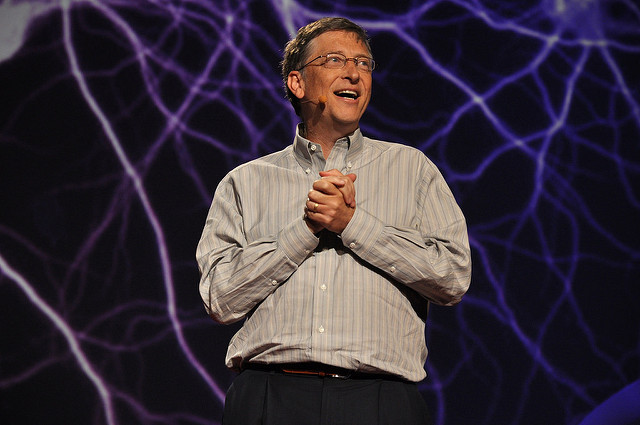
New Calls to Action from the Bill and Melinda Gates Foundation

Bill and Melinda Gates Foundation
At the turn of the nineteenth century, German mathematician David Hilbert attended the International Congress of Mathematicians in Paris, and asked his colleagues a simple question: “Who of us would not be glad to lift the veil behind which the future lies hidden?”

In a call to action, Hilbert presented a set of ten unresolved problems, which if solved, would signal major breakthroughs in the fields of mathematics and science. Over a century later, Tthe Bill and Melinda Gates Foundation launched Grand Challenges in Global Health, an open innovation program inspired by Hilbert’s bold question.

Grand Challenges

Originally focused on 14 scientific challenges that could lead to breakthroughs in combating disease in the developing world, the initiative was relaunched in 2014 as Grand Challenges to reflect its broadened scope. Grand Challenges co-opts Hilbert’s approach and applies it to the world of philanthropy, inspiring innovators to come up with solutions to essential development problems and funding the best ideas.

Just as Hilbert expanded his original ten problems to a later published 23 this month, the Bill and Melinda Gates Foundation is adding to the list. Sponsored by its Explorations program, Grand Challenges has outlined three new problems designed for early-stage ideas.

After submitting a two-page application, recipients receive $100,000 over 18 months to implement their visions. Here are three new calls to action from the Bill and Melinda Gates Foundation.

1. Reducing Malnutrition

One in three people worldwide suffer from malnutrition, which can have devastating ripple effects on health, cognitive development and productivity. This new challenge seeks to address three essential problems in the fight against malnutrition — making food accessible, affordable and appealing.

People suffering from malnutrition often live in places where nutritious food is hard to find, or is so expensive that they are priced out of a healthy diet. In other cases, people simply don’t know the vital benefits of eating nutritious food.

This challenge seeks solutions that work with existing food systems in low-income countries to improve people’s diets through food product development, processing, packaging, distribution, consumer education and marketing.

2. Combating Crop Disease

Pests and crop disease threaten the livelihoods of not only farmers, but the millions of people who rely on their harvests. Grand Challenges has identified the dearth of information on diseases and pests as an essential problem in responding to protect farmers’ fields.

This call to action seeks to harness the emerging research in data science, engineering, biology, chemistry, computer science and telecommunications to improve pest and disease surveillance in low-income countries so that smallholder farmers can mitigate their risks.

3. Improving Immunization

Each year, about 21.8 million children do not receive vaccines necessary to protect against serious infectious diseases. This year, at least 1.5 million of these children will die from diseases vaccines could have prevented. In a two-pronged approach, this challenge encourages innovators to find new ways to collect and use data, and develop efficiencies that improve existing immunization systems to work better for both health workers and patients.

Much like Hilbert’s problems, two of which remain unresolved to this day, identifying and implementing solutions to the problems facing developing countries remains immensely complex. These new calls to action from the Bill and Melinda Gates Foundation represent an important continuation of Hilbert’s legacy.

By offering competitive, accessible grant opportunities aimed at pre-targeted problems, the Grand Challenges program is spurring innovation to lift the veil over a better future.

– Whiting Tennis

Photo: Flickr
March 16, 2018
https://borgenproject.org/wp-content/uploads/borgen-project-logo.svg 0 0 Borgen Project https://borgenproject.org/wp-content/uploads/borgen-project-logo.svg Borgen Project2018-03-16 01:30:362024-05-29 22:39:50New Calls to Action from the Bill and Melinda Gates Foundation
Advocacy, Global Poverty, Refugees, Refugees and Displaced Persons

The Four Key Components of United Nations Refugee Agency

The Four Key Components of United Nations Refugee Agency
Currently, more than 65.6 million of the world’s population has been forcibly displaced due to conflict, persecution or inhospitable living conditions within their home countries. A majority of these refugees end up in temporary refugee camps, awaiting relocation in both private and state-backed developments. Unfortunately, resources in resettlement countries tend to be limited in capacity to help the millions of displaced.

Policy of Hope and the United Nations Refugee Agency

Fortunately, the international community is making strong efforts to provide both on-the-ground and financial resources to the countries that house the greatest number of refugees. Many organizations see this policy of hope as a universal good, and deem it paramount to find new homes and lives for those who are displaced.

Organizations like the United Nations Refugee Agency (UNHCR) work tirelessly to ensure that those displaced have a global advocate looking out for them.

The organization operates on several different levels to assist refugees around the world and saves the lives of thousands who would otherwise be left without any critical survival resources. Several of the most impactful divisions within UNHCR are its protection, shelter, health and advocacy programs.

1. Protection

The protection program seeks to ensure the safety of individuals under the label of refugee. The United Nations Refugee Agency provides funding to security partners who offer legal and physical protection to refugees and minimize the threat of physical violence in refugee camps. The protection program also generates funding for law schools and government agencies to emphasize coursework and professional development in refugee protection.

2. Shelter

The shelter unit of the United Nations Refugee Agency distributes tents and plastic sheeting that are used to make simple shelters in refugee camps throughout the world. The shelter program also funds the rehabilitation of communal displacement shelters, the construction of brand new homes, and also provides materials for those who choose to build homes themselves under self-help schemes.

3. Healthcare

The United Nations Refugee Agency also has a healthcare provision program which assesses the basic health needs of those living in a refugee camp. On a more general scale, UNHCR provides communities with HIV protection, reproductive health services, food and water security, as well as sanitation and hygiene services.

If there is a specific disease that is particularly prevalent in the camp, the United Nations Refugee Agency assesses the situation and provides what is most necessary. For instance, to flee conflict in the Democratic Republic of the Congo, many settled in refugee camps in Uganda. Unfortunately, the Ugandan refugee camps were rampant with malaria. Accordingly, UNHCR provided over 40,000 malaria nets to the camps, protecting many.

The provision of these essentials greatly benefits the refugees living in the camps and helps to ensure that they have a greater chance of survival and relocation.

4. Advocacy

The United Nations Refugee Program advocates for policy changes as well. The UNHCR has specific policy guidelines and standards that it advocates governments adopt. Each year a team assesses how trends in refugee movement and aid shift and adjusts the standards to ensure that needs of the many are met most effectively.

Overall, the world refugee crisis is both an overwhelming and daunting issue. Despite the scale of the problem, organizations like the United Nations Refugee Agency will continue to work as long there are refugees who need its help.

– Daniel Levy

Photo: Flickr

March 16, 2018
https://borgenproject.org/wp-content/uploads/borgen-project-logo.svg 0 0 Borgen Project https://borgenproject.org/wp-content/uploads/borgen-project-logo.svg Borgen Project2018-03-16 01:30:252024-05-29 22:39:50The Four Key Components of United Nations Refugee Agency
Advocacy, Aid, Global Health, Global Poverty, Health

The Top Five Jobs in Global Health

Top 5 Jobs in Global HealthThe ongoing international fight for global health employs many people around the world. Many organizations, such as the World Health Organization and Medecins Sans Frontieres, employ and dispatch medical professionals on a daily basis to crisis areas. These include doctors, nurses and paramedics.
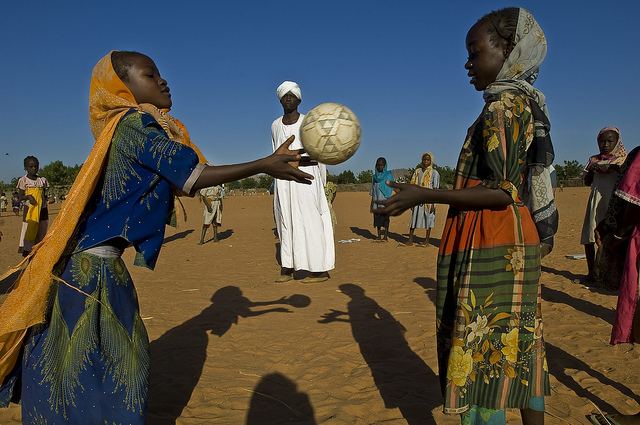
However, many people do not realize that there is a multitude of global healthcare workers behind the scenes making sure that the proper aid reaches the people who need it the most. Many of these people spend time studying aspects of global health such as policy, law and financing. These global healthcare jobs are considered non-clinical careers. Below are the top five jobs in global health that focus on non-clinical work.

Global Health Policy Analyst

A global health policy analyst is usually a government-based job, which means that the analyst will be grounded in the country of the government or organization that is sending the aid. A worker in this field will gather data, assess healthcare initiatives, assess new developments and policies and consult with other global healthcare professionals.

Many times a global health policy analyst will deal with foreign aid and medical relief, both in receiving it and deciding how to distribute it. They will also analyze other countries’ global health policies and be an influencer in deciding when to distribute medical-based foreign aid to other countries.

Global Health Educator

Global health is an important issue around the world and to be able to help as much as possible, the public must be informed. A global health educator is a trained professional that manages and provides educational programs for maintaining a healthy lifestyle. These programs can be geared towards individuals, families or even entire communities.

An educator will collect data to identify a community’s health needs as well as the current policies and environment. Global health educators can also provide medical and financial resources to the community.

Community Health Worker

A community health worker works directly with the community they serve and are considered one of the frontline global healthcare professionals in any designated area. Many times a community health worker will serve as a link between the people of the community and health institutions, governments and aid agencies.

These global health workers also work to build strong relationships with the local community, becoming a trusted and informative person for those in need of medical assistance to lean on. Community health workers can be found in rural and urban areas and in some of the richest and poorest countries in the world.

Health Systems Planner

A health systems planner is an integral non-clinical worker in global health. Planners support the health system of individual countries through population-based planning, research and innovations. They also establish relationships with clinical and non-clinical workers, global governments and relief groups.

Though a health systems planner rarely works directly with the communities they are responsible for helping, all of the planning and research they do is in direct correlation with the community’s growth and needs.

Clinic Administrator

Administration is an important variable to the success of global health. A clinic administrator usually manages a health clinic for physicians and other medical personnel. They take care of the clinic’s financial and budgeting needs.

In addition, they are usually in charge of hiring new staff. This is particularly important in health clinics, as they need to be equipped with a whole host of doctors to deal with a variety of problems.

These are the top five jobs in global health. Every global healthcare worker is an integral part of the fight for global health, whether they are doctors or administrators. These jobs in global health outline how important each aspect of the various and complex global healthcare systems are.

– Courtney Wallace

Photo: Flickr

March 11, 2018
https://borgenproject.org/wp-content/uploads/borgen-project-logo.svg 0 0 Borgen Project https://borgenproject.org/wp-content/uploads/borgen-project-logo.svg Borgen Project2018-03-11 07:30:252024-05-29 22:39:45The Top Five Jobs in Global Health
Advocacy, Global Poverty

Global Citizen: Success Stories of the Global Poverty Project

Global Citizen: Success Stories of the Global Poverty ProjectThe Global Poverty Project, also known as Global Citizen, is an education and advocacy organization working to increase the number and effectiveness of people taking action to see an end to extreme poverty. Global Citizen’s advocacy work focuses on eight issues: girls and women, food and hunger, health, education, water and sanitation, environment, finance and innovation and citizenship.
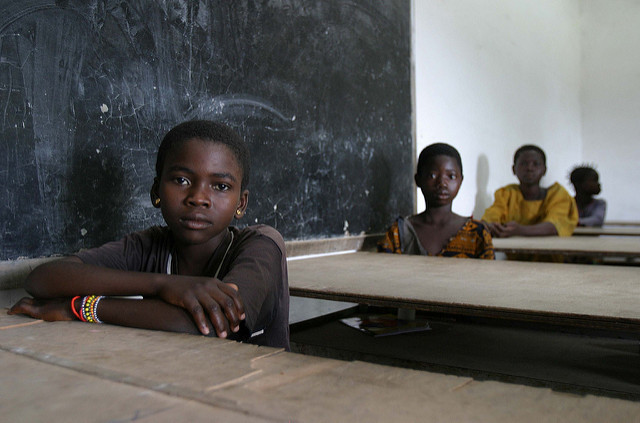
Global Citizen has had success stories in these areas: 

  1. Girls and Women
    At the 2017 Global Citizen Festival, Accenture, Citi, Ernst & Young and Procter and Gamble committed to sourcing $100 million each through their supply chains from women-owned businesses, a majority based in developing countries. 
  2. Food and Hunger
    In 2017, the Executive Director of the World Food Program (WFP), David Beasley, confirmed that $575 million of $990 million committed by Congress in May, helped by 49,291 actions taken by Global Citizen, was released to the WFP and others to immediately fight famine.
  3. Health
    Over the past seven years, Global Citizen has taken 1.47 million actions to increase access to global health services, including HIV/AIDS treatment. These actions have led to 48 commitments by governments and are set to affect 626 million people by 2030.
  4. Education
    In Feb. 2018, Global Citizen held the first Global Partnership for Education (GPE) Financing Conference hosted jointly by a G7 leader, French President Emmanuel Macron, and the president of a developing country, Macky Sall of the Republic of Senegal. The conference was held in Dakar, Senegal, to support $2.3 billion for education in developing countries. GPE’s global ambassador, Rihanna, was present and spoke as well.
  5. Water and Sanitation
    At the Global Citizen Festival, Nigeria committed to getting 5.5 million people out of open defecation by the end of 2018. 
  6. Environment
    In the wake of Hurricane Irma, the United Arab Emirates Minister of Climate Change and Environment committed $50 million on the Global Citizen Festival stage to fund renewable energy supplies and another $10 million toward humanitarian relief in Antigua and Barbuda. 
  7. Finance and Innovation
    Global Citizen partners with the private sector to further fight poverty. One of the biggest successes was at the Global Citizen Festival in 2015, where the European Commission committed to increase support for the refugee crisis by €500 million over the existing development aid budget of the European Commission.
  8. Citizenship
    In 2017, over three million Global Citizen supporters’ actions helped to drive $5.7 billion in 143 commitments by calling upon leaders as a collective power to step up for the world’s most vulnerable.

Because of its advocacy and supporters, Global Citizen will continue to reduce poverty significantly in the coming years. 

– Julia Lee

Photo: Flickr

March 11, 2018
https://borgenproject.org/wp-content/uploads/borgen-project-logo.svg 0 0 Borgen Project https://borgenproject.org/wp-content/uploads/borgen-project-logo.svg Borgen Project2018-03-11 01:30:182024-05-29 22:39:42Global Citizen: Success Stories of the Global Poverty Project
Advocacy, Development, Global Poverty

The Accomplishments of ONE Include Legislation and Education Access

accomplishments of ONEThe ONE Campaign is an advocacy organization of more than nine million people around the world taking action to end extreme poverty and preventable disease, particularly in Africa. The accomplishments of ONE have been achieved through their work of raising public awareness and educating policymakers about the importance of smart and effective policies and programs to save those in the poorest countries. They engage in grassroots and direct advocacy with policymakers and key influencers around the world in support of such policies and programs.
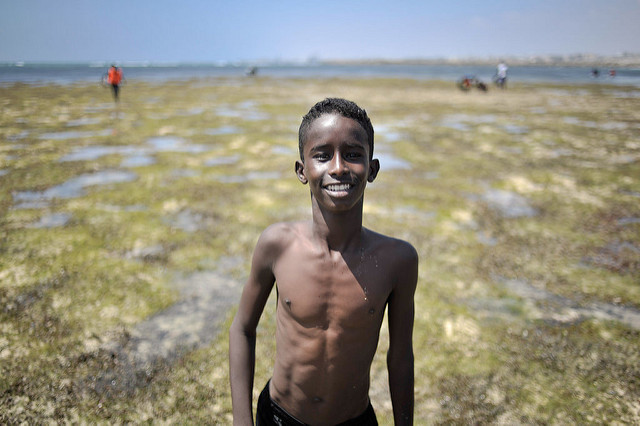
Four of the major accomplishments of ONE include:

  • Helping secure at least $37.5 billion in funding for historic health initiatives, including the Global Fund to Fight AIDS, TB and Malaria, and GAVI, the Vaccine Alliance.
  • Helping secure legislation in the U.S., Canada and the EU on transparency in the extractives sector to help fight corruption and ensure that more money from oil and gas revenues in Africa is used to fight poverty.
  • Successfully advocating for official development assistance, which has increased globally by $35.7 billion between 2005 and 2014.
  • Helping to get new U.S. legislation passed on energy poverty, such as the Electrify Africa Act of 2016.

ONE highlights 17 global goals for sustainable development including quality education, gender equality and more.

Through the Promising Practices in Refugee Education initiative, a partnership of Save the Children, Pearson and UNHCR, ONE shows how the global community can improve access to education for refugee girls in three ways:

  • Promote more gender-friendly education systems
    ONE’s focus is to develop a curriculum that includes female role models, encourages children to pursue non-traditional professions and supports teachers to increase their awareness on gender inequality.
  • Strengthen digital literacy
    Digital skills need to be taught in the classroom and training programs in online research and popular software programs are necessary to supporting refugee youth’s education.
  • Explore opportunities to expand Canada’s private refugee sponsorship model
    By expanding this program, private sponsorship will allow more people to be resettled at lower costs for national governments.

The accomplishments of ONE are seen in their efforts to empower girls, women, refugees and people in poverty through education, legislation and advocacy. Their goals, policies and programs are a key part of the global fight to end poverty.

– Julia Lee

Photo: Flickr

March 10, 2018
https://borgenproject.org/wp-content/uploads/borgen-project-logo.svg 0 0 Borgen Project https://borgenproject.org/wp-content/uploads/borgen-project-logo.svg Borgen Project2018-03-10 07:30:082024-05-29 22:39:42The Accomplishments of ONE Include Legislation and Education Access
Advocacy, Global Poverty, Health

Health Media Campaigns in Africa Save Children

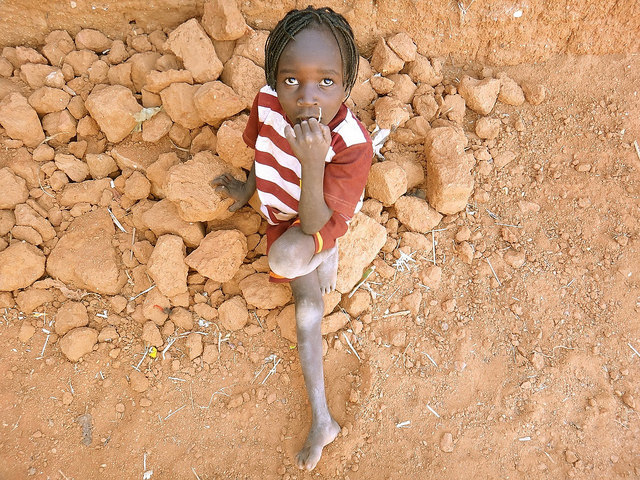
Health Media Campaigns in Africa Save ChildrenApproximately 5.6 million children younger than five die each year, more than half from preventable causes. Development Media International (DMI) aims to lower this statistic through informative health media campaigns in Africa, Asia, Latin America and Eastern Europe. DMI has run educational media campaigns in over 30 countries and is currently focused on large-scale campaigns in Burkina Faso, Tanzania and Mozambique.

More than 15,000 children in developing countries die each day due to conditions resulting from extreme poverty. Simple, and often free, actions like frequent handwashing, recognizing and treating illnesses sooner, breastfeeding and using bed nets would lower the child mortality rate in these developing countries.

Educational media campaigns have the potential to save one in five of these young children, or approximately 3,000 children per day. The London School of Hygiene estimates that by running campaigns in just 10 countries, DMI can save a million lives.

Development Media International produces educational media content, including radio and TV announcements, focusing on lowering the mortality rate of children under five. Informational broadcasts discuss topics like hygiene, family planning and ways to treat malaria and diarrhea. The content is chosen based on the country’s needs and is tailored to the host country’s religious and cultural norms.

Radio is still the main source of information for families in sub-Saharan Africa. Approximately 59 percent of households with a radio in sub-Saharan Africa listen to programming at least once a week. DMI broadcasts the health media campaigns in Africa several times a day in the local language and partners with the most popular regional radio stations to reach the widest possible audience.

Unlike other nonprofits that focus on supplementing the “supply-side” of relief by funneling aid to hospitals, schools and infrastructure, DMI targets the “demand side” of relief. This means that DMI aims to increase the demand for relief services provided through educational media campaigns. Targeted informational campaigns, like radio announcements that clearly explain the benefits of bed nets for malaria prevention and where to collect free bed nets, can breach the cognitive gap preventing families in developing countries from utilizing available resources.

For example, 600,000 children under five died from diarrhea, pneumonia or malaria in Central and West Africa in 2015. Two-thirds of West African children displaying symptoms of these diseases are not taken to a hospital. All three of these illnesses can be easily treated by a healthcare provider. DMI’s health media campaigns in Africa — specifically in Burkina Faso, Tanzania and Mozambique — address the signs and treatments of common diseases to increase child survival rates.

Limited data exist on the effectiveness of educational media campaigns. However, findings from a randomized controlled trial of DMI’s child survival messaging in Burkina Faso had promising results. The organization found there was a 35 percent increase in the number of children under five who were brought for treatment for diarrhea, pneumonia or malaria after its educational radio messages were broadcast. This is a promising result that shows the great potential for DMI’s programs to help millions of children.

 – Katherine Parks

Photo: Flickr

March 9, 2018
https://borgenproject.org/wp-content/uploads/borgen-project-logo.svg 0 0 Borgen Project https://borgenproject.org/wp-content/uploads/borgen-project-logo.svg Borgen Project2018-03-09 07:30:532024-05-29 22:39:41Health Media Campaigns in Africa Save Children
Advocacy, Charity, Development, Foreign Aid, Global Poverty

15 Organizations That Help Improve the World

15 organizations that help the world

With the myriad difficulties that face the world, it is essential to have organizations making the planet a better place. Without such generous assistance, the world would be plagued with unmanageable adversities. The following is a list of 15 organizations that help improve the world with their innovative ideas and generous efforts.

  1. Bill & Melinda Gates Foundation
    The Bill & Melinda Gates Foundation is an organization that works to fight hunger and its consequential effects on a global scale. It works specifically to eradicate infectious diseases and child mortality rates in struggling countries.
  1. Doctors Without Borders
    Doctors Without Borders delivers emergency aid to people in need. These efforts include helping people in situations of natural disasters, epidemics and lack of health care.
  1. Food and Agriculture Organization of the United Nations (FAO)
    The FAO’s prime purpose is to defeat hunger. It works in 130 countries worldwide to help ensure people have access to food and are not going hungry. The organization has been fighting hunger since 1945.
  1. Human Rights Watch
    Human Rights Watch was established in 1978 and is an organization that reports on human rights conditions in countries all over the world. With its findings, it meets with governments and financial corporations to urge for policy changes that assist the betterment of human rights around the world.
  1. Oxfam
    Oxfam is a global organization that helps improve the world through poverty-reduction efforts. It focuses on the conditions that cause poverty and works to fix the effects of such difficulties. Its efforts include disaster response, programs to help people afflicted by poverty and education improvement.
  1. Red Cross
    Founded in 1881, the Red Cross foundation works to help people in urgent need. Assisted greatly by volunteers, the Red Cross mainly provides disaster relief, support to America’s military families, health and safety services, blood donations and international services.
  1. Save the Children
    Save the Children is a nonprofit organization that focuses primarily on helping children in need. This includes emergency response, global health initiatives, HIV and Aids prevention, disaster response and creating educational opportunities. In 2016, Save the Children reached and assisted 157 million children.
  1. The Borgen Project
    The Borgen Project is a nonprofit organization that aims to end poverty by working to make poverty a focus of U.S. foreign policy. The organization is an influential ally for the world’s poor that educates and mobilizes people to communicate with their Congressional leaders to ensure funding for poverty-fighting efforts are not eliminated. In 2017, the organization had volunteers in 754 U.S. cities and is one of the 15 organizations that help improve the world immensely.
  1. The World Bank
    The World Bank works with other organizations to provide extensive financial assistance to developing countries. It was established in 1944 and has more than 10,000 employees and 120 offices worldwide.
  1. United Nations Development Programme (UNDP)
    The UNDP is an organization that aims to eradicate poverty. It implements this goal by developing policies, skills and partnerships to enable people to sustain their progress and improvement. The UNDP is in over 170 countries and territories.
  1. United Nations Children’s Fund (UNICEF)
    UNICEF is an organization that fights for children’s rights to shelter, nutrition, protection and equality. It does so by being children’s advocates and providing humanitarian assistance to children and their families, most often in developing countries.
  1. United States Agency for International Development (USAID)
    USAID is an international agency that provides development assistance to countries in need. It works to advance U.S. national security and “economic prosperity” by promoting self-sufficiency. It uses humanitarian response efforts to bring disaster relief and supplies to those who are struggling.
  1. World Food Programme (WFP)
    WFP’s mission is to fight world hunger and provide people around the world the quality food they need to survive. It does this by working with U.S. policymakers and other foundations to organize financial resources, as well as develop necessary policies to assist the fight against worldwide hunger.
  1. World Health Organization (WHO)
    Of the 15 organizations that help improve the world, WHO is among the largest. The WHO is an organization that works directly with governments and various partners to ensure a healthier future for people all around the world. It fights infectious diseases and works directly with mothers and children to improve and maintain their health.
  1. World Wide Fund for Nature (WWF)
    The WWF is an international nongovernmental organization working to conserve nature and reduce extreme threats. It also aims to increase awareness to prevent further damage to the earth and its inhabitants.

These are only 15 organizations that help improve the world. There are many more that work together with partners to help make the world a better and safer place to live. Their generosity helps people on a daily basis live healthier and happier lives, and it is troublesome to think of where the world would be without such assistance.

– McCall Robison

Photo: Flickr

February 15, 2018
https://borgenproject.org/wp-content/uploads/borgen-project-logo.svg 0 0 Borgen Project https://borgenproject.org/wp-content/uploads/borgen-project-logo.svg Borgen Project2018-02-15 01:30:042024-12-13 17:49:1015 Organizations That Help Improve the World
Advocacy, Global Poverty, United Nations

The Global Change-Maker: What Has the United Nations Accomplished?

United Nations
Established on October 24, 1945, the United Nations (U.N.) brought the world the values of promoting peace, combatting hunger, spreading democracy and other noble issues. Although critiqued by many, the United Nations has a positive record of bringing change to various lands, and leaving behind its all-encompassing mission. But what has the United Nations accomplished? Below are three of its key achievements:

1. Keeping The Peace

The role of “peace-maker” was one of the United Nation’s first large accomplishments; in fact, the Department of Peacekeeping Operations currently has 15 peacekeeping operations throughout the globe. By responding to crises — such as Haiti’s 2010 earthquake — and providing basic security commitments, each U.N. operation has reinforced political transitions and helped support fragile new state organizations. The U.N. has helped countries to cease large sectors of conflict and move towards regular development, regardless if peacebuilding challenges are present.


2. The Fight For Children

In 1953, the United Nations added UNICEF as a permanent affiliate of their organization. The U.N. General Assembly acquired the Declaration of the Rights of the Child, which explains children’s rights to education, health care, shelter, protection and good nutrition. What has the United Nations accomplished since then? In 2017, the organization created the goal of saving 1.5 million children’s lives through sufficient vaccinations; since 1990, these vaccinations have saved the lives of 122 million children and counting.


3. Human Rights

Announced in 1948 by the United Nations General Assembly for the first time, a document would set out fundamental human rights to be protected universally. The declaration has been translated into over 500 languages. Within the United Nations, the Office of the U.N. High Commissioner for Human Rights (OHCHR) has the main responsibility in the system to protect and promote human rights. The OHCHR also supports the peacekeeping missions in several countries through engaging in human rights via active reports and conducting investigations.


Although there are other accomplishments, these are the three that stick out in answer to the question: “what has the United Nations accomplished?” Pushing for growth as a whole for our future is key. The future is brighter for us all with the spread of peace, children having a chance to reach adulthood and all beings understanding human rights.

– Tara Jackson
Photo: Flickr

January 31, 2018
https://borgenproject.org/wp-content/uploads/borgen-project-logo.svg 0 0 Borgen Project https://borgenproject.org/wp-content/uploads/borgen-project-logo.svg Borgen Project2018-01-31 01:30:352024-05-29 22:39:01The Global Change-Maker: What Has the United Nations Accomplished?
Advocacy, Aid, Global Poverty, United Nations

What Has the UN Done?

What Has the U.N. Done?The United Nations has been working towards world peace, security and good relations in an attempt to solve economic, social, cultural and humanitarian problems globally since 1945. Since then, it has aided the world countless times and accomplished immense goals. Specifically, what has the U.N. done? These programs illustrate what the United Nations has achieved and its top accomplishments.
UNICEF

UNICEF is an agency that was created by the United Nations that stands for the United Nations International Children’s Fund. UNICEF protects the rights of children throughout the world and works towards increasing their standard of living. UNICEF works in 190 countries.

UNAIDS

The United Nations has been highly successful in the global battle against HIV/AIDS. They raise awareness, funds and create programs for prevention and treatment. The most recent UNAIDS update states that it plans to end the AIDS epidemic by 2030.

World Food Programme

The United Nations’ World Food Programme is one of the most successful agencies created by the U.N. thus far. The U.N. World Food Programme feeds 104 million people across 80 countries every year, focusing on war zones, natural disaster areas, health emergencies and poor countries.

UNHCR

Another success of the United Nations is the United Nations High Commissioner for Refugees, founded in 1949. The leaders of the UNHCR work with refugees and ensure that governments take responsibility in regards to refugees. UNHCR has received two Nobel Peace Prizes for work done in Europe and worldwide assistance to refugees.

Peacekeeping Missions

The United Nations has 16 peacekeeping missions underway across the world. The purpose is to encourage peaceful relations between countries. The peacekeeping missions have saved many lives and are one of the most successful projects the U.N. has undertaken throughout history.

Among the accomplishments of the United Nations, it is clear how important they are and what a large impact they have made throughout the world. In addition to these five accomplishments are countless others that are just as crucial to the groundbreaking aid they have provided. The question “What has the U.N. done?” starts with these five important things and continues with many other forms of aid.

– Chloe Turner

Photo: Flickr

January 22, 2018
https://borgenproject.org/wp-content/uploads/borgen-project-logo.svg 0 0 Borgen Project https://borgenproject.org/wp-content/uploads/borgen-project-logo.svg Borgen Project2018-01-22 01:30:382024-05-29 22:38:45What Has the UN Done?
Advocacy, Global Poverty, Hunger

The Top 10 Most Important Current Global Issues

current global issues

Among all the good in the world, and all the progress being made in global issues, there is still much more to be done. Given the overwhelming disasters that nations, including the U.S., have been or still are going through, it is important to be aware of the most pressing global issues.

Top 10 Current Global Issues

  1. Climate Change
    The global temperatures are rising, and are estimated to increase from 2.6 degrees Celsius to 4.8 degrees Celsius by 2100. This would cause more severe weather, crises with food and resources and the spread of diseases. The reduction of greenhouse emissions and the spreading of education on the importance of going green can help make a big difference. Lobbying governments and discussing policies to reduce carbon emissions and encouraging reforestation is an effective way of making progress with climate change.
  2. Pollution
    Pollution is one of the most difficult global issues to combat, as the umbrella term refers to ocean litter, pesticides and fertilizers, air, light and noise pollution. Clean water is essential for humans and animals, but more than one billion people don’t have access to clean water due to pollution from toxic substances, sewage or industrial waste. It is of the utmost importance that people all over the world begin working to minimize the various types of pollution, in order to better the health of the planet and all those living on it.
  3. Violence
    Violence can be found in the social, cultural and economic aspects of the world. Whether it is conflict that has broken out in a city, hatred targeted at a certain group of people or sexual harassment occurring on the street, violence is a preventable problem that has been an issue for longer than necessary. With continued work on behalf of the governments of all nations, as well as the individual citizens, the issue can be addressed and reduced.
  4. Security and Well Being
    The U.N. is a perfect example of preventing the lack of security and well being that is a serious global issue. Through its efforts with regional organizations and representatives that are skilled in security, the U.N. is working toward increasing the well being of people throughout the world.
  5. Lack of Education
    More than 72 million children throughout the globe that are of the age to be in primary education are not enrolled in school. This can be attributed to inequality and marginalization as well as poverty. Fortunately, there are many organizations that work directly with the issue of education in providing the proper tools and resources to aid schools.
  6. Unemployment
    Without the necessary education and skills for employment, many people, particularly 15- to 24-year olds, struggle to find jobs and create a proper living for themselves and their families. This leads to a lack of necessary resources, such as enough food, clothing, transportation and proper living conditions. Fortunately, there are organizations throughout the world teaching people in need the skills for jobs and interviewing, helping to lift people from the vicious cycle of poverty.
  7. Government Corruption
    Corruption is a major cause of poverty considering how it affects the poor the most, eroding political and economic development, democracy and more. Corruption can be detrimental to the safety and well being of citizens living within the corrupted vicinity, and can cause an increase in violence and physical threats without as much regulation in the government.
  8. Malnourishment & Hunger
    Currently there are 795 million people who do not have enough to eat. Long-term success to ending world hunger starts with ending poverty. With fighting poverty through proper training for employment, education and the teaching of cooking and gardening skills, people who are suffering will be more likely to get jobs, earn enough money to buy food and even learn how to make their own food to save money.
  9. Substance Abuse
    The United Nations reports that, by the beginning of the 21st century, an estimated 185 million people over the age of 15 were consuming drugs globally. The drugs most commonly used are marijuana, cocaine, alcohol, amphetamine stimulants, opiates and volatile solvents. Different classes of people, both poor and rich, partake in substance abuse, and it is a persistent issue throughout the world. Petitions and projects are in progress to end the global issue of substance abuse.
  10. Terrorism
    Terrorism is an issue throughout the world that causes fear and insecurity, violence and death. Across the globe, terrorists attack innocent people, often without warning. This makes civilians feel defenseless in their everyday lives. Making national security a higher priority is key in combating terrorism, as well as promoting justice in wrongdoings to illustrate the enforcement of the law and the serious punishments for terror crimes.

With so many current global issues that require immediate attention, it is easy to get discouraged. However, the amount of progress that organizations have made in combating these problems is admirable, and the world will continue to improve in the years to come. By staying active in current events, and standing up for the health and safety of all humans, everyone is able to make a difference in changing the fate of our world.

– Chloe Turner

Photo: Flickr


January 18, 2018
https://borgenproject.org/wp-content/uploads/borgen-project-logo.svg 0 0 Borgen Project https://borgenproject.org/wp-content/uploads/borgen-project-logo.svg Borgen Project2018-01-18 07:30:302024-05-29 22:30:05The Top 10 Most Important Current Global Issues
Page 35 of 77«‹3334353637›»

Get Smarter

  • Global Poverty 101
  • Global Poverty… The Good News
  • Global Poverty & U.S. Jobs
  • Global Poverty and National Security
  • Innovative Solutions to Poverty
  • Global Poverty & Aid FAQ’s
Search Search

Take Action

  • Call Congress
  • Email Congress
  • Donate
  • 30 Ways to Help
  • Volunteer Ops
  • Internships
  • Courses & Certificates
  • The Podcast
Borgen Project

“The Borgen Project is an incredible nonprofit organization that is addressing poverty and hunger and working towards ending them.”

-The Huffington Post

Inside The Borgen Project

  • Contact
  • About
  • Financials
  • President
  • Board of Directors
  • Board of Advisors

International Links

  • UK Email Parliament
  • UK Donate
  • Canada Email Parliament

Get Smarter

  • Global Poverty 101
  • Global Poverty… The Good News
  • Global Poverty & U.S. Jobs
  • Global Poverty and National Security
  • Innovative Solutions to Poverty
  • Global Poverty & Aid FAQ’s

Ways to Help

  • Call Congress
  • Email Congress
  • Donate
  • 30 Ways to Help
  • Volunteer Ops
  • Internships
  • Courses & Certificates
  • The Podcast
Scroll to top Scroll to top Scroll to top