• Link to X
  • Link to Facebook
  • Link to Instagram
  • Link to TikTok
  • Link to Youtube
  • About
    • About Us
      • President
      • Board of Directors
      • Board of Advisors
      • Financials
      • Our Methodology
      • Success Tracker
      • Contact
  • Act Now
    • 30 Ways to Help
      • Email Congress
      • Call Congress
      • Volunteer
      • Courses & Certificates
      • Be a Donor
    • Internships
      • In-Office Internships
      • Remote Internships
    • Legislation
      • Politics 101
  • The Blog
  • The Podcast
  • Magazine
  • Donate
  • Click to open the search input field Click to open the search input field Search
  • Menu Menu

Archive for category: Advocacy

Information and news on advocacy.

Global Health, Global Health, Global Poverty, Health

9 Health Care Facts about Laos

Health Care Facts about LaosLaos is a small, South Asian country that recently experienced a significant increase in its gross domestic product (GDP). Poverty in Laos plummeted from 33.5 percent to 23.2 percent allowing the country to meet the Millennium Development Goal by reducing its extreme poverty rate by half. However, there is still much work to be done. Around 80 percent of Laotians live on less than $3 a day and face a 10 percent chance of falling into poverty. Knowing that poverty and poor health care often co-exist, the government has made it a goal to strengthen its national health care system by achieving universal health coverage by 2020. Below are nine health care facts about Laos.

9 Health Care Facts About Laos

  1. The Food and Drug Department is the regulatory authority for health care in Laos. The body is responsible for regulating pharmaceuticals and medical devices. The most recent legislation the country passed is the “Law on Drugs and Medical Products No. 07/NA,” in 2012. The law provided stricter guidelines for drugs and medical products. It also creates a classification for medical devices and registration for drugs and other medical products.
  2. Between 1997 and 2015 Laos’ poverty rate declined from 40 percent to 23 percent. The improvement in life expectancy is likely due to the recent improvements of the government on health care in Laos. For example, in 2011 Laos’ National Government Assembly decided to increase the government expenditure for health from 4 percent to 9 percent, likely influencing poverty rates.
  3. Laos has separate health care programs for different income groups. The country has the State Authority for Social Security (SASS) for civil servants, the Social Security Office (SSO) for employees of the state and private companies, the Community-based Health Insurance (CBHI) for informal-sector workers and the Health Equity Funds (HEFs) for the country’s poor.
  4. Laos’ current health insurance only covers 20 percent of the population. The lack of coverage could be due to the large spread of the country’s population outside of its major urban centers. Around 80 percent of Laos’ populace live and work in rural communities. The country’s ministry of health has made efforts to provide more services to people who live outside the main urban centers by decentralizing health care into three administrative levels: the central Ministry of Health, provincial administration levels and a district-level administration.
  5. Wealthy Laotians in need of medical care travel to Thailand for treatment. Despite the increased cost of care in Thailand, Laotians travel internationally because of the better quality of care. Health care in Laos at the local levels suffers from unqualified staff and inadequate infrastructure; additionally, inadequate drug supply is a problem. Due to these issues, Laos depends on international aid. In fact, donors and grant funding finance most of the disease control, investment, training and administrative costs.
  6. Many Laotian citizens believe illness is caused by imbalances of spirit, spiritual possession and weather. Despite Laotian spirituality, knowledge of germs as the root cause of the disease is well understood. Laotian hospitals use antibiotics and other medications when they are available. However, folk medicine is often used as a treatment. For example, herbal medicines and spiritual cures include items, such as a special tree bark, which is believed to grant long life when it is prepared with rice.
  7. Many Laotians remain malnourished. Despite recent economic growth, many children under 5 are chronically malnourished; every fifth child in rural areas is severely stunted. Malnutrition is largely influenced by natural disasters. Laos has a weak infrastructure making it difficult to cope with floods, droughts and insect swarms.
  8. Local drug shops as a primary source of medicinal remedies are actually causing problems. Most of these shops are unregulated and the owners are unlicensed. Misprescription and inadequate and overdosage are common. Venders sell small packets of drugs that often include an antibiotic, vitamins and a fever suppressant. They sell these packets as single dose cures for a wide variety of illnesses.
  9. Laos has a high risk of infectious water-borne and vector-borne diseases. Common waterborne diseases include protozoal diarrhea, hepatitis A and typhoid. Vector-borne diseases include dengue fever and malaria. Typically, diarrheal disease outbreaks occur annually during the beginning of the rainy season when the water becomes contaminated by human and animal waste on hillsides. Few homes have squat-pits or water-sealed toilets, causing sanitation and health issues.


As it stands, health care in Laos is still underdeveloped. However, the nation’s recent economic growth provides an opportunity to remedy the problem even though a majority of the current health care system is funded by foreign sources. As with all struggles, the desired outcome will take time. With enough cooperation with other countries and non-profit organizations, Laos has a chance to create a sustainable health care system for its citizens. Increasing health education among Laotians will be one key to improving public health in Laos. This can be done through the help of nonprofit organizations and others aiding in efforts to educate countries on sanitation and health.

– Robert Forsyth
Photo: Flickr

 

February 21, 2020
https://borgenproject.org/wp-content/uploads/borgen-project-logo.svg 0 0 Lynsey Alexander https://borgenproject.org/wp-content/uploads/borgen-project-logo.svg Lynsey Alexander2020-02-21 06:15:172020-02-22 09:39:299 Health Care Facts about Laos
Advocacy, Global Poverty

5 Millennial Celebrities Fighting Poverty

Millennial Celebrities Fighting Global Poverty
The term “millennial” is one that has garnered some negative attention in the past decade in that many associate the generation with adjectives like “lazy” or “entitled.” While there are people of all dispositions and work ethics in every generation, the following is a list of five millennial celebrities fighting global poverty and challenging stereotypes about their age group.

5 Millennial Celebrities Fighting Global Poverty

  1. Harry Styles: Former member of the hugely successful group One Direction, Styles is showing that he is not only a talented singer but also a generous philanthropist. Styles’ “Treat People with Kindness” slogan is proving to be a mantra that he takes seriously as he raised $1.2 million in donations for 62 charities around the world during his 10-month tour in 2017. Styles’ 2020 tour is also supporting various charities worldwide including Freedom from Hunger and Help Refugees. He will be donating proceeds from exclusive merchandise purchases and a portion of ticket sales to various charities across the globe.
  2. Rihanna: Singer and businesswoman Robyn “Rihanna” Fenty founded the Clara Lionel Foundation (CLF) in 2012 in honor of her grandparents. CLF supports and funds education and emergency response programs in various parts of the world including Malawi and Barbados. Rihanna is also an advocate for HIV/AIDS awareness. Through her lipstick campaigns with MAC Cosmetics, she helped raise $60 million in 2013 to benefit women and children affected by the disease.
  3. Drake: Record-breaking hip-hop artist Drake has been involved with a number of philanthropic efforts. In 2010, Drake visited a poor community in Kingston, Jamaica, and became inspired to give back. He donated $30,000 to a learning center in the community, stating that “I went there and they had ‘Drake’ all over the walls, spraypainted, and all the kids were running after us. So I donated $30,000 to build computer schools for the kids.”
  4. Emma Watson: Former star in the Harry Potter franchise and more recently in the film “Little Women,” Emma Watson is not only a talented and intelligent actress but also an active philanthropist. Watson, a U.N. Women Goodwill Ambassador, recently visited Malawi to celebrate achievements that U.N. Women and the Malawian Government made including the annulling of child marriages to allow many women to return to school. Watson stated that “It’s so encouraging to see how such a harmful practice can be stopped when communities work together to pass laws and then turn those laws into reality.”
  5. Beyoncé: Bestselling singer-songwriter Beyoncé Knowles-Carter is no stranger to poverty-fighting efforts. Beyoncé headlined the Global Citizen Festival in 2018 alongside guests like Ed Sheeran and her husband Jay-Z. Together, they raised $7.1 billion to aid Global Citizen in its fight to end global poverty. This money will go towards improving education, sanitation, health care and women’s rights around the globe.

These five millennial celebrities are breaking down negative stereotypes about their generation and serve as inspiring role models for the world when it comes to reducing global poverty. These celebrities’ efforts and generosity are changing the lives of countless impoverished people around the world for the better.

– Hannah White
Photo: Flickr

February 16, 2020
https://borgenproject.org/wp-content/uploads/borgen-project-logo.svg 0 0 Kim Thelwell https://borgenproject.org/wp-content/uploads/borgen-project-logo.svg Kim Thelwell2020-02-16 07:30:272020-02-12 20:32:515 Millennial Celebrities Fighting Poverty
Global Health, Global Poverty

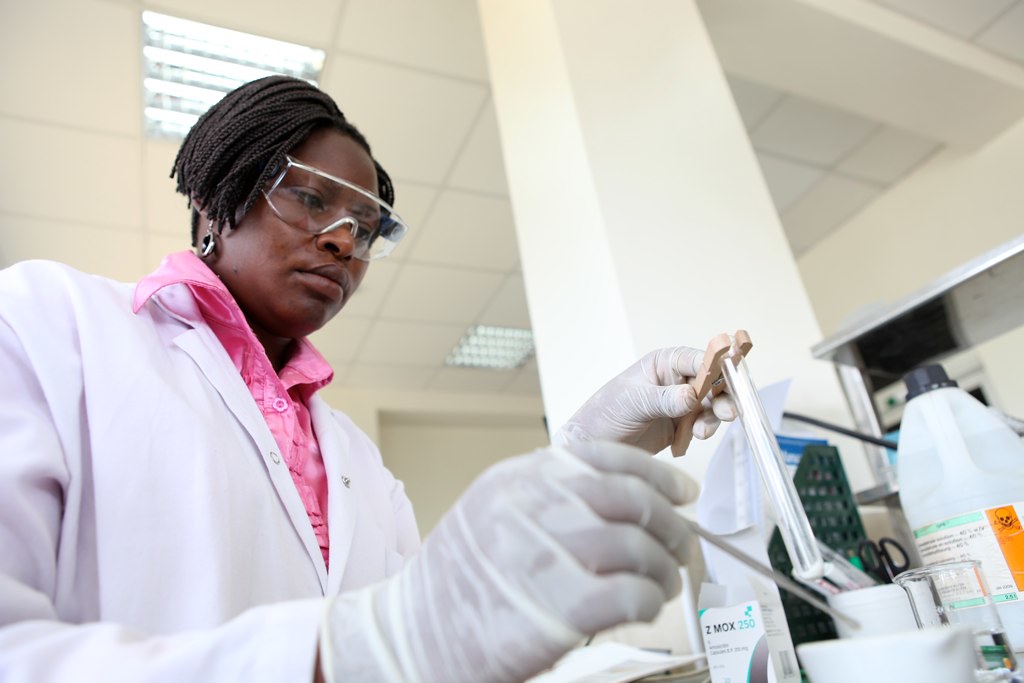
Fighting Cancer in the Developing World

cancer in developing countriesMajor progress has been made in recent years in combating leading threats to global health such as tuberculosis, HIV/AIDS and malaria. However, there is a lesser-discussed global health problem that is growing in developing nations. Eight million cancer cases across the world occur in developing countries, accounting for 57 percent of all reported cancer cases worldwide. Ami Bhatt and her coworkers at the School of Medicine at Stanford University are working to change these numbers by reducing cancer in the developing world.

Background on Ami Bhatt

In 2009, Bhatt became aware of the growing danger of cancer in developing countries through her work at Harvard University. She knew that something had to be done. She started a nonprofit with another fellow in her program, Franklin Huang, who became equally as passionate about this topic. The organization, called Global Oncology (GO), has launched numerous programs and projects since its start in 2012. All of them are aimed at creating better care for cancer patients in low and middle-income countries through new technology, education and medical training. In 2014, Bhatt started her work at the Stanford School of Medicine. Since then she has mobilized her coworkers to further explore the pandemic of cancer in the developing world and find ways to combat it.

Educational and Tracking Resources

Working with a design firm in sub-Saharan Africa, Bhatt was able to develop materials with simple messaging and visuals to help patients in developing nations understand potential treatment options, side effects and complications. Many patients in these low-income areas drop out of treatment because they do not fully understand the process of treatments like chemotherapy. These materials are aimed at solving this problem and keeping more patients in treatment. They are currently being used in cancer wards across Rwanda, Botswana and Haiti.

GO also partnered with the National Cancer Institute to develop an interactive map of cancer researchers and program managers across the world. This resource is the first of its kind and has increased interaction and collaboration between those working in the field. The map gives experts equal access to contemporary knowledge and technology being used to combat cancer in the developing world.

Work in Nigeria and Rwanda

In 2017, Bhatt and her colleagues at GO collaborated with the Federal Ministry of Health in Nigeria to identify two hospitals that could make a huge impact by taking their cancer care programs to the next level. The northern portion of Nigeria is Muslim-majority while the southern area is Christian majority. For this reason, they chose ABUTH hospital in the north and Lagos University Teaching Hospital in the south.

The programs implemented at these hospitals were aimed toward outlining potential opportunities for hospital faculty to carry out improvements in their cancer programs. After this program had been in place for a few months, Bhatt and a few of her colleagues traveled to Nigeria to complete a comprehensive needs assessment. This formed the foundation for the recommendations to the Federal Ministry of Health that were included in the Nigerian 2018-2023 National Cancer Control Plan.

While teaching classes to physicians in Rwanda, Bhatt discovered that patients with leukemia were being treated with hydroxyurea, a drug that only prolongs a patient’s life for about five years. She found out that the country had lost free access to an alternate drug called Gleevec, which can prolong someone’s life for up to 30 years. Bhatt and her Stanford colleagues spent weeks lobbying the Rwandan Ministry of Health as well as the drug manufacturer to restore free access to Gleevec in Rwanda.

Sixty-five percent of those who die from cancer yearly live in developing countries. Ami Bhatt recognized the existence and implications of this statistic in 2009. She has made it her life’s work to battle cancer in the developing world ever since. As more and more people recognize cancer as a major problem in the developing world, Bhatt and her team get closer and closer to winning the battle.

– Ryley Bright
Photo: Flickr

February 5, 2020
https://borgenproject.org/wp-content/uploads/borgen-project-logo.svg 0 0 Kim Thelwell https://borgenproject.org/wp-content/uploads/borgen-project-logo.svg Kim Thelwell2020-02-05 07:30:532024-05-29 23:10:45Fighting Cancer in the Developing World
Food Security, Global Health, Global Poverty

What is Global Fragility?

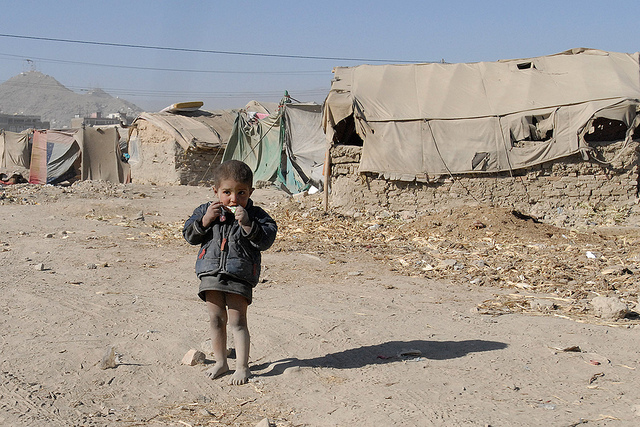
What is Global Fragility

Global fragility is a compelling global phenomenon. The Organisation for Economic Co-operation and Development (OECD) has defined it as, “the combination of exposure to risk and insufficient coping capacity of the state, system and/or communities to manage, absorb or mitigate those risks. Fragility can lead to negative outcomes including violence, the breakdown of institutions, displacement, humanitarian crises or other emergencies.”

The 2030 Agenda

Rising global challenges such as climate change, global inequality, the development of new technologies and illegal financial flows, are all aggravating global fragility. Now more than ever before, these challenges most severely affect low and middle-income countries. Global fragility is a pressing issue as poverty is increasingly present in fragile areas and those affected by conflict. It is estimated that by 2030, as much as 80 percent of the world’s extreme poor will be living in fragile areas, becoming both a threat to global security and a prominent barrier to achieving the Sustainable Development Goals (SDGs) 2030.

Within the 2030 Agenda, SDG 16 outlines achieving peaceful, just and equitable societies. Additionally, this SDG emphasizes the importance of sustaining peace and conflict prevention. Peace and conflict prevention are not achievable with increasing global fragility risks and inefficient responses. Indeed, 2016 was the year affected the most by violence and conflict in the past 30 years, killing 560,000 people and displacing the highest number of people in the world since World War II. Moreover, countries that are part of the 2030 development agenda all committed to leaving no-one behind, stressing the need to address fragile areas.

Addressing Global Fragility

Taking into account the elements mentioned above and the existing consensus on the matter, it is fundamental for countries and international organizations to address global fragility and take action by joining efforts. International institutions faced some blame for inadequate performance in fragile states. Recently, efforts began focusing on developing frameworks and tools to address fragility more efficiently. At the core of the solution to global fragility lies resilience. Additionally, this comprises of assisting states to build the capacity to deal with fragility risks and stabilize the country.

For example, the World Bank launched the Humanitarian Development Peace Initiative (HDPI) in partnership with the U.N. to develop new strategies to assist fragile countries. Under this initiative, the U.N. and World Bank will collaborate through data sharing, joint frameworks and analysis, etc. Additionally, the European Commission changed the way it approaches fragility, now concentrating more on the strengths of fragile states rather than their weakness, to assist them in resilience building and empowering them to do so.

All these efforts revolve around a set of core principles, stemming from lessons learned from the past. These mainly include empowering local governments and helping them escape the fragility trap. Another principle revolves around achievements in the long-term. Long-term achievements will ensure sustainability, as transforming deep-rooted governance takes time for effective implementation. Inclusive peace processes prioritizing the security of citizens, along with inclusive politics, are essential in the transformation of fragile states.

The Global Fragility Act

On December 20, the Global Fragility Act was passed as a part of the United States’ FY 2020 foreign affairs spending package, to address fragility more effectively. The Act emphasizes interagency coordination regarding development, security and democracy. In addition, the Act also highlights a more efficient alignment of multilateral and international organizations. As the first comprehensive, whole-of-government approach established by the United States, the efforts plan to prevent global conflict and instability.

The numerous actions and initiatives launched recently illustrate a significant step forward in addressing the threat of fragility. The common consensus between donor countries, multilateral and international institutions must now be translated into concrete actions.

– Andrea Duleux
Photo: Flickr

December 26, 2019
https://borgenproject.org/wp-content/uploads/borgen-project-logo.svg 0 0 Lynsey Alexander https://borgenproject.org/wp-content/uploads/borgen-project-logo.svg Lynsey Alexander2019-12-26 11:55:362024-06-04 01:17:55What is Global Fragility?
Advocacy, Global Poverty, Refugees

Albert Einstein’s Life as a Refugee

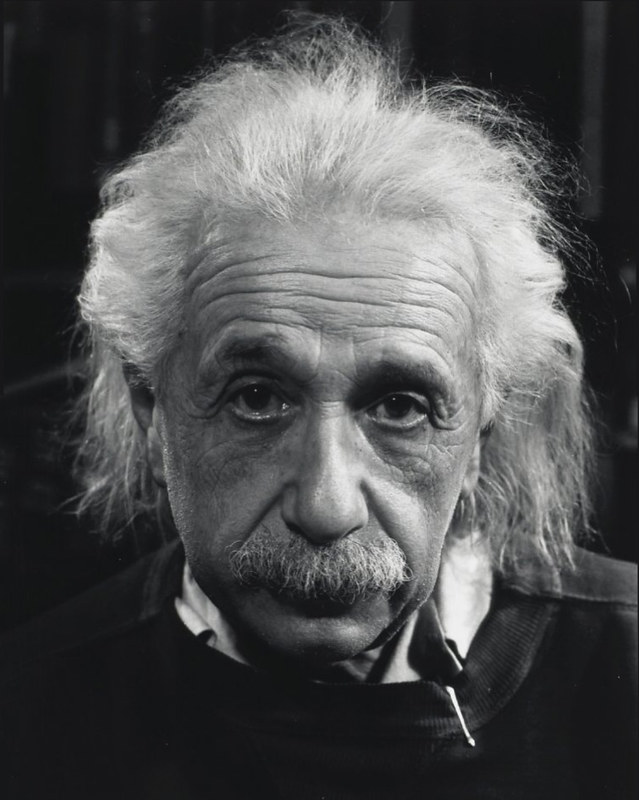
Albert Einstein's Life as a Refugee
Lauded for his array of riveting breakthroughs and accomplishments in physics, Albert Einstein became emblematic of brilliance in the modern world. His general Theory of Relativity continues to aid modern astronomy and has paved the way for new theories involving black holes and the physical origin of the universe. However, Einstein’s legacy does not solely comprise of his scientific achievements. Albert Einstein’s life as a refugee was arduous and many regard him as a humanitarian for his efforts to help the underprivileged.

Albert Einstein’s Origins

Albert Einstein was born in Germany in 1879 but renounced his German citizenship 17 years later due to his fondness for Swiss education. He began his work in physics in Switzerland but returned to Germany to work as a professor at the Prussian Academy of Sciences in 1914. A few short years later in 1921, Einstein won the Nobel Prize in physics for his work on the photoelectric effect. However, antisemitic harassment in Germany rose in the early months of 1932, and Einstein resigned from his professorship at the Prussian Academy for Sciences and relocated to Belgium.

How Albert Einstein Became a Refugee

In December 1932, Einstein and his wife visited the United States where he had secured a position at the Institute for Advanced Study in Princeton, New Jersey. Adolf Hitler rose to power in 1933 and unleashed a wave of antisemitism across the nation. The new government curbed the liberties of the Jewish people and they became prone to vicious attacks. Because of his fame as an accomplished Jewish physicist and the Third Reich accusing him of treason, Einstein became a target, especially when he traveled to Europe briefly in 1933. The Nazis burned his books and desecrated his property in Berlin. While he was initially unfazed, Einstein began to fear for his life and moved to the U.S. in the fall of 1933 and never visited Europe again.

After settling in Princeton, Einstein and his wife, Elsa, helped other refugees fleeing Nazi Germany apply for visas and advocated for their stay in the United States. Albert Einstein’s life as a refugee finally ended when he received citizenship in 1940, but his legacy lives on to this day.

Albert Einstein as a Humanitarian

Albert Einstein is one of the most prominent scientists to have ever walked the earth, but his accomplishments do not stop there. In 1933, the International Relief Association emerged at Einstein’s behest. A group of American academics, artists and politicians, including John Dewey and first lady Eleanor Roosevelt, came together to aid German Jews who were suffering at the hands of Adolf Hitler’s oppressive regime. Furthermore, Einstein was a staunch opponent of segregation, discrimination and the violation of human rights. He encouraged scientists to develop technology to help people, not destroy them. Following the atrocities of World War II, Einstein signed a document now known as the Russell-Einstein Manifesto that calls for nuclear disarmament and arms reduction in the world. Albert Einstein’s life as a refugee compelled him to predict that “The world will not be destroyed by those who do evil, but by those who watch them without doing anything.” Albert Einstein’s scientific successes and humanitarian efforts will echo throughout the world for generations to come.

– Jai Shah
Photo: Flickr

December 13, 2019
https://borgenproject.org/wp-content/uploads/borgen-project-logo.svg 0 0 Kim Thelwell https://borgenproject.org/wp-content/uploads/borgen-project-logo.svg Kim Thelwell2019-12-13 07:30:212019-12-12 12:15:51Albert Einstein’s Life as a Refugee
Advocacy, Global Poverty

8 Celebrities who served as a UNICEF Goodwill Ambassador

UNICEF Goodwill AmbassadorUNICEF appointed its first Goodwill Ambassador in 1954 — actor and comedian Danny Kaye — and has expanded this initiative ever since. Celebrity partners come from a wide variety of backgrounds — from music to film to sports — but they all have one thing in common. They are all dedicated to helping children in need around the world. These are just eight celebrities who have served as UNICEF Goodwill Ambassadors.

8 Celebrities Who Are UNICEF Goodwill Ambassadors

  1. Liam Neeson – International actor Liam Neeson became a national UNICEF Goodwill Ambassador for Ireland in 1997 and then an international Goodwill Ambassador in 2011. His goal was to help children overcome poverty, violence, disease and discrimination. Representing UNICEF, Neeson has worked on the organization’s Change for Good partnership with Aer Lingus and the Believe in Zero campaign that fights child mortality. He joined UNICEF’s Unite for Children Unite Against Aids to create public service announcements with other stars like Whoopi Goldberg, Susan Saradon, Ewan McGregor and Pierce Brosnan in 2005. In 2016, the actor traveled to a refugee camp in Jordan to meet with children and teens and hear their stories.
  2. Susan Sarandon – Appointed in 1999, Susan Sarandon is one of the few celebrities who has served as a UNICEF Goodwill Ambassador for more than two decades. The actress has used her celebrity status to raise awareness on a number of areas but primarily hunger, women’s issues and HIV/AIDS. As a Goodwill Ambassador, she visited children in many countries, including India and Tanzania in 2000, Brazil in 2003 and Cambodia in 2011. Sarandon also published UNICEF’s State of the World’s Children 2000. The actress also visited Nepal in 2015 to help victims of the devastating earthquake and build awareness for relief efforts. Outside of UNICEF, she also has been involved with and donated to Heifer International, Action Against Hunger, Champions for Children, Elizabeth Glaser Pediatric AIDS Foundation and the Global Fund to Fight AIDS Tuberculosis and Malaria.
  3. Shakira – Colombian pop superstar Shakira became an international UNICEF Goodwill Ambassador in 2003. She was appointed for her charity work, beginning in 1997 when she was only 18 years old with the founding of her Pies Descalzos Foundation, which was dedicated to providing education to underprivileged children in Colombia. As a UNICEF Goodwill Ambassador, she campaigned to stand against AIDS in Spain and against violence in El Salvador in 2006. She also visited Bangladesh, Israel, India and Azerbaijan to advocate the importance of education and empower young girls. In 2008, she joined other Latin American artists to found ALAS, an organization devoted to advocating for early childhood development in politics across Latin America. In 2015, the singer spoke on behalf of UNICEF at the United Nations General Assembly to urge global leaders to invest in early childhood development and she did so again in 2017 at the World Economic Forum.
  4. Jackie Chan – Jackie Chan became a UNICEF Goodwill Ambassador in 2004. However, the international star has been ardent about charity work for decades. He founded the Jackie Chan Charitable Foundation in Hong Kong in 1988 to offer scholarships for young people in China. In 2004, he founded the Dragon’s Heart Foundation to build schools for children and helps the elderly in rural China. As a Goodwill Ambassador, Jackie Chan is focused on tackling issues that could devastate a child, such as diseases, HIV/AIDS, economic hardship and natural and unnatural disasters. The martial arts expert traveled to Cambodia in 2004 and 2005 to visit children affected by landmines, as well as to Vietnam and Timor-Leste to promote the importance of education for children. Chan also traveled to Myanmar in 2012 to combat child trafficking, meet with survivors and assist at-risk children. He also called on leaders to join the fight.
  5. Priyanka Chopra Jonas – Miss World 2000 and one of the biggest Indian stars, Priyanka Chopra Jonas has been working with UNICEF since 2006. She was appointed a national Goodwill Ambassador for India in 2010 and became a global Goodwill Ambassador in 2016. She is also the founder of the Priyanka Chopra Foundation for Health and Education and donates 10 percent of her earnings to the organization. The Chopra Foundation covers educational and medical expenses for 70 children in India, 50 of whom are girls. With UNICEF, Chopra Jonas has been involved in their Girl Up program and the “Deepshikha” campaign. While the latter campaign is based in India and the former is global, both programs help girls become educated, healthy and empowered. Additionally, with UNICEF, she visited Zimbabwe and South Africa in 2017, and Ethiopia in 2019 to meet refugee children and build awareness.
  6. Serena Williams – Arguably one of the greatest athletes of all time, tennis star Serena Williams was appointed an international UNICEF Goodwill Ambassador in 2011. She has been working with UNICEF since 2006 when she traveled to Ghana for a large vaccination campaign. Since her appointment, she has used her platform to focus on improving education for children around the world. She has built the Serena Williams Secondary school in Kenya and the Salt Marsh Basic School in Jamaica through her partnerships with Build African Schools and Helping Hands Jamaica Foundation respectively. Williams has also partnered with the Common Ground Foundation, Global Goals, the Small Steps Project and World Education.
  7. Tom Hiddleston – Although a Marvel villain on screen, Tom Hiddleston is a hero in real life as a UNICEF Goodwill Ambassador for the United Kingdom. Appointed in 2013, the British actor has repeatedly used his fame to advocate for the world’s poor. On behalf of UNICEF in 2013, Hiddleston visited West Africa and Guinea to raise awareness about children in need and those on the ground working to help them. Later that year, he spent five days spending only $1.50 on food to raise awareness to his followers on what it is like to live below the poverty line. He then went on several occasions to visit children living in war-torn South Sudan, calling on global leaders to protect children caught in conflict zones.
  8. Millie Bobby Brown – Netflix’s “Stranger Things” actress is the youngest ever UNICEF Goodwill Ambassador. Brown was only 14 years old when she was appointed by UNICEF in 2018 but has partnered with the organization since 2012. As a Goodwill Ambassador, the teen actress plans to “raise awareness of children’s rights and issues affecting youth, such as lack of education, safe places to play and learn and the impact of violence, bullying and poverty.” She hosted the organization’s 70th-anniversary celebrations at the United Nations in 2016 and its Inaugural World Children’s Day in 2017. In November 2019, she headlined a global summit at the United Nations headquarters with David Beckham and together demanded rights for every child. She urges global leaders to listen to the voices of children and to take action for those who do not have one. Aside from her work with UNICEF, Brown has also raised $40,000 for the Olivia Hope Foundation, an organization dedicated to ending the suffering of children with cancer.

– Emily Young
Photo: Flickr

December 9, 2019
https://borgenproject.org/wp-content/uploads/borgen-project-logo.svg 0 0 Kim Thelwell https://borgenproject.org/wp-content/uploads/borgen-project-logo.svg Kim Thelwell2019-12-09 17:18:272024-06-06 00:32:508 Celebrities who served as a UNICEF Goodwill Ambassador
Advocacy, Global Poverty

Celebrities and Borgen Project Initiatives

Borgen Project Initiatives
In the fight against extreme poverty, people often think about ways to donate and how to make their concerns known to politicians. As a global issue, poverty is gaining support from all over the world in various fashions, revealing how celebrities are a huge asset to the discussion of global poverty.  Below are a few celebrities who are working in unique ways to support the fight against poverty and The Borgen Project initiatives they would most likely support.

Oprah: Keeping Girls in the Classroom

People know Oprah Winfrey for the charitable donations she has given to a variety of causes for decades. Winfrey donated $1 million to the N Street Village project. This project provides resources to women who are either homeless or have low-income to help stabilize them and promote their quality of living, such as assisting with employment, health care and various other recovery initiatives. Winfrey has also donated to causes that target young girls, such as providing about $140 million to pay for girls attending the Oprah Winfrey Leader Academy since its founding in 2007. Given the initiatives Winfrey has supported in the past, one can assume that Winfrey would support The Borgen Project’s initiative The Keeping Girls in School Act, as it works to expand the educational opportunities for young girls.

Elton John: Fighting the Spread of Disease

People know Elton John mostly for his musical abilities; however, for nearly half of his musical career, John has advocated for awareness of HIV/AIDS and continues to indirectly support legislation changes for poverty. In 1992, Elton John was motivated by the loss of friends like Freddie Mercury to HIV/AIDS and he created the Elton John AIDS Foundation. The Foundation has raised over $125 million, fought discrimination of those diagnosed and has worked in over 50 countries. If one considers John’s dedication to preventing and treating severe diseases, one can assume that he would support The Borgen Project’s initiative the End Neglected Tropical Disease Act, as it serves to support U.S. foreign policy that advocates for conditions that people often overlook but occur at rates worth congressional attention.

IU: Reaching Out to Children

IU is a South Korean singer known for her charitable donations to numerous causes over the years, both social and environmental. Following the breakout of a wildfire in South Korea, the star donated nearly $100,000 to ChildFund Korea. ChildFund Korea provides relief in Korea and across the world in areas including education, child protection and health. When IU made her donation, she did not specify it to an isolated situation, but rather to the whole organization and allowed it to decide how to use it. A Borgen Project initiative that reflects IU’s passions might be the Reaching Every Mother and Child Act as this policy addresses the health risk related to the health care of expectant mothers and their infant children.

Trevor Noah: Closing the Education Gap

Trevor Noah is a comedian and TV host. Noah founded the Trevor Noah Foundation in early 2018 in his home country, South Africa. Noah’s Foundation focuses on education and emphasizes closing the gap between those who have access to education and those who do not. It especially highlights how, as different communities face economic disparities, the progression of education sometimes outpaces those who have varying amounts of financial flexibility. Noah financed the Foundation in its first year, but just before 2019 began, he announced that he would match the donations of others. Noah’s form of philanthropy is unique because his goals come from his personal experiences. For this reason, Noah is likely to support The Borgen Project initiatives that strive to close the digital gap between those who have access to the internet and those who do not, especially in developing countries.

Each of these celebrities has a different reason for supporting various initiatives to fight global poverty and, depending on how they have chosen to fight against poverty, they reflect an initiative, act or bill that The Borgen Project is pushing U.S. foreign policy to support. Whether timing, location or experience influences these celebrities, they each made a personal decision to make a difference that can inspire everyone.

– Kimberly Debnam
Photo: Flickr

December 2, 2019
https://borgenproject.org/wp-content/uploads/borgen-project-logo.svg 0 0 Jennifer Philipp https://borgenproject.org/wp-content/uploads/borgen-project-logo.svg Jennifer Philipp2019-12-02 11:30:072024-05-29 23:13:46Celebrities and Borgen Project Initiatives
Activism, Advocacy, Education, Global Poverty

3 NBA Players Shooting to End Poverty

nba players shooting to end poverty

NBA players display their passion and skills on the court. They are recognized for both the number of points they score and shots they block. However, several players display their passions and aspirations off the court through charitable work. They are indeed recognized for both the number of lives they affect and the smiles they paint on the faces of the less fortunate. Here are three NBA players shooting to end poverty.

Buddy Hield

A native Bahamian, Buddy Hield grew up in Freeport, The Bahamas. Excelling in the sport of basketball, the University of Oklahoma recruited him to their team where he became a sensational collegiate player in the United States. His feats in collegiate basketball landed him a spot on the Sacramento Kings basketball team of the NBA. When Hurricane Dorian struck The Bahamas on September 9, 2019, Buddy Hield immediately began sending help.

Threatening the lives of 2,000 people and throwing many more under the poverty line, Hurricane Dorian became the worst hurricane in Bahamian history. Hield raised a significant amount for his birthplace and sent needed supplies. Hield has raised about 300,000 dollars in total through the Buddy Hield Foundation and the Kings organization. He also spearheads the donation cause of food and clothing to his people. He even plans to travel to the Bahamas with his mother to cook for the impacted Bahamians.

LeBron James

LeBron James is an extraordinary man on and off the court. Born in Akron, Ohio, LeBron James showed superstar potential as early as high school. Breaking records and winning the NBA Finals is important to James but so is his charity work. In his hometown of Akron—where the poverty rate is approximately 25 percent—James founded his own public elementary school called the I Promise School. He founded this school to improve the well-being of the Akron population, offering education to the less fortunate to help increase living conditions and decrease the poverty line. The school opened with only grades three and four but hopes to be fully functional by 2022, teaching grades one through eight. Amazingly, the school has shown promising results in which 90 percent of students have reached goals in both math and reading. The LeBron James Family Foundation evens covers all schooling expenses in the school’s family resource center where parents are provided with services from work advice to legal services. All of this is in an attempt to increase the living conditions of James’ beloved Akron community.

Pau Gasol

Two-time NBA champion, Pau Gasol epitomizes an outstanding citizen. Born in Barcelona, Spain, the Memphis Grizzlies drafted Gasol in 2001, where he became the first foreign player to win Rookie of the Year. While balancing his basketball career, Gasol became heavily involved in global issues, ranging from AIDS to obesity.

He has been a UNICEF Spanish Ambassador since 2003, tackling childhood obesity and malnutrition to better the lives of children globally. He aims to see that children live their full potential in eating the proper foods. Around the world, 149 million children below the age of 5 are stunted from the effects of malnutrition, and over 40 million are obese. Since 2003, Gasol has dedicated his time, outside of basketball, to advocate UNICEF’s work in nutrition, education and other humanitarian work by traveling to impact children in Iraq, Lebanon, Chad and other needful countries.

In collaboration with his brother, Mark, the two founded the Gasol Foundation to decrease childhood obesity through physical activity and healthy eating habits. Just recently, Gasol was named the Global Champion for Nutrition and Zero Childhood Obesity by UNICEF.

These three NBA players shooting to end poverty demonstrate excellence on and off the court. Their kind hearts and charitable acts deserve as much recognition as their athletic abilities do. From donating clothes to building schools, these NBA players have indeed shot and scored both on the court and in their communities, global or domestic.

– Colin Crawford
Photo: Unsplash

November 23, 2019
https://borgenproject.org/wp-content/uploads/borgen-project-logo.svg 0 0 Kim Thelwell https://borgenproject.org/wp-content/uploads/borgen-project-logo.svg Kim Thelwell2019-11-23 07:30:032020-01-18 13:06:013 NBA Players Shooting to End Poverty
Advocacy, Global Health, Global Health, Global Poverty, Poverty, Poverty Reduction

3 Young Advocates Who are Changing the World

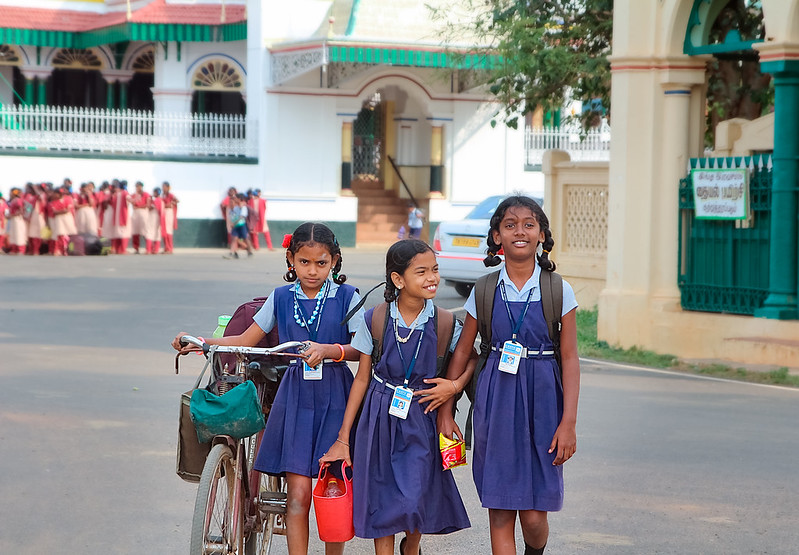
young advocates

Today, some of the most innovative, forward-thinking change-makers happen to be under the age of 18. Keep reading to learn more about these three top young advocates who are doing their part to address global issues from poverty to gender equality and education.

3 Young Advocates Who are Changing the World

  1. Zuriel Oduwole
    Since the age of 10, Zuriel Oduwole has been using her voice to spread awareness about the importance of educating young girls in developing countries. Now 17 years old, Oduwole has made a difference in girls’ education and gender issues in Africa by meeting with and interviewing important political figures like presidents, prime ministers and first ladies. To date, Oduwole has spoken in 14 countries to address the importance of educating young girls in developing countries, including Ethiopia, South Africa, Ghana, Tanzania and Nigeria. “They need an education so they can have good jobs when they get older,” Oduwole said in a 2013 interview with Forbes. “Especially the girl child. I am really hoping that with the interviews I do with presidents, they would see that an African girl child like me is doing things that girls in their countries can do also.”
  2. Yash Gupta
    After breaking his glasses as a high school freshman, Yash Gupta realized how much seeing affects education. He did some research and found out that millions of children do not have access to prescription lenses that would help them to excel in their studies. Gupta then founded Sight Learning, a nonprofit organization that collects and distributes eyeglasses to children in Mexico, Honduras, Haiti and India.

  3. Amika George
    At the age of 18, Amika George led a protest outside of former U.K. Prime Minister Theresa May’s home to convince policymakers to end “period poverty.” Period poverty is the unavailability of feminine sanitary products for girls who cannot afford them. Girls who can’t afford these products are often left to use rags or wads of tissue, which not only raises health concerns but also keeps girls from their education. In order to combat this issue, George created a petition with the goal for schools to provide feminine products to girls who receive a free or reduced lunch. As of now, George has mobilized over 200,000 signatures and helped catapult the conversation of period poverty at the political level in the U.K.

These three world-changing children prove that age does not matter when it comes to making a difference in the world.

– Juliette Lopez
Photo: Flickr

November 21, 2019
https://borgenproject.org/wp-content/uploads/borgen-project-logo.svg 0 0 Lynsey Alexander https://borgenproject.org/wp-content/uploads/borgen-project-logo.svg Lynsey Alexander2019-11-21 07:30:192024-05-29 23:13:173 Young Advocates Who are Changing the World
Advocacy, Developing Countries, Global Poverty, Health

8 Facts About Turkey’s Kurds

Eight Facts about Turkey’s Kurds

The Kurds are a Muslim-majority ethnic group located mainly in Turkey, Syria, Iraq and Iran. With a total global population of around 30 million, they are the largest ethnic group without a state. Since the rise of the Islamic State, the Kurds have been crucial in the fight against ISIS and have been a reliable US military ally. The Turkish government has had a contentious relationship with the Kurds for decades, as it views the Kurds as a threat to the Turkish state and the Kurdistan Workers’ Party or PKK as a terrorist organization. To better understand Turkey’s relations with its Kurdish minority, here are eight facts about Turkey’s Kurds.

8 Facts about Turkey’s Kurds

  1. There are between 15-20 million Kurdish people in Turkey, most of whom are located in the Kurdish districts of Sivas and Marash and in Eastern and South-Eastern Anatolia, or what the Kurds call Northern Kurdistan. Large Kurdish communities also exist in Turkish cities, such as Ankara, Istanbul, Izmir, Adana and Mersin. Turkey’s Kurds comprise somewhere between 19-25 percent of its total population.
  2. After the breakup of the Ottoman Empire, the Kurds’ homeland, Kurdistan, was divided so that it was controlled by the mostly newly-formed states of Turkey, Syria, Iraq and Iran. Many Kurdish people in Turkey are dissatisfied with this arrangement and want their own state. Indeed, since the 1930s the Kurds have resisted rule by the Turkish government, such as the government’s insistence on one national language.
  3. Since 1984, the PKK, often aided by Iran and Syria, has waged an armed insurgency against the Turkish regime. In the 1990s, the PKK executed several suicide bombings. The Turkish army has suppressed these Kurdish uprisings, and targeted Kurds suspected of supporting the PKK. In the 1990s, the regime depopulated rural Kurdish areas by evacuating or burning 4,000 Kurdish villages to the ground. This destruction displaced millions of Kurds, who received no social assistance or compensation. Furthermore, it is responsible for high unemployment among Turkey’s Kurds and economic inequality between the Kurdish and Turkish populations.
  4. When the AKP (Justice and Development Party) rose to power in Turkey in 2002, the government adopted a “zero problems with neighbors” foreign policy. In accordance with this shift, Turkey sought to cooperate with Syria, Iran and Iraq on the Kurdish issue. However, since the onset of the Arab Spring in 2011, Turkey’s relations with Syria and Iran have deteriorated significantly. Additionally, the Arab Spring reenergized Kurdish hopes of statehood, and the PKK escalated its terrorist attacks.
  5. Still, the AKP government has increased its efforts to engage with moderate Kurdish groups. For instance, in 2011, then-Prime Minister Erdogan recognized the Dersim massacre that occurred in the late 1930s. Some Kurds participate in Turkey’s political process; the Kurdish separatist party BDP (Peace and Democracy Party) gained three dozen seats in Turkey’s parliament.
  6. In an effort to quell political unrest among its Kurdish population, the Turkish government has employed a carrot-and-stick approach. In conjunction with the repression of the Kurdish resistance through the army and police, the Turkish regime has taken up a strategy of ‘‘development as counterinsurgency.” According to this plan, the Kurdish rebellion against the Turkish regime is attributable to the chronic poverty and lack of economic development in Southeastern Turkey and, therefore, can be resolved through economic development programs and welfare redistribution. Turkey’s most significant effort to provide economic development to its Kurdish population is the Southeast Anatolia Project (GAP), a program implemented which has provided more than 30 billion dollars in regional development assistance since the government implemented it in the 1970s. Notably, however, this program has not proven to benefit the Kurds. Between 1996-2003, the socioeconomic status of all but one province supposedly aided by GAP regressed. The construction of dams on the Euphrates and Tigris through the program proved to be disastrous environmentally and demographically.
  7. The Turkish government has successfully implemented social assistance programs, such as means-tested free health care, for individual impoverished Kurds. Other social assistance programs include the provision of conditional cash transfers, food stamps, housing, education, and disability aid for the poor. These programs have expanded in the 2000s, and from 2003-2009, Turkey’s spending on social expenditures increased 85 percent.
  8. These government welfare programs disproportionately benefit the Kurds; for instance, poor Kurds are twice as likely to receive a free health care card than non-Kurds in Turkey.

Conclusion

Due to this unequal distribution and Turkey’s historical relationship with the Kurds, critiques of the Turkish government conclude that it is aiding the Kurds not based on their needs, but according to their ethnicity. According to this argument, the Turkish regime provides social assistance to its Kurdish population solely in the hopes of containing the political unrest and weakening the ethnic identity of the Kurds.

The Kurds are one of the largest ethnic groups in the Middle East, and Turkey’s Kurds make up a substantial minority of its population. Thus, Turkey’s conflict with the Kurds has huge implications for the entire Middle East. As these eight facts about Turkey’s Kurds show, this fraught relationship spans decades and will not be easy to resolve, as it concerns the sovereignty of the Turkish state and the rights of the Kurdish people.

– Sarah Frazer
Photo: Flickr

November 21, 2019
https://borgenproject.org/wp-content/uploads/borgen-project-logo.svg 0 0 Jennifer Philipp https://borgenproject.org/wp-content/uploads/borgen-project-logo.svg Jennifer Philipp2019-11-21 07:30:022019-12-03 10:16:078 Facts About Turkey’s Kurds
Page 26 of 77«‹2425262728›»

Get Smarter

  • Global Poverty 101
  • Global Poverty… The Good News
  • Global Poverty & U.S. Jobs
  • Global Poverty and National Security
  • Innovative Solutions to Poverty
  • Global Poverty & Aid FAQ’s
Search Search

Take Action

  • Call Congress
  • Email Congress
  • Donate
  • 30 Ways to Help
  • Volunteer Ops
  • Internships
  • Courses & Certificates
  • The Podcast
Borgen Project

“The Borgen Project is an incredible nonprofit organization that is addressing poverty and hunger and working towards ending them.”

-The Huffington Post

Inside The Borgen Project

  • Contact
  • About
  • Financials
  • President
  • Board of Directors
  • Board of Advisors

International Links

  • UK Email Parliament
  • UK Donate
  • Canada Email Parliament

Get Smarter

  • Global Poverty 101
  • Global Poverty… The Good News
  • Global Poverty & U.S. Jobs
  • Global Poverty and National Security
  • Innovative Solutions to Poverty
  • Global Poverty & Aid FAQ’s

Ways to Help

  • Call Congress
  • Email Congress
  • Donate
  • 30 Ways to Help
  • Volunteer Ops
  • Internships
  • Courses & Certificates
  • The Podcast
Scroll to top Scroll to top Scroll to top