Housing Initiatives and Homelessness in Guinea-Bissau
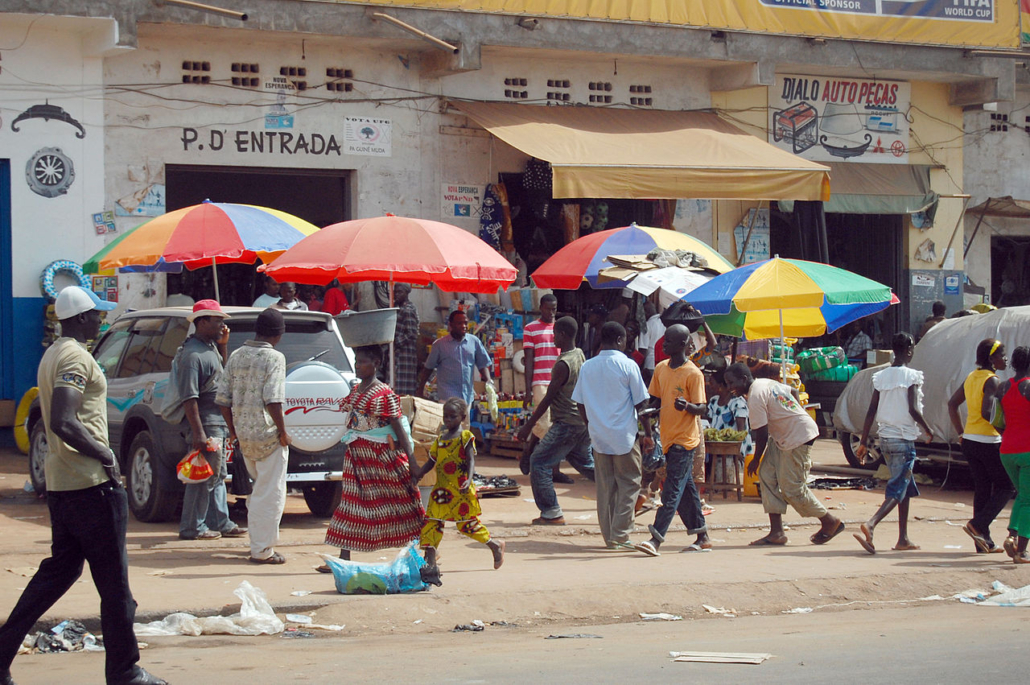 Homelessness in Guinea-Bissau is more accurately understood through the lens of housing insecurity rather than widespread street sleeping. In urban areas, particularly the capital city of Bissau, housing deprivation most commonly takes the form of informal and overcrowded living arrangements where residents lack access to durable construction and basic services such as water and sanitation. These conditions increase exposure to displacement, illness and economic marginalization. The scale of this vulnerability remains substantial: housing-sector profiling shows that approximately 74% of the population lives in slum or informal settlements, reflecting persistent deficits in housing quality, living space and essential infrastructure.
How Homelessness in Guinea-Bissau Is a Development Issue
Housing insecurity in Guinea-Bissau reflects deeper structural constraints associated with low levels of human development. Data from the United Nations Development Programme place the country in the low human development category, ranking 174 out of 193 countries with a Human Development Index value of 0.514 in 2023.
On the HDI scale, values closer to zero indicate severe constraints across health, education and living standards while higher scores reflect more consistent access to these foundations of well-being. Although Guinea-Bissau has made gradual progress over time, persistent deficits across these dimensions continue to shape housing outcomes. Limited access to safe water, sanitation and durable shelter undermines health; overcrowded living conditions disrupt educational participation; and housing instability constrains households’ ability to sustain livelihoods. Poor housing quality therefore does not simply result from low human development but actively reproduces disadvantage by reinforcing vulnerability across multiple domains.
Informal Settlements
In Bissau, informal settlements frequently occupy areas that lack access to essential services, including safe water, sanitation and energy infrastructure. The absence of a comprehensive urban planning framework contributes directly to this pattern. These infrastructure deficits expose residents to heightened environmental risk, particularly during periods of heavy rainfall and flooding, which damage homes and intensify cycles of displacement. Housing instability therefore operates not as an isolated social issue but as part of wider structural vulnerabilities that undermine health, disrupt education and constrain economic participation.
Public health research shows that inadequate housing conditions, including overcrowded living spaces and poor sanitation, are associated with higher risks of infectious disease and other adverse health outcomes. The World Health Organization’s Housing and health guidelines highlight how crowded and substandard housing contributes to health burdens by increasing people’s exposure to communicable diseases and undermining personal hygiene.
Addressing housing insecurity, therefore, functions as a direct intervention in poverty reduction rather than a peripheral welfare concern.
Active Housing Solutions in Guinea-Bissau
In response to these challenges, development initiatives in Guinea-Bissau increasingly focus on strengthening housing stability by reshaping policy frameworks and addressing gaps in urban planning and infrastructure provision. Within this landscape, the United Nations Human Settlements Programme (UN-Habitat) plays a central role. Since 2015, UN-Habitat has worked alongside national and municipal authorities to strengthen urban governance and expand access to adequate housing through technical assistance in planning and policy development.
Rather than prioritizing short-term relief, UN-Habitat emphasizes long-term structural change by strengthening the systems that shape how cities grow and how housing is planned and delivered. In the context of housing and urban development, this work includes:
- Providing technical assistance to support the development of national urban and housing policy frameworks.
- Supporting spatial planning processes that guide more sustainable and inclusive urban expansion.
- Promoting the integration of housing with water and sanitation infrastructure within broader city development frameworks.
Together, these interventions create conditions that allow affordable and secure housing to expand over time, reducing reliance on informal settlements and lowering vulnerability to displacement.
Measured Impact and Policy Outcomes
Through collaboration with the Government of Guinea-Bissau, UN-Habitat supported the development of the Bissau 2030 Sustainable Development Plan, which outlines a long-term strategy for inclusive urban development. The framework prioritizes infrastructure provision and more effective land-use governance in low-income areas where housing insecurity remains most pronounced.
By directing attention toward informal and underserved neighborhoods, the plan targets communities most exposed to housing insecurity. Its emphasis on improved planning and infrastructure provision is intended to reduce environmental risk and support more stable patterns of residential development. This approach aligns with World Bank analysis showing that deficits in basic infrastructure and service access in Guinea-Bissau compound exposure to shocks and restrict access to health and education—conditions that make housing instability harder to escape.
Why Housing-Led Approaches Are Effective
Homelessness in Guinea-Bissau remains a significant development challenge. However, housing-led initiatives demonstrate how coordinated urban planning, policy reform and infrastructure investment can strengthen urban stability. By addressing the structural conditions that produce housing insecurity, these interventions support healthier, more resilient communities and contribute to sustainable poverty reduction in one of the world’s most fragile economies.
– Kira Rai
Kira is based in London, UK and focuses on Global Health for The Borgen Project.
Photo: Wikimedia Commons
