How Clean Energy in Kenya Is Powering Poverty Reduction
 When the sun sets over rural Kenya, darkness no longer marks the end of the day for many families. Clean energy increasingly influences daily life in communities that formerly relied on expensive fuel and smoky kerosene lamps. Children study after dusk, homes are brightened by solar lights and small businesses remain open later.
Renewable energy benefits the nation’s well-being and economy more than simply endorsing positive environmental pursuits. It actively supports poverty reduction in Kenya by expanding opportunities at the household level.
Expanding Clean Energy Access in Kenya
Millions of Kenyan families suffered from low productivity and bad health for decades due to energy poverty. Families spent a significant amount of their earnings on charcoal, firewood and kerosene. These fuels depleted cash and harmed people’s health.
Respiratory ailments were caused by indoor air pollution and opportunities for education and employment were limited by sporadic lighting. However, recent findings show how the nation has rewritten its past. Kenya has made great strides in expanding access to clean cooking and power through strong regulations and targeted infrastructure investments, according to a recent IEA assessment.
Kenya is positioned as a regional leader in economic and energy growth, thanks to its ambitious implementation plans. Its push for electrification using clean energy technology has put the country on track to achieve universal access to electricity by 2030. “Kenya is showing how the strategic deployment of clean energy technologies and electrification in end-use sectors can significantly improve the lives of millions of the most vulnerable people in the world,” stated IEA Deputy Executive Director Mary Burce Warlick.
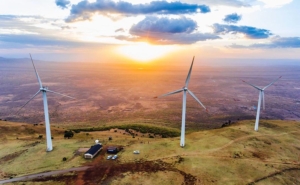
A key contributing factor to this remarkable turnaround is the transition to clean energy. The nation is currently among the world leaders in clean power, producing more than 90% of its electricity from renewable sources. Large-scale initiatives like Lake Turkana Wind Power improved the country’s national grid and showed Kenya’s dedication to sustainable development.
Solar Power’s Impact in Kenya
This shift links clean power directly to long-term poverty reduction in Kenya by supporting inclusive economic development. Rural residents who would have had to wait years for grid connections can now get electricity immediately thanks to off-grid solar installations. Businesses like M-KOPA use pay-as-you-go methods to enable families to purchase solar systems with modest daily payments made with mobile money.
Millions of people now have dependable energy for the first time thanks to M-KOPA’s solar power connections to more than two million homes. Solar electricity facilitates exciting opportunities for people in Kenya. Parents may operate small home-run businesses, charge neighbors’ phones and extend store hours after dark with dependable electricity.
Reduced energy expenses provide free money for food, medical care and school tuition. Clean energy enhances pathways to poverty reduction in Kenya, enabling households to transition from a bare minimum existence to a more sustainable future, with potential for future investments. Additionally, clean energy enhances health outcomes, particularly for women and children.
Solar illumination reduces indoor air pollution and replaces kerosene lamps. Families are less likely to have fire hazards and respiratory issues. Furthermore, solar energy helps hospitals by supplying consistent illumination and refrigeration for vaccinations in isolated locations.
Final Remarks
The United Nations (U.N.) lists its Sustainable Development Goals, a notable aim being to ensure access to clean, affordable energy. Kenya’s journey toward sustainable energy is a story of possibility. The nation demonstrates that climate action and economic advancement can coexist by increasing access to reasonably priced renewable energy.
Clean energy today provides security, dignity and a practical way out of poverty for many Kenyan households.
– Prubleen Bhogal
Prubleen is based in London, UK and focuses on Good News, Politics for The Borgen Project.
Photo: Flickr
