3 Organizations Improving the Quality of Life in Sudan
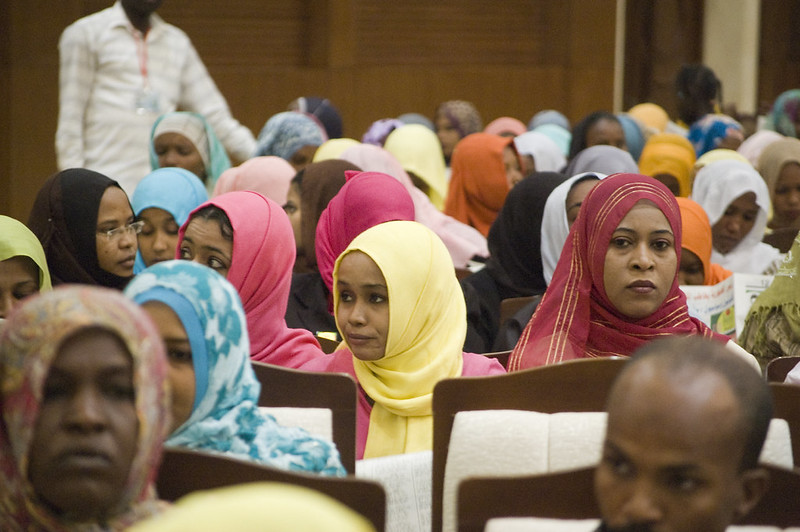 The current situation in Sudan, resulting from ongoing conflict, has left millions of civilians in extreme poverty and worsened the quality of life in the country. Famine and unemployment have worsened, while income has declined. It is expected that “Sudan’s GDP would decline by 42%… The agrifood system would be particularly affected, with its GDP contracting by 33.6% and employment halving under the extreme scenario.”
Since the beginning of the conflict in April 2023, the quality of life for Sudan’s civilians has declined, becoming known as “the world’s largest humanitarian crisis.” Around 12 million people had to flee their homes because of the conflict. If Sudan continues with the minimal resources it currently has, civilians may face prolonged displacement.
3 Organizations Improving the Quality of Life in Sudan
- The World Food Program. Organizations such as the World Food Program (WFP), United Nations International Children’s Emergency Fund (UNICEF) and Action Against Hunger (AAH) are working to support Sudan by closing the gap between the country’s needs and its available resources. Since the beginning of the conflict, WFP has provided food assistance across all 18 states of Sudan. WFP reports reaching 4 million people each month, including those in the hardest-hit areas. It is addressing areas already facing famine and those at risk of famine in the near future. In areas where conflict has subsided, WFP is supporting more than 800,000 people. This work includes “boosting agricultural production… work with communities to increase livelihood opportunities, build or refurbish community infrastructure like schools or water points.”
- United Nations International Children’s Emergency Fund. UNICEF is focusing on helping the most vulnerable, particularly children. Out of 30 million people in need, around 15 million are children. Forty-five percent of Sudan’s population is facing malnutrition. However, UNICEF states that “girls often bear the brunt.” UNICEF reports that blocked humanitarian access limits progress, noting that “people have endured months without reliable access to food or medical care.” UNICEF is rebuilding water infrastructure, which will help “2.3 million people access safe drinking water.” Communal kitchens set up by UNICEF serve 88,000 people daily, helping reduce severe malnutrition among children and families. In 2025, 1.3 million children received learning support, helping them continue their education despite the crisis.
- Action Against Hunger. With 112 employees, AAH is providing aid across Sudan. Due to displacement, AAH reports that famine has spread rapidly from El Fasher to North Darfur. In the past year, AAH supported more than 750,000 people, including through “resilience-building programs.” Action Against Hunger also provided nutrition and health services to more than 275,000 people, including 36,000 children treated for malnutrition. It delivered agricultural support to 16,500 households to help prevent further malnutrition and improved access to clean water to reduce disease.
Looking Ahead
With support from organizations like these, aid and resources continue to reach those in need throughout Sudan. These efforts aim to improve the quality of life in Sudan by addressing displacement, famine and disease.
– Freya Bryers
Freya is based in the United Kingdom and focuses on Good News for The Borgen Project.
Photo: Flickr
