Deworming Programs & School Attendance in Cambodia
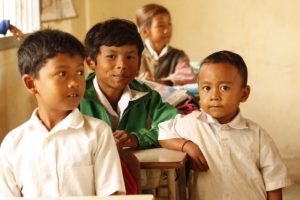 Parasitic worm infections remain a common but preventable health challenge for children in Cambodia. While these infections are rarely life-threatening, they can cause chronic fatigue, anemia and recurring illness that make it difficult for children to attend school consistently or concentrate in class. For low-income households, these repeated health disruptions can quietly undermine education and limit long-term economic opportunity.
In recent years, national deworming programs implemented through schools have become a core part of Cambodia’s public health and education strategy. By reducing preventable illness among school-aged children, these initiatives help protect learning and remove health-related barriers that can trap families in cycles of poverty.
A Persistent Health Burden
Soil-transmitted helminth infections, including roundworm, whipworm and hookworm, continue to affect more than one billion people worldwide, with children among the most vulnerable groups. According to a 2023 fact sheet from the World Health Organization (WHO), chronic worm infections contribute to malnutrition, impaired growth and reduced physical stamina, particularly in areas with limited sanitation and access to clean water.
In Cambodia, exposure remains common in many rural and peri-urban communities. Rather than causing acute illness, these infections often create a steady health burden that lowers children’s energy levels and increases short-term absenteeism. Over time, the persistent drag on health weakens children’s ability to benefit fully from schooling.
Why Attendance Is Fragile for Poor Households
For children from low-income families, school attendance is often highly sensitive to health. Even a relatively minor illness can result in missed days when households lack access to timely health care or cannot absorb repeated disruptions. These short absences accumulate, creating learning gaps that are difficult to recover from.
Education is widely recognized as one of the most reliable pathways out of poverty. However, its benefits depend on consistent participation. When preventable health conditions interfere with attendance, the effectiveness of education spending is reduced, particularly for children already facing economic disadvantage.
Schools as a Platform for Health Delivery
Deworming involves periodic administration of safe, low-cost medication to eliminate intestinal worms. The WHO’s most recent guidance, updated in the early 2020s, recommends preventive treatment for children living in endemic areas where infection prevalence exceeds established thresholds.
When delivered through schools, deworming programs can reach large numbers of children efficiently and at a minimal cost. According to recent estimates summarized by the Abdul Latif Jameel Poverty Action Lab (J-PAL), school-based deworming programs typically cost around $0.50 per child per year. This makes them one of the most cost-effective public health interventions currently in use.
In Cambodia, deworming efforts are coordinated by the Ministry of Health in collaboration with the Ministry of Education, Youth and Sport. This allows treatment to be integrated into routine school activities rather than relying on clinic-based delivery.
Evidence From Implementation in Cambodia
Cambodia’s school-based deworming programs have historically achieved high levels of coverage among enrolled children. A treatment coverage survey conducted in Kamport Province in the early 2010s found that 84%–89% of targeted school-age children received treatment. This result demonstrates the effectiveness of school-based delivery in reaching the intended population.
While this study reflects an earlier implementation phase, more recent WHO country profiles indicate that Cambodia has continued regular school-based deworming in the 2020s as part of its neglected tropical disease control strategy. The country has maintained national program coverage in endemic areas. High treatment coverage plays an important role in reducing the overall burden of infection within schools and surrounding communities.
It supports sustained improvements in child health when programs are delivered consistently and at scale.
Protected Learning and Household Stability
Deworming programs do not create educational opportunities on their own. Instead, they help prevent preventable illness from eroding children’s ability to attend school regularly and participate in learning. Healthier children are better able to maintain attendance and avoid repeated short-term absences that disproportionately affect students from low-income households.
For families living near or below the poverty line, recurring illness can also lead to avoidable medical expenses and lost income when caregivers must miss work. By lowering infection prevalence, deworming programs help reduce these health-related economic shocks and support household stability.
A Low-Cost Way To Safeguard Opportunity
Deworming programs are widely recognized for their reliability rather than their novelty. Their strength lies in consistent delivery, high coverage and low cost. Implemented through schools, they help ensure that basic health conditions do not quietly undermine the effectiveness of education for children most at risk of poverty.
In Cambodia, continued investment in school-based deworming reflected a broader understanding that poverty reduction depends not only on expanding access to education, but also on protecting children’s health so that education can work as intended.
– Tom Basu
Tom is based in Buckinghamshire, UK and focuses on Good News and Global Health for The Borgen Project.
Photo: Flickr
