Micro-Hydro Power Stations in Nepal’s Villages
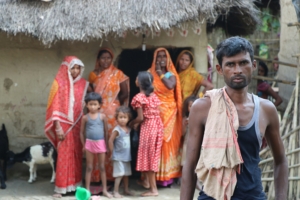 Nepal’s mountainous terrain and abundant water resources make off-grid electricity a persistent challenge for rural villages. Indeed, many remote communities remain outside the reach of the national grid, relying on kerosene lamps or wood fuel for lighting and basic energy needs. Micro-hydro community power stations in Nepal’s mountain villages offer a promising alternative, generating small amounts of renewable electricity from local rivers and streams to directly power homes, schools and small businesses.
This decentralized approach expands electricity access in areas where extending grid infrastructure would be prohibitively expensive or technically difficult. Between 2007 and 2014, more than 400 micro-hydropower plants were built under Nepal’s Micro-Hydro Village Electrification Program. These projects brought reliable, clean power to hundreds of rural communities and helped nearly 625,000 people improve their quality of life.
The power stations in Nepal’s mountain villages harness community involvement, local labor and sustainable water flow. They reduce poverty, increase economic productivity and improve education and health outcomes in the country’s most isolated areas.
Expanding Electricity Access in Remote Areas
Micro-hydro systems in Nepal typically produce between 10 and 100 kilowatts of electricity, enough to power dozens or even hundreds of homes in mountain villages. These systems do not require large dams or reservoirs, making them well-suited for Nepal’s steep topography and numerous rivers. Communities work together to construct, operate and maintain these stations and many projects include local training on electrical systems management.
For example, community-owned micro-hydro plants supported by the Nepal Micro-Hydro Promotion project helped villages install turbine systems that replaced expensive diesel generators and provided light for homes and power for mills and small enterprises.
Boosting Local Economies and Education
Access to electricity through Micro-hydro community power stations in Nepal’s mountain villages has had clear economic impacts. In Darbang, a 51-kilowatt micro-hydro plant sparked local economic growth by powering poultry farms, metal workshops and other small businesses that now operate year-round. The community coordinated construction and operations, drawing on training and technical support from government programs such as the Alternative Energy Promotion Center.
Electrification enables local entrepreneurs to use electric tools and machines, which increases productivity and income. Families who previously relied on manual labor and inefficient fuels now have access to power that supports income-generating activities and reduces the time spent on chores such as fetching firewood.
Reliable electricity improves education by enabling students to study after dark and powering classrooms with lighting and digital equipment. Community clinics can store vaccines and run basic medical devices, which enhances public health outcomes. Micro-hydro plants also displace kerosene and wood-burning fuels, reducing indoor air pollution that contributes to respiratory illness.
Community Ownership and Sustainability
Micro-hydro community power stations in Nepal’s mountain villages are often built and operated by locals, with support from organizations such as UNDP and the government’s rural energy programs. This model prioritizes community management, with members taking responsibility for operations, maintenance and tariff collection to sustain systems in the long term.
Micro-hydro community power stations in Nepal’s mountain villages illustrate how decentralized renewable energy systems can bridge gaps in electricity access where national grid expansion remains limited. These projects power homes, support economic activity, improve education and health and empower communities to manage their own energy futures. As Nepal continues expanding renewable energy solutions, micro-hydro power offers a scalable way to reduce energy poverty in some of the country’s most remote locations.
– Shahzeb Khan
Shahzeb is based in San Ramon, CA, USA and focuses on Business and Global Health for The Borgen Project.
Photo: Unsplash
