 The changing climate is a persistent issue that is becoming increasingly relevant as severe weather events reach cities around the world. With the consensus that extreme storms are an isolated issue instead of an international one, damage affecting unhoused and refugee communities in 2025 highlighted the importance of nonprofit organizations in the absence of assistance from local governments. Generating more support for displaced persons and the unhoused community begins with sharing stories that evoke relatability and enhance overall understanding of the issue.
Ongoing Advocacy
On Nov. 11, 2025, climate reporter Sabrina Shankman shared insight on the best way to educate people about the significance of climate change at the “Climate Is Every Story” panel series designed for Boston College faculty and students. Shankman said storytelling is the key to proper advocacy, not data points.
Similarly, Neil McCullagh, executive director of the Carroll School of Management’s Joseph E. Corcoran Center for Real Estate and Urban Action and BC ’91, highlighted the effectiveness of Habitat for Humanity’s human-focused narrative. Specifically, he discussed how the partnership between Habitat for Humanity and a faith-based organization provided 13 housing units that improved the lives of struggling families. Initiatives like this are powerful and help communities visualize the bigger picture and give their support.
Relief Efforts
Habitat for Humanity is a global organization based in Atlanta, Georgia, that provides housing assistance. Habitat for Humanity works with communities around the globe, serving about 70 countries. In 2025, research revealed that inadequate access to housing is a global issue, with 1.8 billion people worldwide unable to find affordable housing.
The organization continues to operate with the philosophy that “a world where everyone has a decent place to live” is possible. Its programs aid populations suffering from poverty, economic disadvantages and other challenges. There are similar nonprofit projects that provide items usually inaccessible to low-income individuals. Habitat for Humanity ReStore offers used household items at affordable prices. Proceeds from these items help the organization collaborate with local families to provide accessible housing for low-income individuals.
Volunteers from the Global Village program improve the lives of communities internationally by building houses in countries including Guatemala, Honduras, Kenya, Malawi and Romania. Other nonprofit projects have provided people in Brazil with a water tank as a response to a disaster in the region.
Global Village volunteers also responded to the risk of natural disasters in Cambodia by building water towers while providing homes for displaced persons in the Dominican Republic. These programs are creating momentum toward housing equity in underdeveloped countries. Relief efforts are giving people a fresh start. Mobilizing volunteers is one of the most effective methods to advocate for change. Still, innovative and sustainable solutions are needed to address fluctuating levels of support for services.
Forced Displacement and Hunger
A variety of challenges affect refugees, but one of the greatest trials they face is hunger. Currently, refugees receive most assistance from nongovernmental organizations.
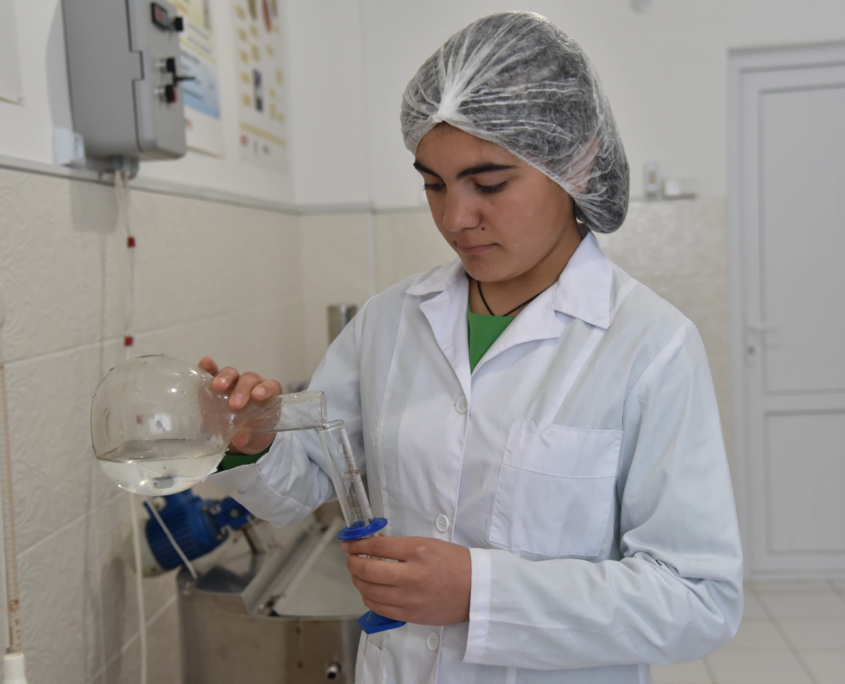
Sustainable living practices empower refugees to find nourishment through natural resources. Educating displaced persons on agricultural practices equips them with tools to avoid hunger and improve individual economic circumstances. A significant level of impact has been achieved through targeted programs. In particular, nonprofit projects like FAR’s Support for Artsakh’s Displaced Project teach students horticulture and gardening skills. For example, 15-year-old student Nanar Markosyan learned horticulture and gardening through this program, which prepared her to attend the National Agrarian University to pursue greenhouse management.
Sustainable farming approaches, such as tending soil or caring for livestock, promote self-reliance and resilience. Programs like these help prevent reliance on third-party food sources that may not always be available.
This approach can also be seen in the Fund for Armenian Relief’s malnutrition treatment programs established by a local NGO aiming to end malnutrition. The “Breakthroughs in Child Nutrition and Development for Healthy Generations” program was established in September 2020 to provide nutrition assistance to preschoolers and kindergarteners. As a result, 354 children received nutrition assistance in Ijevan, Tavush marz, Armenia. Focusing on successful programs like these helps ensure that child hunger is reduced or eliminated.
Fund for Armenian Relief
Fund for Armenian Relief (FAR) assists refugees fleeing life-threatening circumstances. FAR also provides food assistance and humanitarian support to help vulnerable communities in Armenia. The organization was created after the devastating earthquake in 1988, when the Armenian diaspora in the U.S. provided food and supplies. After the disaster, FAR identified the need for additional forms of assistance, which led to resilience-centered initiatives. Currently, the organization operates soup kitchens, assists vulnerable and abused children and supplies clean water. What began as a mission to help refugees rebuild their lives after the 1988 earthquake has evolved into a multifaceted nonprofit organization offering services related to health care, education, economic development, child protection and social services.
The Borgen Project spoke with Bree Carriglio, executive director of Fund for Armenian Relief, regarding the organization’s progress and goals for refugee assistance in 2026. Carriglio described progress made toward supporting displaced populations. When discussing food insecurity among children, Carriglio said, “FAR is always working to identify different ways we can provide nourishment to our most vulnerable populations. Our soup kitchens, old age home and child malnutrition programs in kindergartens are just a few ways we do this, and every year we evaluate how we can improve the nutritional values of our menus and reach more people.”
Carriglio noted that hunger was a major issue among displaced populations after a nine-month blockade prior to fleeing. Following the displacement between 2023 and 2024 resulting from conflict between Armenia and Azerbaijan, FAR provided immediate aid to 14,000 families during the first six months.
Nutrition Deficits
FAR aims to assess specific nutrition deficits in children through its malnutrition program this year. In 2026, the organization anticipates progress in its food aid programs and plans to identify opportunities to expand nutrition assistance through program evaluations. Looking ahead, Carriglio emphasized that continued efforts to support displaced refugees are essential to expanding FAR’s mission. She said the key to rebuilding lives is to “make sure they have not only the physical resources to do that but also the psychosocial support and other resources to address the emotional toll this type of trauma can have on individuals.”
FAR’s nonprofit projects continue to show progress. Because the organization has no political affiliation, funding relies heavily on donors. In some cases, FAR has partnered with the Armenian government to administer programs that demonstrate measurable outcomes. FAR has also participated in advocacy efforts to raise awareness about forced displacement and food insecurity among refugee populations. Carriglio said, “During the last crisis, we raised awareness by reaching out to the diaspora and sharing both firsthand accounts of the crisis and how we were mobilizing to help, which focused on both immediate assistance in the form of humanitarian aid and implementing strategies to help displaced individuals rebuild their lives.”
However, these resources are not sufficient to sustain every program. Budget cuts created funding gaps, forcing FAR to end a workforce program for vulnerable populations, including veterans reentering the workforce. Monetary aid remains the most effective form of support because food can be purchased within Armenia and distributed without delay.
The Path Forward
The conflict that caused nearly 100,000 refugees to flee Artsakh and cross the Armenian border is one of many challenges displaced persons have endured.
Fund for Armenian Relief has the ability to adapt to change and its mission to provide humanitarian support continues to transform the lives of vulnerable children, including those facing challenges beyond food insecurity. Other nonprofit projects, such as Habitat for Humanity’s Global Village program, have secured housing and supplied clean water internationally.
Investing in programs that support vulnerable communities serves as both immediate relief and a long-term strategy for mitigation. Raising awareness and building strategic partnerships can help reduce the challenges faced by populations struggling to meet basic needs worldwide.
– Lala McCullough
Lala is based in Brentwood, CA, USA and focuses on Good News for The Borgen Project.
Photo: farusa

Boosting Food Security: The Golden Yolk Project in the Bahamas
Malnutrition Across the Bahamas
A very small number of the food consumed in the Bahamas is naturally grown and produced across the region, meaning the population is highly reliant on imported food sources. According to the Global Nutrition Report, obesity rates across the Bahamas are considerably high, with 41% of women (above the age of 18) and 27.4% of men living with obesity. According to the International Trade Administration, the Bahamas imports almost 90% of its food, totaling around $1 billion a year.
These include meat, beef, dairy, eggs, fruit, vegetable juices and oil products. These foods are highly processed and have led to unhealthy dietary challenges. Due to rising and fluctuating prices of imported food, low- and middle-income families are facing food insecurity. Hands for Hunger reports that one in 10 people in the Bahamas lives below the poverty line and experiences extreme food insecurity.
The Golden Yolk Project
Hon. Clay Sweeting (former Minister of Agriculture, Marine Resources and Family Island Affairs) launched an egg production project in February 2023. The initiative aims to boost egg production across the Bahamas so the country can achieve sustainable and affordable access to food. According to the Regional Statistics Caribbean Community (CARICOM), the Government of the Bahamas invested more than $15 million in the project to:
Ongoing Work/Targets
Looking Forward
Malnutrition across the Bahamas remains an ongoing issue, particularly for low- and middle-income families experiencing fluctuating prices for imported food products. Obesity is also a visible problem across the country. Effective solutions, such as the Golden Yolk Project, will facilitate sustainable food production with newly funded technical equipment to enhance food security and reduce malnutrition across the Bahamas.
The former Minister of Agriculture, Marine Resources and Family Island Affairs told The Tribune Business that the goal is to raise egg production to 28 million from 700,000 per year once the project becomes operational.
– Zara Ashraf
Photo: Unsplash
Health Care Homecoming: Nurses from Rural Kenya
Like Rose, a group of nurses from rural Kenya is being trained through a partnership between the Beyond Zero Program, Kenya Medical Training College and Roche, a Swiss-based research-focused health care company. Nurses return to their home counties to work in mobile maternal and child health clinics. These clinics provide families, particularly women and children in remote areas, with access to health care.
“I realized very early on in life that I have a gift of caring for other people. After interacting with nurses from rural Kenya, I knew that this was the profession that would help me exercise my gift,” Rose said.
Beyond Zero: The Initiative
Kenya’s first lady, Margaret Kenyatta, launched the Beyond Zero Program in 2014 with the goal of providing maternal and child health care to underserved rural counties. This medical care includes antenatal care, immunizations, family planning, screening and health education. Since 2014, it has provided primary health care to roughly 1.2 million people and reached approximately 45,000 households through mobile medical clinics known as Medical Safaris staffed by nurses from rural Kenya. In 2019, the program donated 52 fully equipped mobile clinics to all 47 counties in Kenya.
Partnership and Training
With support from ROCHE, Beyond Zero has strengthened primary health care by training more health care workers in rural areas. The program offers community health training scholarships through Kenya Medical Training College to train young people from arid and semi-arid regions. Scholarships for student nurses from rural Kenya cover tuition, uniforms, meals and essential supplies, reducing financial barriers for students from underprivileged regions.
The CEO of Kenya Medical Training College, Dr. Kelly Oluoch, emphasized the impact of training Enrolled Community Health Nurses for marginalized communities. “When ECHNs are trained and deployed to their home regions, we see higher retention rates due to their local ties and understanding of cultural and linguistic barriers to health care access,” he said.
Farah’s Story
Beyond Zero’s mobile clinics are staffed with nurses and equipped with vaccines, medical supplies, food and antimalarial drugs, providing rural communities with access to essential medical care.
Farah Kalmoy is one of the beneficiaries. He brought his 9-month-old son to a mobile medical clinic for his measles vaccine. “My home is six kilometers away from Wajir County Referral Hospital, which is the nearest health centre where I can access the medical services,” he said. Without access to the mobile clinic, Kalmoy said he would not have been able to bring his son for vaccination.
Beyond Zero’s nurses serve as a connection between rural communities and Kenya’s health care system. Because many are from the local communities, cultural familiarity can help build trust. The mobility of the clinics allows services to reach remote areas where fixed facilities may be limited.
Looking Ahead
Support continues for nurses in training and for the Beyond Zero Program. The Kenyan government, in partnership with organizations such as the United Nations Population Fund (UNFPA) and Roche, plans to expand training and strengthen retention to improve access to maternal and child health services in remote areas. These efforts highlight the role of nurse training in strengthening health care access in Kenya.
– Caleb Dueck
Photo: Flickr
€1.9 Billion: European Commission’s Humanitarian Aid Budget
How the European Commission’s Humanitarian Aid Budget Works
The European Civil Protection and Humanitarian Aid Operations (ECHO) distributes and manages the EU’s annual Humanitarian Aid Budget. However, more broadly speaking, the budget falls within the EU’s 2021-2027 Multi-Annual Financial Framework (MFF). The 2021-2027 MFF allocates approximately €1.65 billion annually toward humanitarian assistance, amounting to a total of €11.57 billion for the six years. To reach a specific figure, the EU budgeting authority presents drafts informed by the status of global humanitarian need before their eventual adoption by the European Council and European Parliament.
In addition to the initial budget, the EU Solidarity and Emergency Aid Reserve can be called upon in instances of unforeseen crises in order to finance humanitarian emergency response, civilian crisis management and protection operations. The scale of the EU’s humanitarian commitment is matched by the breadth of its delivery network, with more than 200 organizations responsible for translating funding into action.
What does the funding support?
The EU’s humanitarian assistance partners implement EU-funded programs that prioritize life-saving assistance for vulnerable populations. These programmes represent an ethos of “principled aid that reaches people in need, wherever they are,” operating on needs-based objectives. The assistance provided takes many forms, ranging from supplies such as medicine, shelters, or water-purification units to specialised response teams, including firefighters or search and rescue personnel. To activate a humanitarian response, any country may alert the EU’s Civil Protection Mechanism, which serves as a single point of contact for EU countries and participating states to coordinate assistance. The EU activated the mechanism 64 times in 2025, responding to the conflict in the Middle East, the war in Ukraine and many other situations of emergency. With this in mind, central to the EU’s humanitarian response is the strategic prioritisation of funds, determining where limited resources can have the greatest impact.
Regional Allocation
When broken down by region, the €1.9 billion allocation prioritises areas experiencing protracted armed conflict, food insecurity, and weather-related shocks.
The EU’s Global Role in Humanitarian Assistance
The EU’s humanitarian engagement extends beyond annual budget commitments, reflecting a long-standing role in coordinating international responses to crises. Through its partnerships with international organisations, non-governmental organisations and specialised agencies, the EU supports humanitarian operations in more than 110 countries. As pressures on the global humanitarian system intensify and funding gaps widen, this sustained engagement positions the EU as a key actor in maintaining predictable, needs-based assistance. Efforts to mobilise additional resources, including engagement with private-sector actors, further reinforce the EU’s approach to sharing responsibility for addressing humanitarian crises.
The European Commission’s €1.9 billion humanitarian aid budget for 2026 underscores the importance of structured, targeted and cooperative approaches to humanitarian assistance. By directing resources toward regions facing the most acute needs and preserving flexibility for emerging crises, the EU aims to maximise the impact of limited funding. In a global context marked by growing humanitarian demand, continued leadership and international cooperation remain essential to preventing further deterioration in conditions for vulnerable populations.
– Andrew Geddes
Photo: Flickr
From Food Insecurity in Eswatini to Maternal and Child Health
The Population Impact of Food Insecurity in Eswatini
In Eswatini, food insecurity has become a persistent challenge affecting the country’s economy and rural livelihoods. According to the IPC Acute Food Insecurity Analysis, 243,483 people, about one in five citizens, faced Crisis-level hunger between June and September 2024. By October 2024, projections indicated that the number could rise to 304,000 people, or about 25% of the population.
Although mid-2025 figures show temporary improvement, food insecurity remains cyclical. Between June and September 2025, 193,000 people (16%) remained in Crisis or worse, and forecasts project that 259,000 people, more than one in five, will face severe food insecurity between October 2025 and March 2026. These recurring increases indicate ongoing structural challenges.
Climate variability continues to affect food security in Eswatini, as prolonged droughts and erratic rainfall disrupt agricultural production in a country where nearly 75% of the population depends on subsistence farming. The hardest-hit areas, the Lowveld Cattle and Maize zone, the Dry Middleveld and the Lubombo Plateau, reflect this geographic concentration of vulnerability. In the Lowveld Cattle and Maize zone alone, more than 72,000 people face Crisis-level hunger, the highest burden nationwide. Nearly 30,000 people in the Dry Middleveld and more than 9,400 in the Lubombo Plateau face similar conditions.
Consequences of Food Insecurity in Eswatini
The consequences of food insecurity in Eswatini extend beyond hunger and affect maternal health outcomes, infant development and child growth indicators. Stunting, a key indicator of chronic malnutrition, affects approximately 25% of children under 5, about 60,257 children nationwide. The highest rates occur in Lubombo and Shiselweni, where prevalence reaches 28% and peaks at 35% among children ages 18 to 23 months. Although national stunting rates declined from 30.9% in 2010 to 23% in 2017, disparities persist. Children in the poorest households experience stunting at rates above 30%, compared to fewer than 10% in the wealthiest households. Rural areas continue to face higher burdens, reflecting structural inequality.
Maternal undernutrition increases health risks. Limited dietary diversity raises the likelihood of iron, iodine and folate deficiencies, which are common in food-insecure settings. Inadequate folate intake during pregnancy contributes to anemia, low birth weight and neural tube defects such as spina bifida and anencephaly. Iodine deficiency can impair fetal brain development and contribute to long-term cognitive delays. When pregnant and lactating women lack access to diverse, nutrient-rich foods, health risks can extend to children.
Climate shocks further affect nutritional stability. Drought reduces crop production, livestock numbers and household food access, lowering dietary diversity. More than half of children ages 6 to 23 months do not meet the minimum acceptable diet, and exclusive breastfeeding rates have declined, increasing infant health risks. Acute malnutrition also remains a concern. An estimated 8,460 children ages 6 to 59 months experience acute malnutrition, including severe cases that require therapeutic treatment.
Initiatives To Address Food Insecurity in Eswatini
In response to prolonged El Niño-induced drought conditions that began in 2014, the Government of Swaziland, now Eswatini, declared a national disaster on February 18, 2016, and launched the $80.5 million National Emergency Response and Adaptation Plan (NERMAP) 2016 to 2022 to address food insecurity and its effects on maternal and child health.
As maize production declined and water shortages intensified, more than 300,000 people required urgent food assistance. The National Disaster Management Agency partnered with the World Food Programme and other United Nations (U.N.) agencies to distribute emergency food aid and support school feeding programs, helping stabilize nutrition for children in drought-affected communities.
Despite recent economic growth, food insecurity in Eswatini persists, with nearly 29% of the population facing acute food shortages and 26% of children under 5 affected by stunting. The Government of Eswatini has partnered with the Food and Agriculture Organization (FAO) to implement the 2022 to 2025 Country Programming Framework, which aims to mobilize $68 million to strengthen agricultural productivity, climate resilience and sustainable food systems.
Looking Ahead
Addressing food insecurity in Eswatini requires sustained action beyond emergency relief. Long-term progress depends on investment in climate-resilient agriculture, stronger rural livelihoods and nutrition-sensitive social protection systems. With national frameworks and international partnerships in place, efforts such as expanding irrigation, supporting smallholder farmers and strengthening maternal nutrition programs can help reduce vulnerability to future shocks. Strengthening food security policy with a focus on maternal and child health may support long-term resilience.
– Yuhan Rong
Photo: Flickr
Immigrant Entrepreneurs: Coffee Shops Fight Global Poverty
Ellie and Leon’s success story with their business is an important story to highlight. Originally from Mexico City, they immigrated to a new country in 2009 with their three kids. In 2013, they opened their first coffee shop, and today they have two thriving Coffee Links locations.
Entrepreneurship an underlying factor in fueling local economies. In other words, this is a pattern seen all over the world in assisting the economy. Entrepreneurs bring more than 50% to GDP and more than 60% of employment.
Furthermore, 25% of entrepreneurs are immigrant-owned and are positively influencing the economy, including job growth, unemployment, home values, and reduced vacancies.
Improving the Economy
Small businesses are a leading driver of poverty reduction. This is an alternative sector in socio-economic development that is alleviating poverty. According to the International Journal of Research Studies in Agricultural Sciences (IJRSAS), small businesses have had significant positive effects in both developing and developed countries.
Leon truly believes his business has contributed to the local economy, “The taxes give back to the community. All of it stays here in the community.”
When talking about why it is important to create local jobs, Leon Araujo answers, “The team is 50% of the support.” According to the Immigration Policy Center, immigrant entrepreneurs can contribute to local communities by modernizing neighborhoods and public areas, rejuvenating cities and towns.
More specifically, establishments like Coffee Links, a cafe/coffee shop, are the backbone of communities. Coffee Links, like many immigrant-owned businesses, attracts more local business and creates jobs. For example, it can generate direct hires, delivery drivers, cleaners, and suppliers. It can draw attention to collaborations with vendors, coffee roasters, florists, or bakers.
Barriers
“It is more difficult to be an immigrant entrepreneur,” says Leon, compared to being a native-born entrepreneur. Common barriers immigrant entrepreneurs face include language barriers and cultural differences. For example, learning a new language is difficult enough; trying to clearly communicate business ideas and follow regulations in a new language adds to the difficulty.
Leon claims there is one barrier immigrant entrepreneurs face that commonly goes unnoticed. It is a barrier to receiving financial assistance or loans. Leon Araujo is a legal resident of the country where he now lives, and he has had difficulty obtaining credit assistance from banks and credit unions, even though he is fully qualified. Many Hispanic entrepreneurs struggle to access financing and investors due to potential language and cultural barriers. According to The Statement, Hispanic immigrant entrepreneurs are more likely to rely on their savings than to take out a loan, seeking minimal funding. However, if they were to maximize their banking resources, they could potentially ”generate $1.4 trillion in additional revenue.”
Remittance
Many immigrant entrepreneurs send money to loved ones in their home countries. This is called remittance. Migrants who send money home have a significant impact on developing countries in Asia, Africa, and Latin America. In 2023, global remittances were estimated at over $800 billion.
“I do not send remittance to family in Mexico,” explains Leon, “I am invested in where I am now.” Although Leon may not send money home to family or friends, it is not uncommon for Mexican immigrant entrepreneurs to do so. Remittances sent home fund many Mexican households; about 4.5% of families rely on them.
What does success look like now?
Mexican immigrant entrepreneurship, such as that of Leon and Ellie, strengthens local economies and contributes to global poverty reduction. Around the world, immigrants play a major role in launching new businesses, generating jobs, and stimulating local economic activity — all key components of long-term economic development. Additionally, remittances sent by migrant families provide more financial support to developing countries than traditional foreign aid, making them one of the most effective tools for reducing global poverty.
“When I first started the business, it was tough,” Leon says. He had to remember that success is not linear and there would be many ups and downs with the business. The most important thing was that he had to believe in himself.
Today, Leon has redefined what success means to him. He claims that he and his family have reached success and are open to anything that will expand the business. He continues to strive to develop a 3rd location
– Mireya Aguilar
Photo: Flickr
Fund for Armenian Relief: Impacting Refugees in 2026
Ongoing Advocacy
On Nov. 11, 2025, climate reporter Sabrina Shankman shared insight on the best way to educate people about the significance of climate change at the “Climate Is Every Story” panel series designed for Boston College faculty and students. Shankman said storytelling is the key to proper advocacy, not data points.
Similarly, Neil McCullagh, executive director of the Carroll School of Management’s Joseph E. Corcoran Center for Real Estate and Urban Action and BC ’91, highlighted the effectiveness of Habitat for Humanity’s human-focused narrative. Specifically, he discussed how the partnership between Habitat for Humanity and a faith-based organization provided 13 housing units that improved the lives of struggling families. Initiatives like this are powerful and help communities visualize the bigger picture and give their support.
Relief Efforts
Habitat for Humanity is a global organization based in Atlanta, Georgia, that provides housing assistance. Habitat for Humanity works with communities around the globe, serving about 70 countries. In 2025, research revealed that inadequate access to housing is a global issue, with 1.8 billion people worldwide unable to find affordable housing.
The organization continues to operate with the philosophy that “a world where everyone has a decent place to live” is possible. Its programs aid populations suffering from poverty, economic disadvantages and other challenges. There are similar nonprofit projects that provide items usually inaccessible to low-income individuals. Habitat for Humanity ReStore offers used household items at affordable prices. Proceeds from these items help the organization collaborate with local families to provide accessible housing for low-income individuals.
Volunteers from the Global Village program improve the lives of communities internationally by building houses in countries including Guatemala, Honduras, Kenya, Malawi and Romania. Other nonprofit projects have provided people in Brazil with a water tank as a response to a disaster in the region.
Global Village volunteers also responded to the risk of natural disasters in Cambodia by building water towers while providing homes for displaced persons in the Dominican Republic. These programs are creating momentum toward housing equity in underdeveloped countries. Relief efforts are giving people a fresh start. Mobilizing volunteers is one of the most effective methods to advocate for change. Still, innovative and sustainable solutions are needed to address fluctuating levels of support for services.
Forced Displacement and Hunger
A variety of challenges affect refugees, but one of the greatest trials they face is hunger. Currently, refugees receive most assistance from nongovernmental organizations.
Sustainable living practices empower refugees to find nourishment through natural resources. Educating displaced persons on agricultural practices equips them with tools to avoid hunger and improve individual economic circumstances. A significant level of impact has been achieved through targeted programs. In particular, nonprofit projects like FAR’s Support for Artsakh’s Displaced Project teach students horticulture and gardening skills. For example, 15-year-old student Nanar Markosyan learned horticulture and gardening through this program, which prepared her to attend the National Agrarian University to pursue greenhouse management.
Sustainable farming approaches, such as tending soil or caring for livestock, promote self-reliance and resilience. Programs like these help prevent reliance on third-party food sources that may not always be available.
This approach can also be seen in the Fund for Armenian Relief’s malnutrition treatment programs established by a local NGO aiming to end malnutrition. The “Breakthroughs in Child Nutrition and Development for Healthy Generations” program was established in September 2020 to provide nutrition assistance to preschoolers and kindergarteners. As a result, 354 children received nutrition assistance in Ijevan, Tavush marz, Armenia. Focusing on successful programs like these helps ensure that child hunger is reduced or eliminated.
Fund for Armenian Relief
Fund for Armenian Relief (FAR) assists refugees fleeing life-threatening circumstances. FAR also provides food assistance and humanitarian support to help vulnerable communities in Armenia. The organization was created after the devastating earthquake in 1988, when the Armenian diaspora in the U.S. provided food and supplies. After the disaster, FAR identified the need for additional forms of assistance, which led to resilience-centered initiatives. Currently, the organization operates soup kitchens, assists vulnerable and abused children and supplies clean water. What began as a mission to help refugees rebuild their lives after the 1988 earthquake has evolved into a multifaceted nonprofit organization offering services related to health care, education, economic development, child protection and social services.
The Borgen Project spoke with Bree Carriglio, executive director of Fund for Armenian Relief, regarding the organization’s progress and goals for refugee assistance in 2026. Carriglio described progress made toward supporting displaced populations. When discussing food insecurity among children, Carriglio said, “FAR is always working to identify different ways we can provide nourishment to our most vulnerable populations. Our soup kitchens, old age home and child malnutrition programs in kindergartens are just a few ways we do this, and every year we evaluate how we can improve the nutritional values of our menus and reach more people.”
Carriglio noted that hunger was a major issue among displaced populations after a nine-month blockade prior to fleeing. Following the displacement between 2023 and 2024 resulting from conflict between Armenia and Azerbaijan, FAR provided immediate aid to 14,000 families during the first six months.
Nutrition Deficits
FAR aims to assess specific nutrition deficits in children through its malnutrition program this year. In 2026, the organization anticipates progress in its food aid programs and plans to identify opportunities to expand nutrition assistance through program evaluations. Looking ahead, Carriglio emphasized that continued efforts to support displaced refugees are essential to expanding FAR’s mission. She said the key to rebuilding lives is to “make sure they have not only the physical resources to do that but also the psychosocial support and other resources to address the emotional toll this type of trauma can have on individuals.”
FAR’s nonprofit projects continue to show progress. Because the organization has no political affiliation, funding relies heavily on donors. In some cases, FAR has partnered with the Armenian government to administer programs that demonstrate measurable outcomes. FAR has also participated in advocacy efforts to raise awareness about forced displacement and food insecurity among refugee populations. Carriglio said, “During the last crisis, we raised awareness by reaching out to the diaspora and sharing both firsthand accounts of the crisis and how we were mobilizing to help, which focused on both immediate assistance in the form of humanitarian aid and implementing strategies to help displaced individuals rebuild their lives.”
However, these resources are not sufficient to sustain every program. Budget cuts created funding gaps, forcing FAR to end a workforce program for vulnerable populations, including veterans reentering the workforce. Monetary aid remains the most effective form of support because food can be purchased within Armenia and distributed without delay.
The Path Forward
The conflict that caused nearly 100,000 refugees to flee Artsakh and cross the Armenian border is one of many challenges displaced persons have endured.
Fund for Armenian Relief has the ability to adapt to change and its mission to provide humanitarian support continues to transform the lives of vulnerable children, including those facing challenges beyond food insecurity. Other nonprofit projects, such as Habitat for Humanity’s Global Village program, have secured housing and supplied clean water internationally.
Investing in programs that support vulnerable communities serves as both immediate relief and a long-term strategy for mitigation. Raising awareness and building strategic partnerships can help reduce the challenges faced by populations struggling to meet basic needs worldwide.
– Lala McCullough
Photo: farusa
Educating Girls in Kenya: Employ Them and End Poverty
When girls in Kenya are not educated, they continue to face barriers to completing secondary school due to social constraints and economic hardship, which increases their risk of falling into poverty. Without access to education and skills training, youth unemployment continues to fuel poverty and trap families in cycles of economic insecurity. Keeping girls in school and teaching them practical skills can reduce youth unemployment, expand opportunities and help break the link between joblessness and poverty.
Gender Inequality in Education
Kenya’s labor data show large gender disparities that worsen youth unemployment and increase exposure to poverty. According to the World Bank’s 2022 report, roughly 32.67% of Kenya’s female youth are not in education, employment or training (NEET). This means they are disconnected from opportunities that could help protect them from poverty.
Focusing on educating girls in Kenya is crucial to closing this gap and giving them pathways out of youth unemployment.
Skills Training as a Pathway Out of Poverty
To address these gaps, the government and its partners have strengthened Technical and Vocational Education and Training (TVET). The East Africa Skills for Transformation and Regional Integration Project (EASTRIP), a World Bank–funded program, increased enrollment in flagship TVET colleges from 6,971 to 57,857 students. During the program, the share of female graduates entering the workforce rose from 51% to 74%, demonstrating how skills-based training can help women overcome barriers to employment.
In addition to government action, nonprofit efforts are helping girls continue their education and build better prospects. The Campaign for Female Education (CAMFED) in Kenya was established in 2025 as a new national initiative to expand access to secondary school for girls from low-income backgrounds. In its first year, the program directly provided school fees, uniforms, menstrual supplies and disability support to 2,082 girls in Kajiado County.
To ensure students also received academic and psychosocial support, the initiative trained 163 government teachers as mentors. CAMFED’s approach is part of a broader pan-African movement that has helped millions of children access education and uses peer networks to support girls beyond the classroom.
Corporate Partnerships Reduce Youth Unemployment
Partnerships with the corporate sector are strengthening the link between jobs and skills. By 2030, the Mastercard Foundation’s Young Africa Works program in Kenya aims to help seven million young adults, including about five million young women, find suitable employment. The approach works with government, businesses and educational institutions to improve practical training, align skills with employer needs and support business growth.
The initiative also partners with TVET institutions to integrate competency-based skills and create pathways that connect education to income opportunities in digital technology, agribusiness, the green economy and other industries. Another instance of implementation is the 2Jiahiri campaign, launched by the KCB Foundation and the Mastercard Foundation. The plan aims to create approximately 43,000 jobs and offer vocational training to 8,500 young people.
Graduates have access to funding, business support and starter toolkits. 2Jiajiri has created more than 150,000 jobs and trained more than 35,000 young people, boosting their access to economic opportunities.
Final Remarks
This coordinated effort shows how educating girls in Kenya and linking their skills to real jobs can reduce their vulnerability to poverty. When education aligns with actual career paths, students graduate into productive economic roles rather than into uncertain futures. Schools, government training programs and private-sector partners work together to keep girls in school.
If these models are scaled and sustained, they can help more girls stay in school, find respectable jobs and build an economy where young people can contribute with confidence and independence.
– Madison Brown
Photo: Flickr
Cowpeas and Food Insecurity in West Africa
Its significance is vital when examining poverty and food insecurity in Nigeria. This country is crucial to understanding cowpea’s importance, as Nigeria alone produces 45-58% of all cowpeas worldwide. That’s about 3.6 million tons every year.
Cowpea
Cowpea is a grain legume, similar to pinto beans, chickpeas and regular green peas. It’s often dried and is a staple food in many rural recipes across sub-Saharan Africa. It is incredibly rich in protein (25%) and carbohydrates (53%) and very low in fats (2%).
It has many vitamins and minerals. Even the stalks and flowers are edible and the plant can be used in fields for grazing animals to forage and can be turned into hay for long-term feeding. It has an extensive root system that helps prevent erosion and it also grows well as ground cover under trees.
It’s also very important for the health of the soil for planting other crops, as its roots harbor nodules that soil bacteria use to fix nitrogen for the plant and, subsequently, for the soil. Most importantly, the crop helps prevent millions of people from going hungry each year. It grows easily in the tall grasses of northern Nigeria’s savannas, making it cheaper and more accessible for nearby communities.
Because it matures quickly, reaching full maturity in about 55-70 days, it provides a fast and reliable source of much-needed protein. Studies also show that cowpeas grown in West Africa have played a major role in reducing food insecurity and chronic malnutrition among women and children in countries such as Burkina Faso.
Challenges
The main drawback of cowpea is its short shelf life. Many farmers lack adequate storage facilities, which reduces the market value and nutritional quality of both seeds and leaves. Another challenge is limited access to the best farming practices.
Some farmers do not know the most effective ways to plant and harvest cowpeas, which lowers yields without them knowing it.
FarmSahel works with rural women farmers in Burkina Faso by providing equipment and training to help increase crop yields. The organization supplies pesticides and sprayers, as well as tools for drying and long-term storage of cowpeas. The most valuable support was the one ton of dried cowpeas.
These were ready for planting and were also used to demonstrate proper packaging techniques to keep crops fresh. The women also received training on harvesting cowpeas more effectively to improve yields.
– Eddie Hofmann
Photo: Wikimedia Commons
Addressing Hunger in the Democratic Republic of Congo
The most recent violence in the eastern region reignited in early 2025, by the M23 rebel group, has roots in the 1994 Rwandan genocide. History between the DRC and Rwanda is long and fraught, punctuated with political violence, rebel insurgence and ethnic genocides. Alongside terrifying figures of M23’s ongoing civilian executions, equally concerning are the statistics that track hunger and poverty in the region, both of which are now rising. Research that the United Nations Human Rights Commissioner (UNHCR) conducted determined that war and conflict in developing regions has direct repercussions for rates of famine and further entrenching poverty. Here is more information about hunger in the Democratic Republic of Congo.
About Hunger in the Democratic Republic of Congo
The DRC currently ranks 121st of 123 in the Global Hunger Index, with more than a third of the population experiencing hunger directly related to undernourishment, stunted growth and child mortality. The World Food Programme deems food insecurity as acute and a threat to life and livelihood. Rates had fallen between 2008 and 2016, but have since increased and continue to rise compared to other countries in the region, which have either maintained or improved on previous years’ data.
More than 6 million Congolese are currently displaced within the country’s borders, meaning they have had to flee their homes due to violence and food insecurity. Integrated Food Security Phase Classification (IPC) mapping shows that the situation in 10 separate regions of the DRC has reached critical levels. The north and south-eastern corners of the country are only a few percentage points away from famine. The U.K. National Institute for Health (NIH) says that hunger in developing nations and displacement are directly linked because pre-existing access to food becomes more restricted and increased pressure on food in host regions causes inadequate resource distribution.
At the end of 2025, the Red Cross estimated that hunger levels for as many as 14 million children were critical, and for a further two million, levels were at an emergency status. Hunger in children is among the more dangerous chronic illnesses with potentially life-long repercussions ranging from stunted growth in infancy and childhood to delayed developmental achievement. Data from the NIH suggests that moderately malnourished children may have upper-arm circumferences no larger than that of a small apple whereas those with acute malnutrition can have even smaller upper-arm circumferences. With an additional three months of conflict and displacement, millions more children could be facing “acute malnutrition and a heightened risk of hunger-related death.”
The Impact of Conflict and Weather Changes
Conflict has a disproportionate impact on women and children, for whom consequences are often systemically-entrenched and abiding. According to the UN, social and political decision-making in the region, which has restricted two-thirds of Congolese women from accessing prenatal and postnatal care and vaccinations, compounds such violence. As a result in February 2025, the Women’s International Peace Centre projected that close to four million Congolese women and children would suffer violations of their human rights for as long as peace remains unchartered.
Recent weather events in the region have also impacted reliable access to food for Congolese people. Specifically, conflict in the otherwise arable region of the north-east corner of the DRC have compounded oscillating drought and flooding, creating food insecurity for millions which will likely grow with weather developments. The Norwegian Institute of International Affairs published data in 2023 which confirmed that the pre-existing impact of temperature rises, insufficient preparedness to deal with volatile weather patterns and the pressures of internal displacement had collapsed the agricultural capabilities of the DRC, leaving its citizens hungrier than since records began in the 1990s.
Actions Addressing Hunger in the Democratic Republic of Congo
Congolese government officials and M23 representatives signed a treaty to work towards peace near the Rwandan and Burundi borders in November 2025 in Qatar. The purpose of the Doha Agreement was to establish guidelines for ceasefire commitments, political dialogue and allow humanitarian access under international observation. While the situation in the DRC remains volatile and M23 have yet to meet the agreements in the treaty, one can find some hope in the presence of such multilateral structures that the U.S., French and Qatari governments, as well as the African Union, employs.
Further to ongoing written resolutions, the UN Security Council announced at the end of December 2025 that it would extend its peacekeeping presence in eastern DRC until at least the end of 2026, in what is the third such mission to the DRC in more than 60 years. This includes intervention from the specially trained ‘Force Intervention Brigade’ which specializes in military stabilization. Also, in 2025, the UN Development Program revealed a five-year project to provide institutional and infrastructure support to communities in the DRC’s hungriest regions, undertaken in accordance with five of the UN’s Sustainable Development Goals (SDGs).
Entering their seventh year of presence in the eastern region and 32nd in the DRC, Médecins du Monde have been providing urgent health care interventions to those who conflict and its consequences impacted. This intervention has included more than 11,000 sexual health lessons, food aid to treat malnutrition, especially for children and infants, as well as monitoring widespread measles, cholera and mpox epidemics with the refurbishment of four health care centers in the region.
Hosting more than 500,000 volunteers across the DRC, in 2026, the Red Cross announced that societies from several European countries would use a combined €8 million in pledged funding to prioritize climate recovery and disaster relief. In 2025 alone, the Red Cross delivered food, shelter and clean water aid to 475,000 people in the DRC, showing that such efforts can substantially alleviate suffering, particularly among vulnerable populations if implemented consistently and at scale.
Looking Ahead
The NGO Explorer database suggests that as of February 2026, 229 of the 600 U.K.-based humanitarian groups active in the region are explicitly dedicated to combatting hunger in the DRC, more than any other mission. Humanitarian intervention is a lucrative source of change in developing countries because they allow for swift, apolitical and targeted action following crises and disasters in order to promote human rights across the globe. With sustained humanitarian access and coordinated intervention, it is possible that the DRC could make significant progress, provided political and armed actors allow for stability and unimpeded aid delivery to those most in need.
– Hannah Michie
Photo: Unsplash
How AI Crop Monitoring in India Is Improving Food Security
Climate instability is making weather more unpredictable, water shortages are becoming more common and pests are spreading into new regions. In a country where about 54.6% of the workforce depends on agriculture and related industries, these changes affect far more than just farmers. They shape the nation’s food supply and economic stability.
Agriculture in India
For millions of families, farming is their main source of income. Around 42% of India’s population relies on agriculture for employment. Most farmers work on very small plots of land, with 85% owning less than two hectares.
When crops fail, the consequences are immediate and profound. One failed harvest can trap families in debt, pull kids out of school to help at home and leave entire communities struggling to find enough food. This is where AI crop monitoring in India is beginning to make a real difference.
By using satellite images, local weather data and simple smartphone tools, AI helps farmers see problems coming before it is too late. Instead of reacting after crops are already damaged, farmers can take action early and protect their livelihoods.
How AI Crop Monitoring Helps Farmers Stay One Step Ahead
In the past, farmers judged crop health by walking through their fields and looking for visible signs of diseases. By the time leaves turned yellow or pests became noticeable, much of the damage had already been done. AI tools now analyze satellite images, soil conditions and weather patterns to catch early warning signs that people might miss.
The World Bank explains that digital agriculture enables farmers to adopt a precision-based approach, using water, fertilizer and pesticides only where and when needed. This saves money and reduces environmental harm. Instead of spraying chemicals across entire fields, farmers can treat only the areas that actually need attention.
This matters in India because agriculture accounts for nearly 80% of the country’s freshwater use. As droughts become more frequent, wasting water can mean the difference between a stable harvest and total crop failure. AI crop monitoring helps farmers use limited water more wisely, which makes their farms more resilient in tough seasons.
Real Farmers, Real Results
The impact of AI crop monitoring in India is already showing up in real communities. In Telangana, the state government worked with Microsoft and the International Crops Research Institute for the Semi-Arid Tropics to create an AI-based sowing advisory system. More than 3,000 farmers across several districts received text messages with the best times to plant, based on weather forecasts and soil conditions.
This led to yield increases of 10-30% without farmers needing to buy new equipment. Private agri-tech companies are also helping farmers. An Indian startup called Cropin uses satellite imagery and predictive analytics to provide farmers with real-time updates on crop health and early warnings of droughts and disease outbreaks.
This gives farmers time to prepare instead of feeling helpless when something goes wrong.
Why AI Crop Monitoring Matters for Food Security
AI crop monitoring in India is spreading because farmers can easily use it in their daily routines. Many tools are available through simple smartphone apps in local languages such as Hindi, Telugu and Kannada, so farmers do not need specialized training to benefit from them. The Food and Agriculture Organization (FAO) explains that AI helps close the information gap for small farmers by giving them access to tools that were once available only to large commercial farms.
When more farmers can protect their crops, the benefits reach far beyond individual families. More stable harvests help keep food supplies steady nationwide and reduce sudden price spikes in foods like rice, wheat and onions. These spikes hit low-income families the hardest.
AI crop monitoring in India is not just changing how farms operate; it is helping build a more stable food system for everyone. Technology alone will not solve every problem in agriculture. However, AI crop monitoring in India gives farmers something they have rarely had before: clear, real-time information they can actually use.
By helping farmers make smarter decisions, protect their land and increase their yields, AI is becoming an important tool for strengthening food security and protecting livelihoods across the country.
– Dylan Chandran
Photo: Flickr