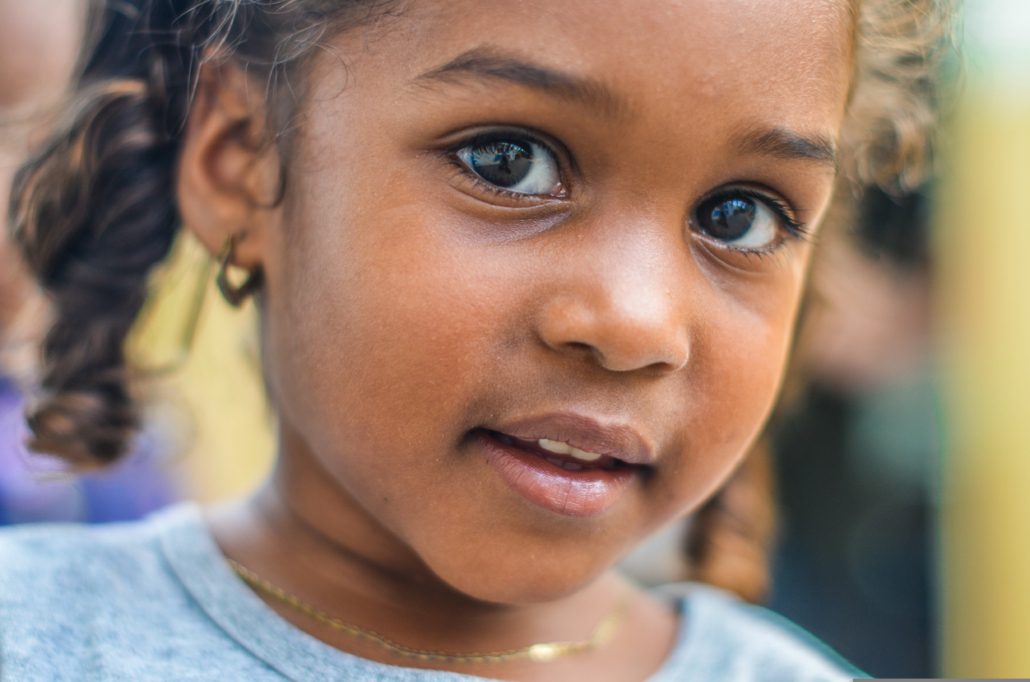
 Child marriage consists of the formal union between two individuals where at least one of the two is under 18 years of age. Even if child marriage is illegal in most countries, it still persists worldwide. The Democratic Republic of Congo (DRC) is one of the countries with the highest prevalence of child marriage in the world. Nowadays, in the DRC, about 2.6 million girls marry before turning 15 and 8 million girls marry by age 18 which represent, respectively, 8% of and 29 % of the women’s population. This is a national average, because child marriage in the DRC is more present in certain regions, namely poorer and rural areas, especially when conflict and displacements impacts them. With 60% of the female population marrying before 18, Tanganyika is the province with the highest child marriage rate, while Kinshasa is the lowest, with an incidence of just above 18%.
The legal minimum age to marry in the DRC is 18 years old, but this does not necessarily mean that the law can be enforced everywhere, especially in areas where customary traditions usually prevail over state legislation. Men can also engage in child marriage, but to a lesser extent than women. Only 6% of men in the DRC marry by the age of 18. Child marriage can bring catastrophic consequences on women’s health, education and employment status, often increasing teenagers’ pregnancy and drastically limiting women’s economic empowerment.
Causes of Child Marriage in the DRC
There are multiple reasons why child marriage still persists in the DRC and ultimately, aspects such as education and economic background of families, as well as influence of local traditions play a role.
The first obvious consideration is the wealth factor: the poorer the girl, the sooner she will marry. In many circumstances when a family cannot provide for their daughter, they will send her away in marriage at the earliest opportunity. This fact is particularly emphasized in areas with high internal displacement rates, usually among the poorest in the country. Another factor to consider is the education status of individuals, the more educated the girls and the more likely they are exposed to informational media, the later they would marry. Even more importantly, child marriage is often a consequence of lack of reproductive rights and knowledge of safe sexual practices.
Often child marriage happens after an unwanted pregnancy, then the girl might be asked to marry the father of the child conceived. In some cases, people can use impromptu arranged marriage to settle a rape: often, the woman is forced to marry the man that raped her. Furthermore, it is important to consider the role of tradition and differences across religions and ethnic groups. In some areas of the country, especially rural areas where customary traditions are stronger, marrying young is more accepted, sometimes even encouraged, compared to more urbanized areas, such as in the capital Kinshasa.
Impacts of Child Marriage in the DRC
Child marriage has different and sometimes dramatic impacts on the life of individuals who engage in it. Marrying younger means higher fertility rates, including teenage pregnancies and all the associated health risks both in mothers and babies. With a ratio of 107 of every 1,000 girls aged 15-19 giving birth. The DRC has one of the highest fertility rates in adolescents in the world, as well as a very high mortality rate for infants, about 45 infant deaths every 1,000 individuals.
Marrying younger introduces another health concern, as it increases the chances of sexually transmitted diseases, including HIV. In addition, after marriage, most girls stop pursuing education. In the DRC, only 50% of girls complete lower secondary school education, versus 61.8% of boys, a 12 percentage point gap, much more significant than the average gap of the Sub-Saharan region, 1.8.
It has also been observed that child marriage can be devastating for girls’ wellbeing. Not only do married girls in the DRC report lower self-esteem, they also are more likely to become victims of domestic violence. This could be physical violence, emotional violence or sexual violence, often perpetrated by their husband. Ultimately, child marriages usually are more likely to end in divorce or early widowhood, compared to marriage of people over 18.
Solutions for Child Marriage in the DRC
There are different solutions to reduce child marriage rates and ultimately eliminate the problem. Since child marriage in the DRC is a consequence of underlying social and economic factors, it is indispensable to address the root causes of the problem, such as poverty, armed conflict and local traditions. The African Union, which comprises 55 countries including the DRC, supports national strategies to create a social grassroot movement that would involve health and social workers as well as community and religious leaders. The aim is addressing and influencing all those cases where tradition and socio-economic background might suggest child marriage.
Girls should have access to education and health services and, more importantly, they should have the opportunity to understand that child marriage is illegal and dangerous. Radio Ondese is a successful example of a project that tries to inform girls of their rights. Radio Ondese is a radio station that David M. Munyaga founded in 2009.
Nowadays, Radio Ondese reaches an estimated 180,000 listeners in the South Kivu region, including listeners from rural areas. This radio tries to focus on raising awareness on the consequences of child marriage. It does so by inviting local experts on girls’ rights, such as lawyers or public administrators, on on-air debates where listeners can contribute by phone call or SMS text. According to Munyaga, it is quite common for girls to call the radio station and ask for further information. Considering that most child marriages in DRC occur in rural areas where cultural norms prevail over state laws, Radio Ondese is for many girls the first time they realize that child marriage is illegal. Furthermore, Radio Ondese organizes training workshops with community leaders and creates “listeners clubs,” discussion groups of women forced into child marriage.
Looking Ahead
Child marriage remains a persistent issue in the Democratic Republic of Congo. Research has shown that it is particularly widespread in rural regions with high poverty rates and greater exposure to armed conflict. In a country where 55% of population lives in rural areas, ending child marriage can be challenging in DRC, but the right set of policies and projects could limit the cases. Considering the catastrophic consequences that child marriage has on girls, it is more important than ever to start implementing effective solutions.
– Alice Girardi
Alice is based in Paris, France and focuses on Global Health for The Borgen Project.
Photo: Pixabay

The Struggle With Higher Education in Guatemala
However, in Guatemala, only 56.6% of 25-year-olds have completed elementary school, and 17.9% have completed upper secondary grades. When it comes to higher education in Guatemala, only 5.1% hold a bachelor’s degree and 0.4% hold a master’s degree. Some of the reasons for these low percentages are as follows.
A Weak Foundation for Higher Education
Legally, education is free and compulsory for children up to the age of 14. However, due to the low number of educators, low quality of education and poor infrastructure, the basic education facilities are not satisfactory. Moreover, within socioeconomically challenged communities, due to family constraints and economic pressure, most children drop out and aim to contribute financially. Overall, a bottleneck exists at the base level, which leads to further declining number of students pursuing a higher education. To increase primary education among the underprivileged children, the government have created targeted scholarship programs and an early warning system, ENTRE, to identify and support students at-risk for dropping out. The long-term benefits of these measures are yet to be seen.
Diminished Access To Higher Education in Guatemala
Currently, Guatemala has only one public university, Universidad de San Carlos (USAC), and 15 private universities, such as Universidad Rafael Landívar, Universidad del Valle de Guatemala and Universidad Francisco Marroquín. For those in socioeconomically disadvantaged communities, real and holistic access to these few universities is limited. These universities are based in Guatemala City or larger towns, leading to restrictions for people all over the country, such as relocation, housing and transportation costs. These often hinder individuals from pursuing higher education. The small concentration of universities also provides fewer opportunities for these individuals. Programs and NGO funded scholarships, like PROGRESA, aim to target academically gifted, disadvantaged students, hoping to offset the access barrier.
Scarce Funding for Disadvantaged Students
Globally, governments allocate around 4.3% of gross domestic product to the education sector. Unfortunately, the Guatemalan government invests only approximately 3.1% of its GDP to education. The scholarships set aside for the socioeconomically disadvantaged community reflect this. Only 0.01% of the overall education spending goes toward scholarships for higher education. Moreover, scholarships are competitive, often targeting individuals with an excellent academic track record. Unfortunately, since the number of students who have completed both primary and secondary levels is quite low, there is a limited number of students who may obtain and benefit from these scholarships.
Language and Cultural Barriers
Indigenous Guatemalans make up 43% of the overall population, of whom 80% live in extreme poverty conditions. These individuals face additional language and cultural barriers. A Spanish-centric and culturally non-inclusive education system leads to poor completion rates among indigenous students both at the basic and higher education levels. These students also face discrimination based on ethnicity, which leads to limited opportunities and unequal treatment and resources. Indigenous communities have created six Mayan universities, designed for their younger generations, but are yet to have their courses certified officially. Foundations, like the BFB Foundation, and programs, aim to support indigenous youth through scholarships and mentorships, so they go on to complete their higher education.
Looking Ahead
These factors are a few among many that have resulted in the poor educational levels in the country. Overall, the higher education system in Guatemala requires further investment, better policies and more refinement, such that the younger generations among socioeconomically challenged communities are empowered to rise above and uplift their communities. Steps are being taken in response, however, only time will tell how effective they are.
– Nishtha Mahendra Kumar
Photo: Unsplash
Child Marriage in the DRC: Causes, Consequences and Solutions
The legal minimum age to marry in the DRC is 18 years old, but this does not necessarily mean that the law can be enforced everywhere, especially in areas where customary traditions usually prevail over state legislation. Men can also engage in child marriage, but to a lesser extent than women. Only 6% of men in the DRC marry by the age of 18. Child marriage can bring catastrophic consequences on women’s health, education and employment status, often increasing teenagers’ pregnancy and drastically limiting women’s economic empowerment.
Causes of Child Marriage in the DRC
There are multiple reasons why child marriage still persists in the DRC and ultimately, aspects such as education and economic background of families, as well as influence of local traditions play a role.
The first obvious consideration is the wealth factor: the poorer the girl, the sooner she will marry. In many circumstances when a family cannot provide for their daughter, they will send her away in marriage at the earliest opportunity. This fact is particularly emphasized in areas with high internal displacement rates, usually among the poorest in the country. Another factor to consider is the education status of individuals, the more educated the girls and the more likely they are exposed to informational media, the later they would marry. Even more importantly, child marriage is often a consequence of lack of reproductive rights and knowledge of safe sexual practices.
Often child marriage happens after an unwanted pregnancy, then the girl might be asked to marry the father of the child conceived. In some cases, people can use impromptu arranged marriage to settle a rape: often, the woman is forced to marry the man that raped her. Furthermore, it is important to consider the role of tradition and differences across religions and ethnic groups. In some areas of the country, especially rural areas where customary traditions are stronger, marrying young is more accepted, sometimes even encouraged, compared to more urbanized areas, such as in the capital Kinshasa.
Impacts of Child Marriage in the DRC
Child marriage has different and sometimes dramatic impacts on the life of individuals who engage in it. Marrying younger means higher fertility rates, including teenage pregnancies and all the associated health risks both in mothers and babies. With a ratio of 107 of every 1,000 girls aged 15-19 giving birth. The DRC has one of the highest fertility rates in adolescents in the world, as well as a very high mortality rate for infants, about 45 infant deaths every 1,000 individuals.
Marrying younger introduces another health concern, as it increases the chances of sexually transmitted diseases, including HIV. In addition, after marriage, most girls stop pursuing education. In the DRC, only 50% of girls complete lower secondary school education, versus 61.8% of boys, a 12 percentage point gap, much more significant than the average gap of the Sub-Saharan region, 1.8.
It has also been observed that child marriage can be devastating for girls’ wellbeing. Not only do married girls in the DRC report lower self-esteem, they also are more likely to become victims of domestic violence. This could be physical violence, emotional violence or sexual violence, often perpetrated by their husband. Ultimately, child marriages usually are more likely to end in divorce or early widowhood, compared to marriage of people over 18.
Solutions for Child Marriage in the DRC
There are different solutions to reduce child marriage rates and ultimately eliminate the problem. Since child marriage in the DRC is a consequence of underlying social and economic factors, it is indispensable to address the root causes of the problem, such as poverty, armed conflict and local traditions. The African Union, which comprises 55 countries including the DRC, supports national strategies to create a social grassroot movement that would involve health and social workers as well as community and religious leaders. The aim is addressing and influencing all those cases where tradition and socio-economic background might suggest child marriage.
Girls should have access to education and health services and, more importantly, they should have the opportunity to understand that child marriage is illegal and dangerous. Radio Ondese is a successful example of a project that tries to inform girls of their rights. Radio Ondese is a radio station that David M. Munyaga founded in 2009.
Nowadays, Radio Ondese reaches an estimated 180,000 listeners in the South Kivu region, including listeners from rural areas. This radio tries to focus on raising awareness on the consequences of child marriage. It does so by inviting local experts on girls’ rights, such as lawyers or public administrators, on on-air debates where listeners can contribute by phone call or SMS text. According to Munyaga, it is quite common for girls to call the radio station and ask for further information. Considering that most child marriages in DRC occur in rural areas where cultural norms prevail over state laws, Radio Ondese is for many girls the first time they realize that child marriage is illegal. Furthermore, Radio Ondese organizes training workshops with community leaders and creates “listeners clubs,” discussion groups of women forced into child marriage.
Looking Ahead
Child marriage remains a persistent issue in the Democratic Republic of Congo. Research has shown that it is particularly widespread in rural regions with high poverty rates and greater exposure to armed conflict. In a country where 55% of population lives in rural areas, ending child marriage can be challenging in DRC, but the right set of policies and projects could limit the cases. Considering the catastrophic consequences that child marriage has on girls, it is more important than ever to start implementing effective solutions.
– Alice Girardi
Photo: Pixabay
Gender Pay Gap in Slovenia
Gender Disparities in Earnings and Why It Matters
Gender disparities in earnings in Slovenia are considered among the lowest in the EU. Women who have a partner earn an average of 84% of their spouses’ earnings, while men who live with their partners earn an average of 27% more than their spouses. The European Institute for Gender Equality has reported that the gender pay gap is most pronounced for young people, foreign born individuals and couples that have children.
A small national average gap can still coexist with serious unfairness if women are overrepresented in low-paid roles or underpaid within the same jobs. Through strong transparency rules, enforcement and cultural change around caregiving and leadership, Slovenia will be crucial for Slovenia to move from a relatively small gap to genuine pay for equal work.
Improvements Over Time
The biggest improvement over time has taken place in the domain of power. Political power has increased, with a share of women on the board of the central bank. Slovenia’s score in the domain of money has also improved, which has improved the gender pay gap in terms of the distribution of earnings and income. Slovenia has recorded the third-highest score of the EU-28 in the sub-domain of economic situation, which deals with the risk of poverty and the distribution of wealth throughout the population.
Why the Gap Persists
The gender pay gap persists in Slovenia both between employers and within the same employers. Women and men ending up in different jobs partly explains the rising job gaps. Slovenia has overtaken its regional peers’ gender pay gaps at 7.2%, alongside a high female labor force and stronger workplace equality measures. These figures are promising, but smaller gaps can sometimes reflect labor market structures where women are over-represented in low-paid sectors, rather than true career advancement or leadership roles. Persistent informal norms and expectations about gender roles keep inequality and the gender pay gap in place.
Consequences for Women in Slovenia
The gender pay gap has real consequences for women and their families. A woman who is consistently earning less than their male colleagues has less money to cover rising costs, save for emergencies or invest in housing. Over time, lower pay, as well as taking breaks for childcare, means women will have a smaller pension, leaving them at a greater risk of experiencing poverty at old age. The average man’s pension in Slovenia is 10% higher than women’s. Women who see their work as undervalued are often less likely to apply for promotions, which reinforces the idea that top positions are ‘for men.’ This cycle shows why even a relatively small national pay gap can cause huge inequalities.
Solutions To Tackle the Gender Pay Gap
Slovenia does not currently have a national mandatory gender pay gap reporting system for employers, but as an EU member, it will need to implement the EU Pay Transparency Directive by June 7, 2026. This will impose gender pay gap reporting and greater pay transparency in future years. These new rules will introduce structured obligations, more visibility for employees, and concrete enforcement measures, and workers will have the right to know the average pay for doing the same or equivalent work. For Slovenia, this is a huge turning point as greater transparency makes hidden gaps visible and allows women, unions and society to demand change, hence why detailed reporting is crucial.
Another initiative that the government introduced to tackle the gender pay gap is by introducing specific guidelines for gender mainstreaming in the work of ministries. This will help ministries in gender mainstreaming in their specific fields of work and specify the roles of Coordinators for Equal Opportunities of Men and Women. The goals of the resolution from 2023-2030 include reducing the gender pay gap in all areas of social life, achieving an equal division of care work between parents, and overcoming stereotypes and sexist and discriminatory practices that deepen gender inequality.
Looking to the Future
There have been huge improvements in the effort to resolve the gender pay gap in Slovenia. However, inequalities still prevail, through governments implementing a national mandatory gender pay gap reporting system as well as guidance for gender mainstreaming, Slovenia will be able to lessen the gender pay gap, ensuring a better quality of living for all people.
– Bonnie Parkinson
Photo: Unsplash
Poverty Reduction in Romania
Minimum Wage in Romania and Most Affected Regions
As an European country since 2007, Romania is doing better than it did decades ago. Yet, the minimum wage of 795 euros per month may lead some to question the extent of its economic growth. This positions Romania at 43rd place among the 124 countries that have the lowest minimum wage, out of the 195 countries in the world.
Rural regions in Romania are the most affected, with rates three times higher than those in urban areas, where children never attend school, or they are forced to drop out of school at an early age so they can work various jobs in agriculture or construction, helping their family to stay afloat. People living in these poor rural regions endure hunger, malnutrition, limited access to health care and often live in homes without running water, sanitation or electricity.
Projects Designed To Reduce Poverty in Romania
Given all of the above, there is hope on the horizon with promising news ahead. After decades of economic struggles, new developments and projects may signal a meaningful shift towards inclusion and opportunity, contributing to poverty reduction in Romania.
As a global development organization, The World Bank Group seeks to lower poverty levels below 3% of the global population by 2030 and Romania is one of the countries that benefits from its generosity. Elisabetta Capannelli, World Bank Country Manager for Romania, declares that the organization goal is “to reduce poverty and boost shared prosperity for the bottom 40 percent of the population.” The World Bank has contributed in Romania over the past two decades addressing policy and institutional constraints on poverty reduction. By promoting social inclusion and economic growth, this approach offers promise that vulnerable communities, especially in rural areas, will see real improvements.
In February 2016, the Government passed a comprehensive anti-poverty package of 47 measures to combat poverty in the country through 2020. Several key measures, including boosting employment and reducing early school leaving rates, are expected to play a crucial role in narrowing the urban-rural poverty gap.
Empowering Citizens
Another hopeful project comes from Real News for Romania’s Media Desert Regions, where “the funding helped the media to reach Romania’s three poorest regions (Moldova Southern Muntenia and Oltenia) to inform and raise awareness about corruption, misuse of public and EU funds.” This project demonstrates that addressing poverty is not just about money or jobs, but also involves informing and empowering citizens to hold authorities accountable. By reaching Romania’s three poorest regions, the project is helping people understand how public and EU funds are being used. The project used social media, guided by experts, to reach more people and set up a weekly newsletter. After doing so, those involved in the project now hope that audiences are more informed, more aware of their rights, and more engaged in improving public services for their communities.
Looking Ahead
Looking ahead, these initiatives and others yet to come, could bring lasting change by helping more families rise above poverty and improve their quality of life, ultimately contributing to poverty reduction in Romania.
Future generations of rural children may have access to education instead of working from a young age, and while challenges remain, both existing and new projects offer hope for poverty reduction.
– Elena Ghimis
Photo: Unsplash
Gender Wage Gap in Panama
Key Aspects of Gender Equality
An important aspect of gender equality is the legal framework that upholds women’s rights. Panama has initiated many laws and regulations surrounding gender equality and protecting women from violence and discrimination. According to a report from the UN Women organization, there are about 88.9% of legal frameworks surrounding gender equality and the protection of women from violence in the country. These frameworks in particular signify the country’s commitment to align with the Sustainable Development Goals (SDGs).
Another critical aspect of gender equality is economic participation. In Panama, there is an increase of women working in labor forces, leadership roles and business and institutions. The World Bank reports that the participation of women in the labor force has steadily increased over the previous years with 54.9% in 2025. In addition, small and medium women owned enterprises significantly contribute to the national economy.
A press release by the Ministry of Labour and Workforce Development of Panama states that as per a UN Women study, the gender wage gap in Panama is about 11.5%.
One of the biggest contributors to poverty is the gender wage gap in Panama. Due to the fact that women earn lower than men, their ability to lift themselves and their loved ones decreases. Higher gender wage gaps usually indicate that women-led households tend to have higher risk of poverty.
According to the Panama Country Gender Scorecard by the World Bank Group, in 2010, a woman in the 25th percentile would earn 75 cents per every dollar a man earned. In 2019, this gap worsened with 59 cents for every dollar.
The World Economic Forum released a 2025 report on Gender Based Gap in which Panama ranks 107th in the world based on wage equality for similar work. In 2025, the estimated earned income difference between a male and a female was $12.04.
Political Representation and Social Challenges
Although women continue to be more involved in the country’s economy, they continue to remain unrepresented in the government. According to UN Women Data, women held 22.5% of parliamentary seats in Panama. Prioritizing women in politics will ensure that more of the population has representation.
Social expectations of women are often that women are expected to commit to domestic responsibilities more than men. As per UN Women Data, women spend almost 18% of their time on household chores and unpaid care whereas men only spend 7.6% of their time. The imbalance prevents women from being encouraged and pursuing education and employment.
Solutions Over the Years
In order to resolve these disparities. Panama has developed connections with international initiatives that work on reducing gender equality. For example, the Equal Pay International Coalition (EPIC) is a global partnership designed to close the gender wage gap. Through EPIC, Panama works with other international organizations and governments to advocate and promote economic opportunities and fair wages for women.
Post-Pandemic women had been facing significant disadvantages and lacked economic opportunities. In order to improve the economy, government representatives, specifically from the labor and employer sector created the National Plan for Equal Pay. This originated through collaboration between different government organizations as well as the support of UN Women and the International Labour Organization (ILO).
To address the gender wage gap in Panama, different ministries such as Labour and Workforce Development, Social Development and Foreign Affairs of the Republic contributed to the UNDP Gender Equality Seal for Private Sector which assists companies with addressing gender pay issues, sexual harassment and leadership opportunities for women.
Looking Ahead
Panama’s solutions to its problems regarding gender wage gaps sound promising, particularly when partnering with other reputable and impactful organizations. The country still has a long path ahead of itself to increase fairness amongst its people, but the desire for change is there and that is what is needed.
– Hasini Muddapu
Photo: Wikimedia Commons
How Maternal Health Programs Reduce Mortality Rates in Benin
These causes highlight the role of maternal health programs in reducing maternal mortality rates in Benin by offering assistance, care and education. These services improve survival rates, reduce long-term health complications and strengthen families and communities. Several international organizations are actively working to reduce maternal mortality rates in Benin.
Médecins Sans Frontières
Médecins Sans Frontières (MSF), also known as Doctors Without Borders, partners with the Benin Ministry of Health (MOH) to support activities in villages that promote pregnancy education and awareness, consultations and access to contraceptives. MSF has also assisted several health centers by supporting staff recruitment, improving working conditions and supplying essential medical equipment and medicines.
In addition, MSF has supported more than 9,920 people with safe deliveries, assisted 3,253 people with family counseling and conducted more than 22,211 prenatal consultations. These efforts directly reduce preventable maternal deaths by ensuring that women have access to skilled medical professionals, safe delivery environments and essential reproductive health services. By expanding access to skilled care, MSF plays a key role in reducing maternal mortality rates in Benin.
UNFPA
Another organization working to improve maternal health in Benin is the United Nations Population Fund (UNFPA). UNFPA is an international reproductive health agency of the U.N. that operates in more than 150 countries. Its mission is “to deliver a world where every pregnancy is wanted, every childbirth is safe and every young person’s potential is fulfilled.”
UNFPA also addresses the “three delays” in maternal health: deciding to seek care, reaching a health facility and receiving adequate treatment. During its previous program cycle in Benin, UNFPA reached more than 985,944 new modern contraceptive users, prevented more than 290,296 unintended pregnancies and educated more than 809,820 adolescents and youth about reproductive health. By addressing both medical barriers and social obstacles, such as education and access to contraception, UNFPA helps prevent high-risk pregnancies and long-term complications, lowering maternal mortality rates in Benin.
Benin Mamas
Benin Mamas is a local nonprofit organization supporting maternal health through programs such as the Safe Motherhood Initiative, Mental Health and Postpartum Support, Smart Starts: Saying No to Teen Pregnancies and Mamas Speak Up. Through empowerment programs, educational workshops and targeted interventions, Benin Mamas expands access to maternal health care across rural and underserved communities.
Final Remarks
Together, these three initiatives demonstrate how maternal health programs support underserved and rural communities by filling gaps in government services and expanding access to essential care. By strengthening reproductive health services and promoting education, MSF, UNFPA and Benin Mamas help reduce maternal mortality rates in Benin and build a more sustainable future for families.
– Bianca P. Gunawan
Photo: Flickr
From Rally to Reform: Gen Z Fights Poverty in Madagascar
Poverty in Madagascar
Madagascar faces deeply rooted economic pressures that have left much of its population struggling to survive. With an average annual income of just $600, the Malagasy are among the world’s most impoverished people. The Council on Foreign Relations (CFR) notes that, with “front-row seats to the lifestyles of elites,” the inequalities burdening the Malagasy have become increasingly visible.
Chronic underdevelopment has left basic services unreliable; water shortages, power cuts and limited sanitation affect millions daily. Rapid urbanization has further worsened living conditions, as 60% of urban residents live in informal settlements that lack essential services, including water and sanitation. The expansion of Madagascar’s urban centers has occurred alongside limited investment in education, health care and social infrastructure.
As a result, weak human capital continues to limit opportunities to escape poverty in Madagascar. High tariffs imposed by the United States throughout 2025 have also affected major Malagasy exports, including vanilla. Coupled with the expiration of beneficial trade agreements between the two regions, these measures have heightened the economic turmoil already affecting tens of millions of people.
Gen Z Protests
Madagascar’s Gen Z community spearheaded nationwide protests over severe water and power shortages in September 2025. Protesters demanded greater job opportunities, humanitarian aid and accountability from elected officials, expressing frustration over what they see as neglected responsibilities and broken promises. CFR reports that the demonstrations quickly expanded to include broader demands for governmental reform.
Inspired by similar youth movements in Kenya and Nepal, the demonstrations were among the largest the Indian Ocean region has experienced in years. Disillusionment among Gen Z with autocratic rule, government inaction and visible inequalities continues to fuel worldwide concern about their futures—and, in turn, large-scale activism. Protesters from similar movements around the world offer one another support, energy and motivation, strengthening the push for a stronger youth generation.
The Corruption Perceptions Index ranks Madagascar 140th out of 180 countries for perceived corruption. Malagasy activist Shely Andriamihaja argues, “The youth are the first victims of corruption, especially in universities where the infrastructure is so bad.” The impact of corrupt, decentralized governance on Gen Z remains a key driver of growing global youth activism.
What the Future Holds
In response to the widespread protests, Malagasy President Andry Rajoelina fled the country and dissolved his government—a result similar to those achieved by other Gen Z–led movements. The president apologized to the protesters, acknowledging that his officials had failed to fulfill their responsibilities to their constituents.
While the protests reached some of their goals, there is still work to be done. CFR expects activists to seek a more concrete plan to alleviate poverty in Madagascar, which continues to burden the country’s youth.
– Jayhan Adhi
Photo: Unsplash
Women-Led Government Drives Gender Equality in Namibia
The U.N., the World Economic Forum and the World Bank widely recognize that when women hold political power, they often prioritize reforms that strengthen economies and make governments more responsive to citizens’ needs. As the U.N. notes, “Women’s equal participation and leadership in political and public life are essential to achieving the Sustainable Development Goals by 2030.”
In the wake of International Women’s Day 2026, The Borgen Project is highlighting Namibia’s women-led government and the recent reforms that demonstrate how this leadership can drive tangible social and economic progress.
Female Political Leadership in Namibia
The key factor distinguishing Namibia’s progress toward gender equality from that of other nations is the strong representation of women across its government, which has enabled significant social, economic and civic reforms. Currently, Namibia’s president, vice president, speaker of the National Assembly and eight of its 14 cabinet ministers are women. According to the U.N. Women and Inter-Parliamentary Union ranking, Namibia ranks first in the world for women’s representation in government leadership.
This level of representation has also led to greater policy and fiscal prioritization of social reform and education, contributing to poverty reduction in the country.
Gender Equality in Namibia: Driving Policy Reform
Several reforms in Namibia have both contributed to and benefited from women’s presence in political leadership. The National Gender Policy, renewed for another decade in 2025 by the Ministry of Gender Equality, Poverty Eradication and Social Welfare, strengthens gender equality by providing a framework to address the intersections of poverty, social attitudes and gender-based violence.
Since 1998, Namibia’s employment law has been shaped by the Affirmative Action Act, which promotes fair hiring practices, expands employment opportunities for women and protects against pay disparities. These measures help normalize a gender-equal workforce in which women are hired, paid and treated equally in the workplace.
Namibia is often referred to as the birthplace of the U.N.’s Women, Peace and Security agenda, which was adopted as a resolution in 2000. The country presided over its adoption 26 years ago and now has one of the world’s most gender-balanced cabinets.
Expanding Economic Opportunities for Namibian Women
The Ministry of Gender Equality’s Beijing+30 Country Report highlights Namibia’s recent progress in advancing gender equality. In economic development, the government has focused on equal pay, ending workplace harassment and improving women’s access to financial infrastructure and services. Supported by U.N. Women and the World Bank, Namibia’s Affirmative Action Act has increased women’s participation in executive, management and public service roles.
As a result, women now represent a larger share of employed professionals than men, reflecting the impact of broader equality policies in the country. In 2014, the Namibian government adopted Gender-Responsive Budgeting Guidelines to direct public funds toward gender equality and equitable socioeconomic development for women, men and children. In practice, this has meant allocating millions of Namibian dollars to community development centers, education, agricultural infrastructure and income grants, all identified for their roles in improving the livelihoods of women and children.
However, in 2025, less than 2% of the national budget was allocated through gender-responsive budgeting. Namibia’s speaker of the National Assembly has argued that for the policy to have a lasting impact, it must be implemented consistently rather than only when the need arises, noting that “sporadic success isn’t systemic transformation.”
Education and Social Development
Primary education has been free in Namibia since 2013 and secondary education since 2016. Enrollment now stands at about 90% and the country has achieved near gender parity, with similar numbers of boys and girls attending school. In the classroom, students have access to programs that support girls’ pathways into STEM and leadership, alongside curriculum campaigns promoting girls’ rights and gender equality in Namibia.
These initiatives aim to expand educational and professional opportunities for young women, particularly in fields where they have been historically underrepresented. Research from the World Bank shows that universal education for girls is closely linked to higher future earnings, improved health outcomes and long-term poverty reduction.
What Namibia’s Progress Means Globally
The trickle-down effect of women holding political power has undoubtedly improved gender equality in Namibia. These figures have directly influenced the creation and development of gender-focused policies that target social and economic reforms nationwide. The reforms reach workplaces and classrooms, giving women and girls the knowledge, tools and institutional support to contribute to the country’s sustainable development for generations to follow.
Namibia’s experience demonstrates that sustained political commitment to gender equality can lead to measurable social and economic gains. This commitment, which itself becomes both a cause and effect of representative leadership, can move the country and the African continent closer to achieving the Sustainable Development Goals by 2030, with women leading the charge.
– Hannah Michie
Photo: Flickr
Improving Public Health Via Clean Water in Benin
Many of these deaths are preventable with improved hygiene, sanitation and access to clean water. Access to clean water plays an important role in improving health in Benin, as it can foster economic opportunities and growth. Partnerships between the Beninese government and international organizations are working to help address this issue.
Join For Water
Join For Water is a nonprofit organization based in Belgium that has focused on reforestation and agroforestry since 1977 by planting trees and shrubs in rural areas. According to the organization, this approach improves water management and prevents sedimentation. It operates in eight countries, including Benin.
Join For Water also supports clean water access through environmental management, food production, drinking water and sanitation, as well as responsible consumption. In 2024, the organization expanded drinking water access to more than 16,485 households, improved access to latrines for more than 1,310 people and supported more than 6,949 farmer harvests. This demonstrates that environmental protection through reforestation and agroforestry can improve water management, leading to cleaner water, better hygiene and improved public health.
Institute of Cultural Affairs–Benin
With more than 35 member countries, the Institute of Cultural Affairs–Benin is part of a global network of nonprofits focused on advancing human development. It is affiliated with the Institute of Cultural Affairs International (ICA). Its mission is to support sustainable human development while fostering lasting change within communities and organizations. As a community, ICA partners with End Water Poverty to improve access to clean water and sanitation.
End Water Poverty is an initiative in Benin that campaigns, advocates and mobilizes the government to protect, respect and fulfill people’s right to water and sanitation. Through its “Claim Your Water Rights” campaign, the coalition funds grassroots organizations and community-led advocacy efforts that push governments to uphold the human right to water and sanitation. This indicates that water access requires both environmental protection and policy advocacy.
Together, these clean water initiatives in Benin ensure access to clean water and sanitation for rural and underserved communities across the country.
Final Thoughts
Many communities in Benin still face challenges accessing safe water and sanitation. However, nonprofit initiatives such as Join For Water, ICA and End Water Poverty address these issues through environmental restoration, advocacy and community campaigns. With continued support, these initiatives can improve public health, strengthen sanitation systems, expand economic opportunities and improve living conditions.
– Bianca P. Gunawan
Photo: Flickr
Angola’s National Development Plan
Thankfully, Angola would be able to overcome its many hurdles because its land is a natural hotspot for vital resources, including gems, metals, petroleum and, most importantly, oil. Ranked among the highest oil producers in Africa, Angola has quickly become reliant on oil as a means of survival. While crucial at the time for residents to thrive in harsh conditions, this has eventually led to the depletion of the resource and, if not monitored, will decline to the point where no one can use it.
Structural Reforms in Angola
As of 2026, Angolan leaders are implementing measures that, if successful, will diversify the country’s economy and reduce Angola’s overreliance on oil, which accounts for more than 95% of its exports. These structural reforms also serve to improve upper management and create more jobs for citizens in Angola who are struggling to find work. The idea of reform in Angola also faces challenges related to debt burdens, owing money to countries such as its largest oil importer, China, which makes it difficult to earn and maintain a sustainable income.
Angola’s national debt has also increased sharply due to its heavy reliance on oil, as fluctuations in oil prices shape the country’s economic performance. In general, oil is a finite, nonrenewable resource. If overexploited, it can lead to the depletion of resources such as heat, fuel and electricity, all of which are valuable and can actively harm or put Angolan residents at risk.
The National Development Plan
Angola’s National Development Plan is currently being implemented. Enacted in 2023, this plan, once fully implemented, aims to expand the economy by more than 3.5% and urges workers to spend less time extracting oil and more time in other sectors, including agriculture, fisheries and health services. At the core of this strategy are reforms to enhance the business environment, support small and medium-sized enterprises and invest in infrastructure.
These efforts also include the progressive privatization of state-owned enterprises in collaboration with international partners, such as the World Bank. The intended end goal of Angola’s National Development Plan is to achieve significant positive results by 2027.
Lobito Corridor Transport Initiative
The Lobito Corridor transport initiative is another economic reform intended to help diversify Angola’s economy. The Lobito Corridor is a 1,300-kilometer major economic railway that runs through various ports in Angola and neighboring countries, Zambia and the Democratic Republic of the Congo. This railway not only connects the three bordering countries but also facilitates the easier transportation of the land’s valuable natural resources.
The corridor can unlock the country’s economic potential, increase export opportunities and promote regional integration.
Final Remarks
Despite Angola’s occasional economic conflicts stemming from its overexploitation of oil and other nonrenewable resources, the country’s leaders have successfully addressed instances of resource depletion. Solutions such as the National Development Plan and the Lobito Corridor are being implemented, offering the possibility of positive change in the future. However, long-term improvement cannot be achieved overnight.
– Will Mancuso
Photo: Pexels