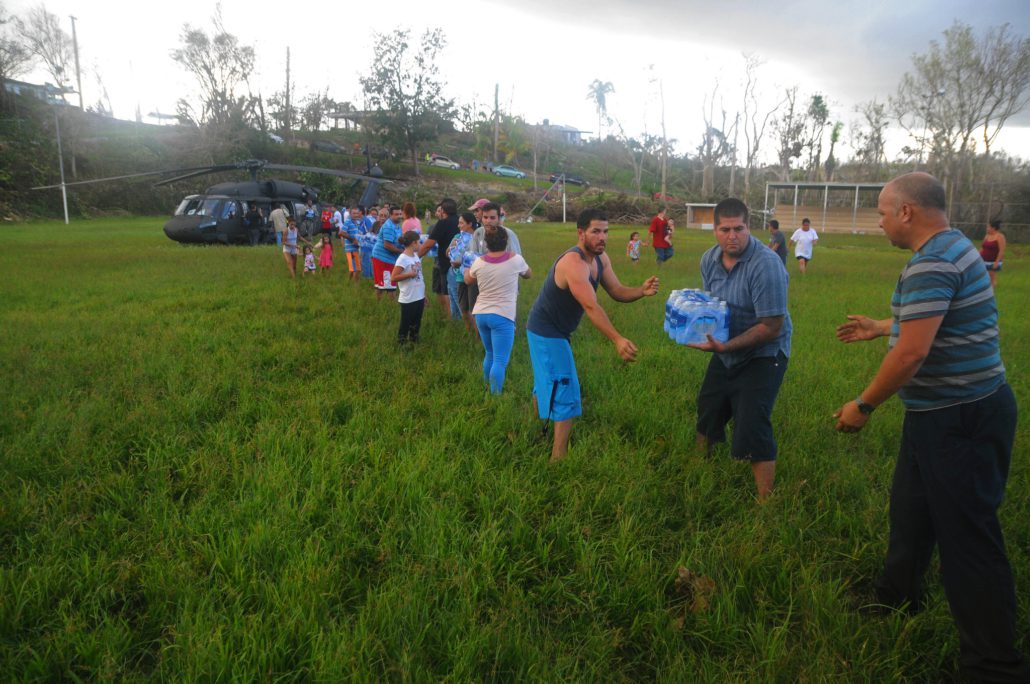
 Outward migration long defined Puerto Rico, as hundreds of thousands of residents left the island over the past two decades. Between 2010 and 2020, Puerto Rico’s population declined by 11.8%, falling from about 3.7 million to 3.3 million residents. Following Hurricane Maria, migration accelerated, with approximately 97,000 people leaving the island in 2017 alone. These sustained outflows reduced the labor force and contributed to long-term economic challenges, including workforce shortages and declining tax revenue.
In recent years, migration to Puerto Rico has begun to shift, although outmigration still exceeds inflows. In 2024, about 25,000 people moved to Puerto Rico from the mainland United States, while approximately 38,000 residents left, showing a continued but narrowing population loss. Return migration has increased as Puerto Ricans relocate from states such as Florida and New York, while migrants from across Latin America and the Caribbean also arrive seeking economic stability. These changing migration patterns now play a growing role in shaping labor markets, housing demand and public services.
Who Is Migrating to Puerto Rico?
Many groups contribute to migration to Puerto Rico, each with distinct economic impacts. Puerto Ricans returning from the mainland often bring savings, remote income or professional experience. Migrants from the Dominican Republic and Venezuela frequently seek employment in construction, tourism and domestic labor, where wages tend to be lower and job security limited. According to the Migration Policy Institute, these sectors rely heavily on migrant labor to meet workforce demand, particularly during post-disaster reconstruction and tourism expansion.
Mainland U.S. investors and remote workers have also increased migration to Puerto Rico under Act 60. These individuals often relocate to high-demand areas, contributing to rising property values and increased housing demand. While this investment supports economic growth, it can also increase housing costs for local residents, particularly in coastal and urban regions.
Migration to Puerto Rico and Poverty
Migration to Puerto Rico has helped address labor shortages, but poverty remains widespread. According to the World Bank, Puerto Rico’s income inequality remains high, with a Gini index above 0.54, one of the highest among U.S. jurisdictions. Many workers in tourism, construction and service industries earn wages that do not keep pace with the cost of living, increasing financial vulnerability even among employed individuals.
Housing demand has increased alongside migration, placing pressure on affordability. Research from Harvard DRCLAS identifies rising property values and short-term rental growth as key drivers of displacement in communities such as San Juan. Reports from Foundation for Puerto Rico also show that tourism development has increased demand for housing, particularly in coastal areas, making it more difficult for low-income residents to secure stable housing.
Language barriers, limited documentation and restricted access to services further affect migrants. These challenges limit access to health care, education and stable employment, increasing the likelihood of long-term economic hardship.
Economic Growth, Tourism and Inequality
Puerto Rico’s economy has expanded over time, but growth remains uneven. According to the World Bank, GDP growth data shows consistent long-term expansion in economic output, measured in constant 2015 U.S. dollars. Migration supports industries such as construction, tourism and services, which contribute to job creation and economic activity. However, GDP growth does not account for income distribution or cost-of-living differences.
Tourism plays a major role in employment. In 2024, visitors spent approximately $7.1 billion in Puerto Rico, supporting more than 115,000 jobs in hotels, restaurants and leisure services. Economic forecasts from the Puerto Rico Oversight Board indicate that while tourism remains strong, overall economic growth has slowed, with projections showing flat or modest growth in the near term. The labor market remains stable, but part-time employment has increased and younger workers face higher unemployment rates.
Despite this activity, inequality persists. Inflation in essential goods continues to outpace wage growth, and federal disaster recovery funding—while significant—has faced delays in distribution. These conditions limit the extent to which economic growth improves living standards for low-income households.
Organizations Supporting Migrants and Low-Income Families
The Hispanic Federation has operated in Puerto Rico since 2017, investing more than $54 million in recovery and resiliency efforts. The organization has supported more than 250 solar energy installations across schools and community centers and provided disaster assistance following multiple hurricanes. Its programs focus on housing, energy access and community development, directly benefiting migrants and low-income families.
The Community Foundation of Puerto Rico supports economic development through grants, small business funding and workforce programs. The foundation invests in community-based initiatives that help residents—including migrants—access employment, develop businesses and improve long-term financial stability.
Catholic Extension leads a large-scale rebuilding effort that includes restoring more than 600 churches, schools and community facilities across Puerto Rico. These projects create jobs, strengthen infrastructure and support long-term community recovery in areas experiencing natural disasters.
Following Hurricane Fiona, the FEMA provided approximately $574 million in assistance to more than 712,000 households. Disaster recovery centers and outreach programs helped residents access housing support, legal aid and rebuilding resources.
Caritas Puerto Rico serves approximately 75,000 people annually across 60 municipalities, providing food distribution, disaster relief, counseling and community support services. Its programs support migrants and vulnerable populations by addressing both immediate needs and long-term development.
Conclusion
Migration to Puerto Rico continues to reshape the island’s economic and social landscape. Migration supports labor markets and economic activity, particularly in tourism, construction and service industries. However, rising housing costs, persistent income inequality and limited access to services continue to affect both migrants and long-term residents.
Targeted policies that expand affordable housing, improve workforce development and strengthen social services can help ensure that migration to Puerto Rico supports economic stability rather than deepening inequality.
– Kianna Hines
Kianna is based in Brooklyn, NY, USA and focuses on Global Health for The Borgen Project.
Photo: Flickr

Education and Indian Tribal Communities Fight Against Poverty
Moreover, their remote geographical locations further distance them from access to governmental aid. Over the years, different provisions and strategies were attempted, among which the chief focal point was improving literacy rates. Officials and some of the Indigenous groups view education as a potent long-term solution to alleviate the lives of the poor in this region.
Indian Tribal Communities and Poverty
Poverty ranks among the top socio-economic problems that the Scheduled Tribes in India encounter. A 2011 national census states that 45.3% of tribal communities in rural areas live below the poverty line, while their urban counterparts record 24.1% below the poverty line. Several social studies conducted in the last few decades also identify similar problems, along with a lack of resources, clean drinking water, sanitation and access to health care.
In historic times, records suggest that tribal communities flourished in a lifestyle centered around hunting, agriculture and barter trade systems. However, due to invasions and encroachment over centuries, many lost land and migrated to hilly regions.
The groups’ current landscape lacks resources that can nurture their survival, let alone provide a stable means of livelihood. Additionally, even those Indigenous groups that attempt to assimilate with the wider nation encounter unemployment challenges due to the existing literacy gap.
Education and Indian Tribal Communities
Indian tribal groups have a two-pronged approach toward mainstream education. One aspect views education as a means of economic and social empowerment. On the other hand, concerns about preserving cultural identity lead specific groups to show hostility toward central education.
Presently, in 2026, numerous scholars, including many from tribal origins, work toward building a more optimistic perspective. They identify issues and strategies that could help education become more culturally sensitive and accommodating of the inherent differences between tribal groups.
One particular social research study delves into several challenges in tribal communities’ education. Firstly, the lack of proper school infrastructure and accessibility poses a significant impediment. Second, economic and livelihood demands often include children as an integral part of procuring food or income.
In such cases, tribal families tend to view sending children to school as a luxury they cannot afford, despite education being free. Thus, many experts highlight the need to include Indigenous group members in the decision-making process regarding education for children in these communities.
Education’s Role in the Fight Against Poverty
While earlier sections discussed the poverty existing among tribal and Indigenous groups in India, many proposed solutions point toward education. Studies over the past century emphasize the role education can play in poverty reduction.
Nobel laureate economist James Heckman stated that early education can help break the cycle of poverty across multiple generations. A 2017 report from the United Nations Educational, Scientific and Cultural Organization (UNESCO) says that nearly 420 million people could escape poverty if they complete secondary education.
Through education, tribal communities, specifically those residing in urban areas, stand a higher chance of employment. Subsequently, this leads to improved access to basic needs such as food, health care and economic opportunity.
Moreover, education can help empower multiple aspects of Indigenous communities. For children, it opens opportunities beyond the villages and cities of their upbringing. Adult tribal men can benefit from technology and other advancements that education provides for farming, animal rearing and other means of livelihood.
Women, through education, may benefit significantly. Apart from financial independence, Adivasi women can face gender-based risks such as domestic abuse, child marriage and human trafficking. Literacy and education can help women better protect themselves from such risks and improve their economic opportunities.
Looking Ahead
Education has the potential to transform the lives of Indian tribal communities. As discussed, policymakers and nongovernmental organizations (NGOs) continue to address many factors contributing to poverty among tribal groups through education initiatives. However, experts note that strategies require culturally responsive and community-centered approaches to education. Such approaches may improve the likelihood of reducing poverty within these communities.
– Shafika Fathima
Photo: Flickr
Extreme Heat is Trapping Workers in Poverty in West Africa
Heat Stress and Lost Working Hours
Extreme heat significantly reduces the number of hours people can safely work outdoors. According to the International Labour Organization (ILO), heat stress is expected to reduce total global working hours by 2.2% by 2030, which is equivalent to about 80 million full-time jobs. The report also estimates that Africa will lose about 4.7% of its total working hours, making it one of the regions most affected by rising temperatures.
In many parts of West Africa, daytime temperatures regularly exceed 35°C (95°F). For workers performing physically demanding tasks under direct sunlight, these conditions can cause dehydration, heat exhaustion and even heatstroke. Because of this, many laborers stop working during the hottest hours of the day, reducing productivity and daily income.
Farmers Facing Declining Productivity
Agriculture remains the backbone of employment in many West African countries. In Nigeria, for example, agriculture employs about 35% of the country’s workforce and supports millions of rural households. Similarly, in Ghana, the sector employs more than 30% of the labor force, according to the Food and Agriculture Organization (FAO).
Rising temperatures are making farm work increasingly difficult. Farmers often begin working very early in the morning to avoid extreme midday heat. However, shorter working hours reduce productivity. In addition, higher temperatures increase drought conditions and reduce soil moisture, which can damage crops and reduce harvests. Lower yields directly affect farmers’ incomes and increase the risk of poverty for rural communities.
Urban Workers Under Pressure
Extreme heat is also affecting workers in urban areas. Construction workers, delivery drivers, street vendors and market traders spend long hours outdoors across many West African cities. Many of these workers operate within the informal economy, which accounts for about 85% of employment in Africa, according to the International Labour Organization (ILO).
Without formal labor protections such as regulated working hours or health insurance, these workers often face difficult choices between protecting their health and earning enough money to survive. When temperatures become dangerously high, workers may slow down or stop working completely, resulting in lost daily income.
Extreme heat creates serious health risks for workers. Heat exposure can lead to dehydration, fatigue and reduced concentration, which increases the risk of workplace accidents. Long-term exposure to high temperatures can also contribute to chronic health problems.
The World Health Organization (WHO) reports that between 2000 and 2019, heat-related deaths among people over 65 increased by about 70% globally. As heat waves intensify, outdoor workers in vulnerable regions such as West Africa face growing health and economic risks.
Solutions to Protect Workers
Reducing the impact of extreme heat on workers requires stronger policies and practical solutions. Governments can introduce measures such as adjusting working hours to cooler parts of the day, providing shaded rest areas and ensuring access to safe drinking water. Public awareness campaigns can also help workers recognize the early signs of heat stress and take preventive action.
In agriculture, climate-resilient farming methods and improved irrigation systems can help farmers adapt to rising temperatures. Expanding access to climate information and early warning systems will also allow communities to prepare for extreme heat conditions and reduce economic losses.
Preventing Poverty in West Africa
Extreme heat is becoming an increasingly serious challenge for workers across West Africa. As temperatures continue to rise, outdoor laborers face growing health and economic risks. Efforts to improve working conditions and expand climate adaptation strategies may help reduce these risks and poverty in West Africa.
– Segun Oyekale
Photo: Unsplash
Climate and Poverty: The Role of Global Charities
Background
The poorest communities, often living in the most exposed and fragile conditions, suffer the worst effects of severe storms, droughts and other natural disasters. To cope with the risks of more frequent extreme weather, significant investment is necessary to strengthen communities and businesses. Climate finance from developed countries to developing countries remains crucial to help vulnerable populations adapt while supporting long-term poverty reductions
Climate actions also present economic opportunities. Green jobs, roles that reduce the environmental impact of economic activity, are essential to building a more sustainable economy. According to the International Monetary Fund (IMF), increasing productivity and sustainability in climate-critical sectors could lift 100 million small-scale farmers out of poverty.
This is why climate charities and poverty reduction strategies are becoming inseparable in global development policies.
International Fund for Agricultural Development (IFAD)
Farmers are not just food producers; they are the backbone of rural economies and global food systems, yet unpredictable weather conditions disrupt their livelihoods. The International Fund for Agricultural Development (IFAD) supports small-scale farmers in adapting to the impacts of extreme environmental conditions. It funds infrastructure that can withstand extreme weather, including flood defenses and cyclone early-warning systems and helps redesign government policies to better respond to environmental risks in the future.
In 2024, IFAD invested more than $750 million in climate finance projects. Overall, it has supported 6 million farmers and helped avoid 112 million tonnes of greenhouse gas emissions. Its work shows how strengthening rural resilience can simultaneously protect ecosystems, increase food security and reduce poverty.
Practical Action
Practical Action is a charity that focuses on helping communities tackle poverty and environmental degradation, working directly with those most affected. Its approach centers on creating green and inclusive economies that strengthen resilience while unlocking economic opportunity. The organization supports small businesses that help adapt to increasing environmental shocks and unpredictable weather conditions, as they allow people to earn a decent living. It trains farmers to grow and sell products in ways that protect nature and increase income. It also expands access to clean and affordable energy to power homes and local businesses. By making clean energy affordable and food production climate-smart, they help farmers, entrepreneurs and workers grow and diversify their income while protecting nature.
Practical Action also helps communities prepare and recover from natural disasters. The charity supports communities in building their own future with solutions that foster resilience, create jobs and lasting prosperity. As a result of their work, crops survive extreme weather, ensuring food security and small businesses grow, creating job opportunities.
Over the past five years, 6 million people have experienced improvements in their lives through the organization’s projects, and it aims to reach 10 million people by 2030.
SolarAid
SolarAid is an international charity providing solar lamps to some of the most rural and hard-to-reach communities in sub-Saharan Africa, tackling both poverty and the environmental changes.
In many of these areas, households rely on kerosene lamps and paraffin candles, which emit toxic fumes and contribute to carbon emissions. Solar power offers a cleaner and safer alternative, an immediate benefit for both people and the planet. To date, SolarAid has distributed 2.5 million solar lights.
Its mission is to light up every school, clinic and home in Africa. The aim is to enable farmers to work after sunset, children to study in the evening and midwives to deliver babies safely at night
Trees for the Future
Trees for the Future is an organization that focuses on large-scale land restoration in developing communities, tackling hunger, poverty and environmental degradation. With landscapes and ecosystems are deteriorating worldwide, many farming families are trapped in cycles of hunger and poverty. Africa alone is home to 33 million farmers who produce 80% of the continent’s food, often on degraded land worsened by environmental shocks. Trees for the Future’s Forest Garden Approach restores soil health by planting diverse mixes of trees and crops, ensuring year-round food and income
The program can end poverty as its approach ensures opportunities otherwise inaccessible to rural families. By embracing sustainable land practices, farmers are breaking the cycles of land degradation and poverty and rebuilding our food systems.
UNDP’s Green Growth and Jobs Accelerator
The United Nations Development Program (UNDP)’s Green Growth and Jobs Accelerator (GGJAP) helps established entrepreneurs and small and medium-sized enterprises (SMEs) adopt greener business practices, expand green job opportunities, and contribute to a more sustainable and inclusive economy. SMEs form the backbone of many economies and are key to tackling environmental risks, unemployment and poverty. Across the Arab States region, GGJAP aims to support 800 SMEs, creating 4,000 green jobs.
Climate Action and Poverty Reduction
There are now more jobs in clean energy than in fossil fuels, as investments in clean energy technologies drive global demand for new workers worldwide. Every dollar invested in renewable energy creates roughly three times more jobs than in the fossil fuel industry.
Measures to reduce emissions and adapt to environmental instability can promote sustainable, resilient and inclusive development, particularly in developing countries, offering new avenues out of poverty.
The two biggest challenges of the 21st century, poverty and growing environmental disruption, can be addressed together. Technologies and practices that tackle environmental shocks also improve people’s livelihoods, health, food security, education, gender equality and more.
– Jeanne Pellet
Photo: Flickr
Vietnam and Cambodia: Mekong Plus Poverty Reduction
Because of these compounding pressures, it is vital to examine the Mekong Plus approach to poverty reduction in Vietnam and Cambodia. Their model stands apart from traditional charities by prioritizing sustainable, independent community development over temporary aid.
The Mission
In 1994, Bernard Kervyn saw the urgent needs of citizens and farmers in the rural regions of Vietnam. Kervyn called for his friends, all of whom had worked previously in the French NGO ‘Frères des Hommes’ and together they formed Mekong Plus that same year. The NGO began in the tiny commune of Tiên Thành.
Mekong Plus’ mission foremost is to “eliminate poverty.” The staff of the NGO also realized that pouring internationally raised funding into these communities would only make these struggling rural citizens reliant on those distant nations. Thus, it set out to use all funding to build sustainable grassroots-level improvements within rural communities. In order to do this, the organization broke down its core mission into three clear areas: Education, Sustainability and Microcredits.
Mekong Plus Poverty Reduction
Mekong Plus considers education a core mission goal, as according to the NGO, it is the “fundamental basis for sustainable development.” To provide as much as can be, the organization split up this goal into many different sections, such as providing safe hygiene for students or making schools more accessible to children in difficult or outlying areas. They provide schools with equipment like computers, allowing children access to greater learning tools, as well as a means to interact with the larger world. To cater to the needs of students, the organization creates inclusive curricula read to target the students’ varying needs. Mekong Plus’ curricula also offer training in sectors important to the community, such as agricultural schemes, which the organization used to increase food yields by 100% in regions used to famine.
Sustainability
Sustainability is another of Mekong Plus’ core focuses, helping to create cheaper and healthier long-term living strategies. While some of Mekong Plus’ work focuses on hygiene, the NGO has equipped more than 13,000 houses with sanitation facilities. Beyond this, the organization also helps rural communities with upcycling and plastic collection efforts, where the NGO turns old recycling into classroom equipment and furniture. This even covers houses, and last year Mekong Plus built 10 houses entirely out of recycled materials. In recognition of its work promoting sustainable and healthy living, Mekong Plus received the 2021 Energy Globe Award.
Microcredits form one of the organization’s most important initiatives in rural areas. The NGO’s Microcredit scheme provides a system where citizens can take loans as small as 50 euros, providing a lifeline to businesses and families. As of this date, the organization supports 7,500 houses through the NGO’s microcredit system, in the worst-hit regions of famine and drought. The NGO has also managed to raise 35,000 people out of extreme poverty, with an impressive non-repayment rate of 1% by those taking the loans.
The Future
The success of Mekong Plus poverty reduction is important because the NGO provides a model that is not simply a charity; it is a development partner. Its cooperation with communities provides essential, everyday benefits that have lifted thousands in regions on the cusp of ecological disaster. Its model also provides a multi-dimensional means to tackle the issue of extreme poverty, showing that, just like any other crisis, fighting poverty is possible.
– Eli Thomson
Photo: Flickr
Canadian Francophonie Scholarship Trains Global Educators
This allowed her to modernize the content of her courses and to be a better mentor to her students and colleagues. “This internship period was like a sabbatical year, a time when an academic can devote themselves entirely to research,” she said.
Background
Global Affairs funded the Canadian Francophonie Scholarship program between 2020 and 2024 in partnership with the International Organization of La Francophonie to provide educators in developing francophone countries with vocational training in Canadian masters or doctoral programs allowing educators to transfer that training to their colleagues back home, and to expand opportunities for students (especially women).
In a statement published on the Global Affairs Canada website in 2025, former Foreign Affairs Minister Melanie Joly emphasized the importance of collaborating with and supporting developing francophone countries. “Much more than a shared language, French represents the values of peace, democracy and solidarity embodied by the Organization of La Francophonie’s member states and governments across 5 continents. This solidarity is more important than ever if we are to find solutions to the economic, social, climate and security challenges we face,” she said.
Statistics show 756 scholarship recipients trained in Canada, including 327 women, and 574 completed their programs, among them 235 women.
Examples
Kanchana Thilakoun received a grant from the Canadian Francophonie Scholarship program to come to Canada to study women’s empowerment at Université Laval in Quebec. Her research in women’s empowerment and nutritional programs is helping her design and evaluate nutrition and maternal health programs in rural Laos using science-based evidence.
This is exactly what the designers of The Canadian Francophonie Scholarship Program intended, for students to bring their acquired knowledge back to their home countries. Students have brought modern teaching methods, expanded research collaborations with Canadian universities, established new graduate programs and research and trained hundreds of students and educators in their home countries.
Canadian Francophone universities recognize the Canadian Francophonie Scholarship Program as being mutually beneficial. The students gain new experience and knowledge they can take back to their home countries, and the universities benefit from the strong capacity and leadership the students bring. As Basel Alashi, Vice President of International Partnerships at The Canadian Bureau for International Education put it, “Institutions need leaders and leaders need institutions with strengthened capacities, and this will continue to be achieved through innovative programs such as the CFSP.”
The Future
Graduates returning to their home countries often face new challenges. Limited resources could make it difficult to maintain the same standards of work they experienced in Canada, and some encounter gender-related barriers despite their advanced training. These realities highlight the importance of sustaining international partnerships that support continued learning and collaboration. One example is the Espace Francophone PLC, which connects francophone alumni so they can share knowledge and best practices after returning home.
Stories like Georgine’s and Kanchana’s drive home the true impact of these scholarships. These women were not only able to improve the learning experience of students and the material staff were teaching, but they’re also helping reshape Leadership in francophone education systems. This program in these stories shows how a new generation of women can be empowered to pursue higher education and advance inclusion in their countries.
– Caleb Dueck
Photo: Flickr
Addressing the Hidden Poverty of Urban Slums in India and Kenya
Urban slums are home to millions of people in cities like Mumbai and Nairobi, where residents endure extreme poverty, overcrowded housing, poor sanitation and limited access to basic services. These informal settlements are often overlooked in poverty reduction efforts, leaving slum dwellers without essential support. Despite being central to the urban landscape, slums face challenges such as inadequate health care, limited educational opportunities and heightened vulnerability to environmental risks like flooding and landslides due to climate instability.
The Hidden Struggles of Slum Dwellers
In Dharavi, Mumbai, one of the largest slums in the world, is marked by overcrowding, poor infrastructure and a lack of sanitation. Families live in cramped, poorly constructed homes with minimal access to clean water and essential services. With little access to quality health care or education, slum residents are caught in a cycle of poverty that is hard to break.
Kibera, another well-known slum in Nairobi, suffers from similar challenges. Despite being home to a large portion of the city’s population, these slums have inadequate access to safe water, sanitation and infrastructure and poor structural quality of housing. These communities are also disproportionately affected by climate instability.
Without adequate drainage systems, flooding and other climate-related disasters worsen their already precarious living conditions. Residents also face constant threats of forced evictions, often stemming from insecure land tenure and government urban development plans, with many fearing displacement despite living on the land for decades. This problem is rooted in unequal land ownership and political-economic factors that prevent low-income populations from accessing land and securing decent housing.
Successful Policies and Initiatives
Despite these challenges, several successful initiatives have improved living conditions in urban slums in India and Kenya, thereby addressing poverty.
In India, the Rajiv Awas Yojana (RAY) program seeks to improve slum conditions by promoting inclusive and equitable cities where every citizen has access to basic civic infrastructure, social amenities and decent shelter. This initiative is part of India’s broader goal of creating a “Slum-Free India.” Similarly, the Dharavi Redevelopment Project in Mumbai aims to redevelop the Dharavi Notified Area by appointing developers. The project uses land as a resource to rehabilitate slum dwellers and permits an incentive Floor Space Index through tenements sold on the open market.
In Kenya, the Kenya Slum Upgrading Program (KENSUP) focuses on improving living conditions in informal settlements. KENSUP focuses on constructing housing and infrastructure, managing the environment and solid waste and addressing health challenges. One key success is the Kibera Slum Upgrading Initiative, implemented in collaboration with U.N.-HABITAT. The initiative aims to improve infrastructure through targeted interventions.
Local organizations in Kenya, such as Shining Hope for Communities (SHOFCO), have also been instrumental in improving access to health care, education and women’s empowerment programs. They are demonstrating how grassroots initiatives can complement government efforts.
The Way Forward
For sustainable change, slum upgrading must be integrated into broader urban development plans. Governments need to implement policies that create economic opportunities, promote job growth and expand access to education for slum residents. Securing land tenure, investing in affordable housing and expanding public services such as health care and sanitation will provide a stronger foundation for residents to escape poverty.
Moreover, integrating slum improvement into urban planning requires addressing the socioeconomic needs of slum dwellers, including access to employment, education and basic services. It also requires tackling environmental challenges such as flooding and climate resilience. Governments should promote inclusivity by ensuring that slum residents have a voice in the planning process and that their specific needs are addressed.
Building stronger partnerships among local governments, international organizations and community groups can help advance this vision.
Conclusion
Urban slums are home to millions of people living in extreme poverty. However, with targeted initiatives and community-driven solutions, significant progress is possible. Successful programs in India and Kenya show that improving living conditions in slums is achievable.
By addressing both the physical and socioeconomic challenges of slums, stakeholders can begin to break the cycle of poverty in urban communities in India and Kenya and build more resilient and inclusive cities.
– Chris Tang
Photo: Wikimedia Commons
Migration to Puerto Rico
In recent years, migration to Puerto Rico has begun to shift, although outmigration still exceeds inflows. In 2024, about 25,000 people moved to Puerto Rico from the mainland United States, while approximately 38,000 residents left, showing a continued but narrowing population loss. Return migration has increased as Puerto Ricans relocate from states such as Florida and New York, while migrants from across Latin America and the Caribbean also arrive seeking economic stability. These changing migration patterns now play a growing role in shaping labor markets, housing demand and public services.
Who Is Migrating to Puerto Rico?
Many groups contribute to migration to Puerto Rico, each with distinct economic impacts. Puerto Ricans returning from the mainland often bring savings, remote income or professional experience. Migrants from the Dominican Republic and Venezuela frequently seek employment in construction, tourism and domestic labor, where wages tend to be lower and job security limited. According to the Migration Policy Institute, these sectors rely heavily on migrant labor to meet workforce demand, particularly during post-disaster reconstruction and tourism expansion.
Mainland U.S. investors and remote workers have also increased migration to Puerto Rico under Act 60. These individuals often relocate to high-demand areas, contributing to rising property values and increased housing demand. While this investment supports economic growth, it can also increase housing costs for local residents, particularly in coastal and urban regions.
Migration to Puerto Rico and Poverty
Migration to Puerto Rico has helped address labor shortages, but poverty remains widespread. According to the World Bank, Puerto Rico’s income inequality remains high, with a Gini index above 0.54, one of the highest among U.S. jurisdictions. Many workers in tourism, construction and service industries earn wages that do not keep pace with the cost of living, increasing financial vulnerability even among employed individuals.
Housing demand has increased alongside migration, placing pressure on affordability. Research from Harvard DRCLAS identifies rising property values and short-term rental growth as key drivers of displacement in communities such as San Juan. Reports from Foundation for Puerto Rico also show that tourism development has increased demand for housing, particularly in coastal areas, making it more difficult for low-income residents to secure stable housing.
Language barriers, limited documentation and restricted access to services further affect migrants. These challenges limit access to health care, education and stable employment, increasing the likelihood of long-term economic hardship.
Economic Growth, Tourism and Inequality
Puerto Rico’s economy has expanded over time, but growth remains uneven. According to the World Bank, GDP growth data shows consistent long-term expansion in economic output, measured in constant 2015 U.S. dollars. Migration supports industries such as construction, tourism and services, which contribute to job creation and economic activity. However, GDP growth does not account for income distribution or cost-of-living differences.
Tourism plays a major role in employment. In 2024, visitors spent approximately $7.1 billion in Puerto Rico, supporting more than 115,000 jobs in hotels, restaurants and leisure services. Economic forecasts from the Puerto Rico Oversight Board indicate that while tourism remains strong, overall economic growth has slowed, with projections showing flat or modest growth in the near term. The labor market remains stable, but part-time employment has increased and younger workers face higher unemployment rates.
Despite this activity, inequality persists. Inflation in essential goods continues to outpace wage growth, and federal disaster recovery funding—while significant—has faced delays in distribution. These conditions limit the extent to which economic growth improves living standards for low-income households.
Organizations Supporting Migrants and Low-Income Families
The Hispanic Federation has operated in Puerto Rico since 2017, investing more than $54 million in recovery and resiliency efforts. The organization has supported more than 250 solar energy installations across schools and community centers and provided disaster assistance following multiple hurricanes. Its programs focus on housing, energy access and community development, directly benefiting migrants and low-income families.
The Community Foundation of Puerto Rico supports economic development through grants, small business funding and workforce programs. The foundation invests in community-based initiatives that help residents—including migrants—access employment, develop businesses and improve long-term financial stability.
Catholic Extension leads a large-scale rebuilding effort that includes restoring more than 600 churches, schools and community facilities across Puerto Rico. These projects create jobs, strengthen infrastructure and support long-term community recovery in areas experiencing natural disasters.
Following Hurricane Fiona, the FEMA provided approximately $574 million in assistance to more than 712,000 households. Disaster recovery centers and outreach programs helped residents access housing support, legal aid and rebuilding resources.
Caritas Puerto Rico serves approximately 75,000 people annually across 60 municipalities, providing food distribution, disaster relief, counseling and community support services. Its programs support migrants and vulnerable populations by addressing both immediate needs and long-term development.
Conclusion
Migration to Puerto Rico continues to reshape the island’s economic and social landscape. Migration supports labor markets and economic activity, particularly in tourism, construction and service industries. However, rising housing costs, persistent income inequality and limited access to services continue to affect both migrants and long-term residents.
Targeted policies that expand affordable housing, improve workforce development and strengthen social services can help ensure that migration to Puerto Rico supports economic stability rather than deepening inequality.
– Kianna Hines
Photo: Flickr
Strengthening Legal Framework Against Forced Marriages in Italy
With violence against women still a central issue, the Istanbul Convention aims to strengthen the legal framework against all forms of gender-based violence, including forced marriage.
The Istanbul Convention: Article 37
The Council of Europe Convention, under Article 37 of the Istanbul Convention, defines a forced marriage as:
Forced Marriages in Italy
Women and girls across Italy have experienced and continue to experience forced marriage, often imposed by parents, relatives and even religious leaders. These marriages may be enforced through coercion, including threats and violence.
The legal marriage age in Italy is 18. However, according to Juma Map Services for Refugees, a juvenile court may authorize exceptions, allowing minors of at least 16 years to marry legally.
Italy, in line with the Sustainable Development Goals, is committed to eliminating child, early and forced marriage by 2030, according to Girls Not Brides. The country signed the Istanbul Convention on September 27, 2012 and it entered into force on August 1, 2014.
The Istanbul Convention: Ongoing Targets
The convention aims to prevent violence against women, protect victims and those at risk and prosecute perpetrators. Key protection and prosecution measures outlined by the European Commission include:
A Successful Prevention Method in Italy
In 2014–2015, the Italian government launched an initiative to educate the public on violence against women, with a particular focus on engaging men and encouraging behavioral change. The program was later introduced in schools, where it helped educate young students on preventing gender-based violence.
Looking Ahead
Forced marriages have prompted stronger legal responses to violence against women across Italy. The Istanbul Convention, adopted by multiple countries, has contributed to efforts aimed at reducing the vulnerability of women and girls to violence. Education initiatives, such as those described above, remain key to ensuring awareness continues to spread among younger generations.
– Zara Ashraf
Photo: Unsplash
Fighting Black Carbon Pollution in Nepal
This pollutant is produced through the incomplete combustion of fuels such as wood, coal and other forms of biomass. In many rural communities in Nepal, burning biomass remains essential for both daily cooking and the country’s brick manufacturing industry. However, these traditional methods release significant amounts of black carbon into the air. Black carbon contributes to climate change and poses serious risks to human health. Exposure has been linked to respiratory and cardiovascular diseases, and the pollutant is responsible for $8.1 trillion in annual health costs globally.
The government of Nepal (GoN), alongside other organizations, is working to reduce black carbon pollution in Nepal. Through initiatives promoting cleaner cooking technologies and improved brick kiln designs, these efforts aim to improve the health of the population.
Household Cooking and the Health Risks of Black Carbon
Globally, around 2.3 billion people still lack access to clean cooking fuels. In Nepal, nearly 70% of families burn wood and cow dung in open fires or biomass stoves for daily cooking, a practice that remains common for its cultural significance and affordability.
The black carbon emitted from such cooking methods has harmful effects on human health. When inhaled, it can damage the lungs and cause a range of conditions, including cardiovascular disease and blood pressure complications.
These health impacts are most prevalent among women and children, who are more likely to spend extended periods near cooking areas due to domestic responsibilities. Studies suggest that inhaling black carbon during pregnancy may contribute to the development of cardiovascular conditions in the fetus, leading to intergenerational health risks.
Cleaner Cooking Solutions
Governments and international organizations are increasingly working together to reduce black carbon pollution in Nepal by improving household cooking. The GoN is encouraging households to adopt cleaner cooking methods by 2030 as part of its environmental and public health strategy. The government aims for 25% of households across Nepal to adopt electric cooking methods by 2030.
To support this transition, the GoN has provided financial incentives to make clean cooking technologies more affordable. The government has also launched awareness campaigns to promote the benefits of clean energy and the health risks associated with traditional biomass cooking. These campaigns particularly target rural communities where biomass stove use remains most common.
International organizations have also played a key role in supporting Nepal’s transition to cleaner cooking. The Clean Cooking Alliance (CCA), founded in 2010, has partnered with the GoN to expand access to cleaner cooking solutions. Since its establishment, the CCA has supplied more than 400 million households with access to cleaner cooking techniques such as improved biomass cookstoves and electric cooking technologies. As a result, more than 4.6 million people have been spared the harmful health effects associated with black carbon exposure.
UNICEF implemented the Eco-Zone project in Nepal from 2021 to 2024, which focused on providing eco-cookstoves to 11,000 households in the provinces of Karnali and Sudurpaschim. The project also generated awareness about clean cooking techniques by distributing 23,000 flyers to households about black carbon pollution in Nepal and its health effects.
Zigzag Kiln Technology
Brick kilns are another major source of black carbon pollution in Nepal. Much of the country’s brick production still relies on traditional technologies that are often inefficient and produce large amounts of harmful pollutants.
To address this, cleaner technologies are increasingly being introduced within Nepal’s brick manufacturing sector. One of the most promising innovations is the zigzag brick kiln. This technology involves stacking bricks in a zigzag pattern, which redirects airflow inside the kiln. By improving air circulation, the design enables more complete fuel combustion, increasing energy efficiency while significantly reducing pollution. The design does not require a change in fuel source but rather improves the efficiency of existing methods already used in Nepal’s brick kiln industry.
Organizations such as the International Centre for Integrated Mountain Development (ICIMOD) and the Federation of Nepal Brick Industries (FNBI) have led the transition to zigzag brick kiln technology across Nepal, Bangladesh and India. The adoption of zigzag kilns has produced measurable benefits, including a 20% reduction in coal consumption and improved brick quality.
Cleaner Air and Healthier Communities
Although black carbon pollution in Nepal remains a serious environmental and public health challenge, the country’s growing commitment to cleaner technologies is producing results. Efforts to promote electric and eco-friendly cooking solutions are helping households reduce harmful indoor air pollution, while innovations such as zigzag brick kilns are transforming industrial practices. Together, these initiatives demonstrate how practical and accessible technological changes can reduce black carbon pollution in Nepal.
– Lucy Kerr
Photo: Flickr
The Book Helping End Water Poverty in Sierra Leone
Water poverty in Sierra Leone is a massive problem for the country. However, Ngadi Smart, the author of the 2023 book “Wata Na Life,” has created a way to simultaneously educate the public about this issue and make progress toward its resolution. The book is a photography collection consisting of collage and prose exploring the intimate lives of those living in water poverty.
Smart traveled to Freetown, got to know the people and took photos of them within their environments. The finished book has captured the attention of readers all across the globe and raised money for WaterAid, the charity backing the book.
Poverty in Sierra Leone
Sierra Leone faces a staggering poverty rate, with 56.8% of the population living at or below the poverty line. Millions contend with strained infrastructure, the legacy of civil conflict, displacement and one of the world’s worst water shortages. For many in poverty, the nearest water sources are small, contaminated ponds and wells, often miles away. These conditions have driven life expectancy down to just 62 years as of 2023.
Freetown, Sierra Leone’s largest city, is home to more than a million people competing for limited water sources. Children and adults often wake as early as 1 a.m. to collect water for the day, enduring long and difficult journeys.
Women making these trips face heightened risks, including sexual violence. Politicians even use water as a campaign strategy, promising better access to clean water in attempts to gain votes.
How “Wata Na Life” Came To Be
The book’s title comes from a phrase Smart heard repeatedly during her travels and conversations with residents. She began work on the project in 2021 after WaterAid commissioned her to travel across Sierra Leone and document her journey. The project was one of three joint commissions by WaterAid and the British Journal of Photography, aimed at amplifying new voices and perspectives on climate instability.
During her travels, she witnessed the brutal truths of day-to-day life without consistent access to clean water. She realized that water is more than a bare necessity; it’s a cultural zeitgeist. People’s lives revolve around obtaining enough water to live. She claimed that water is also a form of currency in the culture. These brutal truths went on to inspire the photographs and biographies seen in the book.
The book’s contents consist of highly stylized collages that combine images of the people she spoke to and their living spaces. These collages aim to capture the reality of life without consistent access to clean water and, more importantly, the resilience of those living in these conditions.
WaterAid and Hope for a Better Future
The creation of “Wata Na Life” not only brought the reality of water poverty in Sierra Leone to the public’s attention but also raised funds and rallied support for WaterAid’s efforts to eradicate water poverty.
WaterAid is a U.K.-based nonprofit organization that operates internationally. Its work focuses on supporting those affected by water poverty through both on-the-ground efforts and political advocacy. It partners with communities in 22 countries, including Bangladesh, Cambodia, India, Pakistan and Nepal, to build facilities such as toilets and showers in underserved regions.
The publication of “Wata Na Life” has brought increased attention and funding to WaterAid’s cause through publicity and donations. The book’s print sales are also donated to Mopada, Sierra Leone, helping reach the communities depicted in its pages. Additionally, the book received the 2023 Publishing Ecology Award for its outstanding visuals and purpose.
– Lucas Cain
Photo: Flickr