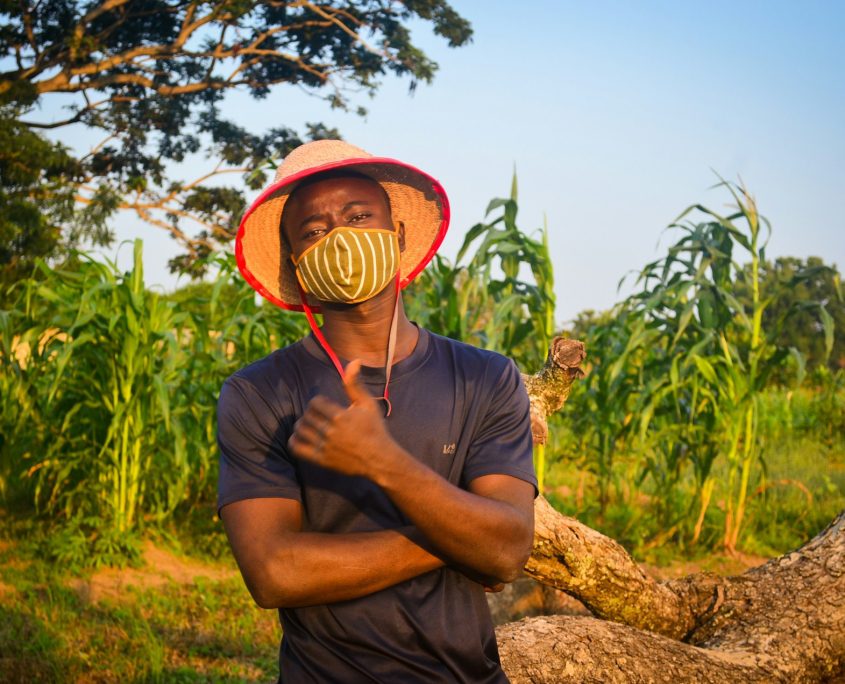
 In 1994, almost 50% of the working population in Somalia was employed by the agricultural industry. By 2025, this figure stood at 30%. This drop has been heavily influenced by the droughts and flooding that have affected Somalia since 2020 and resulted in famine and the loss of an estimated 43,000 lives. About 21% of the population is suffering from food shortages due to these extreme weather events that were ignited by the Deyr rainy season, which has had particularly damaging effects on farmers, with more than 1.5 million hectares of farmland lost to floods. This climate crisis has evolved from a humanitarian issue to an economic one, with one of the biggest industries in Somalia being heavily impacted.
The Hunger and Climate Crisis in Somalia
Floods are reported to have damaged or destroyed sanitation, health and education infrastructure in the nation, leaving 2.9 million people displaced in 2023 alone, with an overall 75% of the population having fled their homes in search of food, work or medical assistance. In 2025, it was estimated that 1.5 million children would be malnourished.
According to the World Food Program (WFP), one in 10 people needs help urgently, with new findings showing the number of people in crisis-level hunger has nearly doubled in a year, to 6.5 million. Many families reached by charitable aid have shared their stories. One such testimony is from a mother and farmer named Maxamed. She tells of her once prosperous farm that allowed her to be independent as a woman and mother.
However, as her animals and crops began to die following two years of no rain and weather hazards, she was “forced to pull her children out of class.” She shared that “there is no normal day anymore” and that in a typical week, her family is able to eat on only four nights. Maxamed stated that she is close to leaving home and taking her family to a displacement camp, where she would join four million others displaced by drought over the course of three months this year.
There are charities and nongovernmental organizations (NGOs) such as CARE and Action Against Hunger working to address the hunger crisis in Somalia. The latter reached 3,201,516 people in the last year. One family Action Against Hunger has aided is Hassan and Jelow Lamow, two parents in Somalia’s Bay region, and their son Adan. Two-year-old Adan’s malnourishment reached a crisis point, and he developed Kwashiorkor disease, leaving his legs and abdomen swollen from fluid. His parents had lost their crops and animals, with 1.5 million livestock having died in their home region, and so they traveled 15 miles to a hospital in Baidoa set up by Action Against Hunger. According to the charity and medical staff, Adan is recovering, but greater action is needed to prevent the nationwide hunger crisis from escalating. Sustainable farming in Somalia offers one path forward.
The Effects of Sustainable Farming in Somalia
Despite efforts being made to combat the consequences of Somalia’s climate issues, sustainable farming initiatives offer one of the best chances at restoring stability to the country. Access to basic needs such as food and clean water has become more available due to the growth of organizations offering training, funding and tools to support sustainable farming in Somalia.
One such project is the Kobciye initiative, set up by World Vision and the WFP in 2023. Meaning “uplift” in Somali, the Kobciye project has provided 3,000 farmers across three states in Somalia with new equipment, including tractors, solar-powered water pumps and fencing, to help them work against the climate issues they are experiencing. The concept of harvesting the sun’s energy is not new, but to underdeveloped or underfunded communities such as disaster-affected regions in Somalia, it has been significant in improving efficiency and production for farmers who have previously lost everything. The project has many aims, including promoting crop growth, improving prosperity and shifting general attitudes toward farming.
New Techniques
Mohammed Sheikh Yusuf, a senior advisor at Somalia’s Ministry of Agriculture and Irrigation, said that when people know they can produce their own food, generate their own income and work productive land, they readily switch from a nomadic lifestyle to a more sedentary farming or agropastoralist one, transforming their lives and livelihoods.
The rising commitment to the agricultural industry has brought about new techniques to further promote sustainable farming in Somalia, drawing in a new demographic as the focus turns to empowering women and youths to become independent, financially and socially. One sustainable change has been farmers using discarded materials as compost instead of creating waste. The Kobciye project gives communities access to water, not just for farming but for sanitation too. Local government official Ibrahim Abdulkadir said this is the first time farmers in the area have had access to fresh water in 100 years.
Looking Ahead
By focusing efforts on both sustainable farming in Somalia and addressing humanitarian issues, climate challenges such as flooding and drought may become problems to manage rather than crises to fear. Building Resilient Communities in Somalia (BRiCS) is a consortium that has combined efforts on humanitarian and farming needs into a plan for sustainable farming in Somalia. BRiCS focuses on agricultural strategies and issues such as food security, water and sanitation, and disaster risk reduction. By using renewable solar energy, it has reduced the costs of fuel and electricity for farms across the nation, saving money for farmers and reducing environmental impact.
Mumino is another mother and farmer who has shared her experience carrying on the business she inherited from her family. As a woman with little formal training, she struggled to raise her family and preserve her crops, especially when facing the lack of financial and practical resources during climate hazards. Now, thanks to BRiCS and other partners in the consortium, she has access to better water systems, solar energy and training to support herself. There are 300 other families like hers who have also benefited from BRiCS training and local authorities’ intervention.
Mumino said that her animals can now feed on vegetable off-cuts, so she no longer has to buy food for them, saving her $0.50 every day. This represents both an economic advantage and a social shift, as she is able to invest more into her family’s future without having to rely on community loans. Sustainable farming in Somalia is growing through initiatives like the Kobciye project and BRiCS, supporting a more resilient and productive agricultural industry.
– Jaya Noonan
Jaya is based in London, UK and focuses on Good News and Global Health for The Borgen Project.
Photo: Unsplash

Amaranth and Food Insecurity in Nigeria
One of the crops used to combat food insecurity is frequently grown in Nigeria but rarely planted. Amaranth is common throughout the hot and humid regions of Nigeria and is often maintained rather than sown. It grows naturally throughout the countryside, and deliberately planted varieties are often found in gathering spaces where many people in the community can benefit from them.
The Benefits of Amaranth
When the rainy season begins, amaranth flourishes and grows quickly. After about three to five weeks, the leaves can be harvested and eaten or sold. It is a stable yield crop, meaning that while yields may not be large, it will almost always provide some yield, regardless of drought or pests.
According to Laurajean Lewis, the global director of genetic resources at the International Maize and Wheat Improvement Center (CIMMYT) in Mexico, amaranth is one of the few plants that grows almost everywhere in the world. Lewis explained that because farmers harvest the leaves rather than the seeds, the plant reseeds itself, and seeds can also be collected and replanted in new areas.
Amaranth is a resilient plant and is important for nutrition in Nigeria. In some places, it accounts for up to 25% of Nigerians’ daily protein intake. Sometimes referred to as a nutritional powerhouse by scientists, it also contains high levels of folic acid and calcium, which are important for pregnant or lactating women.
Barriers to Cultivation
The general outlook on amaranth is negative. It is seen as a poverty staple, and in some places it is considered acceptable only for feeding livestock. One variety is called pigweed because of the belief that it is only suitable for pigs. Despite this perception, it is widely eaten and sometimes intercropped with high-yielding crops such as corn. Its leaves are often boiled and eaten like spinach, with a mild flavor said to resemble artichoke. It also produces edible seeds, making the plant dual-purpose for many. The seeds can be ground into a flour that is well-suited for baby food and is important for childhood development.
Improving Food Insecurity in Nigeria
Amaranth is seen as a poverty food in West Africa, and especially in Nigeria, but it plays an important role in supporting rural communities and providing essential vitamins and minerals to many. It also offers nutritional support for vulnerable groups, such as children, pregnant women and older adults. As food insecurity continues to affect millions of Nigerians, amaranth remains a practical and culturally significant tool in the fight against hunger and rural poverty.
– Eddie Hofmann
Photo: Flickr
Fighting Stigma: Poverty and Leprosy in Bangladesh
The bacteria Mycobacterium leprae cause leprosy, a chronic infectious disease. The disease mainly affects skin cells and can cause permanent disabilities when people do not receive timely treatment or detection. Bangladesh ranks fifth highest in the world for the number of leprosy cases, so eradicating the disease in the country is a priority, especially since people can be completely cured of it.
Leprosy is a disease that creates stigmatization against those affected, making employment difficult. Combined with medical costs, this creates a high correlation between leprosy and poverty. Areas with poor living conditions and food insecurity also tend to have an increased risk of contracting leprosy, highlighting the relationship between leprosy and poverty.
The eradication of leprosy will improve the livelihood of millions, not just in Bangladesh but also in the other 120 countries still affected by the curable disease. Tropical diseases tend to be neglected from the global health agenda and usually cause stigma. This article will discuss the impact of fighting stigma and how leprosy and poverty can be reduced together.
The Leprosy Mission in Bangladesh
The Leprosy Mission in Bangladesh (TLMIB) is a nonprofit organization focused on the eradication of leprosy in North Bangladesh. With a focus derived from six key values — compassion, justice, integrity, inclusion, humility and collaboration — its work has supported the livelihood of those with leprosy and helped them regain their dignity.
Since 2007, TLMIB has set up 700 Self-Help Groups (SHGs) in North Bangladesh, a step toward long-term, sustainable change. Leprosy and poverty were seen by the organization to go hand in hand, and these SHGs allowed those impacted to access food and find community with others who share similar experiences, especially as leprosy is widely discriminated against.
SHGs have group deposits, which encourage positive financial habits and help members rebuild their lives together. Since 2007, SHGs across the region have grown, with members integrating back into society with less stigma and fewer financial problems. This is significant when considering leprosy and poverty, as it shows that if leprosy is prioritized, many people’s livelihoods can change, enabling them to move to a life above the poverty line.
U.N. Initiatives and Government Aims
The Prime Minister of Bangladesh has committed to eradicating the disease through the Zero Leprosy Initiative by 2030. The initiative aims to eradicate the disease, prevent disability and remove stigma.
Additionally, the government has decided to increase the number of disability centers in the country and integrate them into the existing health care system. Policymakers have also suggested earlier diagnosis and skills training for people affected by leprosy, both to remove stigma and directly address the link between leprosy and poverty. The Persons with Disabilities’ Rights and Protection Act, implemented in 2013, drives this focus on leprosy in the country.
The United Nations (U.N.) has worked with Beatriz Miranda-Galarza to raise awareness of leprosy. Miranda-Galarza has coordinated the BRIDGES and SARSHE projects in Indonesia and Brazil, strengthening the dialogue around leprosy in the disability movement. This work supports efforts against stigma and helps build better lives after the disease, again highlighting the link between leprosy and poverty.
Looking Ahead
Nonprofits such as TLMIB and the work by the government of Bangladesh demonstrate that leprosy and poverty can be reduced together by removing stigma and prioritizing long-term, sustainable change. These efforts make independence accessible to people with disabilities, allowing them to learn positive financial habits and build stable lives.
Although Bangladesh still needs to reduce leprosy cases, the progress so far points to measurable change across the country. Chile recently became the first country in the Americas to completely eradicate leprosy, showing that the goal is achievable for other countries committed to the cause.
– Caitlin Cooper
Photo: Flickr
How Childcare in the Republic of the Congo Fights Poverty
Why the Childcare Gap Harms Families
Regarding parents from low-income backgrounds, especially market workers and small-scale entrepreneurs, this gap decreases the earnings they can receive. For instance, a World Bank blog published in 2025 on the Republic of the Congo states that the average parent has more than four children, while conventional childcare options are limited and private daycare can cost more than $100 a month. This arrangement is far beyond what the majority of parents can afford to support, especially while living under an economy whose recent growth has not resulted in significant poverty reduction or diversified job creation.
These burdens faced by most parents help explain why childcare in the Republic of the Congo is important when it comes to poverty reduction. When parents lack reliable care for their children, they end up losing working hours, are forced to reject business opportunities or have to keep their older children home to look after their younger siblings. The World Bank’s childcare research says that greater access to quality care results in women getting more employment opportunities, personal productivity, child outcomes, family welfare, business performance and the economy overall.
A Pilot Built Around Mamapreneurs
A recent pilot created under the Social Protection and Productive Inclusion of Youth (PISPJ) project is testing this idea in the Republic of the Congo. Implemented through the Ministry of Social Affairs, Solidarity and Humanitarian Action and MEDRAC Africa, and inspired by the Kidogo Initiative in Kenya, the program trains women as “mamapreneurs” who can assist with operating community crèches, or daycares, in predominantly working-class market neighborhoods. The program combines early childhood development with entrepreneurship, first aid, safety and child protection.
According to a November 2025 World Bank feature, the first cohort participated in training 16 women. Two community nurseries opened in market areas: one located at the Soukissa market in July 2025 and another at the Total market in Bacongo, which opened three months later in October. These centers provide affordable care options for low-income parents, and demand exceeded expectations quickly, with enrollment increasing beyond planned capacity at both sites within only two weeks.
A Solution With Staying Power
What makes childcare in the Republic of the Congo stand out is that this pilot is trying to resolve multiple problems all at one time. The crèches provide vendors and other workers with a safer place to leave their children during the daytime. They also create jobs for trained women and have aided in developing the school readiness of children through structured and play-based care. World Bank staff have described this model as a “triple bottom line” investment because it has the power to support entrepreneurs, children and parents’ productivity altogether.
The pilot is also focusing on the system behind the provided service through partners developing real-life quality standards for new daycare centers, organizing coaching visits and adding safety measures like first-aid and fire safety training. The World Bank’s most current implementation report shows that the broader PISPJ project is still active and is scheduled to run through June 2027, giving the childcare model additional time to flourish if results remain strong.
Looking Ahead
Childcare in the Republic of the Congo may not be enough to end poverty in the nation by itself. However, the Brazzaville pilot demonstrates how one service can make life easier for lower-income parents while also opening up new economic space for women. If both the government and its partners continue to increase the amount of affordable crèches in markets and other low-income neighborhoods, childcare could become one of the nation’s realistic tools for supporting work, making sure children are safe and helping families have more stability within their lives.
– Ashirah Newton
Photo: Flickr
The Emergence of Energy Poverty in Madrid
As the city experiences more severe weather in summer and winter, families struggle with energy poverty, or the inability to afford basic energy necessities such as heating and cooling. This term does not only mean being unable to afford high energy costs, but also deliberate choices to lower energy usage to save money, known as “hidden energy poverty.”
Energy Poverty in Madrid: An Overview
Poverty itself has moved in concerning directions in the capital. Madrid continues to be a strong economic center, but the government often falls short in providing assistance for those in low-income households. About 1.4 million people live in material deprivation, or a lack of ability to afford basic necessities like food or heating. Though air conditioning is usually viewed as a consumer good, people such as Yamina Saheb, a professor at Sciences Po in Paris, push for it to be considered a human right. Madrid’s case stands in contrast to the rest of Spain, where poverty rates are falling. A rise in general poverty has the natural outcome of increasing energy poverty.
The city’s most impoverished neighborhoods, those with the most energy poverty, did not come to be as they are by chance. Puente de Vallecas, for instance, was for decades a shantytown, a poor, small settlement on the outskirts of Madrid. However, in the 1950s, it was incorporated into the municipality of the capital. Currently, the neighborhood remains one of the poorest, revealing that wealth disparities and energy inequalities arise as a result of complex historical factors.
The Link Between Poverty and Energy
The inability to afford access to energy almost exclusively harms those in poverty. Madrid health professor Julio Diaz Jimenez found in a 2020 paper that heat waves cause mortality in three of the lowest-income districts of the city. In 2024, Save the Children stated that one-third of Spanish children were unable to maintain an adequate temperature at home. These figures serve as warning signs for the region’s future, as struggles with extreme heat will continue to affect those in poverty.
Obstacles to Eliminating Energy Poverty in Madrid
Energy poverty in Madrid is worsened by infrastructure and housing that are unprepared to cope with these climate extremes. Last year, Spain’s energy grid faltered during a time of high energy usage, causing blackouts in regions as far as Portugal and France. Though the blackout is not attributed directly to climate change, it signals that without further updates, Spain and its capital will be unable to support the higher energy usage required to maintain comfortable levels in homes.
Housing also remains in need of renovations. According to Professor Neville Li of Saint Louis University’s Madrid campus, the city’s housing is “designed to trap heat because of the hot summers.” Due to increased weather variability, winters are not only getting warmer but also more extreme. As a result, Madrid often experiences both extremely hot summers and cold winters. With more unpredictable weather, families struggle to maintain an adequate temperature.
Energy Savings
A study by researchers Roberto Barella and Jose Carlos Romero at Comillas Pontifical University in Madrid points to the benefits of shallow home renovations, such as fridge replacement or LED installation. After looking at 10 provinces of Spain, they found that Madrid saved the most from theoretical energy savings, about 8.41%. The study shows how, with only small changes, Madrid households can reduce their energy usage. This would not only save families hundreds of euros per month but also allow them to live in more comfortable conditions.
In addition, the issue of “green gentrification” worsens extreme heat for those who cannot afford cooling. In recent years, the capital has lost tree cover disproportionately in poorer areas. The “urban heat island” effect makes some areas, such as Puente de Vallecas, some of the hottest in the city. Despite being one of the most tree-covered cities in the world, lower-income neighborhoods have borne the brunt of tree loss.
Looking Ahead
According to Li, Spain’s energy is “relatively cheap,” in part due to its significant renewable industry, such as wind and hydroelectric power. This gives the government more room to implement tax cuts that benefit lower-income families. In March 2026, the Spanish government announced cuts, including those tied to energy. These measures protect families as prices across the region spike.
In addition, several groups have emerged to support those suffering from high temperatures and energy insufficiency. Concerned citizens have come together through initiatives such as the Sustainable Vallekas Collective, which raises awareness about unequal temperatures in the neighborhood.
Energy poverty is a serious problem in Madrid, especially as temperatures warm due to the changing climate. However, the government and citizens are taking action to address its consequences. Through home renovations, tree planting, tax cuts and community advocacy, the issue is being addressed step by step.
– Ben Anderson
Photo: Pexels
Scholarship Programs Expanding Access to Education in Laos
By providing financial assistance, resources and institutional support, these initiatives help students remain in school and build skills that contribute to future economic opportunities. These efforts demonstrate how strengthening education systems can play a central role in poverty reduction.
Global Partnership for Education Programs
One major initiative supporting education in Laos is funding from the Global Partnership for Education. Through its grant programs, the organization works with the government of Laos to improve access to quality education nationwide.
These programs support school infrastructure, teacher training and targeted financial assistance for students. Scholarships funded through these initiatives help reduce the cost burden on families, allowing more children to attend and remain in school. By focusing on equitable access, these efforts aim to close educational gaps between urban and rural communities.
Asian Development Bank Scholarship Support
Another key contributor to education in Laos is the Asian Development Bank (ADB), which supports scholarship programs and education projects across the country. The bank provides funding for higher education opportunities, including regional scholarship programs that allow students to study in specialized fields.
These scholarships often target areas such as engineering, environmental studies and public policy, helping students develop skills that are in demand within the workforce. By investing in higher education, these programs support the development of a skilled labor force that can contribute to national economic growth.
Expanding Access and Reducing Dropout Rates
Scholarship programs play an important role in addressing one of the key challenges in education in Laos: student retention. Many families face financial pressures that make it difficult for children to remain in school, particularly at the secondary level.
By covering costs such as tuition, school materials and transportation, scholarships could help reduce the likelihood that students will drop out. These programs could be especially important for girls and students in rural areas, who often face additional barriers to education. Increased access to schooling helps improve literacy rates and supports long-term social and economic outcomes.
Education and Economic Opportunity
Improving education in Laos is closely linked to expanding economic opportunity. Students who complete their education are more likely to secure stable employment and contribute to local economies. In turn, higher levels of education can support workforce development and reduce poverty over time.
Scholarship programs also help promote social mobility by allowing students from low-income backgrounds to pursue higher education. As more individuals gain access to education and employment, these programs contribute to broader economic resilience.
The Big Picture
Efforts to expand education in Laos through scholarship programs highlight the importance of targeted investments in human capital. Initiatives supported by organizations such as the Global Partnership for Education and the ADB demonstrate how financial assistance and institutional support can improve access to schooling.
As these programs continue to develop, they provide a pathway for students to overcome financial barriers and pursue educational opportunities. By strengthening education systems and expanding access, Laos is working toward long-term economic growth and poverty reduction.
– Jason Hill
Photo: Flickr
Harvesting the Sun: Sustainable Farming in Somalia
The Hunger and Climate Crisis in Somalia
Floods are reported to have damaged or destroyed sanitation, health and education infrastructure in the nation, leaving 2.9 million people displaced in 2023 alone, with an overall 75% of the population having fled their homes in search of food, work or medical assistance. In 2025, it was estimated that 1.5 million children would be malnourished.
According to the World Food Program (WFP), one in 10 people needs help urgently, with new findings showing the number of people in crisis-level hunger has nearly doubled in a year, to 6.5 million. Many families reached by charitable aid have shared their stories. One such testimony is from a mother and farmer named Maxamed. She tells of her once prosperous farm that allowed her to be independent as a woman and mother.
However, as her animals and crops began to die following two years of no rain and weather hazards, she was “forced to pull her children out of class.” She shared that “there is no normal day anymore” and that in a typical week, her family is able to eat on only four nights. Maxamed stated that she is close to leaving home and taking her family to a displacement camp, where she would join four million others displaced by drought over the course of three months this year.
There are charities and nongovernmental organizations (NGOs) such as CARE and Action Against Hunger working to address the hunger crisis in Somalia. The latter reached 3,201,516 people in the last year. One family Action Against Hunger has aided is Hassan and Jelow Lamow, two parents in Somalia’s Bay region, and their son Adan. Two-year-old Adan’s malnourishment reached a crisis point, and he developed Kwashiorkor disease, leaving his legs and abdomen swollen from fluid. His parents had lost their crops and animals, with 1.5 million livestock having died in their home region, and so they traveled 15 miles to a hospital in Baidoa set up by Action Against Hunger. According to the charity and medical staff, Adan is recovering, but greater action is needed to prevent the nationwide hunger crisis from escalating. Sustainable farming in Somalia offers one path forward.
The Effects of Sustainable Farming in Somalia
Despite efforts being made to combat the consequences of Somalia’s climate issues, sustainable farming initiatives offer one of the best chances at restoring stability to the country. Access to basic needs such as food and clean water has become more available due to the growth of organizations offering training, funding and tools to support sustainable farming in Somalia.
One such project is the Kobciye initiative, set up by World Vision and the WFP in 2023. Meaning “uplift” in Somali, the Kobciye project has provided 3,000 farmers across three states in Somalia with new equipment, including tractors, solar-powered water pumps and fencing, to help them work against the climate issues they are experiencing. The concept of harvesting the sun’s energy is not new, but to underdeveloped or underfunded communities such as disaster-affected regions in Somalia, it has been significant in improving efficiency and production for farmers who have previously lost everything. The project has many aims, including promoting crop growth, improving prosperity and shifting general attitudes toward farming.
New Techniques
Mohammed Sheikh Yusuf, a senior advisor at Somalia’s Ministry of Agriculture and Irrigation, said that when people know they can produce their own food, generate their own income and work productive land, they readily switch from a nomadic lifestyle to a more sedentary farming or agropastoralist one, transforming their lives and livelihoods.
The rising commitment to the agricultural industry has brought about new techniques to further promote sustainable farming in Somalia, drawing in a new demographic as the focus turns to empowering women and youths to become independent, financially and socially. One sustainable change has been farmers using discarded materials as compost instead of creating waste. The Kobciye project gives communities access to water, not just for farming but for sanitation too. Local government official Ibrahim Abdulkadir said this is the first time farmers in the area have had access to fresh water in 100 years.
Looking Ahead
By focusing efforts on both sustainable farming in Somalia and addressing humanitarian issues, climate challenges such as flooding and drought may become problems to manage rather than crises to fear. Building Resilient Communities in Somalia (BRiCS) is a consortium that has combined efforts on humanitarian and farming needs into a plan for sustainable farming in Somalia. BRiCS focuses on agricultural strategies and issues such as food security, water and sanitation, and disaster risk reduction. By using renewable solar energy, it has reduced the costs of fuel and electricity for farms across the nation, saving money for farmers and reducing environmental impact.
Mumino is another mother and farmer who has shared her experience carrying on the business she inherited from her family. As a woman with little formal training, she struggled to raise her family and preserve her crops, especially when facing the lack of financial and practical resources during climate hazards. Now, thanks to BRiCS and other partners in the consortium, she has access to better water systems, solar energy and training to support herself. There are 300 other families like hers who have also benefited from BRiCS training and local authorities’ intervention.
Mumino said that her animals can now feed on vegetable off-cuts, so she no longer has to buy food for them, saving her $0.50 every day. This represents both an economic advantage and a social shift, as she is able to invest more into her family’s future without having to rely on community loans. Sustainable farming in Somalia is growing through initiatives like the Kobciye project and BRiCS, supporting a more resilient and productive agricultural industry.
– Jaya Noonan
Photo: Unsplash
How UK Aid Continues to Support Development in the DRC
UNFPA
The UNFPA helps to provide displaced women and girls with essential medical services in the form of medicine, midwives and mobile units. The organization ensures that these people can access maternal health services, including emergency obstetric and newborn care. It also provides safe spaces for them, as well as offering medical, psychosocial and legal support via hotlines. In the DRC, “conflict has disrupted health care for millions,” and the UNFPA helps to mitigate the impacts. Mobile ultrasounds have allowed it to help pregnant women who have been displaced, not just by detecting pregnancy complications but also by providing these women with a sense of reassurance amid conflict. The UNFPA has helped to provide more than 20,000 women with prenatal care in the DRC.
This year, the DRC is expected to take up the chairmanship of the International Alliance on Preventing Sexual Violence in Conflict, which shines a light on issues with “upholding international humanitarian law, humanitarian access and accountability for abuses.” Even before the conflict escalation, an estimated three women per hour died in the country due to pregnancy and birth-related issues, so the DRC’s new status as chairman should help to draw attention to the country’s challenges and support more funding and resources to address them.
Humanitarian Aid From the ICRC
The ICRC has been operating in the Democratic Republic of the Congo for almost 50 years. It works to ensure that victims of armed violence are respected and have their basic needs met. It also reunites separated families and visits detention centers to ensure people held within them, whether arrested or just detained, are being treated appropriately. From January to June of 2025, the impact of the organization within the DRC was extensive. Almost 40,000 were provided with health care, more than half a million people were helped with accessing clean water and around 215,000 people received food, financial assistance, vouchers, household items or support for agricultural production.
Addressing Food Insecurity
More than 25 million people in the DRC face food insecurity. For development in the DRC to be sustainable, it is important to lower this number, as it is causing around 3 million people to be stunted due to consistent malnutrition. This negatively affects people’s quality of life as well as their ability to provide for themselves and their families, and adds more strain to a health care system already struggling to meet demand. The WFP helps to tackle malnutrition and hunger. In 2024, it helped “5.3 million people with food, cash, malnutrition support and resilience interventions.” The WFP is assessing how to meet increasing demand caused by renewed conflict.
Banking and Financial Inclusion
The U.K. will provide a British International Investment loan of £18.7 million to Rawbank. The bank operates in the DRC and has received awards for being the best in the country since 2008. It has provided more modern banking systems to people in the DRC, allowing them to access mobile banking and increasing financial freedom. It also helps to fund education for young people by granting scholarships, providing mentoring, masterclasses, workshops and training courses, and providing financial support to those wishing to be entrepreneurs. This is part of the We Act Program that the bank runs. The program also helps to support young people who may be interested in arts and culture, sport, corporate social responsibility and digital sectors.
Providing financial freedom and education will help development in the DRC by offering people the opportunity to get involved in and improve the businesses within the country, as well as drawing new companies in with increasing education levels.
Expanding Energy Access
The U.K. is also “supporting capital investment in the Sustainable Energy for Africa Fund, in partnership with the African Development Bank, to support Moyi Power.” Moyi Power aims to improve electrical access in the DRC. The starting goal of the organization is to provide electricity to three isolated cities in the country: Gemena, Bumba and Isiro. The three have a combined population of 700,000 people, but there is no reliable grid access, so sourcing power is difficult. After five years, Moyi expects that it will have provided 37,000 households and customers with connectivity, and the aim is to double its operations every five years. Increasing electrical access will increase development in the DRC, as it will be a draw for businesses to set up headquarters there. In turn, this would increase employment opportunities and start a positive multiplier effect within the country.
Looking Ahead
U.K. aid is supporting development in the DRC in two major ways: it is helping to improve access to necessities provided by the ICRC, WFP and UNFPA, while also investing in organizations such as Rawbank and Moyi Power that aim to increase education and employment opportunities. These work in tandem to ensure that the country is supported in the short term while people are facing hardships due to conflict, but set it up to be able to support itself in the long term.
– Ryan Cowen
Photo: Flickr
Fighting the Era of Global Water Bankruptcy
Global Water Bankruptcy
The United Nations University Institute for Water, Environment and Health (UNU-INWEH) argues that more common language, like “water crisis,” does not accurately represent the true nature of what is occurring in many places across the globe.
In its most recent report, UNU-INWEH offers updated and more refined recommendations for governments so that their guidelines suit the state of water in the world currently. The report serves as advice to policymakers to make water a top priority. With a focus on water, governments can promote cooperation to address critical challenges of safety, peace, liberty, land development and sustainability.
The main message of the report is that the world has entered the era of global water bankruptcy. This is a term that the United Nations (U.N.) adopted when updating its language to reflect the reality in places suffering from inequitable water access or no access to fresh water at all.
This problem continues to grow as excessive water use, land deterioration, deforestation, groundwater depletion and overall pollution worsen globally, which is what pushed the U.N. to adopt this new term.
The Journal of Water Resources Management originally developed the language, defining it as the persistent over-withdrawal of water relative to renewable inflows and safe levels of depletion, along with the resulting irreversible or prohibitively costly loss of water-related natural capital.
The Freshwater Challenge
Originally launched in 2023 at the U.N. Water Conference, the Freshwater Challenge has become the largest global initiative dedicated to restoring and protecting degraded rivers, lakes and wetlands. It aims to address the worsening water, climate and nature crises, which together are known as global water bankruptcy.
The Freshwater Challenge plans to serve impoverished countries by restoring rivers and wetlands, which will improve access to safe water and reduce climate risks. Indeed, by restoring ecosystems, the initiative will boost local food security, create sustainable livelihoods for the people and protect vulnerable communities from water-related hazards like droughts and floods, aligning with the U.N. Sustainable Development Goals (SDGs).
The initiative is targeting degraded freshwater sources, which are crucial for drinking water, sanitation and hygiene in developing areas. This will aid communities currently relying on unsafe water. Restoring inland waters will also help to boost fish populations and support local agriculture, which are essential for the nutrition of impoverished communities.
The Freshwater Challenge’s work to support these communities helps attract funding to implement improvements in national water management systems, in areas like Zambia and Sierra Leone, by bridging data gaps and improving water management. Overall, the initiative involves 54 countries and the European Union, which have joined together to reverse the breakdown of critical water systems.
Future Outlook
The initiative has announced a new goal to restore 300,000 kilometers of rivers and 350 million hectares of wetlands by 2030, essential for sustaining drinking water and sanitation, especially in regions with high water scarcity, like the Middle East and North Africa.
In addition to this restoration, the Freshwater Challenge plans to work on conservation for water-based ecosystems that are currently intact. By staying ahead of future problems, the initiative can strengthen the impact of its work.
Looking Ahead
Even though the state of water resources continues to weaken with the changing climate and human impact, the Freshwater Challenge is working to support people in need. The initiative will continue its efforts to protect the world’s freshwater resources through restoration, conservation and international cooperation.
– Megan McGrath
Photo: Flickr
Barriers to Surgical Research in Developing Regions
Access to safe and effective surgical care is central to global health. Progress in this area depends on strong research systems, yet many low-resource settings struggle to build them. Understanding the different barriers to surgical research in developing regions highlights the limits to innovation and how stakeholders can improve outcomes worldwide. Without targeted efforts to strengthen research capacity, these gaps will continue to widen global health inequalities.
Limited Funding and Infrastructure
Limited and inconsistent funding remains a major obstacle. Surgical research requires financial support for equipment, personnel and long-term studies. Many governments and institutions must prioritize immediate patient care, which reduces available resources for research initiatives.
Infrastructure gaps also restrict progress. Many hospitals operate without reliable electricity, sterile environments, or modern laboratory facilities. These conditions make it difficult for researchers to run controlled studies or collect consistent data, which weakens the overall quality of research output.
Shortage of Trained Personnel
A shortage of trained researchers and surgical specialists continues to slow advancement. Healthcare professionals often manage high patient volumes, leaving little time for research. Training programs and mentorship opportunities also remain limited in many regions.
Migration further intensifies this challenge. Skilled professionals frequently move to higher-income countries in search of better opportunities. This trend erodes local expertise and impedes the development of long-term stability in research ecosystems.
For example, according to Stanford University’s Medical Journal, an estimated six billion people on the planet do not have access to cardiac surgical care due to a shortage of trained personnel, resources, and other limiting factors. The Journal of Thoracic and Cardiovascular Surgery reported that in places such as Africa, there is one cardiovascular surgeon per four million people.
The data found in this study is focused on the shortage of trained personnel specifically in cardiac medicine; however, a lack of personnel and resources is universal among several types of surgical research and care.
Access to Equipment and Materials
Reliable access to high-quality equipment remains essential for surgical research. Many facilities rely on outdated or poorly maintained tools, which limit precision and consistency in experiments.
These gaps directly reinforce the various barriers to surgical research in developing regions, particularly when researchers cannot access tools that ensure accurate, repeatable results. Researchers often depend on specialized instruments that can withstand repeated use while maintaining accuracy. Without access to comparable tools, researchers face difficulties when attempting to replicate or validate findings.
Regulatory and Data Challenges
Regulatory systems in many regions lack clarity or consistency. Researchers often encounter delays during approval processes due to limited institutional capacity or unclear guidelines. Ethical review boards may lack sufficient staff or standardized procedures, which slows research progress.
Data collection also presents ongoing challenges. Limited digital infrastructure reduces the ability to store, manage and analyze information effectively. A study in The Lancet Global Health emphasizes the need to strengthen data systems to improve both surgical care delivery and research capacity.
Emerging Solutions and Global Collaboration
Global partnerships continue to support research development. International organizations and academic institutions now collaborate with local teams to provide funding, training and technical expertise. These partnerships help strengthen local capacity while promoting knowledge exchange.
Technology also creates new opportunities. Mobile data tools and telemedicine platforms enable researchers to collect and share information more efficiently. These solutions help overcome infrastructure limitations and support more inclusive research environments.
Addressing these challenges requires sustained investment, stronger policies and continued collaboration. When stakeholders commit to these efforts, they can expand research capacity, reduce disparities and improve surgical care for communities worldwide.
– Kelly Schoessling
Photo: Wikimedia Commons
5 Nonprofits Working to End Polio in Yemen
The Impact of COVID-19
When the COVID-19 pandemic arrived and the health care efforts of many of the world’s largest nongovernmental organizations (NGOs) were disrupted, the people of many developing nations suffered, including those of Yemen.
Roughly 25 million infants worldwide did not receive potentially lifesaving vaccinations, the largest regression in vaccination data in more than 30 years. In Yemen, the combined effects of the COVID-19 pandemic and protracted conflict resulted in national vaccination rates falling sharply, with declines of 25% in certain months of 2020. In 2024, 580,000 children in Yemen were recorded as zero-dose, a crisis demanding a multilateral response.
Beginning in 2023, several major global partners in public health, including the United Nations Children’s Fund (UNICEF), the World Health Organization (WHO) and Gavi, the Vaccine Alliance, formed The Big Catch-up, a program working to reverse the damage to immunization progress caused by the pandemic. The project is making progress in eradicating poliovirus worldwide. With around 85% of all children affected by polio living in the most volatile states, this effort is significant. The following five organizations are at the forefront of the fight against polio in Yemen.
5 Nonprofits Working to End Polio in Yemen
Looking Ahead
The work of each of these nonprofits is bringing Yemen closer to eradicating polio, but continued public and government support is needed. Increased funding and sustained international attention can help complete this work, securing the future health of children in Yemen and beyond.
– Evan Meikle
Photo: Flickr