Scholarship Programs Expanding Access to Education in Laos
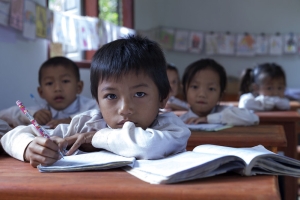 Access to education in Laos remains a key factor in reducing poverty and supporting long-term economic development. While the country has made progress in improving enrollment rates, many students—particularly in rural and low-income communities—continue to face financial and geographic barriers to schooling. In response, scholarship programs and international partnerships are working to expand educational access and improve outcomes for vulnerable populations.
By providing financial assistance, resources and institutional support, these initiatives help students remain in school and build skills that contribute to future economic opportunities. These efforts demonstrate how strengthening education systems can play a central role in poverty reduction.
Global Partnership for Education Programs
One major initiative supporting education in Laos is funding from the Global Partnership for Education. Through its grant programs, the organization works with the government of Laos to improve access to quality education nationwide.
These programs support school infrastructure, teacher training and targeted financial assistance for students. Scholarships funded through these initiatives help reduce the cost burden on families, allowing more children to attend and remain in school. By focusing on equitable access, these efforts aim to close educational gaps between urban and rural communities.
Asian Development Bank Scholarship Support
Another key contributor to education in Laos is the Asian Development Bank (ADB), which supports scholarship programs and education projects across the country. The bank provides funding for higher education opportunities, including regional scholarship programs that allow students to study in specialized fields.
These scholarships often target areas such as engineering, environmental studies and public policy, helping students develop skills that are in demand within the workforce. By investing in higher education, these programs support the development of a skilled labor force that can contribute to national economic growth.
Expanding Access and Reducing Dropout Rates
Scholarship programs play an important role in addressing one of the key challenges in education in Laos: student retention. Many families face financial pressures that make it difficult for children to remain in school, particularly at the secondary level.
By covering costs such as tuition, school materials and transportation, scholarships could help reduce the likelihood that students will drop out. These programs could be especially important for girls and students in rural areas, who often face additional barriers to education. Increased access to schooling helps improve literacy rates and supports long-term social and economic outcomes.
Education and Economic Opportunity
Improving education in Laos is closely linked to expanding economic opportunity. Students who complete their education are more likely to secure stable employment and contribute to local economies. In turn, higher levels of education can support workforce development and reduce poverty over time.
Scholarship programs also help promote social mobility by allowing students from low-income backgrounds to pursue higher education. As more individuals gain access to education and employment, these programs contribute to broader economic resilience.
The Big Picture
Efforts to expand education in Laos through scholarship programs highlight the importance of targeted investments in human capital. Initiatives supported by organizations such as the Global Partnership for Education and the ADB demonstrate how financial assistance and institutional support can improve access to schooling.
As these programs continue to develop, they provide a pathway for students to overcome financial barriers and pursue educational opportunities. By strengthening education systems and expanding access, Laos is working toward long-term economic growth and poverty reduction.
– Jason Hill
Jason is based in Fullerton, CA, USA and focuses on Good News for The Borgen Project.
Photo: Flickr
