Fighting Stigma: Poverty and Leprosy in Bangladesh
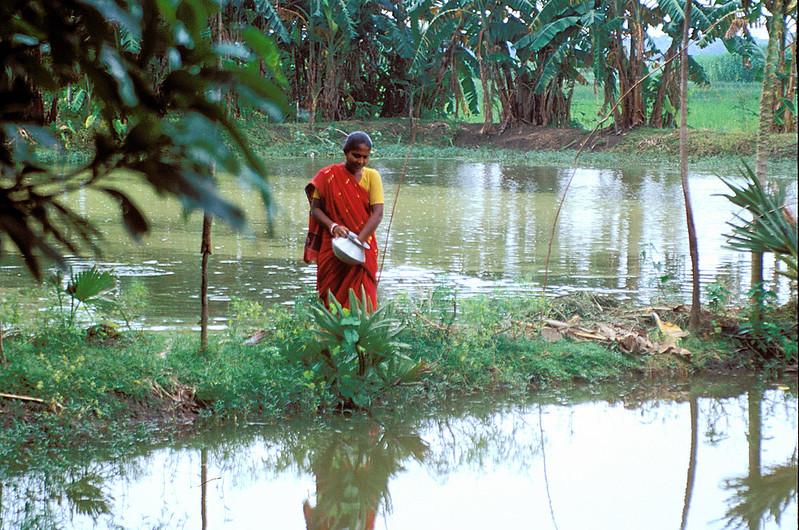 Bangladesh is a South Asian country bordered by India and Myanmar, with a population of more than 177 million. Some 18.7% of the population lives in poverty, due in part to neglected tropical diseases such as leprosy, which limit individuals’ ability to work and access education.
The bacteria Mycobacterium leprae cause leprosy, a chronic infectious disease. The disease mainly affects skin cells and can cause permanent disabilities when people do not receive timely treatment or detection. Bangladesh ranks fifth highest in the world for the number of leprosy cases, so eradicating the disease in the country is a priority, especially since people can be completely cured of it.
Leprosy is a disease that creates stigmatization against those affected, making employment difficult. Combined with medical costs, this creates a high correlation between leprosy and poverty. Areas with poor living conditions and food insecurity also tend to have an increased risk of contracting leprosy, highlighting the relationship between leprosy and poverty.
The eradication of leprosy will improve the livelihood of millions, not just in Bangladesh but also in the other 120 countries still affected by the curable disease. Tropical diseases tend to be neglected from the global health agenda and usually cause stigma. This article will discuss the impact of fighting stigma and how leprosy and poverty can be reduced together.
The Leprosy Mission in Bangladesh
The Leprosy Mission in Bangladesh (TLMIB) is a nonprofit organization focused on the eradication of leprosy in North Bangladesh. With a focus derived from six key values — compassion, justice, integrity, inclusion, humility and collaboration — its work has supported the livelihood of those with leprosy and helped them regain their dignity.
Since 2007, TLMIB has set up 700 Self-Help Groups (SHGs) in North Bangladesh, a step toward long-term, sustainable change. Leprosy and poverty were seen by the organization to go hand in hand, and these SHGs allowed those impacted to access food and find community with others who share similar experiences, especially as leprosy is widely discriminated against.
SHGs have group deposits, which encourage positive financial habits and help members rebuild their lives together. Since 2007, SHGs across the region have grown, with members integrating back into society with less stigma and fewer financial problems. This is significant when considering leprosy and poverty, as it shows that if leprosy is prioritized, many people’s livelihoods can change, enabling them to move to a life above the poverty line.
U.N. Initiatives and Government Aims
The Prime Minister of Bangladesh has committed to eradicating the disease through the Zero Leprosy Initiative by 2030. The initiative aims to eradicate the disease, prevent disability and remove stigma.
Additionally, the government has decided to increase the number of disability centers in the country and integrate them into the existing health care system. Policymakers have also suggested earlier diagnosis and skills training for people affected by leprosy, both to remove stigma and directly address the link between leprosy and poverty. The Persons with Disabilities’ Rights and Protection Act, implemented in 2013, drives this focus on leprosy in the country.
The United Nations (U.N.) has worked with Beatriz Miranda-Galarza to raise awareness of leprosy. Miranda-Galarza has coordinated the BRIDGES and SARSHE projects in Indonesia and Brazil, strengthening the dialogue around leprosy in the disability movement. This work supports efforts against stigma and helps build better lives after the disease, again highlighting the link between leprosy and poverty.
Looking Ahead
Nonprofits such as TLMIB and the work by the government of Bangladesh demonstrate that leprosy and poverty can be reduced together by removing stigma and prioritizing long-term, sustainable change. These efforts make independence accessible to people with disabilities, allowing them to learn positive financial habits and build stable lives.
Although Bangladesh still needs to reduce leprosy cases, the progress so far points to measurable change across the country. Chile recently became the first country in the Americas to completely eradicate leprosy, showing that the goal is achievable for other countries committed to the cause.
– Caitlin Cooper
Caitlin is based in Aberdeen, UK and focuses on Global Health and Politics for The Borgen Project.
Photo: Flickr
