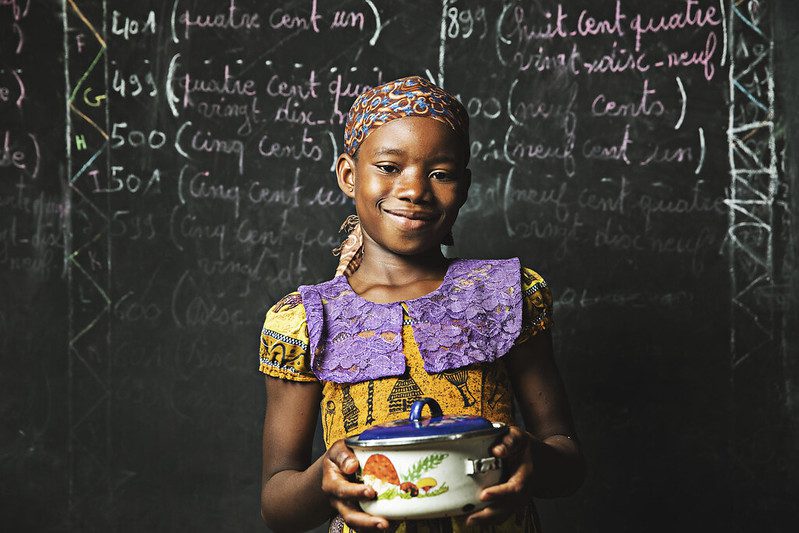
 Burkina Faso, located in West Africa, has a population known as the Burkinabe. This former French colony declared its independence in 1960. Originally named Upper Volta, the country adopted its current name in 1984. Its population is estimated at 23.6 million.
Although Burkina Faso faces a severe humanitarian crisis, the country also boasts rich cultural diversity that deserves recognition. Home to more than 60 ethnic groups, each with its customs, languages and practices, Burkina Faso celebrates a vibrant cultural heritage anchored in traditional music and dance.
Burkina Faso Economic Challenges
Burkina Faso’s population is unevenly distributed, with half of its people living in the eastern and central regions. More than two-thirds of the Burkinabe reside in rural areas, primarily near the country’s center. Economic challenges, exacerbated by poor weather and severe droughts, have driven many residents to emigrate. As a result, Burkina Faso is considered one of the world’s poorest countries and heavily relies on humanitarian aid from foreign nations and NGOs. The country exports gold, livestock, sugar and fruit. Despite the generally poor state of public health, the government has achieved notable progress in preventing and treating HIV/AIDS since the early 2000s, with a declining rate of HIV/AIDS cases.
Educational and Social Welfare Issues
In Burkina Faso, only 33% of the population is literate. In response, the country has introduced after-school tutoring at community centers and offers adolescents training in mechanics, hairdressing, sewing, gardening and farm work. Public education in Burkina Faso is not freely provided and many parents struggle to afford schooling for their children. Additionally, a shortage of schools means that even families who can afford it often struggle to find available educational opportunities. As a result, only 81% of students advance to the 5th grade.
More than 40% of Burkina Faso’s population lives below the national poverty line, placing the country 184th out of 191 in the United Nations (U.N.) Development Programme’s 2021-2022 Human Development Index (HDI) report. Although extreme poverty decreased by 0.7% in 2023, about 2 million citizens remain displaced and face food insecurity.
Crisis and Humanitarian Aid for Burkina Faso
Since 2019, Burkina Faso has faced a severe refugee crisis. In the past year alone, an additional 707,000 citizens have become displaced and thousands have lost access to aid. By early 2023, more than 6,100 schools had closed, accounting for nearly half of all school closures in Central and West Africa. Additionally, up to 400 health facilities shut down, leaving 3.6 million people without access to health care—a 70% increase from 2022.
Emergency Aid and International Assistance
In May 2024, the US announced it would provide nearly $55 million to Burkina Faso to help address its ongoing humanitarian crisis. This aid is intended to meet the food and nutrition needs of the most vulnerable Burkinabe citizens. Within Burkina Faso, 20 locations home to half a million people are isolated from the rest of the country and in 2023, fewer than 5,000 of these residents received international aid from nongovernmental organizations. Only two-thirds of the funds allocated to Burkina Faso have been disbursed, mainly because high costs make it challenging to assist those in more isolated areas. Additionally, due to limited financial resources, organizations often prioritize helping those who are more accessible, leaving those in cut-off areas further deprived of sustainable living conditions and basic needs.
Impact of Climate and Economic Challenges
Burkina Faso’s location makes it highly susceptible to drought and climate change. The country is also struggling with ongoing economic challenges stemming from the COVID-19 pandemic. In 2021, the USAID’s Bureau for Humanitarian Assistance allocated $43 million to Burkina Faso to support food and nutrition assistance. This aid included food supplies, locally procured produce, and food vouchers.
European Union’s Commitment to Aid
Projected statistics for 2024 indicated that up to 27% of Burkina Faso’s population would need humanitarian aid. In 2023, the European Union (EU) allocated 44 million Euros to assist the country. These funds are targeting the food crisis and focusing on malnutrition, health, nutrition, shelter, water, sanitation, hygiene, education and rapid response to displacements. This aid aimed to support vulnerable, internally displaced people by providing them with food, shelter and essential items to meet their basic needs. Additionally, the EU provided educational support in areas where schools had closed. The EU offered guidance on preparing for climate-related issues tied to the country’s location.
Looking Ahead
The humanitarian crisis in Burkina Faso presents ongoing challenges, with significant portions of the population facing food insecurity, inadequate health care and educational disruptions. Recent international aid efforts, including substantial contributions from the U.S. and the EU, aim to address these critical needs. However, reaching isolated and vulnerable communities remains a significant hurdle. Continued and enhanced support can potentially improve living conditions and foster sustainable development in the region.
– Brogan Dickson
Brogan is based in Edinburgh, Scotland and focuses on Good News and Global Health for The Borgen Project.
Photo: Flickr

Salar de Uyuni: CODESPA’s Efforts to Alleviate Poverty
Economic Struggles in Salar de Uyuni:
The people of Salar de Uyuni, due to their rural environment, have limited access to education. Most children complete primary school, but boys often receive priority for secondary education. Girls who cannot attend school typically stay home to help with work and chores. Additionally, a lack of sex education contributes to teen pregnancy, which exacerbates the high illiteracy rates among women—up to 6% higher than the national average of 13%. In poor families, children attend public schools where educational quality is low. Educators in rural areas are twice as likely to lack proper training compared to their urban counterparts. Furthermore, rural areas offer fewer educational opportunities than urban areas. Without adequate education, securing well-paying jobs becomes significantly harder, leading many to resort to manual labor, such as working in salt farms.
Health Care Challenges and Its Effects
In addition to limited educational opportunities, the people of Salar de Uyuni face significant health challenges, including unsafe drinking water. The rivers and lakes on which these communities rely are often contaminated and they lack the means to purify the nonpotable water. Drinking unsafe water can lead to many illnesses, including diarrhea, which is a leading cause of death among children under the age of 5 in Bolivia.
Malnutrition is another leading cause of death among children under the age of 5 in Bolivia. In poor rural areas like Salar de Uyuni, where the majority of the population lives, children are more likely to suffer from malnutrition. A poor child from a rural town is eight times more likely to be malnourished than a child from a wealthier urban family. Poverty is the primary driver of malnutrition in these areas.
CODESPA’s Initiatives and Impact
The NGO CODESPA is committed to transforming the future for residents of Salar de Uyuni, focusing particularly on one of the most disadvantaged groups: the indigenous Quechan women. By leveraging tourism as a viable economic market, CODESPA assists these women in starting small tourism-related businesses, including accommodations, services, products and experiences. The organization provides training in business operations and management and supports sales efforts. CODESPA also utilizes its connections with tour operators, government ministries and other stakeholders to forge lasting partnerships. Its efforts have reached 102 Indigenous Quechan women and have created more than 230 new jobs in the area, empowering women to become leaders in their businesses and communities.
CODESPA’s initiatives in Salar de Uyuni demonstrate the potential of targeted efforts to alleviate poverty in developing areas. By addressing challenges such as lack of education, unsafe living conditions and limited employment opportunities, CODESPA is driving significant and lasting change. The organization focuses on supporting indigenous Quechan women by helping them start tourism-based businesses, which not only offers immediate economic benefits but also promotes a self-sustaining economic model.
Looking Ahead
CODESPA’s initiatives in Salar de Uyuni are transforming the region by addressing its economic challenges and improving access to education, health care and sustainable employment. By empowering indigenous Quechan women through tourism-based businesses, the organization is fostering economic growth and enhancing the quality of life. These ongoing efforts are creating a more promising future for the people of Salar de Uyuni, breaking the cycle of poverty and ensuring lasting change.
– Rachel Venable
Photo: Pixabay
Empowering Women Boosts Southeast Asia’s Energy Sector
Increasing women’s education, specifically preparing them for careers in the energy sector, could be a driving force in reducing energy poverty. The United States Agency for International Development’s (USAID’s) Mission Director for Regional Development Mission for Asia, Dr. Steven G. Olive, says that “it is a missed economic opportunity for countries, companies and communities” to keep women on the periphery of the energy sector.
USAID
USAID is spotlighting the connections among women, education and the workforce in Southeast Asia through its Enhancing Equality in Energy for Southeast Asia (E4SEA) program. This initiative seeks to address gender disparities in the region’s predominantly male energy industry. E4SEA is opening up deeper career opportunities for women in this sector. USAID’s priorities for this initiative include increasing the number of women entering the industry. The initiative provides support for women currently employed in the industry and offers scholarships and internship programs to women.
Spotlight: Scholarship Programs
Thai universities, in partnership with E4SEA, have developed the Gender Inclusive Energy Scholarship. This scholarship program aims to break down gender discrepancies within the energy sector. This opportunity encourages women to apply for either a two-year full-time master’s degree program or for a part-time semesterly scholarship. Women can also apply for a four-month paid energy internship – an opportunity available to bolster career outcomes. The flexible options demonstrate E4SEA’s commitment to women’s education.
ASEAN
ASEAN’s Plan of Action for Energy Cooperation (APAEC) is now in its second phase, which began following the 2016-2020 initiative and will extend through 2025. This plan aims to increase the integration of renewable energy throughout the region. In its efforts, APAEC emphasizes the vital role of women in the energy sector, recognizing them as key contributors. Under APAEC, women notably make up the majority of the ASEAN Climate Change and Energy Project (ACCEPT) team. The ACCEPT team focuses on three main priorities: understanding women’s perspectives in the energy sector, acknowledging the critical roles women play in this field and promoting women as leaders of change.
Spotlight: Monika Merdekawati
After graduating with a degree in mechanical engineering Monika now works for the Association of Southeast Asian Nations (ASEAN) as a researcher. With ASEAN, she focuses her efforts on policy, technology and mitigation while encouraging other young women to enter the energy sector field. Monika’s advice for women looking to enter the field is to “focus on enhancing your knowledge and skills, to be confident and to be generous in empowering fellow women.”
Looking Ahead
USAID and ASEAN initiatives are actively addressing energy poverty and improving Southeast Asia’s energy sector. This is achieved by promoting women’s education and careers in the energy sector. Programs like E4SEA and APAEC provide scholarships and internships, encouraging greater female participation and leadership in this field. By integrating more women into the energy sector, these ongoing efforts aim to reduce energy poverty and support sustainable economic development throughout the region.
– Carlee Unger
Photo: Flickr
GPEI Eliminating Polio: Ongoing Efforts and Future Challenges
Polio Aftermath
There is no consensus on the number of polio survivors experiencing the effects of paralytic polio; however, estimates from 2014 suggest about 20 million people are affected. Most of these cases occur in countries where polio remains endemic or has only recently been eradicated, such as Pakistan, Afghanistan and Nigeria.
Research indicates that most individuals living with paralytic polio reside in rural, low-income and isolated communities. A 2019 study found that nearly 80% of polio survivors develop post-polio symptoms, which can lead to chronic medical issues if not addressed. Apart from local community support groups, these survivors have limited resources to aid their rehabilitation and recovery. Consequently, due to this lack of resources, polio survivors often must manage their chronic post-polio or paralytic polio symptoms on their own. This combination of isolation and limited access to medical care creates a poverty spiral that is incredibly difficult to break.
GPEI and Polio Eradication
UNICEF received funding to support vaccinations for 370 million children worldwide. Recently, the Global Polio Eradication Initiative (GPEI) enhanced its relationship with Pakistan, boosting funding and resources to eliminate polio in the nation’s endemic regions.
In 2024, Luxembourg and Japan pledged significant funds toward the global eradication of polio. In May, authorities officially ended two wild poliovirus outbreaks in Malawi and Mozambique. Amid these successes, there is a growing need to focus more on polio survivors and the needs of individuals beyond vaccination. The effort to eliminate polio is incomplete until all those affected by polio, especially survivors who will never fully recover, receive the proper medical and social care necessary to ensure their quality of life and safety.
Current Support Systems
While many polio support and survival groups exist, most primarily function as support networks and often lack the resources to provide extensive post-polio disability care, although some can finance care in certain instances. When these groups do offer medical assistance, it typically comes from volunteer medical professionals who face challenges due to insufficient funding and equipment, much like the Turkish Polio Society.
Most major relief organizations focusing on global polio eradication develop infrastructure to distribute vaccines to as many people as possible. Historically, polio disability care centers have primarily been established for high-income populations in wealthy nations like France and the United States (U.S.) However, there is minimal effort to establish similar care centers in regions with higher rates of polio-related disabilities, where medical and social support could have the greatest impact.
Looking Ahead
Efforts to eradicate polio have made significant strides, with UNICEF securing funding to vaccinate 370 million children in 2024 and additional pledges from Luxembourg and Japan. However, addressing the long-term needs of polio survivors, especially in regions with limited medical access, remains crucial. Comprehensive support systems could ensure the well-being and quality of life for those affected by the aftermath of polio.
– Jamie Sackett
Photo: Flickr
How Green Finance is Reducing Poverty in Southeast Asia
Renewable Energy Initiatives
Renewable energy projects are a major part of green finance in Southeast Asia. These projects create long-term energy from renewable sources. They reduce carbon emissions, create jobs and promote energy security, such as expanding solar farms in the Philippines. The country has used its abundance of sunlight to develop large-scale solar farms. These projects are supported by green finance mechanisms that attract investments from both public and private sectors.
Sustainable Agriculture
Sustainable agriculture is another area where green finance is making an impact. Projects that promote eco-friendly farming practices and support small-scale farmers help improve food security and livelihoods but also reduce environmental degradation and climate change. In countries like Vietnam and Thailand, green finance initiatives have included organic farming, agroforestry and sustainable technologies.
Solar Farms in the Philippines
The Philippines has become a leading influence in solar energy development in Southeast Asia. The country’s solar farms, such as the Cadiz Solar Power Plant, are great examples of successful green projects. The Cadiz Solar Power Plant, one of the largest in Southeast Asia, has a capacity of 132.5 megawatts and provides clean energy to more than 167,000 households. By providing reliable and affordable energy, these projects were able to improve the quality of life in rural areas, where access to electricity was limited. Additionally, with the amount of construction and maintenance of solar farms, numerous jobs were created, contributing to local economic development.
Eco-Friendly Infrastructure in Indonesia
Indonesia has also made strides in green finance for sustainable infrastructure development. Its focus is creating an eco-friendly environment with projects like the Green Bond Initiative, which finances green buildings, waste management systems and sustainable transport solutions. The Greater Jakarta Light Rail Transit (LRT), one of the projects, is the development of eco-friendly public transportation systems in Jakarta. The goal is to reduce traffic congestion and lower carbon emissions. The Green Bond Initiative in Indonesia has not only attracted investments but also generated employment opportunities and improved urban living conditions, reducing poverty in Southeast Asia.
Sustainable Fisheries in Brunei
Brunei has implemented initiatives aimed at conserving marine biodiversity while trying to protect fishing communities. By promoting responsible fishing practices and investing in sustainable technologies, these projects ensure the long-term availability of marine resources. Financial support from green finance initiatives enables small-scale fishers to adopt sustainable methods, securing their livelihoods and improving food security. The ASEAN Catalytic Green Finance Facility (ACGF) supports such initiatives, providing funding and technical assistance to these projects.
Project Selection Criteria
The selection of these projects is based on their potential environmental and socio-economic benefits. Renewable energy projects, such as solar farms, are chosen to provide clean energy, reduce greenhouse gas emissions and create jobs. Sustainable agriculture projects are selected for their capacity to enhance food security, promote sustainable farming practices and improve people’s livelihoods.
Implementation and Impact
The implementation of green finance projects in Southeast Asia involves project planning, financing and monitoring. Financial institutions, such as the ADB and the World Bank, provide technical assistance and funding to support the execution of these projects. The involvement of local communities is also crucial for varying reasons from gaining support to extra financing.
Green finance is becoming a crucial part of poverty reduction in Southeast Asia by creating jobs, improving access to essential services and improving the economy. Investments in renewable energy, sustainable agriculture and eco-friendly infrastructure are providing numerous employment opportunities, increasing incomes and reducing the cost of living. As Southeast Asia continues to develop sustainably, its future potentially looks greener.
– Danica Lourdu Nelson
Photo: Flickr
USAID Pledges $176 Million to Combat Poverty in West Africa
In Northern Nigeria, about 31% of women aged 15 to 49 suffer from acute malnutrition. Additionally, predictions indicate that around 55 million people in West and Central Africa could experience food insecurity during the lean season from June to August 2024. Furthermore, in West Africa, eight out of 10 children between 6 to 23 months old do not receive the minimum required food intake for healthy growth and development. In response, countries worldwide are pledging aid and support to those struggling with poverty in West Africa.
The U.S. Provides Aid to West Africa
On May 28, 2024, the United States Agency for International Development (USAID) announced it would provide an additional $176 million in humanitarian aid to West Africa. This funding aims to address the region’s severe security challenges and assist vulnerable communities. This contribution follows a previous allocation of $150 million on March 16, 2023. Funds were allocated to countries in West and Central Africa and the Sahel region. The funding supported refugees and internally displaced persons with health care and nutritional services through the State Department’s Bureau of Population, Refugees and Migration (PRM). USAID’s efforts in West Africa are coordinated with United Nations (U.N.) agencies, including the World Food Programme (WFP) and the United Nations Office for the Coordination of Humanitarian Affairs (OCHA), to facilitate USAID’s humanitarian assistance.
Details of USAID’s $176 Million Aid
USAID’s $176 million in foreign aid to West Africa encompasses food and nutritional support as well as health care services. In 2022, for example, USAID’s regional office in the Sahel provided emergency food assistance to about 1.8 million vulnerable individuals in Chad. Furthermore, they constructed 70 shelters for those displaced by local conflicts. Additionally, in Burkina Faso, this office facilitated pregnancy, natal and neonatal health care for roughly 405,000 mothers and their newborns. This support is crucial. More than 370 health care facilities in Burkina Faso were at risk of closure by February 2024 due to ongoing conflict between the government and armed rebels. This situation has left approximately 3.5 million people in urgent need of health care services. These ongoing efforts underscore the significance of the United States’ (U.S.) recent relief efforts in West Africa, where many countries face crises similar to those in Burkina Faso.
How U.N. Agencies Utilize Aid Funds
USAID’s $176 million foreign aid package to West Africa includes funding for U.N. agencies to help address critical issues like food insecurity and health care access in the region. For instance, between July 2022 and January 2023, the World Health Organization (WHO) in Mali supported approximately 75,000 people in the Menaka region. The organization provided medical and nutritional assistance, including treating 1,034 malnourished children. Additionally, these funds enable the World Food Programme (WFP) to continue airlifting food to countries such as Burkina Faso. More than 1.2 million displaced individuals have benefited from these ongoing efforts. This underscores the vital role U.N. agencies play in ensuring that international aid is effectively utilized to support vulnerable populations.
Looking Ahead
West Africa faces ongoing challenges of food insecurity and economic instability, affecting millions of vulnerable people. USAID’s $176 million aid aims to reduce poverty in West Africa by providing essential food and health care support. Collaborating with U.N. agencies, this initiative strives to alleviate the severe conditions in the region, underscoring the necessity for continuous international assistance.
– Abdullah Dowaihy
Photo: Flickr
Understanding the Humanitarian Crisis in Burkina Faso
Although Burkina Faso faces a severe humanitarian crisis, the country also boasts rich cultural diversity that deserves recognition. Home to more than 60 ethnic groups, each with its customs, languages and practices, Burkina Faso celebrates a vibrant cultural heritage anchored in traditional music and dance.
Burkina Faso Economic Challenges
Burkina Faso’s population is unevenly distributed, with half of its people living in the eastern and central regions. More than two-thirds of the Burkinabe reside in rural areas, primarily near the country’s center. Economic challenges, exacerbated by poor weather and severe droughts, have driven many residents to emigrate. As a result, Burkina Faso is considered one of the world’s poorest countries and heavily relies on humanitarian aid from foreign nations and NGOs. The country exports gold, livestock, sugar and fruit. Despite the generally poor state of public health, the government has achieved notable progress in preventing and treating HIV/AIDS since the early 2000s, with a declining rate of HIV/AIDS cases.
Educational and Social Welfare Issues
In Burkina Faso, only 33% of the population is literate. In response, the country has introduced after-school tutoring at community centers and offers adolescents training in mechanics, hairdressing, sewing, gardening and farm work. Public education in Burkina Faso is not freely provided and many parents struggle to afford schooling for their children. Additionally, a shortage of schools means that even families who can afford it often struggle to find available educational opportunities. As a result, only 81% of students advance to the 5th grade.
More than 40% of Burkina Faso’s population lives below the national poverty line, placing the country 184th out of 191 in the United Nations (U.N.) Development Programme’s 2021-2022 Human Development Index (HDI) report. Although extreme poverty decreased by 0.7% in 2023, about 2 million citizens remain displaced and face food insecurity.
Crisis and Humanitarian Aid for Burkina Faso
Since 2019, Burkina Faso has faced a severe refugee crisis. In the past year alone, an additional 707,000 citizens have become displaced and thousands have lost access to aid. By early 2023, more than 6,100 schools had closed, accounting for nearly half of all school closures in Central and West Africa. Additionally, up to 400 health facilities shut down, leaving 3.6 million people without access to health care—a 70% increase from 2022.
Emergency Aid and International Assistance
In May 2024, the US announced it would provide nearly $55 million to Burkina Faso to help address its ongoing humanitarian crisis. This aid is intended to meet the food and nutrition needs of the most vulnerable Burkinabe citizens. Within Burkina Faso, 20 locations home to half a million people are isolated from the rest of the country and in 2023, fewer than 5,000 of these residents received international aid from nongovernmental organizations. Only two-thirds of the funds allocated to Burkina Faso have been disbursed, mainly because high costs make it challenging to assist those in more isolated areas. Additionally, due to limited financial resources, organizations often prioritize helping those who are more accessible, leaving those in cut-off areas further deprived of sustainable living conditions and basic needs.
Impact of Climate and Economic Challenges
Burkina Faso’s location makes it highly susceptible to drought and climate change. The country is also struggling with ongoing economic challenges stemming from the COVID-19 pandemic. In 2021, the USAID’s Bureau for Humanitarian Assistance allocated $43 million to Burkina Faso to support food and nutrition assistance. This aid included food supplies, locally procured produce, and food vouchers.
European Union’s Commitment to Aid
Projected statistics for 2024 indicated that up to 27% of Burkina Faso’s population would need humanitarian aid. In 2023, the European Union (EU) allocated 44 million Euros to assist the country. These funds are targeting the food crisis and focusing on malnutrition, health, nutrition, shelter, water, sanitation, hygiene, education and rapid response to displacements. This aid aimed to support vulnerable, internally displaced people by providing them with food, shelter and essential items to meet their basic needs. Additionally, the EU provided educational support in areas where schools had closed. The EU offered guidance on preparing for climate-related issues tied to the country’s location.
Looking Ahead
The humanitarian crisis in Burkina Faso presents ongoing challenges, with significant portions of the population facing food insecurity, inadequate health care and educational disruptions. Recent international aid efforts, including substantial contributions from the U.S. and the EU, aim to address these critical needs. However, reaching isolated and vulnerable communities remains a significant hurdle. Continued and enhanced support can potentially improve living conditions and foster sustainable development in the region.
– Brogan Dickson
Photo: Flickr
The Home-Grown School Feeding Program in Eswatini
Impact on Children and Food Security
The Home-Grown School Feeding Program, a joint initiative between the World Bank and the Eswatini government, enhances meal availability for schoolchildren, many of whom experience hunger. This program enables local farmers to provide food directly to schools and compensates them for their produce. Additionally, several schools have initiated their gardens to supplement the students’ food supply. The program ensures that children receive nutritious meals at school, offering stable and reliable food sources for those who might otherwise go hungry. This initiative not only bolsters food security for children but also alleviates the burden on families, who can be confident that their children are well-fed during the school day.
Supporting Local Farmers and the Economy
The Home-Grown School Feeding Program collaborates with local farmers to supply food and crops to schools, ensuring children receive nutritious meals. The program purchases these crops, offering farmers a reliable market and financial security. This arrangement significantly reduces the farmers’ transportation costs and emotional stress. According to the farmers participating in the program, they not only experience financial stability but also enjoy higher profits. They receive more favorable payments from the program compared to other buyers, such as the National Maize Corporation.
Empowering Women and Youth
The Home-Grown School Feeding Program also concentrates on creating jobs for youths and women, thereby enhancing the economy by introducing more skilled workers and increasing income through wages. Researchers have long studied the link between job creation and economic growth and Eswatini exemplifies this connection. In addition, the program has significantly benefited women farmers by collaborating with the Eswatini government to enhance support for female agricultural producers involved in the school feeding initiative. Facilitated by the Center for Financial Inclusion, this partnership has fostered a positive relationship between local women farmers and the government. Through this interaction, women farmers have received training in business and finance and have been equipped with various technologies. These tools help them navigate the challenging climate, boosting their farming productivity and efficiency.
Looking Ahead
The Home-Grown School Feeding Program in Eswatini represents a sustainable approach to enhancing food security and boosting local economies. By sourcing food from local farmers and involving women and youth in agricultural activities, the program fosters community resilience and economic growth. This collaboration between the World Food Programme and the Eswatini government continues to provide essential support for schoolchildren, farmers and the broader community.
– Paige Tamasi
Photo: Unsplash
SISRI: Preparing Island Nations for Natural Disaster Response
Global Impact of Natural Disasters on Poverty
Preventionweb reports that of the approximately 1.5 billion people worldwide at risk of or exposed to flooding, 89% reside in low to middle-income countries. Drought is one of the most severe causes of poverty globally, particularly in small island nations. Other significant risks include the previously mentioned flooding and tropical storms. These are among the deadliest and most severe natural disasters, posing the greatest threat and highest risk of poverty.
Loss of life is the primary consequence of these ongoing issues, but other risks include injuries, home damage, loss of livelihood, displacement, health implications and food insecurity, among others. The Small Island States Resilience Initiative addresses these challenges. This initiative responds to calls from small islands for more support in mitigating climate change and natural disaster risks that significantly affect their populations, assets, ecosystems and economies.
Goals and Strategies of SISRI
The primary goal of the SISRI is to alleviate the risks and reduce the burdens that natural disasters often impose. The project focuses on protecting coastal areas, establishing safety nets for citizens and providing expert assistance in assessing flood and landslide risks. SISRI also supports these nations in constructing safer infrastructure. Additionally, it fosters a global community where island practitioners can share and access worldwide knowledge on risk management.
Small island states are particularly vulnerable to natural disasters. For instance, countries experiencing the highest losses from these disasters include small island nations, which account for more than 60% of such cases. These losses can represent up to 9% of a small island nation’s GDP. Moreover, in the last 50 years, Pacific island nations have incurred more than $3 billion in damages from natural disasters. Despite these ongoing challenges, initiatives like the Small Island States Resilience Initiative, coupled with external support, can significantly impact these regions.
Implementation and Achievements of SISRI
SISRI is enhancing the resilience of small island nations by building larger pipelines for investments that can withstand climate change impacts. This initiative focuses on increasing these areas’ capacity to adapt to extreme weather events. There are three main goals SISRI aims to achieve: helping small island nations document climate finance assistance, increasing the scale and efficiency of investments and upscaling and consolidating support to shift from fragmented smaller projects to broader national initiatives that deliver more significant results.
SISRI leverages the expertise of a broader team from GFDRR and the World Bank to provide technical and operational advice. These experts address project bottlenecks and launch new investments that enhance flood and landslide risk assessments, develop safer infrastructure and strengthen social and financial safety nets. For example, in Jamaica, SISRI is protecting vulnerable coastal zones by integrating existing coastal defenses, such as seawalls and mangroves.
Using a practitioner network, SISRI connects practitioners to share knowledge and experience, enhancing resilience on small islands. Several meetings with support groups have already occurred, including the 2018 Understanding Risk Forum in Mexico City and the 2017 Global Platform for Disaster Risk Reduction in Cancun. These gatherings aim to better educate small island nations on optimal risk management strategies for natural disasters.
Through SISRI, the World Bank aims to enhance enabling environments and stakeholder capacity and to prepare proposals, projects and pipelines. While this initiative significantly supports small island nations in combating poverty and recovering from natural disasters, which often devastate economies and lives, more efforts are necessary to ensure these communities can recover and thrive after such events.
Looking Ahead
Currently, SISRI operates in East Asia, the Pacific and Sub-Saharan Africa, assisting about 37 countries. The Initiative plays a vital role in enhancing the resilience of vulnerable island nations against natural disasters. By focusing on protecting coastal areas, improving infrastructure and providing technical assistance, SISRI aims to mitigate the severe impacts of these events. Continued support and investment in these ongoing initiatives could safeguard communities and promote sustainable recovery and development.
– Lachlan Wellington
Photo: Unsplash
Investing in R&D for Diseases in Africa
The United States (U.S.), as a global leader, holds a key position in global health security. It can further strengthen this position by allocating investments in Africa, particularly in research and development (R&D) for these diseases. This strategic move will contribute to global health and boost the U.S. economy, creating new jobs and fostering innovation. Recent research published by the Global Health Technologies Coalition (GHTC) has proven that investment from the U.S. can impact not only global health but also boost the U.S. economy.
The US Investments in Health R&D in Africa
The U.S. investments are vital to supporting the development of new drugs for diseases like malaria, tuberculosis, HIV and Ebola, which are among the most pressing health challenges in Africa and globally. For instance, U.S. investment in the development of antiretroviral drugs has significantly reduced the mortality rate of HIV/AIDS in Africa, saving millions of lives. This is a testament to the potential impact of the U.S. investments in health R&D in Africa.
In the last two decades, the U.S. has invested $46 billion in R&D for neglected diseases like HIV, malaria, tuberculosis and other health issues. In 2022, this investment was 0.21% of its gross domestic product (GDP). The investment helped develop 12 products for tuberculosis and 11 for malaria. The development of Pretomanid has revolutionized tuberculosis treatment. It also works for drug-resistant cases, reducing the treatment duration from 18 months to 6 months. Using it for all drug-resistant cases can save up to $740 million annually.
Two drugs, Cabotegravir and Dapvirine, developed with U.S. investments, have the potential to revolutionize HIV prevention and treatment. Many other products against different diseases are in the pipeline, also developed with the country’s investment.
Boosting the US Economy
These investments have boosted the U.S. economy and benefited U.S. companies and people in more ways than one might think. Here are some key points describing how these investments have contributed to the growth of the U.S. economy:
These investments will result in future products worth $255 billion, further boosting the U.S. economy.
Final Thoughts
The U.S. has financial power and moral authority globally. More investment in R&D for diseases can improve life expectancy in Africa, strengthen the economies of partner countries, boost the U.S. economy and protect Americans’ health. The world has become a global village and diseases can spread quickly, creating a potential danger for everyone. Cases of malaria and leprosy have emerged in the U.S. in the recent past.
R&D of treatments and prevention products can help control the emergence of diseases in the U.S. and globally secure the financial future of thousands of Americans through jobs and boost a strong U.S. economy. In our current circumstances, allocating resources toward R&D for diseases in Africa is crucial. This investment can revitalize the U.S. economy during these challenging times.
– Maria Waleed
Photo: Pexels
Tackling Global Water Scarcity: Innovations and Challenges
Changing Climate and Water Scarcity
The changing climate intensifies water scarcity by increasing the frequency of extreme flooding and droughts. According to the U.N., extreme drought will likely expand its coverage across the land steadily. Water-related disasters cause nearly 70% of all deaths linked to natural disasters. In the last two decades, the occurrence of flood-related disasters has increased by 134%. Asia is particularly affected, suffering significant flood-related deaths and economic losses. Simultaneously, many countries facing challenges with safe sanitation and water access also suffer from these water-based disasters, leading to deaths, economic damages and health issues due to floods and droughts.
The Condon Hydrology Lab
Laura Condon, an assistant professor at the University of Arizona, is committed to developing water sustainability tools. Leading the Condon Hydrology Lab, her research group focuses on studying the availability and sustainability of freshwater resources. As a specialist in groundwater research, she understands that watershed behaviors in today’s changing climate could unlock new solutions to water scarcity.
Laura Condon co-leads “Hydroframe,” a project that works in tandem with the “Hydrogen” modeling platform to simulate watershed system forecasts. Condon is enthusiastic about developing new methods to enhance the speed and accuracy of seasonal forecasts. She notes that the pursuit of sustainable water management has been a long-standing concern and her team at the Hydrology Lab is at the forefront of this research. By testing these innovations in America, the project aims not only to address domestic water scarcity but also to expand its impact globally, helping to alleviate water scarcity worldwide.
Looking Ahead
Ensuring access to safe drinking water and proper sanitation for billions of people could address the global water scarcity crisis. Innovations in hydrological research, such as those pioneered by Laura Condon, aim to create sustainable water management solutions. By improving the accuracy of water resource forecasts and developing effective conservation strategies, these ongoing efforts can potentially combat water scarcity and enhance resilience against the changing climate, securing vital resources for future generations.
– Hailey Nurry
Photo: Flickr