Alleviating Child Poverty in Eswatini
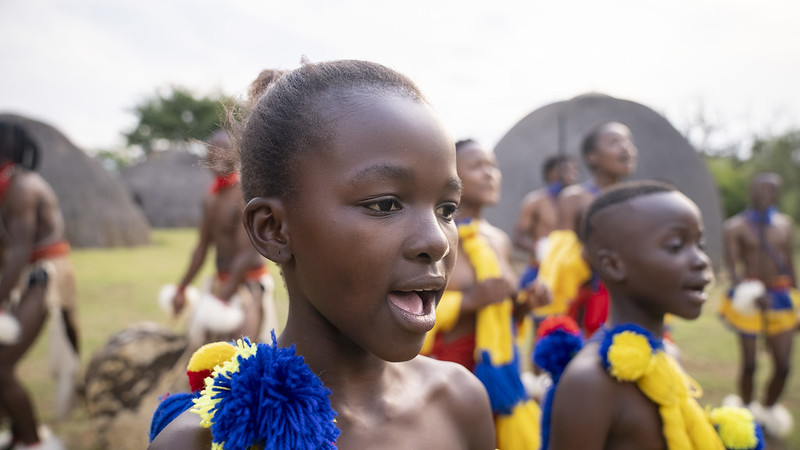 The kingdom of Eswatini is a small country in Southern Africa. It is a landlocked nation surrounded by South Africa to its north, west and south and Mozambique to its east. While it takes only three hours to travel from Eswatini’s western to eastern borders, this country’s intriguing traditions, wildlife, festivals, ceremonies and public events are some of the primary reasons tourists frequent it. Nevertheless, around 58.9% of the population of Eswatini lives below the national poverty line. Within this population, 56.5% of Swazi children are multidimensionally poor, meaning they lack adequate nutrition, housing, clothing, sanitation, water, health care, education and information and communication technology (ICT). Fortunately, many organizations are working to serve children in Eswatini.
HIV Infections Among Swazi Children
HIV is a particularly cruel form of child poverty in Eswatini. With one of the highest rates of HIV infections globally, the country is grappling with the devastating impact of this disease. Currently, approximately 26% of Swazis suffer from this disease. In 2020, more than 13,000 children between the ages of 0 and 14 were living with HIV.
Fortunately, Eswatini has made significant progress in its war on HIV. It is one of two African nations in history to not only meet but exceed the 95-95-95 global HIV treatment targets in 2020 and the number of HIV infections is declining every year. In 2022, the Pact organization reported that more than 6,000 Swazi children were supported with HIV services through its Ready, Resourceful, Risk Aware project.
Further, in 2023, through a mobile clinic, the World Food Programme (WFP) provided treatment literacy training to 135 caregivers and 1,800 children at 46 neighborhood care points (NCPs) in Eswatini. Working with Eswatini’s government, the WFP created safety nets for Swazis affected by poverty and HIV/AIDS. The target of these safety nets was 27,000 at-risk children at NCPs and specific Swazi schools.
Malnutrition Among Swazi Children
Malnutrition is a prevalent issue among children in developing countries, representing a significant aspect of child poverty in Eswatini. One consequence of chronic malnutrition among Swazi children is stunting, which occurs when a child is shorter than average for their age. In 2022, the stunting rate for Swazi children stood at 20%. Additionally, malnutrition contributes to child wasting, a condition characterized by thinness relative to height and a weak immune system. About 2% of Swazi children aged less than 5 experience wasting and one in 20 is underweight.
Many nongovernmental organizations (NGOs) are helping Swazis fight against child malnutrition, with one standout leader being the WFP. In 2023, the WFP played a pivotal role in addressing child malnutrition in Eswatini through various initiatives. By identifying the most undernourished populations across the country, the WFP targeted its efforts where they were most needed.
Through the innovative home-grown school feeding program pilot, nutritious meals were provided to NCPs, which serve as a combination of soup kitchens and informal preschools offering food, daycare and education to orphaned and vulnerable children. By implementing this program and working with Eswatini’s Ministry of Education, the WFP provided 23,000 school children with healthy food.
Clean Water and Sanitation for Swazi Children
One in three Swazis does not have access to clean water. Consequently, more than 200 Swazi children aged less than 5 die yearly from diarrhea caused by poor toilets and dirty water. Therefore, to attain number six on the United Nations (U.N.) list of Sustainment Development Goals, Eswatini has determined to provide all Swazis with fair and universal access to clean, safe, affordable water, sanitation and hygiene by 2030.
Further, many organizations, such as World Vision and WaterAid, are working to provide Swazi children with clean water and better sanitation. In 2022, World Vision and WaterAid provided clean water to local regions throughout Eswatini, enabling more children to enroll in Eswatini’s schools and spend more time learning.
Final Remark
Many Swazi children continue to find everyday life difficult. However, men and women in and outside Eswatini work night and day to create a brighter future for these children.
– Jacob Stubbs
Jacob is based in Indianapolis, IN, US and focuses on Good News for The Borgen Project.
Photo: Flickr
