Investing in R&D for Diseases in Africa
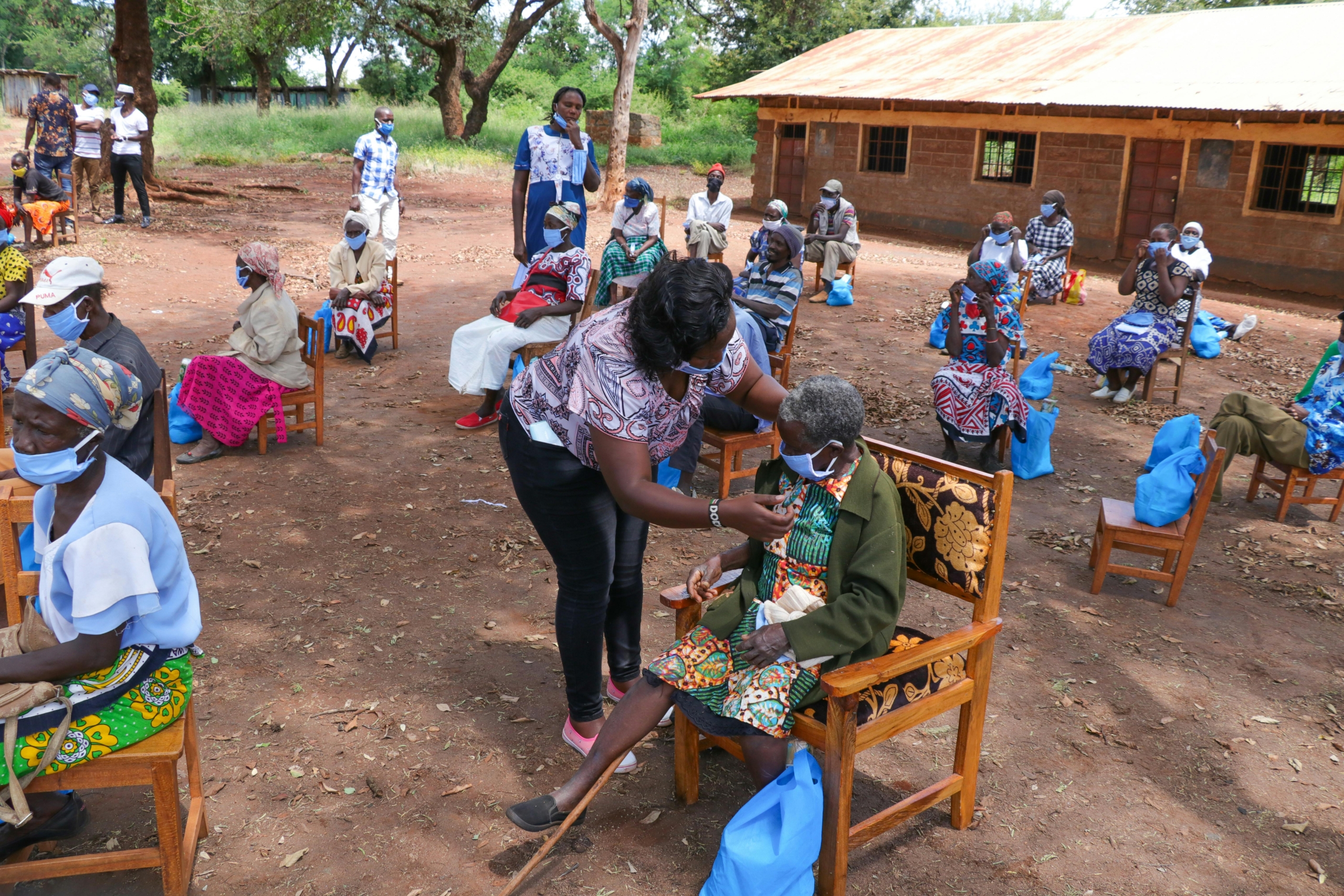 The world has become a global village and events in one part of it affect everyone in many ways. Depending on the event, the effects can be good or bad. The African continent is of immense significance. Neglected diseases like HIV, tuberculosis, malaria and other tropical diseases are not just problems in Africa; they are global challenges. Africa currently accounts for 20% of the global disease burden and that means both the loss of 630 million lives and $2.4 trillion in economic value yearly.
The United States (U.S.), as a global leader, holds a key position in global health security. It can further strengthen this position by allocating investments in Africa, particularly in research and development (R&D) for these diseases. This strategic move will contribute to global health and boost the U.S. economy, creating new jobs and fostering innovation. Recent research published by the Global Health Technologies Coalition (GHTC) has proven that investment from the U.S. can impact not only global health but also boost the U.S. economy.
The US Investments in Health R&D in Africa
The U.S. investments are vital to supporting the development of new drugs for diseases like malaria, tuberculosis, HIV and Ebola, which are among the most pressing health challenges in Africa and globally. For instance, U.S. investment in the development of antiretroviral drugs has significantly reduced the mortality rate of HIV/AIDS in Africa, saving millions of lives. This is a testament to the potential impact of the U.S. investments in health R&D in Africa.
In the last two decades, the U.S. has invested $46 billion in R&D for neglected diseases like HIV, malaria, tuberculosis and other health issues. In 2022, this investment was 0.21% of its gross domestic product (GDP). The investment helped develop 12 products for tuberculosis and 11 for malaria. The development of Pretomanid has revolutionized tuberculosis treatment. It also works for drug-resistant cases, reducing the treatment duration from 18 months to 6 months. Using it for all drug-resistant cases can save up to $740 million annually.
Two drugs, Cabotegravir and Dapvirine, developed with U.S. investments, have the potential to revolutionize HIV prevention and treatment. Many other products against different diseases are in the pipeline, also developed with the country’s investment.
Boosting the US Economy
These investments have boosted the U.S. economy and benefited U.S. companies and people in more ways than one might think. Here are some key points describing how these investments have contributed to the growth of the U.S. economy:
- Investments in R&D for diseases have created 600,000 jobs in the U.S.
- The investments resulted in an additional $104 billion in the U.S. economy.
- The investments on the governmental level have enhanced private sector investments in R&D for global health as well and $1 will result in an additional $8 investment in the private sector. These figures imply that the U.S. economy will ultimately gain an investment advantage of $102 billion.
These investments will result in future products worth $255 billion, further boosting the U.S. economy.
Final Thoughts
The U.S. has financial power and moral authority globally. More investment in R&D for diseases can improve life expectancy in Africa, strengthen the economies of partner countries, boost the U.S. economy and protect Americans’ health. The world has become a global village and diseases can spread quickly, creating a potential danger for everyone. Cases of malaria and leprosy have emerged in the U.S. in the recent past.
R&D of treatments and prevention products can help control the emergence of diseases in the U.S. and globally secure the financial future of thousands of Americans through jobs and boost a strong U.S. economy. In our current circumstances, allocating resources toward R&D for diseases in Africa is crucial. This investment can revitalize the U.S. economy during these challenging times.
– Maria Waleed
Maria is based in Yokohama, Kanagawa, Japan and focuses on Good News and Global Health for The Borgen Project.
Photo: Pexels
