The Displacement Crisis in Burkina Faso
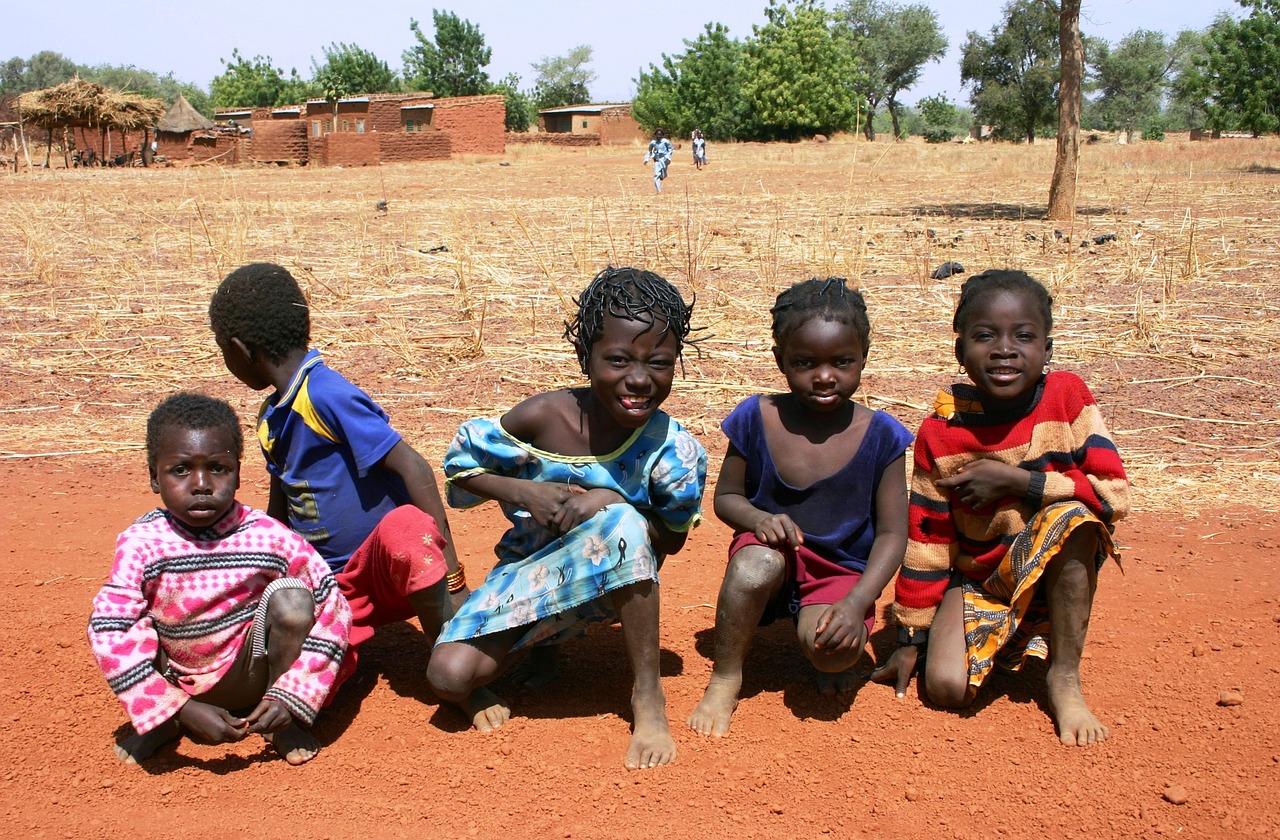 In West Africa, nestled between the more well-known countries of Mali and Ghana, Burkina Faso faces one of the most pressing displacement crises of this decade. With about 3.5 million people currently in critical condition and awaiting humanitarian assistance, the Norwegian Refugee Council has labeled Burkina Faso as the world’s most neglected crisis.
The Current State
This crisis is quite sudden, considering that Burkina Faso was not imminent to any disastrous situation just five years ago. Recent militia tensions have sparked hostility between militant groups and the government, with about 40% of Burkina Faso’s land annexed by militia groups. Around 2 million Burkinabe people were displaced by violence, and further struggles have caused obstructions to health care and educational facilities.
Despite this, the displacement crisis in Burkina Faso remains relatively unseen in larger media reports. This may be the confluence of several issues, one being the influx of coverage on Ukraine caused by the Russia-Ukraine War. Ukraine is still a place of heavy conflict and deserves support and coverage, yet Ukraine receives five times as much funding as the world’s top 10 most crucial displacement crises.
Additionally, the displacement crisis in Burkina Faso is relatively imperceptible to foreign eyes. Many displaced communities join larger cities by pitching tents or moving in with relatives. As the number of people displaced increases, the population in these larger communities becomes unsustainable. Resources are quickly depleted, and food insecurity is only exacerbated by the inaccessibility of some communities.
An estimated 3.4 million people in Burkina Faso are experiencing critical levels of food insecurity, with people in violence-plagued cities like Dijbo resorting to eating forged leaves. Displacement only grows worse, with families having moved upwards of four times in the past four years.
Nonprofit Aid
A handful of nonprofits, including the International Rescue Committee (IRC) and smaller-scale efforts such as the Konkourona Alliance Foundation (KAFO), have made headway in increasing awareness and humanitarian aid in Burkina Faso.
The International Resource Committee (IRC), an international initiative founded in 1933, provides on-the-ground support for displaced communities. It provides sanitation and health care services in lacking areas, alongside delivering clean water and food.
KAFO centers its aid on the city of Konkourona, the birthplace of the organization’s founder, Dr. Jules Millogo. Founded in 2019 with Catherine Hoath, KAFO provides both humanitarian and educational support. Since it began operation, KAFO has built three new water towers in Konkourona and two health centers, one for primary care and another for mothers and children. KAFO has also assisted in educating about 400 students by building three new classrooms.
An Especially Vulnerable Group
The displacement crisis in Burkina Faso impacts families all over the country, but women are particularly susceptible to gender-based violence and lack of life-saving health care. Reproductive health care is essential in times of crisis when the transmission of STIs, such as HIV, increases. As people are displaced, any government assistance prioritizes essentials such as food and water, inadvertently leaving women in displacement camps without reproductive health care.
MSI, a global nonprofit committed to providing reproductive health care to women in underprivileged areas, is currently aiding displaced women in Burkina Faso. MSI assists in a panoply of services, including HIV testing, cervical cancer screening and contraceptives.
Burkina Faso is an extremely vulnerable country where about 40% of citizens live below the poverty line. As violence and insecurity ravage the country, humanitarian aid has been distinctly lacking. Hopefully, with the advocacy of organizations such as IRC and MSI, the displaced Burkinabe people acquire the aid they are due.
– Inaya Lala
Photo: Pixabay
