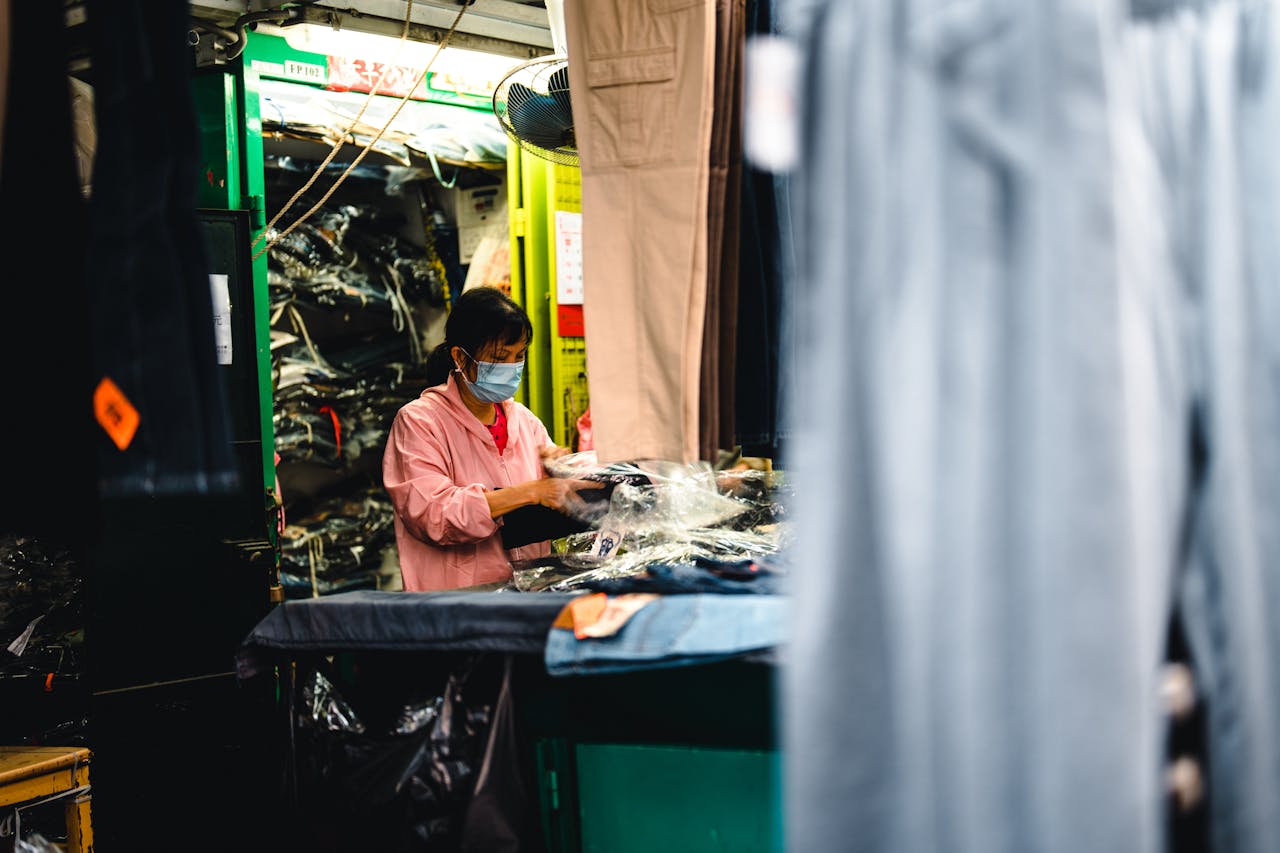
 Hong Kong is consistently ranked one of the world’s most expensive cities, with some of the least affordable housing and, so too, the most luxurious lifestyles. However, according to the Hong Kong Poverty Situation Report for 2020, 23.6% of Hong Kong’s population – around 1.65 million people – live in poverty and are unable to afford necessities.
The charity Oxfam has been active in Hong Kong since the ’70s and set up a domestic program team in 1996. In 2018, Oxfam Hong Kong commissioned the Chinese University of Hong Kong to conduct research on the national living wage. This was the first of its kind in Hong Kong, but it was just the beginning of the organization’s work to tackle poverty in the city.
Those Below Hong Kong’s Poverty Line
Although the overall median household income was HK$29,000 (about $3,480) in 2023 (a 1.7% increase since before the COVID-19 pandemic), Oxfam argues that the growing disparity between the poorest and the wealthiest in Hong Kong society, largely due to the slow financial recovery of the poorest households after the pandemic, should act as “alarm bells for the whole of society.”‘
Hong Kong’s poorest residents made almost 60 times less than its wealthiest in the first quarter of 2023. Oxfam, citing the Census and Statistics Department, states that in the first few months of 2023, the median monthly income of the poorest 10% of households stood at HK$2,300 ($276), 57.7 times less than the wealthiest 10% of households, which earned HK$132,600 (approximately $16,000) in the same period.
Hong Kong’s “poverty line” operates on the principle of relative poverty. This means any household earning less than 50% of the median monthly household income before tax and welfare transfers is considered to be living in poverty. However, the 2024 Legislative Council Panel on Welfare Services Latest Work Progress on the Commission of Poverty states that the official ” poverty line” only takes household income as the sole indicator of their economic situation.
Wong Shek-hung, the Director of the Hong Kong, Macau and Taiwan Oxfam program, argued that a Hong Kong minimum wage that only considers household income is not enough. Shek-hung states that food costs increased by more than 7% from December 2019 to December 2022. She also pointed out that energy costs increased by more than 11% within the same period, which reflected similar cost increases around the world.
Oxfam’s Work
Oxfam believes that the growing disparity between the wealthiest and poorest in Hong Kong society clearly displays how “inequality breeds poverty.” Therefore, Oxfam supports various initiatives to help make a difference for those who need it most. Oxfam lobbies the Hong Kong government to consider the cost of living, such as the cost, as mentioned earlier, of necessities like food and energy when determining the poverty threshold.
Oxfam is aware that society’s poorest bear the brunt of adverse climatic conditions’ negative effects. So, the organization urges the Hong Kong government to develop official policies to support those living in poor conditions in adapting to different climatic conditions and increasingly frequent dramatic weather events. This includes a heat index that would stop outdoor work in high temperatures to reduce the risk of heat stroke. Oxfam also encourages the government to review the Hong Kong minimum wage in a post-COVID-19 society, as the path to financial recovery is much more difficult for lower-income households.
Results and Final Comments
The Hong Kong minimum wage was frozen at HK$37.50 ($4.78) from 2019 up until 2023 when, thanks to lobbying from organizations like Oxfam, the government raised it by HK$2.50 ($0.3) to HK$40 per hour ($5.1). This was a huge step for labor organizations in Hong Kong, but Oxfam argues that it is still not enough.
Oxfam found that nearly 210,000 people in Hong Kong were living in poverty in 2023 despite being employed. It stated that a minimum wage of $5.1 per hour was still lower than what a family of two would receive through social security programs. Oxfam Hong Kong continued to urge the government to raise the minimum wage to “at least 45.5 Hong Kong dollars.”
The government announced in May of 2024 that it planned to raise the Hong Kong minimum wage by 4.5% to HK$41.85 ($5.36). These small changes are thanks to the work of those at Oxfam Hong Kong, who are defending the lowest earners in society. Their advocacy is a testament to the change that can be made by lobbying governments about the most vulnerable in society.
– Kristina Grant
Kristina is based in Scotland and focuses on Business and Technology for The Borgen Project.
Photo: Pexels

Colombia’s Digital Divide: Internet Access Opens up Opportunities
The Digital Divide in Colombia
Colombia faces significant disparities in internet access between urban and rural areas. Urban centers typically have better internet infrastructure and higher rates of connectivity. In contrast, rural communities often lack access to reliable internet services. This digital inequality exacerbates existing socioeconomic inequalities. The lack of access limits opportunities for rural residents to participate in the digital economy and access essential services such as education, health care and financial resources.
Limited internet access directly impacts economic opportunities. Without reliable connectivity, rural residents face barriers to accessing online job opportunities. They are unable to market their products and services and engaging in e-commerce. This hampers entrepreneurship and economic growth in rural areas, perpetuating cycles of poverty and inequality.
Internet Access and Economic Opportunities
Internet access opens up new avenues for rural entrepreneurs to sell their products and reach a broader market. Online platforms and marketplaces enable farmers, artisans and small businesses to showcase their goods. Accessing the internet allows sellers to connect with customers beyond their local communities. By expanding market access, e-commerce empowers rural entrepreneurs to increase sales and generate higher incomes, thereby contributing to poverty alleviation.
Government Initiatives and Digital Inclusion
The Colombian government has recognized the importance of bridging the digital divide and promoting digital inclusion as a means of fostering economic development and reducing poverty. One such initiative is the Computadores para Educar (CPE) program, which included setting up free public WiFi hotspots at community centers. Previously, the Vive Digital program provided access to computers, photocopiers, scanners, telephones, digital training and affordable internet through 7,000 digital kiosks.
In addition to infrastructure development, the Colombian government has implemented digital literacy programs to enhance digital skills and knowledge among rural residents. For instance, in 2009, the Ministry of Information Technologies and Communications (MinTIC) funded the Citizen Digital Certification program. These programs provide training in basic computer skills, internet usage and online safety, empowering individuals to navigate the digital world effectively. By equipping rural residents with the necessary digital skills, these initiatives enable them to fully participate in the digital economy and access economic opportunities online.
Final Remark
Internet access is a powerful tool for unlocking economic opportunities and reducing poverty in rural Colombia. By bridging Colombia’s digital divide and promoting digital inclusion, rural communities can tap into the vast potential of the digital economy, including e-commerce, remote work and freelancing. Government initiatives such as the CPE program and digital literacy programs play a crucial role in expanding internet access and empowering rural residents to harness the benefits of the digital age. By leveraging technology to overcome geographical barriers and foster economic empowerment, Colombia can build a more inclusive and prosperous future for all its citizens.
– Jennifer Lee
Photo: Flickr
Single Elderly Women in Japan Struggle with Poverty
Japan faces growing concerns about its aging population, particularly single elderly women who are at a higher risk of poverty. Current data suggests a stark contrast in poverty risks between genders and marital statuses, with elderly women more likely to struggle financially. Projections indicate that poverty rates for elderly women could increase from 22% to 25% and for divorced or unmarried women, the rate could spike to 50%. In contrast, only about 10% of elderly men are expected to fall into poverty. Widowhood offers limited financial relief, often restricted to bereaved family pensions.
Economic Inequality and Labor Market Challenges
The 2022 Ministry of Health, Labour and Welfare report in Japan reveals significant gender and age disparities in “one-person households.” Men constitute 35.9% of these households, with the largest age group being 70 to 74 years old, accounting for 28.7% of single male households. In contrast, women make up 64.1% of one-person households, with the largest demographic being those aged 85 and over, representing 24.1% of single female households.
Despite a doubling of income over the past two decades, Japanese women still earn significantly less than their male counterparts. As of Feb. 2023, the Statistics Bureau of Japan reported that the average monthly income for women was ¥83,896 ($630), compared to ¥345,645 for men. This disparity is exacerbated by the fact that 70% of female workers hold part-time or nonpermanent positions, which typically offer lower pay and limited opportunities for advancement. Consequently, Japan’s ranking suffered in the World Economic Forum’s 2022 Global Gender Gap report, ranking 116th out of 146 countries, primarily due to wage inequality and a scarcity of women in senior management roles.
Societal Norms and Systemic Disadvantages
“Social norms that assume women are being supported by men have led to a system that doesn’t consider women living alone—and persist even today,” said Abe, “Attention on ‘women’s poverty’ often focuses on young women and single mothers. Policies also revolve around child support and are not essentially supporting women.” This disparity stems from the post-war pension system, which was based on the assumption that women would leave the workforce to raise children while men, employed full-time, would secure generous benefits. Consequently, the system inadequately supports single, divorced or never-married women in their later years.
Policy Recommendations and Future Directions
In Japan, the public pension system covers individuals from age 20 to 59, with basic pension benefits starting at age 65, contingent on a minimum of 10 years of contributions. Full benefits are available after 40 years of contributions. Enhancing the income security function of this system can potentially mitigate the risk of elderly poverty.
A RIETI report recommended three frameworks for improving Japan’s pension system. Firstly, it suggested expanding employee health insurance to cover nonpermanent, part-time workers, thereby ensuring more comprehensive protection and reducing the risk of exclusion from the pension safety net. Secondly, raising the pensionable age could increase benefits for those currently receiving low amounts, more effectively addressing elderly poverty. Finally, implementing partial reforms to the existing system could significantly alleviate poverty without the need for a complete overhaul.
The Japanese government is actively promoting “lifelong work” to alleviate the country’s significant labor shortage and to encourage elderly citizens to contribute more toward their medical and nursing care expenses. To support this initiative, the Fiscal System Council is evaluating a proposal to raise the pensionable age to 68. Although the official retirement age in Japan is 65, the country has the world’s second-highest rate of senior employment, with many older adults working informal part-time jobs to supplement their pensions.
Looking Ahead
Japan’s aging population, especially single elderly women, faces severe economic challenges. Despite efforts to improve income security, significant disparities remain in wages and employment opportunities. With proposed reforms like raising the pensionable age and expanding insurance coverage, Japan aims to address these ongoing issues and enhance financial stability for its elderly citizens, striving to reduce poverty and improve their quality of life.
– Cindy Hong
Photo: Unsplash
Addressing Disability and Poverty in Fiji
Early Disability Identification Barrier
Fiji faces significant challenges in the early identification of disabilities in children. This severely impacts its disabled communities by drawing a barrier of comprehension, exclusivity and representation. Caregivers of children with disabilities reported to be unaware or unfamiliar with what the diagnosis is or what it entails. Misinformation, in contrast, lack of information further heightens confusion and often leaves caregivers lost about what to do.
The absence of adequate screening programs and limited specialized health care professionals further delay the identification of disabilities in children. The wait hinders intervention efforts, which is crucial for maximizing the developmental potential and quality of life for individuals with disabilities. According to the International Journal of Environmental Research and Public Health, many children in Fiji cannot access the necessary educational and therapeutic support. This can lead to lifelong disadvantages.
Low-Funding Fueling Low-Income
Low funding in Fiji and its economic infrastructure contributes to the country’s persistent low-income levels and widespread poverty. Tourists’, often being seen as a boost in surrounding economic landscapes, benefits are not evenly distributed. In most cases, the benefits do not reach the most impoverished communities. Much of the revenue that is generated from tourism is dedicated to urban areas and controlled by private foreign companies. This leaves rural and local populations with high rates of disability and poverty with minimal gain.
Additionally, the ebb and flow of tourism seasons do not offer stability within the workplace, with low-paying jobs and unreliable income being the most evident. The need for sufficient government funding further hampers efforts to develop infrastructure, education and healthcare, thus fueling the cycle of poverty. This need is met with the IMF Annual Report 2023, a clear emphasis is placed on strengthening institutions as a primary objective. Recognizing the critical role of robust institutions in fostering economic stability and sustainable development, the report underscores the importance of governance reforms, institutional capacity building, and effective policy implementation. By prioritizing institutional strengthening, the IMF aims to enhance resilience against economic shocks, promote transparency, and improve public trust in governance frameworks globally.
Positive Steps
Action on Poverty works to address disability and poverty in Fiji. Education about significant challenges that rural and remote communities face, particularly regarding clean water, sanitation, health and inclusion fuel support for those in need. Its programs focus on improving gender equality, social inclusion, governance, health, livelihoods and water sanitation. Training initiatives have helped communities improve water management, reducing water-borne diseases and improving overall health. Collaborating with local partners like Partners for Community Development Fiji, they enhance community resilience and break the cycle of poverty.
One of Action on Poverty’s programs in Fiji is the Water, Sanitation, and Hygiene (WASH) initiative. This program improves access to clean water and proper sanitation facilities in rural communities. By providing training and resources for effective water management and hygiene practices, the initiative has helped reduce water-borne diseases. Additionally, this has enhanced overall health and well-being in these communities. This collaborative effort with local partners aims to create sustainable changes and foster community resilience.
– Demi Olin
Photo: Flickr
The Impact of Mental Health in Czechia
Causes
These include socioeconomic conditions, lifestyle changes and the historical context. Approximately one-fifth of the population suffers from mental-health-related issues and problems, according to the National Institute of Mental Health in the Czech Republic. Depression, alcohol-related disorders and anxiety are the leading disorders reported or diagnosed in this area. Indeed, many more people could be silently suffering from these mental health disorders during times like this.
The economic transformation after the fall of communism also contributed to this factor here. As a result of rapid changes in society, increased stress levels have been created among people, which can further give way to mental health complications. Additionally, poverty strongly correlates with mental health challenges, where those in lower economic strata experience higher rates of mental health disorders and face significant barriers in accessing mental health care.
Stigma
Despite increasing mental health awareness worldwide, stigma remains a significant barrier in Czechia. According to a report by the European Union Agency for Fundamental Rights, many individuals with mental health problems in Czechia experience discrimination, particularly in employment and interpersonal relations. Cultural factors and historical contexts contribute to feelings of isolation, making it challenging for people to seek support and discuss their mental health openly.
Services
Czechia had made plans to develop and improve its mental health services, although gaps still exist. The Mental Health Atlas of WHO in 2020 indicated that approximately 30 mental health professionals per 100,000 population in the Czech Republic. The government has responded by initiating various programs to strengthen the mental health infrastructure, such as the integration of mental health services at the primary care health services and expansion at the community level.
Recent initiatives in Czechia’s mental health care include efforts to improve access to services for children and adolescents, enhance mental health education and reduce stigma. International cooperation has also facilitated the exchange of best practices, contributing to the development of mental health services in the country.
Czechia is at a critical stage in managing mental health, with significant strides being made in reducing stigma, enhancing services, and integrating mental health into broader healthcare.
– Ansha Gupta
Photo: Flickr
Addressing Poverty and Gender Inequality in Pakistan
However, there is another facet of Pakistan’s poverty that is equally important to consider. Women are disproportionately represented among the nation’s vulnerable communities, with 75% of Pakistan’s extremely impoverished population being women and girls. This phenomenon, sometimes referred to as the “feminization of poverty,” is critical to consider when attempting to address the country’s poverty rate.
Gender Inequality in Pakistan
Pakistan ranks low on global gender inequality indexes. The nation ranked 145th out of 146 countries on the World Economic Forum’s 2024 Global Gender Gap Index, which examines the current state and evolution of gender equality across four categories: Economic Participation and Opportunity, Educational Attainment, Health and Survival and Political Empowerment. Pakistan’s performance in each domain warrants brief discussion.
How Does Gender Inequality Affect Poverty in Pakistan?
Pakistan’s adherence to traditional gender roles limits educational, occupational and political opportunities for women. But how does this account for the disproportionate share of women among the country’s poor? According to the U.N., gender disparities in poverty stem from women’s lack of access to economic resources and financial independence. Pakistan’s substantial gender gap in economic participation reveals this disparity. Lower literacy rates and education levels also reinforce these numbers. Education is essential to securing a well-paying job — fewer years of schooling reduce a woman’s economic opportunities and serve as an obstacle to overcoming poverty.
Addressing Gender Inequality in Pakistan
While Pakistan needs to make considerable progress to overcome gender inequality, some organizations are currently working to provide more opportunities for Pakistani women. The U.N. Women Pakistan supports U.N. initiatives to implement global gender equality standards in Pakistan and encourages the Pakistani government to comply with those standards. Recent efforts include creating committees for the Convention on the Elimination of All Forms of Discrimination Against Women and strengthening Pakistan’s Women Development Departments.
The Women’s Parliamentary Caucus also works to influence gender-related legislation in Pakistan. The nonpartisan caucus works with international organizations to strengthen women’s rights and implement policies combating gender inequality in Pakistan. It recently organized a roundtable titled “Gender Responsive Budgeting for Women’s Empowerment in Pakistan,” during which it addressed various gender-related topics, including women’s lack of access to educational and medical facilities in rural areas and the prevalence of gender bias against national and provincial women legislators.
Pakistan’s gender gap in educational and economic participation is substantial. While the U.N. Women Pakistan and the Women’s Parliamentary Caucus are working toward improving educational and financial opportunities for women, much more work remains to reduce gender inequality in Pakistan. Bridging the gender gap will help diminish the feminization of Pakistan’s impoverished population—a major step in addressing the nation’s poverty rate as a whole.
– Lana Swindle
Photo: Flickr
Poverty among Migrant Workers in Singapore
About Migrant Workers in Singapore
Migrant workers, primarily from China, Indonesia, the Philippines, India and Bangladesh, compose 38% of Singapore’s labor force and play a particularly crucial role in the construction, manufacturing, maritime and service industries. A particularly large contingent of these foreign workers are classified as migrant domestic workers (MDWs). These workers, who are predominantly female and make up 4.4% of Singapore’s population and 7.3% of its labor force, are particularly vulnerable to domestic abuse and overworking.
Unhealthy Living Conditions
Human Rights Watch has reported that up to 20 workers are packed into the same room and forced to share a single bathroom. These cramped living conditions are often unsanitary and proved particularly hazardous during COVID-19 when strict government lockdowns forced workers to remain in hot, crowded dorms that lacked proper ventilation. In the early days of the pandemic, 90% of Singapore’s COVID-19 cases were among migrant workers.
Migrant workers in Singapore often find themselves in precarious positions because their work permits and legal status in the country are tied to their employers. Foreign domestic workers are especially vulnerable to exploitation because they are excluded from many labor protections, including paid days off and limits on working hours. In addition, foreign workers are barred from organizing and taking part in labor unions.
The International Labor Organization (ILO) has also found a concerning decline in positive attitudes toward migrants, even toward the foreign domestic workers that many Singaporeans come into personal contact with every day.
Solutions
Despite the many challenges facing migrant workers in Singapore, various nongovernmental organizations (NGOs) are working to address these issues. Its Raining Raincoats is a charity focused on providing services for migrant workers in need, with the broader goal of ensuring that they are welcomed and integrated into Singaporean society. The charity runs various welfare programs that ensure migrants have access to dental and vision care and assist them with salary and employment issues. It also provides English language, financial literacy and first aid classes. In 2023, the charity raised more than $1.2 million for migrant workers and distributed more than 650,000 essential items, including meals, bikes, phones and glasses.
Additionally, the Migrant Workers’ Center, established in 2009 as a collaboration between the National Trades Union Congress and the Singapore National Employers Federation, is an NGO that advocates for the uniform application of fair employment practices. It provides free legal advice, humanitarian assistance and peer support networks, among other services. It also offers an associate membership for just $6 a year, which allows migrants to access critical health and disability insurance in addition to benefits.
Despite public opinion and the dearth of substantive government action, these NGOs are working to improve the lives of migrant workers in Singapore.
– Josephine Koch
Photo: Flickr
Providing Aid to Flood Victims in El Salvador
Poverty and Food Security in El Salvador
In El Salvador, 26% of families live in multidimensional poverty. According to Habitat for Humanity, eight out of 10 El Salvadorians live in inadequate conditions. This has led to a plague of gang violence, along with high rates of illiteracy, school dropouts and malnutrition. Additionally, 14% of El Salvadorian children younger than the age of 5 suffer from chronic malnutrition. The country’s food insecurity and hunger rates come from poor access to nutritional food and a lack of nutritional awareness.
Central American Gyre’s Effect on El Salvador
El Salvador has experienced multiple feet of rainfall and flooding in the past month due to these storms. Since the rainfall began, more than 900 flood victims in El Salvador have been forced to evacuate their homes for temporary shelters to escape the flooding. In June 2024, the country’s congress issued a 15-day state of emergency as a result of the rainfall. It deployed more than 30,000 soldiers to help deal with any emergencies resulting from the storms.
World Food Programme’s Emergency Response
As a result of the flooding, thousands have been left without food and water as they search for a safe place for shelter. In the shelters of the capital city, San Salvador, World Food Programme (WFP) country director, Riaz Lodhi, is working with El Salvador’s Civil Protection Department to assess the food needs of the flood victims in El Salvador.
When asked about their plans, Lodhi said, “We are assessing the food needs of the people who have been affected by these floods and will respond adequately in coordination with the government’s response.” It is encouraging to see that government institutions have developed their capacity and have taken the driver’s seat to respond to the emergency rapidly – they are providing hot meals in shelters while WFP is closely monitoring the needs of the affected communities,” he added.
The Future
WFP experts are predicting an 80% chance of the effects of the Central American Gyre limiting the nation’s ability to produce grains and other crops over the next six months. However, the nonprofit has worked in El Salvador for years. It has numerous programs in place to help the nation fight hunger and food insecurity. It has trained more than 20 farmers in commercializing their products to reach new markets in hopes of earning more money. Additionally, it has initiated a program for 50 people to learn about nutritional cooking techniques and food security. WFP has also implemented emergency response systems to ensure food production during emergencies in El Salvador.
– Nicolas Mezzaucella
Photo: Flickr
3 Ways Drones Bring Aid to the Democratic Republic of Congo
However, they have been used for various purposes beyond military applications. The DRC is using drones to protect and secure its land. This is in the hope of reducing any potential conflicts and ensuring those who are vulnerable feel safer within the community. The government is also utilizing drones to support precision agriculture by monitoring farming regions and delivering medical supplies quickly and efficiently to isolated areas.
Improving Land Tenure and Women Empowerment
Kinshasa, the capital of the DRC, has been actively using drone technology to protect its land and assist vulnerable communities. Many of the city’s residents are women who serve as the primary providers for their families. In Kasangulu, a small city in Kinshasa, the pressure on land has been increasing. Additionally, the lack of clarity regarding land ownership has led to several conflicts.
To combat this, drones have been deployed using a pilot initiative conducted by IRDAC SARL, a local cartography group that was trained on how to effectively use drones and analyze the data received. One of the main aims of this project was to increase women’s awareness of the importance of securing land and knowing their property rights in the hopes of easing any future conflict. The use of these digital tools has supported this community and made it a safer environment for everyone in Kinshasa.
Assisting Local Farmers
Another way drones are used in the DRC is to monitor local farming areas and apply precision agriculture methods to increase crop production and reduce resource waste. Precision agriculture uses remote sensing data, including images and analyzed information collected by drones. This information is used to assess the required amount of water, fertilizers and more.
Although this method may be a popular and mainstream process in some areas, in the DRC, it has improved the farming economy massively. However, considering there are about 140,000 local farmers in the DRC, they still require continuous support to improve crop productivity. Using drones to target specific areas and allocate resources will significantly benefit the farming industry.
Providing Delivery Services to Medical Facilities
In 2019, Swoop Aero and VillageReach began a partnership to improve the distribution of medical supplies and vaccines for the DRC by setting up the Drones for Health Program. These drones provide delivery services to 70 medical facilities in isolated and hard-to-reach areas in case of emergencies. Currently, they cover 22,000 square kilometers of the DRC, serving more than half a million people. Since 2020, the drones have distributed 16,000 vaccines, bringing much-needed services and aid to the Democratic Republic of Congo.
According to Swoop Aero, this has allowed 620 children to be vaccinated for several life-threatening diseases. Another advantage of using drones is the speed at which they can improve the delivery time for medical supplies. According to Swoop Area’s analysis, a 90-minute boat journey has been reduced to just 12 minutes by drone. The importance of drones is explicit in the medical field. Although drone technology is a new innovator, it is making positive strides forward.
Final Remark
It is still too soon to tell if drones will become a staple in conventional everyday activities and bring aid to the Democratic Republic of Congo. Yet, it is evident that drones have improved the efficiency and productivity of the country. This new technology will still be analyzed, researched and put into practice to find the best solution to the problems in protection, agriculture and medicine. However, for now, drones still need the recognition that they deserve for the amazing uses that they bring.
– Charlotte Johnston
Photo: Pexels
Raising the Hong Kong Minimum Wage
The charity Oxfam has been active in Hong Kong since the ’70s and set up a domestic program team in 1996. In 2018, Oxfam Hong Kong commissioned the Chinese University of Hong Kong to conduct research on the national living wage. This was the first of its kind in Hong Kong, but it was just the beginning of the organization’s work to tackle poverty in the city.
Those Below Hong Kong’s Poverty Line
Although the overall median household income was HK$29,000 (about $3,480) in 2023 (a 1.7% increase since before the COVID-19 pandemic), Oxfam argues that the growing disparity between the poorest and the wealthiest in Hong Kong society, largely due to the slow financial recovery of the poorest households after the pandemic, should act as “alarm bells for the whole of society.”‘
Hong Kong’s poorest residents made almost 60 times less than its wealthiest in the first quarter of 2023. Oxfam, citing the Census and Statistics Department, states that in the first few months of 2023, the median monthly income of the poorest 10% of households stood at HK$2,300 ($276), 57.7 times less than the wealthiest 10% of households, which earned HK$132,600 (approximately $16,000) in the same period.
Hong Kong’s “poverty line” operates on the principle of relative poverty. This means any household earning less than 50% of the median monthly household income before tax and welfare transfers is considered to be living in poverty. However, the 2024 Legislative Council Panel on Welfare Services Latest Work Progress on the Commission of Poverty states that the official ” poverty line” only takes household income as the sole indicator of their economic situation.
Wong Shek-hung, the Director of the Hong Kong, Macau and Taiwan Oxfam program, argued that a Hong Kong minimum wage that only considers household income is not enough. Shek-hung states that food costs increased by more than 7% from December 2019 to December 2022. She also pointed out that energy costs increased by more than 11% within the same period, which reflected similar cost increases around the world.
Oxfam’s Work
Oxfam believes that the growing disparity between the wealthiest and poorest in Hong Kong society clearly displays how “inequality breeds poverty.” Therefore, Oxfam supports various initiatives to help make a difference for those who need it most. Oxfam lobbies the Hong Kong government to consider the cost of living, such as the cost, as mentioned earlier, of necessities like food and energy when determining the poverty threshold.
Oxfam is aware that society’s poorest bear the brunt of adverse climatic conditions’ negative effects. So, the organization urges the Hong Kong government to develop official policies to support those living in poor conditions in adapting to different climatic conditions and increasingly frequent dramatic weather events. This includes a heat index that would stop outdoor work in high temperatures to reduce the risk of heat stroke. Oxfam also encourages the government to review the Hong Kong minimum wage in a post-COVID-19 society, as the path to financial recovery is much more difficult for lower-income households.
Results and Final Comments
The Hong Kong minimum wage was frozen at HK$37.50 ($4.78) from 2019 up until 2023 when, thanks to lobbying from organizations like Oxfam, the government raised it by HK$2.50 ($0.3) to HK$40 per hour ($5.1). This was a huge step for labor organizations in Hong Kong, but Oxfam argues that it is still not enough.
Oxfam found that nearly 210,000 people in Hong Kong were living in poverty in 2023 despite being employed. It stated that a minimum wage of $5.1 per hour was still lower than what a family of two would receive through social security programs. Oxfam Hong Kong continued to urge the government to raise the minimum wage to “at least 45.5 Hong Kong dollars.”
The government announced in May of 2024 that it planned to raise the Hong Kong minimum wage by 4.5% to HK$41.85 ($5.36). These small changes are thanks to the work of those at Oxfam Hong Kong, who are defending the lowest earners in society. Their advocacy is a testament to the change that can be made by lobbying governments about the most vulnerable in society.
– Kristina Grant
Photo: Pexels
Health Improvements in Rural Kenya
The Situation
Like many developing nations, Kenya experiences poverty and its consequences on a large scale. To clarify, in 2005, poverty levels in rural parts of the country were around 50%, but in 2016 these levels fell to about 38.8%. It is also important to note that the rates of poverty in rural areas are about 6.5 times that of urban areas.
Kitchen Gardens
One important CHW program is its work in educating rural populations on how to grow and maintain kitchen gardens successfully. The goal of this program is “to promote a healthier organic living to vulnerable communities who have small pieces of land.” To achieve this goal, CHW supplies seedlings and conducts training on how to build and maintain multi-story, keyhole or raised bed gardens.
This method of farming is suitable for those living on small plots of land. It creates a small farm that can grow a variety of crops. Through this program, more than 200 rural citizens have grown enough to feed themselves and then some. The results of this program have led to food security, increased immunity through nutrition and profitable gardens.
Sericulture
Another important program that CHW began in rural Kenya is the introduction of sericulture. Sericulture is the practice of raising silkworms through their development stages in order to eventually harvest, process and weave silk. In this program, silkworms are raised on mulberry trees, which not only provide food for silkworms but also aid in soil conservation.
CHW partnered with the Kenya Agricultural and Livestock Research Organization (KALRO) to educate farmers about “sericulture techniques, crop management and silk processing.” Since sericulture is a sustainable and eco-friendly way of developing in-demand silks and silk blends, it is an excellent mode of economic growth for rural Kenyans. This creates wealth for farmers, weavers, garment producers and more. When wealth is created, it also creates strong health improvements in rural Kenya, as citizens are able to afford nutritious foods, medical treatments and other sanitary necessities.
Vaccinations
In Western Kenya, rabies is spread to both people and livestock, mostly through dogs across rural areas. In such pastoral locations, it is difficult to maintain the refrigeration that vaccines require, so most victims of rabies bites must travel long distances on rough roads to receive necessary treatment. However, in a recent effort to reduce rabies levels, CHW collaborated with Boehringer Ingelheim. Together, they implemented the Making More Health initiative to find an innovative solution to rural Kenya’s rabies problem.
The solution unfolded with the help of Zipline, the world’s largest delivery system, which used drones to deliver packages full of vaccines and VacciBox, which utilizes solar power to run refrigerators. On the first day of this drone-to-refrigerator delivery, 2,000 dogs were vaccinated across counties in Western Kenya. This is only the beginning of an extensive movement to reduce rabies levels and is an excellent example of the health improvements in rural Kenya that CHW aims to achieve.
A Sustainable Future in Rural Kenya
Thanks to CHW’s tireless efforts, rural citizens in Kenya have seen improvements in agriculture, production and access to vaccines. Additionally, they have received assistance in education, period poverty and sanitation. Organizations like CHW, which address all aspects of rural poverty, are making significant contributions to health improvements in rural Kenya.
– Carlie Duggan
Photo: Wikimedia Commons