Salar de Uyuni: CODESPA’s Efforts to Alleviate Poverty
 Salar de Uyuni in Bolivia, the world’s largest salt desert, features stunning landscapes but also faces significant poverty within its indigenous communities. The area struggles economically due to limited access to education, health care and sustainable employment opportunities. In response, the nonprofit organization CODESPA has launched initiatives to improve local livelihoods. CODESPA’s efforts include fostering entrepreneurship, providing vocational training and supporting small businesses to drive sustainable economic growth. Through these ongoing initiatives, CODESPA seeks to empower the community, reduce poverty and enhance the quality of life for the people of Salar de Uyuni.
Economic Struggles in Salar de Uyuni:
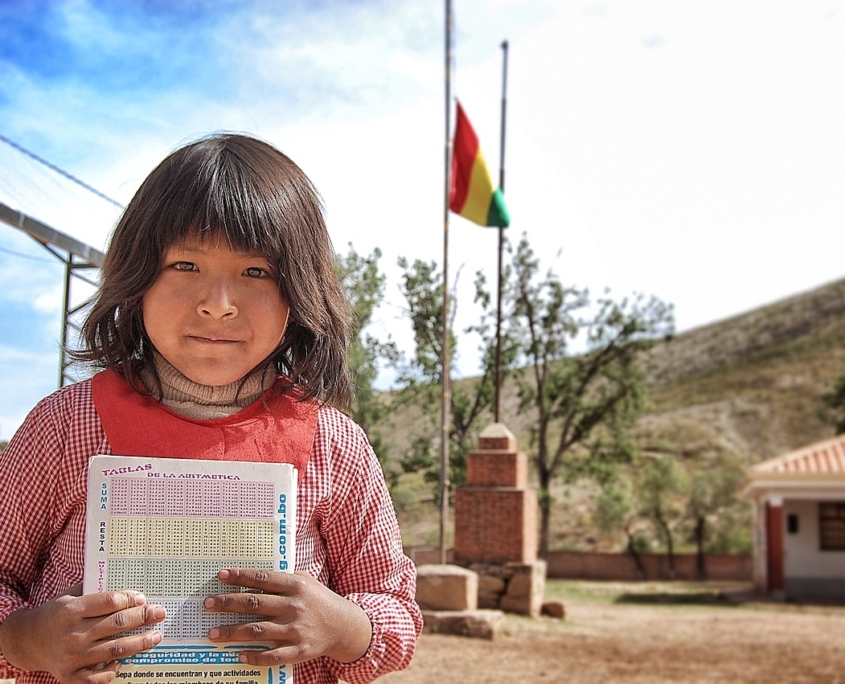
The people of Salar de Uyuni, due to their rural environment, have limited access to education. Most children complete primary school, but boys often receive priority for secondary education. Girls who cannot attend school typically stay home to help with work and chores. Additionally, a lack of sex education contributes to teen pregnancy, which exacerbates the high illiteracy rates among women—up to 6% higher than the national average of 13%. In poor families, children attend public schools where educational quality is low. Educators in rural areas are twice as likely to lack proper training compared to their urban counterparts. Furthermore, rural areas offer fewer educational opportunities than urban areas. Without adequate education, securing well-paying jobs becomes significantly harder, leading many to resort to manual labor, such as working in salt farms.
Health Care Challenges and Its Effects
In addition to limited educational opportunities, the people of Salar de Uyuni face significant health challenges, including unsafe drinking water. The rivers and lakes on which these communities rely are often contaminated and they lack the means to purify the nonpotable water. Drinking unsafe water can lead to many illnesses, including diarrhea, which is a leading cause of death among children under the age of 5 in Bolivia.
Malnutrition is another leading cause of death among children under the age of 5 in Bolivia. In poor rural areas like Salar de Uyuni, where the majority of the population lives, children are more likely to suffer from malnutrition. A poor child from a rural town is eight times more likely to be malnourished than a child from a wealthier urban family. Poverty is the primary driver of malnutrition in these areas.
CODESPA’s Initiatives and Impact
The NGO CODESPA is committed to transforming the future for residents of Salar de Uyuni, focusing particularly on one of the most disadvantaged groups: the indigenous Quechan women. By leveraging tourism as a viable economic market, CODESPA assists these women in starting small tourism-related businesses, including accommodations, services, products and experiences. The organization provides training in business operations and management and supports sales efforts. CODESPA also utilizes its connections with tour operators, government ministries and other stakeholders to forge lasting partnerships. Its efforts have reached 102 Indigenous Quechan women and have created more than 230 new jobs in the area, empowering women to become leaders in their businesses and communities.
CODESPA’s initiatives in Salar de Uyuni demonstrate the potential of targeted efforts to alleviate poverty in developing areas. By addressing challenges such as lack of education, unsafe living conditions and limited employment opportunities, CODESPA is driving significant and lasting change. The organization focuses on supporting indigenous Quechan women by helping them start tourism-based businesses, which not only offers immediate economic benefits but also promotes a self-sustaining economic model.
Looking Ahead
CODESPA’s initiatives in Salar de Uyuni are transforming the region by addressing its economic challenges and improving access to education, health care and sustainable employment. By empowering indigenous Quechan women through tourism-based businesses, the organization is fostering economic growth and enhancing the quality of life. These ongoing efforts are creating a more promising future for the people of Salar de Uyuni, breaking the cycle of poverty and ensuring lasting change.
– Rachel Venable
Rachel is based in Berkeley, CA, USA and focuses on Good News and Global Health for The Borgen Project.
Photo: Pixabay
