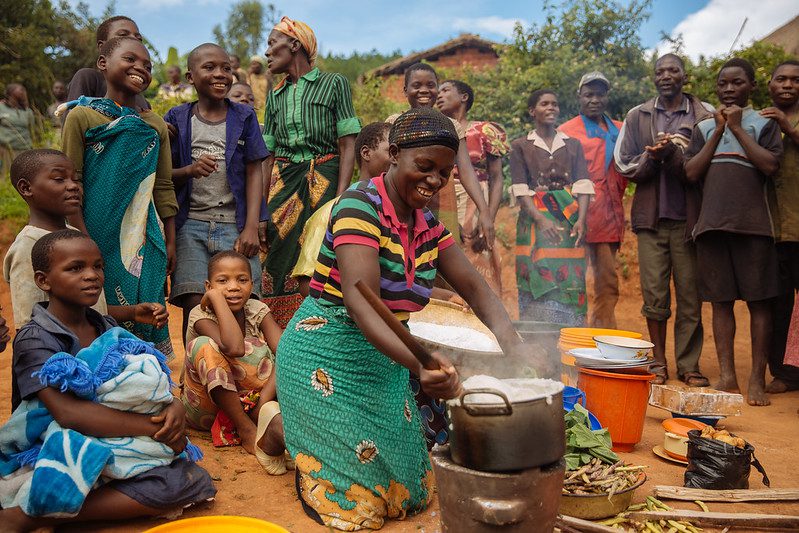
 In rural Africa, the poverty rate stands at 17.2%, more than triple the urban rate of 5.3%, according to the United Nations (U.N.). More than half of Africa’s women reside in rural areas and “significantly contribute to Africa’s agriculture and rural enterprises, fueling local and global economies,” as reported by the U.N. Rural African women encounter more challenges than men in agriculture, including issues related to resource control, access to financing and ownership of livestock and land. Self Help Africa’s (SHA) Rural Women Empowerment (RWE) project is actively working to address these challenges by establishing Women’s Business Centres, thereby investing in efforts to alleviate poverty in rural Africa.
The Return on Investing in African Women
According to the U.N., research indicates that when women work globally, they typically reinvest up to 90% of their earnings into their families’ and communities’ health, nutrition and education, compared to men who reinvest up to 40% of theirs. More than half of Africa’s women reside in rural areas, where they play a “key role” in enhancing the livelihoods of their households and communities, the U.N. notes. Thus, investing in gender equality and expanding opportunities for rural African women directly contributes to the development and alleviation of poverty in rural Africa.
Launch of SHA’s Rural Women Empowerment Project
SHA, an international development organization based in Dublin, Ireland, launched its RWE project in early 2023. This five-year strategy aims to alleviate poverty, social inequality and hunger through community-led, market-based and enterprise-focused approaches, according to its website. The RWE project represents the second phase of an initial effort titled “Scaling Rural Women Entrepreneurs for Community-Led Digital Adaptation and Resilience in Africa,” which concluded in December 2023. The German Agency for International Cooperation (GIZ) funds the project.
Expansion and Impact of Women’s Business Centers
The project now focuses on empowering rural African women entrepreneurs by providing support in financial literacy, digital learning, product market development and more. It works closely with women entrepreneurs to connect them with new opportunities in fields like agriculture and nutrition while integrating their existing business practices. By establishing Women’s Business Centres (WBC), the RWE initiative helps women enhance their innovation skills and build economic independence and digital capabilities.
The WBCs provide startup support and train rural African women on digital business strategies and social media marketing. They also provide networking communities for women entrepreneurs and those planning to launch new businesses. The centers serve as both business incubators and vibrant communities where women business owners can connect and learn about nutrition, health care, finances, savings and more. The WBCs are “transforming lives, not just for the women involved, but for their families and communities at large,” states SHA’s website.
Successful Outcomes Across Kenya, Nigeria and Malawi
Since June 2023, the RWE project has supported almost 2,000 rural African women entrepreneurs in Kenya, Nigeria and Malawi and has established 90 WBCs in the three countries. In Kenya and Malawi, the RWE and WBCs share the same goals. Through the project, 13,600 women in Malawi and 4,000 women in Kenya have accessed information, services and resources related to nutrition and digital literacy.
At WBCs in Nigeria, women are trained to produce and market “Tom Brown” — a traditional Nigerian food supplement made from locally sourced produce such as soya beans, corn, groundnuts and millet. The supplement has a high nutritional content — it supports weight gain, prevents malnutrition and is particularly beneficial for babies, children and breastfeeding women. It is commonly eaten as porridge for breakfast. More than 400 Nigerian women have been trained to prepare Tom Brown with locally produced ingredients across 20 WBCs in Nigeria.
“Due to the training I received here, I know how to talk to the customers and draw their attention to the goods that I have. It can boost your energy and appetite for food, especially for people in hospital, it’s very good for them,” Bridget Beekombo, a producer, seller and consumer of Tom Brown, told SHA. By establishing WBCs in rural Africa, SHA’s RWE project is empowering women to shine as innovative leaders and entrepreneurs. The project is, in turn, investing in the poverty alleviation and economic and social development of Africa’s rural areas, placing rural African women at the helm.
Looking Ahead
Self Help Africa’s Rural Women Empowerment project actively supports rural African women by providing essential resources and training through Women’s Business Centres. These centers equip women with financial literacy, digital skills and market development strategies, fostering economic independence and innovation.
– Ahna Fleming
Ahna is based in Minneapolis, MN, USA and focuses on Good News and Politics for The Borgen Project.
Photo: Flickr

Guardians of Dreams: A Brighter Future for Children in India
A Home of Diverse Backstories
There are nearly 400,000 children across 10,000 children’s homes in India. Within these homes, children come from a variety of environments. Some children come from families that are economically unstable and cannot sustain the essential needs of a child such as nutrition, clothing and health care. Children who have been orphaned, in conflict with the law or been rescued from human trafficking also require a rehabilitative environment.
Challenges Strung Upon Childcare Homes
Enacted in 2015, the Juvenile Justice Act allows childcare institutions such as children’s homes, orphanages and juvenile justice homes to provide care and protection through specific practices and resources. These resources include 24-hour supervision, education, nutrition and basic amenities like beds and hygiene care. Despite the critical need for these resources, most childcare institutions in India lack the financial capacity to consistently maintain their infrastructures. The COVID-19 pandemic has further strained the childcare sector’s ability to deliver effective services. Additionally, individuals who turn 18 and are legally considered adults must leave these institutions. This forces them to abandon plans for higher education and take the nearest available job. Aftercare is crucial for these young adults to integrate into society successfully. Without life skills training and a reliable support system, they remain vulnerable to a systemic cycle of poverty.
The Beginning of The Story
In 2011, Thachankary began volunteering as an English teacher in children’s homes. Over time, she became acutely aware of the broader challenges these children faced, realizing that teaching English alone was insufficient for providing long-term protection and support. “You start realizing the problem is much deeper,” Thachankary said, as she encountered the complex issues these children dealt with. This realization sparked an initiative to reform children’s homes in India. Many children suffer from malnutrition and inadequate health care, trapping them in a continuous cycle of illness. Additionally, a lack of opportunities for relationship-building has stunted their social skill development. Recognizing these issues, Thachankary concluded that a holistic approach was essential for a brighter future in child welfare.
The Guardians of Dreams
Alongside a team of inspired individuals, Guardians of Dreams was created to support the children and their aspirations going forward. “The whole point of the name Guardians of Dreams for us is to make sure that we’re able to guard their dreams,” Thachankary said. Ensuring the appropriate resources within childcare institutions fosters greater opportunities for young adults. Since 2015, this organization has expanded to helping 450 pre-existing childcare institutions across 6 Indian districts: Kochi, Bangalore, Chennai, Calcutta, Hyderabad and Mumbai. Guardians of Dreams is intent on upgrading the providence of childcare institutions through financial, educational and emotional support. Through a noninvasive technique, Guardians of Dreams builds a relationship with the leaders and workers of the institutions and collaborates to deliver positive development for the children.
A Glimpse Into The Projects
A new three- to five-year program currently rolls out across 10 homes and incorporates a curriculum developed by Guardians of Dreams. This curriculum is crafted in collaboration with subject matter experts, such as nutritionists and hotel management professionals experienced in sanitation care and childcare institutions with established practices. The curriculum acknowledges a variation of domains such as nutrition, mental health, hygiene and more and promotes these guidelines within the homes. Volunteers called ‘embedded managers’ go on-site to train and evaluate. In this newly developed program, the organization provides approximately $2500 to $4000 in grants annually to support enhanced meal plans and mental health coaching.
A program such as the Scholastics Awards Program provides unrestricted financial support for one year to 10th-and 12th-grade students who demonstrate academic success. So far, it has reached 974 students across three districts, encouraging young adults to pursue their preferred career opportunities without financial strain.
To address financial instability and the lack of facilities at childcare institutions, Guardians of Dreams conducts thorough assessments and executes upgrades, including additional toilets and enhanced dormitory and recreational spaces. This project has successfully revitalized six homes and is currently making progress with more than 300 homes.
The Journey Ahead
The United Nations asserts that childhood deserves special care and attention, establishing a framework that supports a child’s right to a suitable standard of living. Numerous local nonprofit organizations and government-run childcare institutions in India are committed to achieving making this a reality for vulnerable children, but resource shortages can compromise consistency. The efforts of organizations like Guardians of Dreams have significantly improved childcare institutions, benefiting the institutions, members and staff. A notable success story involved assisting a Bangalore childcare home in securing the official license required to operate as an established institution after 16 years. The ultimate measure of success is seeing vulnerable children from any background thrive in a supportive environment.
– Abigail Lobo
Photo: Flickr
South African Women: The Young Women for Life Movement
According to the International Journal for Equity in Health, the low socioeconomic status of women, especially Black women, in the country places them at greater risk of contracting HIV. Poverty — which in South Africa is the result of historical inequalities — is a “significant factor” in the way HIV/AIDS spreads — the majority of people living with HIV/AIDS are experiencing poverty. In response, the Young Women for Life Movement works with girls and women who are affected by poverty, marginalization, gender-based violence and HIV/AIDs, helping them to “break free of the cycle of poverty and violence.”
Cape Town’s Young Women for Life Movement
The Young Women for Life Movement was founded in 2019 when 80 adolescent girls and young women came together in a backyard in Cape Town. The program receives support from the United Nations (U.N.) Women, the Joint United Nations Program on HIV/AIDS (UNAIDS) and the Southern Africa Catholics Bishops Conference and Peace Commission. With their support, the program has grown and, as of June 2024, has impacted 8,000 women and girls in South Africa.
Women can grow within the program as it provides financial literacy training, skills-building training in business and entrepreneurship, leadership dialogues and peer support through a network of women and girls who face similar circumstances. The Young Women for Life Movement “models a unique approach to building resilience against gender-based violence and HIV among young women,” stated U.N. Women HIV/AIDS Specialist Jacqueline Utamuriza-Nsizabira. The movement also helps women influence policy through advocacy. It has grown into a “powerful network for influencing policies,” Utamuriza-Nsizabira said.
Overcoming Stigma
According to a 2023 study published in the National Library of Medicine, stigma and discriminatory attitudes against individuals with HIV are “persistent” throughout communities in South Africa, both urban and rural. HIV stigma in South Africa is correlated with HIV-affected individuals undergoing less medical treatment in terms of voluntary HIV antibody testing, palliative care and counseling — subsequently increasing HIV transmission. According to AVAC, HIV stigma is “deleterious to health-care use and delivery behaviors in South Africa.”
AVAC also stated that Black women living with HIV in South Africa experience significant trauma, with their positive HIV status adding further stress to their lives. Extreme cases of HIV stigma can manifest as violent behavior. The Madridge Journal of AIDS reports that stigma affects South African adolescent girls and women “socially, economically and mentally,” undermining their chances of seeking health care and improving their quality of life.
The Young Women for Life Movement helps girls and women “break through” this stigma and fear of discrimination, providing a sense of community where women and girls feel safe to disclose their HIV status and are encouraged to seek proper care. Program coordinator Phindile Maseko informed U.N. Women that some young women and girls in the Cape Town movement are living with HIV. “They were so discouraged when we met them that they had even stopped taking antiretroviral medication,” she said. But now, they have hope and are fighting for a better future.”
Overcoming the Cycle of Poverty
Maseko met Gugulethu Mdoba, who had gotten pregnant when she was 18 and struggled to raise her child, encouraging her to join the program. When Mdoba joined the Young Women for Life Movement, she sold baked goods to raise money to support her child. After gaining support and learning business skills through the program, she now has a bakery and recently began to teach other girls and young women how to bake.
“My business has grown a lot,” said Mdoba. “I have many customers now. I deliver my products to salons and shops. Sometimes I just walk a short distance and my muffins are sold out because people pre-order them and I deliver them the next day.” By providing girls and women with financial literacy, the initiative empowers them to access better health care and support services, which can improve their health outcomes and overall well-being. With increased economic stability, they are better equipped to confront and challenge stigma, reducing their social isolation and improving their ability to live openly and confidently.
Closing Thought
By empowering South African girls and women living with HIV/AIDS to break through stigma and the cycle of poverty, the Young Women for Life Movement promotes resilience, promotes better health outcomes and enhances their overall quality of life.
– Ahna Fleming
Photo: Flickr
Supporting Rural African Women Entrepreneurs
The Return on Investing in African Women
According to the U.N., research indicates that when women work globally, they typically reinvest up to 90% of their earnings into their families’ and communities’ health, nutrition and education, compared to men who reinvest up to 40% of theirs. More than half of Africa’s women reside in rural areas, where they play a “key role” in enhancing the livelihoods of their households and communities, the U.N. notes. Thus, investing in gender equality and expanding opportunities for rural African women directly contributes to the development and alleviation of poverty in rural Africa.
Launch of SHA’s Rural Women Empowerment Project
SHA, an international development organization based in Dublin, Ireland, launched its RWE project in early 2023. This five-year strategy aims to alleviate poverty, social inequality and hunger through community-led, market-based and enterprise-focused approaches, according to its website. The RWE project represents the second phase of an initial effort titled “Scaling Rural Women Entrepreneurs for Community-Led Digital Adaptation and Resilience in Africa,” which concluded in December 2023. The German Agency for International Cooperation (GIZ) funds the project.
Expansion and Impact of Women’s Business Centers
The project now focuses on empowering rural African women entrepreneurs by providing support in financial literacy, digital learning, product market development and more. It works closely with women entrepreneurs to connect them with new opportunities in fields like agriculture and nutrition while integrating their existing business practices. By establishing Women’s Business Centres (WBC), the RWE initiative helps women enhance their innovation skills and build economic independence and digital capabilities.
The WBCs provide startup support and train rural African women on digital business strategies and social media marketing. They also provide networking communities for women entrepreneurs and those planning to launch new businesses. The centers serve as both business incubators and vibrant communities where women business owners can connect and learn about nutrition, health care, finances, savings and more. The WBCs are “transforming lives, not just for the women involved, but for their families and communities at large,” states SHA’s website.
Successful Outcomes Across Kenya, Nigeria and Malawi
Since June 2023, the RWE project has supported almost 2,000 rural African women entrepreneurs in Kenya, Nigeria and Malawi and has established 90 WBCs in the three countries. In Kenya and Malawi, the RWE and WBCs share the same goals. Through the project, 13,600 women in Malawi and 4,000 women in Kenya have accessed information, services and resources related to nutrition and digital literacy.
At WBCs in Nigeria, women are trained to produce and market “Tom Brown” — a traditional Nigerian food supplement made from locally sourced produce such as soya beans, corn, groundnuts and millet. The supplement has a high nutritional content — it supports weight gain, prevents malnutrition and is particularly beneficial for babies, children and breastfeeding women. It is commonly eaten as porridge for breakfast. More than 400 Nigerian women have been trained to prepare Tom Brown with locally produced ingredients across 20 WBCs in Nigeria.
“Due to the training I received here, I know how to talk to the customers and draw their attention to the goods that I have. It can boost your energy and appetite for food, especially for people in hospital, it’s very good for them,” Bridget Beekombo, a producer, seller and consumer of Tom Brown, told SHA. By establishing WBCs in rural Africa, SHA’s RWE project is empowering women to shine as innovative leaders and entrepreneurs. The project is, in turn, investing in the poverty alleviation and economic and social development of Africa’s rural areas, placing rural African women at the helm.
Looking Ahead
Self Help Africa’s Rural Women Empowerment project actively supports rural African women by providing essential resources and training through Women’s Business Centres. These centers equip women with financial literacy, digital skills and market development strategies, fostering economic independence and innovation.
– Ahna Fleming
Photo: Flickr
Smallholder Farmers in Kenya and Their Challenges
Lack of Access
Lack of access to various services and resources is one of the biggest problems for smallholder farmers and a main reason for stagnant economic growth. Small farms are usually located in rural areas, isolated from wholesale markets, forcing farmers to sell goods via brokers, leaving many needy farms vulnerable to fluctuating prices. Due to land grabbing by larger companies, access to fertile land is limited, making the jobs of small farmers much harder.
Without access to better markets, smallholder farmers in Kenya will continue to fall victim to multinational corporations selling products at low prices to rack in massive profits. Through methods like land grabbing and enacting repressive policies, small farmers have become dependent on larger companies for agricultural inputs needed to produce fresh crops.
Due to traditional lending institutional practices, credit remains one of the most difficult resources for smallholder farmers to access. Demand for high collateral, high interest rates and a shortage of credit lending educational services make it hard for small farm owners to gain credit.
A Need for Quality Infrastructure
Mobile communication devices are becoming essential tools for smallholder farmers, making accessing and exchanging agricultural information easier. Challenges in infrastructure have been exposed due to rural farmers’ limitations when using mobile devices. The availability of reliable power has become a concern among multiple rural counties, as well as internet connectivity issues and high prices for data packages.
Water scarcity has also become a problem that affects not only smallholder farmers but small-scale irrigation systems as well. ASAL areas depend on artificial water applications for farming. However, growing urbanization, rising water consumption and various water uses have led to dwindling water distribution throughout the nation, greatly affecting farms in rural areas.
Multinational Competition
Government-enacted laws and policies focus more on controlling large money producers, leaving small farmers at the mercy of Chief Executive Officers (CEOs) looking to make a profit. To develop, promote and regulate a modern and competitive seed industry, the Kenyan government gave larger agricultural corporations control over processes like seed certification, making it harder for impoverished farmers to afford certification and obtain seeds for planting.
Seed sharing was a system of exchange that helped domestic farmers for generations. However, as a way to keep producing money, the government criminalized seed sharing, affecting the livelihoods of smallholder farmers who depend on the cost-effective method that many would consider a timeless tradition.
Outside Assistance
Nongovernment organizations like Nuru are working to provide education and assistance to agribusinesses in low-income communities facing food insecurity. Through the introduction of various cultivation methods, farmers are better equipped with the resources to self-sustain and improve food productivity in the area. Since 2008, Nuru has reached more than 320,000 people in five African countries, including Kenya. Nuru farmers in Kenya have seen more than 200% of their crop yields from baseline.
Additionally, the Grameen Foundation, a nonprofit dedicated to ending global hunger, has launched a five-farmer-to-farmer program in Kenya that will connect smallholder farmers to financial volunteers whose focus will be to train farmers in business planning, financial management and financial literacy and establish alternative credit scoring methods. Farmers will receive better chances at obtaining loans, making affording seeds, equipment and other resources easier.
Final Remark
Smallholder farmers in Kenya are the key to unlocking the nation’s full agricultural potential. They make up almost 70% of agricultural production without full government assistance or access to credit markets. As a way to not only put an end to food shortages nationwide, investments in smallholder farmers need to increase to provide economic improvements across Kenya.
– Immanuel Wiggins
Photo: Flickr
Cash Transfer Program Empowers Women and Children in Sudan
Maternal and Infant Mortality Rates in Sudan
The United Nations (U.N.) Sustainable Development Goals (SDG), a set of priorities for progressive global development by 2030, identifies maternal and infant mortality under SDG 3: Good Health and Well-Being. The goal set forth by the U.N. states that by the year 2030, the global maternal mortality ratio will be less than 70 for every 100,000 live births.
A 2020 study by the World Health Organization revealed that the maternal mortality ratio in Sudan is 270.40 for every 100,000 births, highlighting a serious concern for the country. Considerable obstacles hinder progress in achieving this SDG target. The stagnating trends over the past five years also indicate major challenges in promoting good health and well-being. These rates reflect a lack of proper health care, sanitation and clean water in Sudan, necessitating a multifaceted approach to achieve progress.
The infant mortality rate in Sudan, as an indicator of SDG 3, is the probability, per 1,000 live births, that a newborn baby will live past the age of 5 and stands at 51.56 per 1,000 live births, according to the 2022 study by the U.N. Interagency Group for Child Mortality Estimation. Similar to its maternal mortality rate, Sudan has major challenges left concerning these rates with the long-term objective for this indicator being 2.6 out of every 1,000 live births. In contrast to maternal mortality rates, infant mortality rates have been steadily decreasing since the year 2000 providing hope for Sudan’s future.
The Mother and Child Cash Transfers Plus
The Ministry of Social Development, along with UNICEF and its partners invest in and value the importance of the first 1,000 days of a human life. The first 1,000 days of life hold invaluable periods of neurodevelopment, health and opportunity making the protection of this time critical. In April of 2021, under the consideration of the first 1,000 days of life, the Commission on Social Safety and Poverty Reduction under the Ministry of Social Development created the Mother and Child Cash Transfer Plus (MCCT+) program to support and empower women and children in developing countries.
The MCCT+ program first launched in eastern Sudan, targeting areas with the highest levels of malnutrition and the greatest need for aid. In Sudan, the flagship program actively supports those in need with cash transfers, sharing important information and the overall care of women and children. The program has supported 50,000 pregnant women in just the first phase of the program.
UNICEF shares the story of Mahasin Mohamed Al-Rayih, a 26-year-old mother in Sudan who founded the MCCT+ program before the delivery of her firstborn child. Mahasin expressed that the program center aided her in creating a delivery plan for her upcoming birth and provided her with the funds to purchase necessities for lactation and raising her newborn child.
During the first year of the program, 50,000 pregnant women, like Mahasin Mohamed Al-Rayih were helped through the Mother and Child Cash Transfer Plus program and another 13,000 recipients received cash entitlements. These numbers continue to climb exponentially as the program expands across Sudan and provides the much-needed support and resources for women and their children to have the greatest chances of success and survival.
Hope For the Future
Despite the current displacement crisis and the subsequent maternal and infant mortality rates in Sudan, programs and initiatives like the Mother and Child Cash Transfer Plus program prove that there are tangible strategies to support and empower women, mothers and children in meaningful and proactive ways.
– Juliana Granville
Photo: Flickr
3 Ways the IOM is Addressing Somalia’s Humanitarian Crisis
3 Ways IOM Addresses Somalia’s Humanitarian Crisis
Looking Ahead
The IOM continues to play a critical role in addressing Somalia’s ongoing humanitarian crisis. Through the establishment of mobile clinics, the provision of emergency shelter materials and the rehabilitation of solar-powered wells, IOM has provided essential aid to millions of Somalians affected by drought and flooding. These ongoing efforts aim to improve health services, enhance living conditions and secure access to clean water, all of which are crucial in mitigating the severe impacts of the country’s climate challenges.
– Kipling Newman
Photo: Flickr
A New Hope for Health Care in Guinea
Disease Prevalence in Guinea
Guinea hosts all kinds of diseases, both communicable and noncommunicable and some endemic diseases. The most prevalent diseases within Guinea are Malaria, HIV/AIDS, Tuberculosis and Neglected Tropical diseases. There are 4.5 million cases of Malaria a year which caused 9,439 deaths in 2021. Tuberculosis and HIV/AIDS affect every 175 in 10,000 people. Though they have treatments and detection systems it is hard for these to operate in Guinea due to the low coverage of Tuberculosis services, human resources shortages and lack of follow-ups among patients. Many Neglected Tropical Diseases such as Leprosy, Rabies, Buruli ulcer, foodborne trematodes and many more are also prevalent within the region.
Immunization Challenges and Systematic Issues
Another area besides diseases that cause poor health practices for the Guinean people is the lack of immunization. Many children are zero-dose children meaning they have never had a vaccine in their life. Only 24% of the 192,000 children born each year receive a complete cycle of vaccinations. This leads to the furtherance of these preventable diseases and causes endemics.
Evolution of Guinea’s Health Care System
Between 1986 and 1989, the privatization of health care began to grow in Guinea, ultimately raising the cost of care and making it inaccessible to the majority of the population. Currently, health care remains expensive and the quality of care is unsatisfactory. As of 2008, only 5% of the population had coverage under public health insurance. Guinea’s health care system has a pyramidal structure, featuring three national hospitals, one regional hospital in each of the seven regions and a prefectural hospital in each of the 33 prefectures. Despite the seemingly comprehensive system, there is a critical shortage of health care workers. The distribution of these workers is also uneven: 60% of health care workers are located in Conakry, the capital, which is home to only 20% of the population. Consequently, Guinea’s health care system suffers from a severe lack of accessible care and health care professionals.
Launch of Notre Sante Initiative by USAID
Notre Sante or “Our Health”, is a USAID initiative launched in June 2023 to provide accessible, affordable and high-quality health care in Guinea. The project aims to operate across 15 prefectures in the regions of Labé, Boké and Kindia, as well as the six communes of Conakry. It plans to collaborate with the Ministry of Health and Public Hygiene and engage both private and public sectors. Notre Sante focuses on improving provider behavior and delivering care in a culturally sensitive manner that involves community members and builds on best practices. The launch of this initiative marks significant progress toward enhancing health care for the people of Guinea.
Future Prospects for Health Care in Guinea
Guinea’s health care system has struggled with inadequate services and a shortage of health care professionals. However, the introduction of the Notre Sante initiative offers hope for improving the quality of life for the people of Guinea. Notre Sante aims to make health care affordable, accessible and high-quality, signaling a hopeful future for the trajectory of Guinea’s health care system.
– Ellie Buss
Photo: Flickr
Women’s Rights in Nauru
The U.N. Women published 14 Country Gender Equality Briefs. Nauru’s report educated both males and females by identifying examples of gender-based discrimination and their effects. Each report goes along with “the SDG gender indicators and targets.”
Aspiring Leaders
The Honorable Charmaine Eraidinomo made history by being the second woman to be elected as a member of parliament and has been serving in parliament since 2013. Isabella Dageago is serving her second term in parliament as the Minister of Health and Home Affairs. They occupy two of the 19 seats of the Nauruan Parliament.
The cultural and traditional norms of Nauru have affected gender equality. Having been a matrilineal society throughout history, today male-dominated family groups are replacing lands where women were the custodians of their family lands.
According to the 2017 Asian Development Bank (ADB) report, Nauruan officials need to ensure the effective and meaningful participation of women when making decisions about land use. These actions would include public consultations that would confirm the meaningful participation of women.
Poverty, Employment and Education
Nauru has the “worst poverty index of all Pacific nations,” according to ADB. One in every four people is living below the basic needs poverty line. Also, Nauruans have a limited capacity for food production and depend on foreign aid and the import of goods. Of the 35% of the Nauruan households headed by women 17.7% were categorized to be extremely vulnerable.
Women have faced discrimination in the areas of employment and wages because the government has failed to enforce labour laws and regulations. In addition, “societal pressures, lower wages and Nauru’s general situation of poverty have limited employment opportunities for women.”
Economy, culture and social norms affect education in Nauru. School attendance is mandatory (ages 6 to 15), but only 31% of students complete the fifth year. The high rate of teenage pregnancies (ages 15 to 19) has an impact on the drop-out rate of girls enrolled in secondary education, according to the U.N. Women Brief.
Domestic Violence
“Domestic violence and sexual offences constitute a significant portion of reported crimes in Nauru,” the UNDP reports. “Since 2021, we have received 79 cases, with 53 completed and 23 closed due to insufficient evidence. It is crucial to recognize that these numbers do not necessarily reflect a low prevalence of family and sexual violence. As we all know, victims of such violence often do not come forward due to fear, stigma and various other barriers,” said Deputy Commissioner Simpson Deidanang during his opening remarks.
Advocates for Women’s Rights
An extensive number of organizations advocate gender equality for women’s rights in Nauru. Each of the following organizations supports Nauruan women from a different perspective.
Reflecting on Women’s Rights in Nauru
In April 2024, the Micronesian Ministers for Women Conference in Nauru addressed the progress of gender equality and women’s rights in Nauru. Rakuita clearly expresses how gender equality affects women’s rights and the need for the voices of Pacific women to be heard.
The principal speaker for Pacific women and girls, Mereseini Rakuita stated, “We have been treating gender equality as a women’s issue only far too long. Gender equality is about national development, human rights, sustainable economies and peaceful societies. It’s about recognizing that half of our Pacific population are women and girls and as such, their voices, interests, concerns, aspirations and leadership are needed, if we are to unleash our full potential as a region.”
– Pam Fenton
Photo: Flickr
Enhancing WASH Services in Yemen
One of the main factors that increase the need for WASH services in Yemen is displacement as a result of conflict, natural disasters and epidemic outbreaks. Another factor is the disruption of public services in Yemen, which left only one-third of the Yemen population connected to a piped water network. Therefore, countries and international organizations have been working together to provide and facilitate access to WASH services.
Saudi Arabia-WHO WASH Services in Yemen
On July 30, 2024, the World Health Organization (WHO) and the King Salman Humanitarian Aid and Relief Centre (KSRelief), Saudi Arabia’s humanitarian aid agency, announced a $3.75 million project to enhance WASH services in Yemen to help the most vulnerable populations across the country.
The project will upgrade WASH infrastructure in two hospitals, enabling 10 health facilities to sustain water and water services in 60 other facilities. An estimated 580,231 internally displaced people and vulnerable groups will benefit from this project, which will also improve maternal health and disease prevention. This project aligns with the United Nations’ (U.N.) “Yemen Humanitarian Response Plan 2024,” which seeks to provide more relief and assistance to vulnerable groups in Yemen.
KSRelief’s Efforts to Support WASH Services in Yemen
Before the announcement of this joint project with WHO, Saudi Arabia provided support for enhancing WASH services in Yemen. On December 22, 2023, KSRelief pumped more than 39 million liters of water for the people in the Hajjah and Sa’adah governorates in Yemen to support WASH services in the country. In Hajjah, 3.443 million liters of the 39 million liters were used as potable water and 35.013 million were used as usable water.
Furthermore, in Hajjah, KSRelief provided 308 waste transportation services and conducted nine insecticide spraying campaigns. In Sa’adah, 300,000 liters of water were used as both portable and usable water, benefiting 30,100 people. Although these efforts were large in scale, Saudi Arabia also required collaboration with international organizations with the resources to expand its support for WASH services.
International Organizations’ Key Role in WASH Services
Enhancing WASH services in Yemen requires the collective power of international humanitarian organizations such as WHO and UNICEF, which have a record of facilitating Yemenis’ access to WASH services. For example, in 2021, UNICEF managed to help primary health care facilities (PHCF) and schools in Yemen rehabilitate and upgrade their water and sanitation systems with funding from the World Bank. The total number of PHCFs supported was 496 and the number of schools supported was 118 as of October 2021.
Similarly, from 2017-2021, the WHO conducted WASH rehabilitation in 70 hospitals across Yemen and provided 1,100 million liters of chlorinated water to 42 governorate hospitals, district hospitals and inner-district hospitals. All of this has benefitted 5.5 million Yemenis, highlighting the necessity for countries to work with international organizations to provide greater access to WASH services to more vulnerable individuals.
Access to Water and Hygiene Services
Enhancing WASH services in Yemen is important because it helps prevent global disease outbreaks, given the existing epidemics in Yemen, such as Cholera. Therefore, seeing countries like Saudi Arabia and organizations such as WHO work together on large-scale projects aimed at rehabilitating and facilitating access to WASH services is proof that there are good people to protect public health globally. However, given the numerous issues in Yemen, more has to be done to support WASH services.
– Abdullah Dowaihy
Photo: Flickr
Strengthening Children’s Education in Jordan
UNICEF Improving Education in Jordan
The strong partnership between UNICEF and the Jordanian Government has enabled 4,000 children with disabilities to enroll in public schools. In addition, UNICEF opened two more schools and provided 1,600 Ministry of Education teachers with specific training to teach students of all abilities.
Another outcome of the UNICEF and Jordanian Government’s collaboration is regarding kindergarten (KG). In Jordan, 87% of 3–4-year-olds do not attend KG 1 and 41% of 5-6-year-olds do not attend KG 2, which is concerningly low. Kindergarten education is fundamental to the rest of children’s educational careers. Without a strong foundation, continuing their education is a challenge. For this reason, the quality of preschools is being improved, and teachers are being provided better training. Besides that, UNICEF is opening classrooms in “refugee camps and community-based centres across Jordan,” increasing the number of children that can attend kindergarten, according to its website.
Drop Out and Catch Up Programs
Since November 2015, UNICEF has supported the Drop Out program, which helped 12,000 children (12 years old or younger) who have either never experienced or missed three or more years to return to school, according to its website. This propels children into their educational careers, opening more opportunities to build a future for themselves.
Similarly, since 2016, UNICEF has supported the Catch Up program, which has encouraged nearly 5,000 children, who have never attended or missed three and more years to return to school. Already, 1,700 children have officially returned and continue their educational careers, UNICEF reports.
Local Heroes
Locally, schools face the brunt of the refugee situation. In these dire times, local heroes have taken it upon themselves to lighten the situation. A prime example of this is Ms. Maha Al Ashqar, the principal of the Khawla Bint Tha’alaba Primary Girls’ School. At her school, she observed that “the Jordanian students already filled the school’s capacity.” However, this did not stop Syrian parents from reaching out and attempting to find a spot for their children.
Ms. Maha, seeing the desperation of Syrian families, struggling to find an education for their kids, agreed to allow these children in, so long as they bring a chair. She states that Syrian parents “did nothing wrong to lose the chance of educating their daughters,” believing everyone has the right to an education, regardless of their circumstances, USAID reports.
Now, the classrooms of Ms. Maha’s school are decorated with small, colorful chairs, brought in by Syrian refugee students. Each little chair represents the opportunity these children will have in the future, thanks to the education they are receiving.
– Lakshya Anand
Photo: Flickr