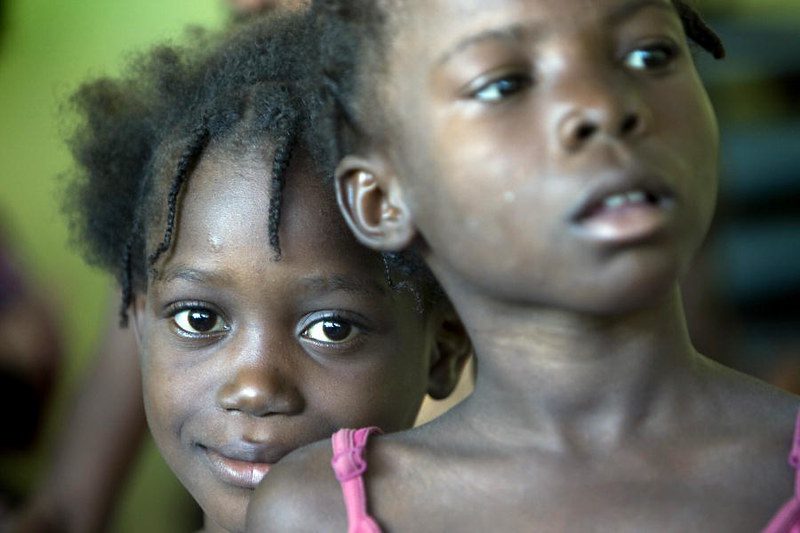
 In Haiti, turmoil punctuates the past and pervades the present. Successive natural disasters and social upheavals have stunted the Caribbean nation’s development and rendered its political landscape a minefield. Chaos exploded in 2019 when an onslaught of armed gangs rose against the acting prime minister. They now occupy around 80% of the country’s capital. The International Organization for Migration (IOM) reports the displacement of more than 360,000 people, 93% of whom are fleeing violence and, according to the World Bank, food insecurity has tripled since 2016. Many Haitians seek refuge in the Dominican Republic, Haiti’s comparatively stable neighbor. However, deeply entrenched hostilities, inflamed by this recent surge of immigration, await them across the border. Therefore, many international organizations and local charities have taken action, fervently supporting Haitians in the Dominican Republic.
A Population in Crisis
The tensions straining the island of Hispaniola, which Haiti and the Dominican Republic share, can be traced back to its complex colonial past and reached boiling point during the virulently anti-Haitian regime of Rafael Trujillo, a dictator who ruled the Dominican Republic from 1930 until 1961. Today, Haitians exist largely on the periphery of Dominican society, according to the Minority Rights Group.
Amid the violence in Haiti, organizations such as the United Nations (U.N.) and Amnesty International have expressed their concern over the forced deportation of Haitians from the Dominican Republic, including asylum seekers, pregnant women and unaccompanied children. They have also spoken out against reports of racial profiling and xenophobia on the part of authorities.
Moreover, Dominicans of Haitian descent are often highly vulnerable to poverty and exploitation. A 2013 law revoked the nationality of all Dominicans born to undocumented parents, rendering generations of people stateless overnight. In 2014, the government introduced a citizenship reclamation process. However, an estimated 130,000 people remained barred from legal work, education and property ownership as of 2023.
Haitians and Haitian Dominicans lacking civil status are heavily concentrated in “Bateyes,” isolated rural settlements once erected around sugar plantations to house Haitian migrant workers. These marginalized communities lack basic resources and are paralyzed by chronic insecurity. However, there are numerous nongovernmental organizations (NGOs) that support Haitians and Dominican descendants of Haitian migration.
Project Esperanza
Project Esperanza, a charity based in Puerto Plata, a city in the Dominican Republic, facilitates the integration of Haitian refugee and immigrant children into Dominican society through education. Its vision is self-sustaining empowerment for vulnerable Haitian families engulfed in poverty.
The organization operates two schools where teachers from various cultural backgrounds deliver elementary-level education in Haitian Creole and Spanish, giving students a basis for engagement in Dominican life.
Given that many of these young people have not attended school regularly, Project Esperanza operates a specific program for older students, allowing them to access the essential knowledge they have thus far been excluded from. The organization also runs a six-week summer program where students develop their English skills alongside native speakers. Tourism is central to the local economy, so this initiative multiplies their prospects.
ASCALA
ASCALA is another NGO working across the country’s Eastern Region. It advocates for the rights of immigrants and refugees by offering legal advice, representation, assistance with obtaining residency or citizenship and preparing necessary documentation. Furthermore, the NGO works with state and civil societies to develop education-based initiatives to equip adults and children with the necessary literary level to participate in Dominican society.
ASCALA also provides social services such as counseling and support navigating health services. Another of ASCALA’s focuses is food insecurity within the country’s borders. It supports food and income-generating family and community gardens. It helps to organize “solidarity markets,” where essential products can be accessed at low prices.
Batey Relief Alliance
Another nonprofit supporting Haitians in the Dominican Republic is the Batey Relief Alliance (BRA), a U.S. charity established in 1997 to bridge the socioeconomic gulf dividing Dominican Bateyes from the rest of society. It has since expanded into several American countries, aiding 2.5 million people. BRA established its clean water initiative in 2006 to combat the spread of water-borne infections in impoverished rural enclaves lacking sufficient WASH infrastructure. To date, it has installed 19 water systems supplying 70,000 families. Similarly, it has distributed more than 23 million water purifier sachets across three countries, including the Dominican Republic.
In 2006, the charity installed the first modern health center in a Dominican hospital, serving more than 35,000 patients yearly. The charge of the center shifted to the Dominican Ministry of Health in 2017 and it continues to serve vulnerable populations. Furthermore, the “Women Empowerment” program, established in 2018, fosters community development by delivering vocational training and microloans to rural women. So far, the organization has engaged 850 women in agriculture-based economic activity, benefiting 25,000 people in Dominican Bateyes and Haiti’s border regions.
Looking Ahead
As the crisis in Haiti unfolds, binational tensions are keenly felt by those who seek safety in the Dominican Republic. Many organizations are therefore advocating for and supporting Haitians who find themselves impacted. Working from various angles and on differing scales, they are united in their common commitment to peace and compassion.
– Leila Powles
Leila is based in Cheltenham, Gloucestershire, UK and focuses on Global Health and World News for The Borgen Project.
Photo: Flickr

3 Solutions to Elderly Poverty in Japan
Many seniors rely on national pensions for necessities like food and medical expenses. However, a 2019 survey found that approximately $10,000 is needed annually to cover these daily necessities. In contrast, individuals above 65 receive an annual basic pension of only about $6,000, falling significantly short of the required amount. The pension system is also heavily patriarchal, as single, divorced and widowed women are at a heavy disadvantage. For example, around 44.1% of elderly, single Japanese women live in poverty and that rate is much lower for men (30%).
One reason for this could be from the post-war era when women were socially expected to raise children. At the same time, their husbands would work and earn money for the family. The pension system was therefore built to support men and families, not single women. To address this issue of elderly poverty, Japan has offered solutions that include the continuation of employment, improving health care and city accessibility.
Encouraging Lifelong Work
By encouraging lifelong work, older people can continue to earn money and support themselves. Almost 40% of Japanese companies keep elderly employees and these companies have started programs that aim to keep elderly employees with specialized skills. And company jobs aren’t the only source of work.
More than “70% of the temporary or part-time workers at convenience stores and supermarkets, security guards, custodial workers, care providers, workers at call centers and so on” are above 65. Taxi firms are also increasingly hiring elderly drivers. In addition to these job markets, each municipality in Japan has a “Silver Work” center that helps older adults find jobs.
Improving Health Care
Improving health care can help older individuals stay healthy and remain in the workforce, reducing their reliance on pensions. Better health also decreases the costs associated with medical care and medication, thereby mitigating elderly poverty. One foundation, in particular, has made it its mission to achieve this goal.
The Nippon Foundation and MetLife Foundation initiated the “Better Life Better Place” for the Elderly and Children Program. The program aims to develop 12 care facilities for older people and children by the end of the year. These care facilities will operate like hospice care homes for older people, with volunteers from MetLife Japan employees helping run the homes.
Making Cities More Elderly-Friendly
Creating more elderly-friendly cities can support active lifestyles among seniors, leading to improved health, reduced health care costs and decreased elderly poverty, ultimately fostering happier lives. Some Japanese cities have begun implementing such changes. For instance, Akita has launched initiatives to encourage social engagement among older adults, including a one-coin bus service that provides affordable transportation for seniors.
Conclusion
These three solutions aim to ensure that the elderly remain healthy, enabling them to earn income and lead fulfilling lives. Since health care costs are a significant driver of elderly poverty, improving health and reducing these costs can greatly alleviate financial burdens. By fostering better health, seniors’ overall cost of living could decrease significantly.
– Hannah Chang
Photo: Wikimedia Commons
Organizations Supporting Haitians in the Dominican Republic
A Population in Crisis
The tensions straining the island of Hispaniola, which Haiti and the Dominican Republic share, can be traced back to its complex colonial past and reached boiling point during the virulently anti-Haitian regime of Rafael Trujillo, a dictator who ruled the Dominican Republic from 1930 until 1961. Today, Haitians exist largely on the periphery of Dominican society, according to the Minority Rights Group.
Amid the violence in Haiti, organizations such as the United Nations (U.N.) and Amnesty International have expressed their concern over the forced deportation of Haitians from the Dominican Republic, including asylum seekers, pregnant women and unaccompanied children. They have also spoken out against reports of racial profiling and xenophobia on the part of authorities.
Moreover, Dominicans of Haitian descent are often highly vulnerable to poverty and exploitation. A 2013 law revoked the nationality of all Dominicans born to undocumented parents, rendering generations of people stateless overnight. In 2014, the government introduced a citizenship reclamation process. However, an estimated 130,000 people remained barred from legal work, education and property ownership as of 2023.
Haitians and Haitian Dominicans lacking civil status are heavily concentrated in “Bateyes,” isolated rural settlements once erected around sugar plantations to house Haitian migrant workers. These marginalized communities lack basic resources and are paralyzed by chronic insecurity. However, there are numerous nongovernmental organizations (NGOs) that support Haitians and Dominican descendants of Haitian migration.
Project Esperanza
Project Esperanza, a charity based in Puerto Plata, a city in the Dominican Republic, facilitates the integration of Haitian refugee and immigrant children into Dominican society through education. Its vision is self-sustaining empowerment for vulnerable Haitian families engulfed in poverty.
The organization operates two schools where teachers from various cultural backgrounds deliver elementary-level education in Haitian Creole and Spanish, giving students a basis for engagement in Dominican life.
Given that many of these young people have not attended school regularly, Project Esperanza operates a specific program for older students, allowing them to access the essential knowledge they have thus far been excluded from. The organization also runs a six-week summer program where students develop their English skills alongside native speakers. Tourism is central to the local economy, so this initiative multiplies their prospects.
ASCALA
ASCALA is another NGO working across the country’s Eastern Region. It advocates for the rights of immigrants and refugees by offering legal advice, representation, assistance with obtaining residency or citizenship and preparing necessary documentation. Furthermore, the NGO works with state and civil societies to develop education-based initiatives to equip adults and children with the necessary literary level to participate in Dominican society.
ASCALA also provides social services such as counseling and support navigating health services. Another of ASCALA’s focuses is food insecurity within the country’s borders. It supports food and income-generating family and community gardens. It helps to organize “solidarity markets,” where essential products can be accessed at low prices.
Batey Relief Alliance
Another nonprofit supporting Haitians in the Dominican Republic is the Batey Relief Alliance (BRA), a U.S. charity established in 1997 to bridge the socioeconomic gulf dividing Dominican Bateyes from the rest of society. It has since expanded into several American countries, aiding 2.5 million people. BRA established its clean water initiative in 2006 to combat the spread of water-borne infections in impoverished rural enclaves lacking sufficient WASH infrastructure. To date, it has installed 19 water systems supplying 70,000 families. Similarly, it has distributed more than 23 million water purifier sachets across three countries, including the Dominican Republic.
In 2006, the charity installed the first modern health center in a Dominican hospital, serving more than 35,000 patients yearly. The charge of the center shifted to the Dominican Ministry of Health in 2017 and it continues to serve vulnerable populations. Furthermore, the “Women Empowerment” program, established in 2018, fosters community development by delivering vocational training and microloans to rural women. So far, the organization has engaged 850 women in agriculture-based economic activity, benefiting 25,000 people in Dominican Bateyes and Haiti’s border regions.
Looking Ahead
As the crisis in Haiti unfolds, binational tensions are keenly felt by those who seek safety in the Dominican Republic. Many organizations are therefore advocating for and supporting Haitians who find themselves impacted. Working from various angles and on differing scales, they are united in their common commitment to peace and compassion.
– Leila Powles
Photo: Flickr
Singapore’s Social Safety Net: A Blueprint for Reducing Poverty
Meanwhile, the services sector encompasses finance, insurance, tourism and, more recently, data hosting and digital services. The sector has made Singapore a hub for innovation and business. This diversity is a critical factor in Singapore’s resilience. Additionally, it has enabled the country to weather global economic fluctuations and adapt to new trends, such as digital transformation and green technologies. The government’s strategic investments in education, research and infrastructure have further bolstered the economy’s adaptability, ensuring sustainable growth and job creation.
Singapore’s Social Safety Net
Singapore’s approach to social welfare is built on a unique social compact designed to provide opportunities for all citizens, regardless of background. This compact is underpinned by five pillars: asset building, education, health care, housing and employment. These pillars form a robust safety net that protects vulnerable groups, promoting social mobility and financial security.
The Many Helping Hands Approach
In addition to government-led initiatives, the Many Helping Hands (MHH) approach supports Singapore’s social safety net. This community-based framework involves government bodies, donors, grantmakers, enablers, volunteers and Voluntary Welfare Organizations (VWOs).
The MHH system ensures that social assistance reaches the most vulnerable members of society, providing comprehensive support beyond just financial aid. One notable program under this framework is ComCare, which was launched in 2005. ComCare consolidates various welfare projects to offer more streamlined and effective support for those in need. It provides financial assistance, medical support and social services, catering to the diverse needs of low-income families, elderly citizens and individuals facing health care challenges.
Looking Forward
Singapore’s success in achieving a high-income and financially secure population is largely due to its diverse economy and comprehensive social safety net. Additionally, the government’s forward-looking policies in education, health care, housing and employment, combined with community-based support through the MHH approach, have created a resilient and inclusive society. This model aims for all citizens to lead fulfilling lives, regardless of socioeconomic background. As Singapore continues to evolve alongside global challenges, its commitment to social equity remains a guiding principle for sustained prosperity and social harmony.
– Asiya Siddiqui
Photo: Flickr
Maternal and Child Health in Sierra Leone
Changing Approach: Skilled Antenatal Support
Zainab Turay, a 28-year-old mother, says the birth of her second child was successful because she regularly attended the free antenatal sessions at Freetown’s George Brook Community Health Centre. In the rural areas of Sierra Leone, Traditional Birth Attendants (TBAs) continue to advise women despite not being trained to deal with the many complications that can arise in pregnancy, such as bleeding after childbirth. Antenatal classes help prepare women for childbirth. Between 2013 and 2017, the number of births delivered by skilled attendants increased by 32%.
Integrating Technology to Improve Maternal Care
In March 2023, the United Kingdom’s Foreign, Commonwealth and Development Office published its International Women and Girls Strategy 2023 to 2030. The strategy is centered around the rights of women to basic freedoms. The Saving Lives in Sierra Leone program is one example of how reproductive rights are being prioritized. Over one year, 1284 midwives received training. Alongside this, the Emergency Obstetric and Newborn Care scheme mentored 260 health care workers. This additional training and mentoring has strengthened the number of people trained to deal with issues that arise during pregnancy and after childbirth.
In Sierra Leone, 41% of emergency obstetric and newborn care facilities lack access to one or two basic EmONC signal functions. Therefore, the Saving Lives in Sierra Leone scheme aims to provide these facilities to create quality care. The country trained 949 midwives at the end of 2019, but estimates suggest that 3,000 are needed to adequately care for women. This significant increase in trained midwives reflects the achievement of the Saving Lives program.
Sierra Leone launched the Pregnancy Registration and Service Tracking application (PReSTrack) on July 2, 2024. This application enables real-time tracking of pregnancies and flags high-risk conditions. Moreover, PReSTrack is part of Sierra Leone’s mission to decrease the maternal mortality ratio (MMR) to below 300 deaths per 100,000 live births by 2025. The use of this technology aims to make health care more efficient.
Project HOPE’s Effect
Project HOPE is a global health and humanitarian NGO making significant strides in improving maternal health in Sierra Leone. The organization offers courses such as Helping Babies Breathe and Helping Mothers Survive, training health workers to manage complications. It also established the country’s first Kangaroo Mother Care (KMC) units. With a scarcity of incubators in Sierra Leone, KMC, which involves wrapping premature babies skin-to-skin with their mothers, is vital for saving lives. Given that there are only 0.7 doctors available per 10,000 people, the work of Project HOPE is crucial.
In December 2021, the World Bank approved $60 million to enhance maternal and child health services in Sierra Leone. This will be achieved through the Sierra Leone Quality Essential Health Services and Systems Support Project. The initiative supported two million people. Of the total funds, $10 million targeted the consequences of the global pandemic, providing COVID-19 tools and ensuring that the most vulnerable received the essential health services they needed.
The Future of Maternal and Child Health
The future of maternal and child health in Sierra Leone looks optimistic, due to the efforts of NGOs and other groups. Initiatives like Saving Lives in Sierra Leone and applications such as PReSTrack are enabling more people to access vital health care, thereby improving maternal and infant mortality rates.
– Amy Fox
Photo: Flickr
Renewable Energy in Somalia
Background
Political violence and the collapse of the Somali government led to the destruction of crucial energy infrastructure in Somalia in the 1990s. As a result, Somalia has no national power grid and relies mostly on privately owned energy sources. Diesel generators are the main source of electricity in Somalia, however, these are often outdated and inefficient.
Currently, renewable energy sources only make up 12.2% of Somalia’s total energy production. Despite this, Somalia has high renewable energy potential. The International Trade Administration (ITA) suggest Somalia could generate up to 45,000 MW through onshore wind power alone.
A Clean Energy Future
The Government of Somalia aims to improve access to electricity in the country by implementing the SESRP, for which the World Bank has provided funding. This project aims to unlock the high potential of renewable energy in Somalia, utilizing hybridization technologies and creating off-grid solar farms to power public institutions. The government suggests that this project will provide electricity to 1.1 million households, 205 health facilities and 380 schools.
Through the project, the government has begun to install solar photovoltaic systems within educational facilities, marking a clear step toward the country’s clean energy transition. The installation of these systems will provide a more reliable power supply in schools, meeting the educational needs of children as well as creating numerous jobs.
Key Challenges
Solar energy systems have significant potential as a source of electricity and power in Somalia. The country’s geographical location, climate and high solar radiation levels make the introduction of photovoltaic panels a highly suitable alternative to fossil fuels, according to the Energy Strategy Reviews.
That said, the development of renewable energy in Somalia also faces numerous challenges. A lack of trained specialists, continued instability, and inadequate energy infrastructure are creating reluctance within the private sector to invest in Somalia’s renewable energy projects, Energy Strategy Reviews reports. Significant investment is necessary in skills training and in developing existing infrastructure to attract the necessary investment to utilize Somalia’s renewable energy potential fully.
Energy Strategy Reviews show that heat and high amounts of dust in the region also hinder the efficiency of solar photovoltaic systems. To mitigate the impact of dust and heat, these systems need to be regularly cleaned and covered.
Encouraging Future Investment
Ensuring that renewable energy projects in Somalia are fully implemented is crucial. Not only could this benefit rural communities, but expanding electricity access to public institutions through solar PV systems could help improve health and educational facilities in the country. Encouraging further investment in skills training and energy infrastructure could also stimulate private sector interest in Somalia for its enormous renewable energy potential, boosting economic growth in the country and lifting more people out of poverty.
– Joshua Marriott
Photo: Flickr
The Poverty Reduction Scheme in Liberia
How Does the AAID Poverty Reduction Scheme in Liberia Work?
Final Remark
This poverty reduction scheme established by Boakai will enable the development of Liberia. Additionally, this will allow for the reduction of poverty among Liberian citizens, removing the economic divide that currently exists between those in urban and rural areas of the country.
– Freyja Stone
Photo: Flickr
How Concern Worldwide Is Uplifting Syria
Furthermore, years of conflict in Syria have caused many facilities and institutions to become unusable. For instance, a third of all schools and health care facilities in Syria are no longer used for their original purposes but rather have been destroyed, damaged or used for shelter or military purposes.
Recent Earthquake Devastation
Early last year, a massive 7.8 magnitude earthquake hit southern Turkey near the Syria border, followed by another 7.5 magnitude earthquake. These were the most devastating earthquakes to hit the Turkey-Syria region in more than 20 years. It killed more than 55,000 people and left millions homeless, often in overcrowded temporary shelters.
Of the 15.3 million Syrians who remained in the country afterward, 85% of the population is estimated to require humanitarian assistance. More than 12 million face food insecurity, only about half of all hospitals are fully functional and more than two million children are out of school indefinitely. As a result, Syria continues to be the world’s largest refugee crisis, representing nearly 25% of the total global refugee population.
About Concern Worldwide
Concern Worldwide, founded in 1968, is an international humanitarian organization working in 26 countries to free disadvantaged individuals from poverty, fear and oppression. Composed of 4,700 diligent humanitarians, Concern has reached more than 25 million underprivileged individuals, focusing on six areas: livelihoods, health and nutrition, education, gender equality and innovations and emergencies. In terms of emergencies, it helps communities affected by natural disasters, assisting them to rebuild long-lasting resilience through sustainable methods.
In the wake of the recent earthquake, Concern responded in hours, delivering emergency supplies and providing shelter, food, cash, clean water, sanitation and psychosocial support. Its efforts range from short-term reliefs to long-term support by erecting tents, installing latrines and building clean water systems. A year in, it has successfully helped more than 375,000 individuals. Concern has committed to supporting those who are worse affected until they can stand on their feet again and rebuild their lives.
Multi-Faceted Approach
Concern Worldwide focuses on emergency response and has various other departments, including a community-based focus on women and children, to raise awareness and break down social barriers. In addition to increased access to health services, optimal child care training and treating acute malnutrition in children, it provides a 14-month package that includes business skills training, general coaching, financial literacy, home savings management and entrepreneurship skills. Concern intervenes at the local and national government levels to uplift individuals in Syria and other poverty-stricken countries and allow them to choose their future.
– Kewe Chen
Photo: Flickr
The Fight to End Malnutrition in Ethiopia
United Nations International Children’s Emergency Fund
The United Nations International Children’s Emergency Fund (UNICEF) has primarily been working with the government to resolve this issue. It supports the government’s nutrition program called the Health Extention Program which was developed in 2004. The main focus of this program is to increase awareness about nutrition actions in households, limit bacteria with vaccinations and promote healthy behaviors. In addition, it allows for family health services, putting the spotlight on helping adolescent nutrition.
UNICEF also works with the pilot program that allows for a new innovative way of growing crops, which has been especially beneficial in preventing damage from sudden hits by natural disasters. Through this new method in hydroponic vegetable farming, malnutrition rates have gone down, especially for children. This practice allows farmers to grow food with little soil and water, perfect for situations of extreme drought. Not only did self-sufficiency increase through this process, allowing farmers to cultivate year-round, but it also has made farming practices sustainable, as this process promises generations of this usage.
United States Agency for International Development
The United States Agency for International Development (USAID) has accomplished many tasks involving increasing nutrition access. Feed the Future movement which aims to end world hunger is one of its most influential successes. This organization not only aims to increase the amount of agricultural produce, but it also seeks to increase wages earned through their produce to increase their income and buy products to lift them out of poverty.
In Ethiopia specifically, there are three main steps that USAID and Feed the Future have been following to aid poverty. The three steps are as follows:
Results for Development
Results for Development (R4D) is a global nonprofit that works with government officials and social leaders to create grand changes in health and nutrition. R4D has aimed to integrate wasting treatment into the health care routine of Ethiopia, especially when wasting has become one of the largest mortality causes for small children.
By incorporating ready-to-use therapeutic food (RUTF), R4D has begun to address the severe underweight problem caused by malnutrition. But even though this product is made with high quality and is cost-effective, it is not widely available to minorities. This issue is currently on the road to becoming resolved through market shaping which would introduce more access to RUTFs. Ethiopia is one of the countries that has access to this solution through R4D. This organization is looking to increase funding for RUTF to increase its presence in markets and create a set of cost-effective recipes.
Looking Forward
Malnutrition is a heavily prevalent issue in Ethiopia, with more than 5 million children in Ethiopia suffering. However, through actions provided by these three organizations, UNICEF, USAID and R4D, malnutrition is on its way to being tackled in this country.
– Linda Yoonseo Lee
Photo: Flickr
Olive Kids Foundation Supports Displaced Palestinian Children
The situation in Gaza remains critical. Millions have fled, but those civilians who continue to live in the northern side of the Gaza Strip are surrounded by rubble, limited access to electricity and food and water shortages, which the U.N. reports are on the brink of famine. According to the United Nations Children’s Fund (UNICEF), about nine in 10 Palestinians are displaced, with children making up half of the estimated 1.9 million people affected. Furthermore, this displacement leads to separation, loss of property, abuse, exploitation and a lack of psychosocial support. Many displaced families struggle with the high costs of frequent relocations.
The Olive Kids Foundation
Amid this turmoil, the Olive Kids Foundation stands as a beacon of hope, providing essential support to the most vulnerable. Here’s how it is making a difference:
Making a Lasting Impact
The Olive Kids Foundation’s alumni often return to assist other children in similarly dire situations, creating a cycle of support and empowerment. Through their continuous efforts, the foundation aims to raise more donations to support displaced Palestinian children during this ongoing crisis.
– Lydie Udofia
Photo: Flickr
Elderly Poverty in Lebanon
Lebanon’s Financial Crisis
The World Bank has labeled Lebanon’s financial crisis as one of the most severe crisis episodes globally since the mid-nineteenth century. The crisis, which began with a complete financial meltdown in 2019, has left banks unable to pay depositors in dollars, enforcing informal capital controls that restrict withdrawals to limited amounts at heavily discounted exchange rates. Since then, the Lebanese currency has plummeted from 1,500 to the dollar pre-crisis to about 94,000 in May 2023, peaking at more than 100,000 in March. Lebanon’s economic struggles have compounded due to significant political turmoil and disasters, including the devastating explosion at Beirut’s port on Aug. 4, 2020 and recent Israeli strikes on civilian areas in southern Lebanon.
Brain Drain
The crisis in Lebanon has triggered a “brain drain” as disillusioned educated youth and professionals emigrate in search of better opportunities abroad. This exodus is sharply felt in the health care and education sectors, jeopardizing the quality and availability of essential services for the wider population. In 2021 alone, nearly 80,000 Lebanese left the country. The departure of skilled individuals in such large numbers is impeding economic recovery and weakening the infrastructure of public services, intensifying the nation’s broader crisis. Projections reveal that between 2020 and 2050, the number of people aged 60 and over in Lebanon will double, while the young population is expected to decline by about 33%.
Health Care Access
The elderly constitute almost half of the total population with disabilities in Lebanon and the leading causes for disability among both older men and women, with kidney diseases, sense organ diseases and diabetes being the leading causes of disability among both older men and women. These conditions require regular access to essential drugs and services. However, Lebanon’s financial crisis, worsened by the pandemic, has left its health care sector struggling to provide affordable services to its impoverished population. The elderly, who most need regular health care services, face significant challenges due to a lack of health insurance, soaring medication prices and shortages of medical personnel. A study by HelpAge reveals that many elderly individuals, unable to afford their prescribed medications, are deliberately reducing or stopping their use, further endangering their health and impacting elderly poverty in Lebanon.
Pensions and Social Protection
Lebanon ranks among just 16 countries globally without a pension scheme for private-sector workers. As a result, the majority of workers—55% of whom are informally employed—lack any social insurance coverage. Due to the banking crisis, lifetime savings have become inaccessible and continue to lose value as the local currency deteriorates. This financial instability forces many elderly men to work well beyond the official retirement age, compromising their physical and mental health, as the absence of a pension system leaves them without a safety net.
NGO Efforts
Without broader government reforms in Lebanon, sustainable recovery and reconstruction remain unlikely and the social and economic situation will likely continue to deteriorate. In the meantime, many NGOs and charities are performing crucial work to alleviate some of the hardships faced by the elderly population. Amel association, which was created in response to the atrocities of the Lebanese civil war and the Israeli aggression in southern Lebanon, is one example of an organization working on advancing the rights of older people in Lebanon ensuring they can lead dignified, safe and healthy lives.
With a focus on ‘defending a culture of solidarity rather than charity,’ Amel offers many essential services, including psychosocial support, to the vulnerable elderly population. In collaboration with HelpAge International, it gives the elderly access to activities designed to improve their psychological well-being, such as group counseling, peer-to-peer support, recreation and social events. This is done through 32 centers throughout the country, six mobile clinics, two mobile education units and a mobile protection unit. As these inspiring efforts continue, it underscores the critical need for systemic change to address the underlying issues and provide lasting relief for Lebanon’s most vulnerable citizens.
Looking Ahead
Lebanon’s economic and social crises have created severe challenges, particularly for the elderly population lacking social protections. The mass emigration of professionals has weakened essential services, further exacerbating the nation’s difficulties. NGOs like the Amel Association play a crucial role in providing immediate support, yet the urgent need for comprehensive government reforms remains clear to ensure sustainable recovery and a reduction in elderly poverty in Lebanon.
– Asma Issa
Photo: Flickr