South African Women: The Young Women for Life Movement
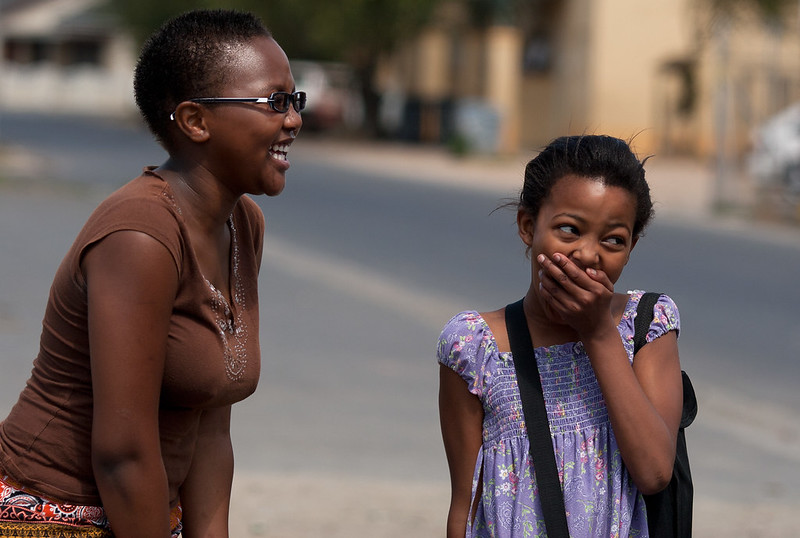 The socioeconomic system set in place during South Africa’s apartheid era continues to pervade the country today. HIV’s disproportionate impacts Black South Africans, particularly women, is but one example. South African girls and women are disproportionately impacted by HIV due in part to gender- and race-based inequality. South Africa’s 2023 strategic plan for HIV, Tuberculosis (TB) and sexually transmitted diseases (STDs) reports that nearly two-thirds of all new HIV infections occur in women.
According to the International Journal for Equity in Health, the low socioeconomic status of women, especially Black women, in the country places them at greater risk of contracting HIV. Poverty — which in South Africa is the result of historical inequalities — is a “significant factor” in the way HIV/AIDS spreads — the majority of people living with HIV/AIDS are experiencing poverty. In response, the Young Women for Life Movement works with girls and women who are affected by poverty, marginalization, gender-based violence and HIV/AIDs, helping them to “break free of the cycle of poverty and violence.”
Cape Town’s Young Women for Life Movement
The Young Women for Life Movement was founded in 2019 when 80 adolescent girls and young women came together in a backyard in Cape Town. The program receives support from the United Nations (U.N.) Women, the Joint United Nations Program on HIV/AIDS (UNAIDS) and the Southern Africa Catholics Bishops Conference and Peace Commission. With their support, the program has grown and, as of June 2024, has impacted 8,000 women and girls in South Africa.
Women can grow within the program as it provides financial literacy training, skills-building training in business and entrepreneurship, leadership dialogues and peer support through a network of women and girls who face similar circumstances. The Young Women for Life Movement “models a unique approach to building resilience against gender-based violence and HIV among young women,” stated U.N. Women HIV/AIDS Specialist Jacqueline Utamuriza-Nsizabira. The movement also helps women influence policy through advocacy. It has grown into a “powerful network for influencing policies,” Utamuriza-Nsizabira said.
Overcoming Stigma
According to a 2023 study published in the National Library of Medicine, stigma and discriminatory attitudes against individuals with HIV are “persistent” throughout communities in South Africa, both urban and rural. HIV stigma in South Africa is correlated with HIV-affected individuals undergoing less medical treatment in terms of voluntary HIV antibody testing, palliative care and counseling — subsequently increasing HIV transmission. According to AVAC, HIV stigma is “deleterious to health-care use and delivery behaviors in South Africa.”
AVAC also stated that Black women living with HIV in South Africa experience significant trauma, with their positive HIV status adding further stress to their lives. Extreme cases of HIV stigma can manifest as violent behavior. The Madridge Journal of AIDS reports that stigma affects South African adolescent girls and women “socially, economically and mentally,” undermining their chances of seeking health care and improving their quality of life.
The Young Women for Life Movement helps girls and women “break through” this stigma and fear of discrimination, providing a sense of community where women and girls feel safe to disclose their HIV status and are encouraged to seek proper care. Program coordinator Phindile Maseko informed U.N. Women that some young women and girls in the Cape Town movement are living with HIV. “They were so discouraged when we met them that they had even stopped taking antiretroviral medication,” she said. But now, they have hope and are fighting for a better future.”
Overcoming the Cycle of Poverty
Maseko met Gugulethu Mdoba, who had gotten pregnant when she was 18 and struggled to raise her child, encouraging her to join the program. When Mdoba joined the Young Women for Life Movement, she sold baked goods to raise money to support her child. After gaining support and learning business skills through the program, she now has a bakery and recently began to teach other girls and young women how to bake.
“My business has grown a lot,” said Mdoba. “I have many customers now. I deliver my products to salons and shops. Sometimes I just walk a short distance and my muffins are sold out because people pre-order them and I deliver them the next day.” By providing girls and women with financial literacy, the initiative empowers them to access better health care and support services, which can improve their health outcomes and overall well-being. With increased economic stability, they are better equipped to confront and challenge stigma, reducing their social isolation and improving their ability to live openly and confidently.
Closing Thought
By empowering South African girls and women living with HIV/AIDS to break through stigma and the cycle of poverty, the Young Women for Life Movement promotes resilience, promotes better health outcomes and enhances their overall quality of life.
– Ahna Fleming
Ahna is based in Minneapolis, MN, USA and focuses on Business and Good News for The Borgen Project.
Photo: Flickr
