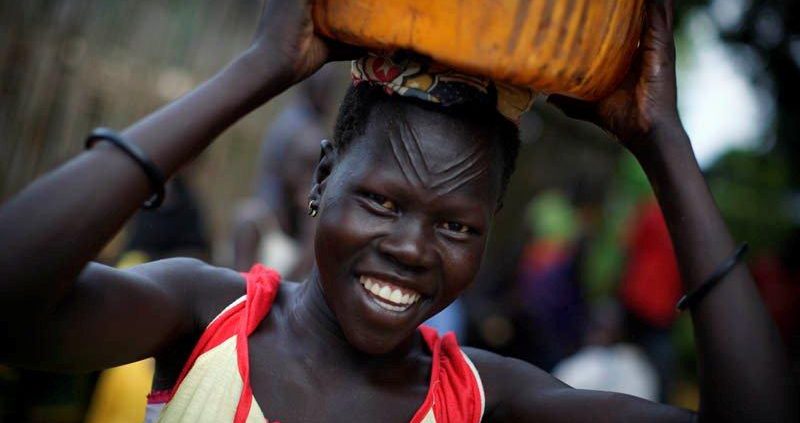
 Amylia Deng’s sense of purpose and drive to make an impact emerged at a young age. As a naturally observant adolescent, she keyed in on the challenges around her, especially those affecting women and children, and she knew she wanted to be a part of that change. Growing up in South Sudan and Kenya gave her a unique perspective. Exposure to both environments shaped her worldview — one experience rooted in resilience and community, the other established with opportunities and possibilities.
Health Action in South Sudan
As CEO of Health Action in South Sudan since January 2019, Amylia Deng has dedicated herself to driving lasting impact. She helped enroll more than 200 children back into school, opening doors to children and families faced with financial, structural and social barriers. Deng said that many families cannot afford school fees or live in areas where schools are inaccessible. “There are also cultural factors where education is not always prioritized. Some children are forced into labor or early marriage instead of being in classrooms,” she said.
According to recent United Nations (U.N.) data, South Sudan has one of the lowest literacy rates in the world. Around 70% of adults cannot read or write, approximately 84% of girls over the age of 15 are illiterate, and an estimated 2.8 million children are not in school.
Even before she fully understood it, Deng identified as an activist, author and had a flair for fashion. Writing became her way of processing and telling stories, activism became her voice and fashion allowed for self-expression. All three combined, allowing her to communicate who she is and what she stands for.
Representing South Sudan on a Global Stage
As a diplomat working within the Ministry of Foreign Affairs in South Sudan and author of two books — Even After the Darkest Moments and Rising from the Ashes — her journey has led her to represent South Sudan on the global stage. In 2022, she founded Amylia Cosmetics. In 2024, she was crowned Miss International South Sudan.
When asked what challenges she has witnessed as a South Sudanese woman that still drive her work today, Deng said she witnessed limited access to education, early marriages, lack of opportunities and societal expectations that often silence women’s potential. She personally experienced instability and moments where she had to navigate systems that were not built to support young women. These experiences continue to drive her work because she knows what it feels like to have potential but limited access.
Deng said access to education is still one of the most urgent needs. Beyond that, there is a strong need for economic empowerment, health care and protection from gender-based violence. She emphasized that women and children need systems that not only support survival but also create pathways for growth and independence.
According to a statement by U.N. Women Regional Director for East and Southern Africa, Anna Mutavati, approximately 5 million women and girls in South Sudan need help, with half requiring gender-based violence services.
The 2025 Multiple Indicator Cluster Survey for South Sudan showed that 19% of children are stunted, only 42% attended primary school and 43% of women were married before age 18.
Deng said she would want the world to understand that South Sudan is more than a challenge. It is a country full of resilient, talented and ambitious people who, despite difficult circumstances, continue to rise, create and hope for a better future.
The challenges and responsibilities Deng carried early on had an impact on her life’s trajectory. They forced her to grow quickly and shaped her mindset. The roots of her drive and resilience, however, came from the strength of the women around her and her family.
From a global perspective, Deng said the international community should play a supportive but respectful role when partnering with local leaders and organizations in improving access to education in developing countries, rather than imposing solutions. She mentioned investment in infrastructure, teacher training and sustainable economic education programs as critical. Most importantly, she said those efforts should focus on long-term impact rather than short-term visibility.
A Crown as a Catalyst for Health Action in South Sudan
In many ways, Amylia Deng has become a bridge between the two worlds of hardship and possibility that originally influenced her. For her, the crown is not just an achievement but a duty and an honor to make an impact.
“Success is impact,” Deng said. “Changing lives. Creating opportunities where there were none. Building something that outlives me. It is not just about personal achievement. It is about how many people I can bring up with me.”
In closing, Deng expressed that young people, especially girls, growing up in difficult situations, do not have to let their environment determine their future. “You may start with less,” she said, “but you are not less. Stay focused, believe in your vision even when no one else does. Do not be afraid to take up space. Your story matters. You have the power to change not only your life, but the lives of others.
– Erin Sian Mongillo
Erin is based in North Haven, CT, USA and focuses on Celebs for The Borgen Project.
Photo: Flickr

Gender Wage Gap in Kyrgyzstan
Statistics
According to the United Nations (U.N.) Women, the average female employee’s salary equates to roughly 75% of the average male worker’s earnings. Even when working similar jobs, men tend to receive higher pay. Some reasons for this gap include the fact that women often occupy lower-paying sectors such as education and health care. On top of working paid jobs, women on average take on approximately 4.5 times more domestic tasks than men, including household chores, food preparation and child care. These tasks go unpaid and limit career opportunities. Traditional gender norms in Kyrgyzstan have also caused the women’s employment rate to drop from 49.3% to 43.8% over the past 15 years.
Community Impact
The gender wage gap has caused hardship within communities. Some argue that the gap is deliberately unfair and discriminatory toward female employees, limiting their opportunities for career growth. In some cases, it has caused households to go without food. The Borgen Project recently spoke to a resident who has lived in Kyrgyzstan his entire life and agreed to share his story. The interviewee requested to remain anonymous and will be referred to as T.
T was born and raised in a close-knit community and grew up with a mother and a sister. Household finances were limited, which motivated his mother to work as a barista for several years to keep the family income afloat. T recalled that the family was sometimes unable to afford basic necessities, meaning he and his sister would spend some nights going hungry and having to fend for themselves when their mother was not home.
Discrimination against women in the workplace is not a series of isolated incidents. It can affect entire communities at once. T said the divide in pay between male and female workers was significant enough that local families relied on the generosity of others to make ends meet. He described communities of hard-working families in similar situations, where trust and mutual support became essential for survival. Despite his mother’s extra work hours, the family barely cleared the threshold for many nights.
T said his mother worked long days and nights and received very little in return. He noted that he knew many other hardworking women who faced harassment or mistreatment simply because of their gender.
Outside of traditional gender roles limiting work opportunities, Kyrgyzstan also faces an increased number of domestic violence cases targeting women and girls. According to the Kyrgyz Interior Ministry, police reported 10,164 cases of domestic violence and assault in early to mid 2025, with numbers continuing to rise. Many instances go unreported due to coercion, isolation or financial reliance on the perpetrator.
Solutions
Several solutions are being implemented to address the gender wage gap in Kyrgyzstan. These include the Kyrgyzstan Gender Equality Strategy of 2030, which aims to strengthen protections for women, and the Convention on the Elimination of All Forms of Discrimination Against Women (CEDAW), which oversees and monitors workplace harassment and discrimination. The National Federation of Female Communities of Kyrgyzstan (NFFCK) is a nongovernmental organization working to eliminate harmful practices such as domestic abuse and bride kidnapping. Activist Urkuya Salieva, who fought for social justice and women’s rights, continues to serve as a symbol of advocacy in Kyrgyzstan.
Looking Ahead
Traditional gender norms in Kyrgyzstan have contributed to the gender wage gap, causing a loss of jobs and career opportunities for women and making it more difficult for them to provide for themselves and their families. As shown by T’s account and the rising number of domestic violence cases, the gender wage gap has had direct effects on local communities and households. These incidents are not isolated but are systematically affecting many residents of Kyrgyzstan, meaning cooperation between government, civil society and international organizations remains essential to closing the gap.
– Will Mancuso
Photo: Flickr
Countering Educational Poverty for Dalits in India
If illiteracy is considered an indicator of exclusion from education, then Dalits bear a disproportionate share of this burden, with 62% of Dalits illiterate, indicating they have likely not completed primary school. Informal data suggests that more than 60% of children who drop out of school are Dalit children.
Caste discrimination aligns with gender discrimination to fuel illiteracy. The literacy rate of female Dalits in Bihar was 38.5% in 2011. Despite widely recognizing education as the most effective pathway out of poverty, Dalit children in India continue to face systematic exclusion.
While the caste system has been abolished in law, discrimination and prejudice against Dalits persist throughout India, including in education. Dalit families face such extreme poverty and unemployment that children are sometimes sold into bonded labor so that families can eat, preventing them from attending school. Many Dalit children who do attend school are malnourished.
In schools, Dalit children are often bullied and discriminated against. In Bihar, where there is a legal obligation to include children from all castes, schools are often abandoned or barely functioning. Dalit children who do attend are treated with cruelty or neglect. Practices of discrimination include being forced to sit at the back of the class and being prevented from touching or interacting with classmates from other castes. Accounts of verbal and physical abuse from both teachers and classmates are well-documented.
The dropout rate for girls is exceptionally high. Children already vulnerable due to caste prejudice face even greater danger, perpetuating a cycle of poverty that has remained unchallenged for generations.
Countering Educational Poverty for Dalits
Education is key to increasing prosperity, security and opportunity in any country. If the Dalit community faces exclusion from learning, the country cannot advance as a whole. Steps have been taken by several developmental bodies, including the Ministry of Social Justice and Empowerment, the National Scheduled Castes Finance and Development Corporation and other international bodies.
Numerous charities also aim to educate Dalits in India and achieve educational equality. Guru Ravidas inspired one prominent charitable movement. He was born into a Dalit family in 14th-century India. According to Chaman Lal Madahar, General Secretary of the Sri Guru Ravidass International Organization and Assistant General Secretary of the Shri Guru Ravidass Temple, Newham, London, Shri Guru Ravidass Temples in England are part of a broader movement to support Dalit education across Indian states through financial contributions.
Madahar said these organizations help Dalits in Ravidassia communities with financial support directed to education organizations established in Indian states such as Punjab, Uttar Pradesh, Rajasthan and Bihar. Funds are transferred by bank or delivered in person, with recipients required to show proper identification. He estimated that the scale of aid from a U.K.-registered charity in this network would be approximately 5% to 8% of the organization’s total resources. Two registered charities confirmed by Madahar provide financial support to Dalit communities for both education and health needs, such as hospitals and schools.
Madahar said the long-term aim is to continue support for education and health for Dalits, while acknowledging that ensuring funds reach the right institutions remains a challenge.
Looking Ahead
There are encouraging signs that efforts to counter educational poverty for Dalits are producing results over time. The Ministry of Education of India’s All India Survey on Higher Education for 2021 to 2022, the most recent available data, notes that of the 43.3 million students enrolled, 15.3% belong to the Scheduled Castes.
Official census data from 2011 suggested that 16.6% of India’s population were Scheduled Castes.
Where Dalits have been given access to education throughout their student lives, they are roughly proportionate in the student body, though there is still work to achieve full representation. These figures contrast with the situation in the 1980s and 1990s, when prejudice meant Dalits did not enjoy proportional representation in higher education. Investment and development work for Dalits appears to be slowly translating into greater higher education participation, with the potential for greater social mobility and career opportunities over time.
– Suneel Mehmi
Photo: Unsplash
Health Action in South Sudan
Health Action in South Sudan
As CEO of Health Action in South Sudan since January 2019, Amylia Deng has dedicated herself to driving lasting impact. She helped enroll more than 200 children back into school, opening doors to children and families faced with financial, structural and social barriers. Deng said that many families cannot afford school fees or live in areas where schools are inaccessible. “There are also cultural factors where education is not always prioritized. Some children are forced into labor or early marriage instead of being in classrooms,” she said.
According to recent United Nations (U.N.) data, South Sudan has one of the lowest literacy rates in the world. Around 70% of adults cannot read or write, approximately 84% of girls over the age of 15 are illiterate, and an estimated 2.8 million children are not in school.
Even before she fully understood it, Deng identified as an activist, author and had a flair for fashion. Writing became her way of processing and telling stories, activism became her voice and fashion allowed for self-expression. All three combined, allowing her to communicate who she is and what she stands for.
Representing South Sudan on a Global Stage
As a diplomat working within the Ministry of Foreign Affairs in South Sudan and author of two books — Even After the Darkest Moments and Rising from the Ashes — her journey has led her to represent South Sudan on the global stage. In 2022, she founded Amylia Cosmetics. In 2024, she was crowned Miss International South Sudan.
When asked what challenges she has witnessed as a South Sudanese woman that still drive her work today, Deng said she witnessed limited access to education, early marriages, lack of opportunities and societal expectations that often silence women’s potential. She personally experienced instability and moments where she had to navigate systems that were not built to support young women. These experiences continue to drive her work because she knows what it feels like to have potential but limited access.
Deng said access to education is still one of the most urgent needs. Beyond that, there is a strong need for economic empowerment, health care and protection from gender-based violence. She emphasized that women and children need systems that not only support survival but also create pathways for growth and independence.
According to a statement by U.N. Women Regional Director for East and Southern Africa, Anna Mutavati, approximately 5 million women and girls in South Sudan need help, with half requiring gender-based violence services.
The 2025 Multiple Indicator Cluster Survey for South Sudan showed that 19% of children are stunted, only 42% attended primary school and 43% of women were married before age 18.
Deng said she would want the world to understand that South Sudan is more than a challenge. It is a country full of resilient, talented and ambitious people who, despite difficult circumstances, continue to rise, create and hope for a better future.
The challenges and responsibilities Deng carried early on had an impact on her life’s trajectory. They forced her to grow quickly and shaped her mindset. The roots of her drive and resilience, however, came from the strength of the women around her and her family.
From a global perspective, Deng said the international community should play a supportive but respectful role when partnering with local leaders and organizations in improving access to education in developing countries, rather than imposing solutions. She mentioned investment in infrastructure, teacher training and sustainable economic education programs as critical. Most importantly, she said those efforts should focus on long-term impact rather than short-term visibility.
A Crown as a Catalyst for Health Action in South Sudan
In many ways, Amylia Deng has become a bridge between the two worlds of hardship and possibility that originally influenced her. For her, the crown is not just an achievement but a duty and an honor to make an impact.
“Success is impact,” Deng said. “Changing lives. Creating opportunities where there were none. Building something that outlives me. It is not just about personal achievement. It is about how many people I can bring up with me.”
In closing, Deng expressed that young people, especially girls, growing up in difficult situations, do not have to let their environment determine their future. “You may start with less,” she said, “but you are not less. Stay focused, believe in your vision even when no one else does. Do not be afraid to take up space. Your story matters. You have the power to change not only your life, but the lives of others.
– Erin Sian Mongillo
Photo: Flickr
Establishment of Mexico’s Universal Health Care System
The Necessity of a New System
Since the creation of the Mexican health care system in 1943, fragmentation has created disparities in quality and access due to divisions based on economic, social and regional factors. As of 2023, the system was divided into the Mexican Social Security Institute (IMSS), which covered salaried private sector workers; the Institute for Social Security and Services for State Workers (ISSSTE), which covered salaried public sector workers; PEMEX, which covered workers in the oil industry; and IMSS-Bienestar, or INSABI, which covered those who did not qualify for the others, such as contract workers, the unemployed and the self-employed. INSABI replaced Seguro Popular in 2018, causing the number of citizens without access to health services to increase by 15.6 million in only two years. As of May 2023, the government had dismantled INSABI. However, the effects still remain, increasing the need for Mexico’s universal health care system.
In 2025, Mexico ranked below Organisation for Economic Co-operation and Development (OECD) averages in life expectancy (75.5 years), preventable mortality (243 per 100,000), eligible children vaccinated against diphtheria, tetanus and pertussis (DTP) (78%) and women screened for breast cancer (20%). Mexico spent $1,588 per capita on health, compared with the OECD average of $5,967. Much of this was due to fragmentation’s effects on the rural poor. Because access to health services was based on employment status and proximity to salaried jobs in the public or private sector, the poor could not always use the closest hospital or institution if a specific subsystem ran it. Additionally, changes in the labor market caused by the COVID-19 pandemic placed more than half of the population in the informal sector. This created disparities in quality of care between the formal and informal sectors, effectively splitting the country’s health care system in half.
How a Universal System Will Address These Issues
Beyond providing free coverage for its citizens, Mexico’s universal health care system will integrate these subsystems into a national network. In doing this, the government hopes that quality care and accessibility will transcend employment status or geographical location. Citizens will be able to use any health care institution, regardless of personal factors, with a health ID card. The card will be connected to an app displaying an individual’s medical records, upcoming appointments and available services.
The health ID card and connected app should streamline the health care process and improve efficiency. The consolidation of subsystems should also help efficiency, as specialized equipment can now be shared across hospitals that it previously could not. Patients will have the option to remain at a specific health center for the full duration of care, removing forced transfers that shortened treatments. The unification of these subsystems is necessary for both universal coverage and an efficient, centralized network.
Looking Ahead
According to Sheinbaum’s timeline, the exchange between institutions will begin by Jan. 1, 2027, with services covering emergency care, high-risk pregnancies, heart attacks, strokes, cancers, vaccinations and primary care consultations. The second half of 2027 marks the beginning of coverage for specialized medical services. By 2028, universal coverage will include prescriptions, referral-based hospitalization and specialized outpatient care. Mexico’s universal health care system represents a significant shift in access for millions of citizens, particularly those in the informal sector and rural communities who have historically been underserved.
– Joshua Megson
Photo: Wikimedia Commons
The Fight Against Rural Poverty in Paraguay
While the numbers are still worrying, the situation is improving. In rural areas, the poverty rate decreased from 28.1% to 25.9% between 2023 and 2024. Behind those numbers are two government programs: Tekoporã Mbareté and Hambre Cero en las Escuelas (Zero Hunger in Schools), which are reshaping social protection in one of South America’s most unequal landscapes.
What Is Tekoporã Mbareté?
Tekoporã means “living well,” and Mbareté means “strong” in Guaraní, Paraguay’s widely spoken indigenous language. Tekoporã Mbareté is a conditional cash transfer program that has anchored Paraguay’s anti-poverty strategy since 2005. It is implemented by the Ministry of Social Development (MDS) and built around two components: sociofamilial community accompaniment and a direct cash transfer to help families exercise their rights in health, education and food security.
In August 2023, President Santiago Peña launched Tekoporã Mbareté, raising the cash transfer by 25% for all participating families. Peña called the increase “an act of justice, because in recent years those who have suffered most have been the most vulnerable families.” By March 2025, approximately 197,000 families were enrolled nationwide.
Transfers are delivered via debit cards distributed by Paraguay’s national postal service, Correos, reaching families in remote communities where banking infrastructure is scarce. The system also serves as a pathway to financial inclusion for people previously outside the formal banking sector.
Zero Hunger in Schools: Feeding Children, Supporting Farmers
Paraguay’s Zero Hunger in Schools program has reached full national coverage in 2025, serving more than one million students in the public school system. Its design sets it apart from a standard school meals program. Suppliers are legally required to reserve 10% of contracted spending on goods purchased directly from small family farms and 5% on products from local small and medium-sized businesses.
Minister of Social Development Tadeo Rojas described the accountability method: “From now on, suppliers have to present monthly invoices proving their purchases from family farms and medium-sized businesses. This is required for them to receive payment.” The result is a program that channels public spending back into rural economies, giving small producers a reliable market and greater financial security while improving child nutrition and school attendance.
Results, Context and Rural Poverty in Paraguay Moving Forward
Without Tekoporã Mbareté, the Zero Hunger in Schools program and complementary initiatives for older adults, Paraguay’s national poverty rate in 2025 would have reached 19.9% instead of 16%. This means these social programs kept roughly 239,000 people above the poverty line. Additionally, its GDP grew approximately 6% in 2025, the fastest in South America and around 242,000 new jobs were created over the preceding 2.5 years.
Economic growth and targeted social policy together produced what neither could have achieved alone. However, gaps remain. Departments such as Caaguazú, Caazapá and San Pedro continue to record poverty rates well above the national average.
The 2021–2022 drought, which devastated soybean production and pushed rural poverty upward, is also a reminder of how exposed the country’s agricultural economy remains to climate shocks. Still, the trajectory is meaningful. A country that once left its rural poor beyond the reach of the state is now designing programs that find them, measure results honestly and deliberately expand coverage.
– Gia Sen
Photo: Flickr
Poverty in the Sahel Region: Rural Neglect Versus Urban Bias
Because poverty is more visible and politically concentrated in cities, government spending, humanitarian aid and infrastructure projects tend to prioritize urban areas. As a result, rural regions like the Sahel receive fewer health facilities, weaker transportation networks and less reliable energy access, despite facing equal or greater levels of need.
Malnutrition and Disease Outbreaks in the Sahel
Nigeria, a Sahel country, has one of the highest percentages of residents living in extreme poverty. Additionally, its arid climate makes it more likely to experience drought. This reality makes the area vulnerable to food shortages.
In context, close to one million children in the Sahel region under the age of 5 experience extreme malnutrition. The average lifespan in the Sahel region is about 20 years shorter than that of someone from Switzerland. Aside from malnutrition, the Sahel region is also particularly vulnerable to disease outbreaks and epidemics.
For instance, there were more than 110,000 recorded cases of cholera in the area in 2021, compared to two in the U.S. that same year. These nutrition and health outcomes are not solely the result of climate or geography. Urban bias limits rural access to clean water systems, preventative health care and rapid disease surveillance, allowing otherwise preventable health crises to escalate in the Sahel.
Logistics
Logistical challenges in the Sahel, such as transporting food, medical supplies, staff and other resources, are often treated as natural obstacles but usually stem from decades of urban-biased investment decisions. Limited road networks, underdeveloped supply chains and weak rural transport systems are the result of prioritizing cities over rural connectivity. For solutions to reduce poverty in the Sahel region, there must be measures that enable transportation across this vast, arid area.
The Sahel Adaptive Social Protective Program
The Sahel Adaptive Social Protection Program (SASPP) is a multi-donor trust fund established by the World Bank in 2014. It was created in response to several issues facing the Sahel region. It works with institutions and groups to strengthen social programs in the region.
The program provides technical assistance, capacity building and financial support for pilot interventions in six Sahelian countries. Since its inception, the project has allocated more than $270 million to investment projects, strengthening Adaptive Social Protection (ASP) systems in the region. ASP systems are social programs that help build the resilience of impoverished households.
They do this by investing in their capacity to anticipate, respond to and recover from crises like climate shocks or economic downturns, ensuring they do not fall deeper into poverty.
Closing Remarks
If access to low to no-cost transportation expands, those living in the Sahel would be able to use these resources much more freely. By expanding technology access, the possibilities could be endless. Current technology is developing in such a way that it could help all of the factors determining extreme poverty in the not-too-distant future.
Redirecting resources to rural infrastructure and services offers one of the most realistic paths to reducing extreme poverty in the region.
– Nicole Miller
Photo: Flickr
Improving WASH in South African Schools
When sanitation is not safely managed, it can contaminate soil, food and water sources, spreading disease and causing death in extreme cases. South Africa’s government is taking steps to improve WASH for its next generation.
The Impact of Poor WASH on Education
Improving education has remained a major challenge for the South African government, and this is directly linked to the lack of WASH services in schools. The problem is especially prevalent in underprivileged, water-scarce areas, where students leave school without completing their education due to the inaccessibility of water and toilets within schools.
Even with South Africa investing in schools and policy reforms, WASH access differs depending on socioeconomic status and community. South Africa’s informal settlements, where citizens face limited access to housing, education and job opportunities, are often the most affected.
This disparity causes students in lower-income communities to have higher exposure to waterborne diseases, making them unable to focus properly due to dehydration, lack of privacy, illness and poor sanitation. This limits classroom time, stunting cognitive development and reducing attendance rates.
A New Sanitation Solution
South Africa has looked to other countries for help in improving WASH in its schools. A South African delegation attended the 2018 Reinvented Toilet Expo in Beijing, where a new sanitation system was showcased. The system purifies solid waste and urine, removes all pathogens and recycles the output as flushable water — a solution South Africa was ready to implement.
At the event, South Africa partnered with Enviro Loo to adapt the system for local schools. The system was installed in 2020, and Enviro Loo has since continued to install it in South African schools and informal settlements, reaching more than 41 locations with more being built.
Enviro Loo is also part of the South African Sanitation Enterprise Programme (SASTEP), a government initiative that organizes sanitation solutions and tracks new systems and technologies to increase WASH access in South African schools.
Measurable Results
The effects of the new system have been immediate. Schools now have bathrooms located in hallways next to classrooms, rather than in secluded areas.
Looking Ahead
South Africa is continuing to expand WASH access for its next generation. Indeed, with its continued partnership with Enviro Loo and the Gates Foundation, students are better able to focus on their education, and the program offers a model for addressing sanitation-linked barriers to learning in other developing countries.
– Kianna Phosouvanh-Sythong
Photo: Flickr
Immunization Initiative Reduces Child Mortality in Zimbabwe
Measles-Rubella Vaccination Campaign
The government of Zimbabwe titled the initiative the National Measles-Rubella (MR) Vaccination and Vitamin A Supplementation Campaign. It targeted children between the ages of 9 and 59 months across all regions of the country, regardless of previous vaccination status. An estimated 1.7 million children received vaccinations as a result of the program. Ncebile Ngwenya, a frontline nurse in Plumtree, Bulilimamangwe district in the Matabeland South Province, described the campaign’s approach: “The campaign utilised scheduled outreach points, which improved access to immunization services by delivering them at the community level. It will help protect children from measles and rubella, ensuring strong immunity and a healthier future for our communities.”
Vitamin A Supplementation and Child Nutrition
In addition to the measles-rubella vaccine, nearly 2 million children also received Vitamin A supplements. The rationale for providing these supplements was the same as that of the vaccination effort: to reduce child mortality across Zimbabwe. Vitamin A deficiency is a widespread issue across the country’s young population and can lead to malnutrition, disease and, ultimately, death. One of the most significant risks of Vitamin A deficiency (VAD) is total loss of vision. VAD is one of the leading causes of blindness in low-income countries. Keratomalacia, a condition that causes corneal deterioration, is especially prominent in individuals with VAD. The average income of families in Zimbabwe is $3 a day, meaning most children do not have consistent access to foods rich in Vitamin A or other crucial nutrients.
Measurable Results
The combined effects of the measles-rubella vaccination and Vitamin A supplementation produced significant health improvements. WHO Zimbabwe estimates that 95% of children in Zimbabwe aged 9 to 59 months experienced improvements in both nutrition and disease immunity. By launching the campaign across all regions of Zimbabwe and vaccinating all children from ages 9 to 59 months regardless of financial means or prior vaccination status, the government actively addressed fatal health risks in its youngest and most vulnerable population.
Looking Ahead
The National Measles-Rubella Vaccination and Vitamin A Supplementation Campaign demonstrates how combining vaccination with nutritional supplementation can produce measurable health outcomes for children in low-income countries. As other countries facing similar challenges with malnutrition and childhood disease consider their public health strategies, Zimbabwe’s approach offers a model for reducing child mortality at scale.
– Natalie Naylor
Photo: Flickr
Powering Gender Equality: How Women Light the Way Out
Women, as primary caregivers and household energy managers, bear the brunt of energy poverty. Bound by societal norms, women and young girls are often responsible for household chores, including cooking and cleaning and reliance on unsafe energy sources leads to the deterioration of both physical and mental health. This often leaves girls and young children unable to leave the home, gain an education, become financially independent or contribute to the development of their communities.
Overall, this creates a chain of events that keeps households in poverty for generations and prevents them from reaching their full potential.
The Powering Gender Equality Project
In response to Africa’s energy poverty, the United Nations Development Programme (UNDP) launched the Powering Gender Equality project in Ethiopia, Malawi, Madagascar and Eswatini in 2023. It is supported by the governments of Luxembourg and the Republic of Korea to enhance women’s economic empowerment while combating widespread energy poverty in Africa. The project aims to empower women-led networks and entrepreneurs to establish clean energy businesses, while encouraging energy policies that address gender disparities.
Addressing Energy Poverty in Eswatini
In Eswatini, where women make up 52% of the population, the project has shown encouraging early results and strong potential. It trained 50 women entrepreneurs from rural communities in using sustainable energy for their homes and businesses, including solar, biogas and waste-to-fuel technologies, as well as essential business skills such as planning, marketing and management. They were also provided with clean energy starter kits, including solar panels, to launch and expand their businesses.
Partnering with the Ministry of Natural Resources and Energy, the project also developed an early-stage strategy for gender-responsive policies and capacity-building. The aim is to improve gender equality in the energy sector and create a more inclusive environment for energy planning. The trained women plan to establish and expand their businesses, power their homes, strengthen food security, send their children to school and build a sustainable future.
Addressing Energy Poverty in Madagascar
Only 2% of Madagascar’s population has access to clean cooking energy, while the rest relies on unsafe sources such as biomass and firewood. With more than three-fourths of the population living in poverty, many are especially vulnerable to this energy crisis, which contributes to serious health issues, rising pollution levels and deforestation in the region. Here, the gender-equality project trained 15 women in installing and repairing solar hub systems and biogas technologies and in establishing sustainable businesses.
UNDP also worked with local community leaders to raise awareness of these issues and build support for women’s businesses and their involvement in the energy sector. After the training, the women were provided seed funding to sell solar kits and components or to manage nanogrids, promoting sustainable energy within their communities.
The Future
Ultimately, the Powering Gender Equality project demonstrates the untapped potential of women and offers hope for combating energy poverty in Africa and worldwide. It also advances Sustainable Development Goal 7, which aims to ensure access to clean, affordable energy for all. With training, support and policy influence, empowered women can rise to the challenge and help power their households and communities, truly lighting the way out of the energy poverty trap.
– Nishtha Mahendra Kumar
Photo: Flickr
Fog Harvesting Technology and Clean Water in Rural Morocco
How Fog Harvesting Technology Works
Fog harvesting technology uses large vertical mesh nets to capture tiny water droplets from fog. As wind passes through the nets, moisture condenses on the fibers, forming larger droplets that flow downward into collection channels. The collected water is then filtered and stored for household use, including drinking, cooking and sanitation.
According to Dar Si Hmad, the system deployed in southwestern Morocco is the largest operational fog-collection network in North Africa. The organization explains that the technology relies on consistent fog patterns in mountainous coastal regions, making it especially effective in the Anti-Atlas area. As described in project research materials, “The research aims to optimize fog collection means and create strong, self- sufficient nets that can withstand extremely hard conditions.” This reflects ongoing efforts to improve durability and efficiency in extreme environments while expanding access to clean water in rural communities.
Fog Harvesting in the Anti-Atlas Mountains
One of the most significant implementations of fog-harvesting technology in rural Morocco is in the Ait Baamrane region of the Anti-Atlas Mountains.
Dar Si Hmad described the fog-harvesting system in southwestern Morocco is described by Dar Si Hmad as “the largest functioning fog collection project in the world,” which has brought “positive transformations to the communities, particularly the women, and the environment.” The project uses CloudFisher technology at Mount Boutmezguida to capture fog and supply water to nearby villages, supporting both climate adaptation and local development.
Social and Economic Impacts
Procedia Engineering highlights the broader impacts of fog harvesting in rural Morocco. The study explains that the fogwater harvesting initiative “provides a holistic approach to addressing complex development challenges” and that it “delivers potable water to hundreds of rural residents who have never had running water.”The research further emphasizes that the project combines engineering innovation with community participation to improve water access, reduce poverty, and support sustainable development in underserved regions.
The project has had a significant impact on women in rural communities. According to the United Nations Framework Convention on Climate Change, Dar Si Hmad is a “women-led NGO in Morocco” that designed and installed “the world’s largest operational fogwater harvesting system.” The organization also reports that Dar Si Hmad’s female team leaders have conducted more than 20 capacity-building workshops with rural berber women to promote literacy and income-generating projects. By training female villagers to monitor and maintain the fogwater system, the initiative strengthens local participation and empowers women as managers of water resources in climate-vulnerable regions.
Benefits for Women and Children
A major impact of fog harvesting technology in rural Morocco is the reduction in the time spent collecting water. In many rural communities, women and girls are traditionally responsible for this task, often walking long distances daily.
With the fog water system installed closer to villages, women and girls do not have the burden of long daily walks for water. According to Procedia Engineering, the project helps “free women and children from the time-consuming chore of collecting water” and contributes to the “Release of young girls from water gathering chores, enhancing the possibility they will attend school.” This shift can improve gender equity and create more opportunities for education and community development.
Health and Environmental Benefits
Access to clean water from fog harvesting systems has also improved public health outcomes. Reliable drinking water reduces exposure to waterborne diseases such as diarrhea, which disproportionately affects children in rural areas.
In addition, fog harvesting technology in rural Morocco is environmentally sustainable. The UNFCCC describes the project as “an environmentally friendly water source to combat the effects of desertification.” Powered in part by solar panels and requiring little energy to operate, the system offers a cost-effective and low-impact solution for water-scarce regions facing the effects of extreme weather patterns
Fog harvesting technology demonstrates how an innovative, low-cost solution can address critical water shortages in vulnerable regions. Through the efforts of Dar Si Hmad and local communities, fog is being transformed into a reliable source of clean drinking water. This technology not only improves health and reduces daily burdens but also strengthens education, economic opportunity, and climate resilience in rural Morocco.
– Grelby Santos
Photo: Flickr