Powering Gender Equality: How Women Light the Way Out
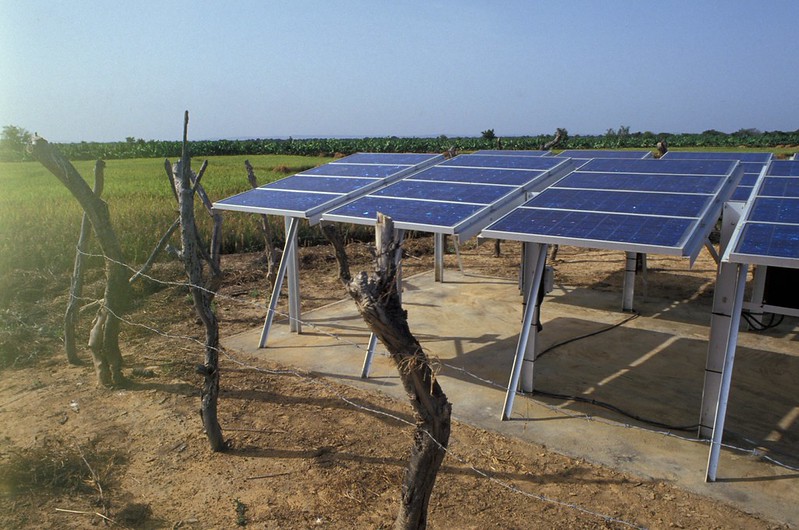 The World Economic Forum (WEF) defines energy poverty as the lack of access to safe, reliable, quality and environmentally secure energy services for the community. In Africa, 600 million people lack access to electricity, limiting access to information, communication, education and economic opportunities. The energy crisis increases reliance on traditional, unsafe energy sources for day-to-day use, making energy poverty one of the most pressing developmental challenges today.
Women, as primary caregivers and household energy managers, bear the brunt of energy poverty. Bound by societal norms, women and young girls are often responsible for household chores, including cooking and cleaning and reliance on unsafe energy sources leads to the deterioration of both physical and mental health. This often leaves girls and young children unable to leave the home, gain an education, become financially independent or contribute to the development of their communities.
Overall, this creates a chain of events that keeps households in poverty for generations and prevents them from reaching their full potential.
The Powering Gender Equality Project
In response to Africa’s energy poverty, the United Nations Development Programme (UNDP) launched the Powering Gender Equality project in Ethiopia, Malawi, Madagascar and Eswatini in 2023. It is supported by the governments of Luxembourg and the Republic of Korea to enhance women’s economic empowerment while combating widespread energy poverty in Africa. The project aims to empower women-led networks and entrepreneurs to establish clean energy businesses, while encouraging energy policies that address gender disparities.
Addressing Energy Poverty in Eswatini
In Eswatini, where women make up 52% of the population, the project has shown encouraging early results and strong potential. It trained 50 women entrepreneurs from rural communities in using sustainable energy for their homes and businesses, including solar, biogas and waste-to-fuel technologies, as well as essential business skills such as planning, marketing and management. They were also provided with clean energy starter kits, including solar panels, to launch and expand their businesses.
Partnering with the Ministry of Natural Resources and Energy, the project also developed an early-stage strategy for gender-responsive policies and capacity-building. The aim is to improve gender equality in the energy sector and create a more inclusive environment for energy planning. The trained women plan to establish and expand their businesses, power their homes, strengthen food security, send their children to school and build a sustainable future.
Addressing Energy Poverty in Madagascar
Only 2% of Madagascar’s population has access to clean cooking energy, while the rest relies on unsafe sources such as biomass and firewood. With more than three-fourths of the population living in poverty, many are especially vulnerable to this energy crisis, which contributes to serious health issues, rising pollution levels and deforestation in the region. Here, the gender-equality project trained 15 women in installing and repairing solar hub systems and biogas technologies and in establishing sustainable businesses.
UNDP also worked with local community leaders to raise awareness of these issues and build support for women’s businesses and their involvement in the energy sector. After the training, the women were provided seed funding to sell solar kits and components or to manage nanogrids, promoting sustainable energy within their communities.
The Future
Ultimately, the Powering Gender Equality project demonstrates the untapped potential of women and offers hope for combating energy poverty in Africa and worldwide. It also advances Sustainable Development Goal 7, which aims to ensure access to clean, affordable energy for all. With training, support and policy influence, empowered women can rise to the challenge and help power their households and communities, truly lighting the way out of the energy poverty trap.
– Nishtha Mahendra Kumar
Nishtha is based in London, UK and focuses on Technology and Solutions for The Borgen Project.
Photo: Flickr
