Immunization Initiative Reduces Child Mortality in Zimbabwe
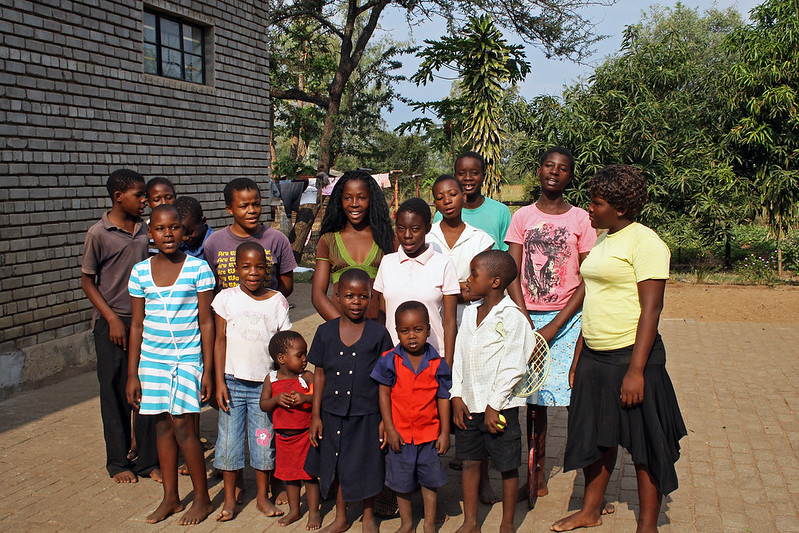 In 2025, the United Nations Children’s Fund (UNICEF) publicly recognized the government of Zimbabwe for its investments in the health and safety of its children. In October 2025, Zimbabwe’s Ministry of Health and Child Care (MoHCC) launched a vaccination initiative in collaboration with the World Health Organization (WHO) to reduce child mortality in Zimbabwe. Gavi, the Vaccine Alliance, a public-private global health partnership dedicated to vaccinating children around the world, and the government of Zimbabwe funded the health campaign. Zimbabwe allocated $1.9 million from its national treasury to fund the program.
Measles-Rubella Vaccination Campaign
The government of Zimbabwe titled the initiative the National Measles-Rubella (MR) Vaccination and Vitamin A Supplementation Campaign. It targeted children between the ages of 9 and 59 months across all regions of the country, regardless of previous vaccination status. An estimated 1.7 million children received vaccinations as a result of the program. Ncebile Ngwenya, a frontline nurse in Plumtree, Bulilimamangwe district in the Matabeland South Province, described the campaign’s approach: “The campaign utilised scheduled outreach points, which improved access to immunization services by delivering them at the community level. It will help protect children from measles and rubella, ensuring strong immunity and a healthier future for our communities.”
Vitamin A Supplementation and Child Nutrition
In addition to the measles-rubella vaccine, nearly 2 million children also received Vitamin A supplements. The rationale for providing these supplements was the same as that of the vaccination effort: to reduce child mortality across Zimbabwe. Vitamin A deficiency is a widespread issue across the country’s young population and can lead to malnutrition, disease and, ultimately, death. One of the most significant risks of Vitamin A deficiency (VAD) is total loss of vision. VAD is one of the leading causes of blindness in low-income countries. Keratomalacia, a condition that causes corneal deterioration, is especially prominent in individuals with VAD. The average income of families in Zimbabwe is $3 a day, meaning most children do not have consistent access to foods rich in Vitamin A or other crucial nutrients.
Measurable Results
The combined effects of the measles-rubella vaccination and Vitamin A supplementation produced significant health improvements. WHO Zimbabwe estimates that 95% of children in Zimbabwe aged 9 to 59 months experienced improvements in both nutrition and disease immunity. By launching the campaign across all regions of Zimbabwe and vaccinating all children from ages 9 to 59 months regardless of financial means or prior vaccination status, the government actively addressed fatal health risks in its youngest and most vulnerable population.
Looking Ahead
The National Measles-Rubella Vaccination and Vitamin A Supplementation Campaign demonstrates how combining vaccination with nutritional supplementation can produce measurable health outcomes for children in low-income countries. As other countries facing similar challenges with malnutrition and childhood disease consider their public health strategies, Zimbabwe’s approach offers a model for reducing child mortality at scale.
– Natalie Naylor
Natalie is based in New York City, NY, USA and focuses on Global Health for The Borgen Project.
Photo: Flickr
