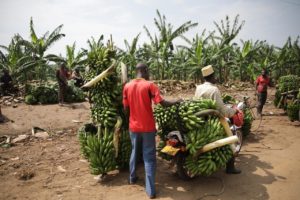
 The Parish Development Model (PDM) is a strategy introduced by the Ugandan government in 2022 to promote wealth creation and improve service delivery at the household level. The PDM focuses on communities at the parish level, the smallest administrative unit of the government and the one closest to communities. This proximity ensures that goods, services and benefits from the PDM directly impact local communities.
The government aims to prioritize key commodities like coffee, tea and oils to create wealth-generation opportunities within PDM areas. The program operates through seven key pillars: production, processing and marketing, infrastructure and economic services, financial inclusion, social services and community data.
While the PDM aspires to reduce poverty and improve household incomes and quality of life, it is not Uganda’s first poverty reduction initiative. Many previous programs have failed, with some funds reportedly embezzled, as acknowledged by the President of Uganda. According to the World Bank, four out of 10 Ugandans currently live in poverty. The PDM is seen as a critical, last-ditch effort to reverse this trend and solve poverty within the country.
Objectives of the Parish Development Model
The primary goal of the PDM is to transition 39% of Uganda’s population or 16 million households, from subsistence farming to commercial farming, enabling them to participate in the money economy. The PDM also aims to improve service delivery efficiency at the parish level, offering hope to low-infrastructure communities. The government envisions the program as a key economic solution to alleviate poverty across various regions, setting a five-year timeline to achieve its objectives that started in 2022.
The World Bank predicted Uganda’s economic growth to reach 6.2% in 2025, up from 5.3% in 2023. During Uganda’s 62nd Independence Day celebrations, the President announced that 67% of the population is already engaged in the money economy. If implemented successfully, the PDM could increase this figure significantly. This initiative is also a critical component of Uganda’s Vision 2040, which aims to transform the country from a predominantly peasant-based economy to a modern and prosperous one.
Implementation of the Parish Development Model
The government first identified the right households through community research and vetting to implement the PDM and ensure that the most vulnerable communities benefited. It assessed key factors such as income, education, agriculture and savings to determine which households still relied on a subsistence economy.
The next step involved creating and funding trusts that would allocate the appropriate funds to the right areas. Enterprise groups were formed, consisting of members eligible under the PDM scheme. Savings and Credit Cooperatives (SACCOs) were established to support these groups, with one PDM SACCO designated for each enterprise group.
The PDM SACCOs are managed and controlled by enterprise group members, who make decisions regarding funds, programs and infrastructure plans. Members of the enterprise groups can request loans through the SACCOs, which are specifically aimed at fostering self-employment and supporting business ideas. PDM SACCOs provide loans to households at a 5% interest rate, with repayment terms set by the respective SACCOs.
The first phase of the PDM established 10,585 SACCOs. Further, it disbursed $239 million in loans to numerous households, effectively making the PDM SACCOs function like community banks for enterprise group members.
Challenges
The PDM faces several challenges, primarily due to the vast number of communities it needs to cover and its ambitious goal of transitioning 16 million households into the money economy. However, two key challenges requiring urgent attention include:
- Financial Constraints. The PDM adopts a “one size fits all” approach, which has resulted in unequal benefits across regions. Each beneficiary household received close to $270. Similarly, each parish gets $27,000. Nonetheless, regions like Acholi, Karamoja and Busoga, which still heavily rely on a subsistence economy, are so far disproportionately targeted in the disbursement of PDM funds.
- Inefficiencies. The average number of households per SACCO is between 75 and 109. However, in regions heavily dependent on subsistence farming, the number ranges from 400 to 600 households per SACCO. This places an overwhelming burden on SACCOs, leading to unequal distribution of funds and challenges in providing adequate oversight. Overburdened SACCOs struggle to monitor loan repayment and assess the progress of households effectively, limiting the program’s overall impact.
Outcome
As of 2024, the PDM has achieved several milestones and benefited numerous households. Out of the 10,585 households registered under the PDM project, 7,950 have actively borrowed and received funds from SACCOs fund. The households have invested in both agricultural and nonagricultural businesses. Notably, 53% of the households that have accessed SACCO funds are women. The PDM initiative offers loans at significantly lower interest rates at 6% compared to 18% charged by commercial banks. This reduced burden allows households to fully implement their business ideas and achieve more excellent financial stability.
The Ministry of ICT and National Guidance also developed an information system to collect and store data from various parishes. This system monitors loans disbursed, tracks loan repayments and oversees the distribution of funds to parishes from the central government. This step is crucial in achieving the PDM’s Pillar 3 objective of financial inclusion.
Conclusion
The PDM represents the Ugandan government’s ambitious and innovative strategy to tackle poverty. Furthermore, it promotes economic inclusion at the grassroots level. By prioritizing key commodities, promoting financial inclusion and providing affordable loans through SACCOs, the PDM has already demonstrated its potential to uplift vulnerable households and communities.
However, the program’s success hinges on addressing critical challenges, including financial constraints and inefficiencies in resource allocation. Tailoring solutions to meet the unique needs of different regions and improving oversight mechanisms will be essential for achieving the PDM’s full potential.
As Uganda moves closer to its Vision 2040 goals, the PDM stands as a cornerstone initiative, promising to transition millions from subsistence to a commercial economy. If implemented effectively and inclusively, it could serve as a model for other nations striving to eradicate poverty and create sustainable economic growth.
– Zacc Katusiime
Zacc is based in Kampala, Uganda and focuses on Business and New Markets for The Borgen Project.
Photo: Pixabay

The Ha Giang Loop and its Impact on Poverty Reduction
Many of those fortunate enough to have embarked on the 350 km Ha Giang Loop regard the journey as a truly once-in-a-lifetime experience. Fortunately, the increased influx of adventurous travellers into Ha Giang is slowly beginning to make a tangible positive impact on the lives of many local people.
The Power of Tourism
Tourism is a valuable asset and conduit which can drive economic development and reduce poverty. Through the multiplier effect, tourism, particularly backpacker tourism, can significantly positively impact the areas they visit. In Vietnam, every job in the tourism sector, generates another 1.5 jobs elsewhere.
Ha Giang province contains some of the poorest districts in the whole of Vietnam. The mountainous topography and often challenging climate of the region provide obstructive barriers to traditional agricultural development. Moreover, the population of Ha Giang consists of more than 20 different ethnic groups, with the largest being the H’mong people known for their distinctive traditional clothing and intricate craftsmanship.
The ethnic groups of Vietnam make up 15% of the total population but account for more than 70% of the extremely poor. There are numerous factors behind this stark inequality including; geographical isolation, societal intricacies such as culture and language and limited access to education. Many ethnic groups have failed to fully benefit from the sweeping positive initiatives and developments enacted across Vietnam over the past two decades.
Positive Developments in Ha Giang
In recent times, the Dong Van province within Ha Giang has made positive development strides through agricultural reforms. To combat the agrarian difficulties inflicted by the terrain and climate, local farmers were encouraged to switch to alternative crops such as rice hybrids and corn. Additionally, many local farmers have now become effective cultivators of honey, as a result of interest-free loans being allocated to prospective beekeepers.
The cultivation of buckwheat has also proved to be profitable, and the annual Dong Van Buckwheat Festival attracts many tourists which provides an additional valuable source of revenue for the locality. Moreover, employment initiatives to support handicrafts and flax weaving enterprises have secured employment prospects for many local women.
These policies have greatly aided the widespread inclusion and involvement of poorer households and erected multiple avenues for potential income and revenue. Consequently, living conditions have greatly improved and poverty rates in the province, which were once as high as 18.5%, have fallen by more than 6%.
Charitable Efforts
The Blue Dragon Foundation helps to empower ethnic minority women in Ha Giang by preventing the exploitation and trafficking of women and providing educational resources. Blue Dragon also assists families by teaching life skills and helping to develop sustainable income sources through the provision of livestock.
Thon Tha is a responsible tourism co-operative that aims to help develop local communities to access a better life, by providing visitors with an authentic and responsible Vietnamese travel experience. Established in 2014, Thon Tha works to reduce poverty by creating long-term sustainable visions for local people. Their work includes; creating job opportunities through services such as homestays and bike rental shops; preserving cultural traditions and discouraging employment activities such as street vendors; and providing authentic travel experiences to showcase true Vietnam.
Problems of Tourism Development
Ha Giang welcomes more than 2 million visitors annually, in turn earning an estimated $200 million from the tourism industry. The province was also named Asia’s leading emerging tourist hotspot in 2023. However, Ha Giang suffers from a distinct lack of proper tourist infrastructure and is currently incapable of fully capitalizing on the proliferation of visitors to the area. However, the government established initiatives such as tax exemptions for homestays, as well as charging small fees for visitors to access particular areas to help bolster the burgeoning of tourism.
Conclusion
The Ha Giang Loop is already having a direct positive impact on the local people, by providing locals with important sources of additional income. As a direct result of the loop, enterprising locals are capitalizing on the newly buoyant tourism industry by establishing homestays and roadside shops.
It is encouraging to see the direct positive impacts arising from the popularity of the loop. However, careful management and nurtured responsibility remain vitally important for the upsurge of tourism in Ha Giang. Thus, ensuring sustainability in the accretion of tourism generated revenue into the region going forward; and in turn the ensuing continued reduction of poverty.
– Ollie Roberts
Photo: Flickr
Innovations in poverty eradication in Barbados
Tourism Effect
The increase in tourists to pre-COVID-19 levels has definitely helped the poverty issue within Barbados as the economy has since grown by 4.5% with the return of tourists to the island post-pandemic. GDP rose 4% just in 2024 in Barbados, and both tourism and manufacturing have seen a 5.5% increase in the traded sector while non-traded sectors went up by 3.7%.
The number of prolonged tourist visits in Barbados increased by 10.7%, and the number of cruise calls increased by 53, causing a 40.8% rise in tourists by cruise, according to the Central Bank of Barbados. These event tactics that focus on tourist booms are critical to the economy and are a huge innovation in poverty eradication in Barbados as their economy relies heavily on tourism, as 50% of export income is attributed to tourism, and is truly a driving point for the economy.
The Role of BERT
Along with tourism, there are multiple ongoing and promising government-led plans, one of the most prominent being the Barbados Economic Recovery and Transformation (BERT). BERT recently received support from the International Monetary Fund (IMF) along with the Extended Fund Facility (EFF) as well as an arrangement by the Resilience and Sustainability Facility (RSF). Help from these facilities if approved by the IMF would mean a total of $56 million between both facilities would be made available to BERT.
BERT is one of the most important innovations in poverty eradication in Barbados as it has been working and reimplemented since 2018 in a mission to restore and support the macroeconomics of the island, by doing structural reforms and shifting towards a more tourism based economy.
BERT has also worked against certain external shock factors such as natural disasters to not disrupt the visitor-based economy it is building. It has started the Stormwater Management Act to combat flood risks, has started to shy away from fossil fuels and is looking at renewable energy sources to prevent economic growth from stunting due to such factors.
The BERT plan was based on the government’s anti-poverty alignment and strives for long-standing and sustainable growth and has so far proven to be beneficial to the island. In combination with new tourism business and tactics, Barbados is on the right track toward economic success. These innovations in poverty eradication in Barbados have benefited Barbados greatly as unemployment rates drop, and domestic business has increased since both the tourist boom and the reimplementation of BERT.
– Cheyenne Weller
Photo: Flickr
How Preventative Education Is Stopping Bird Flu In Cambodia
What is Bird Flu?
Avian Influenza, usually H5N1 in humans, is the virus that causes bird flu. While not very contagious within humans, bird flu is incredibly contagious within poultry. Chickens or other birds will get each other sick and while this normally is not an issue for human health when the illness stays within the animals, problems can arise when people spend extended periods of time around a large volume of infected animals. So far, most of the people who have contracted bird flu have either been farmers who have been tending infected animals or individuals who have consumed infected animals. Transmission can occur via direct contact, indirect contact (such as touching a contaminated surface), or inhaling the disease.
Additionally, Avian Influenza is highly infectious and fatal within poultry, carrying a 75% to 100% mortality rate within poultry. Historically, around half of all people with documented bird flu infections have died. Symptoms include difficulty breathing, confusion, and fever which eventually escalate into multiple organ failure.
Bird Flu in Cambodia
Bird Flu in Cambodia is by no means a new situation. In fact, the first outbreak of Bird Flu in Cambodia was back in 2003. Occasional and infrequent cases of Bird Flu in Cambodia were reported in humans until 2014, at which point no further cases were reported until 2022.
A gradual decrease in the public perception of bird flu’s threat has caused many individuals in Cambodia to grow lax with preventative health measures over the past few years. A study in Prey Veng in 2023 showed that 22.6% of individuals knowingly cooked and fed sick or dead poultry to their families. Additionally, 93% of the country’s poultry production is raised via backyard systems. While efficient, these backyard systems often come with diminished sanitization and a higher risk of disease transmission to humans.
Government Response
Responding to such a dangerous health crisis has been an uphill battle for the Cambodian government. One of the biggest challenges is disseminating information to an extremely rural population. As such, most of the work the Cambodian government has done on sharing information about bird flu in Cambodia has been on foot. Health care and government workers have been driving in on motorbikes to secluded populations to educate them about bird flu in hopes of preventing future cases and spreading awareness. Proactive preventative measures have been implemented as well, such as the treatment and culling of affected poultry, according to the World Health Organization (WHO). In recent times, Cambodian officials have worked with national influenza centers to both curb the spread of the disease and raise awareness for bird flu in Cambodia. Cambodian influenza centers offer 24/7 laboratory testing for Cambodia’s population completely free of charge.
This recent pivot to a more preventative strategy has increased early detection, which can help stop the spread of bird flu to humans and increase treatment options within humans.
Moving Forward
While the bird flu in Cambodia situation has the potential to be a catastrophic event for the population, Cambodia’s government has made leaps and bounds in providing education and preventative care to a largely rural population. Through this preventative education and efforts to stop bird flu in Cambodia before it can spread further, Cambodian officials have successfully stopped an epidemic before it could spiral out of control.
– Mac Scott
Photo: Flickr
Natural Disasters and Disease in the Philippines
There is a correlation between natural disasters and disease in the Philippines. With disaster comes destruction and instability. People flee their homes as disasters decimate infrastructure, entire agricultural fields disappear and those from low incomes are unable to access medical care. Similarly, the disasters alone have direct links to negative health effects such as dengue, diarrheal syndrome, measles, cholera, meningococcal disease and acute respiratory syndrome.
Natural disasters cause disease in the Philippines, particularly impacting the lives of low-income people as they are less likely to obtain access to the resources necessary to rebuild their lives after a disaster or treat diseases caused by these events
Disaster, Disease and Poverty
Research has shown that infectious diseases occur following natural disasters as these circumstances hamper the foundations of many citizens’ lives and the health care system is not stable enough to cope with this. A deficit of clean water, stable housing and health care results in poor living conditions and higher rates of communicable disease.
A study on water-related diseases in the Philippines highlights that unless water availability is imperilled and people are displaced, the spread and risk of water-related diseases are low. Comparatively, following flooding, there is a significantly increased risk of such diseases because contaminated water is dominant – meaning that infections such as dermatitis and conjunctivitis are common. Similarly, following flooding, there is a higher risk of faecal-oral diseases such as paratyphoid fever, poliomyelitis and chlorea.
For those living in poverty in the Philippines, disasters such as flooding heighten the risk of communicable diseases, therefore pushing people into extreme poverty as they do not have the resources to treat such diseases. As a result, this worsens their quality of life.
The Work of Planet Water Foundation
Planet Water Foundation focuses on tackling a lack of clean water in the Philippines. Since 2010, the foundation has installed approximately 430 clean water schemes across the Philippines. This scheme involves the implementation of around 360 AquaTower water filter apparatuses in primary schools, ensuring students and staff can access clean drinking water
The foundation has also provided resources to aid communities during and following natural disasters by ensuring they have the resources to stay healthy and prevent disease. Through the placement of AquaBlock Emergency Water Systems following natural disasters such as flooding and cyclones, locals can secure clean water even amidst natural hazards. The Planet Water Foundation’s disaster responses include the Taal Volcanic eruption, Typhoon Odette and Typhoon Goni.
The implementation of systems that ensure there is sanitary water acts as a preventive measure for communicable diseases that arise from contaminated water that manifests from natural disasters. Correspondingly, this addresses the sanitation gap that low-income people and locals experience which helps them maintain basic hygiene even if they lose shelter because of natural disasters.
– Ella Dorman
Photo: Flickr
Community Efforts To Break Child Poverty in South Sudan
Child poverty in South Sudan is prevalent with many facing malnutrition, lacking education and having limited health care access. Sida’s multidimensional poverty analysis (MDPA) reports that one in 10 South Sudanese children starve to death by the time they are five years old and 73% of adults are illiterate.
Despite these harrowing challenges, community-led initiatives are emerging as efforts to break child poverty in South Sudan. From providing essential supplies to advocating for systemic change, these efforts are creating tangible paths toward hope and resilience.
Donate School Supplies
Decades of conflict have had disastrous effects on South Sudan’s educational system. Parents struggle to give their children the critical textbooks, uniforms and writing tools they need, which discourages many students from attending school.
These tools may seem small, but they are essential items to donate to disaster relief efforts aimed at bridging educational gaps. Families relieved of these material burdens can focus on ensuring their children attend classes and thrive academically.
Provide Personal Hygiene Kits
Hygiene-related health issues plague rural South Sudan, further straining children’s ability to stay in school. Many children miss crucial days due to preventable infections as a result of inadequate hygiene or a lack of menstrual supplies.
Simple hygiene kits—including soap, a toothbrush, toothpaste or sanitary items—enhance well-being and could improve school attendance significantly. Hygiene kit drives, organized through schools, workplaces or community groups, can distribute these essential resources to children in need. For example, Pads For Peace is a project organized through Global Giving, which helps to gather funding for sending menstrual hygiene supplies for women in Sudan.
Support First Aid Donations and Community Training
Surrounded by scarce health care infrastructure, children in South Sudan often rely on bandages and antiseptics for minor injuries due to the lack of clinics and medications. These seemingly small items can prevent infections and save lives when medical care is unavailable.
Beyond supplies, consider petitioning to secure funding for community health volunteer programs in South Sudan. Medical professionals can administer care and share basic medical knowledge. This empowerment strengthens the foundations of health at a local level. For example, Medicial Team International has already completed more than 641,426 medical screenings for people in South Sudan between 2020 and 2024.
Explore Other Ways To Help
The opportunities to contribute are endless. Hosting fundraising events can support food collection programs or provide critical funding for NGOs on the ground. Meanwhile, sponsoring a child’s education directly guarantees long-lasting change in an individual’s life.
Advocate for Systemic Change
Widespread governmental corruption worsens resource allocation and denies children access to basic needs. Reaching out to policymakers and signing petitions amplifies the urgency for transparency and global funding.
Advocacy efforts pushing for international human rights interventions keep South Sudan’s plight in focus, you can urge world leaders to prioritize child poverty in the region. If a person uses their voice to hold governments accountable, they can help uproot harmful systems that perpetuate inequality.
Making a Difference
The road to eliminating child poverty in South Sudan may seem insurmountable, but it begins with small, purposeful actions. From donating supplies to advocating for policy change, everyone can play a role in efforts to break child poverty in South Sudan.
– Kelly Schoessling
Photo: Flickr
The Gender Wage Gap in Burkina Faso
The Current Issue
Some of the driving factors of the gender wage gap in Burkina Faso are the widespread notions that women belong in the home, or that their role in the workforce should not interfere or supersede their responsibilities in the home. “Occupational segregation” is common, with men in higher-level positions in higher-skilled work.
Women are expected to take care of the household, so economic ventures outside of caregiving are difficult. The World Bank Group says, “We find that gender differences in labor force participation are primarily driven by differences in returns to worker characteristics, such as the number of young children in the household, and notably not due to characteristics such as differential educational attainment.”
The lack of women or advocacy for women in politics means that it is difficult to address these issues. Currently, only 13 of the 71 members of the Burkinabe parliament (18.3%) are women.
Past Progress
It would be remiss to speak on gender equality or economic reform in Burkina Faso without mentioning Thomas Sankara. Sankara, leader of Burkina Faso from 1983 to 1987, was a revolutionary, Marxist and Pan-Africanist, and an outspoken, uncompromising feminist.
He himself spoke on the inherent wage disparity in domestic duties being unpaid, saying “We are fighting for the equality of men and women, not of a mechanical, mathematical equality, but by making women equal to men before the law and especially before wage labor.”
Sankara passed many initiatives to help Burkinabe women. He encouraged both girls and boys to finish school, and required schools to let pregnant students return to finish their education. He also hired more women in government positions. Traditional gender roles such as caregiving drives economic gender inequality, so giving women opportunities outside of household/caregiving obligations allows them to participate more freely in the workforce.
Current Progress
Burkina Faso has approved initiatives in order to help women and children including the Child-Sensitive Social Protection Programme (CSSSP), and the Water, Sanitation and Hygiene program (WASH). The 2024 Gender-Responsive and Age-Sensitive Social Protection (GRASSP) report recorded the impacts of this initiative.
The CSSSP provides a cash transfer of FCFA 16,000 (30 USD) per month to every household within the 11 municipalities it was implemented in. The report tracked the impact of the CSSSP, as well as the combined impact of the cash transfer and the WASH program, which provides water, sanitation, hygiene and nutrition services.
This economic stability that this financial crutch offers allows women more freedom in their economic ventures. The GRASSP report noted that the hours of economic activity of girls in beneficiary households increased 9.9%. It also wrote that, “Women in the treatment group reported having gained some control over their savings and earnings, compared to their counterparts in the comparison group.” Additionally, the report indicated that improved quality of life encourages peace in the home stating that “[Beneficiaries] acknowledged that poverty was the cause of arguments, and that receiving the cash transfers ameliorated this stress since they had less difficulty paying for their basic needs.”
Continuing and expanding these programs would see an overall boost in Burkinabe economic stability. Food security and happier family dynamics make fulfilling household and caregiving duties easier for women. This opens up time and opportunity for economic activity.
Conclusion
In truth, the circumstances of these women come as a result of an overlap of patriarchal ideals and general economic inequality. Addressing the root problems means dismantling the traditional gender roles that assign and restrict women to caregiving, and to eliminate wage disparity to provide equal opportunity for women to generate independent income or own capital.
Teaching men to take on some of the time and mental burden of managing a household not only encourages respect and shared responsibility between spouses, but also frees up time for women to pursue independent economic ventures. But as of now, the CSSSP program is addressing the financial stress and household stress separately, improving the quality of life of women who struggle with them.
– Sandhya Mathew
Photo: Pixabay
The Parish Development Model: Uganda’s Solution to Poverty
The government aims to prioritize key commodities like coffee, tea and oils to create wealth-generation opportunities within PDM areas. The program operates through seven key pillars: production, processing and marketing, infrastructure and economic services, financial inclusion, social services and community data.
While the PDM aspires to reduce poverty and improve household incomes and quality of life, it is not Uganda’s first poverty reduction initiative. Many previous programs have failed, with some funds reportedly embezzled, as acknowledged by the President of Uganda. According to the World Bank, four out of 10 Ugandans currently live in poverty. The PDM is seen as a critical, last-ditch effort to reverse this trend and solve poverty within the country.
Objectives of the Parish Development Model
The primary goal of the PDM is to transition 39% of Uganda’s population or 16 million households, from subsistence farming to commercial farming, enabling them to participate in the money economy. The PDM also aims to improve service delivery efficiency at the parish level, offering hope to low-infrastructure communities. The government envisions the program as a key economic solution to alleviate poverty across various regions, setting a five-year timeline to achieve its objectives that started in 2022.
The World Bank predicted Uganda’s economic growth to reach 6.2% in 2025, up from 5.3% in 2023. During Uganda’s 62nd Independence Day celebrations, the President announced that 67% of the population is already engaged in the money economy. If implemented successfully, the PDM could increase this figure significantly. This initiative is also a critical component of Uganda’s Vision 2040, which aims to transform the country from a predominantly peasant-based economy to a modern and prosperous one.
Implementation of the Parish Development Model
The government first identified the right households through community research and vetting to implement the PDM and ensure that the most vulnerable communities benefited. It assessed key factors such as income, education, agriculture and savings to determine which households still relied on a subsistence economy.
The next step involved creating and funding trusts that would allocate the appropriate funds to the right areas. Enterprise groups were formed, consisting of members eligible under the PDM scheme. Savings and Credit Cooperatives (SACCOs) were established to support these groups, with one PDM SACCO designated for each enterprise group.
The PDM SACCOs are managed and controlled by enterprise group members, who make decisions regarding funds, programs and infrastructure plans. Members of the enterprise groups can request loans through the SACCOs, which are specifically aimed at fostering self-employment and supporting business ideas. PDM SACCOs provide loans to households at a 5% interest rate, with repayment terms set by the respective SACCOs.
The first phase of the PDM established 10,585 SACCOs. Further, it disbursed $239 million in loans to numerous households, effectively making the PDM SACCOs function like community banks for enterprise group members.
Challenges
The PDM faces several challenges, primarily due to the vast number of communities it needs to cover and its ambitious goal of transitioning 16 million households into the money economy. However, two key challenges requiring urgent attention include:
Outcome
As of 2024, the PDM has achieved several milestones and benefited numerous households. Out of the 10,585 households registered under the PDM project, 7,950 have actively borrowed and received funds from SACCOs fund. The households have invested in both agricultural and nonagricultural businesses. Notably, 53% of the households that have accessed SACCO funds are women. The PDM initiative offers loans at significantly lower interest rates at 6% compared to 18% charged by commercial banks. This reduced burden allows households to fully implement their business ideas and achieve more excellent financial stability.
The Ministry of ICT and National Guidance also developed an information system to collect and store data from various parishes. This system monitors loans disbursed, tracks loan repayments and oversees the distribution of funds to parishes from the central government. This step is crucial in achieving the PDM’s Pillar 3 objective of financial inclusion.
Conclusion
The PDM represents the Ugandan government’s ambitious and innovative strategy to tackle poverty. Furthermore, it promotes economic inclusion at the grassroots level. By prioritizing key commodities, promoting financial inclusion and providing affordable loans through SACCOs, the PDM has already demonstrated its potential to uplift vulnerable households and communities.
However, the program’s success hinges on addressing critical challenges, including financial constraints and inefficiencies in resource allocation. Tailoring solutions to meet the unique needs of different regions and improving oversight mechanisms will be essential for achieving the PDM’s full potential.
As Uganda moves closer to its Vision 2040 goals, the PDM stands as a cornerstone initiative, promising to transition millions from subsistence to a commercial economy. If implemented effectively and inclusively, it could serve as a model for other nations striving to eradicate poverty and create sustainable economic growth.
– Zacc Katusiime
Photo: Pixabay
Neglected Tropical Diseases: Malaria in Cameroon
Malaria: A Neglected Tropical Disease in Cameroon
Neglected tropical diseases (NTDs) such as malaria are just that. Infectious diseases that occur primarily in tropical regions of the world. They are deemed neglected because there is minimal attention to addressing these diseases at both, national and global levels. To make matters worse, NTDs flourish in areas of poverty and where access to health care, sanitation and clean water is lacking.
Cameroon has an abundance of water around it. However, the country has minimal infrastructure in place to effectively convert this water into fresh drinking water. In fact, over half of the population living in rural areas of Cameroon, do not have access to clean drinking water.
Cameroon’s health care system has been severely hampered due to the ongoing internal conflicts. Close to 20% of the medical facilities are no longer operational. And those that are open, are struggling. Besides the destruction of facilities, there is also a lack of health care workers to assist in Cameroon’s war against malaria.
Add to these issues the plethora of mosquito species present in the country, it is no surprise that malaria is the most prevalent NTD impacting Cameroon. Globally, Cameroon falls within the top 15 countries with a high malaria disease burden. Nationally, more than 6 million cases of malaria occur yearly.
The country reports an annual death rate from malaria to be under 5,000 with a high majority being young children. However, the World Health Organization (WHO) suspects that the number could be well over twice that figure. The data discrepancy is due in part to poor reporting in rural areas.
Fighting Malaria in Cameroon
Although the country still reflects high disease rates, Cameroon’s war against malaria is being fought on multiple fronts. The “No one shall die from malaria” pledge signed by the country’s Ministry of Health shows Cameroon’s determination to fight malaria. The pledge falls in line with WHO’s Global Technical Strategy and Targets for Malaria 2016-2030 guidelines.
Agencies such as the World Bank, Korean International Cooperation Agency (KOICA) and the United Nations Office for Project Services (UNOP) support Cameroon’s efforts to provide access to clean drinking water to all people.
The United Nations Office for the Coordination of Humanitarian Affairs (OCHA), the Center for Disease Control and Prevention (CDC) and the International Medical Corps are providing critical health service resources necessary to prevent and treat NTDs such as malaria.
WHO is clarifying prophylaxis treatment options for pregnant women. Cameroon is also implementing a malaria vaccination program for children with provisions from WHO, Gavi-the Vaccine Alliance, and the United Nations International Children’s Emergency Fund (UNICEF). The WHO is working closely with Cameroon’s Ministry of Health to outline plans on how to provide targeted responses in high disease-burden areas.
Data collected from the Vector Control to Fight Malaria Project is helping to recognize and understand mosquito patterns and activities. This knowledge is crucial for ensuring preventive tools such as insecticide-treated nets are still effective. This data also helps provide education to the community.
Summary
Being home to five different neglected tropical diseases, fighting malaria in Cameroon matters greatly for the country and its population, especially for young children and pregnant women.
Vaccinating young children has led to a significant decrease in disease and death rates of young children. WHO recognized Cameroon for being the first country to incorporate malaria vaccination into the general schedule for childhood immunization.
Many pregnant women have received insecticide-treated nets. And there is a stronger effort to support moms in receiving prophylaxis medication, and in assisting them with access to care during pregnancy.
Although the country made improvements to water infrastructures, there remains an inequitable gap between urban and rural populations having access to clean water. With almost one-quarter of the country’s population could be living in extreme poverty by 2026, addressing these concerns remains critical, and will be the best way to win Cameroon’s war against malaria.
– Kelly Chalupnik
Photo: Flickr
Tech Herfrica Bridging Digital Divide Empowering Women in Africa
EquipHer4Growth
Tech Herfrica’s core programs, EquipHer4Growth and HerLocal Market, equip rural women with digital skills, financial literacy and access to new markets. The EquipHer4Growth program offers hands-on training in digital literacy and business management. Participants learn to operate computers and smartphones, navigate the internet, manage digital payments and leverage online marketing tools to expand their businesses.
The program provides financial literacy training to help women make informed financial decisions. Each participant receives an internet-enabled device, ensuring they have the necessary tools to compete in the current digital economy.
Graduates of EquipHer4Growth have successfully launched online businesses, expanded existing enterprises and improved their families’ quality of life. Tech Herfrica fosters economic independence and contributes to local development by empowering women in Africa with essential digital skills.
HerLocal Market
Complementing EquipHer4Growth, HerLocal Market connects rural female farmers and traders to local and international buyers. This e-commerce platform addresses one of the biggest challenges for women in rural areas, limited access to markets, by providing a digital space where they can showcase and sell their products.
Through HerLocal Market, women sell agricultural produce, handmade crafts and locally sourced goods. The platform reduces post-harvest waste, maximizes profits and provides logistics support and marketing tools. By reaching wider audiences, these women create sustainable income streams, directly contributing to local and regional economic growth.
Together, EquipHer4Growth and HerLocal Market represent a comprehensive approach to empowering women in Africa by equipping them with digital skills and connecting them to broader markets.
SDG Goals and Progress
Tech Herfrica’s work aligns closely with Sustainable Development Goal One (End Poverty Everywhere), SDG Four (Quality Education), SDG Five (Gender Equality) and SDG Eight (Decent Work and Economic Growth). According to Tech Herfrica’s SDG Action Dashboard, the organization has already made measurable progress toward these goals by creating new economic opportunities and providing critical digital training for women and girls in rural communities. Access to technology, combined with digital literacy and market linkages through HerLocal Market, creates new income-generating opportunities for rural women, directly addressing the root causes of poverty by empowering women in Africa by eliminating barriers to economic independence.
A Global Recognition and Future Expansion
Among many other awards, in 2023 Tech Herfrica was selected for the Chat for Women’s Livelihood Accelerator program, funded by the Bill & Melinda Gates Foundation. This 18-month initiative focuses on using chat-based technology, AI and large language models to enhance learning and boost women’s livelihoods in rural communities. By leveraging AI-driven solutions, Tech Herfrica aims to improve digital engagement and provide personalized support for women as they build skills and grow their businesses.
Through this accelerator program, Tech Herfrica collaborates with five other global organizations to develop innovative chat services on platforms such as WhatsApp, enabling more women to access essential resources, skills and mentorship opportunities. This partnership marks a significant step toward scaling Tech Herfrica’s impact and expanding its reach to thousands more women in underserved communities.
Looking Ahead
With a goal to empower 1 million women in Africa by 2030, Tech Herfrica continues to expand its programs, form new partnerships and develop innovative digital solutions. By using technology to break barriers, the organization remains at the forefront of empowering women in Africa through education, entrepreneurship and economic inclusion.
– Gregory Brychta
Photo: Flickr
Addressing Learning Poverty and Expanding Education in Chad
Education System in Chad
Chad’s education system consists of primary education (ages 6–11), lower secondary (ages 12–15), upper secondary (ages 16–18) and tertiary education, which includes trade schools, colleges and vocational schools. However, only about 3% of students complete the full program and just as few have access to tertiary education opportunities.
To address these challenges, Chad is committed to achieving Sustainable Development Goal 4 (SDG 4) to ensure inclusive and equitable quality education for primary and secondary students by 2030. With the support of local and international advocates, the country plans to increase government funding for education, improve teacher training, build more schools, prioritize education for girls and foster global partnerships to access additional resources and expertise.
Expanding Education Access in Chad
A standard vocational education program provides training for young adults who have completed formal education. Chad’s education system stands to benefit from such programs, but significant barriers remain. Nearly 49% of primary-aged children are out of school, with gender and socioeconomic status playing a major role in access to education. Additionally, Chad faced a deep educational crisis even before the COVID-19 pandemic and its current high rate of learning poverty requires immediate intervention rather than waiting for students to reach vocational training.
Chad is incorporating non-traditional programs into the education system to address these challenges. With support from various partners, Chad has developed initiatives that provide basic education to children and adults outside the formal system. These programs aim to close skill gaps, offer hands-on learning and accelerate job placement, helping to create more opportunities for those who might otherwise be left behind.
Nonformal Education Centers
The National Education and Civic Promotion program provides nonformal education to support socioeconomic integration across Chad. These centers offer out-of-school youth training in literacy, numeracy and vocational skills in their native languages, equipping them with essential competencies for better opportunities. Remarkably, more than 700 out-of-school children have been “reintegrated into the formal education sector” through nonformal education programs.
Additionally, more than 10,000 out-of-school women have received vocational training, improving their financial stability. Furthermore, more than 42,000 individuals aged 15 and older without formal education have completed literacy programs, underscoring Chad’s commitment to reducing illiteracy and expanding educational opportunities.
This effort aligns with the Global Partnership for Education (GPE) initiative, which awarded Chad a $50 million grant from 2018 to 2023 to address the country’s low literacy rates—where 60% of the population could not read. The grant aimed to expand educational access for both youth and adults while promoting social and gender equality. As a result, the Ministry of National Education and Civic Promotion introduced training programs that included nonformal basic education for adolescents aged 9 to 14, further strengthening Chad’s educational framework.
Other Projects Supporting Chad’s Education System
Reflecting on Chad’s Educational Mission
The UNESCO Institute for Statistics emphasizes that schooling does not necessarily equate to learning, highlighting the need for improved education quality. According to UNESCO, poor schooling can lead to higher dropout rates, reinforcing the urgency for reform. In response, Chad’s educational programs focus on enhancing teacher instruction and offering basic skill training to address these challenges in nonformal settings. By refining the Chadian education plan, there is hope that the country’s high rate of learning poverty will gradually decline, creating better opportunities for future generations.
– Pamela A. Fenton
Photo: Flickr