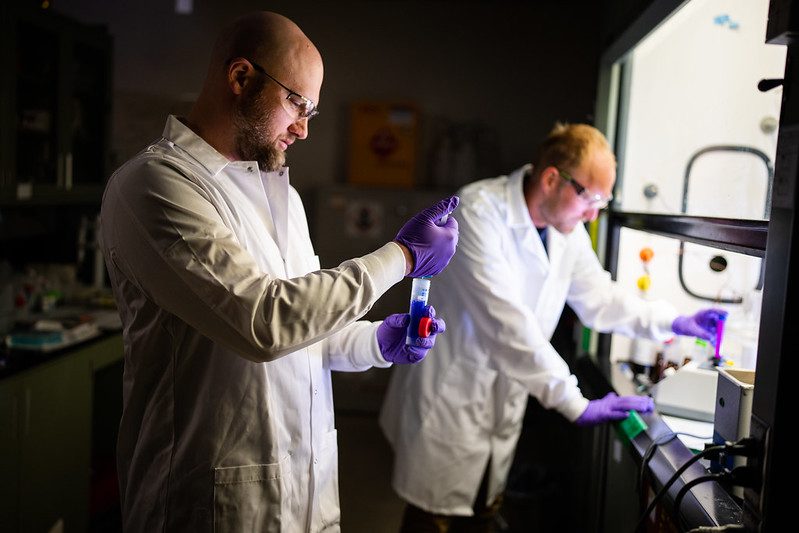
 PFAS, or “forever chemicals,” are a growing concern in the European Union due to their harmful impact on both human health and the environment. Regulation of PFAS in the EU is accelerating to help control negative health outcomes and prevent further contamination of the environment. This article explores the latest developments in PFAS regulation and litigation and the broader implications for public health and vulnerable communities in the EU.
Background
Per- and polyfluoroalkyl substances (PFAS) is the umbrella name for a group of more than 7 million human-made and naturally occurring chemicals. This group of chemicals is known for its persistence in the environment gaining the nickname of “forever chemicals.” Over the past few years, PFAS have come to the spotlight in European media following extensive class actions against producers in the U.S. since the late 1990s.
It is a subset of several thousand human-made PFAS which are of particular concern in Europe today for their negative impacts on human health. These health impacts include increased incidences of cancer, pregnancy complications and potentially, diseases of organs such as the thyroid and kidneys.
Harmful PFAS (such as PFOS and PFOAS) are a global problem, accumulating in environments and living beings. The Stockholm Convention sought to regulate several types of PFAS, beginning in 2009 and expanding to regulate what is currently a handful of the chemicals worldwide. Globally, 99% of humans (including fetuses) have measurable levels of forever chemicals in their bloodstream.
The European PFAS Problem
Europe has a legacy of several large production sites where forever chemicals were used heavily in industry. There are also large sites where PFAS presence in firefighting foam has caused significant contamination of groundwater and surrounding soil. In a Europe-wide investigation from French news platform Le Monde and The Forever Pollution Project, PFAS contamination was detected at 23,000 sites. A further 21,500 sites had presumed contamination which had not yet been tested for, and over 2,300 sites contained concentrations of specific PFAS at which there was hazard to human health.
Little EU-specific work has investigated the impacts of harmful forever chemicals on specific groups. According to the research conducted by the author of this article, many (though not all) European industrial sites which have historic, or present PFAS production activities are situated near lower-income communities. It is a concern that people living in these areas may be disproportionately affected by the chemicals compared to those living in higher socio-economic conditions.
Furthermore, negative health outcomes from harmful PFAS exposure have been shown to accumulate faster in children. This includes impacts on the immune system and a child’s lowered ability to fight childhood infections. Lower birth weights for babies born from women with high levels of harmful PFAS exposure can also result in secondary complications of developmental problems and poorer health in later life. This outcome was comparable to associations drawn between premature births to mothers with high exposure to tobacco.
Regulating PFAS in the EU
Regulation of PFAS in the EU enjoys a relatively transparent process which began with the Stockholm Convention. It gained real traction following the 2023 submission of a “REACH” restriction proposal on forever chemicals by Denmark, Germany, the Netherlands, Norway and Sweden to the European Chemicals Agency (ECHA).
REACH is an EU regulation aiming to protect human and environmental health from chemical risks while also seeking to uphold a competitive EU chemicals industry. The regulation establishes standards of assessment, registration and compliance evaluation within EU manufacturing and imports.
As of 2025, REACH revisions have accelerated the dates of restrictions of some harmful types of PFAS in certain EU industries and led to faster safety measure implementations. Regulation of PFAS in the EU is also approaching total bans on consumer products such as cosmetics and food packaging, in line with similar developments within the US. Cleantech and health care companies will not be a part of the EU regulatory ban but see stricter regulation instead as the chemicals are still essential in these industries. The hope is for safer use of forever chemicals in present and future production.
Rise of EU PFAS Litigation
As well as an increase in regulation of PFAS in the EU, there has also been a rise in litigation surrounding legacy sites of production and PFAS use. Over the past two decades, $16.7 billion in U.S. legal settlements have been paid out to people alleging harm from PFAS exposure. A recent claim against chemical giant 3M was settled for $10.5 billion.
Both individuals and groups within EU countries are now beginning to seek compensation for health damages and costs of cleaning up PFAS pollutants. In Belgium, company 3M paid out more than €580 million to the Flemish government in 2022 for chemical leaks of forever chemicals and is also compensating neighbouring businesses into 2025 for a new round of claims.
Residents of countries including the Netherlands, Sweden, Italy and France are also suing companies, governments, and water treatment facilities (in the case of Sweden) for discharges of harmful PFAS into drinking water and agricultural land, according to Chemsec.
As legal settlements and regulatory actions increase, it is crucial to ensure that economically disadvantaged groups are not left behind in the process of receiving compensation and assistance. This is especially important as many economically disadvantaged communities are situated near legacy contamination sites and may have experienced negative health outcomes for decades before litigation, according to the research conducted by the author.
Hope for the future of the EU’s PFAS landscape
The rising awareness of forever chemicals and their impacts, the costs of essential cleanup and increasing regulation of PFAS in the EU is a positive process. EU-wide compensation and regulation could take significant time to implement, becoming a high-profile risk on the agenda of many companies facing litigation now and in the future.
Alongside these processes, there is a developing new market for innovation for both removal and disposal of harmful PFAS. Next-generation water filters, specialist treatment systems and new monitoring standards could have positive spillover effects for applications outside the EU. The new EU frameworks being introduced to handle forever chemicals may set a model for similar framework implementation elsewhere. While the EU has a lot of work and clean-up to do surrounding harmful PFAS, the prospects of safer drinking water for residents are positive. Regulation of PFAS in the EU has recognised the right to a safe environment and safe drinking water for its citizens, empowering citizens to demand these rights too.
– Autumn Joseph
Autumn is based in London,UK and focuses on Business and Global Health for The Borgen Project.
Photo: Flickr

Indefinite Instability: Rule of Law in Eritrea
Origins of Corruption
After tasting peace for the first time in three decades, the citizens of Eritrea witnessed the climactic ascent of a guerilla fighter to the nation’s highest office. Isaias Afwerki emerged from the war of independence as the head of the Eritrean People’s Liberation Front, the primary organization that led the fight against Ethiopian rule. Afwerki quickly became the frontrunner to usher the nation into a new age of prosperity that has yet to be realized.
Eritrea declared its independence in a United Nations-supervised referendum on April 23, 1993, and appointed Afwerki as head of state. In the following year, President Afwerki renamed the EPLF to the People’s Front for Democracy and Justice (PFDJ). To this day, the president’s rule of law in Eritrea ensures that the PFDJ remains the nation’s sole political party.
Indefinite Servitude
Almost immediately after taking office, Afwerki’s administration drew international condemnation. Elections originally set for 1997 were indefinitely postponed and the country ratified a constitution but never fully implemented it. Meanwhile, an all-encompassing conscription policy shaped the nation into a militaristic society. Initially, every adult under the age of 55 would serve in the military for 18 months, however, Afwerki revised the policy and extended the length of service for an indefinite amount of time, forcing some Eritreans into decades of military service.
In turn, indefinite conscription has created a workforce with no private sector; as the military and the PFDJ oversee projects in construction, agriculture and government administration. National conscription also ensures a continuous and cheap workforce, with the average salary for conscripts amounting to just 450 Nakfa per month ($30). According to the World Bank Group, 70% of Eritreans live under the poverty line, while Afwerki’s administration allocated an average of 24.9% of the nation’s GDP to military expenditures between 1993 and 2003.
Human Rights Abuses
Rule of law in Eritrea dictates that refusing military service, practicing outlawed religions, forming opposition parties and reporting on the state’s human rights abuses are all punishable offenses. Eritrea maintains a total independent media blackout and ranks dead last out of 180 countries listed in the World Press Freedom Index. The PFDJ holds journalists and other prisoners in deplorable conditions, often leaving them in metal shipping containers in the desert for indefinite amounts of time.
A New Horizon
Ironically, Eritrea’s rule of law for keeping its citizens in check has had the opposite effect, as many citizens decide to flee the country despite the significant risks. As of 2024, there are an estimated 559,000 Eritrean refugees around the world. With roughly 17% of the population having fled the country, there is a great need for refugee assistance organizations like the America Team for Displaced Eritreans (ATDE).
Based out of Pennsylvania, the ATDE is a nonprofit organization that advocates on behalf of Eritrean refugees and asylum seekers around the world. Volunteers with the ATDE assist refugees with housing, asylum case support and connecting with international organizations that are equipped to provide protection and medical assistance to those in need. Additionally, the ATDE lobbies government officials in the United States and abroad to enact positive change in the way Eritrean refugees are treated when seeking better lives for themselves and their families.
Despite the PFDJ’s efforts, the resiliency of the Eritrean people continues to shine brightly, illuminating the possibility of a prosperous future. Additionally, groups like the America Team for Displaced Eritreans continue the important work of advocating on behalf of the victims of Afwerki’s administration. With the world bearing witness and governments being pressured into action, change might be on the horizon for this fledgling nation.
– Burke Bunyard
Photo: Flickr
Education and Child Poverty in Eswatini
Education and Unemployment
Unemployment is on the rise in Eswatini due to a lack of jobs and quality jobs. The majority of the employed population participates in low-quality jobs, including agriculture. Unemployment in Eswatini stems from a troubled education system. Students lack the basic skills needed to enter the workforce.
Vulnerable Children
The term vulnerable children refers to those who do not have living parents, live in a group home or grew up in a poor family. About 51% of these children do not continue to secondary school after finishing primary.
Eswatini is facing learning poverty, which refers to children aged 10 and younger who cannot read or comprehend texts appropriate for their age group.
Vulnerable children and those living in poverty often face traumas, which makes attending school difficult. Children who have to take on responsibilities at a young age have trouble doing well in school.
Current Education
Children begin public school at six and receive free education up to the seventh grade and free materials. Most children do not continue to go to school after grade 7. Since schooling does not begin until age 6, less than half of children under that age receive any sort of education.
The lack of English is a huge factor in students’ success in Eswatini. Statistically, students who speak better English do well in other subjects. Students who speak English more frequently score better on exams and perform higher in science and mathematics. As little as 10% of students in grade 6 speak English often. It has also been proven that students who attend school in urban areas of the country perform better than students in rural areas. This is partially credited to the fact that poverty is higher in rural areas.
There also remains an insufficient amount of qualified teachers, especially in fields such as science and mathematics. It is even harder to attract teachers to rural areas due to the lack of incentives. Therefore, many teachers are unqualified, with 30% of secondary teachers having no teaching skills or qualifications.
Dropping Out of School
Cost is the number one reason students drop out after finishing primary education. A major reason that young girls and teenagers drop out of school is pregnancy. Pregnancy is common among young girls in Eswatini due to poverty. Poverty often influences girls to participate in sexual actions for money, leading to undesired pregnancies. About 18% of girls that drop out of primary school are due to pregnancies, and 35% in secondary school. A leading cause for boys dropping out of school is not performing well enough. Growing up impoverished, lacking a father figure, and drug abuse are all factors that can lead to an inferior feeling in boys, often causing them to give up on their education.
Solutions
Eswatini has introduced a Multi-Year Action plan for the education system for the years of 2022/23-2024/25. This plan will implement the Education Sector Strategic Plan (ESSP), which has six goals:
Each goal has a set of key activities and sub activities in order to better the education system. In this plan, Eswatini plans to promote learning for younger children (grade 0), provide food to schools with grade 0 children, advance national assessment tests, train teachers with proper framework (including English), reassess and distribute the budget in schools, incorporate children with disabilities and much more. This plan includes detailed figures and tables of the financials, each broken up into budgeted categories. The reform of the education system is not a quick fix because it requires a great quantity of money and resources over the span of years. Yet, Eswatini is already making strides towards its goal.
Hopefully, these steps can help combat child poverty in Eswatini and provide those in need with proper resources and access to education.
– Ella Burke
Photo: Flickr
Disability and Poverty in Spain
The examples shown above are ways in which individuals may experience many limitations, not just health-related ones. This not only makes it difficult for them to find their way out of poverty but also places those with disabilities in more vulnerable situations when it comes to quality of life.
Living With Both Disability and Poverty in Spain
In order to tackle both these issues head-on in Spain, the Spanish National Institute of Statistics conducted a survey to better understand its people in both 2021 and 2022. During this period, findings showed that by 2022, 18.1% of individuals aged 16-64 stated they had some sort of disability and were only able to work part-time. One should note that individuals with disabilities are more likely to face social exclusion at a rate of 92.6% compared to those without. This is without the added factor of poverty and how their disability has affected their economic standing. With the unemployment rate in 2022 standing at 21.4% in the disabled category, women and young women aged 16-65 held the lowest percentage.
Efforts continuously occur in an attempt to lower these numbers, especially after they hit a slight rise following the onset of COVID-19, which led to a rise in poverty and food insecurity once more. With programs like Ingreso Mínimo Vital (IMV), created in 2020 by royal decree-law, the goal is to prevent poverty and other forms of social exclusion from spreading further while also supporting those already affected. By 2024, it was shown in Spain’s social security statistics that Ingreso Mínimo Vital had already benefited 2,050,000 people living in 674,000 households total. With a monthly benefit of 658.81 euros per individual, the efforts made have proven highly effective for the people of Spain, and today, those same plans continue to move forward.
Solutions
The Disability Strategy 2022-2030 originated in 2022. This strategy takes into account those with disabilities, incorporating perspectives on women and children. Spain then started the European Child Guarantee program aimed at ensuring there is no exclusion among children and to support the children of Spain. The National ECG Plan has dedicated itself to ensuring that every child and adolescent has access to essential, inclusive and high-quality services.
By working closely with public administrations, society and other partners, the plan promotes opportunities for early childhood education and care (ECPI), extracurricular activities, quality health care, nutritious meals and safe comfortable housing in the hopes of helping every child thrive. Right now, communities like Aragon have started early care and disability preventative programs for rural areas, while others like La Rioja have begun to grant financial assistance to children aged 0-6 while they are on a waiting list to receive universal care. Madrid also has a similar program giving grants to those from 0-3 years of age. Spain is doing all of this with the goal of universal access and 100% coverage.
Financial assistance like this through the extension of coverage and scholarships is important because it helps to give children access to vital life-saving treatments for things like communication disorders, motor disorders or learning disorders, just to name a few. This is especially important for those in the early preventative programs as this allows for outpatient or home-level care in rural areas through the assistance of nonprofits. Not only does this help with the children who originally did not have access to treatments, but this also helps to promote positive parenting, allowing parents to build positive family dynamics within their communities.
Looking Ahead
When further addressing the Spanish Disability Strategy 2022-2030, Isabel Rodríguez stated, “The minister also indicated that the initiative is a response to other cross-cutting challenges included in the 2030 Agenda for Sustainable Development, such as the climate emergency and the demographic challenge. The strategy also has an impact on rural areas, small towns, and the countryside, where people with disabilities also live and need to be listened to, accompanied, and cared for.” Providing things like jobs, housing and better educational opportunities for people with disabilities could significantly reduce their vulnerability.
In areas with high poverty rates, the risks go beyond just financial hardships. While these communities may experience higher crime and violence rates, it is important to recognize that despite the challenges Spain overall has faced, it remains one of the safest countries in Europe regarding violent crime. This resilience provides a solid foundation for continued progress in accessibility and inclusion, slowly but surely making headway when it comes to disability and poverty in Spain, paving the way for an exceptionally bright future for all!
– Imani Ambers
Photo: Unsplash
A City on the Sea: Floating Cities and Infrastructure to the Maldives
The Maldives relies heavily on tourism, which directly contributes 40% to its economy and a projected indirect contribution of 79% in 2022. Its limited natural resources—primarily fish and timber—leave the country dependent on external investment for infrastructure development. While allies like the UAE, India and China have historically provided aid, private European investment has emerged as the most viable path forward.
A Floating Solution: Jobs and Opportunities
In response to this challenge, Dutch Docklands, in collaboration with architectural firm Waterstudio, has proposed an ambitious solution: a floating city designed to house up to 20,000 residents. This innovative project not only promises to expand living space but also offers a significant economic boost by creating thousands of jobs, particularly for Maldivian locals. Beyond job creation, the floating city could transform local communities by promoting skills development and increasing access to essential services. As the project evolves, prioritizing local hiring, vocational training and knowledge transfer will be key to ensuring that Maldivians, not just foreign investors, benefit from this development.
Social and Environmental Impact
The project extends beyond economic benefits. Floating infrastructure can mitigate the long-standing threat of coastal erosion, a problem that has plagued Maldivian communities for generations. By creating more resilient housing and infrastructure, the floating city offers protection against rising sea levels, safeguarding both homes and livelihoods.
Dutch Docklands has emphasized the project’s sustainability, claiming it will be powered by renewable energy and designed to minimize environmental impact. However, the success of these initiatives will depend on how well they integrate with existing Maldivian efforts to promote sustainable tourism and protect marine ecosystems. Moreover, the project could improve access to education and health care, especially if planners include community centers, clinics and schools within the floating city. For low-income families in the Maldives, these services could be life-changing, breaking cycles of poverty while strengthening community resilience and improving the infrastructure in the Maldives.
Balancing Opportunity with Local Autonomy
While the floating city offers promising opportunities, concerns remain regarding local autonomy. The Maldives currently maintains control over key infrastructure through its central bank and firms like Dhiraagu, the country’s primary telecommunications provider. Handing over control to a Dutch firm raises questions about long-term ownership and decision-making power. To align with the Maldives’ national interests, project agreements should ensure that the Maldivian government retains oversight and that local communities remain key stakeholders. Promoting community-led development and ensuring profits are reinvested locally could be essential for maximizing the project’s benefits while preserving national sovereignty.
A Model for Vulnerable Communities Worldwide
If successful, the Maldives’ floating city could serve as a blueprint for other vulnerable coastal regions, from Thailand to Panama. Floating infrastructure could provide sustainable housing and job opportunities for millions living in flood-prone areas, reducing poverty while enhancing climate resilience. Prioritizing local employment, education and health care access can potentially ensure that this initiative does more than just expand the infrastructure in the Maldives—it could build resilience and opportunity for the communities that need it most.
– Caspian Davies
Photo: Flickr
Mobile Clinics in Kenya Bring Health Care to the Masai Village
Targeting HIV/AIDS
A global health issue, the human immunodeficiency virus (HIV) is a virus that attacks the body’s immune system, with acquired immunodeficiency syndrome (AIDS) occurring when the virus advances. More than 40 million people have died of HIV/AIDS globally.
In August 2024, the Military Health and Research Program (MHRP) reported collaborating with local government entities to bring HIV preventative measures and treatment to Masai village in Kenya’s South Rift Valley Region. To bring care to this rural area, the MHRP developed a mobile clinic that could get health care to those who could not access it otherwise.
Utilizing funding from the United States of America’s President’s Emergency Plan for AIDS Relief (PEPFAR), the mobile clinic in Kenya provides patients with HIV testing, preventative education and antiretroviral therapies for those who test positive.
Fighting Tuberculosis
In addition to providing HIV/AIDS treatment, mobile clinics in Kenya also focus on tuberculosis, the leading cause of death among men in the country. This infectious, airborne disease claimed more than one million lives in 2023 alone. Babies, children, malnourished individuals and people with diabetes face a higher risk of contracting tuberculosis. While the disease is both preventable and treatable, many lack access to education about prevention and treatment. Mobile clinics in Kenya are working to bridge this gap and improve health care access.
Before the arrival of the mobile clinic in Masai village, individuals infected with tuberculosis were treated in Tanzania, where there were no closer resources. The MHRP reports that treatment took six months and if an individual died in Tanzania, they were left there. Since the mobile clinic arrived, Masai village had seen no tuberculosis-related deaths for more than a year at the time of the report.
Maurice’s Account
In 2023, the Henry M. Jackson Foundation Medical Research International (HJFMRI) spoke to an individual from Masai village. Maurice, the individual living in the town, acknowledges the benefits of mobile clinics. He explains to HJFMRI that those sent to Tanzania for treatment before the mobile clinics had to walk there on an eight-day trek. Maurice says he and the others from his village are “so happy” and “grateful” for the PEPFAR initiative that allowed the mobile clinics.
Beyond Masai Village
Mobile clinics in Kenya extend well beyond Masai village. CURE, Kenya’s children’s hospital, operates multiple mobile clinics nationwide, bringing health care directly to people where they “work, live and play.” Mobile clinics give health care access to individuals who otherwise have little to none. With funding from PEPFAR and the efforts of MHRP, local governments and other private agencies, mobile clinics bring care to many people in Kenya and work to combat the global health issues of HIV/AIDS and tuberculosis.
– Hannah Pacheco
Photo: Flickr
Regulation of PFAS in the EU: Tackling Health Risks and Protecting Communities
Background
Per- and polyfluoroalkyl substances (PFAS) is the umbrella name for a group of more than 7 million human-made and naturally occurring chemicals. This group of chemicals is known for its persistence in the environment gaining the nickname of “forever chemicals.” Over the past few years, PFAS have come to the spotlight in European media following extensive class actions against producers in the U.S. since the late 1990s.
It is a subset of several thousand human-made PFAS which are of particular concern in Europe today for their negative impacts on human health. These health impacts include increased incidences of cancer, pregnancy complications and potentially, diseases of organs such as the thyroid and kidneys.
Harmful PFAS (such as PFOS and PFOAS) are a global problem, accumulating in environments and living beings. The Stockholm Convention sought to regulate several types of PFAS, beginning in 2009 and expanding to regulate what is currently a handful of the chemicals worldwide. Globally, 99% of humans (including fetuses) have measurable levels of forever chemicals in their bloodstream.
The European PFAS Problem
Europe has a legacy of several large production sites where forever chemicals were used heavily in industry. There are also large sites where PFAS presence in firefighting foam has caused significant contamination of groundwater and surrounding soil. In a Europe-wide investigation from French news platform Le Monde and The Forever Pollution Project, PFAS contamination was detected at 23,000 sites. A further 21,500 sites had presumed contamination which had not yet been tested for, and over 2,300 sites contained concentrations of specific PFAS at which there was hazard to human health.
Little EU-specific work has investigated the impacts of harmful forever chemicals on specific groups. According to the research conducted by the author of this article, many (though not all) European industrial sites which have historic, or present PFAS production activities are situated near lower-income communities. It is a concern that people living in these areas may be disproportionately affected by the chemicals compared to those living in higher socio-economic conditions.
Furthermore, negative health outcomes from harmful PFAS exposure have been shown to accumulate faster in children. This includes impacts on the immune system and a child’s lowered ability to fight childhood infections. Lower birth weights for babies born from women with high levels of harmful PFAS exposure can also result in secondary complications of developmental problems and poorer health in later life. This outcome was comparable to associations drawn between premature births to mothers with high exposure to tobacco.
Regulating PFAS in the EU
Regulation of PFAS in the EU enjoys a relatively transparent process which began with the Stockholm Convention. It gained real traction following the 2023 submission of a “REACH” restriction proposal on forever chemicals by Denmark, Germany, the Netherlands, Norway and Sweden to the European Chemicals Agency (ECHA).
REACH is an EU regulation aiming to protect human and environmental health from chemical risks while also seeking to uphold a competitive EU chemicals industry. The regulation establishes standards of assessment, registration and compliance evaluation within EU manufacturing and imports.
As of 2025, REACH revisions have accelerated the dates of restrictions of some harmful types of PFAS in certain EU industries and led to faster safety measure implementations. Regulation of PFAS in the EU is also approaching total bans on consumer products such as cosmetics and food packaging, in line with similar developments within the US. Cleantech and health care companies will not be a part of the EU regulatory ban but see stricter regulation instead as the chemicals are still essential in these industries. The hope is for safer use of forever chemicals in present and future production.
Rise of EU PFAS Litigation
As well as an increase in regulation of PFAS in the EU, there has also been a rise in litigation surrounding legacy sites of production and PFAS use. Over the past two decades, $16.7 billion in U.S. legal settlements have been paid out to people alleging harm from PFAS exposure. A recent claim against chemical giant 3M was settled for $10.5 billion.
Both individuals and groups within EU countries are now beginning to seek compensation for health damages and costs of cleaning up PFAS pollutants. In Belgium, company 3M paid out more than €580 million to the Flemish government in 2022 for chemical leaks of forever chemicals and is also compensating neighbouring businesses into 2025 for a new round of claims.
Residents of countries including the Netherlands, Sweden, Italy and France are also suing companies, governments, and water treatment facilities (in the case of Sweden) for discharges of harmful PFAS into drinking water and agricultural land, according to Chemsec.
As legal settlements and regulatory actions increase, it is crucial to ensure that economically disadvantaged groups are not left behind in the process of receiving compensation and assistance. This is especially important as many economically disadvantaged communities are situated near legacy contamination sites and may have experienced negative health outcomes for decades before litigation, according to the research conducted by the author.
Hope for the future of the EU’s PFAS landscape
The rising awareness of forever chemicals and their impacts, the costs of essential cleanup and increasing regulation of PFAS in the EU is a positive process. EU-wide compensation and regulation could take significant time to implement, becoming a high-profile risk on the agenda of many companies facing litigation now and in the future.
Alongside these processes, there is a developing new market for innovation for both removal and disposal of harmful PFAS. Next-generation water filters, specialist treatment systems and new monitoring standards could have positive spillover effects for applications outside the EU. The new EU frameworks being introduced to handle forever chemicals may set a model for similar framework implementation elsewhere. While the EU has a lot of work and clean-up to do surrounding harmful PFAS, the prospects of safer drinking water for residents are positive. Regulation of PFAS in the EU has recognised the right to a safe environment and safe drinking water for its citizens, empowering citizens to demand these rights too.
– Autumn Joseph
Photo: Flickr
Addressing Elderly Poverty in Azerbaijan
Azerbaijan’s government and international initiatives are reducing elderly poverty in Azerbaijan, but the world still needs to take more action to fight it. The Asian Development Bank estimated that Azerbaijan’s poverty rate was 5.5% in 2022, as opposed to the World Bank’s estimate of 49.6% in 2001, showing a significant decrease in poverty. However, it is not an uncommon sight to see elderly people working in manual labor well after their retirement age. Here is more information about elderly poverty in Azerbaijan including what is being done to address it.
Economy and Demography in Azerbaijan
Ever since gaining its independence in 1991, Azerbaijan has been experiencing gradual economic development efforts. Poverty rates have decreased steadily, and the country is slowly progressing into a position of economic stability despite economic challenges such as the economic crisis of 2009.
Azerbaijan’s population of 10 million is expected to increase by 8.8% by 2050 according to the World Health Organization (WHO). The International Monetary Fund (IMF) projects that Azerbaijan’s GDP will grow by 2.5% in 2025 which the IMF described as moderate growth. The percentage of those 60 years or older in Azerbaijan is 11.6% and the World Bank is expecting that the number of elderly to make up 25% of the population by 2050.
The WHO also estimated that Azerbaijan’s life expectancy has increased by 7.68 years in 2021 compared to 2000 which means that the average Azerbaijan today will live until 72.9 years rather than 65. All of this threatens an increase in elderly poverty in Azerbaijan due to increased constraints on the pensions and benefits system.
The Pensions System and Working Age in Azerbaijan
Much of the progress that Azerbaijan has made in fighting poverty and elderly poverty in the 2000s is due to its rapid economic growth which led to reforms to the pensions system. Pensions increased from 42% of the subsistence level in 2001 to 95% in 2008, according to the European Commission for Employment, Social Affairs and Inclusion. This change led to a decrease in poor households. These changes were part of the reason for the elimination of poverty amongst retirees in Azerbaijan.
However, elderly poverty is still a problem in Azerbaijan despite these reforms with those 65 years-old or over and living alone among the most vulnerable groups for poverty and social exclusion according to the European Commission.
Azerbaijan continues to make progress in access to its pension system to fight elderly poverty such as the introduction of an automatic and electronic pension payment system in 2019, which led to easier access to pensions. For example, during the first eight months of 2021, authorities automatically appointed 16,299 people, representing 60.2% of all pension assignments.
The Dependency Ratio
The World Bank expects Azerbaijan’s dependency ratio to increase from 44 dependents per 100 working-age persons in 2010 to 54 dependents per 100 of the working population by 2050 with old-age being the main driver of this increase. The dependency ratio is a measure of those who work and contribute the pensions and benefits system compared to those who do not work and rely on pensions and benefits. Azerbaijan’s rising population is also primarily driven by old age and increased life expectancy with reforms to pensions being the main policy used to fight elderly poverty, meaning that Azerbaijan will need more help to ensure that its policies promote more employment in order to fight elderly poverty.
Looking Ahead
Azerbaijan has made significant strides in reducing elderly poverty, but challenges remain due to its aging population and growing dependency ratio. Economic growth and pension reforms have helped but continued efforts are still needed to ensure that Azerbaijan’s pensions system and growth plans are well-equipped for its expected demographic changes. For example, there are currently no big global NGO initiatives fighting elderly poverty in Azerbaijan.
– Takey Elbarky
Photo: Flickr
Homelessness in Tuvalu
Environmental Vulnerabilities
Tuvalu’s geographical characteristics make it particularly susceptible to natural disasters, which can lead to displacement and homelessness. According to the United Nations Conference on Trade and Development (UNCTAD), in 2006, homelessness levels in Tuvalu were 3.8 times higher than in other developing countries, primarily due to natural disasters, financial hardship and limited opportunities.
The country’s low-lying atolls are increasingly vulnerable to rising sea levels and extreme weather events, exacerbated by climate emergency. These environmental challenges threaten housing stability and have already displaced some communities. In neighboring Pacific regions, entire populations have been forced to relocate due to these environmental threats, foreshadowing the potential risks for Tuvalu.
Economic and Social Factors
Tuvalu’s high cost of living amplifies financial struggles for many families, making it difficult to afford necessities such as food, health care, and education. According to the Asian Development Bank, Tuvalu had an unemployment rate of 7.9% in 2022, further limiting economic opportunities. Additionally, the World Bank reported that in 2019, 3.6% of Tuvalu’s population lived below the international threshold of $2.15 per day, highlighting the financial vulnerability of low-income households.
The government has recognized these economic hardships and is actively addressing the root causes. Efforts include reviewing taxation, price control regulations and the costs of essential commodities and services. Community-driven solutions, such as TANGO, cooperative savings initiatives and grassroots organizations, also significantly alleviate financial hardship, offering localized economic support and alternative income-generating opportunities.
Government and International Initiatives
To mitigate the impacts of natural disasters, Tuvalu has accessed financial assistance through the Pacific Disaster Resilience Program, securing $3 million in January 2020 and an additional $4 million in November 2022. These funds aim to strengthen disaster resilience and support recovery efforts. Furthermore, international partnerships like the United Nations (U.N.) and the Pacific Community continue to aid climate adaptation and community housing projects, ensuring that the people of Tuvalu have the resources to sustain their livelihoods amid environmental challenges.
Conclusion
Homelessness in Tuvalu is deeply intertwined with environmental vulnerabilities, economic pressures and evolving social dynamics. However, the heart of Tuvalu remains its resilient communities, who, despite mounting challenges, continue to foster support networks and advocate for sustainable solutions. Addressing homelessness in Tuvalu requires a collective approach, combining government initiatives, international aid and community-driven strategies to secure a stable and hopeful future for all Tuvaluans.
– Arianna Distefano
Photo: Unsplash
ILO Launches Program to Empower Women in Uganda
Uganda’s Coffee Industry
Uganda is part of the global coffee industry’s supply chain, which is worth billions of dollars since the county’s climate is ideal for growing coffee plants. The country is the 7th largest exporter of coffee. Its coffee sector plays a vital economic role, supporting 1.8 million farming households and generating approximately one-third of the nation’s export revenue, which funds essential public infrastructure and services. Uganda aims to significantly expand its coffee production capacity with plans to increase exports fourfold in the future.
Women’s Role and Wage Disparity
Despite women performing the majority of coffee farming labor in Uganda, handling nearly 70% of fieldwork and post-harvest processing, they face significant wage disparities, earning approximately $250 less than their male counterparts during harvest season. Women in East Africa’s coffee sector still face systemic barriers rooted in cultural norms and institutional practices. These include the inability to inherit land directly from their families, exclusion from cooperative membership due to lack of plant ownership and limited access to leadership roles due to prejudiced assumptions about their capabilities. These challenges are further compounded by women’s disproportionate responsibility for household duties and childcare, as well as limited access to formal education, effectively creating a cycle that restricts their economic advancement in the coffee industry.
Empowerment Programs
Recognizing the coffee industry’s central role in the economy, the International Labour Organisation (ILO) has strategically chosen this sector as a pathway to empowering women in Uganda. The ILO’s CLEAR Supply Chains project, which seeks to eliminate child labor from supply chains, is launching a Women’s Leadership and Empowerment Program in Uganda’s Kalungu district to develop leadership and technical skills among women coffee farmers. The program began with a needs assessment in October 2024, involving focus group discussions with coffee farmers from the Lwabenge sub-county, which identified training needs in areas such as financial literacy, agricultural practices and leadership skills.
Training and Leadership Development
Following farm visits and assessments, in cooperation with ILO members from the Siraye program in Ethiopia and Ugandan Members of the International Women Coffee Alliance (IWCA), a four-day training of trainers was conducted in December at Kalungu district headquarters. The 16 participants received comprehensive training on topics including management, leadership, gender equality and farm workers’ rights. The next phase includes a refresher session planned for February 2025, where trained farmers will learn to deliver training to their peers, with ongoing mentoring from ILO and IWCA throughout the program. This initiative represents a significant effort to enhance women’s participation and representation in coffee farming cooperatives and farmer groups in the Kalungu district.
Moving Forward
The ILO’s Women’s Leadership and Empowerment Program represents a thoughtful approach to addressing gender disparities in Uganda’s coffee sector. By directly challenging misconceptions about women in leadership, while providing practical skills training, the program aims to unlock the untapped potential of female farmers who constitute a large share of the workforce. The collaboration with the local chapter of the International Women Coffee Alliance demonstrates the value of incorporating local expertise and understanding, ensuring interventions are culturally appropriate and sustainable. Given coffee’s significance to Uganda’s export earnings, empowering women in Uganda in this sector could create a ripple effect, not only advancing gender equality but also strengthening the nation’s economic prosperity as a whole.
– Salome von Stolzmann
Photo: Flickr
Alleviation of Poverty Through Entrepreneurialism
Bead For Life (BFL)
SBS is the product of the 2004 Bead For Life (BFL) initiative from Uganda. During this period, Uganda was struggling with the HIV/AIDS epidemic and war, which forced more than three-quarters of the population into extreme poverty, and surviving on less than $1 a day.
BFL was an innovative approach to help lift women out of poverty by supporting the creation of small independent and self-sustaining businesses selling jewelry. The women learned how to create jewelry beads from rolling recycled paper, and their finished jewelry products were sold as far as North America and Europe.
In total, the BFL training scheme reached nearly 8,000 Ugandan women living in poverty. The successful launch of thousands of small jewelry businesses and the subsequent revenue they generated, provided an additional source of income which allowed many of the women to lift themselves out of poverty. The BFL initiative clearly displayed that; incentivization and education in independent and sustainable entrepreneurial ventures, are a viable and effective method for the alleviation of poverty.
SBS Trainings
SBS delivers training and teaches a specially designed entrepreneurial training curriculum to women living on less than $2.90 a day. The custom-made programs instruct women living in poverty on how to successfully start and develop independent micro-businesses.
For the cost of around $50 per person, the SBS provides a three-month training, accessible irrespective of education, location and finance. The recipients receive education through many valuable models. The overarching objective of the scheme is to provide and instil knowledge in the fundamentals of business operations, and thus pave the way for future entrepreneurial endeavors, as a sustainable alleviator of poverty. The completion of the SBS curriculum led to a doubling income of women living in poverty.
SBS from Strength to Strength
SBS is now active in 37 countries and has directly provided entrepreneurial education to more than 53,000 people living in poverty, according to the 2024 report. A key component to the sustained growth of SBS is its successful partnering schemes with more than 300 NGOs and INGOs. SBS provides teaching on the delivery of their localized programmes to NGO’s. Additionally, the SBS curriculum is now also integrated within many large-scale humanitarian programs, such as BRAC’s “Empowerment and Livelihoods for Adolescents” which supports girls with and at risk of HIV/Aids in five sub-Saharan African countries.
SBS has also been trialling a Community Teaching Based approach to the delivery of its entrepreneurial program. This utilizes community leaders as certified SBS coaches and direct deliverers of the course. This has proven to be hugely successful, as locals bring an additional innate understanding of the problems faced by those within their community. Moreover, using locals as trainers further empowers and inspires others, whilst also creating a deeper level of engagement and feeling of shared success. In 2024, SBS directly trained more than 5,000 women and 99% saw a positive change in their income within two years post-graduation, according to the 2024 report.
Positive Impacts
A tangible example of the alleviation of poverty through entrepreneurialism and the positive impact of SBS is Usher, who transformed her roadside shop with the help of SBS’s CBT programme. Usher was taught fundamental business principles including the importance of diversification, managing profits and saving.
After attending SBS training and implementing their teachings, Usher’s shop started to generate more business and improved her income. Usher is now able to better provide for her children and even plans on further expanding her business portfolio to include a mobile money shop. Usher said, “Many people have started businesses, and women have improved their lives.” Usher’s story is a testament to the positive work of SBS and proves the power of entrepreneurialism in helping to alleviate poverty.
Alleviation of Poverty through Entrepreneurialism
SBS is achieving tangible success in the alleviation of poverty through entrepreneurialism, by providing entrepreneurial education to women in poverty. Furthermore, whilst the SBS approach focuses on creating a sustainable improvement in income, its progressive approach is multi-faceted and is just as valuable in its creation of hope, inspiration and prospects within the communities it supports.
– Ollie Roberts
Photo: Flickr