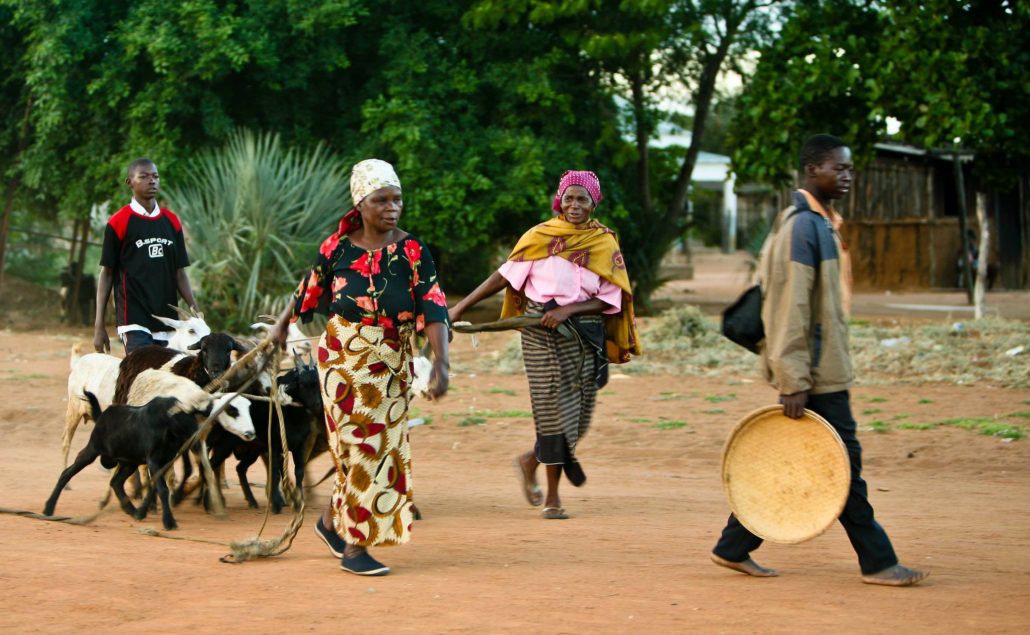
While much progress has been made in recent years, Mozambique has long struggled with poverty due to natural disasters, COVID-19, lack of access to education and repeated conflict, with approximately 62% of the total population living in poverty. This means that a majority of the population is living on less than $1.90 a day. These circumstances often arise in the more rural parts of Mozambique where a lack of skills training lends to selling produce in markets leaving people with barely enough to support their families. Since its inception in 1961, the U.S. Agency for International Development (USAID) is a federal agency that aims to support countries by uplifting and strengthening communities through various programs and partnerships. The following are examples of success stories of USAID programs in Mozambique that follow a history of aid that spans more than 40 years in the country.
Partnership With GiveDirectly
Following cyclone “Idai” in March 2019, hundreds of thousands of people experienced displacement from their homes in Mozambique. In combination with the impact of the COVID-19 epidemic, approximately 4 million people, roughly 10% of the population, were facing food insecurity. To address this issue, USAID has partnered with GiveDirectly, a program that takes a unique approach to fighting poverty through direct cash deposits for villagers who need to purchase food, medical and agricultural supplies. Since 2021, GiveDirectly has provided $10.9 million in cash to 18,000+ people across 55 different villages which includes more than 7,000 households.
USAID’s partnership with GiveDirectly in 2024 has allowed for the growth of programs like Cash+ Youth in Conflict Affected Communities which provides $250 each to youths while they receive business skills training through USAID. The partnership has also brought growth to GiveDirectly programs like Cash+ Climate Smart Agriculture and Cash+Resilient Agriculture. These programs provide cash transfers that increase distribution of agricultural inputs, training in sustainable agricultural practices and the purchase of new farm equipment like fertilizers and high-quality seeds.
Educational Programs
Education plays a pivotal role in allowing children to set themselves up for the future they deserve by learning necessary reading and writing skills. As of 2016, 94% of children in Mozambique attended primary school, a significant improvement from 2003 when only 72% of school aged children attended primary school. Despite this improvement, less than 5% of students demonstrated grade-level reading proficiency by the 3rd grade. This is primarily due to factors such as a lack of reading material, teacher and student absenteeism and limited community engagement in the daily life of the school.
USAID has invested in the education and future of Mozambique’s child population through new educational programs like SABER. This five-year program, announced on August 17, 2023, plans to expand bilingual education in more than 4,000 primary schools across the provinces of Zambezia, Niassa, Nampula and Cabo Delgado. SABER is part of USAID’s plan to invest more than $150 million into education and community engagement across Mozambique in the next five years, improving the literacy and numeracy skills of more than 2.2 million students.
Previous educational programs in Mozambique, such as “Eu Leio” (I Read), sought to increase the distribution of reading materials within a period of six years (2014-2020). The program accomplished this while improving school building capacities and holding students and teachers accountable for the learning outcomes of their community. As of September 2019, their efforts have established 116 school libraries, 116 school councils began monitoring teacher/student tardiness and absenteeism and 116 District Education Plans to address critical education gaps originated.
Gender Equality
Among many in Mozambique there remains long-standing beliefs about gender that tend to encourage discrimination towards women. These gender norms, among other contributing health epidemics like HIV is what leaves Mozambique rated 119th out of 166 other nations on the UNDP Gender Inequality Index. These disparities play out in a variety of ways with approximately half of women being illiterate, 11% of young women and adolescent girls contracting AIDS, and women comprising most of the unskilled labor force that includes agriculture despite their work going largely unpaid. Women in Mozambique face these problems, all while the media continues to support harmful stereotypes about women by portraying them as deserving of violence.
The harmful stereotypes in the media are why one of the many USAID programs in Mozambique is directed towards bridging the gender divide through the Media Strengthening Program. This program aims to amplify citizens’ voices who may not otherwise be heard by targeting gender biases in reporting while working to include female voices as sources. Key targets of gender biased reporting may include topics such as early marriage, women’s health issues and gender-based violence. While more work is necessary to end gender biases in Mozambique, the media is a key component in changing people’s perspective across the country so that further change faces less resistance.
Conservation Efforts
Among the USAID programs in Mozambique are efforts in wildlife conservation. No organization has exemplified this effort more than the partnership between Gorongosa National Park and USAID, a partnership that celebrates its 20th year anniversary as of 2024. After their initial partnership in 2004, USAID began its support of a number of initiatives in the Gorongosa National Park including wildlife protection with the hiring and training of park rangers, habitat restoration through the construction of beehive fences, and conservation through pangolin rehabilitation and veterinary care. With these efforts there are now more than 100,000 animals in the park including elephants, lions, hippos, antelope, painted wolves, hyenas and leopards.
The efforts of Gorongosa National Park, which USAID has supported, have created sustainable incomes for local residents by re-allocating jobs. For example, USAID’s partnership with Gonorosa National Park is replacing jobs like illegal hunting, mining and slash and burn logging with coffee cultivation, honey production, cashew farming, fish farming and chili growing. These efforts are in addition to how USAID’s support is reaching 200,000 people through community health workers, traditional birth attendants and mobile medical clinics.
Concluding Thoughts
These partnerships and organizations alongside many more have successfully demonstrated the impact that USAID programs in Mozambique have had in elevating communities. Mozambique is one country among many other success stories of the good work that USAID has accomplished throughout the world.
– Hunter Gomersall
Hunter is based in Santa Barbara, CA, USA and focuses on Good News for The Borgen Project.
Photo: Flickr

Being Poor in Nigeria
Poverty in Nigeria
Most people would wonder why Nigeria still faces the prospect of poverty even though it is known as the nation with the greatest economy in the West African sub-region. Because its population has few opportunities, poverty is a problem for the government. The World Bank has stated that “Nigerians born in 2020 are only 36% as productive as they could be if they had access to health and education,” and their country has the seventh-lowest human capital index in the world. Many workers emigrate as a result of poor job creation and entrepreneurial opportunities.
In 2023, 87 million Nigerians were living below the poverty level, representing a 38.9% poverty rate. The best-performing regions are compared to upper-middle-income nations, demonstrating the persistence of spatial inequality. Insecurity and violence are pervasive, state capacity is inadequate and service delivery is constrained. Inadequate infrastructure impedes domestic economic integration and limits access to electricity. These difficulties are made more difficult by newly emerging issues like extreme weather events.
What Does It Mean to Be Poor in Nigeria?
Nigeria is facing a wave of violence, including kidnappings, clashes, terrorist attacks, brutal murders, food insecurity, inadequate health care and a disproportionate increase in living costs.
Residents of a refugee camp in Zamfara state in northwest Nigeria said “We are suffering greatly. We have almost nothing to eat and for more than four years we have not been able to dedicate ourselves to agriculture because the bandits have driven us out of our communities. We urgently need the government’s support.”
More than 2.2 million people in Nigeria have experienced displacement. Many of them are now living in congested, resource-poor camps. In the northeast, continuous battles are also impacting food production and agriculture. Families are afraid to grow outside of military cities. Being poor in Nigeria has led to some families eating cassava husks to survive because food shortages are so bad. As a result of poverty in Nigeria, the Nigerian government introduced the National Multisectoral Action Plan for Food and Nutrition in 2020, a 2021–2025 initiative to address malnutrition and food security. However, this initiative has received enough funding.
More than 30% of Nigeria’s workforce is employed in the agriculture sector, which contributes 24% of the country’s GDP. Yet support for this sector is still below the 10% goal that the African Union established in the 2003 Maputo Declaration. With 32% of children under five suffering from childhood stunting, Nigeria has one of the highest rates in the world.
The Path to Economic Stability and Poverty Reduction
Since May 2023, Nigeria has implemented significant measures aimed at reestablishing macroeconomic stability. There is now a single, better-regulated, and market-reflective official exchange rate as a result of the government’s shift to market-based gasoline pricing and significant FX policy reforms. Nevertheless, this has increased the strain already placed on businesses and people. Although the macroeconomic environment is getting better, further steps are necessary to guarantee long-term deflation and better policy communication. Four main fiscal priorities can lower debt risks and free up funds for pro-poor and development investment. Wage jobs, macro fiscal stability, growth, private sector development and human capital creation are all necessary for long-term poverty reduction.
While higher-paying jobs are unavailable, short- and medium-term initiatives to increase production in household businesses, both farm and non-farm, can offer assistance. Youth and women’s policy measures can also increase the labor market’s capacity to reduce poverty.
The World Bank’s Efforts
To prevent the threat of being poor in Nigeria, the World Bank approved two operations on Wednesday, June 13, 2024: $750 million for the Nigeria Accelerating Resource Mobilization Reforms (ARMOR) Program-for-Results (PforR) and $1.5 billion for the Nigeria Reforms for Economic Stabilization to Enable Transformation (RESET) Development Policy Financing Program (DPF). Nigeria’s pressing attempts to stabilize the economy and increase aid for the poor and most economically vulnerable are immediately supported financially and technically by this $2.25 billion package. It also backs Nigeria’s multi-year, ambitious plan to protect oil income and increase non-oil revenues in order to foster fiscal sustainability and provide enough funding for high-quality public services.
– Abdulhameed Olanrewaju
Photo: Flickr
AI in Nigeria: Innovations Transforming Health and Education
Ada Health: AI-Driven Medical Guidance
AI is making significant strides in Nigeria’s health care system, with Ada Health at the forefront. This app provides free, user-friendly symptom assessments, bridging the gap between patients and health care providers. In a country where communicable diseases cause nearly 64% of deaths, early detection and accurate guidance are vital.
Ada Health’s platform begins by asking users a series of simple, jargon-free questions about their symptoms. It then analyzes the responses using advanced algorithms, providing preliminary assessments and recommendations for care. The app also stores medical history, tracks allergies and generates reports for doctors, streamlining the diagnostic process once patients seek treatment.
This innovation reduces the workload on Nigeria’s already overstretched health care professionals. With nearly 40% of Nigerian doctors emigrating to practice abroad, AI-driven solutions like Ada Health help fill the gap by providing preliminary health care guidance. As Nigeria’s population is projected to reach 400 million by 2050, such technological advancements will become increasingly essential.
EDVES: Revolutionizing Education Access
While health care sees progress through Ada Health, Nigeria’s education sector is transforming through EDVES, one of Africa’s largest AI-powered education platforms. With more than 10 million Nigerian children out of school, EDVES offers a lifeline by making learning accessible, even in rural communities with limited internet connectivity.
EDVES operates as a comprehensive school management system, equipping teachers, students and administrators with AI-powered tools in Nigeria. Students access video lessons, homework folders, downloadable notes and attendance tracking through mobile and desktop apps. Teachers can monitor academic progress, compare subject performance across terms and streamline communication with parents.
AI’s Role in Poverty Reduction
Beyond improving health care and education, AI-driven platforms like Ada Health and EDVES are tackling the root causes of poverty. Early health intervention prevents families from falling deeper into economic hardship due to prolonged illness, while accessible education creates pathways for future employment. However, challenges remain. Limited smartphone access, inconsistent internet connectivity and concerns about data privacy could hinder AI adoption in rural areas. Collaboration between the Nigerian government, private sector and civil society could be crucial in scaling these initiatives and ensuring equitable access.
Looking Ahead
AI is reshaping health and education landscapes in Nigeria, offering scalable solutions to longstanding challenges. Ada Health provides critical medical guidance, while EDVES brings quality education to remote communities. Together, they illustrate AI’s potential to break cycles of poverty, empowering Nigerians with the knowledge and care they need to build brighter futures. Furthermore, as AI continues to evolve, partnerships between innovators, governments and communities will determine how far its benefits can reach. With thoughtful implementation and sustained investment, AI could transform not only Nigeria but also other developing nations striving to overcome health care and education disparities.
– Jacob Christopher
Photo: Flickr
The Education Divide: Why Millions of Children Lack Education
Economic Struggles and the Cost of Education
Education offers a proven pathway out of poverty, but for families living on less than $2 a day, school costs remain out of reach. In many low-income countries, even when tuition is free, the costs of uniforms, books and transportation prevent children from attending school. According to the World Bank, students from the wealthiest households are four times as likely to complete secondary school as students from the poorest households. Without financial assistance, children from disadvantaged backgrounds are forced to drop out and work to support their families.
In Nigeria, for example, an estimated 10.5 million children are out of school, with many forced into child labor to help their families survive. The economic divide continues to limit educational access, perpetuating cycles of hardship. Governments play a key role in expanding access to education by implementing free school meals, scholarships and subsidized learning materials to remove financial barriers and increase enrollment.
Gender Inequality and Cultural Barriers
Girls in many parts of the world face unique challenges in accessing education. Deep-rooted cultural beliefs, early marriage and safety concerns often prevent girls from continuing their education. The Malala Fund reports that 120 million girls worldwide remain out of school, with South Asia and sub-Saharan Africa experiencing the highest gender disparities.
In Afghanistan, the Taliban’s 2021 takeover led to a nationwide ban on secondary education for girls, forcing 1.4 million girls out of classrooms. Similarly, in rural India, families often prioritize their sons’ education over their daughters’, limiting girls’ opportunities for personal and economic growth. However, solutions exist. In countries like Malawi and Bangladesh, organizations have launched cash transfer programs that incentivize families to keep girls in school, significantly reducing dropout rates. Expanding such female-centered initiatives could help close the education gap for girls globally.
Lack of Infrastructure and Trained Teachers
Beyond financial challenges, many children cannot attend school simply because there are no schools nearby. In sub-Saharan Africa, more than 30% of children live more than five kilometers from the nearest school. For those who do attend, many classrooms suffer from overcrowding, a shortage of teachers and inadequate facilities.
A BBC photo essay documented the experience of Sylvia, an eight-year-old girl from Tanzania, who walks more than one and a half hours each morning to reach her classroom. While her determination is inspiring, no child should have to endure such hardships to receive an education.
Additionally, UNICEF reports that nearly 50% of schools in sub-Saharan Africa lack basic sanitation facilities, making learning especially difficult for girls once they reach puberty. Investing in infrastructure, teacher training and mobile classrooms could help bring education to underserved regions.
Conflict and Displacement: The War on Education
In war-torn areas, conflict disrupts schooling by destroying infrastructure, displacing families and creating unsafe environments for students. Schools often become targets of violence or are repurposed for military use, preventing millions of children from learning. Refugee children face even greater obstacles. According to the UNHCR, more than 15 million refugee children globally are out of school, with less than half of displaced children completing primary education. In Syria, South Sudan and Afghanistan, entire generations of children risk growing up without literacy or formal skills due to prolonged conflict. Governments and organizations could play a critical role in integrating refugee children into local school systems, establishing temporary learning centers and maintaining education continuity during emergencies.
Solutions: Bridging Education Gaps
Looking Ahead
Bridging the global education gap requires sustained investment in resources, targeted policy reforms and innovative learning solutions. Efforts to improve school accessibility, enhance teacher training and integrate technology have already expanded opportunities for many children. Addressing the needs of students in conflict zones and underserved communities could be essential for breaking cycles of poverty and ensuring long-term development.
– Bailie Cross
Photo: Flickr
How Starlink Is Revolutionizing Access to Health Care in Kenya
Approximately 70% of Kenya’s population resides in rural areas, which are underserved and often face challenges accessing essential services due to poor infrastructure. Starlink is bridging the digital divide in Kenya by revolutionizing access to health care in rural areas. From telemedicine to real-time data management, here’s how this innovative technology is revolutionizing access to health care.
The Link Between Health Care and Poverty
According to the World Health Organization (WHO), health is a fundamental human right. Yet, our financial capacity often limits access to health care, including the choice to get medical care or where to get it. In low-income countries, these options compel individuals to pay for medical care out of pocket, forcing families to forego their well-being. Consequently, the burden of medical expenses and loss of income pushes families deeper into poverty.
Investing in effective health systems and universal health care can ensure that all persons, particularly the most vulnerable, can access health care without experiencing financial constraints.
Health Care in Kenya
Kenya has made notable progress in upholding this right by implementing a system designed to address systemic issues. The country has improved access to health care, increased the number of medical personnel and supplies, digitized health services and promoted national insurance uptake. However, challenges like delays, inefficiency and unreliability persist in the new health care model.
Starlink’s Revolutionary Role in Murang’a
Amid these challenges, in the central region of Murang’a county, Starlink is revolutionizing health care delivery. Nestled in scenic hills, it is a significant tourism attraction but a logistical nightmare due to the challenge of building infrastructure to deliver essential services like communication and health. Murang’a County has no level 5 health facility and 297 level 2 facilities, including clinics and dispensaries that serve villages and smaller towns. In contrast, internet access is limited to 12.7% of the population and 57.4% own mobile phones.
Challenges Solved
The health care sector struggled with delays in disease detection, financial mismanagement, long queues and drug shortages due to reliance on manual systems. However, Starlink’s presence in Kenya has significantly enhanced the digitization of medical records. Murang’a County Governor has hailed the integration of Starlink internet in rural health facilities as lifesaving. Starlink has allowed Murang’a County to roll out a telemedicine program decongesting level 4 and 5 hospitals. This has reduced patient travel expenses, ensuring everyone can get medical assistance from the nearest dispensary.
Starlink provided a viable solution with high-speed, low-latency internet in underserved areas, where most health centers and dispensaries are located—unlike other internet service providers in Kenya that depend on fiber optic cables. The digitizing of medical records and automation of appointments has improved service efficiency. Doctors can make accurate time decisions on patient care through telemedicine. At the same time, the county can monitor and generate real-time patient data. This has enhanced accountability and reduced theft of medical supplies.
Final Note
By providing affordable, high-speed and reliable internet, Starlink is making remarkable strides in digitizing and modernizing health care in Kenya. This aligns with the four core components of the right to health: availability, acceptability, accessibility and quality. As health care outcomes in Murang’a County continue to improve, the success of Starlink offers a model that could be replicated beyond Murang’a County. Indeed, it could potentially transform health care access across the country.
– Grace Ruria
Photo: Flickr
Female Employment in Kenya: Boda Girls
Women and Boda-boda
Women have been excluded from the boda-boda industry since its invention, despite Kenya’s large strides towards gender equality over the past 50 years. Before 2022, there were few, if any, female boda drivers and women were subjected to numerous incidents of assault as passengers. Regardless of legal equality in the workforce, many barriers to entry still exist for female employment in Kenya. According to U.N. Women Africa, most women in Kenya work in the informal (home and agricultural labor) sector. At the same time, men receive higher wages and have more opportunities to participate in the formal economy than women.
Employment opportunities in Siaya County, the home of the Matibabu Foundation Hospital, are largely agricultural. This is especially true for women, who constitute anywhere from 30% to 80% of the agricultural labor force across sub-Saharan Africa and whose labor pays about one-tenth of what male boda drivers typically make in a year. Transportation is a major issue, as most women cannot afford the typical boda taxi fee to reach the hospital for health care services.
Boda Girls
Boda Girls, a cohort of Kenyan women who have trained to become boda drivers, offers a solution. As the first female driver entrepreneurship program, Boda Girls offers employment opportunities to women in addition to safe, free transportation and home care. Launched by the Matibabu Foundation Hospital and the Tiba Foundation in April 2022, the cohort has employed more than 50 female drivers, identifiable by their bright pink shirts and purple leather motorcycle seats.
In addition to training in road safety, Boda Girls learn self-defense to protect themselves and others in the case of unwarranted conduct, which they share with female students of nearby schools, according to The New York Times. Motorcycle upkeep and mechanical skills are also a part of the six-week training program.
Maternity Care
Boda Girls originated from the gap in female accessibility to hospitals, particularly for maternity care. Drivers provide free, safe transportation for women’s check-ups, even bringing portable ultrasounds in the case of complications. In the two years since its launch, the organization has now provided more than 6,000 free rides to hospitals for prenatal, family planning, and cancer screening services. Due to their services, Siaya County has experienced a 67% increase in hospital deliveries, a 100% increase in maternal clinics, and a 300% increase in cancer screenings, according to the Tiba Foundation.
After birth, Boda Girls also make home visits to follow up on postpartum care, planting a kitchen garden and avocado tree for future nutrition and profit opportunities for families.
School Girls
Boda Girls adopts schools to promote menstrual and sexual education for female students, as well as to distribute free sustainable menstrual kits. It also runs entrepreneurial clubs where girls can learn the fundamentals of business, and they promote high school graduation. In two years, Boda Girls has visited 84 schools and provided menstrual education and kits to more than 3,700 girls, according to its website.
Female Employment in Kenya
Female employment in Kenya is a cornerstone of the Boda Girls mission; they focus on widowers in particular, who often suffer from the loss of financial support. By facilitating entrepreneurship classes and group stress counseling, Boda Girls assists in dealing with grief in families and sponsoring female financial ventures. They also engage in micro-lending practices to boost entrepreneurship in Siaya County and have played a role in helping 118 women develop profitable small businesses and mentor others to do the same, according to The Tiba Foundation.
Boda Girls, launched by the Tiba and Matibabu foundations, has partnered with several other initiatives including the Red Pride Project and USAID’s Western Kenya Sanitation Project. “USAID aims to reach 500,000 women and girls with accurate information on proper menstrual hygiene management and reliable access to sanitary products in Western Kenya by 2027.”
Boda Girls’ ability to reach local schools and communities will play a major part in this goal, as it continues to recruit new driver cohorts and expand its range to a greater area of Siaya County.
Beyond simply providing transportation, Boda Girls works to inspire thousands of women and support female employment in Kenya and will continue to work towards gender inequality and access to essential services.
– Sadie Claps
Photo: Flickr
Being Poor in Nepal
The Impact of Natural Disasters in Nepal
During 1996-2006, a Civil War took place along with an earthquake in 2015 which both still impact the economy today. The devastating earthquake that took place on Saturday, April 25th, 2015 killed about 9,000 people and left more than three million people homeless. The magnitude of the quake was 7.9.
China and India border Nepal. The fact it is landlocked makes it difficult to obtain shipments of goods from other nations. However, India and Nepal do share an open border.
The state of locals living in the country living in poverty is due to frequent natural disasters including earthquakes, floods and mudslides, caste-based discrimination, the aftermath of the civil war, and limited access to health care and education. Many houses in Nepal do not have plumbing or electricity.
Education and Water Access in Nepal
Many parents struggle to afford schooling for their children, leading to many kids having no access to learning. With children lacking education, it is extremely difficult to obtain better opportunities for them.
Many rural Nepali homes do not have running water, resulting in people having to find the nearest pond to bathe in and leading to a spread in disease. Many people who live in the rural parts of Nepal do not have access to transportation to go to a hospital. Additionally, in many instances, health care is not available, so many rely on home remedies or just hoping that their sickness is not serious and that time will eventually heal it.
Being Poor in Nepal
About 42% of Nepal’s population was living below the poverty line in 1995 but it dropped to 20% in 2022. Though this made a drastic difference over 27 years, 20% is still a significant amount to be living in poverty. Fortunately, some organizations are addressing poverty in Nepal.
The American Himalayan Foundation
The American Himalayan Foundation started in 1981 and is based in San Francisco, California. It addresses several challenges in Nepal, such as human trafficking prevention, and improving education and health care.
Human trafficking is a global issue that many people especially women and children are victims of. According to the American Himalayan Foundation, they have concluded that more than 20,000 young girls from poorer parts of Nepal are taken away from their families. These girls and their families were tricked into believing they were going to receive better opportunities but instead, traffickers forced them into working in areas like factories and brothels.
The American Himalayan Foundation has come up with strategies to prevent more girls from being trafficked and how they can save girls who have already fallen victim to it. The organization builds schools as a location to keep girls safe, making trips to these schools four times a year to see how children are doing and providing them school essentials like backpacks and pencils. It has educated families on the dangers of human trafficking including how it happens and its effects on the children.
About 27% of Nepalis under the age of 15 suffer from different types of disabilities. For little or no cost, the American Himalayan Foundation has funded a world-class orthopedic hospital to treat patients with disabilities.
Outreach International
Outreach International is just one of the organizations that has been helping reduce poverty Nepal, especially during catastrophic events. The company originated in 1979 and it currently works in 10 countries including Nepal, India, the Philippines, Cambodia and Malawi.
Outreach International has brought clean water, nutritional meal options and health care to communities in Nepal. “When people gain the knowledge to improve the conditions of their lives, all of Nepal can move toward a more prosperous and equitable future.”
Looking Ahead
While Nepal is a country known for its unique natural landscape and the founder of Buddhism, being poor in Nepal has many challenges. However, fortunately, multiple organizations are doing their best to address the circumstances of poverty in Nepal and will hopefully reduce it moving forward.
– Cheyenne Kitchel
Photo: Pexels
4 Impacts of USAID Programs in Mozambique
While much progress has been made in recent years, Mozambique has long struggled with poverty due to natural disasters, COVID-19, lack of access to education and repeated conflict, with approximately 62% of the total population living in poverty. This means that a majority of the population is living on less than $1.90 a day. These circumstances often arise in the more rural parts of Mozambique where a lack of skills training lends to selling produce in markets leaving people with barely enough to support their families. Since its inception in 1961, the U.S. Agency for International Development (USAID) is a federal agency that aims to support countries by uplifting and strengthening communities through various programs and partnerships. The following are examples of success stories of USAID programs in Mozambique that follow a history of aid that spans more than 40 years in the country.
Partnership With GiveDirectly
Following cyclone “Idai” in March 2019, hundreds of thousands of people experienced displacement from their homes in Mozambique. In combination with the impact of the COVID-19 epidemic, approximately 4 million people, roughly 10% of the population, were facing food insecurity. To address this issue, USAID has partnered with GiveDirectly, a program that takes a unique approach to fighting poverty through direct cash deposits for villagers who need to purchase food, medical and agricultural supplies. Since 2021, GiveDirectly has provided $10.9 million in cash to 18,000+ people across 55 different villages which includes more than 7,000 households.
USAID’s partnership with GiveDirectly in 2024 has allowed for the growth of programs like Cash+ Youth in Conflict Affected Communities which provides $250 each to youths while they receive business skills training through USAID. The partnership has also brought growth to GiveDirectly programs like Cash+ Climate Smart Agriculture and Cash+Resilient Agriculture. These programs provide cash transfers that increase distribution of agricultural inputs, training in sustainable agricultural practices and the purchase of new farm equipment like fertilizers and high-quality seeds.
Educational Programs
Education plays a pivotal role in allowing children to set themselves up for the future they deserve by learning necessary reading and writing skills. As of 2016, 94% of children in Mozambique attended primary school, a significant improvement from 2003 when only 72% of school aged children attended primary school. Despite this improvement, less than 5% of students demonstrated grade-level reading proficiency by the 3rd grade. This is primarily due to factors such as a lack of reading material, teacher and student absenteeism and limited community engagement in the daily life of the school.
USAID has invested in the education and future of Mozambique’s child population through new educational programs like SABER. This five-year program, announced on August 17, 2023, plans to expand bilingual education in more than 4,000 primary schools across the provinces of Zambezia, Niassa, Nampula and Cabo Delgado. SABER is part of USAID’s plan to invest more than $150 million into education and community engagement across Mozambique in the next five years, improving the literacy and numeracy skills of more than 2.2 million students.
Previous educational programs in Mozambique, such as “Eu Leio” (I Read), sought to increase the distribution of reading materials within a period of six years (2014-2020). The program accomplished this while improving school building capacities and holding students and teachers accountable for the learning outcomes of their community. As of September 2019, their efforts have established 116 school libraries, 116 school councils began monitoring teacher/student tardiness and absenteeism and 116 District Education Plans to address critical education gaps originated.
Gender Equality
Among many in Mozambique there remains long-standing beliefs about gender that tend to encourage discrimination towards women. These gender norms, among other contributing health epidemics like HIV is what leaves Mozambique rated 119th out of 166 other nations on the UNDP Gender Inequality Index. These disparities play out in a variety of ways with approximately half of women being illiterate, 11% of young women and adolescent girls contracting AIDS, and women comprising most of the unskilled labor force that includes agriculture despite their work going largely unpaid. Women in Mozambique face these problems, all while the media continues to support harmful stereotypes about women by portraying them as deserving of violence.
The harmful stereotypes in the media are why one of the many USAID programs in Mozambique is directed towards bridging the gender divide through the Media Strengthening Program. This program aims to amplify citizens’ voices who may not otherwise be heard by targeting gender biases in reporting while working to include female voices as sources. Key targets of gender biased reporting may include topics such as early marriage, women’s health issues and gender-based violence. While more work is necessary to end gender biases in Mozambique, the media is a key component in changing people’s perspective across the country so that further change faces less resistance.
Conservation Efforts
Among the USAID programs in Mozambique are efforts in wildlife conservation. No organization has exemplified this effort more than the partnership between Gorongosa National Park and USAID, a partnership that celebrates its 20th year anniversary as of 2024. After their initial partnership in 2004, USAID began its support of a number of initiatives in the Gorongosa National Park including wildlife protection with the hiring and training of park rangers, habitat restoration through the construction of beehive fences, and conservation through pangolin rehabilitation and veterinary care. With these efforts there are now more than 100,000 animals in the park including elephants, lions, hippos, antelope, painted wolves, hyenas and leopards.
The efforts of Gorongosa National Park, which USAID has supported, have created sustainable incomes for local residents by re-allocating jobs. For example, USAID’s partnership with Gonorosa National Park is replacing jobs like illegal hunting, mining and slash and burn logging with coffee cultivation, honey production, cashew farming, fish farming and chili growing. These efforts are in addition to how USAID’s support is reaching 200,000 people through community health workers, traditional birth attendants and mobile medical clinics.
Concluding Thoughts
These partnerships and organizations alongside many more have successfully demonstrated the impact that USAID programs in Mozambique have had in elevating communities. Mozambique is one country among many other success stories of the good work that USAID has accomplished throughout the world.
– Hunter Gomersall
Photo: Flickr
Disability and Poverty in Antigua and Barbuda
In Antigua and Barbuda, 18.4% of the population lives below the poverty line, with an even higher rate of 24.3% among children. The World Bank estimates a further 29% of Antiguans are socioeconomically disadvantaged and at risk of poverty. While there is no official data on poverty rates specifically for persons with disabilities, trends across Latin America and the Caribbean show that people with disabilities are more likely to live in poverty, and economic insecurity is amplified for individuals with disabilities as they face twice the unemployment rate of the general population. Approximately 16,000 people – about one in six residents – live with a disability, confronting unique challenges in daily life, including limited access to education and employment opportunities. While the overall unemployment rate in the country stands at 8.7%, persons with disabilities experience higher rates of joblessness, often due to limited access to education and vocational training.
Many encounter physical barriers in public spaces, a lack of accessible transportation and limited job opportunities, contributing to higher poverty rates. With only 46% completing secondary education, many struggle to secure stable employment, leading to economic insecurity. Social stigma further isolates people with disabilities, impacting their mental health and inclusion. Access to essential services remains limited, deepening the cycle of poverty. Here is more information about disability and poverty in Antigua and Barbuda.
Empowering Through Aquaponics
The National Vocational and Rehabilitation Centre for Persons with Disabilities (NVRCD) provides vocational training programs in areas such as tailoring, handicrafts and digital services, aiming to enhance employability and promote economic independence. One of its most promising initiatives is the Aquaponics Centre, which trains individuals with disabilities in sustainable agriculture. By integrating fish farming with hydroponic vegetable cultivation, participants gain expertise in food production, allowing them to pursue careers in agriculture or start small farming businesses. The Centre, which has already exceeded its initial production goals, is now expanding due to its success, reinforcing its role as a key driver of economic empowerment for persons with disabilities.
Complementing these efforts, the Antigua and Barbuda Association of Persons with Disabilities (ABAPD) plays a crucial role in advocating for disability rights and economic inclusion. Since its establishment in 1995, ABAPD has provided personal care support, home repair assistance and social outreach programs for individuals with disabilities. Notably, from 2020 to 2022, the association delivered food packages to more than 500 members, thanks to support from the Jumby Bay Fund.
The Calvin Ayre Foundation & Barriers to Education
Disability and poverty in Antigua and Barbuda create significant barriers to education, with low-income students and those with disabilities in Antigua and Barbuda often less likely to complete secondary school than their peers. Addressing this challenge, the Calvin Ayre Foundation (CAF), in partnership with educational institutions, has awarded substantial scholarships to support local students. For instance, in March 2023, the Foundation donated US$200,000 to the University of the West Indies (UWI) Five Islands Campus, facilitating over 200 scholarships and bursaries for underprivileged nationals pursuing studies at the campus.
While specific data on the number of scholarships awarded exclusively to students with disabilities is not readily available, CAF’s initiatives have significantly impacted the disabled community. For instance, in 2017, CAF donated $130,000 to fund the pilot year of The Outreach Program by the Friends of the Care Project (FOTCP), aiming to provide therapy and care for disabled children and young adults who otherwise lacked access to necessary services.
Additionally, in January 2024, the Foundation contributed US$200,000 in scholarships to Island Academy International, empowering Antiguan and Barbudan students to access quality education. These investments are not just numbers on a check; they are opening doors for students who might otherwise be forced to abandon their education due to financial hardship. By covering tuition costs and easing the financial strain on families, the Calvin Ayre Foundation is giving students the chance to focus on their studies, graduate and build a future where opportunity is not dictated by economic status.
Healthcare That Reaches the Hardest to Reach
Individuals with disabilities facing poverty in Antigua and Barbuda often must overcome significant barriers in accessing healthcare services. Challenges such as limited availability of specialized medical equipment, insufficient testing reagents and a shortage of trained healthcare professionals can impede the delivery of essential medical care. These systemic issues are further compounded by financial constraints, making it difficult for many to afford necessary treatments, especially when private healthcare services are prohibitively expensive.
Mobile health clinics are solving that problem by bringing services directly to underserved communities. From routine check-ups to physical therapy and assistive device fittings, these clinics are ensuring that healthcare reaches those who need it most.
The Medical Benefits Scheme (MBS) provides free healthcare services to legal residents, covering treatment and medication for chronic illnesses such as diabetes and hypertension, reducing financial barriers to essential care. Additionally, Medz on Wheelz, a private mobile healthcare service, delivers medical care directly to underserved communities through home visits, medication delivery and diagnostic testing, ensuring that individuals who struggle with transportation or mobility can still receive necessary treatment. These initiatives are working to close healthcare gaps and improve access for vulnerable populations.
Looking Ahead
Addressing the intertwined challenges of disability and poverty in Antigua and Barbuda requires comprehensive and targeted efforts. Initiatives focusing on education, employment and healthcare are making significant strides in promoting accessibility and opportunity. By investing in people and implementing inclusive policies, the nation is paving the way for a more equitable future for its most vulnerable populations.
– Leah Ishak
Photo: Pixabay
5 Charities Operating in Aruba
5 Charities Operating in Aruba
Looking Ahead
These five charities operating in Aruba give lasting services and contributions to those on the island. They have been able to help countless people, and continue to do so in their work. These charities are operating to improve Aruba. They do so through their positive missions and goals to improve the health of the island and its people
– Cheyenne Weller
Photo: Unsplash
Addressing Mental Health in Togo
The lack of economic growth in rural areas in Togo results 58.8% residing in poverty. Living below the poverty benchmark leaves many Togolese in a determinantal state. The absence of socioeconomic security prevents access to public health care, specifically mental health evaluation. Togo has only five licensed psychiatrists per 8 million people making mental health care in Togo challenging to access. Psychological help is a last resort for many Togolese as personal methods have not remedied one’s struggles. The West African region has the most significant suicide rates in the world; data concludes that 79% of the world’s suicides occur in developing countries.
Meeting Mental Health in the Middle
Mental disorders affect young women in Africa the most. About 85% of 66 million young women have limited access to mental health treatment. The Bluemind Foundation is a nonprofit organization persistently working to defy the statistical outcomes of mental health in Africa. In 2023, the foundation funded the certification of 150 women in therapeutic training sessions. Heal by Hair is Bluemind’s signature three-day training program for French-speaking African hairdressers, which equips them with the skills to identify mental disorders and actively listen to their clients. In Lomé, the capital of Togo, Tele da Silveira is joining the fight one hairstyling session at a time.
Ms. Silveira is one of the 150 women certified by The Bluemind Foundation. Her salon has become a space of praise and peace for many of her clients. Mental health in Togo is frequently de-prioritized by the government. Ms. Silveira struggles with depression herself and is hoping for a more significant governmental push for mental health awareness and accessible care for all. Togo is not the only country that lacks public health support for mental illness; Madagascar, South Africa and Nigeria fall deeper into the statistics every day. “African countries have an average of 1 therapist per 500,000 inhabitants.” The Bluemind Foundation is determined to change the data. By 2035, Bluemind strives to have 1,000 certified hairdressers in more than 20 cities, caring for 2 million women.
Taking Action for Togo
Along with The Bluemind Foundation, The Humanity and Inclusion non-governmental organization (HI) strives to make mental health support in Togo accessible to all. The organization is pushing for mental health campaigns to be in schools. HI trains professionals in multiple education sectors in psychological support and boosts awareness within the community. Mental health is taboo throughout many African countries. Mental health in Togo is surrounded by stigma due to the lack of knowledge on mental illness as a whole.
HI’s mental health initiative is recent but promising. The Humanity and Inclusion organization works primarily on disability representation in education settings in developing countries. The organization’s tricycle movement in Togo, which gifted disabled students tricycles, was a success. Many Togolese see promise in the HI mental health effort due to the success of their disability efforts. Bluemind Foundation and Humanity and Inclusion empower the local communities to take a stand for their health by giving them the tools needed to help themselves and others. In March 2024, the Africa CDC established a new Mental Health Leadership Programme. The program plans to strengthen the public health workforce and establish mental health awareness and research as a priority. Regardless of access to public health care, the Togolese and Africans continue to bring awareness and support to each other.
Looking Ahead
Mental health may be a taboo in many African countries. However, Togo is taking a stand for itself. Mental health in Togo will not change because of public health care access but because of the voices of the people. A hair salon chair to the shoulder of a helpful friend is how awareness is spreading, and the astigmatism is breaking. The work of the Bluemind Foundation, Humanity Inclusion and other organizations is just the beginning of mental health awareness for Togo and Africa.
– Mackenzie Inman
Photo: Pixabay