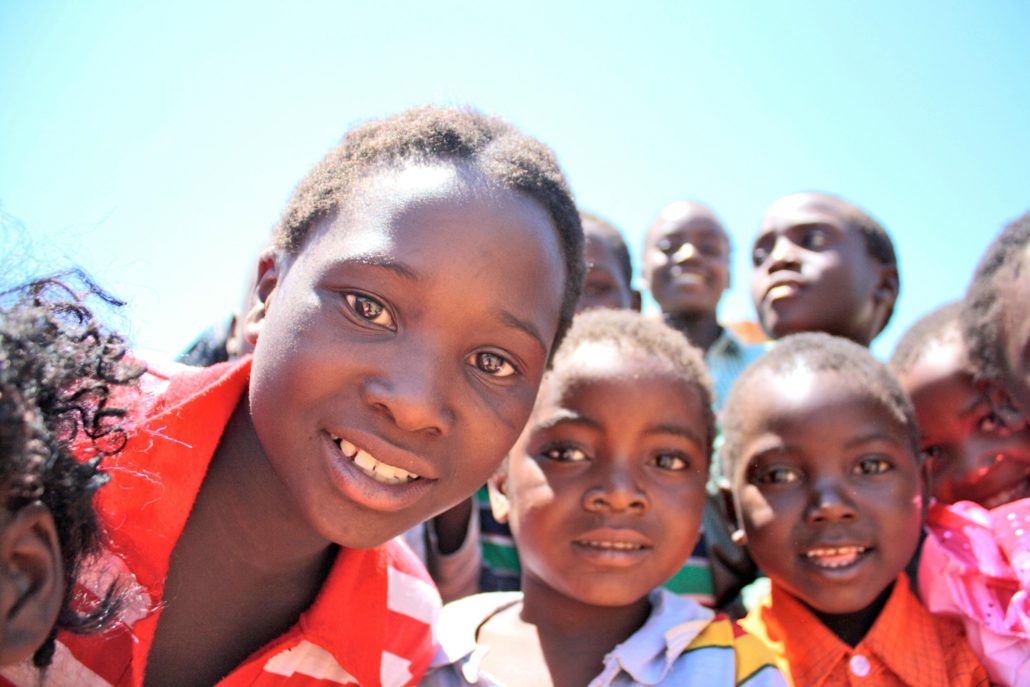
 Most people know Botswana as an extension of South Africa with its lush grasslands and exotic animals. It is classified as an upper-middle class country with high reliance on the diamond mining industry. While Botswana’s wealth has increased, the distribution of it has not been exactly fair and disabled children in Botswana suffer its consequences the most. Some of these consequences are difficulty accessing education. Although great steps have moved this country forward, poverty still exists and systematic change is necessary.
Disability and Poverty in Botswana
It has been reported that an estimated 15% of African children account for the majority of disabled peoples around the world. The United Nations Development Programme (UNDP) states that approximately 4.5% of Botswana’s population live with a disability and identifies the multidimensional poverty index at 20.84%.
Medical researchers, Jill Hanass-Hancock and Bradley Carpenter find that the current disabilities prevalent in Botswana are mental and sexually transmitted disorders ranging from around 13.7% as well as musculoskeletal, neurological and sense organ diseases that range 6-10%. Further, the UNDP underlines that extensive research has proven the great challenges that the disabled community faces socio-economically due to the increased poverty and lack of access to education, transportation and facilities.
Researchers Ermien van Pletzen, Bryson Kabaso and Theresa Lorenzo that “to alleviate poverty [it is important to increase] the levels of social, educational, economic and political inclusion of people with disabilities” as well as educate and advocate for the basic human rights of these rural families.
Authors Khaufelo Raymond Lekobane and Thabile Anita Samboma have stressed that a child-centered approach to the Botswana poverty crisis is the best response to solving these critical issues. An example is the The Leave No One Behind (LNOB) principle of the 2030 Agenda.
Justice for the Disabled
According to findings from UNICEF, few disabled children in Botswana are enrolled in school, with barriers including poor infrastructure and no teacher training in special education. Another strong issue regarding improvised areas versus developed areas is the large gap of disabled student (only 2%) accessibility to higher education. Initiatives to close the educational gap with disabled Botswanans have included inclusion education policy-making, increasing special education needs for marginalized groups who experience anything from behavioral issues and unfortunate circumstances or language barriers. In 2015, the government passed a new National Policy on Gender and Development improving education equality with more resources and training while protecting women from any form of prejudice.
Policy and Action
One can trace the first policy of equal opportunity education back to 1977 with the Education for Kgahisano policy. This policy aims “to ensure that all citizens of Botswana including those with special needs have equality of educational opportunities…to prepare children with special educational needs for social integration by integrating them as far as possible with their peers in ordinary schools…to ensure a comprehensive assessment that is based on the child’s learning needs, and not on group norms, and which is followed by individualized instruction.” This policy was a huge stride for inclusivity within the disabled community.
Botswana children deserve to have all their needs met and their education customized to their learning modes. The personalization of learning is key for all children. All teaching methods should incorporate and consider diverse modes of learning. This policy enacted the assurance of equal opportunity education and assessment for all disabled and impoverished children.
Structural Improvements
The physical and sanitary needs of disabled people in Botswana, which include “blindness and inability to use legs account for the greater bulk of disability,” should inspire more access to clean water and bathrooms, ramps and easy access to facilities. In response, the Building Control Regulations implemented infrastructure improvements such as wheelchair accessible ramps, high-visibility strips and picture signage. When students can better adapt to their environment, the learning process becomes enormously easier.
Quality Education
The government’s Vision 2036: Achieving Prosperity For All plan addresses that fundamental resources for human development are essential, further stating, “education and skills are fundamental to human resource development.” Although this statement means well, only around 43% of children between the ages of 4 and 5 attend accessible learning programs with the budgets lending more to tertiary education programs. Even with 98% enrollment, primary school children are failing at a high rate of 33%. Out of this number, children with disabilities encounter structural barriers, rural concerns and no specialized teacher training leading to lower enrollment in primary and secondary schools. Looking at higher education, around 2% of students are disabled, magnifying the alarming lack of concern around disabled aid.
Functional policies are essential to provide full-access to early childhood development, more teacher support, enhanced learning environments and monitoring. Luckily, the Ministry of Child Welfare and Basic Education and UNICEF have partnered to push these efforts forward. In another vein, UNICEF’s Child-Friendly Schools Initiative and Botswana have made it a priority to place more formative methods of education, rather than summative.
The Botswana Ministry of Education and Skills Development acquired the IEP (2011), placing “an inclusive education system which provides children [and] young people …with access to relevant and high quality education which enables them to learn effectively, whatever their … life circumstances, health, disability, stage of development, capacity to learn or socio-economic circumstances.”
The Results
In early 2025, the Ministry of Child Welfare and Basic Education in Botswana produced a Temporary Teacher solution, allocating budgets to temporarily relieve the staff shortage. Yet, with recent staff protests, it appears that the hopes for better pay and working conditions continue to be a cause worth fighting for.
Socioeconomics will always have a connection to the quality of education the children of Botswana receive. Indeed, Vision 2036 has noted education’s importance in the country’s future wealth and positive efforts have occurred.
– Melody Aminian
Melody is based in Irvine, CA, USA and focuses on Global Health for The Borgen Project.
Photo: Pexels

MHPSS Initiatives Lead Recovery After the Myanmar Earthquake
Effectively, a humanitarian crisis linked with Myanmar’s pre-existing vulnerability to natural disasters, like a 7.7 magnitude quake, coupled with cultural, economic and financial stressors, adversely impacting well-being, as poverty rates near 50% and a new death toll surpasses 3,000. While naturally physically devastating, many often discount or overlook the psychological implications of an earthquake and the relationship between natural disasters and poverty in lower socio-economic countries.
In Myanmar, the emotional recovery for those living on less than $1 a day may take longer than physical reconstruction. An approach that shows promise is addressing mental health and psychosocial needs as a core part of disaster recovery and poverty reduction.
Struggles by the Numbers
Since 2021, Myanmar has faced a worsening military takeover, civil unrest, armed conflict, mass internal displacement and a COVID-19-induced recession.
These conditions increased national instability and the need for relief in a country facing debilitating humanitarian, bureaucratic, financial and geographical constrictions. Compounded by the crippling March earthquake, the well-being of nearly 55 million people in Myanmar remain at risk, as one in three people continue to suffer from mental health issues related to population shocks. In 2021, post-traumatic stress disorder (PTSD), depression and anxiety made up 46.4% of mental health diagnoses in the country.
Rummaging Through Rubble
Earthquakes disproportionately affect developing countries, as poor infrastructure and a lack of resources often dictate the quality of preparedness and response to natural disasters. Decisions about reducing disaster vulnerability are often made collectively rather than by individuals.
Consequently, such differential impact disadvantages the impoverished, who usually are subjects of lower quality living and decreased socioeconomic opportunity. Although disaster preparedness and prevention can significantly reduce vulnerability, the poor are frequently excluded from decision-making processes due to political marginalization, leading to their interests being overlooked in favor of those with power and influence.
Regarding the relationship between psychological distress and exposure to earthquakes, researchers highlight a direct correlation and even a heightening effect on deteriorated mental health outcomes for vulnerable groups. Specifically, one study demonstrated how a 2006 earthquake increased anxiety, depression and sleep disorders by 8.39%, 10.47% and 7.37%, respectively. Moreover, the earthquake increased loneliness by 10% and decreased motivation, nutritional habits and employment by 10%, 12.37% and 2.11%, respectively. After an earthquake, women, children and the elderly are more likely to develop psychological distress than men.
Low-income households and those in rural areas face higher rates of psychological distress following earthquakes, often without access to treatment or support. An earthquake’s psychological impact can last more than eight years.
MHPSS
Mental Health and Psychosocial Support (MHPSS) programs provide targeted interventions for communities affected by crisis. In Nepal, MHPSS efforts following two major earthquakes in 2015 improved mental health outcomes in 54% of participants within six months. Among those with severe impairments at the start of the program, 89% reported improvements.
MHPSS can indirectly contribute to poverty reduction. By improving mental health and social integration, these programs help increase productivity and reduce health care costs. Research suggests MHPSS interventions may continue playing a significant role in long-term recovery by helping individuals build resilience and restore livelihoods.
Here are some of the key initiatives in Myanmar currently:
Moving Forward
Natural disasters have claimed more than 1.23 million lives globally in the past two decades. Myanmar’s March earthquake adds to this toll and the estimated $2.97 trillion global disaster cost. It also highlights the urgent need to address mental health in poverty reduction strategies. As one in eight people worldwide live with a mental health condition, integrating MHPSS into emergency response may help Myanmar’s most vulnerable populations recover and thrive. These ongoing interventions offer not only psychological relief but a pathway toward economic and social well-being.
– Marcus Villagomez
Photo: Flickr
MicroLoan Foundation Malawi: Helping Women Escape Poverty
Women Leading the Way in Malawi
All of MicroLoan Foundation Malawi’s clients are women, most of whom lack access to formal financial institutions. In a country where commercial banks tend to favor men and urban enterprises, this women-first model is intentional. It recognizes that investing in women borrowers contributes to improved household well-being. Women typically demonstrate higher loan repayment rates and contribute more of their income to household needs and prioritize their children’s education and health.
The foundation pairs small, sustainable loans with extensive business and financial literacy training. Every client receives personalized guidance from a loan and training officer, who supports an average of 419 clients. With an average loan size of just £75, women gain the tools to begin a path out of poverty. In addition to financial support, the foundation encourages peer-to-peer mentoring within loan groups.
These networks provide social support and shared learning, allowing women to exchange advice and build confidence as entrepreneurs. Many clients launch small businesses ranging from tailoring to food vending, generating consistent income and expanding their community influence. The ripple effect often extends beyond financial improvement, with women gaining leadership roles in local cooperatives or village committees. These changes contribute to shifting perceptions around gender roles and create new opportunities for future generations.
From Farming to Financial Freedom in Malawi
Many of MicroLoan’s clients are smallholder farmers whose livelihoods are vulnerable to climate shocks and market instability. To support them, the foundation offers agricultural and irrigation loans, allowing women to invest in farming inputs, equipment and resilience. The results include increased crop yields and higher incomes, which in turn support better nutrition, education access—especially for daughters—and long-term financial stability. Since 2022, the foundation has also scaled up digital literacy by training clients across all branches to use mobile money platforms. By the end of 2024, more than 85% of loan repayments and 30% of disbursements were processed via mobile money. This shift helps improve financial control and safety for rural women.
Toward Long-Term Impact
Microfinance continues to support economic participation in underserved communities. In Malawi, targeted lending and training are equipping women with tools to improve household stability and contribute to local development. As MicroLoan Foundation Malawi expands its reach, its model offers insights for addressing economic exclusion through scalable, community-based solutions. Long-term success potentially depends on partnerships that extend beyond lending—such as linking women entrepreneurs to markets, improving access to insurance and integrating climate-resilience training. These additions could enhance economic security and help ensure that microfinance remains responsive to evolving local needs.
– Linnéa Matlack
Photo: Flickr
Accessible Education for Disabled Children in Botswana
Disability and Poverty in Botswana
It has been reported that an estimated 15% of African children account for the majority of disabled peoples around the world. The United Nations Development Programme (UNDP) states that approximately 4.5% of Botswana’s population live with a disability and identifies the multidimensional poverty index at 20.84%.
Medical researchers, Jill Hanass-Hancock and Bradley Carpenter find that the current disabilities prevalent in Botswana are mental and sexually transmitted disorders ranging from around 13.7% as well as musculoskeletal, neurological and sense organ diseases that range 6-10%. Further, the UNDP underlines that extensive research has proven the great challenges that the disabled community faces socio-economically due to the increased poverty and lack of access to education, transportation and facilities.
Researchers Ermien van Pletzen, Bryson Kabaso and Theresa Lorenzo that “to alleviate poverty [it is important to increase] the levels of social, educational, economic and political inclusion of people with disabilities” as well as educate and advocate for the basic human rights of these rural families.
Authors Khaufelo Raymond Lekobane and Thabile Anita Samboma have stressed that a child-centered approach to the Botswana poverty crisis is the best response to solving these critical issues. An example is the The Leave No One Behind (LNOB) principle of the 2030 Agenda.
Justice for the Disabled
According to findings from UNICEF, few disabled children in Botswana are enrolled in school, with barriers including poor infrastructure and no teacher training in special education. Another strong issue regarding improvised areas versus developed areas is the large gap of disabled student (only 2%) accessibility to higher education. Initiatives to close the educational gap with disabled Botswanans have included inclusion education policy-making, increasing special education needs for marginalized groups who experience anything from behavioral issues and unfortunate circumstances or language barriers. In 2015, the government passed a new National Policy on Gender and Development improving education equality with more resources and training while protecting women from any form of prejudice.
Policy and Action
One can trace the first policy of equal opportunity education back to 1977 with the Education for Kgahisano policy. This policy aims “to ensure that all citizens of Botswana including those with special needs have equality of educational opportunities…to prepare children with special educational needs for social integration by integrating them as far as possible with their peers in ordinary schools…to ensure a comprehensive assessment that is based on the child’s learning needs, and not on group norms, and which is followed by individualized instruction.” This policy was a huge stride for inclusivity within the disabled community.
Botswana children deserve to have all their needs met and their education customized to their learning modes. The personalization of learning is key for all children. All teaching methods should incorporate and consider diverse modes of learning. This policy enacted the assurance of equal opportunity education and assessment for all disabled and impoverished children.
Structural Improvements
The physical and sanitary needs of disabled people in Botswana, which include “blindness and inability to use legs account for the greater bulk of disability,” should inspire more access to clean water and bathrooms, ramps and easy access to facilities. In response, the Building Control Regulations implemented infrastructure improvements such as wheelchair accessible ramps, high-visibility strips and picture signage. When students can better adapt to their environment, the learning process becomes enormously easier.
Quality Education
The government’s Vision 2036: Achieving Prosperity For All plan addresses that fundamental resources for human development are essential, further stating, “education and skills are fundamental to human resource development.” Although this statement means well, only around 43% of children between the ages of 4 and 5 attend accessible learning programs with the budgets lending more to tertiary education programs. Even with 98% enrollment, primary school children are failing at a high rate of 33%. Out of this number, children with disabilities encounter structural barriers, rural concerns and no specialized teacher training leading to lower enrollment in primary and secondary schools. Looking at higher education, around 2% of students are disabled, magnifying the alarming lack of concern around disabled aid.
Functional policies are essential to provide full-access to early childhood development, more teacher support, enhanced learning environments and monitoring. Luckily, the Ministry of Child Welfare and Basic Education and UNICEF have partnered to push these efforts forward. In another vein, UNICEF’s Child-Friendly Schools Initiative and Botswana have made it a priority to place more formative methods of education, rather than summative.
The Botswana Ministry of Education and Skills Development acquired the IEP (2011), placing “an inclusive education system which provides children [and] young people …with access to relevant and high quality education which enables them to learn effectively, whatever their … life circumstances, health, disability, stage of development, capacity to learn or socio-economic circumstances.”
The Results
In early 2025, the Ministry of Child Welfare and Basic Education in Botswana produced a Temporary Teacher solution, allocating budgets to temporarily relieve the staff shortage. Yet, with recent staff protests, it appears that the hopes for better pay and working conditions continue to be a cause worth fighting for.
Socioeconomics will always have a connection to the quality of education the children of Botswana receive. Indeed, Vision 2036 has noted education’s importance in the country’s future wealth and positive efforts have occurred.
– Melody Aminian
Photo: Pexels
5 Global Leaders Driving Poverty Reduction
5 Global Leaders Driving Poverty Reduction
The nearly 100 million people affected by this effort live in diverse regions. The government supported more than 128,000 villages in improving community development.
Leadership and Poverty Reduction
These political figures demonstrate a range of approaches to poverty reduction, from equal pay laws to social protection programs. While each country faces unique challenges, the common thread among these leaders is their early and sustained commitment to addressing poverty through policy and investment. Their efforts offer useful models for other nations and underscore the importance of leadership in global poverty reduction.
– Nicholas East
Photo: Flickr
Health care in a Crisis State: Living with Diabetes in Ukraine
Diabetes in Ukraine
Russia’s occupation of Ukraine did not only have an impact on the immediate physical safety of innocents – it also created a huge issue surrounding the management and treatment of chronic illness. According to the Diabetes Spectrum, “among the displaced Ukrainian population, more than 2.63 million Ukrainians have cardiovascular disease and more than 615,000 people have diabetes.” Furthermore, according to the National Library of Medicine, of “40,000 adults in diabetes care, only approximately 25% [maintain] sustained glucose control.”
Many people with chronic illnesses, specifically diabetics, require consistent medical care on top of strict lifestyle changes – including taking daily medications, undergoing frequent blood sugar level tests and in some cases, having surgery. In a crisis state, where even the most basic necessities are limited, these complex treatments are simply not accessible to the majority of individuals who depend on them. However, several organizations are providing aid and support to individuals struggling with diabetes in Ukraine.
TeleHelp Ukraine
Originally founded at Stanford University, TeleHelp Ukraine is a non-profit organization that specializes in providing telemedical assistance to individuals in Ukraine and Poland. TeleHelp Украïна “completed more than 2,400 consultations as of April 2024… [including] 61 consultations with people with diabetes,” Diabetes Spectrum reports.
Its consultations are completely free, although it does not currently have the resources to cover the costs of medication and other treatment. Additionally, the organization has an extensive staff of translators knowledgeable in medical terminology it is accessible to non-English speakers.
The Ukrainian Diabetic Federation
The Ukrainian Diabetic Federation (UDF) collaborates with government officials, heads events to raise awareness about diabetes in Ukraine, and provides aid to diabetics within the country. UDF also helps to distribute and administer aid to the needy. It distributed “almost 30,000 glucose meters with strips provided for people with diabetes by Direct Relief to cities and villages, to children’s hospital emergency rooms in military hospitals and to ophthalmology clinics across Ukraine. As of July 12, 2022, Direct Relief’s efforts to respond to the crisis in Ukraine have resulted in the delivery of more than 800 tons of emergency medical supplies.”
Diabetes Disaster Response Coalition
The Diabetes Disaster Response Coalition (DDRC) is an international organization that provides support to those on the ground in crisis states. One resource they provide is insulin switching guides in several Eastern European languages. These guides are helpful to ensure that local health care providers who may not have a specialization in diabetes care “safely utilize available insulin options” when it becomes necessary to switch “formulations due to limited supplies or options.” DDRC also manages the collection of donations such as “in-date and unneeded insulin, test strips, [and] meters” to be allocated to those in need.
Although the statistics about diabetes in Ukraine appear overwhelming, there is a multitude of incredible organizations advocating and providing direct aid to those in need.
– Helena Birbrower
Photo: Flickr
Peru Shows How Tourism Can Reduce Poverty
Success in Machu Picchu
Peruvian Society of Foreign Commerce (COMEXPERU) reported that Cusco had a poverty rate of 63.8%, which dropped to 21.6% by 2022. While other sectors, such as mining, played a role, tourism significantly contributed to local job creation. Jobs emerged around the capital and the route to Machu Picchu—from restaurants and lodges to craft shops and guiding services. The Peruvian government expanded its international promotion efforts, placing Machu Picchu at the center of its campaigns.
Research by the University of Girona in Spain found a direct link between PromPerú’s tourism promotion and job creation in Cusco, contributing to the province’s development. Since the brand’s launch, Machu Picchu has been featured in major advertising, including the 2012 launch video and targeted campaigns for specific regions such as Japan. A prominent example of this visibility includes Machu Picchu’s placement on welcome signs at Jorge Chávez International Airport.
While local management of funds remains a concern, data suggests tourism played a key role in Cusco’s recent poverty reduction. In 2024, the Ministry of Tourism reported that 2.9 million international visitors arrived in Peru. Of those, nearly 1 million visited Machu Picchu, which attracted twice as many tourists as the second most-visited site, Ollantaytambo.
Peru’s Plan to Decentralize Tourism
To spread the benefits of tourism more widely, Peru is pursuing decentralization through efforts led by both the government and Marca Perú.
Expanding to New Destinations
To reduce poverty beyond Cusco, Marca Perú now promotes tourism in lesser-known but culturally and environmentally rich regions.
Moving Forward
Cusco reveals that tourism can help reduce poverty when paired with inclusive economic planning. Peru continues to develop infrastructure, promote destinations globally and foster local entrepreneurship. Decentralizing tourism could open new opportunities in high-poverty regions like Puno, where 41.6% of the population lives in poverty. A traveler’s next visit could contribute directly to sustainable development in these communities, highlighting how tourism can reduce poverty.
– Luis Felipe Rios
Photo: Flickr
Are Mushrooms The Solution To Namibia’s Housing Shortage?
MycoHAB
MycoHAB is a nonprofit organization that researches and produces mycelium to create building materials that can be used to develop infrastructure in African communities. The company also strives to end food insecurity, create jobs and maintain a carbon-negative impact through its mycelium technology. The company began as an initiative alongside MIT’s Center for Bits and Atoms under the direction of the Standard Bank Group, Africa’s largest bank. Although now independent of both MIT and the Standard Bank Group, the company’s approach was born from Standard Bank’s Buy-A-Brick program that works to alleviate homelessness in Namibia. The program was created to help fund the building of brick homes for those living in informal structures.
With this foundation, MycoHAB focused its mycelium structures into MycoBlocks, creating a more sustainable and community-forward approach to building houses. MycoHAB still donates 100% of its proceeds to its inspiration charity, the Buy-A-Brick Foundation.
Namibia’s Housing Shortage and Poverty
Namibia has a population of around 3 million people. It is considered a lower-middle-income economy, with half of its population living in rural areas. Mining is the country’s largest industry, accounting for 30% of its gross GDP, yet less than 10% of the overall workforce is employed within said industry, with unemployment rates only rising, according to Encyclopedia Britannica. Currently, one in five Namibians lives in a makeshift house built from found materials or zinc sheets. Studies estimate that approximately half a million new homes are necessary to address Namibia’s housing shortage, The Guardian reports.
Giving Hope to Namibia
Starting in 2019, the MycoHAB Namibia project, entitled BioHAB, has been working to solve the housing crisis in Namibia by providing sturdy and eco-friendly homes to the unhoused as well as partnering with local communities to create jobs. The process begins by gathering the invasive encroacher bush that is causing significant damage to Namibia’s ecosystems to create a nutrient base for mycelium to grow through, MIT Sloan School of Management reports. The project then harvests the edible mushrooms and, partnering with community members, sells the product to local markets and hotels. It then takes the leftover mycelium waste and forms constructible bricks.
MycoHAB offers professional and agricultural training to community members who wish to contribute to the program, according to the MIT Sloan School of Management. Once trained, individuals can work for the project and receive a reliable income. When the bricks are no longer necessary, people can grow them and turn them into fertilizer for regional farming. Overall, the company is providing not just shelter but real homes to unhoused people in rural regions of Namibia who are most affected by poverty and social and environmental obstacles.
Namibia’s Housing Shortage: The Future
Homelessness exists in a cycle of poverty in which shelters can be the first step in breaking. Without shelter, the possibility of securing a paycheck, making a meal and getting adequate sleep is slim. For children alone, the opportunity of growing up in a home as opposed to on the street offers a 21% increased chance of escaping lifelong poverty. By providing a home, MycoHAB not only offers a solution to Namibia’s housing shortage but also the chance for millions to gain a healthy and productive life.
– Amelia Dutch Player
Photo: Flickr
How the World Food Programme Tackles Malnutrition in Honduras
In response to this issue, the World Food Programme (WFP) has launched several initiatives aimed at improving nutrition and food access across the country. Its school meal program stands out as a key effort, ensuring that students receive nutritious meals to support their growth and learning. Below is a look at the WFP’s impact in Honduras, including statistics on malnutrition and the effectiveness of its school-based efforts.
Understanding Malnutrition in Honduras
Malnutrition is a very serious issue in Honduras, with 48% of the population suffering from malnutrition and about half of the children aged 2 to 6 suffering from anemia. Poverty plays a significant role in this problem, with the majority of the population living below the poverty line. Additionally, Honduras is also susceptible to extreme weather events such as hurricanes and droughts, which can also disrupt food production and supply chains. These economic and environmental challenges make food security a regular concern, leaving many families unable to afford or access nutritious meals.
The World Food Programme’s Efforts
The WFP works to alleviate hunger and improve food security throughout Honduras. Its efforts include emergency food assistance during natural disasters, nutritional support for vulnerable groups such as pregnant women and young children and longer-term programs aimed at strengthening local food systems.
The School Meal Program
Known as the Fresh Ration project, one of the WFP’s most impactful initiatives in Honduras is its school meal program. The program sources food from local farmers and delivers meals to schools across the country. In some areas, children also receive take-home meals to support family nutrition. The initiative has led to broader improvements beyond nutrition. For example, global WFP data reveal a 12% increase in girls’ school enrollment in areas where students receive daily meals.
The program continues to expand alongside the growing capacity of local food producers. As of 2025, the School Meals Coalition reported that the initiative serves 30,130 children in Honduras and sources food from 292 smallholder farmers. By supporting local agriculture while addressing child nutrition, the program contributes to both short- and long-term development goals.
Looking Ahead
The WFP’s efforts in Honduras, particularly through its school meal program, play a critical role in addressing child malnutrition and improving food security. Continued investment in these programs is essential to making long-term progress, especially in combating issues like childhood anemia. Addressing food insecurity requires collective effort across sectors. With sustained support and expanded outreach, WFP’s initiatives in Honduras could provide a scalable model for reducing malnutrition and improving economic resilience across the region.
– Joey Picolli
Photo: Flickr
USAID cuts deprioritizes Women’s Health in Afghanistan
Clinics Closing
Midwives in Afghanistan claim that mother and infant deaths have increased since the health clinics in many remote villages have been permanently closed. Women have not been able to reach the leading hospitals in time to receive proper care from a midwife. Many European nations have also revoked their foreign aid, leaving Afghanistan in a grueling position. The WHO believes 200 more facilities will be permanently closed by June 2025, NPR reports. These foreign aid cuts affect the most vulnerable patients in this developing nation: women, children and low-income populations. There is no direct data on complications and deaths due to the 206 clinics that closed as of March 2025. Midwives from village to village are spreading awareness to each other about pregnancy and childbirth deaths. USAID cuts are deeply deprioritizing women’s health in Afghanistan.
Midwives Testimony
In the western provinces of Herat, a midwife, Faezeh, experienced her clinic closing due to aid cuts. Previously, the clinic had been active at all hours. Many health clinics in Afghanistan not only assist with maternal and newborn care but also provide for the most vulnerable patients, including malnourished children and the elderly, NPR reports. The clinics offer vaccination and nutrition. The clinic in Herat was not reopened despite the older generation’s efforts to negotiate with the public health officer. There is no donor funding available to establish a reopening. Faezeh believes that if the clinic had not closed, the women who recently experienced maternal and infant death would have been able to make it, according to NPR. Clinics that remain open are distantly spaced out, making it virtually inaccessible for Afghans to receive care.
Karima, a maternal care doctor at a regional hospital in Afghanistan, believes that maternal and infant death rates are increasing due to the cuts in prenatal and postpartum services, previously provided by foreign NGOs. The NGO cuts only further deprioritizes women’s health in Afghanistan. A woman in a rural area of Herat lost her baby due to a condition known as meconium aspiration syndrome. A condition in which the baby has been in the womb for too long. This condition only occurs in 5% to 10% of births, NPR reports. It is treatable, but not having professional care in her community prevented this mother from having a life with her child. Women already have strict travel regulations imposed on them by the Taliban. The closing of the clinics is imposing a higher risk on women who do seek to travel to a further village to receive maternal care.
Women for Afghan Women
Foreign aid cuts have affected many nations in the developing world. Women for Afghan Women is partnering with organizations in Afghanistan to expand its help. Like many organizations trying to establish aid and funding for Afghanistan, they have been limited in their pursuits due to government control of the nation. Afghan midwives are the hope for maternal care. Private funding is being sought, but grassroots support is limited. International financing is persistently in conversation in U.S. government relations settings. Support from congressional leaders for the International Affairs budget could bring resolution for the deprioritization of women’s health in Afghanistan and developing nations across the world.
– Mackenzie Inman
Photo: Flickr
Safer Births Bundle of Care Program: Neonatal Care in Tanzania
The Safer Births Bundle of Care Program
The Safer Births Bundle of Care (SBBC) program combines simulation-based training and medical innovations to reduce newborn and maternal mortality. Over a decade and 150 research studies have informed its development. Originally launched across 30 health facilities in Tanzania, SBBC is a collaborative effort involving Laerdal Global Health, UNICEF Tanzania, the Tanzanian Ministry of Health and the President’s Office for Regional and Local Government.
The “bundle” refers to their four-step approach: training innovations, clinical innovations, sustainability and scalability and continuous quality improvement. SBBC’s training innovations showcase the effectiveness of simulation-based training. The SimBegin training program, a combination of online learning and on-site training, trains facilitators to run simulation scenarios, mentors to support the implementation of simulation training and faculty to train new facilitators and mentors.
Essential tools used in training include:
NeoNatalie Live. A newborn resuscitation manikin for practical simulations.
MamaNatalie. A wearable simulator that helps health care workers practice postpartum hemorrhage management.
Moyo Fetal Heart Rate Monitor. For fetal heart monitoring during labor.
NeoBeat Heart Rate Meter. Helps assess newborns’ heart rate quickly to distinguish between asphyxia, hypoxia or stillbirth.
Upright Bag Mask. A resuscitation tool for nonbreathing newborns.
Recent Findings in Tanzania
In a 2025 study published by the New England Journal of Medicine, researchers observed a 40% reduction in neonatal deaths and a 75% reduction in maternal deaths following SBBC implementation. These outcomes were drawn from data collected across 300,000 mother-baby pairs recorded in the 30 hospitals.
The analysis found that the estimated risk of death during the perinatal period—defined as 22 weeks of gestation to seven days after birth—was 18% lower following the implementation of SBBC. This overall decline was largely driven by a nearly 40% reduction in neonatal deaths within the first 24 hours after birth.
The decline has been linked to training on newborn resuscitation using the NeoBeat heart-rate monitor and the Upright resuscitator. Frequent simulation practice appears to have improved health care workers’ preparedness and efficiency during the “golden minute” after birth, when it is critical to ensure the baby begins breathing independently.
Scaling Beyond Tanzania
Initially rolled out in five Tanzanian regions—Manyara, Tabora, Geita, Shinyanga and Mwanza—the SBBC program now operates in 150 facilities. Its success has gained attention beyond Tanzania’s borders. As of 2025, Nigeria has begun introducing SBBC in the Borno and Gombe states. Ethiopia has also expressed interest in adopting the model.
Looking Ahead
The success of the Safer Births program illustrates the potential of targeted training, low-cost innovations and international cooperation. With continued investment and adaptation across low-resource settings, SBBC could support efforts to lower maternal and newborn mortality rates across the Global South. Programs like these reveal that scalable, evidence-based solutions could drive long-term health outcomes in underserved communities.
– Sandhya Mathew
Photo: Flickr