Women’s Rights in Rwanda
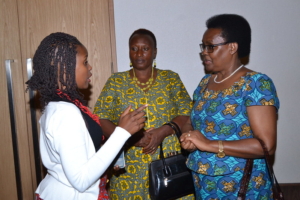 Rwanda, a small country in East Africa, has emerged as a beacon of hope in the realm of women’s rights. Following the devastating genocide in 1994, Rwanda has made significant strides in empowering women and fostering gender equality. However, challenges remain that need to be addressed.
The Gender Parity
In a landmark move, Rwanda implemented the Gender Parity Law, which mandates that women occupy at least 30% of decision-making positions in government and other institutions. As a result, Rwanda has one of the highest representations of women in parliament globally, with women holding 63.7% of seats in the Chamber of Deputies. This progressive legislation not only promotes gender equality but also enables women to contribute meaningfully to national development and policy-making.
Access to Education
Education plays a pivotal role in empowering women and Rwanda has made substantial progress in this area. The government has prioritized girls’ education through various programs, such as the Girl’s Education Program, which aims to ensure that girls complete their secondary education. As a result, the literacy rate for young women in Rwanda has increased dramatically, reaching 77% in 2022, from 69% in 2018. However, while these initiatives are commendable, ongoing efforts are needed to eliminate barriers that prevent girls from accessing education, particularly in rural areas.
Addressing Gender-Based Violence
Despite the progress made, gender-based violence (GBV) remains a significant challenge in Rwanda. The government has recognized this issue and is actively working to combat it through the National Gender-Based Violence Policy, which aims to prevent violence and provide support to survivors. Community-based programs have also been established to raise awareness about GBV and promote respectful relationships. In 2023, the Rwanda National Police reported a decrease in GBV cases, attributed to heightened awareness and increased reporting mechanisms.
The Role of NGOs
NGOs play a vital role in advocating for women’s rights and supporting government initiatives. Organizations like Women for Women International provide training and support to marginalized women, helping them to reintegrate into society and gain financial independence. The organization has reached more than 10,000 women in Rwanda, equipping them with skills and resources to overcome poverty and violence.
The Path Forward
While Rwanda has made remarkable progress in advancing women’s rights, continuous effort is required to sustain and build on these gains. Ensuring that women are not only represented in decision-making processes but are also active participants in their communities is crucial. The government’s commitment to gender equality, coupled with the support of NGOs, will play a pivotal role in creating an environment where women can thrive.
Ultimately, the advancements in women’s rights in Rwanda are commendable, showcasing a commitment to gender equality and empowerment. While challenges persist, the foundation has been laid for a brighter future for women in Rwanda. It is both reassuring and encouraging to see a nation recognizing the importance of women’s rights as fundamental to national development and progress.
– Jonny Wilkinson
Jonny is based in Paris, France and focuses on Global Health for The Borgen Project.
Photo: Flickr
