Diseases Impacting Tanzania
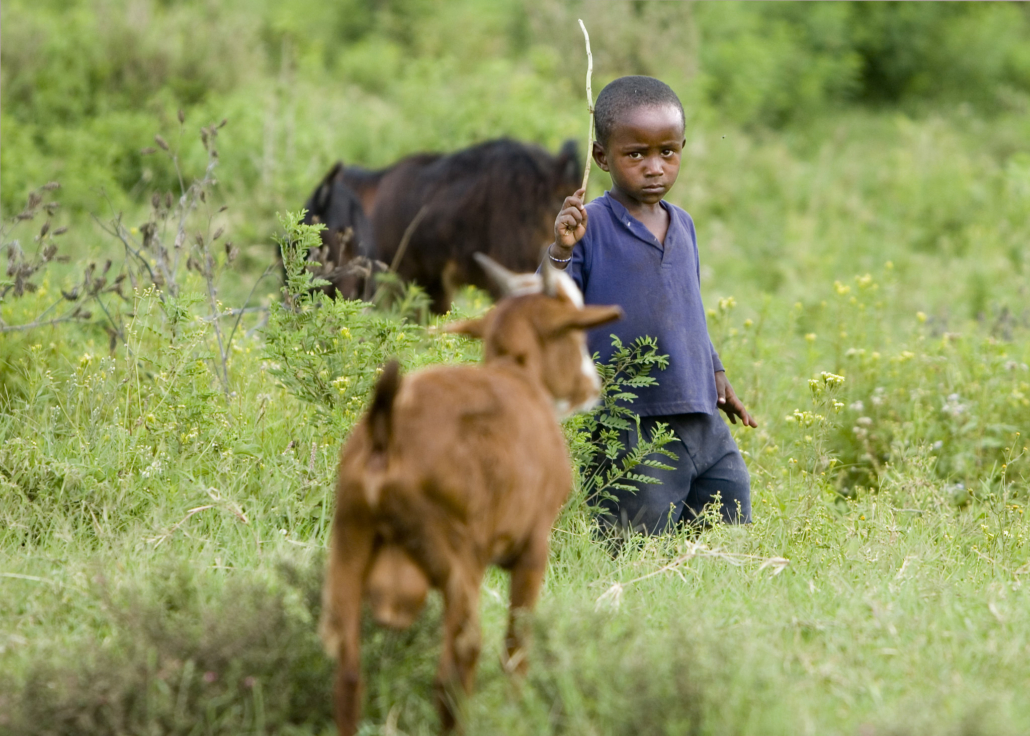 Tanzania has, in the last 10 years, seen a consistent reduction in its poverty rates after it decreased from 34.4% to 26.4% between 2007 and 2018, this mostly being in more rural areas of the country. Disease in Tanzania is becoming a lesser problem for citizens: the combined efforts between the World Health Organization (WHO) and the Ministry of Health in monitoring outbreaks and surveillance of diseases have resulted in improved responses to disease and treating the infected.
The decrease in poverty has also meant that increased funding can go into health care facilities, for example, the 2.22 trillion Tanzanian Shillings (Tsh) allocated to health care in Tanzania in 2017-2018, an increase of 34% from that in 2016-2017. However, communicable diseases in Tanzania remain a threat to public well-being, and without a fast diagnosis and access to correct treatment, they can often be fatal. Here is information about three diseases impacting Tanzania.
Malaria
Malaria, a disease carried by mosquitoes, is one of the most common communicable diseases in Tanzania. In 2022, there were an estimated 7,960,000 confirmed cases of malaria in the United Republic of Tanzania, making Tanzania the country with the sixth highest number of cases. In response to this, the World Health Organization (WHO) began offering training for district vector surveillance (and control) officers (DVSOs), who collect samples of vectors from around Tanzania that can be analyzed.
This training then saw the certification of 56 new DVSOs, who now play a vital role in malaria prevention and elimination as mosquitos and other disease vectors often tend to behave based on human interaction, and the study of how they behave would help in creating new strategies that align with recent changes in vector behavior. With access to the correct resources, malaria is incredibly preventable. For example, the use of mosquito nets in sleeping areas helps to keep mosquitoes from biting citizens, and even just wearing protective clothing can minimize the spread of malaria in Tanzania.
HIV and AIDs
In 2021, the United Nations states began to work towards the 95-95-95 targets for HIV/AIDS, which aim to ensure at least 95% with HIV know their status, 95% of those with HIV are undergoing treatment and 95% of those undergoing treatment are virally suppressed. In Tanzania, as of 2019, there were 1.7 million people who had confirmed cases of HIV, and in line with the 95-95-95 goals, 83% of those suffering from HIV knew that they had it, and of these, 92% were virally suppressed and receiving treatment.
The National AIDS Control Programme in Tanzania has worked to ensure that condoms are readily available to the Tanzanian population, to prevent the spread of HIV and age-appropriate messages to educate about HIV prevention and myths young people may encounter surrounding it are distributed, in hopes of minimizing the disease and its impact in Tanzania.
Tuberculosis (TB)
Estimates currently indicate that there are around 208 cases of TB for every 100,000 people in Tanzania, and the country is currently on a watchlist for its high TB burden rates, according to the WHO’s Country Outlook. Because of the high rates of HIV and AIDs in Tanzania, this immediately puts anyone impacted at higher risk of contracting TB, due to the compromise in their immune system. In 2021, The Ministry of Health, Community Development, Gender, Elderly and Children (MOHCDGEC), Directorate of Preventive Services through the National TB and Leprosy Programme (NTLP) launched a StopTB Partnership that works to end TB in Tanzania by 2030.
So far, it has been working on raising awareness about TB, by holding workshops to educate local journalists about TB and calling for increased funding towards TB diagnosis and treatment in Tanzania. It has also enforced a framework which ensures that treatment in the form of antibiotics is free to all TB patients through public and private health care systems and that TB notifications are mandatory, according to its 2023 report. This increased access to treatment for Tanzanian citizens could hopefully lower infection rates and decrease its impact in Tanzania.
Looking Ahead
While these diseases impacting Tanzania still have a large impact on the population of the country, the work of these organizations has significantly decreased its impact and improved the lives of many. With continued funding and work from these organizations, Tanzania will likely be able to meet health targets, such as those set by the Global Technical Strategy for Malaria, and move towards eliminating these diseases impacting Tanzania in the future.
– Freyja Stone
Freyja is based in Manchester, UK and focuses on Global Health and Politics for The Borgen Project.
Photo: Flickr
