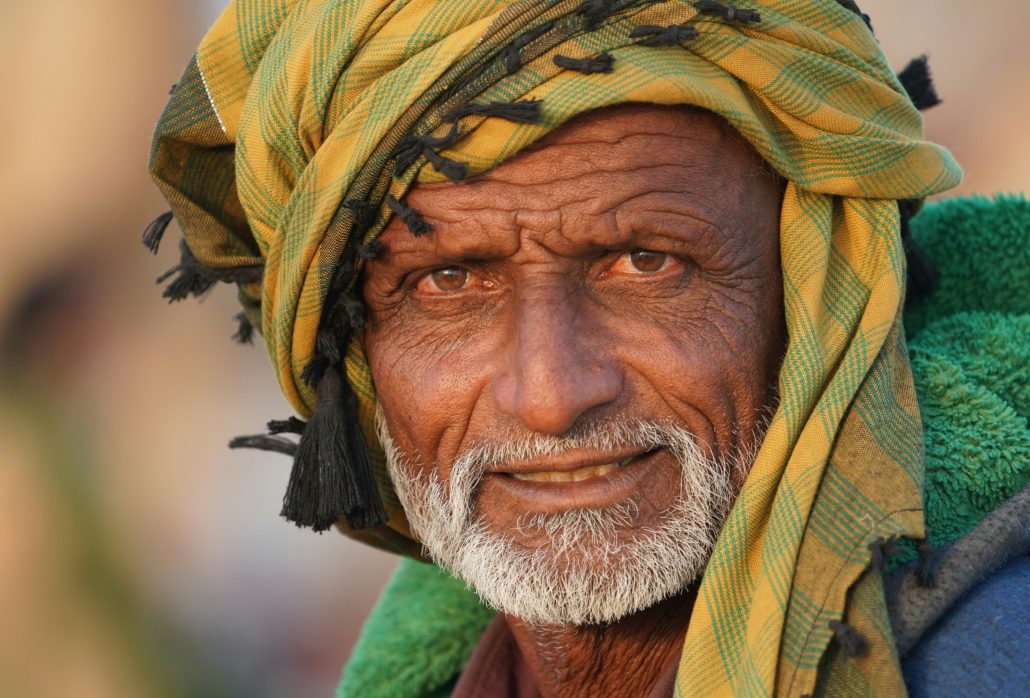
 Eritrea, a small country in the Horn of Africa, faces significant challenges regarding elderly care and poverty. The World Health Organization (WHO) estimates that the elderly in Eritrea (aged 65 and above ) constitute approximately 5.4% of the population. Most elderly citizens live in rural areas with limited access to essential services.
Economic Hardship
The deterioration of traditional family support systems for the elderly in Eritrea is predominantly linked to prolonged conflict, emigration and financial constraints. Indeed, one of the primary factors for elderly poverty in Eritrea is the substantial effect of national service on family structure. Furthermore, this is compounded by the inadequate wages provided to conscripts.
In Eritrea, national service is mandatory for individuals aged 18 to 50, impacting nearly 3 million of the 6.1 million population. As of January 2020, conscripts are remunerated with a minimal monthly salary of 3,000 nakfa. The salary is equivalent to approximately $190, which fails to suffice for basic family necessities. This inadequate income may contribute to rising poverty levels among the elderly, as numerous families rely on the insufficient earnings of conscripts. Ongoing conflicts and limited opportunities have resulted in significant emigration, leaving behind elderly individuals without adequate care.
Health Care Challenges
Access to health care is a significant issue for elderly people in Eritrea. The World Health Organization (WHO) states that there are only 0.8 physicians for every 10,000 residents in the country, one of the lowest figures globally.
The Eritrean Population and Health Survey (EPHS) found that 75% of Eritreans reside within a convenient 10 kilometers of a health facility. This is a concerning reality for some elderly people who are left with the daunting task of traveling beyond this distance to reach a health care center capable of addressing their age-related health conditions. Many elderly individuals face financial hardships that prevent them from affording the necessary transportation to access essential health services.
During an advocacy meeting on aging and health from March 26 to 28, 2019, Dr. Andebrhan Tesfatsion, the acting Director General of Public Health Services, affirmed that Eritrean elderly receive respect and support from families and communities, viewing aging as a positive aspect. However, he pointed out significant challenges for healthy aging, including unprepared health systems, insufficient social support, inadequate nutrition, food security and a lack of health information systems for aging indicators.
Limited Pension Coverage
Elderly poverty in Eritrea is becoming an increasingly pressing issue, with many older adults facing significant financial hardships. One key reason for this rise in poverty is the limited effectiveness of the current social support programs available to the elderly. Unfortunately, these programs reach only a small fraction of older adults in the country. This leaves many vulnerable individuals without the assistance they desperately need.
In Eritrea, the formal social protection system for senior citizens is minimal. Official programs aimed at helping elderly individuals and pensioners account for a mere 1.8% of all national social protection initiatives. This staggering statistic highlights the lack of resources and support structures necessary to assist a growing elderly population.
According to ILOSTAT data, as of 2021, social protection covers only 8.4% of Eritrea’s overall population. This means that a vast majority of people, including the elderly, do not receive any form of social safety net. The situation is dire and many seniors struggle to meet their basic needs.
Food Insecurity
The Food and Agriculture Organization (FAO) reports that 65% of Eritrea’s population faces undernourishment, especially in rural areas where 78% live. Despite this, agriculture only contributes 14% to the country’s GDP, revealing a gap between rural conditions and economic support.
Elderly poverty in Eritrea is a critical concern, with 37% experiencing severe food insecurity. Indeed, only 60% can secure adequate nutrition in good years, and during droughts, this drops by 25%. This fluctuation highlights the vulnerability of agricultural systems and the urgent need for sustainable solutions to improve food security and quality of life for affected populations.
Solutions
Eritrea has progressed in elderly health concerns, from basic health care access to a comprehensive strategy aligned with international frameworks like the UN Decade of Healthy Ageing. The initial program (2017-2021) established objectives and a national focal point.
Eritrea’s current strategic plan (2022-2026) sets an ambitious goal of increasing healthy life expectancy from 53.7 to 63.6 years by 2026. Furthermore, the strategic plan addresses ageism and promotes age-friendly environments under the UN Decade of Healthy Ageing. It includes enhancing community care for older adults, improving data collection on healthy aging and revising health care policies to remove the fees for seniors. A nominal hospital registration fee of 6 Nakfa applies with waivers for those in need. Additional provisions include 24-hour emergency services, medication access for major non-communicable diseases (NCDs), improved governance and regional healthy aging programs.
– Vanuza Antonio
Vanuza is based in London, UK and focuses on Good News and Global Health for The Borgen Project.
Photo: Unsplash

Disability and Poverty in Nicaragua
Roughly 10-15% of the population in Nicaragua is disabled, which is around 700,000 to 1 million people. People experience numerous types of disabilities, ranging from physical, mental and intellectual. The most common being limb amputees and individuals with paralysis. The causes can vary from conditions present at birth, chronic diseases such as noncommunicable diseases, or exposure to occupational hazards. A large contributor is deficiencies in pre- and post-natal care and not having proper access to medical resources during pregnancy.
The Parallels Between Disability and Poverty in Nicaragua
About 12.5% of the population lived in poverty as of 2023. While it is unknown how many people with disabilities are living in extreme poverty, disability and poverty are exceedingly relevant to each other. Disabled citizens in Nicaragua often do not have access to employment opportunities, increasing their chances of living in poverty.
They often face nationwide discrimination and ridicule. The social stigma in Nicaragua perceives these people as “less than human.” People with disabilities in Nicaragua often do not have access to public health facilities and other institutions. In Nicaragua, in the absence of modern medical advances, those with disabilities struggle for services beyond basic care. Only 10%, who are classified as having severe disabilities, receive regular health care and are able to do home improvements.
Individuals with disabilities encounter inhumane treatment in their homes and in public. They experience neglect domestically and often cannot meet their basic needs, such as adequate shelter and food. Being isolated from their families because they are perceived as inferior can hinder their emotional development, causing serious effects on their mental health. Both their families and the government often abandon them, failing to protect their rights.
Political State of Nicaragua
In recent events, Nicaragua has amended its constitution to grant expansive powers to the president, Daniel Ortega. This comprises influence over media, extending the presidential term to six years, the vice president, Rosario Murillo, becoming a co-president, and permission to pick any number of vice presidents. These tyrannical sets of laws will block any Nicaraguan process. This also could be critical for the protection of persons with disabilities, which previously under laws were deficient.
Under the Nicaraguan law “Law on the Rights of Persons with Disabilities,” 2% of public officials should be people with disabilities, yet legislation does nothing to enforce this or meet the quota by any means. The law that aims to protect people with disabilities is not respected. The United Nations has stated its concerns about the measures “acted upon” under the law. On Apr.23, 2024, the UN, in the Convention on the Rights of Persons with Disabilities, expressed observations on the treatment of the disabled in Nicaragua. Some of the topics discussed were what legislation has done to recognize their discrimination, if there is a system in place for receiving grievances and action taken in this connection and the poverty among children with disabilities. With these repercussions from the government, the safety of these citizens will be endangered.
Efforts From the Community
There are rare services offering aid to disabled people in Nicaragua. In Juigalpa, Nicaragua, there is a small organization that helps protect disabled people. External funding and local efforts to create a safe haven for people supports Fundacion Cristiana Comunitaria para Personas con Discapacidad Ruach, translated Ruach Christian Community Foundation for People With Disabilities. It provides care and attention. Individuals participate in activities that boost social skills, self-esteem and overall happiness. It protects them from abuse and neglect that comes within their households.
Ruach has stated that its main goal is to change society’s perspective and remind others that these people, individually, have something positive to offer to the world—that they have skills and attributes that are capable of creation. The project currently works with seven adults but hopes to expand to support 24 disabled people across the nation. Today, it has raised enough money to give people with disabilities a home to be themselves. Its dedication shows that disability and poverty in Nicaragua are not hopeless.
Conclusion
Individuals with disabilities in Nicaragua face economic hardships, jarring discrimination and difficulty accessing health facilities. These pressing concerns showcase an intersection of poverty and political neglect. As the government continues to ignore the marginalized group, the social stigma of persons with disabilities worsens. This makes it essential for change in Nicaragua. Society, organizations and individuals should address discrimination, advocate for modern medicine and reinforce the laws that are intended to protect their rights. Ultimately, fostering an inclusive environment can benefit in recognizing the contributions and skills disabled citizens possess.
– Kassandra Ticas
Photo: Flickr
Addressing Poverty in Nigeria: The Obijackson Foundation
Key Areas
To help break this cycle of poverty in Nigeria, the Obijackson Foundation aims to bring the poor and marginalized back into the community by focusing on five main areas: education, health care, nutrition, enterprise and welfare. It strives to help Nigerian people build better futures for themselves not only by solving short-term problems but also by addressing the deeper causes of poverty, leading to more resilient communities over time.
The Foundation uses a holistic community-driven approach that looks at both the causes and the effects of poverty, understanding that real change must address both. Pamela Egbo, the Executive Director of the Foundation, stated, “We have a robust team of people who oversee our different areas of intervention and impact. In all our programs, we are very hands-on and involved on a personal level with our beneficiaries.” By filling important gaps in services and creating more opportunities, the Foundation helps build a more equitable society. The Foundation’s work has made a huge difference in many people’s lives by focusing on creating a long-lasting, positive path to end poverty in Nigeria for the next generation of Nigerians can live a better future.
Education
The Obijackson Foundation strongly believes that education is a basic human right and key to reducing poverty, and Egbo states that the Foundation is “very intentional in making sure that the citizens of Okija get the opportunity to access quality basic education.” Although global progress has been made in school enrollment, there remain barriers such as distance to schools, poor infrastructure, lack of materials and shortage of teachers.
The Foundation provides sponsorship for 40 children annually into the Gonzaga Jesuit Academy. Egbo stated: “This is one of our biggest accomplishments to date.” Egbo also adds that “many of these children cannot read or write fluently or speak English when they start, and it is amazing to see tremendous progress.” It also provided 200 scholarships so far and hopes to award 500 more by the end of 2025. It distributes textbooks and laptops and organizes seminars and workshops for teachers. The foundation also supports Yearly Computer-Based Testing (CBT) for training, quizzes and essay contests. with scholarships awarded to winners.
Health and Nutrition
The Foundation focuses on making affordable, quality health care available, especially for women and children. In partnership with the Obijackson Women and Children’s Hospital, it provides:
The Obijackson Foundation’s nutrition programs include:
Job Creation
Despite challenges like rising feed costs, economic instability and unfavorable policies, the Foundation remains focuses on job creation and transforming agriculture and nutrition through programs such as Obijackson farm, which creates jobs for unemployed youth in Okija, with crop growing and livestock farming to meet the rising demand for animal products. It operates with 4,000 laying birds, producing about 30,000 crates of eggs annually and with 1,000 broilers quarterly. The piggery unit has grown to 385 pigs, with the ability to sell over 250 pigs yearly.
The Obijackson Foundation is more than just a charity, it is helping to create lasting change in society by tackling poverty in Nigeria. The Foundation’s work is crucial for future development in a country where poverty and inequality are still major problems. As it continues to grow and reach more communities, the Foundation stays true to its core mission and supports those in need and help build an equitable, healthier and more educated society for a better future.
– Rafe Photopoulos
Photo: Flickr
Surviving the Arctic Struggles: Poverty in Greenland
Causes of Poverty
Tackling Poverty in Greenland
The Danish government’s financial support helps maintain Greenland’s public services, including health care and education. However, there is a growing movement to strengthen Greenland’s economy beyond this aid by investing in local industries such as mining and tourism.
Similarly, other organizations strive to help alleviate poverty, such as The Greenland Social Foundation, which provides food, shelter and educational programs to struggling families. The Red Cross Greenland also plays a crucial role in providing social welfare programs and mental health support.
Furthermore, institutions like Ilisimatusarfik University provide scholarships, with more than $21,000 awarded in April 2024, to help Greenlanders pursue higher education and secure stable employment. Community-driven initiatives are also promoting traditional practices like fishing and craftsmanship to create self-sustaining economic opportunities.
Ultimately, Greenland’s poverty crisis is driven by economic dependency on unstable income, high costs of living and social issues that disproportionately affect Indigenous communities. However, through a combination of government support, local initiatives and education programs, there is hope for a more resilient and self-sufficient future for Greenland’s people.
– Emina Bolic
Photo: Pexels
Elderly Poverty in Eritrea
Economic Hardship
The deterioration of traditional family support systems for the elderly in Eritrea is predominantly linked to prolonged conflict, emigration and financial constraints. Indeed, one of the primary factors for elderly poverty in Eritrea is the substantial effect of national service on family structure. Furthermore, this is compounded by the inadequate wages provided to conscripts.
In Eritrea, national service is mandatory for individuals aged 18 to 50, impacting nearly 3 million of the 6.1 million population. As of January 2020, conscripts are remunerated with a minimal monthly salary of 3,000 nakfa. The salary is equivalent to approximately $190, which fails to suffice for basic family necessities. This inadequate income may contribute to rising poverty levels among the elderly, as numerous families rely on the insufficient earnings of conscripts. Ongoing conflicts and limited opportunities have resulted in significant emigration, leaving behind elderly individuals without adequate care.
Health Care Challenges
Access to health care is a significant issue for elderly people in Eritrea. The World Health Organization (WHO) states that there are only 0.8 physicians for every 10,000 residents in the country, one of the lowest figures globally.
The Eritrean Population and Health Survey (EPHS) found that 75% of Eritreans reside within a convenient 10 kilometers of a health facility. This is a concerning reality for some elderly people who are left with the daunting task of traveling beyond this distance to reach a health care center capable of addressing their age-related health conditions. Many elderly individuals face financial hardships that prevent them from affording the necessary transportation to access essential health services.
During an advocacy meeting on aging and health from March 26 to 28, 2019, Dr. Andebrhan Tesfatsion, the acting Director General of Public Health Services, affirmed that Eritrean elderly receive respect and support from families and communities, viewing aging as a positive aspect. However, he pointed out significant challenges for healthy aging, including unprepared health systems, insufficient social support, inadequate nutrition, food security and a lack of health information systems for aging indicators.
Limited Pension Coverage
Elderly poverty in Eritrea is becoming an increasingly pressing issue, with many older adults facing significant financial hardships. One key reason for this rise in poverty is the limited effectiveness of the current social support programs available to the elderly. Unfortunately, these programs reach only a small fraction of older adults in the country. This leaves many vulnerable individuals without the assistance they desperately need.
In Eritrea, the formal social protection system for senior citizens is minimal. Official programs aimed at helping elderly individuals and pensioners account for a mere 1.8% of all national social protection initiatives. This staggering statistic highlights the lack of resources and support structures necessary to assist a growing elderly population.
According to ILOSTAT data, as of 2021, social protection covers only 8.4% of Eritrea’s overall population. This means that a vast majority of people, including the elderly, do not receive any form of social safety net. The situation is dire and many seniors struggle to meet their basic needs.
Food Insecurity
The Food and Agriculture Organization (FAO) reports that 65% of Eritrea’s population faces undernourishment, especially in rural areas where 78% live. Despite this, agriculture only contributes 14% to the country’s GDP, revealing a gap between rural conditions and economic support.
Elderly poverty in Eritrea is a critical concern, with 37% experiencing severe food insecurity. Indeed, only 60% can secure adequate nutrition in good years, and during droughts, this drops by 25%. This fluctuation highlights the vulnerability of agricultural systems and the urgent need for sustainable solutions to improve food security and quality of life for affected populations.
Solutions
Eritrea has progressed in elderly health concerns, from basic health care access to a comprehensive strategy aligned with international frameworks like the UN Decade of Healthy Ageing. The initial program (2017-2021) established objectives and a national focal point.
Eritrea’s current strategic plan (2022-2026) sets an ambitious goal of increasing healthy life expectancy from 53.7 to 63.6 years by 2026. Furthermore, the strategic plan addresses ageism and promotes age-friendly environments under the UN Decade of Healthy Ageing. It includes enhancing community care for older adults, improving data collection on healthy aging and revising health care policies to remove the fees for seniors. A nominal hospital registration fee of 6 Nakfa applies with waivers for those in need. Additional provisions include 24-hour emergency services, medication access for major non-communicable diseases (NCDs), improved governance and regional healthy aging programs.
– Vanuza Antonio
Photo: Unsplash
International Charities Working To Fight Poverty in Ethiopia
Mercy Corps
Mercy Corps has supported communities across Ethiopia since 2004. Its mission is to provide immediate, long-lasting support that will impact this generation and all those to come. Within 20 years, the organization has helped more than four million people in Ethiopia. Mercy Corps focuses its support on vulnerable communities, particularly marginalized Ethiopians such as women and those living in conflict-affected areas.
For many, support comes in the form of business skills acquisition, help in fostering market relationships and professional mentorship. Training and support like this are given to aid the building of stable economic opportunities throughout the country, allowing individuals to secure reliable employment and income streams.
Immediate support also plays a key role in Mercy Corps’ support, particularly in ensuring access to food for many Ethiopians. While some of its programs deliver agricultural support and climate-resistant seeds to rural areas, others provide immediate relief to Ethiopia’s impoverished people. This includes food deliveries and cash aid to allow families to purchase household necessities and ensure they have access to food.
Tikkun Olam Ventures (TOV)
TOV started with a two-year pilot program in Ethiopia, building upon decades of existing humanitarian work done by The American Jewish Joint Distribution Committee (JDC) across the country. The initiative aims to provide innovative Israeli technology to those still reliant on traditional farming methods and break the cycle of poverty in communities. Since then, tomatoes, onions and hot peppers have been grown using drip irrigation systems, fertilizers and hybrid seeds using this vital technology.
It’s estimated that two-thirds of those living in extreme poverty worldwide make their livelihoods from farming. This global reality is particularly staggering in Ethiopia, where agriculture is the largest economic sector, contributing 43% to the country’s gross domestic product (GDP). Despite its importance, many farmers, especially smallholder and family farmers, remain trapped in a cycle of poverty, relying heavily on their crops for both income and sustenance.
To ensure that farmers can continue improving crop yields and ensure food and income security, TOV has used funding from an Ethiopian bank to purchase technology, seeds and technical support. When loans are repaid, the money returns to the loan fund, allowing more farmers to receive the benefits of Israeli technology.
For-Ethiopia
For-Ethiopia aims to reduce poverty in Ethiopia through education and health services. It believes that real change begins with small developmental projects focused on the community and its residents. The organization’s support includes providing medical equipment and training to health centers and health posts to ensure that everyone has access to clean, sterile environments and experienced health care workers.
A key priority of its aid is responding directly to community needs. For example, when health care workers requested fridges, For-Ethiopia ensured they received them. For-Ethiopia believes ending poverty in Ethiopia begins with access to education and health care, including clean, sanitary water.
Just as it supports health care facilities with essential equipment, it also supplies schools with resources such as books, bathrooms with handwashing stations and more. It credits these efforts with a more than 20% increase in girls’ school enrollment.
For-Ethiopia is currently running the Women and Children First campaign, which focuses on reducing maternal and infant mortality rates in the country.
Conclusion
Organizations like Mercy Corps, TOV, and For-Ethiopia are making a significant impact in Ethiopia by addressing poverty through agriculture, education, and health care. Their work demonstrates that lasting change is achievable with global support and community-driven solutions.
– Macy Hall
Photo: Unsplash
Child Soldiers in Vietnam: The Cost of War on Children
The Vietnam War
The Vietnam War lasted more than two decades and divided North and South Vietnam. The United States backed the South, sending around 536,000 troops. After World War II, both regions sought reunification but envisioned different futures. The North, inspired by the Cold War and Soviet influence, aimed to establish a communist state, while the South opposed this ideology. The war caused extensive loss of life and economic damage. More than 3 million people died, including 2 million Vietnamese civilians. By the time the war ended in 1975, Vietnam’s economy ranked among the poorest in the world.
Child Soldiers in Vietnam
Vietnamese children experienced wartime hardships that forced them to grow up quickly. Many became homeless overnight and lost access to consistent education due to the constant threat of attack. Children as young as 13 joined the Vietnamese Communist Party’s military efforts. They were trained in guerrilla warfare and participated in attacks on South Vietnamese and American forces. Child soldiers in Vietnam were so prominent in the war that there were military awards specific to children such as “Iron Fort Children” or “Destroyer of the Yanks.” These child soldiers were also given the title of “Tiny Guerilla.” The Tiny Guerillas were not drafted; many volunteered due to social pressures and economic hardship. Interviews and academic accounts suggest that promises of national prosperity and purpose motivated them to join the Viet Cong.
Children’s Rights After the War
Following the war, Vietnam introduced legal protections for children through the Convention on the Rights of the Child. The 2013 Constitution and new laws outlined regulations regarding children’s participation in civic life, including the military. These laws aim to prevent the future use of child soldiers in Vietnam.
Postwar Economic Effects
The post-war toll on Vietnam was devastating. Bombings and landmines destroyed much of the infrastructure and toxic chemicals lingered in the atmosphere. Following the war, Vietnam’s economy ranked among the world’s poorest and the government’s five-year plans were ineffective. However, the introduction of “Đổi Mới” marked a turning point, helping Vietnam become one of the fastest-growing markets, with an economic growth rate of 6 to 7%. Additionally, this policy reduced the poverty rate from 60% to 14% within nine years.
Looking Ahead
Vietnam’s postwar development includes strengthening legal protections for children and preventing their involvement in armed conflict. As the country continues to implement policies aligned with international child rights frameworks, expanding access to education, mental health support and economic opportunities may help address the long-term impacts of war.
Ongoing investment in youth-focused programs, especially in rural and historically affected areas, could support more consistent development outcomes. Collaboration between government, community organizations and international partners can potentially reinforce prevention strategies and improve child welfare systems. While Vietnam has made notable economic progress, continued attention to child protection is relevant in ensuring recovery efforts extend to future generations.
– Sydney Carr
Photo: Flickr
From Python to Plate: AI Fighting Food Insecurity in Thailand
An Aging Population or a Call to Action?
Recently, Thailand’s population growth has started to slow, raising concerns regarding the prospect of an aging population. In fact, according to the World Bank, “Thailand is the second-fastest aging country in the Association of Southeast Asian Nations (ASEAN) after Singapore, and it is growing old before it grows rich.” If Thailand’s population continues to age, shrinking the country’s workforce, the percentage of Thai citizens living under the poverty line and/or impacted by food insecurity could only continue to grow. To prevent this, it is essential to emphasize and support technologies and legislation that could increase productivity and allow Thai industries to thrive – even with a more limited workforce.
The Connection between AI and Food Insecurity
AI fighting food insecurity may be Thailand’s solution to their aging workforce. In recent years, the Thai government has presented several new programs and technologies to support the growth of AI. One example is the Bio-Circular-Green (BCG) economic model. The BCG model is an economic plan that emphasizes sustainability and productivity in several different spheres of industry, one being food and agriculture. According to the BCG model, the Thai agricultural industry could skyrocket in value if the country implements smart farming technology.
Smart farming tactics not only address issues of sustainability but also increase yield, preserve resources and minimize excessive labor. For example, predictive AI can alert farmers about potential pest outbreaks or droughts.
Ricult and HandySense B-Farm
One specific example of AI fighting food insecurity in action is tech start-up Ricult. Usman Javaid and Aukrit Unahalekhaka founded Ricult in an attempt to assist small farmers in their respective native countries, Pakistan and Thailand. One of the projects that the start-up has been developing is a free-to-use phone app meant to make AI-based agritech more accessible to small-scale farmers. Ricult’s website states that the app provides farmers with a “weather forecast, farm satellite, [and] expert advice to improve productivity and profit… [as well as] maximize yield and optimize operations with AI.” Approximately 400,000 farmers in Thailand are using the Ricult app.
Another notable AI agritech program is HandySense B-Farm, a beginner-friendly coding software that specializes in designing digital models for precision farming. The program is highly personalizable and can be adjusted according to crop type and farming conditions. The program includes “a variety of sensors such as real-time temperature, soil moisture, relative humidity, and light sensors, … [enabling] users to design control systems that meet the specific needs of their farms, such as automatic watering when the soil is dry or turning on supplementary lighting when there is insufficient light”
AI and Food Insecurity
According to Research and Markets, the Thailand AI in Agriculture Market stood at $80.33 million in 2023 and could reach $113.96 million by 2029, rising at a CAGR of 6.08%. This exponential increase in market value suggests that AI fighting food insecurity will have a very significant influence in Thailand.
– Helena Birbrower
Photo: Flickr
UNICEF’s HAC Appeal: Myanmar Stays Resilient
Escalating Conflict and Health Crisis Since 2021
Following the 2021 military coup by the Tatmadaw, escalating violence placed millions at risk. As of early 2025, more than 1.7 million people have been displaced. Limited access to vaccines and basic health care has contributed to Myanmar having the highest under-five mortality rate in Southeast Asia. Security conditions continue to deteriorate. Recent attacks include the arrest of opposition activists and airstrikes that have resulted in child casualties. Ground assaults have destroyed hospitals, further threatening access to health services.
Humanitarian Response by UNICEF and IRC
Organizations such as UNICEF and the IRC have worked to mitigate the crisis through long-term aid programs. UNICEF’s I.C.A.R.E. initiative combines cash assistance with rehabilitation services for children with disabilities. The agency also leads five inter-agency response priorities in Myanmar: WASH (water, sanitation and hygiene), education, nutrition, child protection and mine action.
In December 2024, UNICEF Regional Director for East Asia and the Pacific June Kunugi visited a daycare and physiotherapy center in Dala, Myanmar. Her visit included meetings with affected families and home visits to observe the program’s impact.
A beneficiary, six-year-old Wint Yamone Oo, receives support from the program, including cash transfers and mobility assistance. Wint attends therapy sessions and uses a walker provided through the initiative. The center continues to deliver services to children with disabilities and families facing displacement.
By the end of 2024, UNICEF’s HAC (Humanitarian Action for Children) appeal was launched, estimating that $208 million would be required to deliver critical services to 3.1 million vulnerable people across Myanmar.
Local Partnerships and Service Expansion
To ensure aid reaches marginalized populations, UNICEF partners with civil society organizations, nongovernmental organizations and other United Nations (U.N.) agencies. These partnerships help extend access to health and social protections and incorporate community feedback into service delivery.
UNICEF emphasizes the importance of collaboration with local-based actors to enhance program reach and responsiveness. This approach helps tailor support based on regional needs and reinforces long-term community engagement.
While UNICEF’s 2023 HAC appeal remained underfunded, ongoing efforts aim to secure greater donor support for 2024. UNICEF continues to advocate for sustainable funding to ensure continued assistance for children and families affected by conflict in Myanmar.
Looking Ahead
Ongoing support from international organizations remains vital as Myanmar continues to navigate its humanitarian crisis. Strengthening partnerships with local actors and expanding access to essential services could help protect vulnerable populations and lay the groundwork for long-term recovery.
– Rachael Wexler
Photo: Flickr
Stepping Up as Global Funding Declines: NGOs Replacing U.S. Aid
The Immediate Impact of Aid Cuts
The immediate impact of USAID cuts has been severe and far-reaching, affecting millions of people worldwide. The U.S. has historically been a driving force in international development assistance, but the recent cuts have led to the collapse of USAID-backed programs, creating a funding void that private donors struggle to fill.
Global health programs like the International Rescue Committee (IRC), which works to prevent and treat infectious diseases, and the Joint United Nations Programme on HIV/AIDS (UNAIDS) are among the hardest hit. With fewer resources, NGOs replacing U.S. aid face an uphill battle in controlling outbreaks, leaving the most vulnerable populations at higher risk.
To put the impact into numbers, “about 80% of the 1,460 community kitchens across Sudan shut down when USAID paused all funding,” according to Hajooj Kuka, spokesperson for the Emergency Response Rooms (ERRs) in Khartoum state, as reported by Al Jazeera, an independent news channel in the Arab world.
In contrast, advocacy groups continue to push forward for restored funding, emphasizing that foreign aid is not just a moral duty but a strategic investment in global stability.
NGOs’ Strategic Responses and Challenges
As NGOs replacing U.S. aid navigate these challenges, they have intensified efforts to influence policy changes and secure alternative resources. One of their key strategies is diversification, with public-private partnerships emerging as a major source of funding. This advocacy is essential to keeping global development priorities on the international agenda.
To cope with funding shortfalls, many NGOs are implementing temporary measures such as tapping into their financial reserves and unrestricted funds to sustain essential operations. They are also renegotiating agreements with other donors and seeking waivers to maintain critical services. Additionally, some staff members are working voluntarily to keep essential programs running. While these efforts demonstrate the dedication of those in the sector, they also underscore the urgent need for sustainable funding solutions.
The Future of NGOs in a Changing Aid Scene
With persistent global challenges such as changing weather patterns, rising inequality and ongoing conflicts, the need for resilience and adaptability among NGOs replacing U.S. aid is more critical than ever. These organizations are actively seeking diverse funding alternatives, forging strategic partnerships and embracing technology to sustain their operations. The ability of NGOs to replace U.S. aid to navigate these changes could be crucial in shaping the future of international aid and development.
– Rhasna Albuquerque
Photo: Flickr
The Fight Against HIV/AIDS in Fiji
Causes
The Fijian Health Ministry credits the rise in HIV/AIDS cases in Fiji to illegal drug usage. There are two particular practices that are said to have caused the spike in cases, which are “bluetoothing” and “chem-sex.” However, others believe that the rise of cases is due to the lack of funding and research in HIV/AIDS as a whole. According to an EastAsiaForum article, “before 2012, they used a combination prevention approach to HIV. Funding had ramped up in 2008 through the HIV and STIs Regional Response Fund… [but] in 2013, the HIV Regional Response funding ended.” This may have played a significant role in the spike of HIV/AIDS cases in the Fijian Islands.
Financial Implications
The HIV/AIDS outbreak has not only severely impacted the health of Fijians but also their finances and quality of life. Fiji’s increasing rates of urbanization, which have caused homelessness and unemployment, have also contributed to the HIV/AIDS epidemic in Fiji. Additionally, a large part of Fiji’s economy is reliant upon tourism, as they are still recovering from COVID-19. A reputation hit that could come from this outbreak would be detrimental to the Fijian economy, which would likely make the spread even worse, as it is disproportionately affecting those who are economically struggling.
Responses to the Spike
In January 2025, Fiji announced a 90-day containment plan that will guide the nation’s AIDS response until 2027. This is the start of the prioritization of HIV research in Fiji and helping the most vulnerable among the population get the treatment they need. However, there is still the underlying concern that some people who are HIV positive in Fiji are not aware of their status, and those who are too afraid to receive the care that they need due to prejudice and the stigmatization of the condition. Minister Lalabalavu, the minister of Health and Medical Services of Fiji, says that “discrimination and stigma will only serve to make our current situation worse.”
In order to combat this, there are many movements to increase education on HIV/AIDS in hopes of increasing knowledge and reducing stigma, such as the HIV Surge Strategy 2024-2027 that the Fijian government has endorsed. The focus of the strategy is based on intersecting issues that contribute to the rise in HIV cases, such as prevention, treatment, harm reduction, human rights and social justice. Additionally, it plans on coordinating public health responses due to the presence of hard drugs within the Fijian community.
Government Intervention
UNAIDS Deputy Executive Director Jan Beagle said, “The most effective results can only be achieved through partnership across sectors, through strong leadership, and with community at the center. By taking AIDS out of isolation, the impact can go far beyond the AIDS response.” Displaying that this issue has become a government issue, and due to this the government has given Fijian $FJ200,000 for its HIV/AIDS Prevention and Control Programme, a program that targets the prevention of drug use in underprivileged communities as well as destigmatizing testing centers and HIV itself, in the 2023-2024 budget and is only adding more every year to combat this crisis.
Looking Ahead
While the outbreak of HIV/AIDS in Fiji has extremely affected the country’s population, the increasing awareness towards this issue has allowed them to fight back and take control over their health. However, it is still important to continue raising awareness towards this topic. HIV/AIDS disproportionately affects Fijians that come from low-income communities, and the lack of knowledge has made the spread worse. Therefore, continued efforts are essential to ensuring that these people get the education and support they need to slow the spread.
– Sydney Carr
Photo: Unsplash