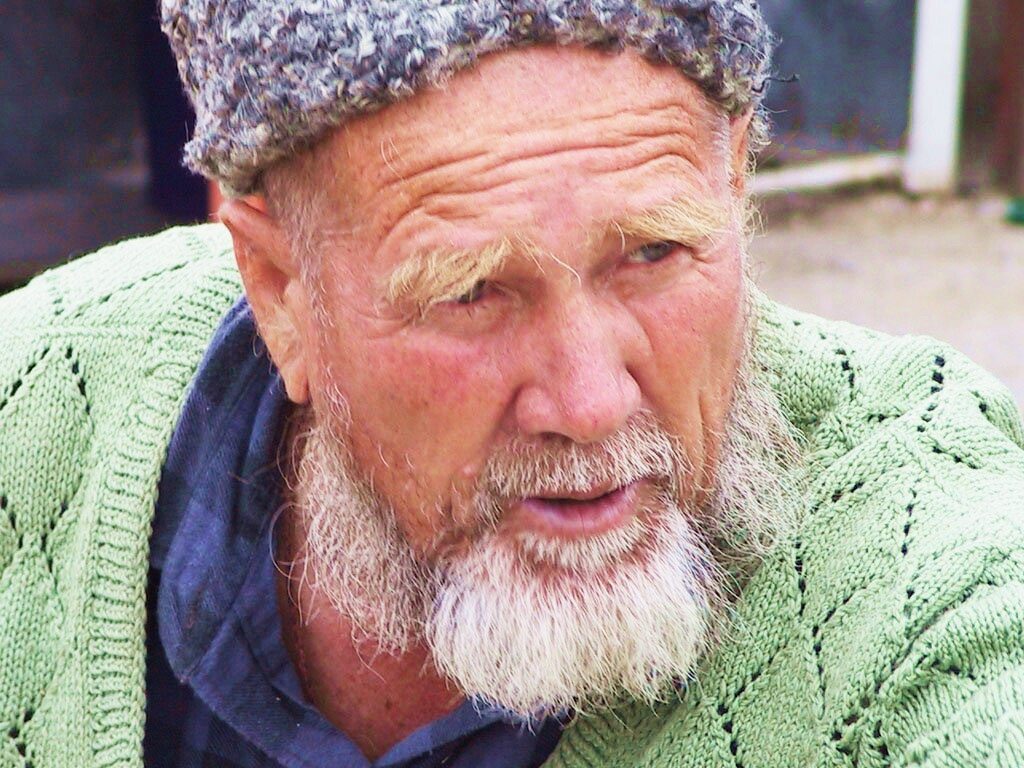
 Despite holding abundant gas and oil reserves, 45% of Turkmenistan’s population live below the poverty line, with 2.15% of the population, or 50,200 people, living on less than $2.15 a day. This has caused the nation to have the lowest life expectancy in Central Asia of 69.1. Between 2005 and 2021, Turkmenistan’s life expectancy rose by only 3.2 years, while life expectancy in neighboring Tajikistan rose by 5.1 years for a life expectancy of 71.29. It is in this context that elderly poverty has become an all too familiar occurrence in Turkmenistan. Here is more information about elderly poverty in Turkmenistan.
Support To Address Elderly Poverty in Turkmenistan
Elderly poverty rates are often higher than the overall population, and Turkmenistan is no exception. While specific data on this is limited, significant cuts to state pensions in 2006 may have left 300,000 people in poverty, including the elderly. Following the cutbacks, of the 229,000 people still receiving state pensions, many received no more than between £5.60 and £51 a month. This move occurred because government pension funds were already overburdened, forcing the government to dip into its currency reserves to meet the demand.
Since this occurred, state pensions have risen slightly, so the minimum one could receive is £21, but this is still not enough for most people. Furthermore, one only begins to receive their pension at the ages of 62 for men and 57 for women. While this would have relatively low pension ages in many developed countries, because of Turkmenistan’s low life expectancy, it forces people to work much later in life. This, coupled with the low payout from state pensions, leaves the elderly overburdened, forcing them to work long hours for wages that remain low.
Food Insecurity
Pensioners often have little support beyond their pensions. During the height of the COVID-19 pandemic in 2020, the nation plunged into a food crisis. Shortages of subsidized food had been occurring since 2016, and the government lacks a strategy to solve this issue. Instead, it exacerbated the problem, going as far as to deny the existence of poverty in the country so that the most vulnerable groups did not have access to social assistance and international food standards were ignored.
In November 2019, Human Rights Watch found, based on interviews with families, that families often spent 70-80% of their money on food, with one pensioner stating that her family spent all their money on getting enough to eat. Because of the food shortages, even getting a limited amount of food involves standing in line for hours at state shops that sell the limited government-subsidized food that remains, with privately owned shops being too expensive for the majority of citizens. These stores do not seek to support the most vulnerable; instead, they broadly attempt to treat all equally, leading to long waiting lines for food, meaning stores will often close without warning after running out of supplies. Due to their age, pensioners, especially those who are single or without family support, are especially vulnerable to these shortages that have not ceased despite beginning almost a decade ago.
Logistical Problems
On top of this, since 2018, in order to receive their pensions, the elderly must prove that they are not deceased. While this may sound simple enough and a way to prevent families from stealing funds supposed to go towards a now deceased relative, the lack of logistical planning for this makes it very hard for people to prove they are alive. One can only get proper documentation to receive a pension if a doctor and three government officials have seen them. As many lack access to a doctor, this is very hard for people to do, especially without family help.
Furthermore, due to the fact that the country has been experiencing a shortage in its national currency since 2016, many are unable to withdraw cash from their funds. Often, the cash they can withdraw is too old and unusable in most shops. As the purchase of foreign currency is illegal, many are unable to use their pensions to pay for basic goods and services.
Signs of Improvement
Considering all of this, it may be surprising that Turkmenistan is in the top 20 in the world in terms of being philanthropic. However, there are no charities or NGOs directly focused on combating elderly poverty; instead, they focus on fighting poverty across all aspects of society. However, investment from the Central Asian institute has provided indirect aid for the elderly through significant investment projects.
Most crucially for the elderly is the construction of health clinics in the city of Ashgabat, as well as the construction of residential buildings. These health clinics have also received aid from UNICEF, which provided the clinics with new oxygen plants in order to provide oxygen therapy. While this form of therapy is primarily for new mothers and children, it can help provide greater care for the elderly in the hope that life expectancy will increase. While it is only a small help within the national context, it is a step in the right direction, with the Central Asian Bank currently in the early stages of a four year plan (2024-28) to make the nation’s economy more resilient. This could have a transformative effect on the thousands of elderly members of society who are struggling.
Addressing Food Insecurity
In terms of fighting food insecurity, while there is still a long way to go to solve the insecurity, some are working to fight it. One prominent NGO is Eco-Durmush, a Turkmenistan based NGO that is female lead. Its aims is to promote sustainable agriculture and organic farming techniques in local communities to protect against changing weather patterns and a lack of government aid when it comes to food. Eco-Durmus has collaborated with the United Nations Development Programme (UNDP) to further stretch its sphere of influence. Because such local communities are often small and remote, their elderly population will rely on such business to gain the basic necessities they need. Furthermore, as Eco-Durmush is female lead, it gives a voice to elderly female members of society who without them would lack a voice that shines a light on their suffering.
Looking Ahead
The people of Turkmenistan have suffered under a regime that has been accused of countless human rights breaches and having failed to provide adequate living standards for them. Because of the totalitarian structure of government, an accurate picture of the oft-forgotten nation is hard to come by, especially on specific figures related to elderly poverty. However, from the data that one can gather, a picture forms of a nation that struggles to support its elderly and most vulnerable. With limited pensions, food and state support, the elderly have to fend for themselves in an unforgiving system, ultimately contributing to a life expectancy far lower than neighboring nations with little more wealth. However, hopefully, the efforts to improve the health system will help eliminate elderly poverty in Turkmenistan.
– Felix Hughes
Felix is based in the UK and focuses on Global Health and Politics for The Borgen Project.
Photo: Wikimedia Commons

The Impact of Losing Third Places in Europe
A Recent History of Third Places in Europe
Third places are social sites such as cafes, community centers and neighborhood environments, including local parks, sports grounds and places of worship. They have existed for centuries in human populations and the rise of the coffee house during the 17th Century is a popular example of third places in Europe. The COVID-19 pandemic saw the closure of local hang-out spots and widespread social distancing measures. The closures led to the permanent shutting of many local small businesses and a loss of community centers hit by significant funding cuts. As a result, critical spaces where people could engage in social interaction were lost.
Moreover, gentrification has only exacerbated a loss of inclusive third places in Europe. The process of gentrification in popular tourist and financial cities is transforming once-vibrant community areas into spaces of exclusion. For example, tourism-driven gentrification in Barcelona’s El Raval and Barceloneta neighborhoods led to increased rents, pushing out established local businesses or forcing them to adapt to tourist preferences. The accompanying social networks fostered in these spaces quickly dissolved.
Similarly, gentrification in Stockholm created “filter bubbles” and left low-income neighborhoods, often plagued by high levels of youth gang violence, without sufficient investment in social spaces for youth to develop away from the influence of gang activity and recruitment. While co-working spaces as “third places” in Mediterranean countries are on the rise, these are artificial spaces prioritizing productivity and professional networking rather than fostering meaningful, work-free social interactions. Co-working space identification as “third places” may be a more prominent symptom of a growing societal tendency to value individuals based on economic contribution rather than emotional well-being.
Social Media and the Cost of Third Places
The rise of virtual third places, especially social media, has contributed to the erosion of physical third places and the developmental process of learning social interaction. While social media platforms have created virtual connection spaces, they cannot replace the face-to-face interactions essential for community engagement and mental health. According to the Cigna Loneliness Index, Gen-Z, despite being the most digitally connected generation, reports the highest levels of loneliness.
Additionally, many third places are becoming increasingly expensive to frequent. For example, in London (U.K.), coffee prices have surpassed $6 in many establishments, making cafes and paid social spaces too expensive for regular visits in times of falling disposable incomes.
Mental and Physical Health Impacts
The role of third places in Europe is essential. The spaces are associated with improving quality of life, well-being and health. Third places provide crucial opportunities for social interaction. For instance, using third places (such as cafes) has been shown through multiple studies to improve how older adults can participate in society by providing informal support networks and social relationship-building to help combat cognitive decline and symptoms of depression later in life. The role of third places in combating loneliness is vital – with loneliness potentially cutting lives short by 15 years.
Third places in Europe also play a key role in helping mitigate poverty. Poverty is a multidimensional issue; however, social exclusion is both a determinant and by-product of some people’s realities of living in poverty. Without accessible third places, individuals living in poverty are more vulnerable to social exclusion, which further exacerbates their economic and mental health challenges.
Future Cities
For those living near the poverty line, access to these third places remains crucial for mental and physical health, as well as for preventing social exclusion. In the face of gentrification, digital spaces and rising costs, there is a pressing need for policies that prioritize creating and preserving accessible third places in Europe and its cities.
– Autumn Joseph
Photo: Pixabay
Everything You Need To Know About Hunger in Senegal
About Hunger in Senegal
About 4.6% of the population is undernourished, 17.5% of children less than the age of five are stunted, 10.2% of children less than five are wasted, and about 3.7% of children die before the age of five. Hunger is more pronounced in regions like Matam, Kolda, and Tambacounda, where poverty, limited infrastructure and poor agricultural yields intersect.
Hunger in Senegal predominantly exists in rural areas, with women and children affected the most. More than 30% of Senegal’s workforce is involved in agriculture and is overly dependent on rainfed farming, according to the International Trade Administration (ITA). Due to changing weather patterns, Senegal experiences rapid-unpredictable rainfall and massive amounts of drought, leading to desertification in crop fields and a shortage of food availability. The World Food Program (WFP) reports that in 2023, about 1.26 million people will experience extreme hunger during the lean season.
Hunger in Rural Areas and Women Farmers
Economic disparity contributes to the issue, especially in rural areas. In 2022, the World Bank estimated that 36.3% of the population lives below the poverty line. Additionally, the impact of food prices soaring in 2022 contributes to hunger in Senegal. In 2022, Senegal saw a record-breaking 21.40% in food inflation, with only a slight decrease in March 2025.
Gender inequality and social and political norms contribute to the crisis by denying crucial employment and land ownership. Women are the backbone of agricultural production, making up 70% of the workforce and producing 80% of crops, but they have restricted access to land. Laure Tall, the research director at the Agricultural and Rural Prospect Initiative, claims that women farmers are invisible and work two to four hours longer than the average man.
Nutritional Deficiencies
Diets often lack essential nutrients, leading to micronutrient deficiencies. The World Health Organization (WHO) reported that anemia affects nearly 60% of children under five and about 50% of pregnant women. Vitamin A deficiency, low protein intake and iron deficiency are widespread. Malnourishment plagues children’s development because they are the most likely to struggle in school and face lifelong cognitive challenges. Adults, weakened by poor diets, are less productive and more vulnerable to illness, perpetuating a cycle of poverty and underdevelopment.
Initiatives Addressing Hunger in Senegal
Despite the grim picture, the Senegalese government and international partners launched several programs to combat hunger. In 2016, the Senegalese government adopted the National Program for Food Security, known as the Programme National d’Appui à la Sécurité Alimentaire et à la Résilience (PNASAR), aiming to sustainably improve food and nutritional security for households. The program emphasizes coordinated, multisectoral interventions that address both immediate needs and long-term development goals.
The World Food Program (WFP) has also been working to address hunger in Senegal. The WFP provides meals for schoolchildren in areas where food insecurity is high. In 2022, the WFP fed approximately 17% of primary schools. The WFP reached more than 71,000 pupils in 285 primary schools across three regions. The school feeding program, launched in March 2021, receives funding from the Global Partnership for Education.
The We Are the Solution movement is another noteworthy initiative addressing food insecurity in Senegal. Mariama Sonko, a Senegalese farmer, started the We Are the Solution movement, which includes about 115,000 active women farmers. The goal is to train women to become community farmers and increase the workforce. As previously stated, women make up 70% of the agricultural workforce. Sonko’s movement is helping local efforts by increasing groups to sell vegetables from communal gardens, leading to the reinvestment of profits into nutrition programs for children and mothers. Educating families on dietary diversity and the importance of local produce helps reshape eating habits and generates awareness nationwide.
Looking Ahead
Ultimately, the road to a hunger-free nation is long, but not impossible. With increased investment in climate-smart agriculture, nutrition education and gender equity, the fight will remain strong.
– Sebastian Llerena
Photo: Pixabay
Elderly Poverty in Turkmenistan
Support To Address Elderly Poverty in Turkmenistan
Elderly poverty rates are often higher than the overall population, and Turkmenistan is no exception. While specific data on this is limited, significant cuts to state pensions in 2006 may have left 300,000 people in poverty, including the elderly. Following the cutbacks, of the 229,000 people still receiving state pensions, many received no more than between £5.60 and £51 a month. This move occurred because government pension funds were already overburdened, forcing the government to dip into its currency reserves to meet the demand.
Since this occurred, state pensions have risen slightly, so the minimum one could receive is £21, but this is still not enough for most people. Furthermore, one only begins to receive their pension at the ages of 62 for men and 57 for women. While this would have relatively low pension ages in many developed countries, because of Turkmenistan’s low life expectancy, it forces people to work much later in life. This, coupled with the low payout from state pensions, leaves the elderly overburdened, forcing them to work long hours for wages that remain low.
Food Insecurity
Pensioners often have little support beyond their pensions. During the height of the COVID-19 pandemic in 2020, the nation plunged into a food crisis. Shortages of subsidized food had been occurring since 2016, and the government lacks a strategy to solve this issue. Instead, it exacerbated the problem, going as far as to deny the existence of poverty in the country so that the most vulnerable groups did not have access to social assistance and international food standards were ignored.
In November 2019, Human Rights Watch found, based on interviews with families, that families often spent 70-80% of their money on food, with one pensioner stating that her family spent all their money on getting enough to eat. Because of the food shortages, even getting a limited amount of food involves standing in line for hours at state shops that sell the limited government-subsidized food that remains, with privately owned shops being too expensive for the majority of citizens. These stores do not seek to support the most vulnerable; instead, they broadly attempt to treat all equally, leading to long waiting lines for food, meaning stores will often close without warning after running out of supplies. Due to their age, pensioners, especially those who are single or without family support, are especially vulnerable to these shortages that have not ceased despite beginning almost a decade ago.
Logistical Problems
On top of this, since 2018, in order to receive their pensions, the elderly must prove that they are not deceased. While this may sound simple enough and a way to prevent families from stealing funds supposed to go towards a now deceased relative, the lack of logistical planning for this makes it very hard for people to prove they are alive. One can only get proper documentation to receive a pension if a doctor and three government officials have seen them. As many lack access to a doctor, this is very hard for people to do, especially without family help.
Furthermore, due to the fact that the country has been experiencing a shortage in its national currency since 2016, many are unable to withdraw cash from their funds. Often, the cash they can withdraw is too old and unusable in most shops. As the purchase of foreign currency is illegal, many are unable to use their pensions to pay for basic goods and services.
Signs of Improvement
Considering all of this, it may be surprising that Turkmenistan is in the top 20 in the world in terms of being philanthropic. However, there are no charities or NGOs directly focused on combating elderly poverty; instead, they focus on fighting poverty across all aspects of society. However, investment from the Central Asian institute has provided indirect aid for the elderly through significant investment projects.
Most crucially for the elderly is the construction of health clinics in the city of Ashgabat, as well as the construction of residential buildings. These health clinics have also received aid from UNICEF, which provided the clinics with new oxygen plants in order to provide oxygen therapy. While this form of therapy is primarily for new mothers and children, it can help provide greater care for the elderly in the hope that life expectancy will increase. While it is only a small help within the national context, it is a step in the right direction, with the Central Asian Bank currently in the early stages of a four year plan (2024-28) to make the nation’s economy more resilient. This could have a transformative effect on the thousands of elderly members of society who are struggling.
Addressing Food Insecurity
In terms of fighting food insecurity, while there is still a long way to go to solve the insecurity, some are working to fight it. One prominent NGO is Eco-Durmush, a Turkmenistan based NGO that is female lead. Its aims is to promote sustainable agriculture and organic farming techniques in local communities to protect against changing weather patterns and a lack of government aid when it comes to food. Eco-Durmus has collaborated with the United Nations Development Programme (UNDP) to further stretch its sphere of influence. Because such local communities are often small and remote, their elderly population will rely on such business to gain the basic necessities they need. Furthermore, as Eco-Durmush is female lead, it gives a voice to elderly female members of society who without them would lack a voice that shines a light on their suffering.
Looking Ahead
The people of Turkmenistan have suffered under a regime that has been accused of countless human rights breaches and having failed to provide adequate living standards for them. Because of the totalitarian structure of government, an accurate picture of the oft-forgotten nation is hard to come by, especially on specific figures related to elderly poverty. However, from the data that one can gather, a picture forms of a nation that struggles to support its elderly and most vulnerable. With limited pensions, food and state support, the elderly have to fend for themselves in an unforgiving system, ultimately contributing to a life expectancy far lower than neighboring nations with little more wealth. However, hopefully, the efforts to improve the health system will help eliminate elderly poverty in Turkmenistan.
– Felix Hughes
Photo: Wikimedia Commons
E3 Nations and humanitarian aid to Gaza
Humanitarian Aid from the UK
The U.K. has made large strides in providing humanitarian aid to Gaza. Working alongside UNICEF, the World Food Program (WFP) and the Egyptian Red Crescent Society (ERCS), the U.K. has helped combat shortages of food, water and medical supplies. Official Development Assistance (ODA) of £27 million went to the Palestinian Territories to further allow access to resources. An additional £4.25 million went to vulnerable children and young women through a partnership with UNFPA, which estimates it could reach one-fifth of Gazan women and children.
At home, the U.K.’s Foreign, Commonwealth, and Development Office (FCDO) and Ministry of Defence (MOD) have helped supply humanitarian aid to Gaza. More than £100 million went for ensuring humanitarian aid reaches the proper channels in Gaza to relieve it.
Humanitarian Aid from Germany
Since October 2023, “German assistance for the Palestinian territories has been increased by more than €300 million” to help alleviate the wartime crisis. Germany has fortunately seen its efforts come to fruition through its generous aid programs. Through its joint partnerships with UNICEF and the WFP, Germany has helped provide Gazans with much-needed supplies of nutrients and food formulas to combat malnutrition.
In addition to its physical efforts, Germany, as an E3 nation, has made clear statements on the need to help Gaza in its time of need, as well as to help end the humanitarian horrors by bringing peace to the region. “No humanitarian aid has reached Gaza for a month,” said German Chancellor Olaf Scholz. “This cannot and must not continue,” he added.
Humanitarian Aid from France
French President Emmanuel Macron said, “Aid must never be used as a tool of war,” on April 9, 2025. France, alongside the E3 nations, has put forward a strong position on supplying humanitarian aid to the people of Gaza. On February 14, 2025, France sent 52 tons of humanitarian aid to Gaza, hoping to help more than 1,000 families with blankets, ground sheets, medicine, food and water. Additionally, France has worked alongside its local NGOs to ensure that the people in need directly receive the aid. Working with Premiere Urgence Internationale and Médecins du Monde have helped give the supplies from the French government to Gaza through the Jordanian humanitarian corridor.
Financially, France has made considerable contributions to the cause. Attending the first international conference of Gaza’s civilian population, France contributed €100 million out of €1 billion raised for the conference.
Outcomes
The E3 nations and the humanitarian aid provided have been significant since October 7, 2023. All three nations have contributed with both financial and physical aid, food and medicine. The E3 nations have contributed more than most to the humane cause of helping people in war torn societies.
– Joel Raymer
Photo: Flickr
Bakeries Ensure Food and Job Security in Ukraine
Good Bread
Good Bread operates along the frontlines to provide mentally disabled Ukrainians with job opportunities and skills training while distributing food to those in need. The organization bakes 1,500 loaves of bread daily, along with cupcakes and hot meals.
A number of its active projects include Food Fighters, which distributes meals to homeless communities in Kyiv and Suspended Cupcakes, which delivers 900-gram cupcakes to military personnel and individuals in neuropsychiatric institutions. These ongoing efforts provide both nutritional and emotional support in difficult times. Good Bread also prioritizes job training and stability. Individuals with mental disabilities gain long-term skills through employment in the charity’s kitchens. An initiative, Hang a Cupcake, has become a routine and empowering task for many of the program’s workers.
Since 2022, the organization has delivered about 800,000 loaves of bread, employed more than 70 individuals with disabilities and distributed more than 200 hot lunches per week. The cupcakes—often symbolic of dignity and care—have also reached those most in need of encouragement. Good Bread relies entirely on donations to fund its mission. Its dual focus on food and employment has supported resilience in communities facing the daily realities of war.
Bake for Ukraine
Bake for Ukraine focuses on supporting local bakeries and delivering free bread to vulnerable communities, while also preserving Ukraine’s traditional bread culture, particularly the hearth-baked Palyanytsya. The initiative was launched to prevent bakery closures caused by war-related economic shocks. Through donor support, Bake for Ukraine supplies bakeries with funds, equipment and ingredients tailored to each business’s specific needs. An early project helped build a bakery in the basement of a local church. Similar efforts continue currently.
The organization also established mobile bakeries across Ukraine, including repurposed 1960s Swiss Army vehicles. These mobile units supply remote and underserved areas with fresh, shelf-stable bread, even where infrastructure is limited. Felicity Spector, journalist and author of “Bread and War,” emphasized the impact of the initiative. “At a time when people rely upon both hope and normality, workers and volunteers are delivering bread to those most in need and ensuring stability and job security for bakers across the country.” Despite challenges in maintaining funding, she described Bake for Ukraine’s work as far-reaching and essential.
Food and Job Security in Ukraine
Bread holds deep cultural significance in Ukraine, from ceremonial loaves to its role in wartime symbolism. Palyanytsya has even lent its name to military equipment during the ongoing conflict. Good Bread and Bake for Ukraine not only addresses immediate needs but also preserves a vital part of Ukraine’s identity. Their work reflects a broader effort to protect food and job security in Ukraine. Furthermore, they sustain livelihoods, provide dignity and ensure stability as the country faces continued displacement and economic strain.
– Macy Hall
Photo: Flickr
Foreign Aid To Iraqi Kurdistan
The Challenges Facing Iraqi Kurdistan
Of the 10 million people estimated to be living in poverty in Iraq, the KRI has a significantly lower proportion of that figure given the region’s semi-autonomous status and thus immunity from certain sanctions in previous years. But, waves of displacement and unemployment have contributed to the level of poverty in Iraqi Kurdistan.
As a result of the war on ISIS and the political instability in Syria since 2011, Iraqi Kurdistan has welcomed 1.8 million Syrian refugees and Iraqi Internally Displaced Persons (IDPs), which led to a 28% increase in the region’s population. Consequently, many individuals are enduring extreme poverty in these refugee camps in the north of the region.
Additionally, current estimates of unemployment in Iraqi Kurdistan are 13.6% for men and 29.6% for women, which is one of the leading reasons for poverty in the region.
In addition to the issue of unemployment, Iraqi Kurdistan is also experiencing the misappropriation of government funds. In 2023, a review of public spending in the KRI found that 42% of funds go towards employee salaries, which explains the severe underdevelopment of private sector industries. For example, Iraqi Kurdistan’s primary source of income is the oil industry, accounting for 99% of exports, which leaves the economy exposed to drastic shifts in global oil prices. Much of the work by NGOs and foreign governments operating in the region thus focuses on enhancing the growth of private sector industries and investing heavily in infrastructure projects.
International Contributions
In spite of the reduction in foreign aid to Iraqi Kurdistan, governments from around the world are coming up with innovative and diverse ways to boost employment in the region and advocate for those affected by conflict. For example, The United Nations Development Programme (UNDP) has teamed up with the KRI’s Ministry of Municipality and Tourism in Erbil, to provide training programs for women and youth to create handicraft objects to boost tourism and cultural awareness in the region. So far, the program has taken place in nine locations across the region and delivered essential training to 170 participants, improving their job prospects.
In addition, the U.K. maintains its optimism towards strengthening British-Iraqi Kurdistan relations and has proudly delivered health care services to more than 6 million people across Iraq. The British government will also be sending £100,000 per year, for the next 3 years, to support the implementation of the Yazidi Survivors Law, in the hopes of spreading awareness about the poverty and suffering of marginalized Kurds.
Among plans to boost the tourism industry in the region, foreign aid to Iraqi Kurdistan is shifting towards the agricultural sector in order to diversify the KRI’s economy. In particular, delegations from the United Arab Emirates have conducted 10 research projects into rehabilitating the agriculture and livestock industry.
CABI’s Work in Iraqi Kurdistan
The nonprofit organization, CABI, has taken a more active role in boosting agricultural employment to alleviate the effects of poverty in the region. Through training programs, enhanced information, post-harvest services and processing plants, CABI is supporting potato production in the Duhok province. The project not only seeks to bolster food supply in this part of Iraqi Kurdistan, but also to offer jobs to IDPs, refugees and other vulnerable groups. Since its inception in 2021, CABI’s work in the KRI has already established a potato processing and storage plant, with hopes of offering 10,000 workers with job opportunities in harvesting.
The Future
Currently, like many regions of the world, foreign aid to Iraqi Kurdistan has fallen short of previous years. The main challenges that the KRI faces are high levels of unemployment, over-dependence on the oil industry and managing the refugee crisis; all of which directly or indirectly contribute to poverty in the region. However, by expanding the economy into new sectors such as handicraft training and potatoes to boost tourism and agriculture sectors, the future is bright for Iraqi Kurdistan.
– Alfie Williams-Hughes
Photo: Pixabay
SDG 9 in Indonesia: Financing Initiatives Promote Development
Indonesia’s Progress in Industry and Infrastructure
Indonesia, a highly populated nation becoming a prominent tourism hub, has quickly industrialized since the 1960s. Strides in telecommunications, electricity, ports and railways have increased infrastructure . Industry has boomed, with some fluctuation during financial crises, with Indonesia’s GDP going from $5.67 billion in 1967 to 1.37 trillion in 2023.
Indonesia’s growth has led to major strides in other SDG areas. SDG 1, which aims to eliminate poverty, has particularly benefited. From 1990 to 2023, Indonesians living below the extreme poverty line significantly decreased, going from 62.8% to 1.9% of the population. Yet, to achieve the SDGs by 2030, Indonesia needs significantly more funding. The following finance programs are filling this funding gap, particularly aiding sustainable industry and infrastructure.
SDG Indonesia One
The Indonesian Ministry of Finance and PT Sarana Multi Infrastruktur (PT SMT) established SDO Indonesia One (SIO) in 2018. PT SMT is a state-owned business which aims to fuel sustainable development in Indonesia through financing. Together, PT SMT and the Indonesian government mobilize public and private funds for development.
One initiative that SIO leads is the SDG Indonesia One-Green Finance Facility (SIO-GFF). This investment platform provides funds for environmentally friendly infrastructure projects which fit with the SDGs and the Paris Agreement. The Asian Development Bank (ADB) plays a key role in SIO-GFF, an example of how SIO facilitates partnerships with external organizations to mobilize funds. In 2022, the Asian Development Bank approved a $150 million loan to assist Indonesia in achieving the SDGs.
At its launch in 2018, SIO had already raised $2.3 billion, with initiatives like SIO-GFF playing a key role in advancing the SDGs. Specifically, in regards to SDG 9, SIO has funded sustainable industrialization and resilient infrastructure. SIO has invested in projects such as hospitals, renewable energy power plants and rebuilding infrastructure damaged from natural disasters.
Accelerating SDGs Investments in Indonesia
Another update to SDG 9 in Indonesia is the creation of the Accelerating SDGs Investments in Indonesia (ASSIST) in 2021. ASSIST is an U.N. established financing initiative joining the efforts of four U.N. agencies–UNEP, UNICEF, UNIDO and UNDP–to help Indonesia achieve its SDG targets by 2030.
Similarly to SIO, ASSIST promotes increased public and private investment into SDG-related initiatives. ASSIST has done this by issuing government bonds, increasing SDG-linked loans and in the creation of the Operationalized Indonesia Impact Fund (IIF) which invests in startups contributing to the SDGs. On top of financing, ASSIST has strengthened the skills of government officials and entrepreneurs to increase the capacity of Indonesian institutions and businesses to achieve the SDGs on their own.
As of June 2024, ASSIST has raised more than $3.2 billion for SDG achievement, benefitting more than 48 million people. These funds are contributing to Indonesia’s achievement of SDG 9. Particularly, capacity building and investing in startups construct resilient infrastructure and foster innovation.
Looking Ahead
While Indonesia has made significant strides in industry and infrastructure in the past 40 years, the country still needs funding to achieve SDG 9. Financing initiatives have mobilized funds to fill this gap. Updates on SDG 9 in Indonesia, such as ASSIST and SIO, are constructing sustainable industry and resilient infrastructure, and fostering innovation, making Indonesia one step closer to achieving their SDG targets.
– Madison Fetch
Photo: Unsplash
Poverty Reduction in Puerto Rico
While hotels and tourist areas often maintain backup generators, many residents experience repeated electricity and water service disruptions. These conditions, combined with limited access to federal assistance programs such as Medicaid and the Supplemental Nutrition Assistance Program (SNAP), contribute to widespread hardship. The poverty rate in Puerto Rico stands at approximately 43%, twice more than that of Mississippi, at roughly 19%, making it the most impoverished U.S. state.
Rural Poverty and the Gap in Essential Services
Beyond infrastructure and assistance gaps, many rural communities in Puerto Rico face added barriers due to inadequate public transportation and limited access to affordable housing. In these areas, residents often travel long distances for medical care, groceries or work, making daily life more difficult. Small businesses also struggle to thrive, as inconsistent services and high operational costs pose serious limitations. These factors deepen economic inequality, especially in mountainous and isolated municipalities that attract less government attention. Addressing these overlooked dimensions of poverty is essential to ensuring that recovery and development reach all corners of the island.
Advocacy Through Music and Media
Recent years have brought increased visibility to the island’s economic challenges. Puerto Rican artist Bad Bunny has used his music and platform to highlight living conditions on the island. His song “El Apagón” focused on energy instability, while “Una Velita” addressed hardships in the aftermath of Hurricane Maria. These ongoing efforts have helped draw attention to the realities many Puerto Rico residents face, bringing national and international focus to long-standing infrastructure and social welfare issues.
Legislative Efforts to Address Child Poverty
Resident Commissioner Pablo José Hernández introduced new legislation aimed at reducing child poverty by expanding access to the Child Tax Credit. The measure has contributed to a decrease in the child poverty rate, dropping from 55% to 39%. “This legislation represents an important step for Puerto Rico’s economic development, focusing on our families so they can move forward, build a prosperous future on our island,” Hernández said.
Expanding Economic Relief Through Advocacy
The Hispanic Federation’s Take Action for Puerto Rico! campaign continues to support anti-poverty initiatives. The organization has helped secure higher funding for programs such as the Earned Income Tax Credit and a larger federal share of Medicaid. Currently, the campaign focuses on expanding access to SNAP benefits. Advocates say this would help close the gap between services available to mainland residents and those living in Puerto Rico, especially during emergencies.
A Path Forward
Poverty reduction in Puerto Rico and the country’s economic recovery depend on sustained efforts from lawmakers, nonprofit organizations and advocates. While new legislation and community initiatives have led to measurable progress, addressing disparities in federal support remains a key issue. Ongoing advocacy and investment could continue to shape Puerto Rico’s efforts to reduce poverty and strengthen resilience for the future.
– Cheyenne C Weller
Photo: Flickr
Disability and Poverty in Panama in 2025
The troubles of poverty can be amplified for those living with either physical or mental disabilities. As of 2010, about 5% of Panamanian adults suffer from functional difficulty. These people often have lower chances of finding a job or finishing their education, which in turn harms their ability to improve their standards of life. This can often lead to disability and poverty intertwining and reinforcing each other, making it harder for people with these disabilities to get themselves out of poverty. In fact, disabled people in Panama have a poverty rate of 46% as opposed to 19% for those without a disability.
The Panamanian Social Security Fund (CSS) has been an important organization for supporting the country’s disabled population, mainly by handling social security benefits to those in need since 1941. However, with a new law implemented, the country grows concerned over how much the organization will be able to help fight against disability and poverty in Panama.
New Law and What It Means for Panama
The Panamanian government officially implemented Law No. 462 on March 18, 2025. According to Morgan & Morgan, this law implements a number of structural changes to how the CSS will administer benefits, including automatically taxing independent professionals with a 9.3% tax income to cover a number of contributions. This will include benefits to the disabled.
However, Panamanian citizens have expressed concern over how this law will affect them, as unions express concern about a shift in focus towards individual workers for pensions. Protesters are also claiming that this law will mostly benefit the companies rather than the individuals that might need these pensions. However, it is unclear how this law will affect the fight against disability and poverty in Panama.
Organizations That Address Disability and Poverty in Panama
While it is unclear how this law will affect Panama in the long run, it is important that citizens from outside of the country know how poverty is heavily affecting the disabled population. As for what can be done, there are organizations outside of the CSS that have taken to also fight against disability and poverty in Panama. Here are a couple of examples:
Looking Ahead
Poverty will always be difficult to combat, but those who struggle with a disability alongside poverty need even more special support, both within and outside the country. While the future of Panama is currently unclear, spreading more awareness and supporting the country’s disabled will help create a better Panama and hopefully improve its quality of life.
– Jose Gabriel Lopez
Photo: Pixabay
The Decline of HIV/AIDs in Myanmar
What Is Going On?
Myanmar has experienced ongoing civil conflict since gaining independence from British rule in 1948, with numerous constitutional changes ultimately leading to the establishment of a military-led (Junta) state. In 2021, the country descended into full-blown civil war after the military disputed the results of a general election in which the National League for Democracy won a majority. Claiming electoral fraud, the military carried out a coup, detaining elected leaders and seizing control of the government. Since then, the conflict has escalated and continues to this day.
The majority of Myanmar’s citizens support the pro-democracy resistance against the Junta, and that support has made an impact. Despite initiating the conflict, the military has gradually lost ground to opposition forces.
Poverty Rates
Before the civil conflict, Myanmar had a small but growing middle class, and the economy experienced rapid growth throughout the 20th century. However, in the 21st century, shifting government policies and international sanctions slowed this progress. Poverty is growing at an alarming rate. Today, nearly half of the Burmese population lives below the poverty line. This sharp rise in poverty has directly contributed to a range of serious health issues across the country. On top of these challenges, Myanmar follows an “out-of-pocket” healthcare system, which means individuals must cover their medical expenses themselves, making it even harder for those living in poverty to access the care they need.
Because the country is experiencing division and conflict, it has become nearly impossible for many Burmese people to afford or access proper health care. The ongoing unrest has made it even harder for everyday citizens to get the medical help they need. This shows just how urgent the need is for support, whether from the government or international aid organizations. While HIV/AIDS is already a serious health issue in Myanmar, it is not the only one. As poverty increases and the civil crisis continues, more and more diseases are beginning to spread, putting vulnerable communities at even greater risk.
What Is Stopping the End of HIV/AIDS in Myanmar?
Among those infected, 41% are female sex workers, 31% are queer men and 28% are people who inject drugs. Because of the criminalization of sex work, homosexuality and drug usage, many people with HIV/AIDS are scared to accept treatment. The Aids Datahub found that 7% of individuals who avoided going to treatment clinics were scared of punishment and the stigma surrounding HIV/AIDS.
If a person is found “guilty” of homosexuality, they can be sentenced to up to 10 years of prison. An individual found guilty of soliciting can serve up to 6 years in prison. Lastly, Myanmar is the leading source of opium and heroin, two injectable substances. The United Nations Office on Drugs and Crime (UNODC) predicts that up to 90,000 Burmese people inject drugs, or about 0.23%.
The UNODC has also found that overall drug use has declined steadily from 2020 to 2024. Programs that are working to limit drug use or encourage “safer” drug use in high usage areas in Southeast Asian countries (Myanmar, China and Bangladesh) are helping to reduce the usage of injectable drugs and the number of new HIV/AIDS infections in Myanmar.
What Is Going Right?
This downward trend is largely due to a renewed national HIV response strategy launched in 2016. These efforts focused on expanding access to antiretroviral therapy (ART), improving testing and counseling services and targeting high-risk populations through community-based outreach. By 2023, more than three-quarters of people living with HIV in Myanmar were receiving treatment, marking a major public health achievement despite ongoing political and social challenges.
Despite civil war breaking out in 2021, efforts to maintain access to antiretroviral treatment to minimize HIV/AIDS in Myanmar remain strong. According to the AIDS Data Hub, new infections have declined to fewer than 10,000 per year. Of the 280,000 suspected cases, 216,757 have been confirmed. All confirmed individuals are receiving antiretroviral therapy (ART).
Beginning in July 2020, Myanmar introduced Pre-Exposure Prophylaxis (PrEP), where people routinely take ART to reduce the chances of getting HIV. It is still implementing this preventative measure today. Many foreign aid programs, such as USAID, the Global Fund and the National AIDS program, are funding access to PrEP.
What to Takeaway?
Despite ongoing conflict and growing poverty within the country, national and international efforts to curb the spread of HIV/AIDS in Myanmar remain strong. The number of new infections continues to decline annually, bringing the country closer to the global 2030 goal of eliminating new HIV cases. Access to treatment has significantly improved, with antiretroviral therapy (ART) and pre-exposure prophylaxis (PrEP) available to all individuals who seek it, regardless of background or risk group.
– Abby Buchan
Photo: Flickr