Safer Births Bundle of Care Program: Neonatal Care in Tanzania
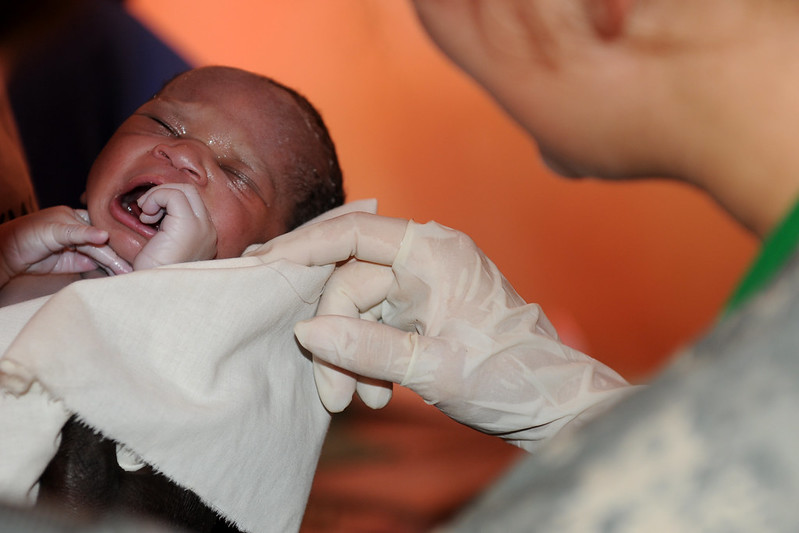 Newborn and maternal mortality remain major global health challenges, particularly in sub-Saharan Africa, where nearly 50% of the world’s perinatal deaths occur. While the global maternal mortality rate stands at 211 deaths per 100,000 live births and the newborn mortality rate at 18 deaths per 1,000 live births, Tanzania faces higher rates—556 maternal deaths per 100,000 and 25 newborn deaths per 1,000 live births. Norwegian-backed nonprofit Laerdal Global Health has partnered with Haydom Lutheran Hospital in Tanzania and Stavanger University Hospital in Norway to address these disparities since 2012. Together, they have worked on solutions through research and innovation to save lives during childbirth.
The Safer Births Bundle of Care Program
The Safer Births Bundle of Care (SBBC) program combines simulation-based training and medical innovations to reduce newborn and maternal mortality. Over a decade and 150 research studies have informed its development. Originally launched across 30 health facilities in Tanzania, SBBC is a collaborative effort involving Laerdal Global Health, UNICEF Tanzania, the Tanzanian Ministry of Health and the President’s Office for Regional and Local Government.
The “bundle” refers to their four-step approach: training innovations, clinical innovations, sustainability and scalability and continuous quality improvement. SBBC’s training innovations showcase the effectiveness of simulation-based training. The SimBegin training program, a combination of online learning and on-site training, trains facilitators to run simulation scenarios, mentors to support the implementation of simulation training and faculty to train new facilitators and mentors.
Essential tools used in training include:
-
NeoNatalie Live. A newborn resuscitation manikin for practical simulations.
-
MamaNatalie. A wearable simulator that helps health care workers practice postpartum hemorrhage management.
-
Moyo Fetal Heart Rate Monitor. For fetal heart monitoring during labor.
-
NeoBeat Heart Rate Meter. Helps assess newborns’ heart rate quickly to distinguish between asphyxia, hypoxia or stillbirth.
-
Upright Bag Mask. A resuscitation tool for nonbreathing newborns.
Recent Findings in Tanzania
In a 2025 study published by the New England Journal of Medicine, researchers observed a 40% reduction in neonatal deaths and a 75% reduction in maternal deaths following SBBC implementation. These outcomes were drawn from data collected across 300,000 mother-baby pairs recorded in the 30 hospitals.
The analysis found that the estimated risk of death during the perinatal period—defined as 22 weeks of gestation to seven days after birth—was 18% lower following the implementation of SBBC. This overall decline was largely driven by a nearly 40% reduction in neonatal deaths within the first 24 hours after birth.
The decline has been linked to training on newborn resuscitation using the NeoBeat heart-rate monitor and the Upright resuscitator. Frequent simulation practice appears to have improved health care workers’ preparedness and efficiency during the “golden minute” after birth, when it is critical to ensure the baby begins breathing independently.
Scaling Beyond Tanzania
Initially rolled out in five Tanzanian regions—Manyara, Tabora, Geita, Shinyanga and Mwanza—the SBBC program now operates in 150 facilities. Its success has gained attention beyond Tanzania’s borders. As of 2025, Nigeria has begun introducing SBBC in the Borno and Gombe states. Ethiopia has also expressed interest in adopting the model.
Looking Ahead
The success of the Safer Births program illustrates the potential of targeted training, low-cost innovations and international cooperation. With continued investment and adaptation across low-resource settings, SBBC could support efforts to lower maternal and newborn mortality rates across the Global South. Programs like these reveal that scalable, evidence-based solutions could drive long-term health outcomes in underserved communities.
– Sandhya Mathew
Sandhya is based in Los Angeles, CA, USA and focuses on Global Health for The Borgen Project.
Photo: Flickr
