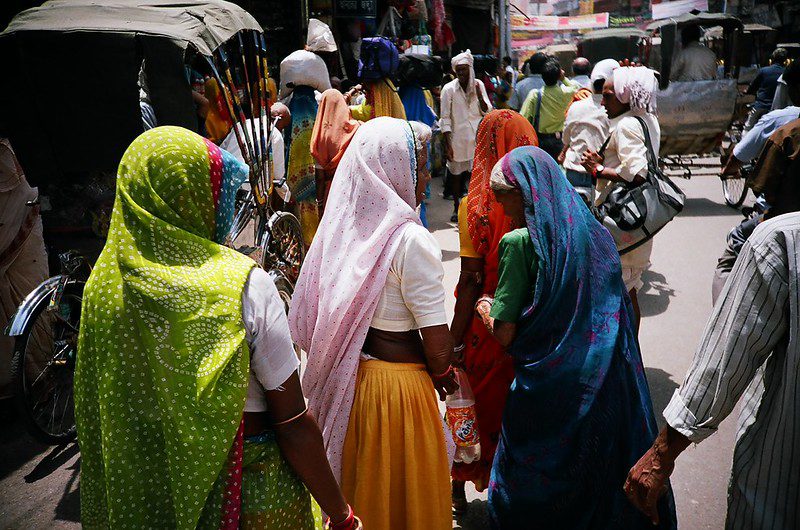
 More than 800 million women and girls bleed from menstruation each day. However, cases of period poverty across South Asia remain high. For example, in India, estimates show that period poverty affects around 40% of women. In other countries, like Bangladesh, according to WaterAid, period poverty impacts 94% of the female population as a result of unsuitable “menstrual hygiene management (MHM)” and provisions due to ingrained stigmas and poor menstrual health facilities, leaving women and girls to suffer with economic and social impacts.
Particularly in schools, MHM sees 32% of girls who experience a period saying that they would not use school toilets due to poor facilities and stigma. This translates to 40% of girls missing out on school due to their periods. However, across the region, initiatives, including Bollywood celebrities and influencers, are stepping up to challenge these barriers, leveraging their influence to address period poverty and reshape attitudes through events and awareness.
Bollywood’s Neha Dhupia’s GoFlo Run
The cultural powerhouse that is Bollywood has become a crucial tool for advocacy in the fight against period poverty across South Asia. Actress Neha Dhupia’s “GoFlo Run” held its inaugural event in Mumbai in December 2024 to tackle period poverty by blending physical activity with public awareness. The event drew thousands of women, alongside prominent Bollywood figures such as actor Sonu Sood and actress Soha Ali Khan. Neha said of the event that she felt they had “taken a baby step towards creating a healthier world for women and girls.”
Participants at the event began with a Zumba warm up and then went on to run anywhere from three to 10 kilometers as a way of raising awareness and engendering a supportive environment, with runners highlighting how taboos and lack of menstrual hygiene facilities contribute to young girls dropping out of school and the need to normalise conversations about menstrual health.
By marrying Bollywood’s cultural influence with grassroots efforts, such initiatives amplify the message that menstruation is not a barrier but a stepping stone to empowerment. Beyond this, larger organisations, such as UNICEF, are partnering with South Asian influencers to further awareness and combat period poverty across South Asia, including in India and Bangladesh.
The Red Dot Challenge
With the support from UNICEF, Diipa Khoosla partnered with the Red Dot Challenge campaign to raise awareness and dismantle misconceptions about menstruation, with research showing that less than 30% of girls in India learn about periods before their first cycle. The initiative highlights the urgent need for education, whilst the campaign’s annual celebration, with the support of influencers and celebrities, sparks conversation about ongoing challenges, especially in rural areas. Underscoring the importance of continued dialogue and community involvement, those who partake in the event hope that the Red Dot can one day be transformed “from a challenge to be overcome into a celebration to be embraced.”
Stop the Stigma
Complementary programs, such as Water Aid’s “Stop the Stigma” in Bangladesh, also address period poverty across countries in South Asia. This scheme tackles the issue at the grassroots level. The project focuses on 10-24-year-old girls and women to empower them through education, whilst engaging male family members and the wider community to foster acceptance and challenge stigmas. The project uses technology to give advice and support about menstrual health and hygiene through an app, currently in 12 schools, and has, so far, helped more than 12,000 girls facing inadequate facilities and education. Many of these initiatives have impacts beyond improving period poverty, as, in the long term, they can see economic improvements for individuals and communities.
From Period Poverty to Economic Empowerment
Period poverty across South Asia can mean many things, including inadequate access to period products. For example, in Bangladesh, more than 50% of women have no access to clean period products, however, organizations like Cordaid are training women in rural areas to produce reusable sanitary pads using surplus fabric. Initiatives like this do not just provide a sustainable solution to overcoming menstrual hygiene barriers, they also help to provide a livelihood for women and normalize menstruation as a health concern, rather than a taboo.
So far, this entrepreneurial model has trained women from 12 different districts in Bangladesh, helping them to not only generate income —trainees earn approximately $110 monthly— but also allowing them to move forward as entrepreneurs to train other women — both expanding the initiative and the economic advantages.
Furthermore, school-based interventions such as pad banks facilitate menstrual equity among students, reducing absenteeism and breaking cycles of stigma. The success of such practical, scalable programs underscores the role of community-driven solutions in combating period poverty across South Asia, and the role that breaking period poverty can have on improving the economic landscape, both in Bangladesh and across the wider region of South Asia.
Period Poverty in South Asia
Bollywood is considered to be a driving force behind India’s “soft power” and, therefore, an effective tool in raising awareness about social issues like period poverty in India and across South Asia. Whilst challenges persist, UNICEF states that as a result of different initiatives, information is freer, with campaigns giving way to more accepting attitudes, including seeing more menstrual products being openly promoted on TV, and shops being able to sell products without feeling the need to conceal them.
The collaboration between Bollywood-led initiatives and grassroots campaigns exemplifies a holistic approach to menstrual equity. While celebrities like Neha Dhupia use their platforms to spotlight the issue, community-led efforts in Bangladesh demonstrate how local engagement drives meaningful change. Together, these movements challenge societal norms and foster a more accepting dialogue around menstruation by raising awareness using celebrityhood, whilst putting practical methods in place to empower every woman and girl across South Asia, and pull them out of period poverty, once and for all.
– Amber Lennox
Amber is based in Suffolk, UK and focuses on Good News and Celebs for The Borgen Project.
Photo: Flickr

Bollywood and Beyond: Period Poverty Across South Asia
Particularly in schools, MHM sees 32% of girls who experience a period saying that they would not use school toilets due to poor facilities and stigma. This translates to 40% of girls missing out on school due to their periods. However, across the region, initiatives, including Bollywood celebrities and influencers, are stepping up to challenge these barriers, leveraging their influence to address period poverty and reshape attitudes through events and awareness.
Bollywood’s Neha Dhupia’s GoFlo Run
The cultural powerhouse that is Bollywood has become a crucial tool for advocacy in the fight against period poverty across South Asia. Actress Neha Dhupia’s “GoFlo Run” held its inaugural event in Mumbai in December 2024 to tackle period poverty by blending physical activity with public awareness. The event drew thousands of women, alongside prominent Bollywood figures such as actor Sonu Sood and actress Soha Ali Khan. Neha said of the event that she felt they had “taken a baby step towards creating a healthier world for women and girls.”
Participants at the event began with a Zumba warm up and then went on to run anywhere from three to 10 kilometers as a way of raising awareness and engendering a supportive environment, with runners highlighting how taboos and lack of menstrual hygiene facilities contribute to young girls dropping out of school and the need to normalise conversations about menstrual health.
By marrying Bollywood’s cultural influence with grassroots efforts, such initiatives amplify the message that menstruation is not a barrier but a stepping stone to empowerment. Beyond this, larger organisations, such as UNICEF, are partnering with South Asian influencers to further awareness and combat period poverty across South Asia, including in India and Bangladesh.
The Red Dot Challenge
With the support from UNICEF, Diipa Khoosla partnered with the Red Dot Challenge campaign to raise awareness and dismantle misconceptions about menstruation, with research showing that less than 30% of girls in India learn about periods before their first cycle. The initiative highlights the urgent need for education, whilst the campaign’s annual celebration, with the support of influencers and celebrities, sparks conversation about ongoing challenges, especially in rural areas. Underscoring the importance of continued dialogue and community involvement, those who partake in the event hope that the Red Dot can one day be transformed “from a challenge to be overcome into a celebration to be embraced.”
Stop the Stigma
Complementary programs, such as Water Aid’s “Stop the Stigma” in Bangladesh, also address period poverty across countries in South Asia. This scheme tackles the issue at the grassroots level. The project focuses on 10-24-year-old girls and women to empower them through education, whilst engaging male family members and the wider community to foster acceptance and challenge stigmas. The project uses technology to give advice and support about menstrual health and hygiene through an app, currently in 12 schools, and has, so far, helped more than 12,000 girls facing inadequate facilities and education. Many of these initiatives have impacts beyond improving period poverty, as, in the long term, they can see economic improvements for individuals and communities.
From Period Poverty to Economic Empowerment
Period poverty across South Asia can mean many things, including inadequate access to period products. For example, in Bangladesh, more than 50% of women have no access to clean period products, however, organizations like Cordaid are training women in rural areas to produce reusable sanitary pads using surplus fabric. Initiatives like this do not just provide a sustainable solution to overcoming menstrual hygiene barriers, they also help to provide a livelihood for women and normalize menstruation as a health concern, rather than a taboo.
So far, this entrepreneurial model has trained women from 12 different districts in Bangladesh, helping them to not only generate income —trainees earn approximately $110 monthly— but also allowing them to move forward as entrepreneurs to train other women — both expanding the initiative and the economic advantages.
Furthermore, school-based interventions such as pad banks facilitate menstrual equity among students, reducing absenteeism and breaking cycles of stigma. The success of such practical, scalable programs underscores the role of community-driven solutions in combating period poverty across South Asia, and the role that breaking period poverty can have on improving the economic landscape, both in Bangladesh and across the wider region of South Asia.
Period Poverty in South Asia
Bollywood is considered to be a driving force behind India’s “soft power” and, therefore, an effective tool in raising awareness about social issues like period poverty in India and across South Asia. Whilst challenges persist, UNICEF states that as a result of different initiatives, information is freer, with campaigns giving way to more accepting attitudes, including seeing more menstrual products being openly promoted on TV, and shops being able to sell products without feeling the need to conceal them.
The collaboration between Bollywood-led initiatives and grassroots campaigns exemplifies a holistic approach to menstrual equity. While celebrities like Neha Dhupia use their platforms to spotlight the issue, community-led efforts in Bangladesh demonstrate how local engagement drives meaningful change. Together, these movements challenge societal norms and foster a more accepting dialogue around menstruation by raising awareness using celebrityhood, whilst putting practical methods in place to empower every woman and girl across South Asia, and pull them out of period poverty, once and for all.
– Amber Lennox
Photo: Flickr
How Living Goods is Saving Lives in Sub-Saharan Africa
The Story of Living Goods
Established in 2007, Living Goods is the brainchild of businessman Chuck Slaughter. In 1987, Slaughter’s interest in creating social impact was sparked by a newspaper article about the microfinance organization Trickle Up. Eager to make a difference, he gained employment in the company as a program officer, visiting India, Nepal and Indonesia, where he saw firsthand how small-scale entrepreneurship could change lives.
After earning his Master’s degree at Yale, Slaughter took his business acumen to the travel industry, launching TravelSmith. This mail-order travel gear company skyrocketed to $100 million value in sales. After the company was bought in 2004, a chance encounter stumbled Slaughter onto The Health Store/CFW shops, a chain of franchised drug stores in Kenya. Intrigued by the idea of bringing healthcare directly to underserved communities, he envisioned a new model that empowered community health workers to deliver essential care right to people’s doorsteps.
Use of Technology
Living Goods integrates its services with technology to provide the best utilities. Each community health worker has access to a mobile app that helps them organize their daily tasks and responsibilities. It also includes information on what treatments to provide, eliminating the need for hefty medical training and allowing the charity to employ as many workers as possible.
The app also allows patients to connect with nearby workers and call on them for a service. This system addresses citizens’ medical needs, especially in countries like Uganda, where the NGO operates, where there is only one doctor for every 25,000 people, far below the recommended ratio of one healthcare professional per 1,000 individuals.
Programs
Living Goods boasts several programs, including vaccinations, healthy pregnancies and emergency response to outbreaks. Using their health app, community workers can track what children need immunizations and who are up-to-date. The software also sends mothers reminders when their children’s vaccinations are expiring. Community workers also help educate parents. After Living Goods’ vaccination program started in 2019, more than 80% of parents stated that they gained new knowledge about immunization from their employees.
Living Goods community health workers regularly go on home visits for pregnant women. They aim to make sure future mothers attend all necessary antenatal check-ups and deliver their babies in healthcare facilities. They play a key role in early pregnancy identification, provide maternal health and nutrition education and enroll women to receive automated text messages with timely, pregnancy-related guidance.
During the Ugandan Ebola outbreak of 2022, Living Goods took many preventive measures to ensure the virus didn’t spread further. The nonprofit conducted specialized training sessions for field staff and community health workers to identify Ebola symptoms and implement prevention strategies. Workers also received SMS notifications every two days, reinforcing key information about the virus. It also gave out protective equipment such as soaps, gloves, aprons and masks to areas facing the highest exposure. Living Goods also created and delivered more than 110,000 leaflets regarding the virus to increase public awareness.
Final Remarks on Living Goods
Living Goods is making a real difference in healthcare across sub-Saharan Africa. The organization helps deliver essential services directly to people’s homes by equipping community health workers with simple digital tools. Its efforts have expanded access to care in areas with limited medical infrastructure. With a focus on practical solutions and local impact, Living Goods is helping build healthier futures in some of the region’s most underserved communities.
– Mustafa Tareen
Photo: Flickr
Hope for Haitians: Baking a Brighter Future
This initiative, supported by the HELP Foundation and Village Leadership Councils (VLC), helps people in seven rural villages acquire jobs, providing job security while creating self-reliance in both the economy and food sources. This initiative can have a significant impact, as unemployment in Haiti affects about 15% of the population, nearly three times the global average.
Sustainable Partnership
Hope for Haitians and Au Bon Pain de Ton-Ro have similar goals, with Hope for Haitians respecting Au Bon Pain de Ton-Ro’s position as a locally owned business. Hope for Haitians provides the necessary funding to improve the bakery’s facilities, buy equipment and provide vocational training, ensuring the future success of this baking initiative in Haiti.
The bakery provides at least two jobs in each village, baking food for Hope for Haitians-VLC to sell and training employees to continue developing their skills. The main focus is long-term economic growth, which is accomplished through building job skills to keep the bakery operating while ensuring the success remains within the local economy.
Empowering Communities
This baking in Haiti project offers workers leadership roles and economic opportunities, fostering a sense of empowerment for people who struggle with poverty. Although Hope for Haitians-VLC provides operational and managerial support, each village has complete control over selling the bakery’s goods, helping workers earn locally.
The project uses a revenue-sharing system to support sellers and to give back to each community. Local sellers earn 5% of the sales; another 5% goes to schools, health care or public services. The project also creates jobs beyond the bakery, with workers receiving vocational training to acquire skills to participate in other business ventures.
This allows the workers to improve their baking skills while creating future opportunities in Haiti’s growing food industry. Infrastructure upgrades such as new ovens, milling equipment and distribution vehicles ensure the continued success of this initiative.
Overcoming Challenges
All parties involved understand that large projects come with risks and Hope for Haitians has pledged to use its resources to support the villages’ ongoing economic development. The organizations have implemented measures to ensure bakeries operate safely and efficiently, addressing challenges as they arise.
For example, if a village faces distribution issues, the bakery and Hope for Haitians-VLC work together locally to identify and resolve the problem, preventing it from affecting the broader operation. Additionally, contingency plans are in place for potential shutdowns or unexpected disruptions. This thoughtful approach reflects Hope for Haitians’s dedication to the community’s long-term success.
The Future
The bakery represents progress and hope for the future, showing how people living in poverty can become successful if given the right opportunities and support. Hope for Haitians is promoting a future founded on long-term growth by funding local companies rather than managing from outside.
As the project grows, its impact reaches beyond baking and distributing bread. It demonstrates how companies and nonprofits can work together to strengthen impoverished communities and help them escape poverty. The initiative allows Haiti’s rural areas to become more self-sufficient by focusing on local leadership and building community relationships.
– Rafe Photopoulos
Photo: Pexels
4 Facts about Hunger in Sweden
4 Facts About Hunger in Sweden
Hunger in Sweden is low in comparison to other nations. Additionally, the country works through partnerships, organizations and networks to battle food insecurity on a global level.
– Staff Reports
Photo: Flickr
K-Pop in Kenya: Boosting Youth and Economic Opportunities
Cultural Enrichment in Education
The growth of K-pop in Kenya has given way to various education initiatives in the country. One example is the rise in the use of the King Sejong Institute. This online platform reaches worldwide and is supported by the South Korean government. As a result of their interest in K-pop, Kenyan students are using this platform to learn the Korean language and immerse themselves in Korean culture, including gaining further exposure to K-pop, Korean TV (K-dramas) and cuisine.
Kenyan university student Pe Arlkh shared on the K-pop fansite KCrush how learning Korean through K-pop-inspired programs created new opportunities. These experiences allowed them to study Korean cuisine in South Korea. This, in turn, opened doors to better educational and professional prospects, helping to break cycles of poverty.
Economic Impact
Beyond their experiences learning Korean and studying in South Korea, Pe Arlkh explained that they could return to Kenya. As a result of the growing love for K-pop in Kenya, they established a platform to share their experiences with K-pop and Korean culture. This led them to organize cultural events and teaching experiences. These opportunities help individuals to empower each other and to generate their income, increasing their chances of economic freedom.
Additionally, the growing popularity of K-pop in Kenya is boosting the country’s economy in several ways. The demand for K-pop music has led to an increase in vendors selling merchandise and organizing K-pop events. This trend has created new income opportunities for locals, allowing them to turn their passion into a sustainable livelihood and increase their economic participation.
K-Pop Fest KE: A Creative Platform
Events celebrating K-pop in Kenya and contributing to the economy are rising. For instance, the inaugural K-Pop Fest KE in 2024 was a landmark event showcasing the power of music and culture to inspire creativity among Kenyan youth. Hosted at Hillcrest International Schools in Nairobi, the festival featured live K-pop dance performances, interactive K-drama sessions and K-beauty demonstrations, attracting more than 300 attendees.
Events like this encourage young people to explore new creative outlets and foster a sense of belonging, helping to amplify their aspirations. The K-Pop Fest KE has bolstered this trend, with merchandise booths and vendor participation enhancing local economic activity.
Broader Social Impacts
The social impact of K-pop in Kenya goes beyond education and the economy. With increasing internet penetration and cultural divides shrinking through social media, Kenyan youth are more connected to global cultures than ever. The K-pop fandom in Kenya has a unique community-building power, making individuals feel part of something larger. This sense of belonging helps them encourage each other in their educational and professional pursuits while combating feelings of isolation.
The movement of K-pop in Kenya is a clear example of how the sharing of cultures can transcend entertainment to impact education, professional development and economic empowerment. Through creative programs, events like K-Pop Fest KE and entrepreneurial ventures, K-pop has opened pathways for young Kenyans to embrace confidence, pursue education and achieve sustainable livelihoods. Its ability to foster connection and inspire growth highlights the transformative power of cultural exchange.
– Amber Lennox
Photo: Flickr
5 Charities in South Africa
Mothers2Mothers
Mothers2Mothers gives mothers who have contracted HIV the opportunity to help their community and others by providing them with jobs as healthcare workers and mentors. It intends to cut down on the gender wage gap and, at the same time, provide essential and much-needed health care to the population of South Africa. Established in 2001, the nonprofit has employed more than 12,000 women living with HIV. In addition to providing employment, the organization is dedicated to slowing the spread of HIV.
ActionAid
ActionAid is a social justice organization that aims to uplift those in poverty and ensure that those who might not have a voice still have equality. As part of a global network operating in 45 countries, including South Africa, ActionAid supports rural communities through development initiatives and advocacy for equal rights. Rather than working in isolation, the organization collaborates with local communities and smaller organizations to promote equality and empower people across South Africa.
Keep The Dream196
Keep The Dream196 is a nonprofit organization dedicated to helping women, children and families in South Africa break the cycle of poverty by equipping them with essential skills and resources to improve their lives. Recognizing the increasing challenges faced by children, such as limited access to education, rising HIV rates and teenage pregnancy, Keep The Dream196 stepped in to address these critical issues and create lasting, positive change in communities.
The organization has successfully kept the children involved in its program out of gangs and away from drug and alcohol abuse, along with reducing the teenage pregnancy rate from 13% to 0.07%.
Feed the Nation
Food insecurity remains a pressing issue in South Africa, especially after the COVID-19 pandemic. Feed the Nation rose to meet this challenge by delivering essential food and hygiene products to some of the country’s most vulnerable communities. In April 2020, it partnered with organizations like Pick n Pay School Club and Africa Tikkun, successfully distributing 650 tonnes of food. It has provided more than 39 million meals to families and communities in need across South Africa.
Qhubeka
Many communities in South Africa face a lack of reliable transportation, with about eight million children in South Africa walking to school every day. This transportation barrier places a heavy burden on families and individuals, contributing to the cycle of poverty. Qhubeka addresses this issue by offering children the opportunity to earn bikes after completing a safety and training program. The impact is particularly notable among children, as school attendance rates improve significantly when they have easier access to and from school.
Conclusion
These charities are helping to break the cycle of poverty in South Africa by providing essential resources, empowering communities, and fostering lasting change for vulnerable populations.
– Collier Simpson
Photo: Pexels
5 Things To Know About Femicide in Honduras
Femicide in Honduras
Femicide is one of the leading causes of death among adult women in Honduras. Despite awareness of this alarming trend, authorities often fail to take sufficient action. An estimated 90% of femicide cases go unpunished.
Many women who attempt to report abuse or domestic violence are not taken seriously, further discouraging victims from seeking help. This lack of response has only fueled the rise in femicide, as impunity and inaction continue to perpetuate the crisis.
Gender-Based Violence
Honduras is considered one of the most challenging places to live as a woman, with gender-based violence widespread across the country. In 2022 alone, 297 women were killed and between 2016 and 2022, a total of 2,264 women lost their lives to such violence.
Impoverished Women Suffer More
Femicide disproportionately affects impoverished women. In poor neighborhoods, police often dismiss complaints and judicial corruption stifles justice, with only 20–30% of women using state services due to distrust.
A mother in Cortes, living in poverty, reported her gang-affiliated ex-partner’s threats. However, police inaction left her vulnerable, illustrating how economic disadvantage compounds the lack of punishment for people who commit femicide.
Weak Law Enforcement
Laws have been enacted in an effort to address the issue, but impoverished women remain vulnerable. Legislation such as the 2006 Domestic Violence Law was designed to offer protection. However, weak enforcement, particularly in low-income areas, has limited its impact. Still, there is cautious optimism, as the president of Honduras has pledged to focus more on women’s rights and the fight against gender-based violence moving forward.
Hope for the Future
There is hope for the future. Movimiento de Mujeres de la Colonia López Arellano (MOMUCLA) is a grassroots organization that has spent years advocating for women’s rights in northern Honduras. In Choloma, the city where it primarily operates, the number of femicides dropped significantly, from 38 cases in 2019 to 13 in 2020, demonstrating the potential impact of sustained local efforts. This organization targets low-income neighborhoods affected by gangs, helping those who are not receiving help from the government.
Conclusion
Femicide in Honduras remains a widespread and deeply rooted issue. Furthermore, femicide disproportionately affects low-income women who often lack the resources to escape dangerous situations, sometimes with fatal consequences. While some measures have been implemented to curb gender-based violence, they have benefited mainly women with greater financial means. Unfortunately, this leaves those in poverty underserved and unprotected.
However, there is hope. A growing number of organizations are stepping up to support low-income women impacted by gender-based violence, working to provide protection, resources and a path toward justice.
– Sydney Carr
Photo: Pexels
Little-Known Facts About Child Poverty in Iraq
Health
According to the United Nations Children’s Fund (UNICEF), one in five children in Iraq suffers from stunted growth due to chronic malnutrition, a serious issue with long-term impacts. Malnourishment not only threatens children’s survival and physical development but also poses lasting risks to their cognitive abilities and academic performance.
Postnatal breastfeeding practices are extremely low and stand at 19.6%, with most infants receiving additional milk and other liquids shortly after birth. Continuation of breastfeeding is poor, with only 22.7% of mothers reporting offering breast milk until the child reaches 24 months. In Iraq’s previous state of insecurity and population displacement, good child-feeding practices are in even more jeopardy.
Education
Education in Iraq is free and mandatory until the age of 12. However, inadequate facilities and overcrowded classrooms hinder children from receiving a quality education. Additionally, children with disabilities and those who are displaced often lack access to schooling altogether.
Ongoing instability in the country has further undermined the right to education, with several primary and secondary schools forced to shut down and more than 20 schools reportedly demolished. Furthermore, out-of-school children are more vulnerable to exploitation and abuse, including child labor, recruitment by armed actors and early marriage.
Technology
In partnership with the Government of Iraq (GoI) and UNICEF’s Office of Innovation, UNICEF Iraq is exploring innovative approaches to measure poverty beyond traditional methods. This includes analyzing alternative data sources such as mobile phone data and satellite imagery and incorporating high-frequency surveys.
The goal is to determine whether call detail records (CDRs) and satellite images can effectively predict poverty levels. Once a reliable model is developed, it can be used to monitor and update child poverty estimates across Iraq regularly.
COVID-19
A global consensus emerged recognizing the devastating socioeconomic impact of the COVID-19 crisis and Iraq was no exception. The country experienced widespread job losses and rising prices, which led to increasing poverty levels. In addition, disruptions to essential services further deepened household deprivation and vulnerability.
Children and adolescents, who accounted for more than half of Iraq’s population, were particularly affected. They bear the brunt of growing poverty, service interruptions and heightened family stress caused by the pandemic.
In response to the pandemic outbreak in Iraq, the World Bank approved more than $33 million to support the country’s effort in ” preventing, detecting and responding to the COVID-19 pandemic.” Additionally, the United Nations World Food Program (WFP) launched new programs to support Iraq’s vulnerable population, especially women and children.
Conclusion
Child poverty in Iraq remains a significant and complex challenge, exacerbated by economic instability and disruptions to essential services. While efforts are being made to address these issues, such as innovative data collection methods and initiatives to improve education and health care, the road to meaningful progress is long. Nonetheless, step by step and in collaboration with international organizations such as the World Bank and WFP, Iraq can effectively tackle its child poverty challenge.
– Dania Kerim
Photo: Pexels
Aircrafted KIDS: Transforming Aircraft Interiors into Schoolbags
From Cabins to Classrooms
Aircrafted KIDS represents a pioneering fusion of sustainability and education. In August 2022, Emirates launched the world’s largest retrofit project – a $2 billion investment to fully refit 191 aircraft, including 110 Airbus A380s and 81 Boeing 777s. While the primary goal was to elevate the passenger experience, the initiative also presented a unique opportunity to repurpose up to 50,000 kilograms of waste materials from cabin interiors.
For example, the retrofitting of 22 Airbus A380s generated more than 5,205 kilograms of materials – primarily seat fabrics composed of 95% wool and 5% nylon, according to Emirates Airline. These textiles, known for their durability and non-flammability, proved ideal for upcycling into functional, child-friendly schoolbags.
Rather than simply sending the scrap material to a landfill, Emirates Engineering established a dedicated workshop where skilled tailors repurposed the recovered fabrics into a diverse range of handcrafted backpacks for children of all ages. Collaborating closely with Emirates’ Corporate Communications, Marketing and Brand team, the initiative identified charitable organizations, schools, orphanages and community foundations to receive the bags – each one thoughtfully filled with essential school supplies. This project not only significantly reduces waste from aircraft refurbishments but also reinforces Emirates’ broader mission to support education and community wellbeing.
Impact in Africa
Nearly a year since its launch, the impact of the Aircrafted KIDS initiative continues to grow. Emirates partnered with six organizations across Africa to deliver more than 1,300 handcrafted schoolbags, each filled with carefully curated items such as stationery, calculators, water bottles, hygiene items, lunchboxes, and other educational essentials—alongside books by local authors that offer culturally rich stories and interactive learning experiences.
In Zimbabwe, Emirates partnered with St Marcellin’s Children’s Village Trust and Rose of Sharon, two non-profit organizations dedicated to supporting vulnerable children. The airline collaborated with the Kucetekela Foundation in Zambia, which supports academically gifted students from underprivileged backgrounds, and the Alliance for Children Everywhere (ACE), which focuses on empowering families through education and economic support – donating 464 special edition schoolbags.
In Ethiopia, Emirates joined forces with Bravehearts Ethiopia, an NGO championing access to quality education, and Roots Ethiopia, which supports rural education initiatives across the country – donating 450 Aircrafted KIDS bags to children in need.
Emirates’ Country Manager in Zambia, Omar Bushlaibi, reflected on the parallel between education and travel, highlighting how both broaden perspectives and drive societal development. He reaffirmed the airline’s long-standing commitment to Zambia since commencing operations in 2012, emphasizing not only its ongoing efforts to expand services but also its dedication to making a meaningful contribution to local community development. Bushlaibi’s words reflect Emirates’ strong sense of social responsibility and its commitment to creating a positive impact in the destinations it serves.
Impact in Asia
Following its donations in Africa, Aircrafted KIDS extended its impact across Asia, distributing 700 handcrafted schoolbags filled with essential supplies to support students in their daily learning and enrich their educational experience.
In India, Emirates teamed up with the Smile Foundation, an organization supporting children aged 6 to 14 through education, health care and livelihood programs. Together, they distributed 400 practical and thoughtfully designed backpacks to students in New Delhi to support their academic journey.
In Bangladesh, Emirates partnered with Kanan, Thikana (Shelter Home), and Ahsania Mission Shishu Nagari—three Dhaka-based organizations that provide shelter and education for women and children. With 187 backpacks donated, Emirates is supporting ongoing efforts to reform the country’s education system and promote equal opportunities for all children. Meanwhile, in Pakistan, Emirates collaborated with SOS Children’s Villages, a world-renowned organization that offers care and education to underprivileged youth.
The next destination for the Aircrafted KIDS schoolbag initiative is Egypt, with additional locations across the MENA region set to follow soon.
Final Thoughts
Education is a fundamental right and a powerful catalyst for societal progress, forming the bedrock of economic empowerment and ensuring that the next generation is equipped with the tools required to create a more prosperous future. Nevertheless, according to UNESCO, 251 million children and young people are currently out of school, with more than half living in sub-Saharan Africa—a situation further compounded by the ongoing challenges many children face in accessing the resources and opportunities needed to reach their full potential.
Aircrafted KIDS exemplifies the innovative possibilities that arise when business and humanitarian values intersect, demonstrating that these two forces need not be in opposition; instead, they can work together to create solutions that benefit both the economy and society.
– Charlotte Codd
Photo: Flickr
Musician Aim to Save One of the First Soup Kitchens in Uganda
People who live with serious food insecurity often eat one small meal and sometimes go days without food. However, the meals they do eat are not nutritious enough to support them. Children suffer the most as they are susceptible to stunted growth, anemia and cognitive delays due to the lack of proper nutrition. Unfortunately, to cope with this suffering, people pull kids from school to save money. They work on farms that do not provide a reliable income. Drought, poverty and disease are factors that plague farms’ potential to flourish. The communities that have support systems, such as local non-government organizations (NGO) help distribute food, but often the demand is far greater than the supply.
Helping to Feed the Streets
Feed the Streets Foundation, founded by Nakimera, is a small organization based in Kampala, Uganda, and it provides shelter to the homeless and hungry. Open every Sunday and Wednesday, they serve food to about 400-500 children and mothers, according to GoFundMe. Her efforts are exceptional considering that the national poverty line is at 20.03% and 42.12% of the population survives with $2.15 a day. Her foundation also administers counseling and rehabilitation that gives people with addiction the help they need.
Grace Nakimera grew up in the same area where her campaign lies. Born in 1985, the artist was introduced to music at a young age, performing at talent shows around her city at 7. With continuous hit singles penetrating the music scene, she became a household name in her home country. Her strong faith in God has allowed her to persevere through her childhood struggles, dealing with where to find her next meal and she has promised to help others in the same situation, according to GoFundMe. As she continues to raise £100,000 to save one of the first soup kitchens in Uganda, she is fulfilling her promise.
Her foundation has aimed to address hunger and malnutrition among the children of Uganda, serving many families. Through its soup kitchen in Uganda, they provide stability and shelter for the homeless and reach out to vulnerable children, ensuring they don’t go hungry. Moreover, they alleviate their general well-being by teaching instrumental skills to develop and sustain a small business. They offer training in baking, farming, mechanics, music and cosmetic care to equip them with helpful and independent prowess.
The Benefits of the Funds
Feed the Streets Foundation aims to use £100,000 to buy a farm and grow its own food, having proper shelter to accommodate the children and bringing in experts to teach people skills useful in their lives (farming, cooking, mechanical skills, etc.). It also hopes to feed up to 1,000 individuals, doubling the number they feed now, according to GoFundMe. The foundation’s current facility is rented and modest, which hinders their goals of expanding the program and serving that number of children. This creates significant challenges due to limited financial resources.
Sustaining a food bank in Uganda has difficult restraints that foundations like Feed The Streets often face. Uganda lacks a strong culture of structured food relief. It relies mainly on external funding, which can be inconsistent and unreliable. Also, NGOs struggle because of the limited government support, forcing them to rely on undiversified funding sources. The rising food cost, high demand and limited infrastructure make it challenging to provide consistent meals and soup kitchens are extremely vulnerable to inflation and food waste. Navigating through this constant struggle, even with projects with a deep community impact, is hard, causing a lack of awareness around food kitchens.
Soup Kitchens in Uganda
One of the first soup kitchens in Uganda is a rare lifeline for families in a city where hunger goes unseen. Its efforts create a defining spotlight on Uganda’s support system and systemic food insecurity, which highlights its major problems. Without its urgent donations and funding, it could be forced to shut down, leaving hundreds of individuals without the help they have come to depend on. Whether it be for food, shelter or overall health improvement, the loss of it could significantly damage them. Nakimera shows that caring enough to act can prove that lasting change doesn’t need to start in a large institution, which is why her work is so important.
– Kassandra Ticas
Photo: Flickr