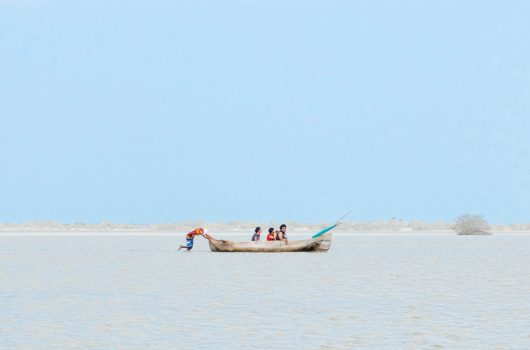
Despite their impressive economic growth in recent years, the impoverished, southeast Asian nation of Cambodia still struggles to treat diseases. The small country of 15 million, which lies between Thailand and Vietnam, has received very impactful aid from the U.S. for more than 50 years. Unfortunately, diseases in Cambodia can be detrimental to preventing and alleviating severe poverty.
High rates of malnutrition and extreme income inequality — not to mention a health system that crumbled during years of war — exacerbate many persistent public health issues, including a variety of menacing diseases. Here are some of the top diseases in Cambodia and what progress the government and health organizations have made in fighting them.
Malaria
Cambodia is tropical and rainy and dense jungles cover much of the countryside. With a monsoon season that can last five months, Cambodia has a climate and geography that are perfect for mosquito-borne diseases — including malaria. The parasite is still a major killer in Cambodia and threatens the lives of young children. According to the latest WHO statistics, malaria is among the top 10 causes of death for kids under five.
While malaria remains one of the top diseases in Cambodia, the government has partnered with WHO and USAID to make significant progress in the fight against malaria, creating better disease surveillance and preparedness and reaching patients who live in rural areas. Since 1999, malaria deaths in Cambodia have been cut in half by such efforts.
Epidemiologists are concerned with the sheer burden of malaria as well as the intense drug resistance that seems to always develop in western Cambodia. According to Science AAAS, since the 50s, the Pailin province near Cambodia’s border with Thailand has been ground zero for multiple-drug resistant strains of malaria. Such outbreaks have threatened the region and the global fight against malaria.
It is not clear exactly why Pailin is so prone to drug-resistance but a multitude of reasons have been suggested. The region’s dense Cardamom Mountains make providing quality healthcare a great challenge and many migrant workers travel through the area hoping to find precious rubies, going under the radar of health organizations.
Scientists are on the frontlines of understanding the latest strains of drug resistance in Cambodia, but controlling such illusive outbreaks will likely take a huge effort and cooperation on the part of Cambodia and its neighbors.
HIV/AIDS
Cambodia experienced one of Asia’s worst HIV epidemics in the 90s and continues to grapple with the disease today. AIDS killed as many as 3,300 Cambodians last year, according to UNAIDS, and upward of 82,000 live with HIV currently. It is not uncommon for marginalized Cambodians to turn to commercial sex and other high-risk behaviors, which may contribute to the spread of the disease.
Nonetheless, the government and aid organizations have made progress in containing HIV and providing affordable treatment to many Cambodians. Infection rates have fallen by more than 50% in the past decade and almost all HIV patients have access to proper treatment. “Voluntary and confidential HIV testing and counseling are widely available free of charge,” for Cambodians, according to a press statement by UNAIDS from 2014, and “people living with HIV have access to free antiretroviral therapy across the country.”
The government continues to work with aid organizations to prevent the disease and help sick patients more efficiently and effectively. According to USAID, in Cambodia it is still “crucial to improve the quality and coverage of HIV/AIDS services while reducing their costs.”
Tuberculosis
According to the most recent data from WHO, tuberculosis (TB) is the second leading cause of mortality in Cambodia. USAID reports that TB kills about 13,000 citizens annually. Likewise, Cambodia has one of the highest rates of incidence of the TB bacterium, which roughly two-thirds of the population is estimated to carry.
While these statistics may seem bleak, Cambodia has exhibited phenomenal successes in alleviating the scourge of tuberculosis. USAID reports supporting 271 community-based health centers across the country that have successfully diagnosed and treated a vast majority of the 10,000 cases so far. WHO reported that in the nine years between 2002 and 2011, massive grassroots programs that made TB treatment free and accessible halved the prevalence of TB in the country.
Malaria, HIV/AIDS and tuberculosis are still some of the top diseases in Cambodia and pose real challenges for a country that is working hard to improve public health. But the success that Cambodia has exhibited in the fight against these diseases is a clear testament to what governments and international aid programs can achieve in the face of some of the world’s worst public health issues.
– Charlie Tomb
Photo: Flickr

Access to Hepatitis C Drugs Improves for Egyptian Patients
Three years ago, a 90% effective hepatitis C medication, called Sovaldi, was released by Gilead Sciences. A three-month round of treatment costs $84,000. Janssen Pharmaceuticals released its own drug, Simeprevir, at $66,000 per round of treatment, and other pharmaceutical companies like AbbVie and Zepatier charged similar prices as they released their own hepatitis C drugs.
Hepatitis C is a blood-borne disease that can lead to liver cirrhosis and liver cancer, as well as other neurological problems. Worldwide, there are four times as many patients infected with hepatitis C as there are with HIV. About 150 million people live with chronic hepatitis C and 500,000 people die of hepatitis C complications every year.
Before Gilead, Janssen and other companies developed their newer, more effective medications, hepatitis C patients were treated with ribivarin and interferon, an antiviral drug and an immune-system modulator. The drugs caused fatigue, nausea and depression, and after one year of treatment, only 50% of patients were cured.
The WHO added hepatitis C drugs to their list of essential medicines, which they update every two years and some pharmaceutical companies offered deals with low-income countries. Gilead, for example, sold Sovaldi for $900 per round of treatment in Egypt in 2014.
The Drugs for Neglected Diseases Initiative made a deal with an Egypt-based pharmaceutical company last spring to sell a highly effective drug combination for $300 per treatment round.
Hepatitis C is especially prevalent in Egypt, affecting over 10% of the population, because of a vaccination campaign in the 1960s and 70s where syringes were reused for multiple patients. The disease is so widespread that barbers wear gloves and use disposable razors. Hepatitis C has even been spread between family members through sharing toothbrushes and nail clippers.
However, 80% of new infections happen in medical centers; in response to these figures, UNICEF and the WHO are working with the Egyptian government to educate both clinicians and the general population about hepatitis C.
Many patients await treatment, but the Egyptian government anticipates treating 1 million people for hepatitis C in 2016. As the cost of treatment decreases and sterilization and infection control practices are improved, the presence of hepatitis C in Egypt and elsewhere will diminish.
– Madeline Reding
Photo: Flickr
Bridging the Global Youth Skills Gap
On July 15, the U.N. celebrated World Youth Skills Day. U.N. Secretary-General Ban Ki-moon called for sustained investment in youth skills to help achieve the 2030 Sustainable Development Goals. Across the world, a huge generation of young people is entering the workforce.
Unfortunately, many of them lack the skills necessary to have successful and engaging careers or even to be gainfully employed. Those aged 15-24 make up 40% of those unemployed worldwide, even though they only make up 18% of the global population. Many of those who are lucky enough to be employed are working jobs that provide little in the way of remuneration or protection.
The inability of young people to find good jobs is a major contributor to continuing poverty. This poverty, in turn, plays a powerful role in breeding both localized violence and global extremism. Addressing this situation calls for many responses, one of which is attacking the global youth skills gap.
In today’s economy, digital and communicative skills are in demand but schooling, especially in poorer countries, often emphasizes traditional skills, meaning that educational models that may have been successful in the past are in danger of becoming outmoded. According to a survey from the Asian Development Bank, communicative and language skills are seen as being most valuable. More broadly, in many places, there is a significant mismatch between the skills needed for work and the skills that people have.
Fortunately, there are many steps that can be taken to address the youth skills gap head-on. According to the World Economic Forum, social and emotional learning (SEL) provides children with the framework they need to adapt to a wide array of situations in their future careers. Training children to adapt to different situations, rather than over-focusing on specific skills that may or may not be useful, increases their readiness to participate in a wide range of careers.
The World Bank has sought to address the issues of the youth skills gap and youth unemployment head-on through a variety of individual programs. From the Caribbean to South Asia to Sub-Saharan Africa, these programs have helped increase employment and provided youth with skills of lasting value.
Efforts to improve the effectiveness of education, direct job training projects and job-search assistance are just a sampling of the work being done to bridge the gap.
Like so many contributors to global poverty, the youth skills gap is anything but an intractable problem. Rather, with the concerted effort of individuals, governments, businesses and multilateral organizations it can become less and less of an obstacle to shared prosperity.
– Jonathan Hall-Eastman
Photo: Flickr
Farm From a Box Develops Community Agriculture
Several ideas to grow food inside of storage containers with the help of hydroponics and artificial lighting have been explored; however, the Farm from a Box concept develops community agriculture outside of the unit. One of the portable farms feeds up to 150 people per year and is equipped with irrigation systems, renewable energy conduits and all the tools required for cultivation. The company’s aim in developing the product is to create infrastructure in rural villages and help ease learning curves for new farmers.
Rural poverty presents a multitude of challenges to individuals due to a lack of infrastructure and poor methods of cultivation. Sustainability and education are also vital to the longevity of farmers in rural areas. These conduits for community development are capable of leaving lasting impacts in remote communities to alleviate the strife within rural areas.
Farm from a Box describes their product as an agrarian “Swiss-Army knife” that comes equipped with solar power technology, irrigation systems, water purification resources and all the tools needed to provide the infrastructure for a two-acre farm. This multidimensional tool not only provides the means for the production of localized food sources but also provides training sessions to farmers to maximize efficiency and the potential for success.
A 1993 study conducted by van Mansvelt categorized key factors for sustainability, which are “food security, employment and income generation, environmental and natural resource conservation and people’s participation and empowerment.”
The Food and Agriculture Organization of the United Nations highlights Climate-smart agriculture (CSA) as a method for security of sustainable and adaptable agrarian systems to support growth in rural areas. The company categorizes itself as a “for-profit social enterprise that is using a market-based approach” to provide tools for individuals in communities who are seeking to create income sources for themselves and maintain stable subsistence farming practices.
Founders Scott Thompson and Brandi DeCarli began their partnership through a shared passion — helping and equipping others with tools to accomplish their goals. After Thompson returned from collaborating with the United Nations Habitat Program in Kenya, and Brandi returned from working in South Africa, they went on to work together at the Kisumu Youth Empowerment Center. During their time at the Kisumu Youth Empowerment Center, they transformed shipping containers into conduits for development and sustainability in the dimensions of food production, education and youth outreach.
Thompson and DeCarli then developed the product as a means to provide resources and infrastructure for individuals living in rural poverty. Units not only provide the physical means for subsistence farming but are also equipped with geospatial mapping software that acts as a hub for Wifi.
A study conducted by Lipton and Ravallion entitled Poverty and Policy cites that growth in the agricultural sector would be expected to reduce rates of rural poverty. Devices like Farm from a Box have vast potential to improve living conditions and the possibility for growth in rural communities.
– Amber Bailey
How the UN Plans to Achieve Global Education Goals
In 2015, the international community came together to set new goals for development. These consisted of 17 main goals to be achieved by the year 2030. These goals are built to transform the world and lead it faster towards further development. Goal Four of the Sustainable Development Goals is to ensure inclusiveness and quality education for all and promote life-long learning.
The United Nations believes that global education goals are important to improving the lives of individuals, particularly in developing countries. This is essential as it would lead to sustainable development for future generations.
A lot of progress was made in terms of enrollment rates, particularly for girls. Basic literacy rates are on the rise and there is a general desire toward achieving universal education goals. The 2030 goals will further work on providing free, accessible and equitable education while removing disparities based on poverty, gender and skills.
At the World Education Forum in 2015, UNESCO adopted the Incheon Declaration. This declaration affirms the global community’s dedication to achieving global education goals. UNESCO is mandated to work and supervise the goals. This includes country level and partnerships with governments by involving multi-stakeholders into the process.
On the other hand, a study by the UNESCO discussed the student-teacher gap in different communities. The study found out that on the global level the gap was the worst in Sub-Saharan Africa and South Asia. To fill this ratio gap between students and instructors, 69 million teachers need to be recruited globally by 2030. Both regions mentioned above will need 32 million teachers alone.
This is the necessary number to meet global education goals. Currently, low pay is a challenge. However, an increase in pay is known to improve student performance. Thus, there are hopes in the international community to fund such an initiative.
– Noman Ahmed
Photo: Flickr
Poverty in Grenada
Although commonly recognized as a vacation destination, Grenada is a country suffering from poverty in its rural regions. Poverty in Grenada has been a struggle for decades due to the island’s small size, vulnerability to natural disasters and lack of skilled laborers within its rural population.
According to the World Bank, 32% of Grenada’s 107,000 people are considered poor, and 13% are considered extremely poor.
Poverty in Grenada is most visible in rural areas because small, rural communities don’t have access to Grenada’s mainstream economy, which relies heavily on international trade for growth. In rural areas, farming is the most common profession, especially among older individuals. The average age among farmers is 54 for women and 48 for men.
Workers in the agriculture industry are greatly impacted by tropical storms and hurricanes. When storms hit, agriculture-based businesses such as farms and fisheries may suffer severe damages. This vulnerability makes it nearly impossible for agricultural workers to overcome poverty.
Increasing numbers of Grenada’s youth are staying away from the agriculture industry because of its perceived instability. Within Grenadian agricultural industries, wages are so low that “workers can do hardly more than survive,” according to a Grenada Growth and Poverty Reduction Strategy document.
While Grenada’s younger populations generally prefer careers in the successful tourism industry, many lack the professional skills they need. Many young people find it difficult to enter an industry other than farming because of illiteracy or lack of access to education.
Unemployment is a major factor contributing to ongoing rural poverty in Grenada. The country has one of the highest unemployment rates in the Caribbean.
According to the Rural Poverty Portal, the unemployment rate decreased from 24.4 % in 2008 to about 15%. Since the global financial crisis in 2008, several steps have been taken to alleviate poverty in Grenada.
International Aid Fighting Poverty in Grenada
In 2011, the U.N. rural development agency signed an agreement to “co-finance a $7.5 million project” to aid 12,000 impoverished people in Grenada.
As part of the agreement, the U.N. International Fund for Agricultural Development loaned $3 million to the six-year Market Access and Rural Enterprise Development Programme. U.N. contributions have created jobs, improved market access and supported rural micro-enterprise projects in 50 Grenadian communities.
In November 2015, the World Bank approved a $15 million loan to aid Grenada. The loan will be used to improve natural disaster resilience, public resource management, the banking sector and private investment sustainability. Stronger ties between tourism and agriculture will also be established in order to distribute more wealth to rural areas.
At the 46th Annual Caribbean Development Bank (CDB) board of governors meeting in May 2016, Grenadian Prime Minister Dr. Keith Mitchell praised the CDB for providing major financial assistance over the last decade in support of social and financial programs.
Looking to the future, Mitchell stated that progress can continue to be made with the CDB’s help to alleviate rural poverty in Grenada as well as in every Caribbean nation.
– Alex Fidler
Photo: Flickr
Agriculture in Haiti: Hope Grows from the Ground Up
Convoy of Hope’s Agriculture Initiative helps families and farmers by providing them with the skills and tools to grow healthy crops. This plan generates tens of thousands of meals to feed starving children while simultaneously providing much-needed work and income to the impoverished farmers.
Food security is a top priority in the fight against poverty. When people are hungry, they cannot focus on becoming economically independent, as their primary focus is to feed themselves and their families. Convoy of Hope helps farmers to ensure the food security of local communities while also playing a major role in lifting disaster-ridden communities through agriculture in Haiti and around the world.
The Agriculture Initiative was piloted in Haiti where food aid became a burden instead of a benefit. After years of receiving food in the wake of disasters, local farmers had lost the knowledge of proper farming techniques. This agricultural team is led by Jason Streubel. Streubel is a Senior Advisor for Agriculture at Convoy of Hope, associate professor of applied science at Evangel University and holds a Ph.D. in Soil Science from Washington State University. Streubel and Convoy of Hope have launched projects for agriculture in Haiti and several other countries worldwide.
Streubel and a team of agronomists from Convoy’s partner, Mission of Hope Haiti, facilitate this process by providing local farmers with resources that were previously unavailable to them.
Convoy’s team trains local farmers in agronomy, which is the science of soil management. After participating in the program, these farmers are able to grow their own crops, produce enough food to feed their families and provide some food for Convoy’s children’s feeding efforts in the country. The program is growing as quickly as the farmers’ crops; their efforts are expanding to reach the rest of the hungry world. Convoy of Hope now offers programs on how to start and maintain urban gardens in countries like the Dominican Republic and the Philippines.
Much of the program’s success can be attributed to its well organized three-step approach.
Convoy uses the best tools available to analyze the environment, looking at everything from the local culture to the economic situation in order to understand and deal with the food security needs of a given community.
Convoy provides curriculum, workshops and professional agronomists to teach the people how to farm properly. They also encourage farmers to share the information with as many people as possible, helping to grow the agricultural industry in Haiti and around the world.
Once underway, a trained agronomist assists local farmers in applying the best agronomic practices in the fields, allowing for a much greater crop yield.
Convoy of Hope’s implementation of successful agriculture programs provides a sustainable solution to address hunger and poverty. Rather than simply feeding the hungry, Convoy of Hope gives them the tools to feed themselves and grow as their crops do: from the ground up.
– Aaron Parr
Photo: Flickr
Top Diseases in Cambodia
Despite their impressive economic growth in recent years, the impoverished, southeast Asian nation of Cambodia still struggles to treat diseases. The small country of 15 million, which lies between Thailand and Vietnam, has received very impactful aid from the U.S. for more than 50 years. Unfortunately, diseases in Cambodia can be detrimental to preventing and alleviating severe poverty.
High rates of malnutrition and extreme income inequality — not to mention a health system that crumbled during years of war — exacerbate many persistent public health issues, including a variety of menacing diseases. Here are some of the top diseases in Cambodia and what progress the government and health organizations have made in fighting them.
Malaria
Cambodia is tropical and rainy and dense jungles cover much of the countryside. With a monsoon season that can last five months, Cambodia has a climate and geography that are perfect for mosquito-borne diseases — including malaria. The parasite is still a major killer in Cambodia and threatens the lives of young children. According to the latest WHO statistics, malaria is among the top 10 causes of death for kids under five.
While malaria remains one of the top diseases in Cambodia, the government has partnered with WHO and USAID to make significant progress in the fight against malaria, creating better disease surveillance and preparedness and reaching patients who live in rural areas. Since 1999, malaria deaths in Cambodia have been cut in half by such efforts.
Epidemiologists are concerned with the sheer burden of malaria as well as the intense drug resistance that seems to always develop in western Cambodia. According to Science AAAS, since the 50s, the Pailin province near Cambodia’s border with Thailand has been ground zero for multiple-drug resistant strains of malaria. Such outbreaks have threatened the region and the global fight against malaria.
It is not clear exactly why Pailin is so prone to drug-resistance but a multitude of reasons have been suggested. The region’s dense Cardamom Mountains make providing quality healthcare a great challenge and many migrant workers travel through the area hoping to find precious rubies, going under the radar of health organizations.
Scientists are on the frontlines of understanding the latest strains of drug resistance in Cambodia, but controlling such illusive outbreaks will likely take a huge effort and cooperation on the part of Cambodia and its neighbors.
HIV/AIDS
Cambodia experienced one of Asia’s worst HIV epidemics in the 90s and continues to grapple with the disease today. AIDS killed as many as 3,300 Cambodians last year, according to UNAIDS, and upward of 82,000 live with HIV currently. It is not uncommon for marginalized Cambodians to turn to commercial sex and other high-risk behaviors, which may contribute to the spread of the disease.
Nonetheless, the government and aid organizations have made progress in containing HIV and providing affordable treatment to many Cambodians. Infection rates have fallen by more than 50% in the past decade and almost all HIV patients have access to proper treatment. “Voluntary and confidential HIV testing and counseling are widely available free of charge,” for Cambodians, according to a press statement by UNAIDS from 2014, and “people living with HIV have access to free antiretroviral therapy across the country.”
The government continues to work with aid organizations to prevent the disease and help sick patients more efficiently and effectively. According to USAID, in Cambodia it is still “crucial to improve the quality and coverage of HIV/AIDS services while reducing their costs.”
Tuberculosis
According to the most recent data from WHO, tuberculosis (TB) is the second leading cause of mortality in Cambodia. USAID reports that TB kills about 13,000 citizens annually. Likewise, Cambodia has one of the highest rates of incidence of the TB bacterium, which roughly two-thirds of the population is estimated to carry.
While these statistics may seem bleak, Cambodia has exhibited phenomenal successes in alleviating the scourge of tuberculosis. USAID reports supporting 271 community-based health centers across the country that have successfully diagnosed and treated a vast majority of the 10,000 cases so far. WHO reported that in the nine years between 2002 and 2011, massive grassroots programs that made TB treatment free and accessible halved the prevalence of TB in the country.
Malaria, HIV/AIDS and tuberculosis are still some of the top diseases in Cambodia and pose real challenges for a country that is working hard to improve public health. But the success that Cambodia has exhibited in the fight against these diseases is a clear testament to what governments and international aid programs can achieve in the face of some of the world’s worst public health issues.
– Charlie Tomb
Photo: Flickr
Girl Leadership Project Fights Gender-Based Violence in Brazil
“No woman or girl deserves to suffer violence or prejudice just because they’re female,” Natalia said. “We can only achieve equality if we work together to build a better world and a better society in Brazil.”
Gender-based violence is not just a problem in Brazil. It affects women worldwide. According to the U.N., as many as 76% of women are targeted for physical and/or sexual violence in their lifetimes. This pandemic undermines the safety, stability and security of all women, not just those personally affected. It also presents a serious issue in terms of global poverty. Women generally make up half a country’s potential workforce. Gender-based violence can:
In order to more actively fight gender-based violence, the U.N. proposed a Millennium Development Goal to promote gender equality and empower women by 2015. In 2015, the U.N. reiterated this sentiment in its Sustainable Development Goals, reflecting the work that still needs to be done by 2030.
Plan International’s Girl Leadership Project represents a promising step toward ending gender-based violence in Brazil and elsewhere. By raising awareness and empowering girls to advocate on behalf of themselves and other women, Plan International and other organizations are working to convince world leaders that the problem of gender-based violence deserves more attention. In the words of Natalia, “If we stand together, it proves we are not in this fight alone.”
– Sabrina Santos
Photo: Flickr
New Technology Helps Diagnose Cancer in Papua New Guinea
The vision of developing a digital technology to diagnose cancer in Papua New Guinea and compensate for the country’s shortage of pathologists recently became a reality at the Kumul GameChangers competition. The Kumul GameChangers initiative is designed to introduce creative entrepreneurial solutions to development challenges in Papua New Guinea. The initiative was implemented by the U.N. Development Program in association with the Kumul Foundation and supported by the Australian government.
Applicants to Kumul GameChangers must submit innovative enterprise ideas that exhibit financial stability, sustainability and the potential to mutually benefit customers and the businesses themselves. Ideas are also expected to identify a social or environmental problem and address it.
ePathway for Papua New Guinea (ePathPG) is a digital image management system used to take microscopic images of tissues for cancer diagnosis. Medical professionals use digital microscopes and smartphones to capture the images. Preliminary tests have used tissues from the cervix, mouth, breast or endometrium to detect cancer.
ePathPG can be used to conduct endometrial and breast examinations as well as biopsies for cervical cancer. In addition to this, it can help detect mouth cancer and identify potential complications in high-risk pregnancies. ePathPG can also be used to diagnose blood disorders like leukemia, malaria, anaemia, lymphoma and filariasis.
Despite facing a lack of funding and sponsorship for his research, ePathPG co-developer Dr. Rodney Itaki believes the invention has the potential for tremendous success.
“It will have a great, positive, impact on cancer diagnosis in PNG,” Itaki said. “Patients will get their results faster, allowing earlier and faster interventions and leading to better outcomes for cancer sufferers in PNG.”
– Shanique Wright
Photo: Flickr
Jordan Provides Education to Syrian Refugee Children
Many Syrian refugee children in Jordan were faced with difficulties getting an education they need after their arrival in the new country. Since the outbreak of conflict in Syria in 2011, the number of Syrian refugees in Jordan increased to almost 1.3 million. Out of 1.3 million, 226,000 are children and almost more than one-third did not get the education that they need last year in 2015. It is crucial that Syrian refugee children receive the education needed because a lack of education can lead to many social problems in Jordan.
There are many pressures on Syrian children in Jordan to work in their adolescent age, which resulted in only around 5,500 of secondary school-age students enrolling in education in 2015. Moreover, the percentage of child marriage of Syrians in Jordan increased from 12% to 32% since 2011.
In order to solve the growing issue, Jordan’s Education Ministry has been stepping up to accommodate Syrian refugee children’s education. The aim of the ministry is to create 50,000 new public schools for Syrian children and to reach 25,000 children who are currently out of school with “catch-up classes.”
Many express concern over how accommodation of education to Syrian refugee children may lead to lower quality of education for Jordanian children. However, the donor-supported plan, which was announced in February, aims to keep the quality of education the same for Jordanian students.
In September 2016, backed by international funding, Jordan launched the back-to-school program, which will have a great impact on each child. The Jordanian government looks to add more afternoon shifts, hire more teachers and expand the space to address its major obstacle: lack of classroom space.
The donor aid was given to Jordan in February 2016, with an amount worth $700 million every year for the next three years in attempts to expand education opportunities for Syrian refugee children. According to Mohammed Thnaibat, Jordan’s education minister, Jordan needs around $1 billion in order to educate refugee children and ease the overcrowding of space in schools. The aid money will be used to build 500 more classrooms, hire 5,000 teachers and build 300 new schools in Jordan.
There are a number of refugee children in Syria who are almost illiterate because they have not gotten the education they need for a long period of time. However, with foreign aid and donors helping Jordan to provide education for Syrian children, it is no doubt that more Syrian refugee children will be able to get access to education in the near future.
– Gulyn Kim
Photo: Flickr