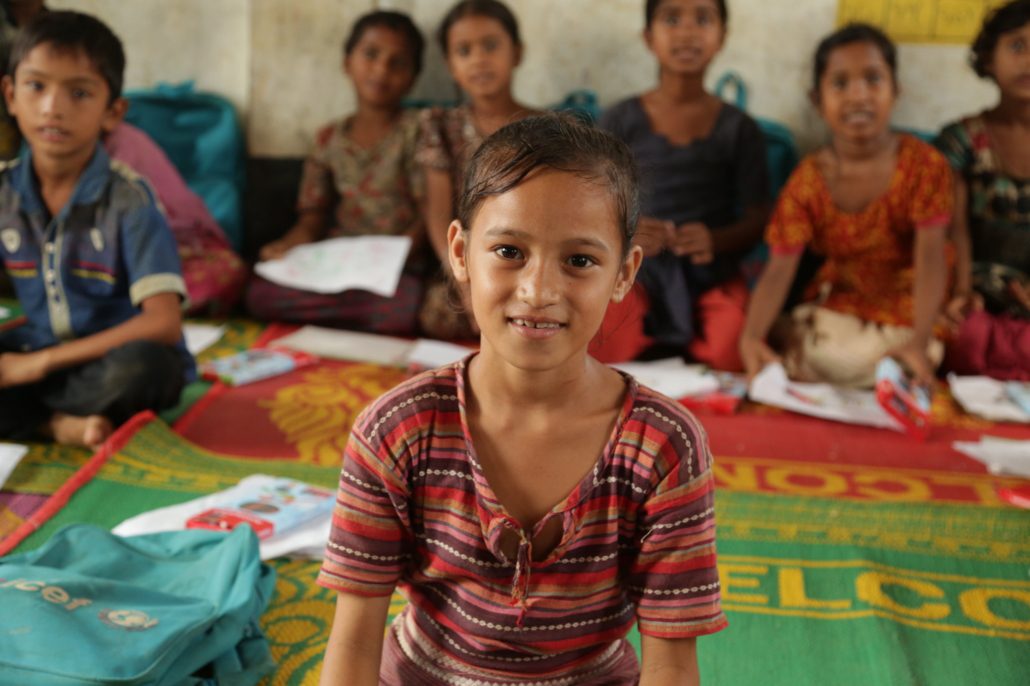
 In a cramped, poorly maintained home, a Rohingya mother of three avoids stepping outside – not out of fear of violence, but arrest. Despite fleeing persecution in Myanmar, she now lives without legal protection, access to health care or the right to work. Her story is not unique. For tens of thousands, migration to Malaysia represents a final hope, only to enter a cycle of legal invisibility and daily struggle.
Malaysia hosts one of the largest refugee populations in Southeast Asia. However, the lack of a formal legal framework for refugees leaves them deeply vulnerable to poverty, exploitation and systemic neglect.
Who Comes and Why?
As of May 2025, around 200,260 refugees and asylum-seekers are registered with the United Nations High Commissioner for Refugees (UNHCR) in Malaysia. More than 179,000 are from Myanmar, including 117,670 Rohingya, 29,620 Chin and 31,730 other ethnic minorities. They fled ethnic violence, forced displacement and persecution. Others come from more than 50 different countries, including Pakistan, Yemen, Somalia, Afghanistan, Sri Lanka, Palestine, Iraq and Syria.
As of 2025, men make up 64% of refugees and asylum-seekers, while women account for 36%. Alarmingly, more than 50,000 are children under the age of 18, many of whom have never stepped foot inside a formal school.
Migration to Malaysia is often undertaken in desperation. Neighboring countries often turn away refugees or deny long-term protection, and many see Malaysia as a stepping stone to resettlement. However, few are successfully resettled.
Legal Status and Daily Reality
One will find that daily life is arduous for refugees in Malaysia. The country has not signed the 1951 Refugee Convention or its 1967 Protocol. Malaysia does not legally recognize refugee status. Under the Immigration Act 1959/63, refugees and asylum-seekers are considered undocumented immigrants and are subject to arrest and deportation. The UNHCR issues refugee cards, but these offer no protection under Malaysian law. The consequences of this legal limbo are wide-reaching, affecting every aspect of daily life for those who experience migration to Malaysia. These include:
- Work: Refugees are prohibited from working legally. Many work in informal sectors with long hours, poor conditions, low wages and no labor protection. Without labor rights, they face wage theft, exploitation and workplace abuse, with little to no recourse.
- Education: Public schools in Malaysia do not accept refugee children. Community-based learning centers fill this gap. However, many of these centers are underfunded, overcrowded and unrecognized by the government.
- Health Care: Refugees do not qualify for subsidized public health care. While some clinics treat UNHCR cardholders, the costs remain prohibitive for many. Many often delay treatment or avoid seeking care altogether due to financial constraints and fear of arrest.
Civil Society Response
In the absence of formal state protection, civil society and humanitarian organizations play a crucial role in supporting those migration to Malaysia affects. ElShaddai, which is based in Klang, provides education and health care to refugee families. In 2022, there were 18 ElShaddai learning centers located in Selangor, Kelantan, Pahang and Sabah serving 1,400 children from marginalized communities. Today, the organization operates more than 20 learning centers across Malaysia to provide preschool to diploma-level education.
Founded in 1991, Tenaganita is a Malaysian human rights organization that supports refugees through legal aid, psychosocial counseling and community empowerment. Its Refugee Action Program works with eight Burmese-led refugee groups to assist in wage negotiation, education access and protection from detention. During the COVID-19 pandemic, the organization coordinated relief efforts that reached more than 2,200 families in more than 100 locations across the Klang Valley.
The Malaysian Social Research Institute (MSRI) supports refugees through its food aid and social service programs, including education, psychological counseling and skills training. As of now, MSRI reported 1,400 families supported and 721 clients served.
A Potential Turning Point
In July 2025, Malaysia’s Home Ministry announced plans to launch a national refugee registration system. The initiative aims to improve data transparency and complement the work of the UNHCR. While the plan’s implementation details remain vague, it signals a possible shift toward greater state involvement and accountability in managing migration to Malaysia.
If effectively executed, the system could lead to better service provision, targeted aid distribution and a path toward formal recognition. However, without accompanying legal reforms, refugees will remain unprotected.
The Path Forward
Migration to Malaysia will continue as long as regional conflict and instability persist. Refugees contribute to Malaysian society – they work, raise families and engage in communities – yet outside of the legal framework.
Malaysia has the opportunity to lead in Southeast Asia by adopting a clear refugee policy. Recognizing refugee status, granting work rights and providing access to basic services are essential steps. A legal and humanitarian approach to migration can ensure that the thousands who seek safety in Malaysia are no longer invisible.
– Kai Xian Lim
Kai is based in Lille, France and focuses on Global Health and Politics for The Borgen Project.
Photo: Flickr

200,000 Invisible Lives: Migration to Malaysia
Malaysia hosts one of the largest refugee populations in Southeast Asia. However, the lack of a formal legal framework for refugees leaves them deeply vulnerable to poverty, exploitation and systemic neglect.
Who Comes and Why?
As of May 2025, around 200,260 refugees and asylum-seekers are registered with the United Nations High Commissioner for Refugees (UNHCR) in Malaysia. More than 179,000 are from Myanmar, including 117,670 Rohingya, 29,620 Chin and 31,730 other ethnic minorities. They fled ethnic violence, forced displacement and persecution. Others come from more than 50 different countries, including Pakistan, Yemen, Somalia, Afghanistan, Sri Lanka, Palestine, Iraq and Syria.
As of 2025, men make up 64% of refugees and asylum-seekers, while women account for 36%. Alarmingly, more than 50,000 are children under the age of 18, many of whom have never stepped foot inside a formal school.
Migration to Malaysia is often undertaken in desperation. Neighboring countries often turn away refugees or deny long-term protection, and many see Malaysia as a stepping stone to resettlement. However, few are successfully resettled.
Legal Status and Daily Reality
One will find that daily life is arduous for refugees in Malaysia. The country has not signed the 1951 Refugee Convention or its 1967 Protocol. Malaysia does not legally recognize refugee status. Under the Immigration Act 1959/63, refugees and asylum-seekers are considered undocumented immigrants and are subject to arrest and deportation. The UNHCR issues refugee cards, but these offer no protection under Malaysian law. The consequences of this legal limbo are wide-reaching, affecting every aspect of daily life for those who experience migration to Malaysia. These include:
Civil Society Response
In the absence of formal state protection, civil society and humanitarian organizations play a crucial role in supporting those migration to Malaysia affects. ElShaddai, which is based in Klang, provides education and health care to refugee families. In 2022, there were 18 ElShaddai learning centers located in Selangor, Kelantan, Pahang and Sabah serving 1,400 children from marginalized communities. Today, the organization operates more than 20 learning centers across Malaysia to provide preschool to diploma-level education.
Founded in 1991, Tenaganita is a Malaysian human rights organization that supports refugees through legal aid, psychosocial counseling and community empowerment. Its Refugee Action Program works with eight Burmese-led refugee groups to assist in wage negotiation, education access and protection from detention. During the COVID-19 pandemic, the organization coordinated relief efforts that reached more than 2,200 families in more than 100 locations across the Klang Valley.
The Malaysian Social Research Institute (MSRI) supports refugees through its food aid and social service programs, including education, psychological counseling and skills training. As of now, MSRI reported 1,400 families supported and 721 clients served.
A Potential Turning Point
In July 2025, Malaysia’s Home Ministry announced plans to launch a national refugee registration system. The initiative aims to improve data transparency and complement the work of the UNHCR. While the plan’s implementation details remain vague, it signals a possible shift toward greater state involvement and accountability in managing migration to Malaysia.
If effectively executed, the system could lead to better service provision, targeted aid distribution and a path toward formal recognition. However, without accompanying legal reforms, refugees will remain unprotected.
The Path Forward
Migration to Malaysia will continue as long as regional conflict and instability persist. Refugees contribute to Malaysian society – they work, raise families and engage in communities – yet outside of the legal framework.
Malaysia has the opportunity to lead in Southeast Asia by adopting a clear refugee policy. Recognizing refugee status, granting work rights and providing access to basic services are essential steps. A legal and humanitarian approach to migration can ensure that the thousands who seek safety in Malaysia are no longer invisible.
– Kai Xian Lim
Photo: Flickr
How Disability and Poverty in Dominica Take Effect
Disability and poverty rates often have a cause-and-effect relationship. Poverty can cause disability rates to increase, and disability can cause poverty rates to increase. Considering it is a developing country, disability and poverty in Dominica is always changing.
Poverty in Dominica
The most recent poverty percentages are unclear, but previous estimates suggest a rate of around 43% since its founding. A Country Poverty Assessment concludes that “poverty is more heavily concentrated in rural areas: more than 1 in 3 rural households are poor compared with 1 in 5 urban households.” Since this assessment, disasters like Hurricane Maria and COVID-19 have also affected the country’s economy. Other organizations report that the poverty rate is currently closer to 29%. As Dominica is vulnerable to disastrous natural events, economic challenges pose a continuous threat.
Solutions To Address Poverty
Expectations are in place for percental changes, but no official data is present for current households. Strategies to improve the country’s poverty rates have been presented in the National Resilience Development Strategy. This policy offers a broad range of solutions to issues, one being poverty. Three formal strategies offer improvement in poverty rates. One strategy focuses on creating opportunities for those with low/no income. Another strategy concentrates on other affected areas like education and housing. The final focuses on building assets and the availability of public services.
Poverty’s Effect on Disability
While disability and poverty rates are two separate categories, sometimes they can be interlinked. More than 60% of those with disabilities are facing a severe risk of poverty. Disability affects one in five people living in extreme poverty. Poverty can infect several factors of a person’s life-such as malnutrition and dangerous living conditions-which can directly result in disabilities. Poverty deals with an isolating economic pressure that can be amplified with a disability and vice versa.
In a regional report on Latin America and the Caribbean, “When persons with disabilities seek work, they tend to acquire low-skilled positions, especially in urban areas. The economic impact of having a household member with disabilities is also evident in high unemployment rates for heads of households.” With limited income, limited health care options and limited opportunities, this creates a dangerous pipeline for the disability and poverty percentages, let alone for those in a developing country.
Disability Representation in Dominica
As it is considered a developing country, disability percentages have been on the rise since its establishment. A census done in 2011 provides inaccurate statistics that only further prove exclusivity in Dominica. The Population and housing Census estimates that around 3,400 citizens in Dominica live with a disability. The percentages between 2001 and 2011 provide increasing statistics, rather than decreasing. Sight-related disabilities increased by 46%. Those with body movement disabilities 35%, and in another category labeled “other,” experienced over 80% increased. Both men and women live with the effects of disability and poverty in Dominica, while women average higher in mobility-based disabilities. Men average a higher percentage in behavior-based disabilities. With the heightening vulnerabilities to natural disasters, policies are forming to advocate for those affected by disability and poverty in Dominica.
Policies and Organizations in Place
While Dominica faces critical evolving challenges with disability and poverty rates, promising policies and strategies are emerging. The Growth and Social Protection Strategy (GSPS) provides a strengthening foundation for growth ideas and development. This strategy offers a reformation process that promotes growth, economically and socially. The GSPS aims to reaffirm and enable internal growth investments and poverty reduction strategies.
More recently, successful investment opportunities are relocating to Dominica, which should provide both domestic and foreign investment relationships. Besides official policies, groups and organizations have been forming in support of an inclusive environment for everyone. The Dominica Association of Person with Disabilities (DAPD) is an organization that advocates for equal opportunities and supports those with disabilities. Nathalie Murphy, a founding member of the organization, lives with a sight disability. This organization advocates for the development and welfare of those with disabilities in Dominica. The DAPD has coined a National Dollar Day initiative, which has a goal of fundraising $70,000 for the cause. Other organizations can form on common ideals and beliefs and can inspire one another to take different approaches to shared policies.
Looking Ahead
The increasing population in Dominica offers the country a chance to build its economy to support its citizens. The connection between disability and poverty can create intertwining hardships that affect other surrounding factors. With current reformation plans in place, Dominica’s economy can grow. The International Monetary Fund (IMF) has concluded that Dominica is projecting positive economic shifts in the near future. Further expansion in growing markets can prove to change Dominica and its future. With the formation of organizations, forums, policies and committees, people can come together to strengthen Dominica and its citizens.
– Emma Rowan
Photo: Unsplash
The Benefits of Telemedicine in Rural Africa
Despite Africa having the highest disease burden compared to the other continents, it also has the lowest ratio of health workers to the population. It carries nearly a quarter of the disease burden on a global scale, yet only holds around 3% of health care workers. According to the World Health Organisation (WHO), Africa has a mere 2.6 doctors per 10,000 people, compared to 37.6 doctors per 10,000 in Europe. In addition, an estimated deficit of 11.1 million health care employees is projected by 2030, with most of the disparity affecting Africa.
Telemedicine Services in Africa
Combined with the excessive burden of disease outbreaks and largely understaffed health care facilities, Africa’s health care systems are overwhelmed and unable to serve their population equitably. Those living in sub-Saharan Africa are notably disadvantaged, with the region having the lowest ratings in well-being and satisfaction with health care services. Most people live in rural areas and their access to health care services is even more limited. In response, many rural areas in Africa have introduced telemedicine services and the results are promising.
Telemedicine involves using apps designed for personal communication devices like tablets and phones to deliver various health care services. Some telemedicine services offer telephonic or face-to-face communication with health care workers, SMS for treatment support or questions and online platforms to view medical records or schedule health consultations. Many African companies are investing and creating these online platforms to better serve their communities, especially those in rural areas with limited access to health care resources. Below are three telemedicine platforms implemented in different sub-Saharan African countries.
EasyClinic in Rwanda
EasyClinic is an online platform designed to improve health care access and efficiency, especially for Rwandans in rural communities. Key features of EasyClinic include generating prescriptions in only 30 seconds and delivering them via Email, WhatsApp or SMS, along with consultations with medical professionals through chat or video.
EasyClinic also utilizes AI to generate prescriptions and notes and send appointment reminders. In addition, the platform provides AI-powered diagnostic services based on the patient’s history and general symptoms.
Daktari Smart Program in Kenya
Launched in November 2021, the Daktari Smart Program utilizes telemedicine to provide specialized care to children in Kenya. This program allows Gertrude Children’s Hospital Specialists to connect with health care providers at rural facilities in Africa, allowing them to evaluate patients more accurately using telemedicine services.
The online connection also increased education for local providers and health care volunteers in more rural areas. In addition, the platform can operate at a low bandwidth, between 512Kbps to 2Mbps, ensuring the services are reliable even in rural areas with poor internet service.
Thus far, the program has provided free health care services to more than 32,400 children in Kenya, saving them time and money. This has also created more jobs for health care employees, increasing rural facility staff by 300 workers. The program has also trained more than 300 volunteers throughout Kenya’s rural communities, improving health care access for many.
Rocket Health in Uganda
Founded in 2012, Rocket Health is Uganda’s most-used telemedicine app, providing full service to more than 25,000 patients. To ensure primary care is more affordable and accessible for all Ugandans, the startup focuses on 24/7 online consultations, medication delivery and the collection of laboratory samples from patients’ homes.
Rocket Health is also introducing a new AI diagnostics feature that would allow doctors to quickly run patients through a set of questions to help them identify diseases faster. The AI service can identify up to 90% of medical conditions in combination with telephone assessments and remote lab tests. Online consultations have skyrocketed during and after the COVID-19 pandemic, with Rocket Health providing more than 400,000 online consultations.
Conclusion
Telemedicine platforms like EasyClinic, the Daktari Smart Program and Rocket Health are transforming how health care is accessed and delivered across rural regions in sub-Saharan Africa. In areas where health care systems and workers are overwhelmed, these digital solutions provide a virtual bridge between underserved populations and life-saving health services. By combining mobile technology with AI, diagnoses are often delivered faster and more accurate, allowing for even more patients to be assessed.
For rural communities that have long been excluded from equitable health care, these technology innovations are more than convenient; they are essential. As the sub-Saharan region continues to face systemic health challenges, telemedicine stands out as a key tool for closing the health care gap in the most remote and vulnerable communities in Africa.
– Grace Johnson
Photo: Pexels
INSP: Street Papers Tackle Homelessness and Poverty
Shifting Public Perception Through Street Journalism
Vendor Programme Director of Street Roots, the street paper based in Portland, Oregon, DeVon Pouncey, outlines how the introduction of street papers has allowed readers to see how systems have failed people, rather than people on the streets have failed themselves. This helps redefine the general negative public perception of people experiencing homelessness, supporting efforts to address homelessness and poverty. The INSP has helped to found street papers in 35 countries across North America, South America, Europe, Africa, Asia and Australasia. Since the first street paper was published in New York in 1989, the INSP has supported almost 400,000 people in poverty.
Employment, Voice and Empowerment
Street papers not only help address homelessness and poverty by providing people on the streets with work, but also give them a platform to express themselves and share their stories, allowing them to represent and speak for themselves. By featuring content written by homeless people, street papers raise the profile of social justice issues, such as the rise in the number of people who work but still live in poverty, or the criminalisation of rough sleeping in Australia. This challenges global preconceptions of people living in poverty. In selling the papers on the street, vendors also gain social skills and a renewed sense of confidence. In addition to the income and skills earned from selling the papers, the INSP is also committed to creating lasting change for homeless people, which is why it partners with local services to help find housing, provide employability training and supply food and clothing.
Boca de Rua: A Model in Brazil
Boca de Rua (Mouth of the Street), published in Porto Alegre, Brazil, is one example of a street paper. Founded in 2000, it features text, photos and drawings by 30 homeless people who then sell the papers and keep the profits. Boca de Rua also has a supplement, Boquinha (Little Mouth), which presents the work and activities of a group of 15 children and teenagers at risk of homelessness. Coming together in leisure spaces such as parks and theatres, the young people participate in games and create crafts and music, which is then documented in Boquinha. Boca de Rua has also partnered with Casa Alice (Alice’s House), a space for its vendors to take part in festivals, markets and classes and to access a library and lessons in reading.
The Global Impact of Street Papers
The INSP has a global readership of 3.2 million people supported by more than 900 volunteers. In 2021 alone, vendors sold 13 million street papers in 1350 towns and cities, allowing them to earn more than £17.9 million. This model helps address homelessness and poverty in communities around the world.
– Elsa Tarring
Photo: Pexels
KFC in South Africa: Fueling Economic Prosperity
KFC’s Economic Footprint and Social Responsibility in South Africa
Through its Add Hope initiative, KFC has raised more than R1 billion to fight hunger in South Africa, providing at least 80,000 meals daily to vulnerable children. The program partners with more than 130 nongovernmental organizations (NGOs), supporting sustainable feeding schemes and empowering communities. A 2024 impact study by the Gordon Institute of Business Science found that Add Hope contributes to improved health outcomes, school attendance and long-term socioeconomic development. It’s a model that shows how corporate social investment can be both strategic and transformative.
A Blueprint for Fueling Economic Prosperity
According to the OECD’s 2024 Emerging Markets Report, foreign direct investment (FDI) in these regions is rebounding, with Africa and Latin America showing strong potential for sustainable development in the future, especially when companies localize their operations and invest in infrastructure, education and community partnerships. Standard Bank projects that East Africa’s infrastructure boom could push its business value from $37 billion in 2024 to $54 billion in the coming years. This kind of growth opens doors for new markets and companies willing to engage deeply with local economies.
Cultural Integration
When KFC made the jump to South Africa, it had to adapt its menu to reflect South African tastes and cultural norms, a move that helped build trust and brand loyalty. Other companies like Coca-Cola, McDonald’s and IKEA have also thrived by tailoring their products and marketing to local preferences.
Looking Ahead
As KFC continues to serve more than just food in South Africa, its story reflects a broader narrative: global brands have the potential to contribute to development while doing business. By anchoring themselves in local needs—through employment, cultural respect and social investment—companies can potentially help foster economic resilience in underdeveloped markets.
KFC has established a presence in South Africa that goes beyond corporate growth; it offers a model for supporting economic development in regions often overlooked by global expansion. When brands take similar approaches with intentionality, success can also be measured by improved livelihoods, stronger communities and more inclusive economies.
– Dylan Fly
Photo: Flickr
Poverty Reduction in Gabon
PNDT
The PNDT is Gabon’s main plan for solving economic and social challenges during the two-year transition that began on August 30, 2023. It focuses on five main goals: “political and institutional reforms, development of strategic infrastructure, intensification of economic diversification, development of human capital and social inclusion, and environmental sustainability.” All these goals connect directly to reducing poverty in Gabon.
A major goal is to invest in key infrastructure, like roads, energy, and health care. The PNDT wants to move Gabon away from depending only on raw materials and instead grow industries that add more value, like timber processing. This approach could create more jobs and reduce the country’s reliance on unstable resource prices.
Key Initiatives for Poverty Reduction in Gabon
One major effort to reduce poverty is the Emergency Community Development Program (PUDC). Launched with help from the UNDP, it aims to provide clean water, electricity, and better infrastructure in rural and peri-urban areas. It also encourages small businesses, youth employment and local planning. Gabon has invested 120 billion CFA francs into this program, with 66.7 billion already used.
Gabon is also improving health care through the National Health Insurance and Social Coverage Fund (CNAMGS). Started in 2008, CNAMGS first helped the poorest groups, students, and seniors, and now covers over half the population.
The transitional government is working to diversify the economy by focusing on industries beyond oil, such as forestry, mining, agriculture and tourism. These areas are seen as having strong potential for creating jobs and supporting rural development.
Addressing Governance and Fiscal Sustainability
Poverty reduction in Gabon is closely tied to better governance. This means improving transparency, accountability, and the use of public money, especially oil revenues. Poor management in the past has led to high debt and slow economic growth.
The PNDT also focuses on improving financial management. One step is the Treasury Single Account (TSA), which should be fully running by June 2024 to make public finances more efficient. The 2024 budget aims to raise more revenue, cut tax breaks, and modernize customs and tax systems. The IMF has stated that Gabon’s economic success depends on moving toward more transparent and inclusive governance.
Challenges and Future Outlook
Gabon is making strong efforts to fight poverty and inequality, but the success of these changes depends on fixing long-standing problems in governance, finances, and business conditions. Urban areas, where 90% of the population lives, still face concentrated poverty. To solve this, Gabon needs balanced development that supports both cities and rural areas.
– Cameron Jones
Photo: Flickr
Disability and Poverty in Latvia
Social Isolation and Mistreatment
Eurostat, the statistical office of the European Union, links poverty and social isolation together through the at risk of poverty or social exclusion metric (AROPE). Isolation and mistreatment from society can in turn exacerbate poverty. In 2021, Eurostat projected that in Latvia, 37.5% of disabled persons over the age of 16 were considered AROPE. Latvia’s rate was the highest in the Baltic States and was among the highest in the European Union. This number has grown since 2015, whereas only 566,000, or 28.5% of residents, were considered AROPE.
Paired with the fact that the number of disabled persons in Latvia is growing, individuals under AROPE require even greater attention in order to not suffer poverty’s devastation.
Poverty Alleviation for the Disabled
Latvia has one of the largest wealth gaps in the European Union. Data from 2012 demonstrates that the top 10% of the population received 26% of the entire income. In 2023, data from the Central Statistical Bureau listed that the richest population’s income was 6.3 times greater than the income of the poorest, rendering Latvia as a top country with wealth inequality.
With a percentage of the affluent population, it is possible to provide greater support to individuals in poverty. However, little is occurring to benefit disabled and impoverished individuals. Since 2005, the social minimum has been 64.03 Euros per month, equivalent to that of the benefit given to disabled individuals. In addition, the minimum disability pension ranges from 64.03 Euros to 170.75 Euros per month.
Given that these rates have been unchanged since 2005, it is difficult for individuals under these funds to sustain a viable lifestyle, especially as inflation increases the cost of living every year. In addition, Latvia’s classification of a poor person, an individual who is not earning more than 128.06 Euros per month, has not changed since 2001. As the minimum benefit that disabled citizens receive is significantly less than the minimum amount necessary to be in poverty, disabled individuals experience significant disadvantages.
A Path Forward for the Disabled
Despite clear societal hardships for disabled individuals and increased risk of poverty, treatment has improved. In 2010, the Independent Living Institute, which is dedicated to promoting rights of individuals with disabilities, stated that “the view of people with disabilities has improved.” Latvia addressed the matter of living conditions for the disabled in 2009 with draft legislation discussing personal assistance and the specifics of individual care. The legislation provided minimum requirements for social services and assistance to the disabled, and outlined the responsibilities of local governments in providing such care. Although the legislation did not move forward due to a financial crisis, the fact that officials discussed this demonstrates that Latvia acknowledged disability and the risk of poverty.
This shift is due to borders opening and the changing of stereotypes of disabled persons. As Latvians gained the ability to travel abroad and view how disabled individuals were treated in other countries, their own perceptions began to change positively.
Since the increased awareness of disability and poverty in Latvia, greater progress has occurred to ensure that the disabled are cared for and less at risk. Interest groups such as the Independent Living Institute have played a significant role in lobbying the Latvian government to consider and implement disability care legislation, and was critical in signing onto of the UN Convention on the Rights of Persons with Disabilities.
Looking Ahead
While stigma surrounding disabled individuals still exists, more respect and acknowledgement of their capabilities and hardships ultimately create better treatment and greater equity. The first step to reducing disability and poverty in Latvia is to first understand and take issues of disabled individuals seriously. With support from individuals and groups fighting to promote accessible resources, the disabled population will be less likely to be at risk of poverty, and should live happier lives.
– Owen Wu
Photo: Unsplash
Circular Economy in Latin America Fights Poverty
Waste Pickers at the Heart of Circular Innovation
In Bogotá and other major cities, informal recyclers, known as waste pickers, collect up to 90% of materials destined for recycling. Despite this, many lack basic safety gear and earn below minimum wage. A 2024 Reuters investigation reports that roughly 20 million waste pickers worldwide process 60% of recycled plastics, yet they remain overlooked in policy design.
Brazil: Fishing for Litter and PET Recycling
Brazil’s Fishing for Litter initiative offers fishermen a guaranteed monthly minimum wage to collect trash from Guanabara Bay while working. In two years, 80 fishermen collected nearly 400 tonnes of waste, earning fair wages and reducing pollution in mangrove ecosystems.
In Minas Gerais, Brazil, cooperatives of catadores (waste pickers) partner with Veja, a sustainable shoe manufacturer, to transform polyethylene terephthalate (PET) bottle waste into shoe materials. This collaboration ensures fair prices and traces plastic from collection to production, elevating informal workers’ incomes and environmental stewardship.
Colombia: Ecobricks and Rising Challenges
Grassroots ecobrick projects in coastal Colombian towns repurpose plastic waste into sturdy bricks for building benches, walls and classrooms. A recent ResearchGate report notes that these initiatives prevent plastic leaks into marine environments and raise awareness of sustainable practices. These programs, often school-led, empower local communities and generate small incomes.
However, on June 24, 2025, more than a dozen Colombian associations dumped 15 tonnes of plastic in Bogotá’s Bolívar Square to protest plummeting prices, down from $0.75 to $0.50 per kilo. With most earning less than $350 monthly, pickers urged the government to stabilize income through price guarantees and rights recognition.
Textile Recycling in Chile: A Second Life for Fabric
In Santiago, Ecocitex transforms textile waste into eco‑yarn products. Founded in 2020 by Rosario Hevia, the company has recycled more than 200 tons of textiles, mitigating thousands of tons of CO₂ emissions. It employs formerly incarcerated women through partnerships like Abriendo Puertas. The organization also supports more than 220 people annually and promotes social inclusion while offering sustainable income through its yarn and product sales.
Scaling Up Through Finance and Tech
An Inter‑American Development Bank analysis, “Unlocking Circular Economy Finance in Latin America and the Caribbean: The Catalyst for Positive Change,” shows how microfinance, digital logistics platforms and public‑private partnerships are opening new opportunities for recyclers and SME recyclers, particularly women‑led initiatives. The report recommends financial instruments and incentives that can scale small circular businesses across the region.
It also urges countries to modernize environmental laws and build stronger public-private partnerships to close the investment gap. The region can drive circular growth and create more resilient, equitable economies by supporting MSMEs with better access to finance, innovation and inclusive strategies.
From Waste to Wealth
Across Latin America, grassroots circular economy models, from ecobricks to cooperatives and textile upcycling, demonstrate that sustainable solutions can lift communities out of poverty. With millions dependent on informal recycling, policy reforms that integrate these workers are not just environmentally prudent but economically essential. Supporting these initiatives through finance, infrastructure and inclusive policies offers a proven path from waste to wealth.
– Meral Ciplak
Photo: Pixabay
Combating Mold and Poor Air in Informal Settlements
The built environment in informal settlements worsens the problem. Residents often construct dwellings from salvaged or low-cost materials that provide minimal insulation and poor ventilation.
Overcrowding is common, further limiting air circulation and increasing humidity. Additionally, many residents rely on open fires or rudimentary stoves for cooking and heating and this releases harmful pollutants into the already confined spaces. The combination of moisture, poor ventilation and indoor pollution creates ideal conditions for mold growth and contributes to dangerously poor air quality in informal settlements.
Health Impacts of Mold and Poor Air
Exposure to mold and poor air in informal settlements has far-reaching health consequences, particularly for vulnerable populations like children, the elderly and individuals with preexisting respiratory conditions.
Potential Solutions and Ongoing Efforts
Addressing mold and poor air quality in informal settlements requires a multi-faceted approach that considers the unique challenges of these communities.
A Healthier Future for Informal Settlements
Addressing mold and poor air in informal settlements appears to go beyond improving housing; it also involves safeguarding public health, strengthening resilience and reducing poverty linked to environmental conditions. Implementing strategies that combine improved housing, cleaner practices, community engagement and supportive policies can help mitigate these risks and improve outcomes for affected communities.
– Anoushka Rai
Photo: Flickr
Education Reform in Rwanda
Reform: A Little Means a Lot
One approach to education reform in Rwanda is a targeted strategy. Educational reform is a complex process that often attempts to address multiple issues simultaneously. As a result, progress tends to happen gradually and in small increments. However, with help from Educate!, a youth employment and skill-building organization founded by Eric Glustrom and Boris Bulayev, Rwandan schools have focused their efforts on one change in the curriculum: Entrepreneurship. A mandatory class for the upper-secondary school level, Educate! focused its efforts on practical learning rather than memorization and theory.
As of May 16, 2024, the reform has reached every secondary school in Rwanda, impacting 165,000 students annually. Teachers who incorporated the curriculum change and utilized student-centered techniques saw improvement in their students’ soft skills, which are closely linked to workplace success, such as patience and perseverance. In short, narrowing the scope of reform and focusing on one change at a time might sound like a short-term plan, but its benefits can be seen in the long term.
Expansion: Accessibility Is Key to Attendance
Educational reform is an excellent start, but another problem within Rwandan schools is the overcrowding. A typical primary classroom in Rwanda held an average of 73 students. Keeping that many students in one classroom, it becomes clear that not every student will receive the necessary attention they deserve to succeed.
However, thanks to a team-up with the World Bank, Rwanda has added more than 22,500 new classrooms across the country, decreasing the average from 73 students per class to 49. Another bonus of the expansion efforts is that an additional 68,000 students between the ages of 5 and 14 can now access school within a two-kilometer radius, which significantly aids their attendance and energy to learn.
Inclusivity: No Child Will Be Left Behind
Another important step in improving Rwanda’s education has been to sustain a more inclusive environment. This includes adding wheelchair ramps to the newly added schools and gender-segregated bathrooms, which gives students easier access to sanitation and a safe school environment.
In addition to physical changes within the school, Rwanda is also taking measures to introduce early identification of disabilities among students so that they can get the help they need. The Global Partnership for Education has helped Rwanda digitalize educational content and support technology‑based teaching, improving children’s reading and pronunciation skills.
Conclusion
Education reform in Rwanda has come a long way in the past couple of years. Efforts to improve education across Africa have had their fair share of successes and setbacks. However, with the help of global organizations, Rwanda is seeing incredible improvement in keeping up with an ever-evolving environment.
– Matthew Perduk
Photo: Wikimedia Commons