The Benefits of Telemedicine in Rural Africa
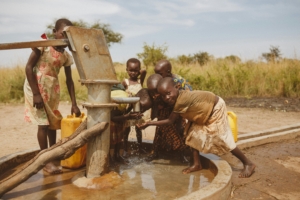 Africa is home to more than 1.5 billion people. The differences between the North and sub-Saharan regions often characterize it. The majority, approximately 1.29 billion, live in sub-Saharan Africa, which remains significantly less urbanized than the North. Although urbanization is steadily increasing across the continent, most people still live in rural areas. As of 2024, 56% of the sub-Saharan population resides in rural communities.
Despite Africa having the highest disease burden compared to the other continents, it also has the lowest ratio of health workers to the population. It carries nearly a quarter of the disease burden on a global scale, yet only holds around 3% of health care workers. According to the World Health Organisation (WHO), Africa has a mere 2.6 doctors per 10,000 people, compared to 37.6 doctors per 10,000 in Europe. In addition, an estimated deficit of 11.1 million health care employees is projected by 2030, with most of the disparity affecting Africa.
Telemedicine Services in Africa
Combined with the excessive burden of disease outbreaks and largely understaffed health care facilities, Africa’s health care systems are overwhelmed and unable to serve their population equitably. Those living in sub-Saharan Africa are notably disadvantaged, with the region having the lowest ratings in well-being and satisfaction with health care services. Most people live in rural areas and their access to health care services is even more limited. In response, many rural areas in Africa have introduced telemedicine services and the results are promising.
Telemedicine involves using apps designed for personal communication devices like tablets and phones to deliver various health care services. Some telemedicine services offer telephonic or face-to-face communication with health care workers, SMS for treatment support or questions and online platforms to view medical records or schedule health consultations. Many African companies are investing and creating these online platforms to better serve their communities, especially those in rural areas with limited access to health care resources. Below are three telemedicine platforms implemented in different sub-Saharan African countries.
EasyClinic in Rwanda
EasyClinic is an online platform designed to improve health care access and efficiency, especially for Rwandans in rural communities. Key features of EasyClinic include generating prescriptions in only 30 seconds and delivering them via Email, WhatsApp or SMS, along with consultations with medical professionals through chat or video.
EasyClinic also utilizes AI to generate prescriptions and notes and send appointment reminders. In addition, the platform provides AI-powered diagnostic services based on the patient’s history and general symptoms.
Daktari Smart Program in Kenya
Launched in November 2021, the Daktari Smart Program utilizes telemedicine to provide specialized care to children in Kenya. This program allows Gertrude Children’s Hospital Specialists to connect with health care providers at rural facilities in Africa, allowing them to evaluate patients more accurately using telemedicine services.
The online connection also increased education for local providers and health care volunteers in more rural areas. In addition, the platform can operate at a low bandwidth, between 512Kbps to 2Mbps, ensuring the services are reliable even in rural areas with poor internet service.
Thus far, the program has provided free health care services to more than 32,400 children in Kenya, saving them time and money. This has also created more jobs for health care employees, increasing rural facility staff by 300 workers. The program has also trained more than 300 volunteers throughout Kenya’s rural communities, improving health care access for many.
Rocket Health in Uganda
Founded in 2012, Rocket Health is Uganda’s most-used telemedicine app, providing full service to more than 25,000 patients. To ensure primary care is more affordable and accessible for all Ugandans, the startup focuses on 24/7 online consultations, medication delivery and the collection of laboratory samples from patients’ homes.
Rocket Health is also introducing a new AI diagnostics feature that would allow doctors to quickly run patients through a set of questions to help them identify diseases faster. The AI service can identify up to 90% of medical conditions in combination with telephone assessments and remote lab tests. Online consultations have skyrocketed during and after the COVID-19 pandemic, with Rocket Health providing more than 400,000 online consultations.
Conclusion
Telemedicine platforms like EasyClinic, the Daktari Smart Program and Rocket Health are transforming how health care is accessed and delivered across rural regions in sub-Saharan Africa. In areas where health care systems and workers are overwhelmed, these digital solutions provide a virtual bridge between underserved populations and life-saving health services. By combining mobile technology with AI, diagnoses are often delivered faster and more accurate, allowing for even more patients to be assessed.
For rural communities that have long been excluded from equitable health care, these technology innovations are more than convenient; they are essential. As the sub-Saharan region continues to face systemic health challenges, telemedicine stands out as a key tool for closing the health care gap in the most remote and vulnerable communities in Africa.
– Grace Johnson
Grace is based in Chicago, IL, USA and focuses on Technology and Global Health for The Borgen Project.
Photo: Pexels
