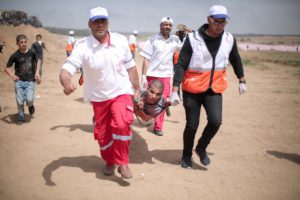
 In 2021, cancer was one of the leading causes of death in Palestine. Its mortality rate was higher in the Gaza Strip than in the West Bank, whose population exceeds that of the Strip by a million people. The Gaza Strip is flanked by the Rafah crossing at the far south, bordering Egypt and the Beit-Hanoun crossing up north, bordering Israel across 365km². After the Israeli blockade in 2007, the economy and health care took a severe blow and the movement of people, medicine and food shipments in and out of the Gaza Strip has been severely restricted.
Patients seeking treatment in the West Bank or East Jerusalem have been vulnerable to the continuous shutting of both crossings as well as arbitrary travel permit approvals. A weak health care system coupled with strict travel guidelines has made life impossible for cancer patients in Gaza far before the current conflict.
Incidence of Cancer in the Gaza Strip
Cancer is a widespread disease among Gazan civilians. Between 2014 and 2018, 8,326 cases were recorded. The most common types were breast cancer (18%), colon cancer (10.7%), lung cancer (11.4%), leukemia (9.1%), lymphoma (7.9%), prostate cancer (7.7%), bladder cancer (6.3%), brain cancer (5.3%), stomach cancer (3.2%), pancreatic cancer (2.5%) and kidney cancer (2.2%).
Women accounted for 10% more cases than men. For women, the most common type was breast cancer; for men, it was colon cancer. Among the 620 child cases reported, Leukemia was the most prevalent.
Health Care Access Restrictions
Many patients with various illnesses are referred outside Gaza to the West Bank, East Jerusalem and Jordan for specialized treatment. In 2019, the Palestinian Center for Human Rights (PCHR) statewide reported that the number of medical cases referred for specialized treatment was 26,855 cases, with 6,352 children. Gaza City recorded the highest referral rate, accounting for 46% of all cases across the Strip. However, exiting Gaza, even for medical care, is extremely difficult.
Due to the 18-year blockade, civilians must apply for a permit to cross through the Beit Hanoun (Erez) checkpoint far north of the Strip. Israel completely dictates the approval of the permits and the decisions are arbitrary, with some licenses approved after being rejected and others delayed or even dismissed without proper explanation. The delays can be life-threatening, especially for urgent cases; 8.8% of patients succumbed to their illness six months after they applied for their permit. Israel has also been inconsistent throughout the years; in 2012, the acceptance rate was 94%; in 2017, it dropped to 54%; from 2019 to 2021, it reached 65%, regardless of the urgency of the medical case.
The approval of the permits could depend on gender, age and condition; men aged 40 and below and patients with urological conditions have the lowest approval rates, respectively 47% and 44%. Children are the most vulnerable as they require a legal guardian to accompany them, which requires extra approval. From 2019 to 2021, 54% of parents who applied for a permit did not receive the approval in time for their child’s hospital appointment and neither parent didn’t accompany 32% of children. This is due to the rejection of the parent’s permit and the non-application of the parent to be a companion.
Post-War Circumstances
Before the ongoing crisis, the health care system in Gaza was already lacking proper supplies for cancer patients, hence the need for referral. The constant bombing, lack of fuel, medical supply shortages, insufficient staff and the targeting of hospitals and health care workers have shot the struggle of cancer patients in Gaza to unfathomable heights. The Turkish Palestinian Friendship Hospital was the only hospital in the strip specializing in oncology. However, it was forced to close within the first month of the Israeli attacks on Gaza; 12 cancer patients died within 10 days of its closure.
By May 2025, 94% of Gaza’s hospitals were damaged or destroyed, leaving only 19 operating for more than two million people. Seven of them only offer basic emergency care. Northern Gaza struggles the most as the civilians residing there have practically no access to health care. Leaving the strip is more impossible than ever. On top of the rejection of referral permits, Gazan citizens have to pay the Egyptian travel agency (Hala) $2,500 for a child and $5,000 for an adult to cross the Rafah border leading to Egypt, which is equivalent to more than fourfold the average Gazan’s yearly income.
The situation worsened after the border closed on March 2, blocking life-saving medicine, food shipments and fuel from entering the Strip for over four months. With a surge in critically wounded patients and the total collapse of the health system, hospital occupancy has soared beyond 200%. Meanwhile, 2,000 cancer patients in Gaza are being overlooked, as their conditions are deemed non-urgent.
Conclusion
Cancer patients in Gaza have suffered from more than their illness. Due to the 18-year-long siege on the Strip, many have lost their lives before accessing proper care. The current war has only accentuated their struggle as the collapsing health care system, influx of casualties and incessant bombings and evacuation orders on hospitals have deprived them of life-saving medical attention.
– Yasmine Belabed
Yasmine is based in Algeria and focuses on Technology and Global Health for The Borgen Project.
Photo: Pixabay

Path Out of Poverty? Higher Education in Romania
Romania’s Education Trends
The Romanian government allows higher education institutions to operate independently, within the framework of the Romanian legislation. Through budgets and advice from the Ministry of Education, the government creates programs and materials to support higher education in Romania, according to the European Commission. Romania has more public than private institutions, and institutional departments and faculty members oversee internal educational and university matters.
In 2024, a survey revealed that 16.8% of Romanians, aged 18 to 24, left school before completing higher education in Romania, according to the European Union. Through education, individuals learn elementary skills but also prepare to find work and contribute positively to their society and economy. With a growing number of young people leaving the education system early, Romania’s societal and economic progress faces increasing challenges. Another factor affecting Romania is that, unlike other EU nations, many who leave the education system early are women. Given the prevalence of the gender wage gap throughout the world, Romania experiences even greater economic inequities when fewer women complete higher education.
Although the Romanian economy has rebounded since the COVID-19 outbreak, Romania struggled to provide online education, and the pandemic especially caused tremors that still affect the country’s struggling education system. There is a strong correlation between inadequate education and high rates of unemployment. Jobs requiring fewer skills and experience lead to decreased overall wages, working conditions and job mobility for Romanians and minorities living in the country.
Discrepancies: Lack of Funding and Access
According to the International Trade Administration, a report from a Romanian Non-Governmental Organization notes that 38.1% of Romanian children face poverty, with nearly half of the country’s children struggling to access quality education and less able to pursue higher education in Romania. Additionally, only 0.15% of Romania’s GDP is reserved for research, with a slight expansion to 2% by 2024. Low funding rates negatively impact education and job opportunities for Romanians.
Poverty negatively impacts the Roma, an ethnic group of people from northern India who migrated to many European and other nations. Poverty among the Roma both stems from and results in a lack of education. According to the World Bank Group, 70% of the Roma experience poverty and high rates of illiteracy and reduced educational skills caused by the inadequate quality of and access to education. Segregation prevents the Roma from gaining the same level of education as their counterparts in Romania, according to Broken Chalk. Like other populations living in poverty, personal and familial conditions play a significant role in the ability to gain education or attend higher education. Education often becomes a lower priority in households struggling to meet basic needs. The outcome of an uneducated population, in cyclical poverty with no upward mobility, is dire for the Roma.
In addition to the Roma, other Romanians living in poverty struggle with affording education for their family members or themselves. Romania spends less money annually per university student compared to other developed nations, according to the Organisation for Economic Co-operation and Development, with too little financial aid to enable students to afford education. The government’s underinvestment and the resulting lower quality of educational institutions make it less viable for students to achieve a positive gain when paying for an education.
Modernizing the System
Recent governmental policies seek to minimize the effects of poverty through renewed access to education for Romanians and the Roma. The government is allocating funds for educational improvements to target access and quality, as reported by the Organisation for Economic Co-operation and Development. Access to education remains the key concern, especially as Romania increases efforts to extend skills and work habits to minority and impoverished populations. Romanian efforts have specifically earmarked educating teachers on how to engage with students and foster a knowledge of real-world problems and events. These improvements are key to establishing a stronger education system for all citizens and especially promoting learning opportunities in younger generations.
New policies aimed at supporting agencies have been created to encourage Romanian populations to send their children to school with a positive outlook for their future via education. Romania created one such initiative, the Relevant Curriculum, Open Education for All – CRED, which allows the country to assess and directly change certain current policies to improve education, according to CRED. By analyzing its lower educational standards, the government can create a stronger foundation and path for its students to achieve higher education in Romania. A subsection of the CRED project is the Second Chance – ADS, where modern policies allow and give support to those who left education previously to return. By modernizing the Romanian education system, more individuals, including those in rural areas, can access quality education, enabling the population to become more informed and reducing the risk of cyclical poverty.
Progress and Hope via Education
Romania’s current efforts to enhance and improve educational policies and funding will lead to greater access to skilled jobs and a stronger economic outlook, and progress towards inclusive communities and eradicating poverty. New education policies increase professionalism and excellence through the foundational years of education, focusing on individuals’ well-being and well-roundedness and ensuring that students become stronger job applicants, according to the European Commission. By increasing funding and equity and enabling citizens to gain a strong education in the country, minimizing brain drain, the Romanian government will improve the entire country’s outlook. Through education, Romania will thrive and attract individuals from across the world, positively impacting its economy and society. National and international efforts may also increase the hope and positive outlook within Romania among its citizens, fostering hope for a future of equality and prosperity.
– Avery Kachmarsky
Photo: Flickr
Trachoma in Burundi: How Burundi Beat Trachoma
The Impact of Trachoma
Trachoma is a bacterial eye disease caused by Chlamydia trachomatis. It remains a public health problem in 32 countries, primarily in impoverished regions with weak or nonexistent water, sanitation and hygiene infrastructure. The disease spreads through direct contact with the eye and nasal discharge from infected individuals, especially children, or indirectly through flies that have come into contact with these secretions.
In severe cases, blindness from trachoma is irreversible, making early intervention critical. Globally, trachoma is the leading infectious cause of blindness, with millions of people at risk, particularly in sub-Saharan Africa. The disease disproportionately affects women and children, who are often the primary caregivers and more likely to be in close contact with infected individuals.
In Burundi, poor access to clean water and proper sanitation, especially latrines, has historically contributed to the spread of disease. Rural areas often rely on shared or open defecation sites, which attract flies and increase exposure risk. Limited public awareness and inadequate hygiene education further exacerbated the situation, allowing trachoma to persist unchecked for years.
Progress Over Time
According to baseline surveys conducted in 2007-2010, more than 5% of children aged 1-9 had trachoma, indicating that it was endemic in multiple parts of the country. WHO intervened with its SAFE strategy and provided aid across 12 districts. The government of Burundi also cooperated by following WHO guidelines and mapping the disease. Although WHO aimed to eliminate trachoma by 2020, Burundi missed this target due to delays in implementing the strategy across several regions.
From 2018 to 2021, the National Institute of Health (NIH) conducted a public health survey to record the baseline impact of trachoma on Burundi. The results showed that the prevalence of trachoma in Burundi exceeded the ideal threshold and that only around 8% of households had access to sanitary latrines. In 2023, however, things had changed. The WHO reported that, among several other countries, Burundi had met the threshold for eliminating trachoma.
It accomplished this by successfully implementing the SAFE strategy across the country and increasing sanitation (though it is still relatively poor). After two years of consistently meeting the threshold, the WHO declared Burundi free of trachoma as a public health risk.
Final Remarks
Burundi’s trachoma elimination reflects years of persistent effort, collaboration and community health interventions. While challenges remain in sanitation, this success proves the country can overcome major public health threats with sustained action.
– Cayle Harrison
Photo: Flickr
Energy Poverty: Renewable Energy in Lesotho
Despite this, only 50% of the population has access to electricity. Lesotho’s efforts to reduce poverty have decreased urban impoverished groups by a small margin, but rural areas stagnated, likely needing decentralized electricity for development. Additionally, their high unemployment rates will make unaffordable energy, inequality and poverty persist if not addressed.
In order to prevent economic collapse in the wake of worsening climate effects and unpredictable economic surprises such as the U.S. tariff on Lesotho’s textile industry, focusing on improving domestic renewable energy in Lesotho can create jobs and reduce poverty.
What Is Energy Poverty?
A negative impact to populations is the lack of access to energy in households, depriving them of heating, cooling and functioning lights. As the problem occurs behind closed doors, governments often overlook this aspect in developing energy sectors.
Energy poverty can continuously affect vulnerable populations’ income levels. These impacts include less access to hygiene, healthcare issues and educational barriers. Improving household inequalities with renewable energy in Lesotho utilizes resources local to impacted areas.
Economic processes, such as humanitarian aid or budgetary spending, often tackle poverty. Lesotho’s poverty rate of 49% as of 2017 proves that these efforts are not enough. Concrete steps to stimulate the energy sector can provide relief for the at-risk population.
Additionally, the process to eradicate poverty and to provide renewable energy intertwine. To solve either issue, the government must commit to a combination of strategies. Strategic Planner for the United Nations, Subhra Bhattacharjee believes that to deliver clean energy, ending poverty is important as it is a requirement for future sustainable development.
PowerPoor: A Model for Energy Poverty
In addition to increasing their capacity to harness renewable energy in Lesotho, the government can improve their energy sector further by mitigating energy inefficiencies. Lesotho’s relatively small population gives them the opportunity to employ PowerPoor’s Power-Act tool in an effort to reduce inefficiency.
Power-Act is the project’s idea to customize advice based on assessments of energy profiles of vulnerable citizens. As a secondary step in poverty reduction, this can prevent energy access from being unaffordable and can increase the country’s quality of life.
Looking Ahead
With better electricity infrastructure, using renewable energy in Lesotho will physically improve their initial energy needs, increase jobs and their overall quality of life. In combination with structured plans to reduce inefficiency, they can teach energy preservation to prevent future decline.
– Aliyah Omar
Photo: Unsplash
Acumen’s Agricultural Investments in Ethiopia
Poverty in Ethiopia
Despite some progress in poverty reduction, ongoing climate and inadequate infrastructure issues leave roughly 68.7% of Ethiopia’s population facing multidimensional poverty. Multidimensional poverty expands on the financial aspects of poverty, assessing a population’s social aspects and living conditions. In Ethiopia, additional portions of the population risk falling into this elevated category if poverty rates continue.
Ethiopia struggles with a lack of clean water, a strong health care system and increasing food insecurity, all hindering efforts to reduce poverty. Malnutrition, largely driven by food insecurity, disproportionately affects children and can prevent individuals from accessing education or employment that could lift them out of poverty.
Treating malnutrition requires a functioning health care system, but Ethiopia’s medical infrastructure is underfunded and lacks sufficient professionals and resources. According to the World Food Program (WFP), more than 10 million people currently face food insecurity and many more risk displacement due to ongoing conflict in the region.
In 2021, Ethiopia’s government introduced the Food Systems Transformation Plan, aligning national policies with the United Nations Sustainable Development Goals (SDGs). The plan will enable organizations to fund agricultural investments in Ethiopia, including the agricultural sector. It also has the potential to create jobs, helping more Ethiopians earn a stable income and contribute to economic growth and poverty reduction.
About Acumen
Acumen, a nonprofit organization, focuses on using capital to reduce global poverty through innovations. Founded in 2001, the organization works to help impoverished populations access health care, education and clean water and address food security.
Acumen utilizes innovations to enhance energy and bring beneficial agricultural techniques that increase productivity and support communities. Acumen has worked to eradicate poverty around the world, but has recently focused on sub-Saharan Africa and East Africa.
EthioChicken
Acumen supports efforts to fund agricultural investments in Ethiopia, including EthioChicken. EthioChicken was founded in 2010 and has since increased food access and boosted local economies in Ethiopian communities. EthioChicken has enabled customers to consume 83% more eggs, a nutritional food and find a new source of revenue.
Different breeds of chickens have different growth and survival rates. Before EthioChicken, many breeds were unsustainable due to diseases, climate and other growth hindrances, creating a negative balance in the agricultural sector and eliminating possible economic gains and health benefits. EthioChicken provides farmers access to improved chicken breeds, helping farms achieve higher survival rates and better growth.
This allows farmers to sell more eggs and generate additional income by selling older chickens for meat. Each chicken comes with nutritious feed and medicine to prevent disease and protect the flock. Healthier chickens lead to more nutritious meals, supporting communities struggling with both poverty and malnutrition.
After Acumen and other organizations invested in EthioChicken and similar agricultural programs in Ethiopia, the company expanded rapidly, reaching around 35 million chickens sold to farmers annually. Acumen’s support also helped improve Ethiopians’ economic and health conditions in raising, selling and purchasing the chickens.
With continued backing for initiatives like EthioChicken, Ethiopia’s agricultural sector is poised to grow, offering new opportunities for its impoverished population.
Future Policies and Initiatives To Reduce Poverty in Ethiopia
Government initiatives like the Food Systems Transformation Plan, the Homegrown Economic Reform and the National Food and Nutrition Policy show Ethiopia’s active efforts to reduce poverty and secure international support for agricultural investments. For example, Ethiopia’s Ministry of Health states that the National Food and Nutrition Policy aims to ensure food and nutritional security while improving public access to nutritious foods.
While Ethiopia’s government has collaborated with international organizations, all regions within the country must work together to improve the well-being of Ethiopians and reduce poverty. This unity helps prevent conflicting interpretations or unwilling participants from undermining national policies. According to the Consultative Group on International Agricultural Research (CGIAR), sectoral fragmentation poses a major threat to a unified national approach in Ethiopia, as various groups have competing interests in controlling parts of the country’s food system.
However, sustained efforts and legislation to reduce poverty remain essential to driving social progress and enabling effective collaboration with organizations that fund agricultural investments.
– Avery Kachmarsky
Photo: Flickr
Spanish Foreign Aid Grows Amid European Budget Cuts
Spanish Foreign Aid: Then and Now
Spain established its ODA fund in 1976. As a leading donor, reaching the United Nations’ (U.N.) target for Sustainable Development Goals (SDGs) by 2015 was the expectation. To reach this goal, affluent countries must allocate 0.7% of their gross national income (GNI) to foreign aid spending, though few have done so. However, an economic crisis spanning from 2008 to 2011 saw cuts to ODA spending, with the contribution falling from 0.46% of GNI in 2010 to 0.12% in 2015. Besides a 2016 spike to 0.43%, Spain has since experienced slow and steady growth, currently contributing 0.24% of its GNI. As of 2024, Spain ranks as the 12th largest DAC donor out of 32 in terms of net financial contribution.
While Spanish foreign aid is far from meeting the 0.7% target, the country has voiced intentions to continue increasing ODA funding with specific policy initiatives outlined in the 2024-2027 Spanish Cooperation Master Plan for Sustainable Development and Global Solidarity. The Master Plan addresses the need for cross-cultural dialogue to ensure contextually appropriate efforts, with primary focuses including water and sanitation, health accessibility and food security.
Triangular Partnership
An avid promoter of multilateral cooperation, Spain’s plan advocates for Triangular Partnership. This involves an actor looking for support to address a development issue, an experienced partner to lend knowledge and an institution providing financial support. The concept offers that countries facing poverty have important stories to tell and no country is too rich to learn from them. Additionally, in 2023, Spain passed the Law on Cooperation for Sustainable Development and Global Solidarity, legally binding SDG commitments, including budgeting 0.7% of the national GNI toward foreign aid. Approved across all political bodies in the Congress of Deputies, it implements a statute improving conditions for aid workers and outlines the need for reform in the AECID, subsidy legislation and financial cooperation.
International Conference on Financing for Development
Besides monetary contributions, Spanish foreign aid takes an active role in international collaboration. A recent example is its hosting of the 2025 Financing for Development Conference in Seville. The fourth of its kind since 2002, the Financing for Development conference addresses the relationship between the movement of finances and societal priorities, ensuring fiscal policy coordination. The primary focus was on the importance of multilateral financial cooperation to reach the SDGs. Actionable areas outlined in the official document include international development cooperation and development effectiveness international financial architecture and systemic issues.
Moving Forward
In essence, Spanish foreign aid bodies are reaffirming their commitment to reaching the 0.7% GNI contributions to ODA efforts despite foreign aid budget cuts trending across Europe. Official reports include acknowledgements of the legally binding nature of previous and ongoing agreements and specifically promote the importance of multilateral cooperation for reaching these goals across all DAC countries.
– Emily Galán
Photo: Flickr
USAID Programs in Côte d’Ivoire
Health Initiatives in Côte d’Ivoire
Côte d’Ivoire has many health issues. Malaria and maternal mortality are specific challenges to the country’s health security. USAID programs in Côte d’Ivoire are focusing on its health security by tackling these and other problems such as HIV/AIDS and child health. USAID training and education initiatives have rapidly increased the learning and adaptation of medical practices, even while the country spends just 3.13% of its GDP on health care. This has led to a more resilient and adept health care system which is seeing better performance every year.
Two Food for Progress USAID programs began that increase food security for the country by processing crops locally instead of exporting raw crops to be processed. This incentivizes more regional trade and partnerships that unify the economic activities of the regions.
Promoting Peace & Education Côte d’Ivoire
Côte d’Ivoire is still healing its wounds from the Second Ivorian Civil War that began with post-election conflict and ended in 2011, which resulted in a UN/French/Ouattara victory (Ouattara being the current illegitimate president’s opposition leader). The U.S. Secretary has recently provided more than $45 million “to help Côte d’Ivoire and its neighbors prevent conflict and promote stability in the face of regional threats.” The U.S. has recently been successful in laxing tensions in the Coastal West Africa region and has provided nearly $300 million in assistance to accomplish such.
The new Millennium Challenge Corporation Compact with the Côte d’Ivoire, valued at $536.7 million, has two major parts:
In the education sector, Côte d’Ivoire has successfully brought its primary school enrollment to 102% of the gross population considered of age to be going to primary school. This figure is up from 55% in 1970. The U.S. embassy in Abidjan also offers educational programs for the nation to advance their studies in the U.S. or abroad, including Fulbright Fellowships, Mandela-Washington Fellowship and EducationUSA.
Political Transition & Inclusion in Côte d’Ivoire
The U.S. is strengthening democracy and governance in Côte d’Ivoire through institution building. Politically, there is a major emphasis on greater inclusion of women and youth as these historically marginalized groups will be playing a larger role as the country further develops. Protecting and promoting their rights concurrently increases the country’s political stability and security.
USAID programs in Côte d’Ivoire were actively enabling the $14.2 million Political Transition and Inclusion program, whose goal is to support “national and local government efforts to be more inclusive of citizens’ democratic ambitions, and responsive to their needs and concerns.” This program specifically identified the disconnect between the government and citizens being the most significant challenge the country faces. No current data or documents could be found about the program’s current performance. Beyond this and other USAID initiatives, many more projects exist that incentivize community resilience, modernizing the justice system, and free and fair elections.
Final Thoughts
Côte d’Ivoire has made significant developmental progress, specifically within health care and domestic stability. Whether USAID programs in Côte d’Ivoire make a lasting impact will be seen in the 2025 October elections and future equity and economic metrics.
– Aedan Bingham
Photo: Flickr
Chagas Disease in Bolivia: A Public Health Crisis in Rural Areas
When it comes to public health, Bolivia faces a unique and often overlooked challenge: Chagas disease. Caused by a parasite transmitted by blood-sucking insects, this tropical disease has quietly affected hundreds of thousands, particularly in impoverished, rural communities. Bolivia has one of the highest rates of Chagas infection in the world, making it both a public health burden and a social justice issue. This article explores the reality of Chagas disease in Bolivia and the ongoing efforts to fight it.
Chagas Disease in Bolivia
Chagas disease in Bolivia, caused by the parasite Trypanosoma cruzi, continues to pose a serious public health challenge across Latin America and Bolivia remains one of the most affected countries. The disease is widespread across Bolivia, with seven out of the country’s nine departments considered endemic, regardless of altitude. Although major international health efforts, especially those targeting insect vectors and the safety of blood transfusions, have led to a significant decline in infection rates over the past two decades, the burden is still considerable.
By 2005, Bolivia reported around 620,000 cases of infection, down from more than a million in the mid-1980s. Before large-scale control efforts began in 2000, infection rates in Bolivia were alarmingly high, with 90% of adults infected. In 2025, approximately 80% of Bolivian territory is considered endemic. Despite progress, health authorities still diagnose more than 10,000 new cases each year.
The Knowledge of Citizens
People living in rural parts of Bolivia are much more familiar with the insect that spreads Chagas disease. In many rural communities, more than 80% of people could easily recognize the vinchuca, a blood-sucking bug responsible for spreading the parasite. In contrast, only about half of the residents in cities like La Paz and around two-thirds in Santa Cruz were able to identify it correctly. Many rural communities know when it’s most active—often during hot and dry weather—and describe how it enters homes from nearby forests or hides near animal shelters. Locals also talk about its nighttime activity and blood-feeding habits. Interestingly, some communities have noticed a decline in the number of vinchucas in recent years, though the threat is still very real.
Fighting the Illness
Since 2015, Médecins Sans Frontières has been working with Bolivia’s Ministry of Health to improve care for Chagas disease, especially in remote rural areas. One of its most innovative efforts is eMOCHA, a mobile system that allows people to report sightings of triatomine bugs (vinchucas) via free SMS messages. The system uses GPS technology to send technicians directly to affected homes for fumigation and follow-up. Previously, this process could take up to a month—now it happens within days. The pilot project in Narciso Campero Province has shown promising results and may be expanded nationwide or adapted for tracking other diseases.
MSF has also provided training to rural health centers, donated medical supplies like electrocardiography devices and rapid tests and helped treat hundreds of Chagas patients in areas like Monteagudo. Its model suggests that it’s possible to deliver diagnosis and treatment at the primary care level—even in Bolivia’s most remote communities. MSF is now working on a comprehensive manual, in partnership with the Ministry of Health, to help scale the program to other endemic regions.
Looking Ahead
While often overlooked, Chagas disease remains a daily reality for many Bolivians—especially those in rural areas. With the impact of community knowledge, international support and smart technology, progress is underway. However, the road to full disease control remains long and sustained investment is essential.
– Julia Skowrońska
Photo: Flickr
The Years-Long Struggle of Cancer Patients in Gaza
Patients seeking treatment in the West Bank or East Jerusalem have been vulnerable to the continuous shutting of both crossings as well as arbitrary travel permit approvals. A weak health care system coupled with strict travel guidelines has made life impossible for cancer patients in Gaza far before the current conflict.
Incidence of Cancer in the Gaza Strip
Cancer is a widespread disease among Gazan civilians. Between 2014 and 2018, 8,326 cases were recorded. The most common types were breast cancer (18%), colon cancer (10.7%), lung cancer (11.4%), leukemia (9.1%), lymphoma (7.9%), prostate cancer (7.7%), bladder cancer (6.3%), brain cancer (5.3%), stomach cancer (3.2%), pancreatic cancer (2.5%) and kidney cancer (2.2%).
Women accounted for 10% more cases than men. For women, the most common type was breast cancer; for men, it was colon cancer. Among the 620 child cases reported, Leukemia was the most prevalent.
Health Care Access Restrictions
Many patients with various illnesses are referred outside Gaza to the West Bank, East Jerusalem and Jordan for specialized treatment. In 2019, the Palestinian Center for Human Rights (PCHR) statewide reported that the number of medical cases referred for specialized treatment was 26,855 cases, with 6,352 children. Gaza City recorded the highest referral rate, accounting for 46% of all cases across the Strip. However, exiting Gaza, even for medical care, is extremely difficult.
Due to the 18-year blockade, civilians must apply for a permit to cross through the Beit Hanoun (Erez) checkpoint far north of the Strip. Israel completely dictates the approval of the permits and the decisions are arbitrary, with some licenses approved after being rejected and others delayed or even dismissed without proper explanation. The delays can be life-threatening, especially for urgent cases; 8.8% of patients succumbed to their illness six months after they applied for their permit. Israel has also been inconsistent throughout the years; in 2012, the acceptance rate was 94%; in 2017, it dropped to 54%; from 2019 to 2021, it reached 65%, regardless of the urgency of the medical case.
The approval of the permits could depend on gender, age and condition; men aged 40 and below and patients with urological conditions have the lowest approval rates, respectively 47% and 44%. Children are the most vulnerable as they require a legal guardian to accompany them, which requires extra approval. From 2019 to 2021, 54% of parents who applied for a permit did not receive the approval in time for their child’s hospital appointment and neither parent didn’t accompany 32% of children. This is due to the rejection of the parent’s permit and the non-application of the parent to be a companion.
Post-War Circumstances
Before the ongoing crisis, the health care system in Gaza was already lacking proper supplies for cancer patients, hence the need for referral. The constant bombing, lack of fuel, medical supply shortages, insufficient staff and the targeting of hospitals and health care workers have shot the struggle of cancer patients in Gaza to unfathomable heights. The Turkish Palestinian Friendship Hospital was the only hospital in the strip specializing in oncology. However, it was forced to close within the first month of the Israeli attacks on Gaza; 12 cancer patients died within 10 days of its closure.
By May 2025, 94% of Gaza’s hospitals were damaged or destroyed, leaving only 19 operating for more than two million people. Seven of them only offer basic emergency care. Northern Gaza struggles the most as the civilians residing there have practically no access to health care. Leaving the strip is more impossible than ever. On top of the rejection of referral permits, Gazan citizens have to pay the Egyptian travel agency (Hala) $2,500 for a child and $5,000 for an adult to cross the Rafah border leading to Egypt, which is equivalent to more than fourfold the average Gazan’s yearly income.
The situation worsened after the border closed on March 2, blocking life-saving medicine, food shipments and fuel from entering the Strip for over four months. With a surge in critically wounded patients and the total collapse of the health system, hospital occupancy has soared beyond 200%. Meanwhile, 2,000 cancer patients in Gaza are being overlooked, as their conditions are deemed non-urgent.
Conclusion
Cancer patients in Gaza have suffered from more than their illness. Due to the 18-year-long siege on the Strip, many have lost their lives before accessing proper care. The current war has only accentuated their struggle as the collapsing health care system, influx of casualties and incessant bombings and evacuation orders on hospitals have deprived them of life-saving medical attention.
– Yasmine Belabed
Photo: Pixabay
How Global Programs Are Using Sports To Fight Poverty
Afghanistan: Skateistan Turns Skate Parks Into Schools
In a country where 1.4 million girls remain banned from school, Skateistan offers an alternative route back into learning. Its Back-to-School and Skate & Create classes reached 7,405 children in 2023, 58% of whom are girls.
Private, girls-only sessions sidestep cultural barriers and the organization’s female coaches provide rare role models. Beyond boards and ramps, students receive tutoring, hot meals and vocational workshops. One hundred twenty young women graduated from a tailoring course that supplies equipment to earn an income at home.
By blending sports, arts and accelerated schooling, Skateistan protects at-risk youth from labor and early marriage while nurturing the literacy and confidence needed to re-enter the formal system.
Brazil: Fight for Peace Takes a Smart Swing at Youth Unemployment
Brazil’s “youth bulge” is a double-edged sword: in 2021, 26.8% of 18-to 24-year-olds were unemployed. In Rio’s Complexo da Maré favela, Fight for Peace transforms boxing’s tough-gym stereotype into a five-pillar program focused on sports, education, employability, mentoring and youth leadership.
The charity’s latest impact report shows 1,326 young people enrolled in employability or education projects in 2023, while 1,144 accessed services at its London academy alone, evidence of a model now being replicated worldwide.
Vocational courses, from web design to reception skills, link directly to job placements, while micro-grants totaling more than $50,000 funded youth-led safety and enterprise projects in east London and Kingston, Jamaica. By pairing ringside discipline with formal training, Fight for Peace addresses the dual challenges of violence and joblessness that keep many Brazilian adolescents trapped in poverty.
Ethiopia: Girls Gotta Run Races Against Child Marriage
Early marriage still affects 40% of Ethiopian girls before age 18, undermining their education and future earnings. Girls Gotta Run counters this trajectory with distance-running scholarships, including school fees, daily coaching, life-skills clubs and mothers’ savings groups.
The logic is simple: keeping girls in class reduces the likelihood of marriage by 6% for every additional year of secondary education. Meanwhile, entrepreneurship workshops and seed capital help mothers grow family income, cutting the economic incentive to marry daughters early.
By integrating sports, finance and reproductive health education, the nonprofit builds a supportive ecosystem where adolescent girls can literally and figuratively outrun the pressures that curtail their futures.
Nigeria: Chess in Slums Africa Makes a Smart Move Against Exclusion
Nigeria’s youth face formidable odds: 7.2% unemployment rate among 15- to 24-year-olds and 62% of the population under 25. In Lagos’s Makoko settlement, Chess in Slums Africa trades footballs for boards and pieces to deliver cognitive training, scholarships and even healthcare. Since 2018, the project has secured lifelong scholarships for more than 200 children from informal settlements.
In 2023, it partnered with Health Insured Nigeria to provide free screenings and insurance enrollment for 400 families, underscoring how a sports setting can broker services beyond recreation.
Conclusion
Sports alone won’t solve poverty, but these stories show what’s possible when used with purpose. From skateparks to running tracks, well-designed programs are turning play into progress, connecting young people to schools, jobs and health care. The scale of the challenge is huge, but every scholarship won, job landed or early marriage prevented is a small victory against inequality, one push, punch, stride or move at a time.
– James Harwood
Photo: Flickr
Orphans in the DRC
Civil War
The DRC’s involvement in war is what has caused hardships for its civilians, especially women and children. The conflict has orphaned children and left many women widowed. Additionally, there has been an increase in violence and rape toward women and children during this period of war, which has lasted for more than 30 years. Around 7,000 people have lost their lives since January 2025. Women and children often face the greatest risks in situations like this.
Orphans in Congo
There are a variety of reasons why children in the Democratic Republic of the Congo become orphans. One main reason is that bad actors use rape as a strategy of war. As a result, many women become pregnant and abandon their babies on the streets due to embarrassment and social judgment. The country lacks organizations that protect orphans and communities often reject these children, leaving them with nowhere to go. Another reason for orphans in the DRC is poverty. When families are incapable of providing for their children, they resort to child abandonment.
Exploitation in the DRC
Due to their vulnerability, orphans are often exploited in various ways. In the DRC, adults take advantage of these children. Some law enforcement personnel have used them to disrupt political protests. Others exploit them as cheap, manual labor, often providing little or no pay. Some have also forced these children into sex and drug trafficking. The Congolese army has also used orphans as child soldiers. At one point, children made up as much as 40% of the army. They are often denied food, water and medical care. Recruits are trained to fight and carry out unlawful acts against civilians, exposing them to severe trauma and violence at a young age.
IWOF’s Mission
The IWOF began with one email in 2013. This email was from a friend and it detailed the story of 35 orphans in the DR of Congo, who were hidden from rebel soldiers in a wooded area. IWOF initially paid for school fees and uniforms. As the organization built a stronger relationship with the Grace Orphanage, it expanded its support. Since then, IWOF has constructed housing for 46 orphans, established a farm with animals and crops and built a learning center. The organization sends 97% of its raised funds directly to the Grace Orphanage in the DRC. The IWOF team also regularly visits and inspects the facilities.
Widows and Orphans Fund
IWOF not only supports orphans, but also supports widows. More than 5 million people have died in the civil war in the Democratic Republic of the Congo, which has been ongoing for more than 30 years. As a result, many women have lost their husbands, leaving them widowed. These widows live without a stable source of income and often turn to prostitution. The majority of these widows also have no education. There are roughly 120 widows staying at Grace Orphanage. IWOF opened a reading center in 2018 to provide them and their children with reading and writing help, meals, school supplies, toys and games, socialization and health information.
IWOF’s Accomplishments
Over the last 10 years, IWOF has:
Looking Ahead
IWOF plans to expand further in the coming years. Its goal is to provide housing for up to 60 orphans in the DRC and for the orphanage to become self-sufficient. The organization plans to build another house to accommodate more children. It also aims to grow its reading and business program to include microloans and mentorship for widows, helping them successfully run their own businesses. Supplying vegetables and chickens is also part of IWOF’s future plans. The organization hopes to rely less on donations and move toward long-term self-sufficiency.
– Ella Burke
Photo: Flickr