Addressing Poverty Among the Dominica Kalinago
 The Kalinago, indigenous peoples of the Lesser Antilles in the Caribbean, live in an area characterized by a long arc of small islands. About 49.8% of the Kalinago population lives in poverty, compared to Dominica’s national poverty rate of 28.8%. Historically referred to as Caribs—a term introduced by Christopher Columbus—they consider this label derogatory and prefer the designation Kalinago. Dominica hosts the largest population of Kalinago, approximately 3,000, primarily because it was the last Caribbean island to be colonized by Europeans due to its defendable terrain. Once colonized, the Kalinago were forced inland to less desirable territory. In 1903, the Kalinago Territory was established on the east coast of Dominica, covering 3,700 acres. Poverty in the Dominican Kalinago is exacerbated by a lack of infrastructure, land encroachment and environmental devastation within this territory.
Lack of Infrastructure
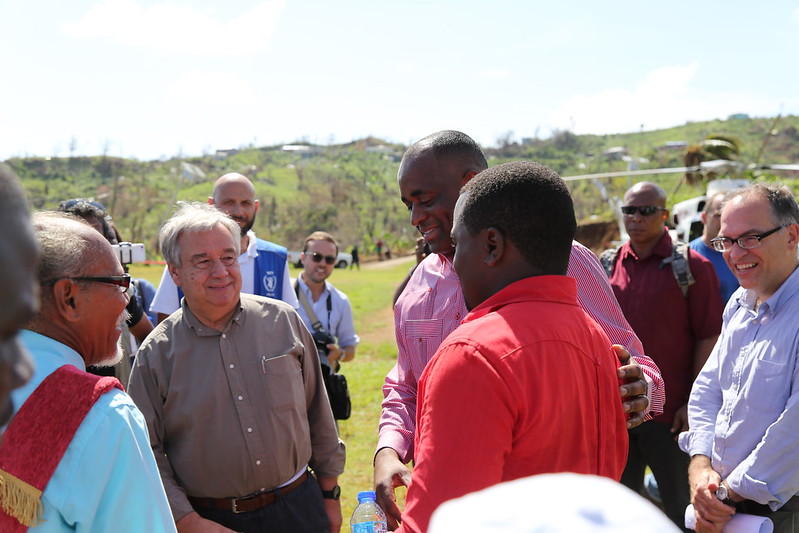
The Kalinago Territory, isolated from much of Dominica, offers limited economic opportunities. Local employment mainly revolves around farming, fishing and artisanal crafts due to a lack of industrial development. Unclear territorial boundaries lead to frequent land encroachment by non-Indigenous farmers. This compounds the challenges faced by the growing Kalinago population and further reduces their accessible land. The devastation of Hurricane Maria in 2017 exacerbated poverty, destroying about 90% of homes in the Kalinago Territory. With ancestral ties to the region now known as modern-day Venezuela, the Venezuelan government has committed $4.5 million to fund housing and educational infrastructure projects in the Kalinago Territory.
Food Insecurity and Conservation Efforts
More than 40% of Dominica’s population faces the risk of food insecurity, with the indigenous peoples particularly vulnerable. Following Hurricane Maria, severe food insecurity affected about 24,000 people. Dominica’s food production is highly susceptible to climate change and natural disasters. In response, the United Nations Development Programme (UNDP) initiated the Strengthening Sustainable Livelihoods and Resilience in the Kalinago Territory project in 2021. This project targets poverty among the Dominican Kalinago. It enhances food security through sustainable agriculture practices, focusing on the cultivation of cassava, a crop of significant cultural importance to the Kalinago.
The project equips farmers with the necessary tools, materials and technical know-how to set up a Climate Smart Agricultural Research Station. This station will enable farmers to boost productivity and develop cassava-based products for both local and international markets. It also offers small grants to promote sustainable farming practices. A major component of the project is environmental conservation, addressing the longstanding issue of deforestation in the Kalinago Territory. The initiative includes a reforestation strategy designed to restore land and improve water catchment areas. These ongoing efforts in sustainable agriculture, environmental conservation and climate resilience aim to establish a foundation for the long-term sustainability and self-reliance of the Kalinago.
Looking Ahead
Efforts to support the Kalinago community focus on addressing poverty, food insecurity and environmental degradation through sustainable initiatives. Projects like the Strengthening Sustainable Livelihoods and Resilience in the Kalinago Territory aim to improve agricultural productivity. Additionally, they promote reforestation to restore natural resources. By equipping farmers with tools and training, these initiatives enable the development of cassava-based products, fostering both local and international economic opportunities. The combined focus on environmental conservation and climate resilience highlights a commitment to empowering the Kalinago people while preserving their cultural and natural heritage.
– Nina Bujewski
Nina is based in San Luis Obispo, CA, USA and focuses on Technology and Politics for The Borgen Project.
Photo: Flickr
