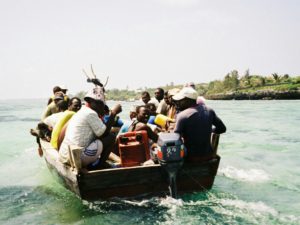
 Foreign aid has been essential for decades in international development, funding education, health care and infrastructure in low- and middle-income countries. In recent years, governments and organizations have increasingly redirected aid spending toward strategic objectives, emphasizing security, border control and military collaboration. This new trend, sometimes called “security diplomacy,” raises questions about the changing dynamics of foreign assistance and its lasting impact on poverty alleviation.
Assistance from countries such as the U.S., Italy and European Union (EU) members is increasingly allocated to military training efforts, anti-migration enforcement and surveillance technologies, rather than financing educational institutions or hospital facilities. Case studies from Africa and the Mediterranean demonstrate the effects of this transition on recipient states and the challenges it presents to traditional development objectives. This shift exemplifies how security diplomacy and foreign aid are increasingly intertwined in global policy.
Coastal Control Over Community Needs: Italy’s Aid to Libya
In recent years, Italy has invested millions in foreign aid to bolster Libya’s coast guard and border control initiatives, particularly to curtail migration across the Mediterranean. This approach, financed via bilateral agreements and EU-supported frameworks, has faced criticism for prioritizing security containment above sustainable development assistance in North Africa.
According to a 2023 study, Italy allocated at least $37.5 million between 2017 and 2022. This funding was part of a broader strategy of security diplomacy and foreign aid, supporting patrol boats, training and equipment for the Libyan Coast Guard. The principal objective has been to intercept migrant vessels before their arrival in European seas and to repatriate the individuals on board to detention facilities in Libya.
This strategy, ostensibly humanitarian to avert perilous maritime journeys, has faced extensive criticism for facilitating human rights violations. United Nations (U.N.) and human rights groups have reported instances of arbitrary incarceration, torture and forced labor in Libyan detention institutions, to which many returnees are sent. Critics contend that by emphasizing border control, Italy and the EU have neglected investment in Libya’s faltering education and health care systems. These sectors have declined owing to persistent violence and insufficient finance. The financing change establishes a precedent for using assistance as a mechanism for migratory deterrent, rather than for human development.
The Sahel: Development Deferred in the Name of Stability
The EU has allocated billions to the Sahel via the EU Emergency Trust Fund for Africa (EUTF), primarily focused on poverty alleviation and migration control. By the conclusion of 2020, the EUTF had mobilized more than $4.8 billion, with 46% of the capital allocated to resilience and economic opportunity. Approximately 31% was explicitly designated for migration management and border control within the Sahel and Lake Chad framework, highlighting the EU’s increasing use of security diplomacy and foreign aid.
Audits conducted by the European Court of Auditors and academics at SWP Berlin have highlighted issues over the Fund’s ambiguous development aims. It indicates that its design increasingly caters to EU migration interests, implying a shift from conventional poverty alleviation to security-oriented measures. Similarly, analyses by think tanks such as the Foundation for European Progressive Studies suggest that mechanisms like the EUTF and the External Investment Plan reflect a shift in EU funding priorities.
Rather than focusing solely on development, these tools now also serve goals related to policing, border security and migration diplomacy. This marks a significant evolution in the EU’s “security–migration–development nexus” in the Sahel. Civil society organizations, like Oxfam and Euractiv, have emphasized the need to reallocate education, employment and health care assistance. They contend that emphasizing border control and stabilization may exacerbate instability rather than mitigate it.
Donor Alternatives That Prioritize Development
Certain donor initiatives, including those spearheaded by USAID, have persistently prioritized locally driven development, especially in the Sahel and Horn of Africa. The USAID Resilience in the Sahel Enhanced (RISE) program prioritizes enduring outcomes like education, food security and conflict prevention by collaborating directly with people instead of relying on security intermediaries.
Similarly, the United Nations Development Programme (UNDP) and the Organization for Economic Cooperation and Development (OECD) have developed frameworks. These are focused on human security, including education, health, economic stability and protection from violence. These paradigms establish development as fundamental to security, rather than as a deterrence mechanism.
Focus on Root Causes: Re-Centering Aid on Human Development
Prominent international institutions, such as the OECD, the World Bank and the International Organization for Migration (IOM), continually underscore the need to address the fundamental causes of instability for sustainable development and migratory governance. The fundamental reasons are poverty, social marginalization, shaky governance, economic instability and environmental shocks.
The OECD asserts that successful development aid must promote inclusive economic growth, education, gender equality, health care and access to social safety systems. These objectives transcend mere humanitarianism; they represent strategic investments in enduring resilience. A global analysis by the World Bank highlights that improving equal access to employment and education is key to reducing migration driven by hardship. This is especially true for adolescents in precarious environments, where limited opportunities often make migration appear to be the only viable path forward.
IOM emphasizes that an exclusive emphasis on border control neglects intricate realities: most migration is internal or regional and is propelled by structural development disparities. Investments in local governance, labor markets and climate resilience might initially reduce the need for irregular migration.
Conclusion
As countries increasingly allocate development financing to border security and migration control, the fundamental purpose of foreign assistance is jeopardized. Across institutions, communities and advocacy networks, there is an increasing acknowledgement that human development, rather than deterrence, is the best sustainable approach to world stability.
– Ray Bechara
Ray is based in Glasgow, Scotland and focuses on Politics for The Borgen Project.
Photo: Unsplash

How Security Diplomacy Is Replacing Development Assistance
Assistance from countries such as the U.S., Italy and European Union (EU) members is increasingly allocated to military training efforts, anti-migration enforcement and surveillance technologies, rather than financing educational institutions or hospital facilities. Case studies from Africa and the Mediterranean demonstrate the effects of this transition on recipient states and the challenges it presents to traditional development objectives. This shift exemplifies how security diplomacy and foreign aid are increasingly intertwined in global policy.
Coastal Control Over Community Needs: Italy’s Aid to Libya
In recent years, Italy has invested millions in foreign aid to bolster Libya’s coast guard and border control initiatives, particularly to curtail migration across the Mediterranean. This approach, financed via bilateral agreements and EU-supported frameworks, has faced criticism for prioritizing security containment above sustainable development assistance in North Africa.
According to a 2023 study, Italy allocated at least $37.5 million between 2017 and 2022. This funding was part of a broader strategy of security diplomacy and foreign aid, supporting patrol boats, training and equipment for the Libyan Coast Guard. The principal objective has been to intercept migrant vessels before their arrival in European seas and to repatriate the individuals on board to detention facilities in Libya.
This strategy, ostensibly humanitarian to avert perilous maritime journeys, has faced extensive criticism for facilitating human rights violations. United Nations (U.N.) and human rights groups have reported instances of arbitrary incarceration, torture and forced labor in Libyan detention institutions, to which many returnees are sent. Critics contend that by emphasizing border control, Italy and the EU have neglected investment in Libya’s faltering education and health care systems. These sectors have declined owing to persistent violence and insufficient finance. The financing change establishes a precedent for using assistance as a mechanism for migratory deterrent, rather than for human development.
The Sahel: Development Deferred in the Name of Stability
The EU has allocated billions to the Sahel via the EU Emergency Trust Fund for Africa (EUTF), primarily focused on poverty alleviation and migration control. By the conclusion of 2020, the EUTF had mobilized more than $4.8 billion, with 46% of the capital allocated to resilience and economic opportunity. Approximately 31% was explicitly designated for migration management and border control within the Sahel and Lake Chad framework, highlighting the EU’s increasing use of security diplomacy and foreign aid.
Audits conducted by the European Court of Auditors and academics at SWP Berlin have highlighted issues over the Fund’s ambiguous development aims. It indicates that its design increasingly caters to EU migration interests, implying a shift from conventional poverty alleviation to security-oriented measures. Similarly, analyses by think tanks such as the Foundation for European Progressive Studies suggest that mechanisms like the EUTF and the External Investment Plan reflect a shift in EU funding priorities.
Rather than focusing solely on development, these tools now also serve goals related to policing, border security and migration diplomacy. This marks a significant evolution in the EU’s “security–migration–development nexus” in the Sahel. Civil society organizations, like Oxfam and Euractiv, have emphasized the need to reallocate education, employment and health care assistance. They contend that emphasizing border control and stabilization may exacerbate instability rather than mitigate it.
Donor Alternatives That Prioritize Development
Certain donor initiatives, including those spearheaded by USAID, have persistently prioritized locally driven development, especially in the Sahel and Horn of Africa. The USAID Resilience in the Sahel Enhanced (RISE) program prioritizes enduring outcomes like education, food security and conflict prevention by collaborating directly with people instead of relying on security intermediaries.
Similarly, the United Nations Development Programme (UNDP) and the Organization for Economic Cooperation and Development (OECD) have developed frameworks. These are focused on human security, including education, health, economic stability and protection from violence. These paradigms establish development as fundamental to security, rather than as a deterrence mechanism.
Focus on Root Causes: Re-Centering Aid on Human Development
Prominent international institutions, such as the OECD, the World Bank and the International Organization for Migration (IOM), continually underscore the need to address the fundamental causes of instability for sustainable development and migratory governance. The fundamental reasons are poverty, social marginalization, shaky governance, economic instability and environmental shocks.
The OECD asserts that successful development aid must promote inclusive economic growth, education, gender equality, health care and access to social safety systems. These objectives transcend mere humanitarianism; they represent strategic investments in enduring resilience. A global analysis by the World Bank highlights that improving equal access to employment and education is key to reducing migration driven by hardship. This is especially true for adolescents in precarious environments, where limited opportunities often make migration appear to be the only viable path forward.
IOM emphasizes that an exclusive emphasis on border control neglects intricate realities: most migration is internal or regional and is propelled by structural development disparities. Investments in local governance, labor markets and climate resilience might initially reduce the need for irregular migration.
Conclusion
As countries increasingly allocate development financing to border security and migration control, the fundamental purpose of foreign assistance is jeopardized. Across institutions, communities and advocacy networks, there is an increasing acknowledgement that human development, rather than deterrence, is the best sustainable approach to world stability.
– Ray Bechara
Photo: Unsplash
AI Technology Developed for Breast Cancer Screening in India
Breast Cancer in India
Breast cancer is the most prevalent cancer among women worldwide. It also has the fourth-highest mortality rate out of any cancer. In India specifically, it is a significant issue. Despite having lower incidence levels, the nation continues to have similar or higher mortality rates than Western countries. One of the main contributors to this high rate of mortality is delayed detection.
Health professionals recommended that all females aged 40 and above receive yearly mammograms to screen for breast cancer. However, according to the Longitudinal Aging Study in India, fewer than 2% of the 35,083 women aged above 40 surveyed reported receiving a mammogram in the past two years. Due to this lack of thorough and routine examination, many breast cancers are not diagnosed until they are in advanced stages.
The percentage of women who reported receiving mammograms varies slightly based on socioeconomic status, other preexisting health conditions and place of residence. However, as a whole, access to and use of mammogram technology for breast cancer screening is limited. This is due to high costs and lack of adequate medical equipment and workers in India and other low- and middle-income countries (LMICs).
Predictive Screening With AI
Niramai, a tech company located in Bengaluru, India, has developed an AI technology known as Thermalytix, which detects indicators of breast cancer. Thermalytix uses computer software to analyze thermal imaging of breasts and scan them for abnormal “hot spots, warm spots and vascular patterns” and determine the probability of any malignant lesions.
Since 2016, Niramai has conducted studies on the effectiveness of Thermalytix in different clinics and hospitals across India. Over the past nine years, Niramai has invited more than 16,000 women to participate in clinical trials, improving its Thermalytix technology. Thermalytix was evaluated in terms of sensitivity (ability to identify true positives) and specificity (ability to identify true negatives) in each study.
In every iteration, Thermalytix has consistently scored between 82-98% in sensitivity and 80-88% in specificity. It has already “received regulatory approval in India” and met the health and safety criteria to receive the CE mark in Europe. Thermalytix patients found to be positive or at high risk for breast cancer are always referred to receive further testing with either mammography, MRI or ultrasound technology. However, its effectiveness as an early intervention tool is not to be understated.
Conclusion
As a lower-cost and noninvasive technology, Thermalytix has the potential to make breast cancer screening in India more accessible to the general population. If implemented on a large scale, this technology could “improve overall treatment outcomes” by catching breast cancer before it reaches the later stages.
– Delaney Gouveia
Photo: Pexels
Driving Down Child Malnutrition in Sudan: Life-Saving Peanut Paste
Child Malnutrition in Sudan
Sudan and South Sudan together form one of the world’s hungriest corridors. The conflict has displaced millions; crop failures have destroyed harvests and inflation has made staple foods unattainable. Insecurity has also crippled supply chains and closed health clinics, limiting access to screening, early treatment and food aid in the hardest-hit regions like Darfur and Upper Nile.
In July–August 2024, unprecedented floods across Sudan destroyed nearly 205,500 acres of farmland and displaced more than 44,000 people. This wiped out entire cropping seasons, deepening food shortages and pushing thousands more children into malnutrition.
According to UNICEF, more than two million children aged below 5 suffer from malnutrition, with 522,000 experiencing SAM. However, some actions can be taken: outpatient programs using ready-to-use therapeutic food (RUTF) routinely achieve 90% recovery rates.
What Exactly is in a Sachet?
RUTF is a blend of roasted peanuts, powdered milk, sugar, vegetable oil, vitamins and minerals sealed in a foil pouch. Since the product is energy-dense, has excellent shelf stability and requires no water or cooking, caregivers can administer the full treatment at home.
This not only frees up overwhelmed hospital beds but also shields children from unsafe water sources and health facility overcrowding. Nutritionists call it “medicine you can eat,” and parents know it simply as Sudan’s life-saving peanut paste. One 92-gram sachet supplies more than 500 kcal and a full day’s micronutrients.
Proven Results
Every foil packet of life-saving peanut paste in Sudan delivers food and medicine in one lightweight dose, a huge advantage as clinics are distant and clean water is scarce.
The Takeaway
A single peanut pack has become the strongest shield against child malnutrition in Sudan. Alfred’s recovery exhibits that children survive and thrive when resources, farmers and determined mothers converge around a foil packet.
– Arabella D’Aniello
Photo: Flickr
Sterile Fly Barrier in Central America Saves Lives
More than 100 million sterilized male flies are released each week along the Panama–Colombia border, ensuring that emerging females lay infertile eggs and preventing NWS populations from taking hold. For rural communities, many people live in extreme poverty, protecting their herds often means the difference between starvation and survival.
The Screwworm’s Mode of Attack
Female NWS flies deposit eggs in fresh wounds. Within hours, the larvae hatch and begin excavating into living flesh in a spiraling motion that inspired its common name. As these maggots feed, they create deep, pus‑filled lesions that, without prompt removal, lead to severe inflammation, systemic infection and often the death of the animal.
Historically, livestock owners resorted to harsh chemical larvicides, branding techniques or manual extraction to combat infestations. These methods were costly, traumatic for the animals and frequently insufficient to prevent herd-wide losses.
Operation of the Barrier System
The Panama–U.S. Commission for the Eradication and Prevention of Screwworm (COPEG) oversees the production and release of sterile flies. In a specialized rearing facility near Pacora, screwworm larvae are raised on artificial diets under strict international standards before being sterilized using gamma irradiation.
The resulting sterile males are dispersed from aircraft across the Darien region to establish a continuous barrier. Since its permanent establishment in 2004, this sterile fly barrier in Central America has prevented reinvasion from South American endemic zones and safeguarded livestock populations to the north.
Economic Impact and Performance Metrics
Before the Sterile Insect Technique (SIT) was implemented, screwworm infestations caused annual losses exceeding $300 million in Central America through animal deaths and treatment expenses. At the same time, the U.S. faced more than $900 million in direct costs each year. By neutralizing reinvasion threats, the barrier delivers an estimated $1.3 billion in annual economic benefits across the region. On a household level, smallholder farmers gain an additional $200 to $300 per year, resources that can be allocated to nutrition, education and health care.
The United Nations Food and Agriculture Organization (FAO) emphasizes that impoverished livestock owners, who often hold only a few animals as their sole asset, are disproportionately affected by parasitic outbreaks. Furthermore, the loss of even a single bovine can plunge a family into an existential crisis. By protecting up to four million of the most vulnerable rural residents in Mexico and Central America, the sterile fly barrier in Central America secures their primary source of income and food. This directly interrupts the cycle of extreme poverty and prevents further social deprivation.
Future Outlook
With climate instability accelerating parasite migration and global trade increasing the risk of cross‑border spread, sustained funding for COPEG remains essential. Moreover, the SIT model holds promise for tackling other myiasis‑causing species and livestock diseases. Expanding this approach to additional endemic areas could further stabilize agricultural livelihoods and serve as a cornerstone strategy for global poverty reduction.
– Alexander Broermann
Photo: Pixabay
Invisible and Forgotten: Living With Disability in Moldova
Despite international agreements and national policies, gaps remain in reaching the country’s most vulnerable communities. Poverty and neglect continue to isolate the disabled population, leaving them under-resourced, unheard and invisible.
Living With Disability in Moldova
An estimated 7% of Moldova’s population lives with a disability, but state support is shockingly low. Many families are left to navigate complex disabilities alone, with grandparents or single parents stepping in as full-time caregivers, without guidance, training or respite.
Disability in Moldova is not just ignored; it’s hidden. According to a 2015 report, nearly 1,716 children with mental or intellectual disabilities remain in segregated institutions and many are still denied access to mainstream education. Around 2,500 people (children and adults) with mental disabilities are forced to live in institutions, cut off from communities and basic liberties.
Additionally, between 3,000 and 4,000 individuals, mainly with intellectual or psychosocial disabilities, are stripped of legal capacity. They’re barred from basic life decisions like marriage, employment, voting and refusing medication. Many are institutionalized by guardians or withheld from community life.
Moldova’s economic crisis affects everyone, but people living with disabilities bear the brunt of it. According to the United Nations Development Program (UNDP), more than 25% of Moldovans live below the national poverty line, with rural areas hit the hardest. For people with disabilities and their families, this means daily decisions between medicine and meals, therapy and survival. In Moldova, disability is not just a personal challenge; it’s a systemic trap.
International Promises vs. Local Reality
Moldova has ratified the United Nations (U.N.) Convention on the Rights of Persons with Disabilities (CRPD). On paper, this marks a commitment to equality and accessibility. But in practice, little has changed. There is no cohesive national disability strategy, no consistent monitoring and international aid has failed to prioritize the disability crisis. Progress is sporadic and largely symbolic, leaving thousands in legal and social limbo.
However, some nongovernmental organizations (NGOs) are working on the ground to support people with disabilities in Moldova. One such organization, the Tony Hawks Center, is committed to improving the lives of vulnerable children. It provides non-invasive rehabilitation services, including physical therapy, occupational therapy and speech therapy, for children aged 0 to 18.
According to the U.N., only 26% of Moldovans support the inclusion of persons with intellectual and psychosocial disabilities in the community. In response, the organization launched a broad awareness campaign aimed at increasing public acceptance and reducing stigma.
– Marina Martin
Photo: Flickr
Poverty and Mental Health in São Tomé and Príncipe
Challenges Facing Mental Health Services
There is a lack of awareness and data surrounding mental health in São Tomé and Príncipe. However, many residents face common mental health issues such as anxiety, depression, substance use and, in some cases, trauma from poverty and isolation.
Barriers to care include a severe shortage of mental health professionals. There are only 4.6 doctors per 10,000 residents, with even fewer trained in mental health. Infrastructure is weak and there are no specified mental health facilities or consistent and constant access to medication. Stigma also plays a major role, leaving many affected individuals misunderstood and unsupported.
The public health care system offers limited mental health support through a few hospitals. Only one outpatient mental health facility is linked to a hospital and just one psychiatric unit exists within a general hospital. As of 2017, there were 706 treated cases of severe mental disorders nationwide, equivalent to 361 cases per 100,000 people.
How Poverty Fuels Mental Health Challenges
Poverty also takes a toll on the mental health of São Tomé and Príncipe’s residents. Around a quarter of the population lives on less than $1.90 daily, one of the highest poverty rates among comparable countries. This is due to unemployment and low labor force participation. In 2020, the unemployment rate jumped from 13% to 20%.
Living in poverty often means daily stress over essentials like food, water and housing, things that can trigger or worsen depression and anxiety. With a chronically underfunded health care system, there is limited access to mental health professionals and affordable support remains extremely limited for those in need.
Women and children in São Tomé and Príncipe are especially vulnerable to mental health challenges due to limited economic and educational opportunities. In 2018, the birth rate for girls aged 15–19 was 0.4 per 1,000, an indicator of deeper social and health disparities. Mental health struggles among these groups are often linked to substance abuse and domestic violence. Yet, access to mental health services remains limited, further compounding the crisis.
Support From International Organizations
The United Nations Children’s Fund (UNICEF) is one of the organizations working to combat the poverty and mental health crisis in São Tomé and Príncipe. One serious problem in the country is violence against children. This occurs frequently; about 70% of children are exposed to psychological aggression and one in seven experience severe physical punishment. To address this, UNICEF developed a protocol for care and follow-up for adolescent victims of violence, sexual abuse or mistreatment. Indeed, this is a major factor in the mental health struggles many residents of São Tomé and Príncipe face.
The World Health Organization (WHO) is also working to strengthen health systems in São Tomé and Príncipe by improving working conditions and boosting staff motivation. Its efforts have significantly impacted both the more than 9,000 island residents and the 97 professionals working at the hospital. While emphasizing preventive health, the organization focuses on reducing deaths from preventable diseases and promoting long-term care and sustainability.
Conclusion
Mental health in São Tomé and Príncipe is often overlooked, yet neglecting it undermines education, productivity and overall well-being. Breaking the cycle of poverty requires addressing mental health. Spreading awareness is essential to ensure local communities can access the necessary services.
– Madyn Lewis
Photo: Wikimedia Commons
Bulgaria’s Air Quality and Disease Prevention
Breathe Sofia
In September 2022, the city of Sofia, Bulgaria, launched Breathe Sofia, a project aimed at improving air quality in one of the country’s most polluted cities. It focuses on protecting vulnerable populations by building public support for stronger policies, offering technical guidance for regulations and sharing international best practices.
By reducing air pollution, these efforts can help alleviate poverty by lowering health care costs and improving quality of life, especially for communities most affected by environmental disparities. Beyond health benefits, air pollution reduction also promotes social equity. It supports children’s well-being in impacted areas, increases economic participation and reinforces Bulgaria’s commitment to inclusive development under the European Union’s (EU) sustainability goals.
Bulgaria’s Air Quality
Bulgaria has also launched the New Operational Program on the Environment, allocating $1.77 billion to address water and waste management, biodiversity and air pollution. Since 2021, the program has helped provide cleaner air for 1.3 million people.
Furthermore, as part of its broader sustainability agenda, Bulgaria has prioritized emissions reduction through the National Program for the Improvement of Ambient Air Quality. This strategy drove significant progress between 2018 and 2024, with emissions falling by 66.5%. This reduction directly benefits low-income families by providing cleaner air and supporting healthier, more sustainable living conditions.
Addressing Diseases
To address cancer and chronic diseases, Bulgaria has joined the Joint Action to Prevent Noncommunicable Diseases and Cancer (JA PreventNCD), a three-year EU-funded health initiative. The project aims to reduce the burden of cancer and other noncommunicable diseases (NCDs) across Europe by supporting 22 EU Member States, along with Iceland, Norway and Ukraine. It also focuses on tackling social inequalities linked to NCD risk factors.
With NCDs disproportionately affecting marginalized communities, JA PreventNCD targets the root causes by addressing the link between poverty and poor health. The initiative acknowledges the unequal impact of NCDs on lower socioeconomic groups and promotes equitable access to prevention and care. By focusing on prevention and healthier lifestyles, JA PreventNCD aims to reduce health problems, ease the economic burden of NCDs and contribute to poverty reduction.
Bulgaria’s commitment to rare disease recognition took a major leap in 2005 when it joined the J Project, a Central and Eastern European initiative focused on primary immune deficiencies. Ten years later, this progress led to the establishment of a dedicated expert center at the university hospital. The center provides families in low-resource communities with access to specialized care for rare diseases.
Final Remarks
As Bulgaria works to improve the quality of life for its citizens, it collaborates with national and international programs aimed at disease prevention and air pollution reduction. Supported by initiatives like the Clean Air Fund and the EU partnerships, these efforts create healthier environments and expand access to essential resources in underserved communities through public health and sustainability investments. Indeed, they help pave the way for a more equitable and resilient future.
– Karisma Polly
Photo: Pixabay
5 Charities Operating in New Zealand
Visionwest
Visionwest is one of many faith-led charities in New Zealand that address poverty and homelessness, support the elderly and ensure the young have hope for the future. It helps the nation by creating community housing, which includes long-term and transitional housing. The organization also contributes to the government‑backed Housing First Initiative. This program provides immediate housing and long-term support to tackle homelessness in Auckland and Canterbury.
The charity also fights food insecurity by providing services like the Pātaka Kai food bank and the Manaaki Kai social supermarket. Through these efforts, Visionwest has made a substantial impact:
Childfund
ChildFund New Zealand works in communities where political instability, conflict and violence impact the daily lives of children, youth and their families. This is one of the many essential child-centered charities operating in New Zealand. It uses a holistic approach by working alongside communities to deliver development programs that emphasize the outlook of children and youth. ChildFund has fought rising poverty by creating community water access points and providing hygiene training to keep families healthy.
In 2024 alone, the organization made an impact by reaching:
Auckland City Mission
Auckland City Mission is a charity that recognizes the cost-of-living crisis that has impacted many communities. With many only earning enough money to pay essential bills, there is often not much left for food. Auckland City Mission is among the charities operating in New Zealand that focus on bringing communities together, creating meaningful change and rising out of poverty. People in the community experience living in cars, inappropriate housing, mental health issues and struggling to feed their families.
Auckland City Mission has created HomeGround, its nine-story purpose-built facility that houses 80 apartments, health services and addiction recovery support. It has provided immediate housing relief and long-term support to those in hardship. Thanks to its efforts, the charity was able to provide:
Kindness Collective
Kindness Collective is a charity that provides practical, community-led support through five nationwide programs. Since this is a community-driven organization, its work is varied and its approach is to go where the need and help matter most. Kindness Collective work includes packing pajamas, food boxes and planting potatoes weekly. The charity works like a match-making agency, linking those in need to people with more to give.
Donations have included food, bedding, clothing, baby items and toys. As a result of these contributions and ongoing efforts, the impact has been significant:
KiwiHarvest
KiwiHarvest is one of the many food-centered charities operating in New Zealand. Its mission is based on helping the population become food secure, ensuring everyone has access to enough nutritious food every day. More than 27% of New Zealand children live in households where food tends to run out. Each year, New Zealand wastes enough food to feed the entire Dunedin population, approximately 150 thousand people.
To fight these statistics, KiwiHarvest works with food businesses to rescue the good food that goes unsold. It also redistributes excess food to those who need it, while protecting the environment. Through all this hard work, KiwiHarvest saves 250,000 kilograms of food each month and redistributes it to those facing hunger.
Through its dedication, KiwiHarvest has created a transformative impact:
From rescuing food to distributing essential supplies and providing health support, these organizations drive real, measurable change. Their combined efforts meet urgent needs and build stronger, more resilient communities across New Zealand.
– Emily Herlehy
Photo: Flickr
Helena Ndume: How a Namibian Doctor Helped Blind People See
Early Life
Helena Ndume was born in Namibia in 1960. During this time, Namibia, like many other South African countries, was divided by apartheid, a system of racial segregation that resulted in mass discrimination toward citizens of color. Even from a young age, Ndume could not stay quiet about the injustices committed against her people. She participated in anti-colonial rallies in junior high. Eventually, she decided to leave the country when she was 15 years old.
The journey before her was not for the faint of heart. To make it to the refugee camp in Zambia, she had to first cross Angola on foot, which was in the midst of a violent civil war. Her determination and grit shone through as she successfully made the voyage. She then took advantage of her Zambian education to earn a prestigious scholarship to the University of Leipzig in Germany. With such a prestigious education, Helena Ndume could have gone anywhere in the world. However, she chose to return to her home country of Namibia to fight the economic and social turmoil there.
The Namibian Struggle
By the time Ndume returned home in 1989, the nation was undergoing rapid social and political change. Namibia had finally gained independence after its 50-year stint as a territory of South Africa and this move allowed it to break free of apartheid rule. Despite this big win, Namibians were in no position to celebrate.
The country had recently suffered a large drought, which weakened the already-lacking agricultural sector. Furthermore, even though apartheid was over, Black citizens still struggled to take their place in the workforce, which heavily advantaged the wealthy White upper class by excluding people of color from taking high-paying jobs.
As a result of a lack of opportunities and continued inequality, more than half of the Namibian population experienced extreme poverty, which manifested itself as starvation and disease outbreaks. HIV/AIDS and polio cases hit a record high during the mid-’90s, as per the Centers for Disease Control and Prevention. Both illnesses can weaken the immune system and pave the way for sight-stealing diseases, such as cytomegalovirus (CMV) Retinitis and trachoma. Without adequate health care or a cure, thousands of Namibians were left blind.
A Global Hero
This is why, Ndume says, she decided to work with Surgical Eye Expeditions (SEE) International. SEE International is a nonprofit organization that sends experienced doctors and life-changing vision technology to underserved communities. Since starting in 1995, Ndume has served at hundreds of free eye clinics to treat preventable blindness.
Blindness is often seen as a crippling affliction in many parts of the world. However, its impact is especially severe in developing countries like Namibia because of the widespread lack of health care, which affects as much as 70% of the population in some areas.
Ndume believes that blindness is closely associated with severe poverty due to its far-reaching consequences on one’s lifestyle. From causing a parent to lose their job to forcing a child to drop out of school, blindness has severe repercussions for entire families and communities.
Envisioning a Brighter Future
One of the most inspiring things about Ndume’s work is her undeniable passion for the people she serves. Ndume has stated that her patients’ joyful expressions “fuel and recharge” her to “continue serving not only the Namibian people but all of humanity.” Such sentiments demonstrate Ndume’s undeniable passion for helping others and becoming a positive change source in her community.
Her dedication to serving humanity has not gone unnoticed. In 2015, she was awarded the Nelson Rolihlahla Mandela Prize by the United Nations (U.N.), recognizing her unwavering commitment and transformative work in global health. Receiving the award was a full-circle moment for Ndume, who undoubtedly looked up to Mandela’s anti-apartheid activism as a young teen. In addition to this prize, Ndume was presented with the Lions Clubs International Humanitarian Award and the Forbes Women Africa Social Impact Award in 2022.
Looking Ahead
Although blindness is still prevalent in Namibia, Ndume’s work has given citizens a reason to hope for a brighter future. Since 1993, the poverty rate has been halved and the GDP has grown substantially, according to the World Bank. The Gini Index, which measures the income equality in a nation, is still disproportionately high at 59.1% as of 2015, but shows a promising downward trend from the previous decade.
These statistics prove that economic growth is on the horizon for Namibia, as well as greater equality and health care. Ndume’s selflessness and devotion to the betterment of her country define her as a role model and inspiration for future generations of doctors, innovators and leaders worldwide. Most importantly, her incredible story shows that anyone can make a difference in their community, no matter where they come from.
– Grace Gonzalez
Photo: Flickr
Addressing Disability and Poverty in Brunei
Disability and Poverty in Brunei: A Structural Link
According to the ASEAN Disability Forum, about 1% of Brunei’s population, roughly 4,100 people, live with a disability. Although the absolute poverty rate in Brunei is low, many PWDs face ‘relative poverty’ which relates to a lack of access to education, jobs and digital resources. A 2021 study by Universiti Brunei Darussalam revealed that PWDs face structural exclusion in both the labor market and education system, especially in rural areas. These limitations create a cycle of economic hardship that persists despite national wealth. Disability and poverty in Brunei must be understood as interconnected issues, where inclusion gaps not income levels contribute to vulnerability.
Welfare Programs and Legal Support
Brunei ratified the UN Convention on the Rights of Persons with Disabilities in 2016, marking a turning point in its legal commitment to PWD rights. Under the Welfare Assistance Act, PWDs with an “OKU card” (Orang Kelainan Upaya) are eligible for monthly financial support. As of early 2025, more than 3,800 PWDs hold the OKU card. In addition, more than 1,600 caregivers receive monthly care allowances, reflecting the government’s efforts to expand its safety net. However, challenges remain. Many PWDs struggle to find suitable jobs or gain access to inclusive education. Accessible infrastructure and digital equity also lag behind policy goals.
Recent Progress in Policy and Practice
Brunei’s 12th National Development Plan introduced “Different Abilities Design Guidelines” to make public buildings more accessible. The Ministry of Finance and Economy has pledged more than 4 billion Brunei dollars toward more than 300 national projects, including improvements in housing, education and health care.
In a 2025 New Year address, His Majesty Sultan Hassanal Bolkiah reaffirmed the nation’s commitment to leaving no one behind. He specifically emphasized the rights of persons with disabilities to live in dignity and self-reliance. Many advocacy groups, including SMARTER Brunei, an autism awareness nonprofit organization, welcomed his remarks.
In December 2024, the “Embrace Differences” campaign launched with support from public and private sectors. The initiative provides children with autism access to tablets and e-learning modules, helping bridge the digital divide in schools.
The Road Ahead
Despite these advances, more work remains. Less than 10% of working-age PWDs in Brunei are employed in the formal economy, according to the ASEAN Post. Creating inclusive hiring practices and investing in vocational training can help reduce reliance on welfare and foster economic independence.
Muhammad Hamzi, president of the Brunei Darussalam National Association of the Blind, explained, “The primary issue is awareness, particularly regarding the challenges PWDs face in the workplace, which includes relevant training programs.”
Education reform is equally critical. While digital learning efforts are expanding, only a few schools offer inclusive classrooms. Training teachers in disability awareness and scaling up assistive technologies could help to ensure children with disabilities are not left behind.
In underserved areas, community-based outreach through mosques, clinics and village councils can help identify and support PWDs who may not be registered for official aid. These local efforts can also reduce stigma and raise public understanding.
– Charlie Wood
Photo: Wikimedia Commons