Strengthening Disease Prevention in Sudan
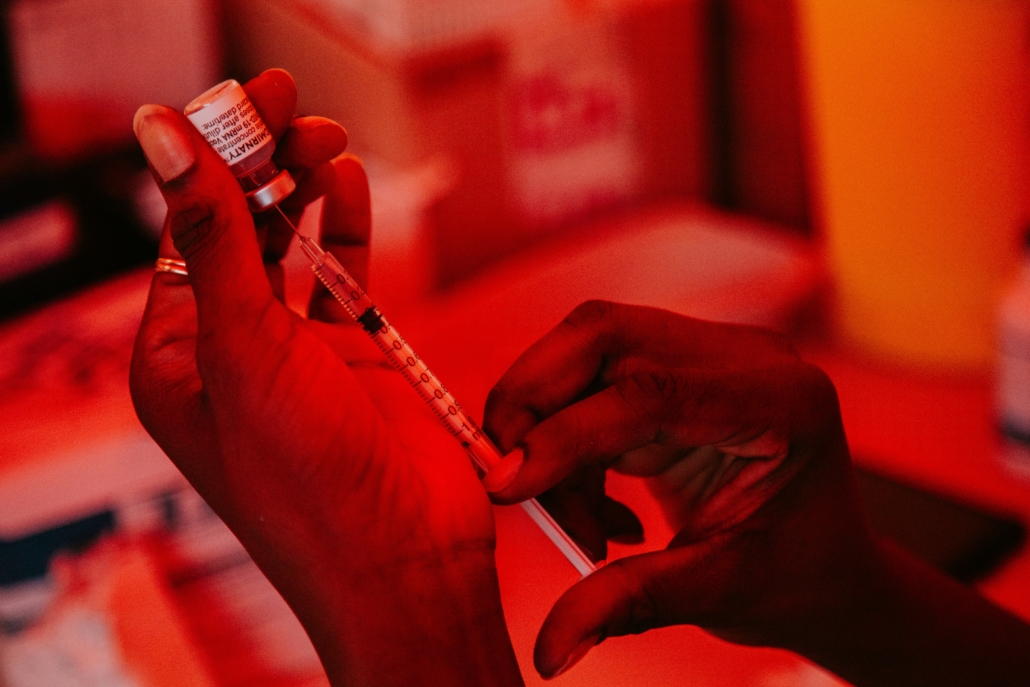 Sudan has faced severe conflicts creating detrimental humanitarian crises, crippling its health care systems and leading to increases of fatal diseases, including malaria and cholera. This humanitarian crisis has left 15.8 million people in need of humanitarian aid. With this conflict increasing constantly, it has now left half of Sudan’s population (30.4 million) people in desperate need of aid. Where refugee camps have been set up to provide aid to people has contributed to this increase in diseases by providing poor sanitation, enabling the spread of these diseases. Here is information about disease prevention in Sudan.
Health Challenges Under Conflict
A major challenge Sudan faces in tackling the spread of disease and poverty begins with child immunization. The most prevalent diseases within Sudan include malaria, cholera, measles and dengue fever affecting 3.4 million children under the age of 5 years old. Ongoing conflict has severely disrupted vaccination efforts, worsening children’s access to aid as well as making it increasingly difficult to reach these children with essential, life-saving immunizations. While UNICEF continues to provide critical support in delivering vaccines, sustained investment and stability are essential to protecting public health. UNICEF has been providing support to Sudan since 1952, and in 2024, it helped more than 9.8 million Sudanese individuals access sanitary water and provided education and psychosocial care to 2.7 million children and caregivers. To effectively prevent the spread of infectious diseases, Sudan must prioritize the restoration and continuity of its national immunization program.
Non-communicable diseases (NCDs) represent the leading cause of morbidity worldwide, accounting for 71% of global deaths, and they are becoming more and more prevalent in Sudan. Data from the NCD Progress Monitor shows that the percentage of NCD related mortality had increased from 32% in 2015 to 54% in 2022. Sudan’s progress in implementing NDC policies has been slow as the country achieved five of the 19 NCD targets in 2022.
Organizations Assisting Sudan
Despite immense challenges, several global aid organizations are making an impact, including UNICEF and World Vision who have enabled Sudan’s development by helping individuals who have been directly affected by this ongoing conflict by providing necessary education, food and water and shelter. World Vision has been able to reach more than 3 million individuals, providing them with emergency assistance in Sudan’s unstable climate, making a significant impact. These organizations help to boost social development in Sudan, ultimately aiding them to reduce levels of poverty and increase individual’s livelihoods.
Action Against Hunger is an organization that is fixated on providing care to individuals experiencing this violence and ongoing conflict. It has been working in Sudan since 1985 to provide fresh water and food as well as malnutrition treatment to those deprived of food. From 2023-2024, it has helped more than 815,000 Sudanese people access food by working in 15 different locations in Sudan to reach the optimum number of people. This organization has also been growing rice in flood waters and farming onions, helping to create new emergency services and rebuild livelihoods, ultimately contributing to the resistance of poverty in Sudan.
Advancing With Sustainability and Purpose
After the breakout of the war in 2023, the International Rescue Committee (IRC) established a prevalent presence in Al Jazirah State where health and nutrition services were provided and assisted 400,000 Sudanese refugees prior to the War. The IRC established a WASH program – which is an integrated water, sanitation and hygiene program – to help disease prevention in Sudan.
– Carise Wallbank
Carise is based in the UK and focuses on Global Health for The Borgen Project.
Photo: Unsplash
