Invisible and Forgotten: Living With Disability in Moldova
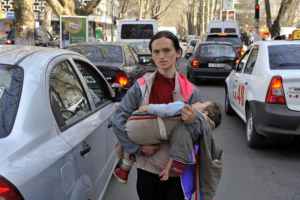 In Moldova, being born with a disability can mean being locked out of education, work and even basic human dignity. As one of the most impoverished countries in Europe and a neighbor to a war-affected region (Ukraine), Moldova faces significant challenges and offers limited opportunities for its citizens. But for people living with disabilities, the barriers are not just economic; they are systemic, cultural and deeply rooted.
Despite international agreements and national policies, gaps remain in reaching the country’s most vulnerable communities. Poverty and neglect continue to isolate the disabled population, leaving them under-resourced, unheard and invisible.
Living With Disability in Moldova
An estimated 7% of Moldova’s population lives with a disability, but state support is shockingly low. Many families are left to navigate complex disabilities alone, with grandparents or single parents stepping in as full-time caregivers, without guidance, training or respite.
Disability in Moldova is not just ignored; it’s hidden. According to a 2015 report, nearly 1,716 children with mental or intellectual disabilities remain in segregated institutions and many are still denied access to mainstream education. Around 2,500 people (children and adults) with mental disabilities are forced to live in institutions, cut off from communities and basic liberties.
Additionally, between 3,000 and 4,000 individuals, mainly with intellectual or psychosocial disabilities, are stripped of legal capacity. They’re barred from basic life decisions like marriage, employment, voting and refusing medication. Many are institutionalized by guardians or withheld from community life.
Moldova’s economic crisis affects everyone, but people living with disabilities bear the brunt of it. According to the United Nations Development Program (UNDP), more than 25% of Moldovans live below the national poverty line, with rural areas hit the hardest. For people with disabilities and their families, this means daily decisions between medicine and meals, therapy and survival. In Moldova, disability is not just a personal challenge; it’s a systemic trap.
International Promises vs. Local Reality
Moldova has ratified the United Nations (U.N.) Convention on the Rights of Persons with Disabilities (CRPD). On paper, this marks a commitment to equality and accessibility. But in practice, little has changed. There is no cohesive national disability strategy, no consistent monitoring and international aid has failed to prioritize the disability crisis. Progress is sporadic and largely symbolic, leaving thousands in legal and social limbo.
However, some nongovernmental organizations (NGOs) are working on the ground to support people with disabilities in Moldova. One such organization, the Tony Hawks Center, is committed to improving the lives of vulnerable children. It provides non-invasive rehabilitation services, including physical therapy, occupational therapy and speech therapy, for children aged 0 to 18.
According to the U.N., only 26% of Moldovans support the inclusion of persons with intellectual and psychosocial disabilities in the community. In response, the organization launched a broad awareness campaign aimed at increasing public acceptance and reducing stigma.
– Marina Martin
Marina is based in Rapid City, SD, USA and focuses on Global Health for The Borgen Project.
Photo: Flickr
