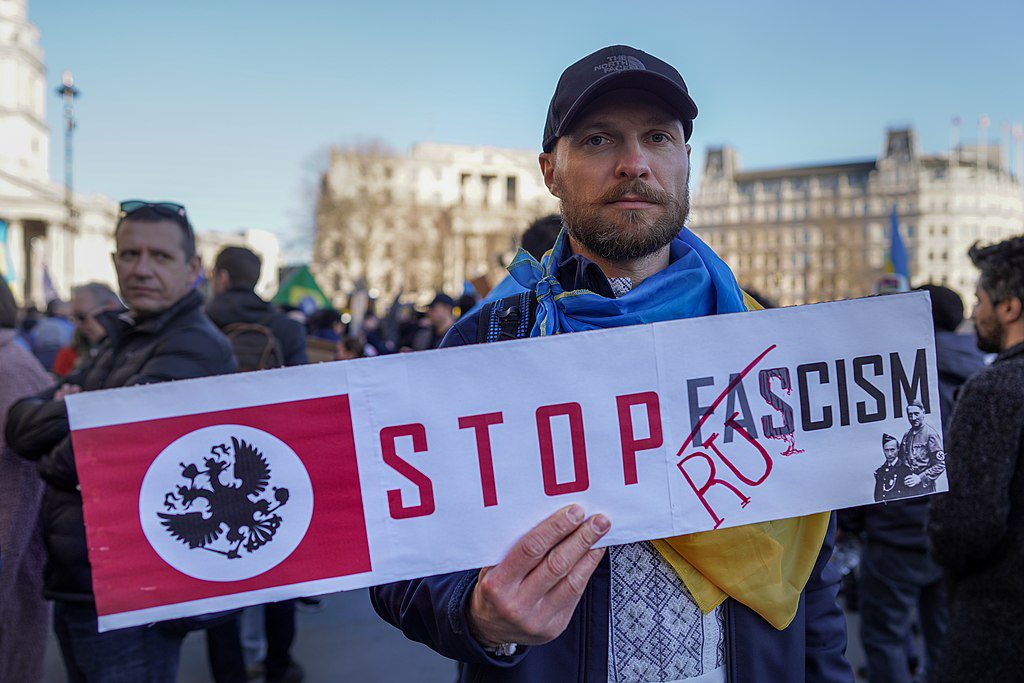
 The rule of law is central to any functioning democracy, ensuring the exercise of power within legal limits. However, the rule of law in Russia has become fragile under the leadership of President Vladimir Putin. Since first taking office in 2000, he has consolidated power through the suppression of opposition, constitutional manipulation and influence over the judiciary and legislature, eroding the independence of legal institutions. As legal checks disappear, rising inequality and poverty become characteristic of the Russian state, with the burden falling on those with the least protection. This article explores how Russia’s legal system prioritizes loyalty over justice, reinforcing structural exclusion.
Separation of Powers in Russia
Russia is an authoritarian political system led by President Putin, who has remained among the highest authority ranks since his first election in May 2000. Throughout his years in government, he has reshaped the balance of power to secure his dominance and weaken institutional checks. In 2004, he announced a stage of recentralization, dismantling many regional powers and bringing political authority under tighter Kremlin control. According to the Carnegie Endowment for International Peace, this shift entrenched centralized, top-down governance rooted in loyalty to the president and dominated by Kremlin-aligned political parties. With control over the courts, most of the media and the legislative branch, the Kremlin continues to repress citizens’ rights domestically while adopting foreign policy decisions that defy international norms, further eroding the rule of law.
The emergence of informal mechanisms has allowed state ideology to shape legal interpretations and enforcement, with unofficial directives treated as binding by the political system. As government transparency declines, informal rules overshadow international law and constitutional provisions, weakening the principle of equality before the law. This undermines the impartiality needed to combat corruption, ensure fair resource distribution, or secure fundamental rights. The breakdown of judicial independence leaves marginalized groups without meaningful legal recourse and institutionalizes exclusion.
The Legislative Branch: The Duma and the Federation Council
Composed of the Duma (lower house) and the Federation Council (upper house), the Russian Federation’s legislative branch should be independent, but the President controls many of its decisions. The Duma confirms that the President nominates the Prime Minister and other state ministers and passes laws that the executive proposes.
Regional governments and parliaments select 85 of the 170 Federation Council members, while the president directly appoints 30. Notably, the president has considerable influence over regional governors through recentralization. The president nominates governors instead of allowing public elections, and regional legislatures, that pro-Kremlin parties dominate, confirm them.
The result is the political sidelining of regional voices and minority populations. Areas marked by inequality have no formal channel to advocate for social support or investment. The lack of regional autonomy or accountability leads to disparities between Moscow’s political elite and the rest of the population, weakening public trust in the rule of law.
The Constitution and the President
It should be no secret that the Russian Constitution has granted President Putin significant power, raising serious concerns about how far that power has extended and how this shift impacts the rule of law. According to the document, the president is the head of state and the guarantor of the constitution, giving him control over most foreign and domestic policy decisions. Endowing him with sweeping legislative powers, the Constitution allows Putin to appoint security ministers, making these issues almost exclusive to the president’s competence.
In 2020, Putin introduced constitutional amendments that further reduced citizens’ rights while expanding executive power. These changes extended presidential terms, enhanced control over the judiciary and granted former presidents lifelong immunity and a permanent seat in the Federation Council. Legal accountability is virtually absent in a system with no meaningful electoral competition or judicial independence. This structure allows the state to ignore inequality while preserving elite privilege and those outside the core political apparatus face systemic neglect.
Russia and the Rule of Law Today
One of the most significant legal tools for controlling dissent is the 2012 “foreign agents law.” Initially applied to NGOs receiving international funding, it has since expanded to target media outlets, advocacy groups and individuals. The 2022 revisions added the broad and ambiguous “foreign influence” category, allowing the state to label critics as national security threats. As a result, the government has cracked down on civil society groups, especially those advocating for human rights, ethnic minorities and the economically vulnerable, forcing them to operate underground.
Poverty in Russia remains a pressing issue, particularly in rural areas and among minority populations. According to the World Bank, around 12.1% of Russians lived below the national poverty line in 2022, with the rate disproportionately affecting families and those in underdeveloped regions. Weak rule of law exacerbates this problem by limiting access to fair legal recourse, reinforcing corruption and enabling the misuse of public funds intended for social welfare.
Following the 2022 full-scale invasion of Ukraine, Russia’s courts became even more visibly biased, enforcing laws that serve state narratives. The state now regularly carries out political trials, arbitrary detentions and harsh sentencing. With growing restrictions on freedom of expression, peaceful assembly and association, the Kremlin reasserts dominance and undermines the rights of its citizens.
In response to these challenges, some initiatives continue to push for reform. The EU-Russia Civil Society Forum and its “Legal Discourse” program seek to enhance the potential of the participation of NGOs in the discussion of legal matters between the European Union and Russia. This platform emphasizes the importance of promoting and protecting values like human rights, the rule of law, separation of powers, government accountability, administrative compliance and judicial independence.
Resistance and Civil Society
Despite growing repression, Russian civil society continues to resist. Journalists, activists and ordinary citizens risk their freedom to challenge state abuse. Though weakened since the 1990s, moments like the 2011–2012 electoral protests and quiet acts of defiance in response to the invasion of Ukraine reflect a resilient spirit. Individual resistance now outweighs mass movements, with citizens using subtle, creative means to oppose the regime.
Organizations such as Global Call to Action Against Poverty and Caritas of Mother of God Archdiocese have been working to fight poverty within the federation. Making information about patient rights more available to citizens, GCAP’s Russia program aims to improve healthcare in impoverished communities. Caritas of Mother of God Archdiocese, formerly known as Caritas Russia, is a national agency operating under the Catholic Church that focuses on providing the poor and victims of disasters, accidents and armed conflicts with medical and social support. Recently, the organization has been supporting families that have fled Ukraine into Russia, supplying them with food, hygiene materials, medicine and bedding.
Looking Ahead
Authoritarian control has severely damaged Russia’s legal institutions, leaving its citizens with a system that silences opposition and allows inequality to grow unchecked. Under Putin, the rule of law in Russia has withered, concentrating power in the hands of the elite while marginalizing large segments of the population. Through constitutional manipulation, centralized political appointments and laws targeting dissent, the state has built a framework that prioritizes loyalty over fairness.
Yet, resistance endures. Programs such as the EU-Russia Civil Society Forum and grassroots initiatives such as Caritas and GCAP demonstrate that, despite repression and challenges with the rule of law in Russia, the fight for the protection of the vulnerable and the promotion of justice continues. In the face of adversity, quiet resistance remains a tool for fighting for a more inclusive, equitable, and lawful future.
– Rafaela Paquet
Rafaela is based in Montreal, Canada and focuses on Politics for The Borgen Project.
Photo: Flickr

How Telemedicine in Sierra Leone is Improving Health Care Access
Most Sierra Leonean people live in rural areas (55%). This poses an inconvenience when it comes to reaching medical care, which is mainly available in urban areas, considering the deteriorated road and railway networks.
About Telemedicine
Telemedicine has emerged in the last decades to bridge the gap of health care access for difficult-to-reach areas around the world as well as for individuals who struggle to meet appointments by providing medical attention from a distance using electronic devices. This innovation can range from teleconsultation, where the patient can express symptoms to their doctor through a laptop, to telesurgery, where a surgeon uses robotic technologies to perform a surgery on their patient remotely.
The use of telemedicine in Sierra Leone could be a game-changer for the health care system.
Mobile Health
In 2011, when health workers and traditional birth attendants received phones, SIM cards, solar panel powered battery chargers and a virtual private network as well as proper training on how to use them, they reported a significant improvement in health care access in the Bombali district.
Health workers called their clients to remind them about appointments and inform them about the arrival of their medicine. Instead of regular in-person meetings, which could be challenging for patients living far from health facilities.
People started utilizing health services more after the provision of cell phones, and the remote communication with the health workers strengthened the clients’ trust and notified them of the workers’ availability and the need for another visit. The health workers’ phone reminders encouraged their clients not to miss their appointments.
The cell phones not only reinforced communication between the health workers and their clients but also between health workers themselves, they called to inform each other about the delegation of duties as well as the schedule of meetings and activities. This stronger collaboration has eased the decision to refer ambulances, which then led to timely arrivals of ambulances and the rescue of urgent cases.
Remote Patient Monitoring
Remote patient monitoring has significantly changed the healthcare system around the world, but particularly in countries that lack access to health establishments and social health specialists in rural areas.
The Sierra Leone Telemedicine Network has been operating since 2009 and has allowed patients in rural areas, otherwise deprived of proper care, to receive at-home consultations through their digital devices, like desktops or cell phones, without having to travel long distances.
This monitoring technique usually involves the use of wearable devices that measure the patient’s vital signs from a distance.
A recent study in Sierra Leone used wearable gadgets capable of measuring the heart and perspiration rate of hospitalized patients with Lassa fever remotely. Though most of the data was discarded for poor quality, indicating the need for funding to enhance the effectiveness of these devices.
Health Care Initiatives
Several initiatives have been made to alleviate the struggle of health care access for the civilians of Sierra Leone. The Minister of Health Dr Demby has inaugurated the first nationwide Health Train Campaign earlier this year. It aims to travel to all districts of the country to study the available health care resources, identify the needs and supply civilians with immediate and adequate medical attention. It seeks to follow the “Life Stages” design so that people at different stages of life, whether children, young adults, pregnant women, elderly people, receive the appropriate care they need.
In 2010, UNICEF, launched the Free Healthcare initiative (FHCI), which offered pregnant and lactating women, children under the age of 5, disabled people and Ebola survivors with free medical care and supplies in the hopes to combat the abnormally high mortality and morbidity rates among these vulnerable groups in the country.
The Rural Health Care Initiative has worked diligently to strengthen healthcare access in Sierra Leone’s rural areas. It provides medicine and transportation for patients, medical attention to expecting mothers and their newborns, malaria diagnoses and immunizations for children and help grow the country’s agricultural system by cultivating sustainable food and supporting farmers.
Conclusion
Telemedicine in Sierra Leone has played a huge role in improving healthcare, enhancing health worker performance, strengthening the relationship between the healthcare providers and the patients, delivering timely and accurate higher quality care and bridging the gap towards receiving medical attention for people living in rural, hard to reach areas. Although the current infrastructure available in Sierra Leone consists of many obstacles for telemedicine, the evolution of the healthcare system is a slow work in progress.
– Yasmine Belabed
Photo: Flickr
Migration to Thailand: The New Land of Opportunity
Migration is an umbrella term involving the movement of people from one place to another, whether temporarily or permanently. Immigration, a sub-branch of migration, refers to people moving to a new country and settling there either semi-permanently or permanently. Both migration and immigration have increased in Thailand in recent years. Here are three reasons why people migrate to Thailand.
3 Reasons Why People Migrate to Thailand
Impacts of Migration to Thailand
Migration has a profound effect on Thailand’s economy. According to a report from the International Labor Organization (ILO), immigrant workers contribute to virtually all sectors and are “associated with an improvement of labor market outcomes of the native-born population.” Because a large percentage of this population has employment, the report estimates that income per capita will rise significantly. Of course, migrants and low-income, rural Thai residents still face hardships.
In a 2022 report, the World Bank noted that Thailand made “remarkable progress in reducing poverty from 58% in 1990 to 6.8% in 2020.” However, as that progress has slowed, large gaps in wealth equality are revealed, leaving nearly 80% of the poor population in rural areas earning an income that is only 68% of their urban counterparts. This income inequality disproportionately affects the recent and ongoing influx of migrants who take on roles involving fishing and agriculture.
Additionally, there is research that suggests a link between migration to Thailand and public health. In a research paper that BMC Public Health published, migrants “may impact public health by transmitting communicable diseases to the local population.” This impact depends on the type of disease in question. Yet, while a rise in migration is associated with more cases of respiratory and other infectious illnesses, it is also linked to a decline in diseases that can be prevented through vaccination. While health care in Thailand is free to all, regardless of legal status, NGOs have been crucial for migrant groups to secure equal access to health care. According to interviews that Human Rights Watch conducted, the Mae Tao Clinic is a hotspot for Myanmar nationals that offers primary care services to undocumented migrants.
Looking Ahead
Overall, migration to Thailand offers valuable and significant benefits to the growth and development of the country, and in return, migrants enjoy the benefits of improved economic conditions, refugee support and a manageable cost of living. Thailand’s approach to migration is unique and serves as an example to the world of how opening one’s border can lead to unexpected positive outcomes that challenge conventional views on migration.
– Jamaya Newton
Photo: Unsplash
Fragility and Rule of Law in Russia
Separation of Powers in Russia
Russia is an authoritarian political system led by President Putin, who has remained among the highest authority ranks since his first election in May 2000. Throughout his years in government, he has reshaped the balance of power to secure his dominance and weaken institutional checks. In 2004, he announced a stage of recentralization, dismantling many regional powers and bringing political authority under tighter Kremlin control. According to the Carnegie Endowment for International Peace, this shift entrenched centralized, top-down governance rooted in loyalty to the president and dominated by Kremlin-aligned political parties. With control over the courts, most of the media and the legislative branch, the Kremlin continues to repress citizens’ rights domestically while adopting foreign policy decisions that defy international norms, further eroding the rule of law.
The emergence of informal mechanisms has allowed state ideology to shape legal interpretations and enforcement, with unofficial directives treated as binding by the political system. As government transparency declines, informal rules overshadow international law and constitutional provisions, weakening the principle of equality before the law. This undermines the impartiality needed to combat corruption, ensure fair resource distribution, or secure fundamental rights. The breakdown of judicial independence leaves marginalized groups without meaningful legal recourse and institutionalizes exclusion.
The Legislative Branch: The Duma and the Federation Council
Composed of the Duma (lower house) and the Federation Council (upper house), the Russian Federation’s legislative branch should be independent, but the President controls many of its decisions. The Duma confirms that the President nominates the Prime Minister and other state ministers and passes laws that the executive proposes.
Regional governments and parliaments select 85 of the 170 Federation Council members, while the president directly appoints 30. Notably, the president has considerable influence over regional governors through recentralization. The president nominates governors instead of allowing public elections, and regional legislatures, that pro-Kremlin parties dominate, confirm them.
The result is the political sidelining of regional voices and minority populations. Areas marked by inequality have no formal channel to advocate for social support or investment. The lack of regional autonomy or accountability leads to disparities between Moscow’s political elite and the rest of the population, weakening public trust in the rule of law.
The Constitution and the President
It should be no secret that the Russian Constitution has granted President Putin significant power, raising serious concerns about how far that power has extended and how this shift impacts the rule of law. According to the document, the president is the head of state and the guarantor of the constitution, giving him control over most foreign and domestic policy decisions. Endowing him with sweeping legislative powers, the Constitution allows Putin to appoint security ministers, making these issues almost exclusive to the president’s competence.
In 2020, Putin introduced constitutional amendments that further reduced citizens’ rights while expanding executive power. These changes extended presidential terms, enhanced control over the judiciary and granted former presidents lifelong immunity and a permanent seat in the Federation Council. Legal accountability is virtually absent in a system with no meaningful electoral competition or judicial independence. This structure allows the state to ignore inequality while preserving elite privilege and those outside the core political apparatus face systemic neglect.
Russia and the Rule of Law Today
One of the most significant legal tools for controlling dissent is the 2012 “foreign agents law.” Initially applied to NGOs receiving international funding, it has since expanded to target media outlets, advocacy groups and individuals. The 2022 revisions added the broad and ambiguous “foreign influence” category, allowing the state to label critics as national security threats. As a result, the government has cracked down on civil society groups, especially those advocating for human rights, ethnic minorities and the economically vulnerable, forcing them to operate underground.
Poverty in Russia remains a pressing issue, particularly in rural areas and among minority populations. According to the World Bank, around 12.1% of Russians lived below the national poverty line in 2022, with the rate disproportionately affecting families and those in underdeveloped regions. Weak rule of law exacerbates this problem by limiting access to fair legal recourse, reinforcing corruption and enabling the misuse of public funds intended for social welfare.
Following the 2022 full-scale invasion of Ukraine, Russia’s courts became even more visibly biased, enforcing laws that serve state narratives. The state now regularly carries out political trials, arbitrary detentions and harsh sentencing. With growing restrictions on freedom of expression, peaceful assembly and association, the Kremlin reasserts dominance and undermines the rights of its citizens.
In response to these challenges, some initiatives continue to push for reform. The EU-Russia Civil Society Forum and its “Legal Discourse” program seek to enhance the potential of the participation of NGOs in the discussion of legal matters between the European Union and Russia. This platform emphasizes the importance of promoting and protecting values like human rights, the rule of law, separation of powers, government accountability, administrative compliance and judicial independence.
Resistance and Civil Society
Despite growing repression, Russian civil society continues to resist. Journalists, activists and ordinary citizens risk their freedom to challenge state abuse. Though weakened since the 1990s, moments like the 2011–2012 electoral protests and quiet acts of defiance in response to the invasion of Ukraine reflect a resilient spirit. Individual resistance now outweighs mass movements, with citizens using subtle, creative means to oppose the regime.
Organizations such as Global Call to Action Against Poverty and Caritas of Mother of God Archdiocese have been working to fight poverty within the federation. Making information about patient rights more available to citizens, GCAP’s Russia program aims to improve healthcare in impoverished communities. Caritas of Mother of God Archdiocese, formerly known as Caritas Russia, is a national agency operating under the Catholic Church that focuses on providing the poor and victims of disasters, accidents and armed conflicts with medical and social support. Recently, the organization has been supporting families that have fled Ukraine into Russia, supplying them with food, hygiene materials, medicine and bedding.
Looking Ahead
Authoritarian control has severely damaged Russia’s legal institutions, leaving its citizens with a system that silences opposition and allows inequality to grow unchecked. Under Putin, the rule of law in Russia has withered, concentrating power in the hands of the elite while marginalizing large segments of the population. Through constitutional manipulation, centralized political appointments and laws targeting dissent, the state has built a framework that prioritizes loyalty over fairness.
Yet, resistance endures. Programs such as the EU-Russia Civil Society Forum and grassroots initiatives such as Caritas and GCAP demonstrate that, despite repression and challenges with the rule of law in Russia, the fight for the protection of the vulnerable and the promotion of justice continues. In the face of adversity, quiet resistance remains a tool for fighting for a more inclusive, equitable, and lawful future.
– Rafaela Paquet
Photo: Flickr
Gender Wage Gap in Mauritius: Technology and Market Growth
In the private sector, the gap is even wider as women earn around 30% less per hour as compared to men. This disparity pushes well-educated women into a poverty cycle or economic insecurity. It primarily affects women who work in growth industries who receive a fraction of what similarly qualified men earn.
The gender wage gap in Mauritius is not merely a statistical issue. It is a reflection of deep-rooted systemic inequalities. However, by embracing inclusive business models and digital solutions, the country has the tools to make equal pay more than just a goal.
Sectoral Divide and Underrepresentation
According to the World Bank Blogs, the rate of labor force participation of women is 57%, while men account for 88%. Although women comprise the majority of students in tertiary educational institutions, their participation in the labor force is significantly lower than men. This gap in participation increases women’s poverty risk as unpaid domestic duties significantly reduce earning opportunities. This also indicates that the educational achievements of young women do not guarantee employment opportunities or equal pay. Thus, women are overqualified yet underpaid.
Even though tech-driven industries are growing at a rapid rate, women hold only 10-15% of ICT roles. This is because women are concentrated in lower-paying fields such as health, education, hospitality and administrative roles. Hence, there is a low representation of women in ICT and manufacturing. This is mainly because women tend to lean towards jobs in lower-paying fields. Employers often underpay women in ICT roles compared to their male counterparts, even when they work in the same fields.
Societal Norms Attributed To Working Women
Social norms and cultural values are factors that also contribute to widening the gender pay gap. However, they tend to go unnoticed. Society often assigns traditional roles to Mauritian women as the providers of children and takes care of the elderly. Many still view women as the primary caretakers of the family who are also responsible for a plethora of domestic activities. Working women have to manage these household duties on top of working a full-time job.
According to the AfroBarometer 2017, more than seven in 10 Mauritians report that they prefer that the role of women in the family consists of being responsible for the home and child care. Moreover, working women devote three times more of their day than working men to domestic chores and child care. This is because men are considered breadwinners and their main role is to bring a consistent flow of income into the household. Therefore, working women have reduced earnings time as they contribute a large share of their time to household duties. This, in turn, leads to a higher risk of poverty for women.
Solutions and Innovations
The gender wage gap in Mauritius reflects systemic inequality. However, various promising solutions suggest a future of equal pay. For instance, initiatives such as PwC’s EQUAL-SALARY certification encourage companies to review their salary structures and publicly pledge to uphold equal pay for equal work.
Mauritius updated its Workers’ Rights Act in 2019 to include flexible hours and compressed workweeks, along with mandatory paid paternity leave. The government designed these policy shifts to ease gender imbalances and support women in staying active in their careers. Thus, efforts to reduce the gender wage gap in Mauritius are gaining momentum through policy reforms.
Furthermore, organizations and institutions are launching new workshops, roundtables and scholarship programs to encourage women to be more involved in the ICT sector as mentorship plays a key role in building skills and confidence.
Looking Ahead
With such initiatives in place and actions across policy, business and education, Mauritius is getting closer to bridging the gender wage gap. By investing in digital literacy, promoting equal pay policies and encouraging women’s involvement in high-growth industries, Mauritius has the opportunity for a future of equal pay. Tackling the gender wage gap in Mauritius could unlock significant economic and social benefits. It is not just an equity issue, it is a poverty‑reduction strategy.
– Anagha Rajithkumar
Photo: Flickr
Agricultural Exports in Egypt Reaches Highest Level in Years
Agricultural Expansion in Egypt
Agricultural export in Egypt has reached an all-time high of 6.24 million tonnes as of July 2025, an increase of 575,000 tonnes from last year. These exports include crops grown in Egypt as well as those imported from neighboring or distant countries. Notable increases have been recorded in potatoes, sweet potatoes, onions, grapes and various fruits. Among them, citrus fruits saw the largest growth, with 1.9 million tonnes exported.
In addition to Egypt’s homegrown produce, agricultural goods are now arriving from new trade partners such as South Africa, Uzbekistan, the Philippines and others. These new import-export relationships allow Egypt to access products that cannot be locally produced, potentially benefiting its citizens and expanding market variety.
What Does This Mean for Egypt?
Approximately 96% of Egypt is covered by desert, making access to arable farmland extremely difficult. This geographic challenge limits opportunities for widespread farming and often delays access to fresh produce. However, the recent increase in agricultural exports in Egypt contributes to the economy by allowing everyone fresh and healthy produce, meats and other grown foods, regardless of social class. Additionally, this growth in the agricultural sector is creating more job opportunities for individuals living below the poverty line.
According to the World Food Program (WFP), manual labor, including farming, employed 20% of Egypt’s population in 2020. While this data is from 2020, the recent surge in agricultural exports suggests a promising future for the sector, potentially accelerating economic growth and improving livelihoods. With many Egyptians engaged in various forms of manual labor, the expansion of farming plays a crucial role in producing high-quality goods and sustaining income opportunities for a significant portion of the population.
How This Impacts the Country
Agriculture has played a vital role in Egypt since ancient times. As the sector continues to increase, it contributes directly to economic growth. A stronger economy, in turn, creates more opportunities for citizens, supports healthier living and fosters a mutually beneficial relationship between the government and its people.
As Alaa Farouk, Egypt’s Minister of Agriculture and Land Reclamation, continues to implement policies that support agricultural exports in Egypt, the country will be well-positioned to thrive economically and socially in the years ahead.
– Erin Lee
Photo: Pixabay
Fighting Rural Poverty in Latin America
However, Latin America has continued progressing, lowering poverty rates to pre-pandemic levels, at 25%. Meanwhile, rural poverty continues to be a serious problem, with the inequality between rural and urban areas driving much of the issue 60% of Latin American poverty remains rural. For instance, while access to sanitation and clean water increased across Latin America, progress continued to lag in rural areas.
Much of the recent progress in fighting rural poverty in Latin America can be attributed to specific programs in Mexico and Brazil, two of Latin America’s biggest countries. Focused government programs like Bolsa Familia and PROSPERA have helped lift thousands of families out of rural poverty. While rural poverty in this region continues to be a major issue, with the rural impoverished being especially vulnerable to recent spikes in poverty, the government’s focus on rural poverty can result in millions being lifted out of poverty.
History and Nature of Poverty in Latin America
Rural poverty is a persistent challenge across the world. According to the World Bank, most of the 700 million who live in extreme poverty are from rural areas. However, Latin America was the outlier to this global trend before its success in combating poverty. In 2001, the International Monetary Fund found that most Latin American poverty was entrenched in urban areas.
This unique urban poverty profile did not prevent the region from significantly reducing poverty. Latin America and the Caribbean saw total poverty decline from about 50% in the early 2000s to roughly 30% by around 2012. By 2019, the poverty rate had fallen to approximately 28% before stagnating and slightly rising during the COVID‑19 pandemic.
Pandemic: Back From the Peak
However, the pandemic began to reverse much of this progress. In addition to the global effect on public health, the pandemic deeply affected people with low incomes in Latin America. According to economist Ebru Topcu, Latin America is the region most affected by the pandemic. The crisis followed years of slow economic growth and limited improvements in social indicators, exacerbating the region’s vulnerabilities.
As a result, it triggered severe economic contractions with widespread social and economic consequences. These challenges fueled significant social unrest in several countries, particularly in late 2019. With limited access to vaccines and hospital beds, Latin America has suffered greatly from both the pandemic’s health toll and its worst economic recession in the last two centuries.
This impact was even more severe in rural areas, where poverty remains persistent due to limited access to more readily available resources in urban centers. Despite these challenges, the region gradually began to recover. By 2022, the poverty rate fell below 30%; by 2024, it had dropped to 25%.
Two Models: Brazil and Mexico
Hugo Nopo, senior economist for the Poverty and Equity Practice Group at the World Bank, explains that much of this progress was due to specific policies pursued in Brazil and Mexico. In Brazil, the Bolsa Familia program qualifies low-income families for direct transfers on the condition that they keep their children in school and bring them in for health checks.
The program supports 13 million low-income families, directly improving their living conditions, as most of the funds go toward essentials like food and clothing. Beneficiary Dinalva Pereira de Moura shared, “[the program] has been a marvelous thing for me and my family. My children know that when we receive the money, they will have more to eat and that makes them happier. And they don’t skip school, because they know that the money depends on their going.”
Mexico’s PROSPERA program is modeled similarly to the Bolsa Familia program and previous Mexican policies, which started in 1997. PROSPERA reached more than six million families across Mexico by conditioning transfers on basic benchmarks like school attendance and doctor check-ins. The National Council for the Evaluation of Social Development Policy rated the program as one of the most effective at combating poverty.
Looking Forward
There continues to be progress in fighting rural poverty in Latin America. While Mexico and Brazil lead the way by incentivizing effective educational and medical practices, much remains to be done. Nopo explains that while there is reason for hope, fighting rural poverty in Latin America will require more action.
– Joseph Laughon
Photo: Flickr
The Fight Against HIV in Suriname
The Prevalence of HIV
The prevalence of HIV is pretty high, estimating for almost 8,000 people per year, most of them being adults. Men are at a higher risk of this disease. In Suriname, the lack of up-to-date and detailed data on HIV prevalence continues to hinder effective policymaking. To address this, international support helped strengthen national statistics offices across the region, improving data collection and reporting.
However, economic challenges such as currency devaluation and inflation have led to major cuts in health spending, resulting in frequent shortages of antiretroviral treatment. Experts emphasize the need for renewed advocacy and updated investment cases to ensure the sustainability of HIV services.
Key Groups in the Fight Against HIV in Suriname
In Suriname, NGOs play a central role in HIV prevention among sex workers and men who have sex with men. Their outreach includes individual counseling, group education sessions, condom and lubricant distribution, and referrals to health services. For sex workers in gold mining areas, prevention efforts are integrated with malaria programs. These initiatives have shown clear success.
HIV prevalence among sex workers in Paramaribo dropped significantly, from 24.1% in 2005 to 5.8% in 2012. Most sex workers now demonstrate strong awareness of HIV prevention (96.5%), high rates of testing (82.7%), and frequent condom use (90%), according to the UNAIDS report. Still, challenges remain, particularly with consistent and correct condom use. The prevalence among sex workers remains higher than in the general population, highlighting the need for ongoing targeted interventions.
The Link Between Poverty and HIV in Suriname
The fight against HIV in Suriname cannot be separated from the country’s broader social and economic challenges. More than 17% of the population lives in poverty, while 1.1% survives in extreme poverty. Poverty is especially pronounced among households with children and in the center of the country, living much below the average poverty line. These economic hardships could directly affect the national HIV struggles. Limited household resources often mean reduced access to health care, HIV testing, and consistent treatment. What is more, women—despite outperforming men in education—remain underrepresented in the workplaces, leaving them economically vulnerable and at greater risk of health inequities.
Fighting the Disease
Suriname has made significant progress in the fight against HIV, with support from the Global Fund and local civil society organizations. Today, 83% of diagnosed individuals are receiving antiretroviral treatment, and 90% of them have achieved viral suppression — a major step toward the UNAIDS 90-90-90 targets.
As international donor funding gradually phases out, Suriname faces the critical challenge of sustaining these achievements domestically. The country’s Sustainability Action Plan for 2021–2024 makes strategies to maintain HIV prevention and treatment services, expand local funding and continue prioritizing key populations. With sustained commitment and focused action, the fight against HIV in Suriname can continue to yield progress and bring the country closer to ending the epidemic.
– Julia Skowrońska
Photo: Flickr
3 Innovative Ways NGOs Reduce Water Scarcity in Rural Africa
This reduces the economic stability of families across the continent and contributes to poverty rates. Additionally, it creates a dependence on contaminated water, which leads to increased rates of cholera and dysentery internationally. The rural community in Africa is suffering under the threat of scarce water supply. However, various organizations are getting creative in reducing water scarcity in rural Africa. They dream that one day, clean water will be the standard.
Fog Nets: Harvesting Water From the Air
Fog Nets are essentially, multilayered nets that harvest moisture from the air where fog is present but water is not. Popular especially in mountain ranges, it provides a consistent flow of clean water for nearby inhabitants. While the nets alone cannot sustain a population, they contribute significantly.
These fog nets provide 1,000 liters of water daily to arid sections of Africa. Originating in the Atacama Desert in Chile, this fabric creates a sustainable and clean alternative to disease-infested waters. This creative technology is reducing water scarcity in rural Africa every day and several NGOs hope to install it as a long-term solution for citizens across Africa.
Water ATMs: Creating Access To Clean Water
The concept of a Water-ATM is being tested across two African villages. Essentially, these ATMs are access points at which surrounding villages can purchase verified clean water through a metered system. It would simultaneously reduce the distance necessary to attain water and ensure its cleanliness.
Vendors seem extremely eager to enter the business, charging customers through a metered system that would remain affordable. These machines are accessible by pre-paid cards, allowing individuals to pour the water into their basins and transport it a few kilometers back to their homes, instead of taking hours. This solution is slowly helping to reduce water scarcity in rural Africa. However, with the necessary financial support, it has the potential to save lives and transform communities across rural Africa.
Play-Powered Water Access
In 2009, two companies, NOV Mono and Water For All, began working to reduce water scarcity in rural Africa by launching an initiative in Johannesburg, South Africa. Together, they introduced the “Fun Pump,” a water system that combines a solar-powered electric pump with a merry-go-round structure for children to play on.
Not only is this structure bringing clean water to these rural communities, but it’s also bringing joy. Modern play structures like these are few and far between, so kids are enthused to play on them, powering the water initiative for the surrounding villages.
Looking Forward
It’s no secret that water scarcity is a growing problem in Africa. People spend hours every day trekking to bring contaminated water to their homes. However, initiatives like the fun pump, water ATM and fog nets create clean, accessible and sustainable water sources across rural Africa.
– Caroline May
Photo: Flickr
Morocco’s Noor Solar Project: Redefining Renewable Growth
A Solar Vision for Change
Launched in stages beginning in 2016, the Noor solar project has rapidly grown into the world’s largest concentrated solar power (CSP) facility, with a generation capacity of more than 580 megawatts. The complex currently provides electricity to more than 1.1 million Moroccans and offsets approximately 690,000 tons of CO₂ emissions annually, which equates to removing more than 145,000 constantly running vehicles from the road.
The project was born out of a critical energy need. In 2019, Morocco depended on imports for more than 97% of its energy demand, with the government strategically turning to the locally available, renewable source to secure its energy security. This national strategy for Moroccan energy has big aims, hoping to raise renewable energy to 52% of capacity by 2030, the World Bank reports. Noor, the crown jewel of this strategy, is delivering on that promise.
Clean Energy with Storage Capacity
The technology developed in the Noor solar project also represents a leap forward for renewable sources and alternative energy usage. Unlike traditional solar panels, the Noor plant uses curved mirrors to concentrate sunlight and heat a fluid, either synthetic oil or molten salt. This allows storing energy captured from the sun up to eight hours after sunset, something not possible with regular solar technology. This capacity to deliver electricity after dark is vital for matching peak demand, and it sets CSP apart from most other renewable systems.
Noor I, II, and III use a mix of trough and tower-based CSP designs, and each component of the project contributes significantly to Morocco’s grid. Noor I alone produces 370 GWh per year, while Noor II and III add another 1,100 GWh combined, according to King’s College London. This amount of energy is enough to power all of Marrakesh, a city of more than a million people, highlighting the local impact the energy generated by the project has made.
From Local Jobs to Global Impact
Development of the Noor solar project additionally supported local development, creating thousands of jobs during the construction process, and although long-term employment at the site is limited, secondary benefits have been longstanding. New roads and water infrastructure have allowed surrounding villages to become better linked to public services, with local farmers additionally receiving sustainable agriculture training from the Moroccan Agency for Sustainable Energy (MASEN).
Crucially, the project has attracted $1.6 billion in concessional financing from the World Bank, the African Development Bank, and the European Union. This blend of public-private support signals what is possible when long-term environmental goals align with innovative development in the renewable energy sector.
Facing Environmental Trade-Offs
Despite its success, the Noor project does raise concerns, with the plant consuming a significant amount of water in the very dry and already water-scarce arid region. However, dry-cooling systems and air-based mirror cleaning are helping to lower usage, attempting to ensure the plant would remain functional in water shortages. Environmental studies have also flagged habitat loss and disruptions to native ecosystems, underscoring the importance of integrated sustainability planning in large-scale infrastructure.
Still, for many, the trade-offs are worth it. Noor represents more than just a solar farm, it is a pivot toward energy independence and a vision for exporting clean energy beyond Africa. As Morocco eyes future CSP developments in Midelt, Boujdour and Laayoune, the Noor Complex offers a promising path forward.
Looking Ahead
As global energy demand continues to rise, especially across Africa, Noor is proving that utility-scale renewables are viable. With a stable policy environment, strategic public-private investment and cutting-edge technology, Morocco is highlighting how developing nations can leap forward economically with sustainable practices.
– Thomas Finighan
Photo: Flickr
China’s Taobao Villages are Fighting Poverty through E-Commerce
The Rise of Taobao Villages
The first Taobao Village can be traced back to Dongfeng village in Shaji, located in Jiangsu province. With a small population of about 50,000 people, it was the first rural village to take up e-commerce on a large scale. In 2010, while researching e-commerce and the villages, Alibaba’s team was surprised to see strong e-commerce activity in the town, which emerged organically through local grassroots initiative, according to Harvard University Asia Center.
It all started with one entrepreneur, a Shaji native, who opened the first online Taobao shop in 2006, first reselling mobile phone accessories and then expanding into the furniture business. Inspired by his success, other villages opened their own e-commerce stores, expanding the network as the Taobao Villages came to life.
Seeing how e-commerce slowly allowed locals to build their businesses, Alibaba created the Taobao platform, which provided opportunities for small and newer firms to sell products and services online. Taking no cuts from online transactions and demanding no fees from the opening of online stores, the platform diffused across the country, having a transformative effect in rural China.
Taobao Villages formed in three main stages:
Transforming Rural Economies
With reduced entry barriers, e-commerce is an accessible means of work and income for residents with minimal capital. This has led to more inclusive economic growth in rural areas of the country, especially Western and Central China, as financial conditions improved through the creation of more jobs and the general development of the economy.
The abundance of technology platforms and collaboration among villagers is changing the lives of millions of Chinese citizens. World Bank studies show that household incomes in Taobao Villages are close to three times the average rural household income, according to Alizila. Higher income leads to higher consumption, exacerbating the need for more service and goods providers, leading to a better job market and reduced income inequality.
The Result
Often perceived as a phenomenon of high-income countries, China’s e-commerce development has shown that high levels of development are not required for a successful transition from physical to digital commerce. With a worldwide commerce transaction value that exceeds that of France, Japan, Germany, the United States and the United Kingdom combined, China proves its commitment to development and the fight against poverty.
Taobao Villages became part of a grander national strategy to fight poverty, with the State Council Office on Poverty Alleviation releasing guidelines on the expansion of e-commerce in rural areas as an essential step in November 2016. In 2021, China achieved the United Nations’ 2030 poverty reduction goals in the Agenda for Sustainable Development. In the past forty years, it has lifted more than 800 million people out of extreme poverty.
Conclusion
While more research on the topic is necessary to clarify the relationship between the dominance of e-commerce in villages and welfare improvement, many cases show that people in Taobao Villages lead better lives. Lowering the required skill threshold, digital technologies can allow less-skilled and less-educated individuals to participate in e-commerce and achieve higher living standards.
For e-commerce to help alleviate poverty, the government should develop infrastructure and offer logistical support, creating a conducive environment for change. Subsidies and workshops are additional ways in which the government can contribute to the development of e-commerce platforms and combat poverty.
– Rafaela Paquet
Photo: Flickr